
Avoid These Common Styling Mistakes with Formal Attire

Introduction
Picture yourself stepping into a grand event, dressed in formal attire—your hopes are for a flawless presentation, yet a small misstep can erode that confidence. Many professionals underestimate the subtle details that distinguish polished looks from forgettable ones. Understanding what are common styling mistakes to avoid with formal attire? helps you present yourself with precision, ensuring that your presence exudes authority in every setting.
Despite investing in tailored suits and sleek dresses, even the most discerning individuals fall prey to overlooked errors. For instance, leaving the bottom button of a two-button jacket fastened disrupts its intended silhouette and weakens the structure—only the top button should ever be secured businessinsider.com. Likewise, an untucked dress shirt can quickly undermine the professionalism intended by formalwear businessinsider.com. These are simple adjustments that yield immediate results.
Fit remains a cornerstone of elegance. Ill-fitting garments—be it sleeves that engulf wrists or trousers that pool around shoes—create an imbalance that even luxury fabrics can’t mask. Top stylists caution that improper fit ages the wearer and steals from the outfit’s authority gq.com. Ensuring that jackets hug the shoulders correctly and pants taper cleanly can dramatically elevate your presentation.
Another frequent oversight lies in accessory harmony. Over-accessorizing—such as pairing chunky jewelry, mismatched tie widths, or clashing patterns—can drown an ensemble. GQ stylists emphasize proportional coherence: slim lapels pair well with narrow ties, while wider features demand equally bold complements gq.com.
On the footwear front, pairing sneakers or casual shoes with formal outfits remains a glaring faux pas. A designer’s critique of high-tops under suits especially illustrates this mismatch: the visual inconsistency distracts and detracts from the intended formality businessinsider.com. Investing in proper footwear—like polished oxfords or classic derbies—preserves the outfit’s integrity and supports a refined presence.
As this introduction sets the stage, later sections will delve deeper into each of these pitfalls—from tailoring nuances and grooming essentials to textiles, undergarments, and the finest finishing touches. By diagnosing the common traps and prescribing precise fixes, this guide will illuminate the path to dressed-to-impress confidence from the moment you step into the room.
Tailoring and Fit: A Crucial Consideration
A critical component of formal attire is ensuring that the fit is impeccable. A well-tailored outfit can transform even the simplest ensemble into a statement of elegance and sophistication. One common mistake is opting for garments that are either too tight or too loose. Ill-fitted clothing can detract from your overall appearance and comfort level, leading to a lack of confidence.
For men, a suit that fits perfectly should contour to the body's natural lines. The jacket’s shoulders should align with your own, and the sleeves should end just above the wrist. For women, a common pitfall is wearing dresses with poor tailoring, especially around the bust and waist areas. Consulting with a professional tailor to adjust the garment to your specific measurements is a thoughtful investment. David Chu, founder of the iconic Nautica brand, emphasizes the importance of fit in formal wear, suggesting that a tailored fit is foundational to looking polished according to Forbes.
Choosing the Right Size
Determining the correct size is not only about comfort but also about aesthetics. Shoppers often rely on standard store sizes, which might not cater to all body types. A better approach is to try on various sizes and prioritize how the garment feels and looks instead of the number on the label. Furthermore, remember that brands may differ in their sizing, so cross-checking with a sizing chart can prevent mishaps.
Misjudging size can lead to awkward ensembles. For instance, pants that pool at the ankles in men’s fashion can ruin an outfit’s potential. Similarly, a dress that puckers at the seams can imply a lack of attention to detail. According to a study by The Journal of Textiles and Apparel, Technology and Management, the perceived professionalism of an outfit significantly drops when clothing does not fit well.
Personal Style vs. Fashion Trends
When it comes to styling formal attire, balancing personal style with contemporary trends is vital. Avoid the trap of following fleeting trends that do not align with your style. Understanding what are common styling mistakes to avoid with formal attire involves recognizing that not every trend suits every individual’s personality or physique.
Instead, incorporate elements that enhance your unique presence. For instance, a classic black suit might benefit from a modern twist with a subtly patterned tie or pocket square—proving style can be personal yet updated. Maintaining this balance ensures a timeless look that communicates both fashion-forward thinking and personal identity.
Proper Fit Matters
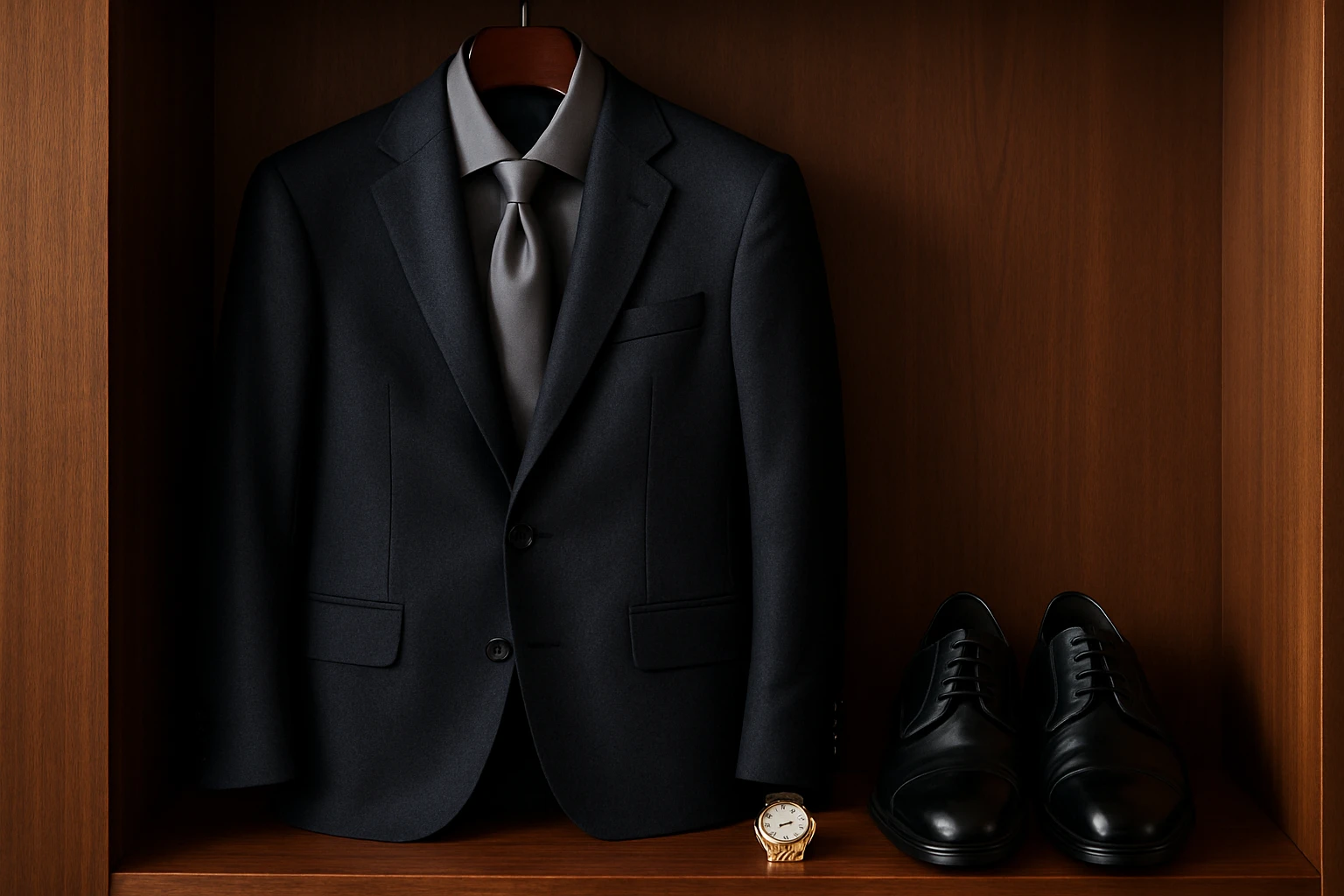
One of the most critical factors in formal attire is achieving the right fit. Poorly fitted clothing can undermine your entire appearance, so it's essential to avoid several common mistakes. A common error is wearing a suit that's either too tight or too loose, causing discomfort and an unflattering look. A suit should contour to your body shape without restricting movement. Ensure that the jacket sits properly on your shoulders, and its sleeves end just above the wrist bone, allowing a half-inch of shirt cuff to be visible.
Similarly, the fit of trousers is often overlooked. Wearing pants that are excessively baggy or, conversely, too tight can disrupt the sleek lines expected in formal attire. Proper tailoring can resolve these issues. Hem the trousers to rest lightly on the top of your shoes, allowing a slight break in the fabric. According to Real Men Real Style, a precisely tailored suit instantly enhances confidence and elegance.
Color Coordination
Another frequent styling mistake involves poor color coordination. Wearing clashing colors or patterns can detract from the sophistication of formal wear. Opt for neutral tones like navy, black, and grey as the base of your outfit, which are universally acceptable and versatile. When incorporating colors through ties or pocket squares, ensure they complement rather than overpower the overall look. The key is subtlety and cohesion in color choices.
For example, pairing a navy suit with a burgundy tie and white shirt creates a harmonious blend of colors that is both visually appealing and professionally suitable. According to GQ's color matching guide, understanding how to mix and match colors appropriately is essential for avoiding common styling mishaps in formal attire. Remember, less is often more when it comes to color in formal settings.
Being mindful of what are common styling mistakes to avoid with formal attire helps ensure that you present yourself with polish and precision. By focusing on fit and color coordination, significant improvements can be made in elevating your appearance. Employing these insights encourages a refined and distinguished presentation, ideal for professional environments.
Ignoring Accessories
One of the most overlooked aspects when considering what are common styling mistakes to avoid with formal attire is the misuse or neglect of accessories. Accessories can significantly enhance the overall look, but selecting them requires careful consideration. For example, wearing a flashy watch or overly ornate jewelry can detract from the sophistication of a formal outfit. Instead, opting for subtle yet elegant pieces, such as a classic pair of cufflinks or a restrained wristwatch, can add refinement and class.
Furthermore, ties and pocket squares should be chosen with care. A tie that clashes with the shirt or jacket disrupts the harmony of the attire. According to GQ's styling guide, the rule of thumb is to match the tie with the shirt in a way that the tie complements the overall color scheme rather than overpowering it. Pairing the tie with a coordinating pocket square can finalize the ensemble, adhering to the principle of color harmony.
Shoe and Belt Coordination
Shoes and belts are often viewed as functional items, but they play a crucial role in formal attire. Failing to coordinate the color and style of your shoes and belt is a common oversight. For example, wearing a brown belt with black shoes can immediately undermine an otherwise well-put-together ensemble. As Real Men Real Style suggests, sticking to the classic black or brown options ensures that you remain consistent with traditional formalwear standards. Matching your shoes and belt not only reflects attention to detail but also adds to the cohesiveness of your attire.
The Significance of Shoe Styles
Another vital element is choosing the right shoe style for the occasion. For instance, wearing brogues to a black-tie event may be seen as too casual. Instead, patent leather oxfords are often recommended for such formal events. It's not just about style; the condition of your shoes matters as well. Ensuring they are polished and free from scuffs demonstrates a level of meticulousness expected in formal settings. FashionBeans highlights the importance of footwear in making the right first impression, emphasizing that attention to this detail can elevate your whole look.
Avoiding these common styling mistakes with formal attire by paying attention to accessories, shoes, and belts ensures a polished and sophisticated appearance. These small yet significant details can make all the difference in presenting yourself with style and confidence.
Conclusion
Understanding what are common styling mistakes to avoid with formal attire is crucial for presenting oneself with confidence and professionalism. These missteps often include inappropriate fit, over-accessorizing, ignoring dress codes, and mismatched shoes, which can all detract from the overall elegance of an outfit. The good news is that these errors are easily correctable with a bit of knowledge and attention to detail.
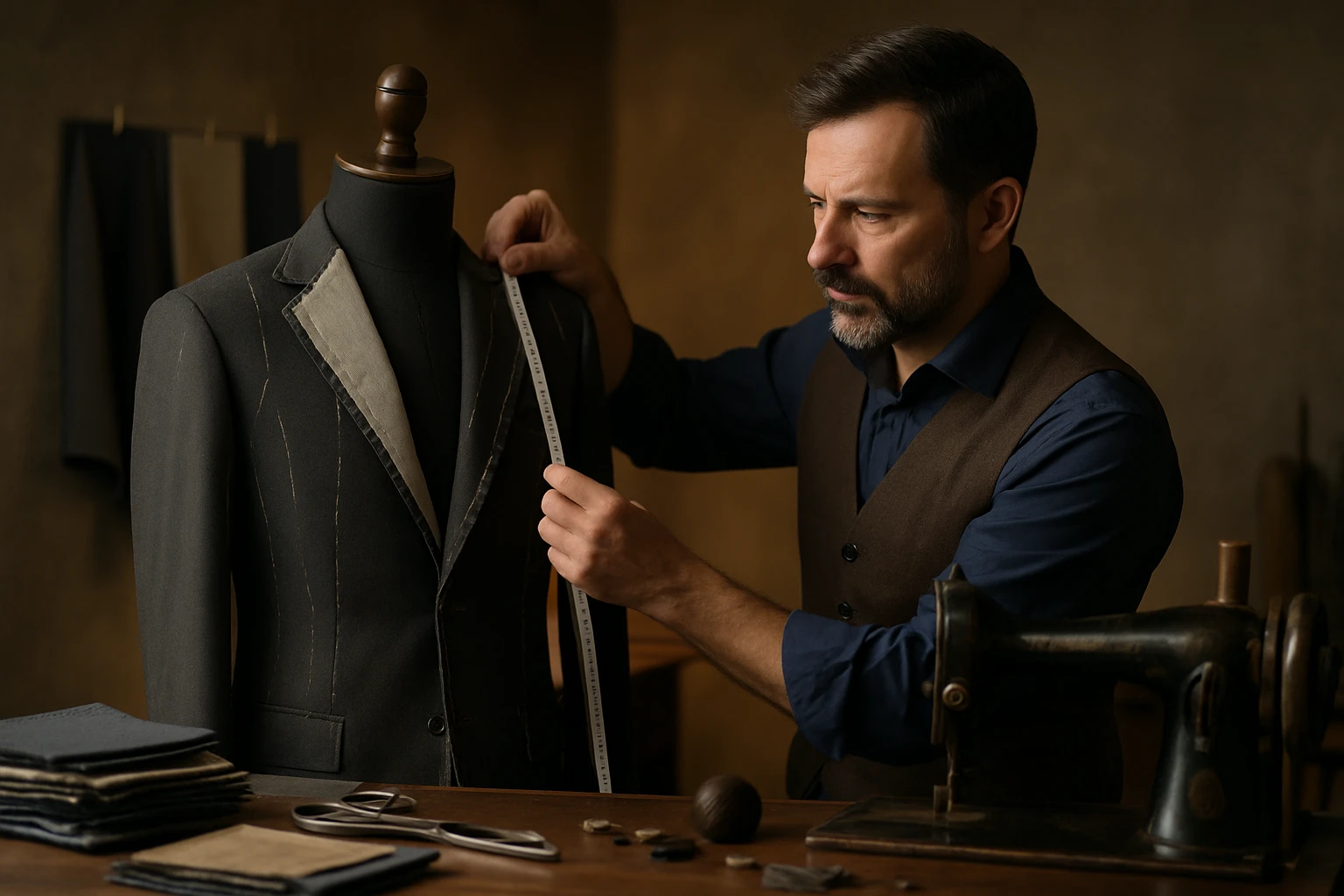
Start by ensuring that each garment fits properly. A well-fitted suit or dress can make a significant difference in how you carry yourself. Consider consulting a tailor to make adjustments to your clothing, as off-the-rack options rarely provide a perfect fit. In fact, Forbes highlights how tailoring is an investment that adds sophistication and personal flair to your wardrobe.
Next, approach accessories with a minimalist mindset. Choose pieces that complement rather than overpower your outfit. When it comes to jewelry, belts, or ties, subtle and coordinated items can enhance your look without overwhelming it. The goal is to create a balanced ensemble that aligns with your personality and the occasion's requirements.
It's also essential to adhere to formal dress codes. Whether attending a white-tie event or a business dinner, understanding what is expected can prevent embarrassing faux pas. Educate yourself about different dress codes and when to apply each. According to GQ, familiarizing yourself with various dress expectations can simplify getting ready for any occasion.
Finally, pay close attention to footwear. Shoes should be clean and polished, complementing rather than clashing with your attire. Mismatching shoes with an outfit is a common error that can be avoided by selecting classic, versatile styles suitable for multiple events.
In summary, paying close attention to these elements will help you avoid the most common mistakes related to formal attire. Embrace the insights provided here by assessing your current wardrobe, seeking professional advice, and refining your style choices. Taking these steps will not only enhance your appearance but also boost your confidence in any formal setting. So, take a step toward perfecting your formal style today and redefine how you present yourself.
Article Generated by Soogle