
Chic and Conscious: Ideas for Sustainable Evening Wear

Introduction
The world of fashion is undergoing a transformation, driven by a growing demand for eco-conscious elegance. Imagine attending a gala in a luxurious gown crafted from innovative, planet-friendly materials—without compromising on glamour or sophistication. This article opens the door to exploring ideas for sustainable evening wear without sacrificing style? by blending integrity with impeccable aesthetics.
Why Sustainable Evening Wear Matters
Luxury and sustainability are no longer mutually exclusive. Designers like Christian Siriano have recently demonstrated that recycled fabrics can honor eveningwear’s elegance—his Spring–Summer 2025 collection at New York Fashion Week featured pieces made entirely from Circ Lyocell, a recycled textile that looks and drapes like silk Teen Vogue. Harris Reed's Spring/Summer 2025 “ENCORE” collection used repurposed antique textiles—such as French silk damask curtains and lace tablecloths—to craft richly dramatic eveningwear that embraces heritage and sustainability Teen Vogue.
Understanding the environmental stakes underscores the urgency: textile production is among the most resource-intensive industries, yet waste recycling remains alarmingly low—at around 15% globally—highlighting the vast potential of zero-waste strategies Wikipedia. These realities not only compel innovation but also offer a powerful narrative: evening wear that tells a story of regeneration, resourcefulness, and enduring style.
What to Expect in This Guide
You’ll discover a curated blend of actionable insights and inspiring examples—ranging from biodegradable fabrics like Tencel™ and organic silk, to emerging materials such as mushroom-based textiles and microbial leather. We’ll explore how zero-waste pattern techniques can elevate a gown’s creativity while minimizing waste, and how brands champion ethical production and craftsmanship. Whether you're looking to buy, rent, or even DIY, this guide equips you with the knowledge to make informed, stylish choices that honor both you and the planet.
In upcoming sections, you’ll learn how to select fabric consciously, mix and match pieces for versatility, work sustainable accessories into your look, and support designers making meaningful change. Together, we’ll transform the concept of eveningwear into something that’s not only beautiful—but also responsibly made and profoundly intentional.
Choosing Sustainable Fabrics for Evening Wear
When considering ideas for sustainable evening wear without sacrificing style, selecting the right fabric is crucial. The choice of material can significantly impact both the environmental footprint and the overall aesthetic of your attire. Opting for sustainable fabrics not only supports eco-friendly practices but also offers a unique texture and luxurious feel.
Organic Cotton and Linen
Organic cotton and linen are excellent choices for evening wear as they are both renewable and biodegradable. These materials require less water and fewer pesticides in their production compared to conventional cotton. Designers like Stella McCartney have embraced organic materials, featuring elegant gowns that highlight both style and sustainability. Linen is particularly suitable for warm climates, offering breathability and a classic, sophisticated look.
Tencel and Lyocell
Tencel and Lyocell are fibers derived from sustainably grown wood sources. These fabrics are known for their softness, strength, and moisture-wicking properties. They drape beautifully, making them ideal for evening dresses that exude elegance. According to a report from FashionUnited, Tencel production has a lower impact on the environment due to its closed-loop system, which recycles water and solvents used in the process. This makes it a preferred choice for eco-conscious fashionistas.
Recycled Materials
Innovative use of recycled materials is also transforming the fashion industry. Fabrics made from recycled plastics, such as polyester, provide durability and versatility without new resource extraction. Brands like Patagonia have been pioneers in this area, demonstrating how style and sustainability can coexist. By choosing garments crafted from recycled materials, consumers support a model that reduces waste and promotes circular fashion.
The exploration of sustainable fabric options is just one aspect of creating chic yet environmentally friendly evening wear. By prioritizing these materials, you contribute to a more sustainable fashion industry without compromising on style. In the following sections, we’ll delve deeper into how to combine sustainable accessories and support visionary designers making noteworthy strides in this arena.

Eco-Friendly Fabrics: Blending Sustainability with Elegance
When it comes to ideas for sustainable evening wear without sacrificing style, choosing the right fabric is crucial. Today's fashion designers are increasingly opting for eco-friendly materials that reduce environmental impact while offering luxurious aesthetics. One significant development is the use of organic cotton, which is grown without harmful chemicals, preserving soil health and biodiversity. According to the Fashion Transparency Index, prominent brands are adopting organic cotton to drive sustainability.
Bamboo fabric is another innovative choice, providing both comfort and elegance. Bamboo grows rapidly without pesticides and is biodegradable. Fashion labels such as BAM are harnessing its qualities to craft chic evening wear. Moreover, Tencel, a fiber derived from sustainably managed forests, offers a luxuriously smooth finish, ideal for gowns and dresses. Its production process is environmentally friendly, using closed-loop systems to minimize waste. An insightful study by Common Objective highlights Tencel's low environmental footprint compared to traditional fabrics.
Recycled and Upcycled Materials: Breathing New Life into Fashion
Recycled materials are gaining momentum in the realm of sustainable evening wear. Designers are transforming plastic waste into exquisite textiles. The acclaimed fashion brand, Ecoluxe, leads by example, creating evening gowns from recycled ocean plastic. This not only mitigates marine pollution but also results in stunning fashion pieces. According to a report by Ellen MacArthur Foundation, adopting circular fashion practices could significantly reduce environmental harm.
Upcycling is another creative approach, involving the transformation of pre-existing garments into fresh, stylish attire. Vintage stores and ethical boutiques like Beyond Retro champion this trend, offering a unique blend of history and modern design. By supporting upcycled fashion, consumers can wear exclusive evening pieces that convey both elegance and sustainability.
As consumers become increasingly aware of the impact of their fashion choices, the demand for stylish, sustainable evening wear continues to rise. The integration of eco-friendly and recycled materials not only preserves the planet but also sets a new standard for innovative, fashionable design. Embracing such ideas for sustainable evening wear without sacrificing style ensures that elegance and environmental consciousness go hand in hand.
Sustainable Glamour Meets Real-World Innovation
Building on the momentum of eco-conscious elegance, this part explores real-world applications and tangible strategies that embody ideas for sustainable evening wear without sacrificing style? It’s one thing to imagine responsible fashion—it’s another to witness its transformation in action.
Designer Showcases That Inspire
One standout example is Lucy Tammam’s “One Dress: PLANET,” unveiled in February 2025. The couture gown merges organic cotton, Tencel, and cruelty-free Peace Silk, embroidered with endangered ecosystem flora using organic dyes, making it entirely compostable—an elegant nexus of activism and artistry Lucy Tammam via Wikipedia.
Similarly, Galia Lahav’s RE:GALIA initiative introduces a circular fashion model in eveningwear: couture and ready-to-wear garments are available for resale, rental, or repurposing, extending their lifecycle and reducing waste within luxury fashion systems Galia Lahav via Wikipedia.
Material Innovation and Artisan Collaboration
At the intersection of tradition and sustainability lies Rare & Fair, a UK-based brand collaborating with Thai artisans. Their eveningwear is crafted from sustainably grown cotton and silk, naturally dyed and ethically produced, blending heritage craftsmanship with modern environmental ethics Conscious Life & Style.
Another compelling model is Reformation, which transparently shares the environmental impact of their dress production and uses eco-fabrics like Tencel, recycled cotton, and viscose. Their climate-neutral certification and membership in organizations like the Sustainable Apparel Coalition reflect a scalable and responsible business model for eveningwear brands Sustainably Chic.
Luxury Meets Upcycling and Circularity
Upcycled couture is gaining traction, with Maison Margiela’s Artisanal collection incorporating over 90% upcycled materials and generating a 60% waste reduction. Reformation’s sustainable strategy includes converting approximately 20 million plastic bottles into garments every year. These initiatives illuminate how even luxury eveningwear can profoundly reduce environmental impact without sacrificing glamour Grrly Grrls blog.
Together, these examples illustrate how thoughtful design, innovative materials, circular business models, and ethical craftsmanship merge to uphold both style and sustainability. They serve as blueprints for designers, brands, and consumers interested in championing ideas for sustainable evening wear without sacrificing style? through actionable, beautiful, and responsible fashion solutions.
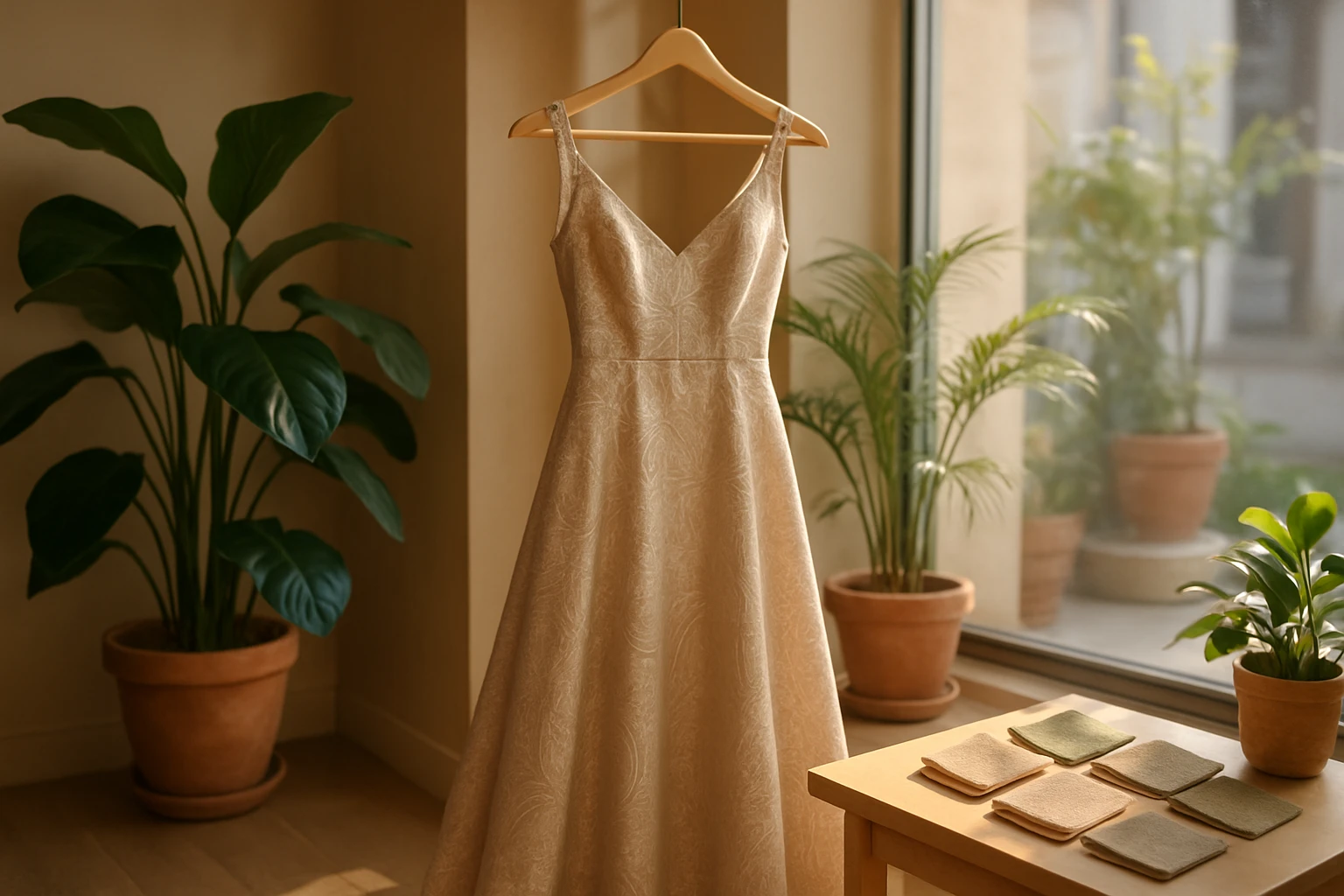
Conclusion: Embracing Sustainable Style
As we move towards a future where sustainability is not just a choice but a lifestyle, integrating eco-friendly practices into our wardrobes becomes crucial. The ideas for sustainable evening wear without sacrificing style are plentiful and diverse, offering fashion-forward individuals a plethora of options to express themselves responsibly. By exploring organic fabrics, supporting ethical brands, and choosing timeless designs, we can enjoy fashion that is both elegant and conscience-friendly.
One actionable insight is to prioritize pieces made from sustainable materials like Tencel, organic cotton, or recycled fibers. These fabrics not only minimize environmental impact but also offer superior quality and comfort. For instance, Tencel is renowned for its breathability and silky texture, making it perfect for evening wear that feels luxurious yet guilt-free.
Moreover, collaborating with designers who embrace zero-waste practices can significantly reduce fashion's ecological footprint. Prominent figures in the industry, like Stella McCartney, have demonstrated how high fashion can champion sustainable principles. Following in such footsteps, emerging brands are increasingly finding innovative ways to produce beautiful attire while minimizing waste. Supporting these brands can be both a statement of style and a commitment to the planet.
Aside from individual choices, community initiatives can also foster a culture of sustainable fashion. Several platforms now exist where consumers can rent or swap evening wear, which not only extends the lifecycle of garments but also promotes a shared economy of fashion. According to a study by ThredUp, the resale market is projected to grow 11 times faster than traditional retail by 2025, highlighting the rising awareness and adoption of sustainable practices (ThredUp Resale Report).
The journey toward sustainability in fashion is ongoing, and its success hinges on informed decisions by consumers and designers alike. As you consider your next purchase, reflect on the impact of your choices, and strive for options that harmonize style with sustainability. Let's transform our closets into expressions of art that are good for both the soul and the planet.
For those eager to explore more on sustainable fashion, various resources offer deeper insights and practical tips. Websites like SustainableFashion.com provide valuable information on brands and practices for eco-conscious consumers. By staying informed and engaged, you can continue to redefine fashion—one sustainable piece at a time.
Article Generated by Soogle