
Common Formal Attire Mistakes and How to Avoid Them

Introduction
From high-stakes business meetings to formal galas, the way one presents oneself through attire dramatically shapes first impressions. Yet even experienced dressers can slip up when navigating the nuances of formalwear. Understanding what are common styling mistakes to avoid with formal attire? can help elevate your style and command respect, whether at a boardroom or black-tie event.
Many people don a suit or tuxedo with confidence—studies show that 67% of men report feeling more confident wearing formalwear—but a surprisingly small percentage actually know how to match attire to dress codes correctly. Only 53% identified black-tie, and even fewer could recognize white-tie or cocktail dress codes nypost.com. Such gaps in knowledge can lead to missteps that undermine the elegance of one’s outfit.
Professional stylists and designers consistently highlight recurring errors—like buttoning the wrong jacket button, neglecting tailoring details, or pairing formalwear with casual footwear—which dilute the overall impact of sophisticated attire. Christopher Cuozzo, a bespoke designer, criticizes wearing sneakers with suits, leaving suit vents stitched shut, and keeping the bottom button fastened on a two-button jacket businessinsider.com.
Beyond fit and footwear, subtle misjudgments—such as over-accessorizing, mismatching colors or patterns, and ignoring grooming—can derail your intended polished image. These missteps subtly signal inattentiveness, regardless of how refined the fabric or cut may be. Drawing on expert insights and real-world examples, this article will help you recognize and correct common styling pitfalls, ensuring that your formal attire enhances your confidence, credibility, and presence rather than detracting from it.
Fit and Structure: The Foundation of Formal Elegance
Stepping into formal attire with confidence begins with a flawless fit. Many individuals underestimate how much an improperly tailored suit or gown can undermine their presence. For instance, wearing a suit that’s either too oversized or too tight can distort posture and silhouette, subtly shouting *inattentiveness* rather than refinement. Experts stress that a made-to-measure or expertly tailored ensemble ensures clean lines and a composed impression, reinforcing your professionalism and poise Lanieri’s guide to formal wear mistakes emphasizes this point through examples of ill-fitting jackets and trousers
Common Fit-Related Pitfalls
- Fastening the bottom button of a two- or three-button jacket — a frequent misstep that disrupts the garment’s drape and visual balance. Designers caution that the bottom button should always remain undone to preserve the intended silhouette according to bespoke menswear expert Christopher Cuozzo.
- Neglecting garment alterations — off-the-rack clothes often exhibit excess fabric, ill-matched proportions, or untrimmed stitching, particularly around vents. Investing in professional tailoring ensures your attire follows the contours of your body correctly, presenting a significantly sharper image.
Beyond fit, the structure of the attire plays a pivotal role. An unstructured or poorly pressed jacket lacks formality, and even a pristine fabric can fall flat without defined shoulders or clean tailoring. In formalwear, such nuances signal either deliberate attention to detail or a lack thereof. A precisely sculpted suit, on the other hand, communicates intention—from every seam to every fold—a language of subtle command and elegance.
Integrating these fit and structuring strategies offers actionable resolution to questions like what are common styling mistakes to avoid with formal attire? By ensuring your clothing sits correctly on your frame, you cultivate an unmistakable polished identity that speaks volumes before you say a word.
Avoiding Overcomplicated Accessories
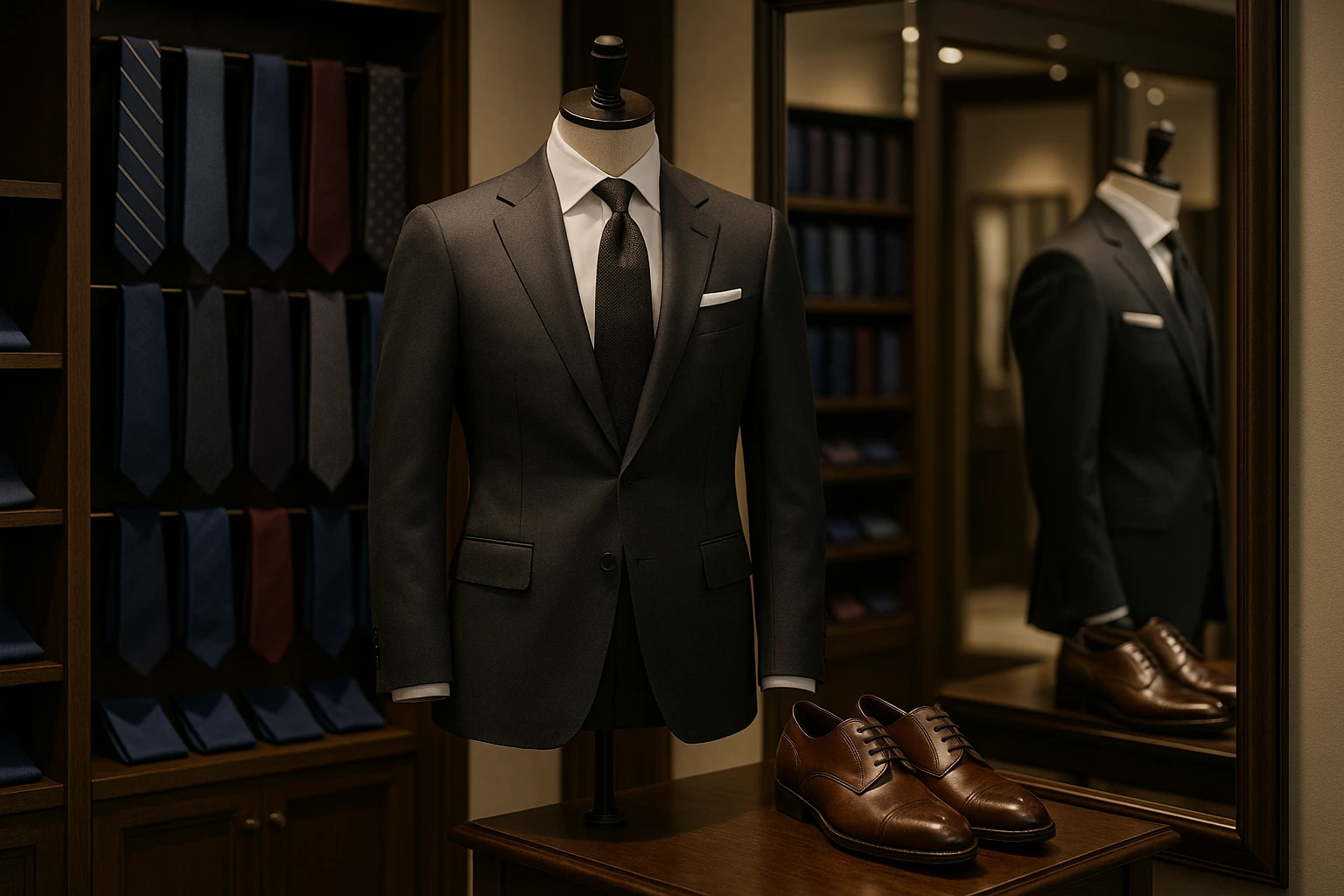
In the realm of formal attire, accessories serve as a powerful tool to enhance an outfit, but they can quickly become a pitfall if not chosen wisely. It's crucial to avoid overcomplicating with too many accessories, as this can detract from the sophisticated essence of a formal ensemble. A common styling mistake to avoid with formal attire is layering on multiple statement pieces, which may overwhelm the outfit and confuse the elegance that formal wear embodies.
For instance, when attending a black-tie event, opting for a sleek watch may suffice rather than adding a bold pocket square, flashy tie clip, and a handful of rings. Simplicity often leads to greater impact. According to fashion expert Tim Gunn, "Fashion is about dressing according to what's fashionable. Style is more about being yourself." This insight emphasizes the value of subtlety and personal style over excessive accessorizing (Forbes).
The Balance of Color Coordination
Color coordination is another critical area where many make missteps. Donning an outfit with clashing colors can appear chaotic and diminish the overall sophistication. It's essential to maintain a cohesive palette to ensure that formal attire presents as intentionally curated rather than haphazardly assembled.
Avoid mixing warm and cool tones excessively, such as pairing a bright red tie with a pastel blue shirt, as this can jar the senses. Instead, aim for complementary shades or stick to a classic monochrome scheme. A study from Colour Affects reveals that well-coordinated colors not only enhance visual appeal but also influence mood and perceptions significantly.
Fit Over Brand Name
While the allure of high-end brands can be strong, the fit of the clothing remains paramount in formal attire. A common mistake is prioritizing brand names over proper fit, resulting in a look that's more about status than style. The goal should always be to achieve a polished appearance that suits one's body shape and personal style, regardless of the label.
Investing in alterations to ensure garments fit impeccably is often more beneficial than relying on high-ticket items. Many style icons, including Tom Ford, highlight the importance of fit, stating, "Good tailoring is half the battle." Prioritizing a well-tailored suit can elevate one's appearance far more effectively than a trendy designer piece that doesn't sit right (GQ).
Fit and Tailoring Discrepancies That Undermine Formalwear
Distorted Proportions and Jacket Length
A common misstep in formal attire stems from wearing a jacket whose length disturbs silhouette harmony. A too-short jacket can make the proportions feel off, diminishing the intended sophistication. As Esquire points out, it’s a frequent tailoring mistake—jackets these days often fail to cover the wearer’s backside, truncating the body line and reducing the slimming effect intended by classic tailoring. A reliable rule is ensuring the jacket hem reaches the center of your palm when your arms hang naturally, preserving length and proportion Esquire.
Collar Gaps and Shoulder Fit Issues
Another subtle but impactful error is the collar gap between the shirt and jacket—this irregularity not only disrupts neckline continuity but also draws undesired attention away from the wearer’s face. Such a gap stems from shoulder misalignment, poor posture, or mismatched shirt collar sizing. Fortunately, a skilled tailor can address this by adjusting the shoulder line or jacket collar, or recommending a better-fitting garment upfront Pater Heritage.
Buttoning Mistakes and Their Visual Fallout
Ignoring conventional buttoning etiquette may create awkward visual cues in formalwear contexts. In two-button jackets, fastening only the top button preserves the intended silhouette; closing both buttons disrupts that visual flow. With three-button styles, the maxim "sometimes, always, never" applies from top to bottom. Additionally, keeping a suit jacket buttoned while seated risks pant wrinkling and garment strain—best practice is to unbutton before sitting down The Suit Store.
Embroidery, Stitching, and Tag Oversights
Leaving in basting stitches, vent stitches, or designer hang-tags might seem trivial but can significantly detract from polished formalwear. These temporary fixtures are meant for shipping or display and undermine your look when worn in place. Industry professionals emphasize removing such remnants to ensure the garment drapes and moves correctly Esquire.
Moving seamlessly from the tailoring insights above, the next section will explore accessory-related pitfalls, addressing how belts, shoes, and ties can subtly erode or elevate your formalwear. Understanding what are common styling mistakes to avoid with formal attire? means recognizing that the elegance of formalwear rests as much in the details as in the fit.
Concluding Thoughts: Elevate Your Formal Attire with Confidence
Understanding what are common styling mistakes to avoid with formal attire can significantly enhance your wardrobe choices, ensuring that you present yourself with poise and sophistication. Through careful planning and attention to detail, you can prevent common pitfalls and create a polished appearance that leaves a lasting impression.
One key takeaway is the importance of fit. Ill-fitting clothes are one of the most prevalent styling errors; they not only affect comfort but can also detract from your overall look. Embrace the value of tailored garments. Investing in an expert tailor can transform off-the-rack pieces into customized attire that complements your unique physique.
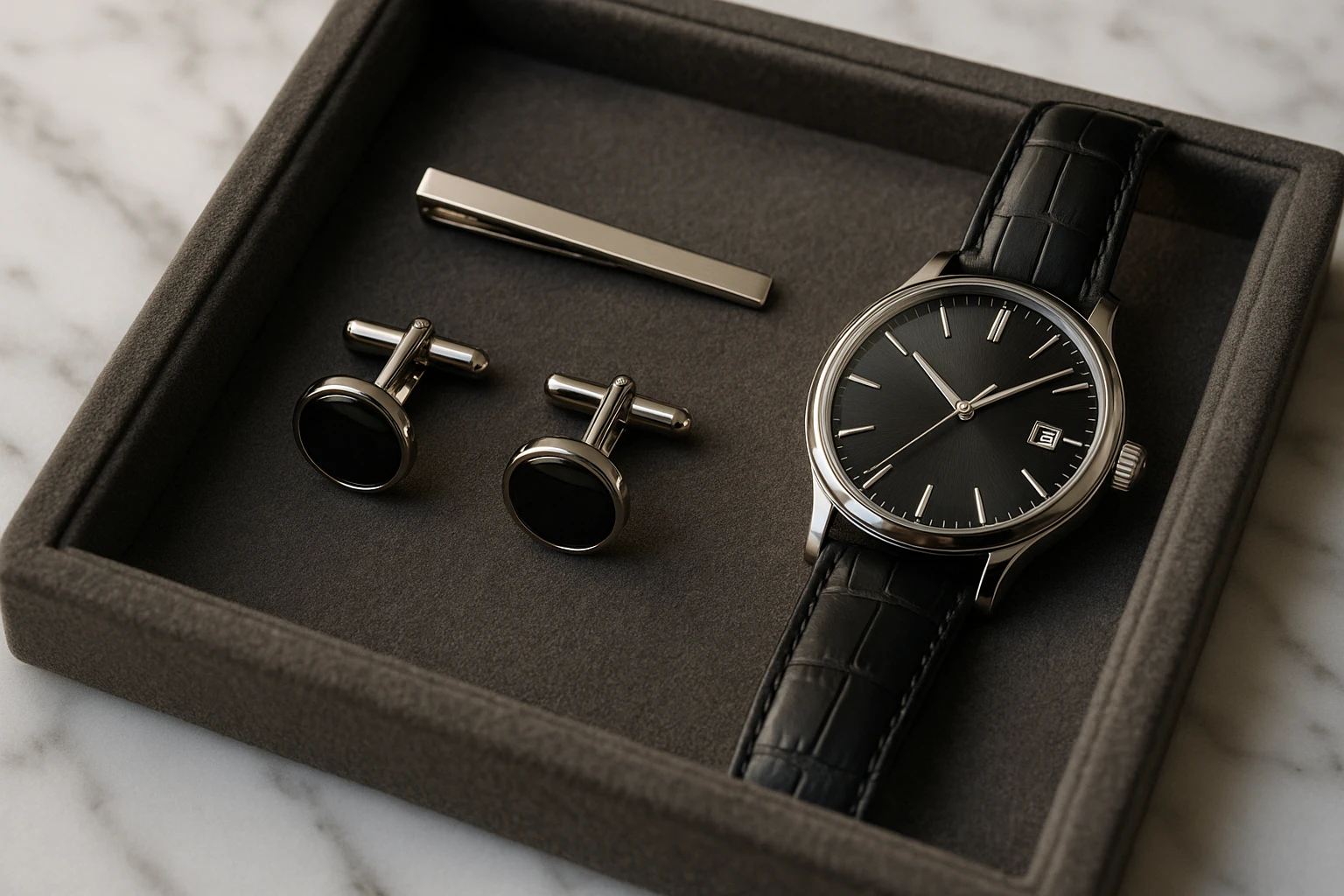
Accessories play a critical role in completing formal outfits. Avoid over-accessorizing as it can appear cluttered and distract from a clean, sleek look. Instead, focus on choosing minimalist, high-quality pieces such as a classic watch or simple cufflinks that enhance your ensemble. According to a report by The New York Times, selecting timeless pieces is essential for building a versatile wardrobe.
Color coordination also deserves attention. Choosing harmonious color combinations can make a powerful statement. Stick to classic palettes and ensure that your shoes, belt, and other leather accessories match. An article on Forbes highlights how color choices influence perception and mood, emphasizing the need for thoughtful selection.
While mastering formal attire requires ongoing learning and adaptation, these actionable insights can serve as a foundation. Dive into fashion blogs, follow style influencers, and keep abreast of evolving trends. Stay curious and be open to trying new styles while maintaining an awareness of fundamental sartorial principles.
To transform your wardrobe and elevate your fashion game, begin by assessing your current clothing. Identify pieces to tailor or retire, invest in classic accessories, and refine your color schemes. Your journey to impeccable formal attire starts with these simple yet profound steps. Embrace each opportunity to dress formally as a chance to express yourself with dignity and charm.
Article Generated by Soogle