
Gown fashion history: Evolution, culture & influence
Gown fashion history: Evolution, culture & influence
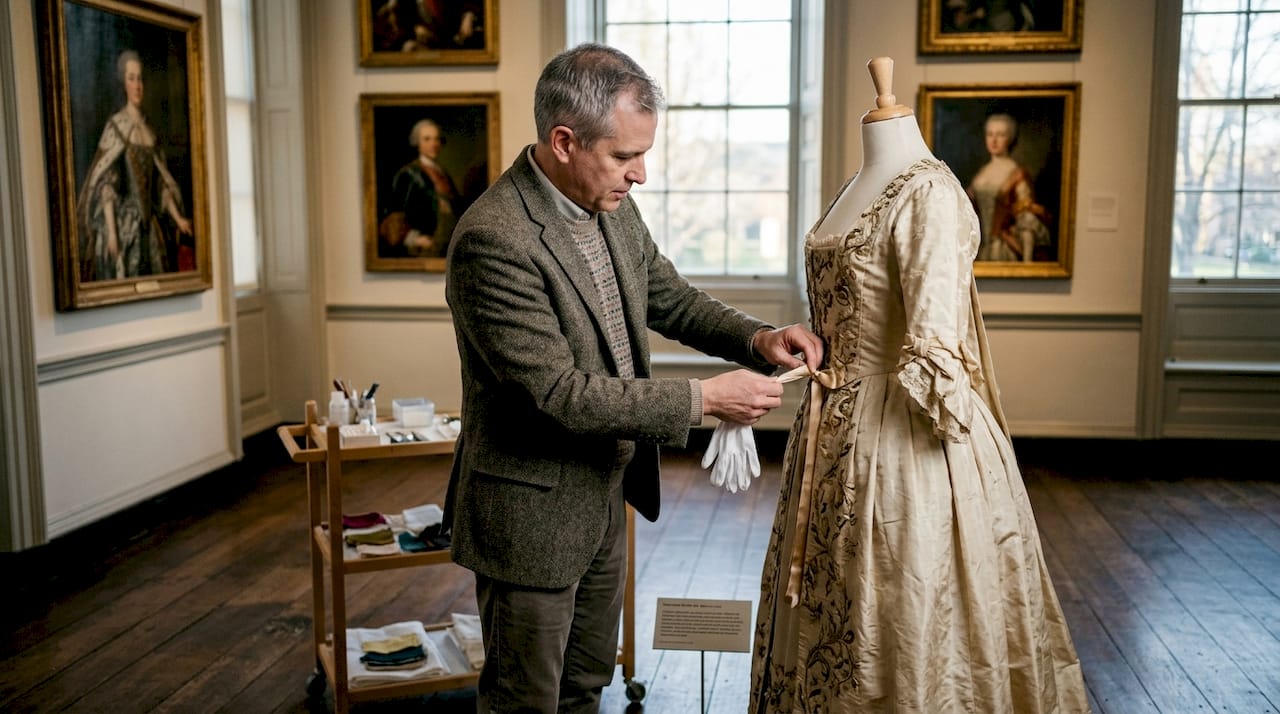
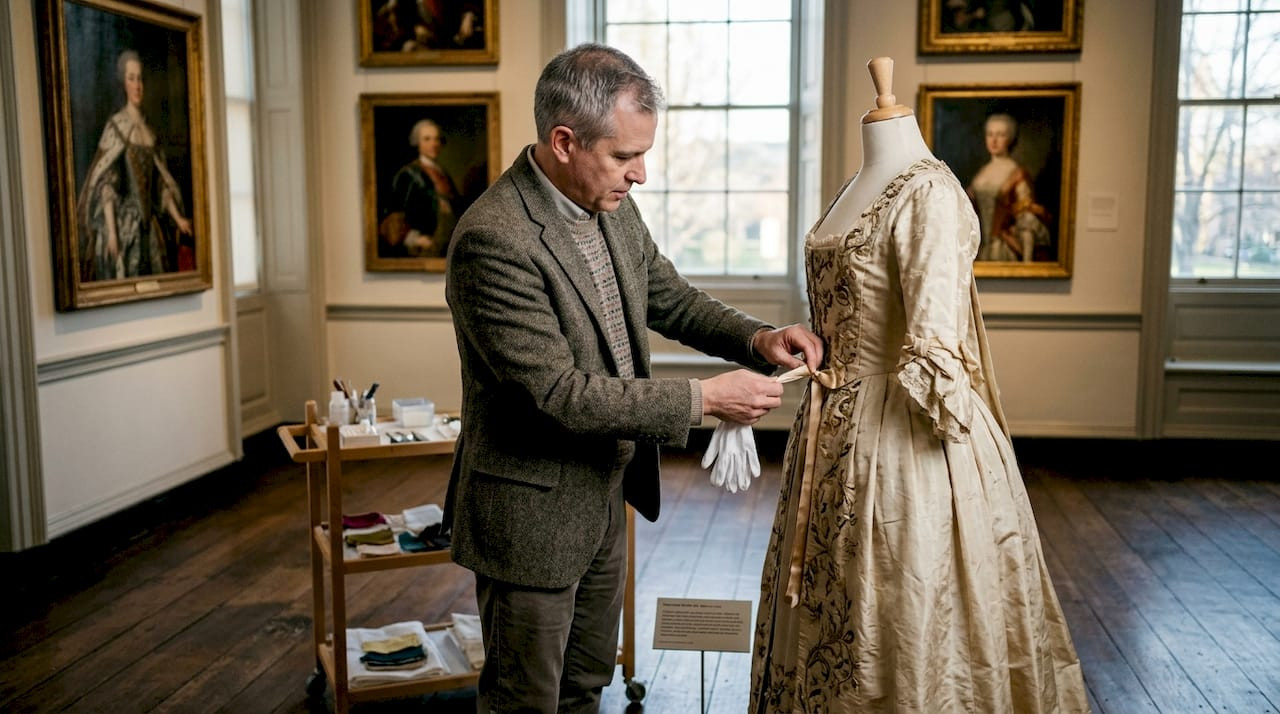
Gowns have graced royal courts, suffragette rallies, and red carpets alike, yet most people think of them simply as glamorous dresses for special nights. The truth is far more layered. Every silhouette, fabric choice, and structural detail you see in a modern gown carries centuries of social meaning, technological invention, and cultural tension. Gowns reflected hierarchy across medieval, Renaissance, and Rococo periods, signaling status and privilege in ways that went far beyond aesthetics. Understanding that history doesn’t just make you a better fashion enthusiast. It makes every gown you try on feel like a conversation with the past.
Table of Contents
- Tracing the origins: How gowns became fashion icons
- The Rococo era: Lavish shapes and aristocratic codes
- Victorian innovation: Volume, technology, and morality
- Gowns in the modern age: Diversity, sustainability, and global fusions
- Gowns as cultural mirrors: Symbols, controversies, and societal change
- From history to your wardrobe: Discover exquisite modern gowns
- Frequently asked questions
Key Takeaways
| Point | Details |
|---|---|
| Gown history echoes culture | Every major shift in gown fashion mirrors societal changes and beliefs about status and gender roles. |
| Innovations drove silhouette | Technological advances like crinolines and industrial fabrics enabled dramatic shapes and new freedoms. |
| Modern gowns blend tradition | Today’s gowns combine vintage silhouettes, eco-friendly materials, and global cultural influences. |
| Fashion tells personal stories | Wearing or choosing a gown connects you to centuries of evolving style, empowerment, and self-expression. |
Tracing the origins: How gowns became fashion icons
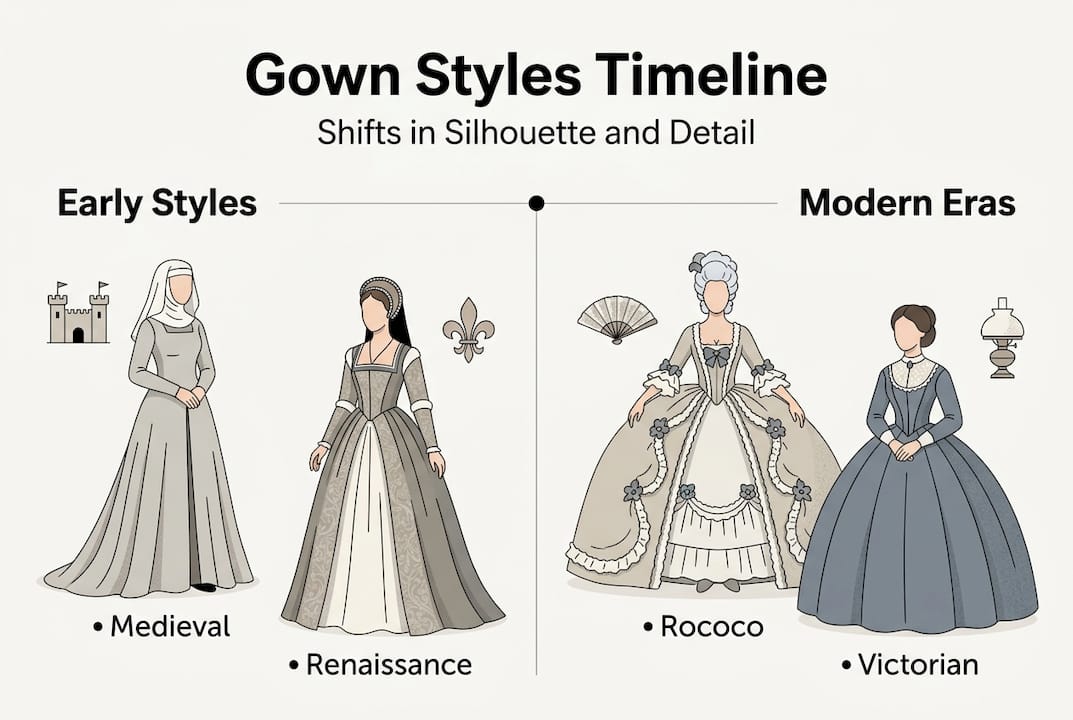
Long before the red carpet existed, gowns were doing serious political work. In medieval Europe, what you wore announced your rank before you even opened your mouth. Sumptuary laws, which were legal codes restricting who could wear what fabrics and colors, made fashion a matter of law, not just taste. Velvet, ermine fur, and deep crimson were reserved for royalty and high nobility. Everyone else wore wool.
As courts grew more elaborate during the Renaissance, gowns became increasingly constructed rather than simply draped. Tailors began shaping bodices, adding structure to skirts, and using fabric combinations to create visual drama. The gown was no longer just clothing. It was a statement of power.
“Fashion in the courts was never accidental. Every seam, every color, every yard of silk was a calculated message about who held authority.”
Key ways early gowns signaled status:
- Fabric type: Silk and brocade for nobility; linen and wool for commoners
- Color saturation: Rich, deep dyes were expensive and therefore exclusive
- Silhouette complexity: More structure meant more wealth and access to skilled tailors
- Embellishment: Gold thread, pearls, and jeweled accents marked the highest ranks
By the time early ball gowns emerged in European courts, they had become central to diplomatic and political culture. Wearing the right gown at the right event was as strategic as any speech. If you want to understand the DNA of today’s ball gown essentials, this is where it starts.
The Rococo era: Lavish shapes and aristocratic codes
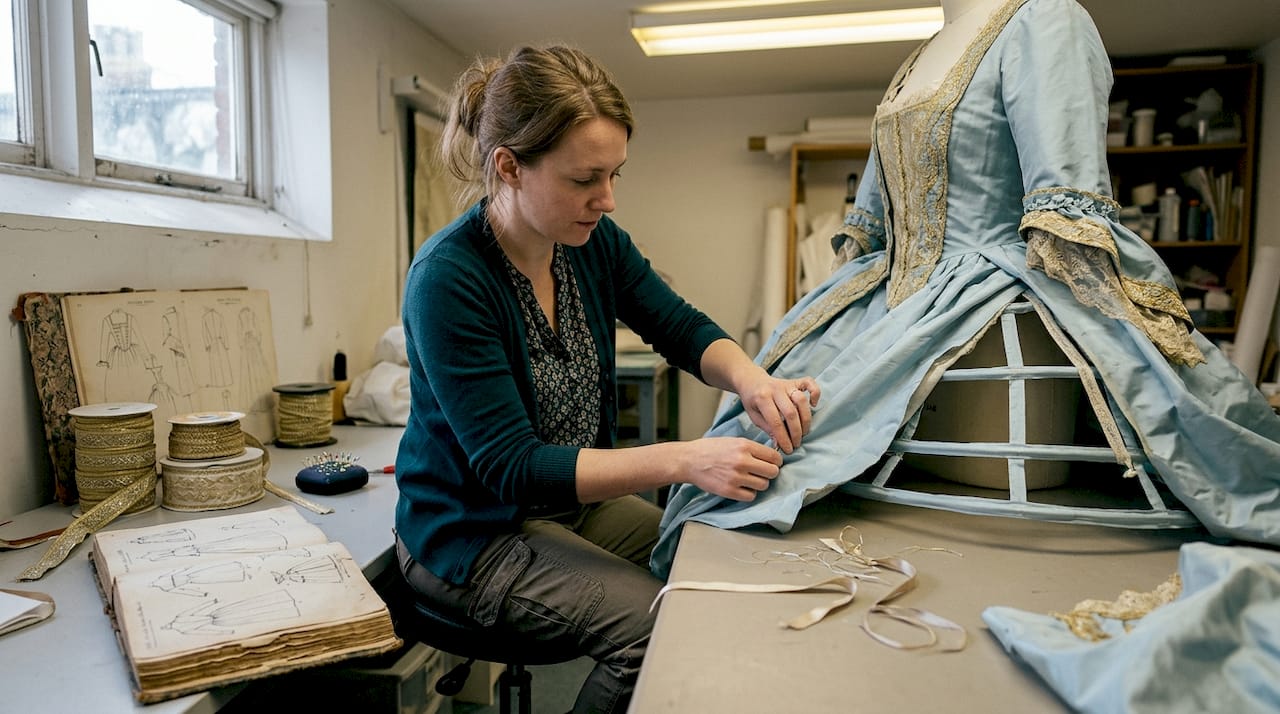
The eighteenth century took gown construction to theatrical extremes. Rococo fashion, centered in the French court of Versailles, introduced panniers, which were rigid side hoops that extended skirts dramatically outward at the hips. Combined with tightly laced corsets and floor-sweeping trains, these gowns made movement a performance in itself.
Rococo ball gowns used panniers for wide skirts, tightly laced corsets for small waists, and lavish silk, brocade, and satin with lace and pastel tones to signal aristocracy. Pastel pinks, powder blues, and soft yellows became the palette of privilege. Intricate embroidery and hand-sewn lace could take hundreds of hours to complete, making each gown a wearable investment.
| Feature | Medieval/Renaissance | Rococo | Post-Rococo (Early 19th century) |
|---|---|---|---|
| Silhouette | Draped, structured bodice | Wide panniers, tight waist | Narrower, empire waist |
| Key fabrics | Velvet, brocade, wool | Silk, satin, lace | Muslin, light cotton |
| Color palette | Deep jewel tones | Soft pastels | White, ivory, muted tones |
| Social signal | Rank and legal status | Aristocratic refinement | Moral virtue and simplicity |
Pro Tip: When you spot a modern evening gown with dramatic volume at the hips or an exaggerated skirt, that’s Rococo DNA at work. Award season red carpets regularly revive these silhouettes because they photograph with the same theatrical impact they had in candlelit ballrooms. Explore extravagant gown trends to see how designers are channeling this energy today, or browse vintage-inspired gowns for styles that echo this era beautifully.
Victorian innovation: Volume, technology, and morality
As Rococo opulence gave way to the Victorian era, new technologies reshaped female silhouettes while sparking real debates about women’s health and freedom. The crinoline, a cage-like steel hoop structure, replaced the exhausting layers of petticoats women had worn before. Skirts got wider and lighter at the same time. It sounds like progress, and in some ways it was.
But Victorian gowns emphasized modesty through corsets, crinolines, and bustles, with crinolines being lighter than petticoats but carrying real hazards. Fires were a documented danger since the wide steel frames could catch flames easily. Navigating carriages and doorways became a daily challenge. By the 1870s, the bustle replaced the crinoline, shifting volume to the back of the skirt instead.
| Feature | Crinoline (1850s-1860s) | Bustle (1870s-1880s) |
|---|---|---|
| Volume placement | All around the skirt | Concentrated at the back |
| Weight | Lighter than petticoats | Moderate |
| Comfort | Restricted movement | Adjustable for sitting |
| Cultural meaning | Femininity, modesty | Elegance, refinement |
“The crinoline was both liberation and trap. It freed women from heavy petticoats but created new dangers and new restrictions in the same breath.”
Three Victorian innovations that still influence formalwear today:
- Structured corsetry: Modern bodices and boning in evening gowns trace directly back to Victorian corset engineering
- Adjustable structural supports: Bustles introduced the idea of modular shape, which lives on in detachable trains and adjustable underskirts
- Industrial materials in fashion: Steel hoops were the first mass-produced fashion technology, paving the way for synthetic fabrics and modern construction
For those who love the drama of historical silhouettes but want modern comfort, gown comfort tips offer practical guidance. You can also explore the full range of types of gowns to see how Victorian shapes evolved into today’s options. The vintage-inspired gowns available today often borrow Victorian structure while leaving the hazards behind.
Gowns in the modern age: Diversity, sustainability, and global fusions
Today’s gowns tell stories of both tradition and transformation. Modern gowns feature diverse silhouettes, sustainable fabrics, and global fusions, including Arabic abaya-inspired cuts and South Asian embroidery, for weddings, proms, and galas. The A-line, sheath, mermaid, and classic ball gown all carry historical roots, but designers now blend them with cultural traditions from around the world.
Key trends shaping gowns right now:
- Eco-friendly materials: Recycled fabrics, organic silk, and low-impact dyes are becoming standard in luxury formalwear, as seen in sustainable gown trends
- Global cultural fusions: Embroidery techniques from South Asia, West Africa, and Latin America are appearing in mainstream bridal and prom collections
- Tech integration: 3D-printed embellishments and laser-cut lace are pushing construction into new territory
- Inclusive sizing and design: Brands are expanding size ranges and creating gender-fluid silhouettes that honor diverse identities
Pro Tip: When shopping for a modern gown, look at the embroidery pattern and fabric drape. Geometric beading often signals South Asian or Middle Eastern influence. Floral appliqué with structured volume echoes European court traditions. Knowing the origin of a detail helps you choose a gown that genuinely resonates with your personal story. Check out wedding dress influences and special occasion dresses to see these global fusions in action.
Gowns as cultural mirrors: Symbols, controversies, and societal change
While modern gowns break boundaries, their deepest power lies in reflecting the tensions and triumphs of the societies that create them. Gowns reflected hierarchy, morality, imperialism, and liberation throughout history, and controversy has always surrounded the most restrictive fashions. The Victorian white wedding gown, popularized by Queen Victoria in 1840, became a symbol of purity that shaped bridal fashion for over a century.
Times when gowns directly challenged social norms:
- Flapper dresses (1920s): Shorter hemlines and loose silhouettes rejected Victorian restriction and signaled women’s growing independence
- Pantsuits at formal events (1960s-70s): Women wearing trouser-based formalwear challenged the idea that femininity required a skirt
- Modesty-forward designs: Contemporary modest fashion, including high-neck gowns and long-sleeve formal styles, reclaims choice rather than enforcing restriction
- Color outside white: Brides choosing red, black, or patterned gowns reject the purity narrative and assert personal identity
“With contrasting viewpoints on corsets and crinolines dividing women’s rights advocates and traditionalists, the gown became a battleground for ideas about freedom, femininity, and identity.”
Shopping for a gown today is never just a transaction. It’s a negotiation between personal taste, cultural heritage, and the long history of what women have been allowed, expected, or forbidden to wear. Exploring wedding and prom gown traditions shows just how much that negotiation has evolved. Fashion empowerment, as explored in statement pieces and bold fashion culture, continues to push gowns into new expressive territory.
From history to your wardrobe: Discover exquisite modern gowns
Understanding the legacy of gowns transforms every shopping trip into something richer. When you recognize a Rococo-inspired silhouette or spot South Asian embroidery on a prom gown, you’re not just buying a dress. You’re choosing a piece of living history.
At Dress Me Up NY, the collections bring centuries of gown evolution into your hands. Whether you’re drawn to dramatic ball gown volume, sleek modern sheaths, or globally inspired embellishments, there’s a style that connects your personal story to fashion’s long arc. Browse new arrivals, evening gowns, prom dresses, and designer collections at dressmeupny.com and find the gown that speaks to who you are, and who came before you.
Frequently asked questions
What makes a ball gown different from other gowns?
Ball gowns are defined by their fitted bodices and full, floor-length skirts, typically built with structural supports and luxury fabrics for dramatic shape. Rococo-era ball gowns established this silhouette using panniers and corsets, and the core structure has remained recognizable ever since.
Why did Victorian gowns use crinolines and bustles?
Crinolines created wide, fashionable skirts using lighter steel hoops instead of heavy petticoats, while bustles shifted volume to the back for a different silhouette. Both reflected Victorian ideals of femininity and the era’s enthusiasm for applying industrial technology to everyday life.
How have gowns become more inclusive in modern times?
Today’s gowns feature expanded size ranges, gender-fluid designs, and cultural fusions that draw from global traditions. Modern gown diversity reflects both social progress and the growing influence of non-Western fashion on mainstream formalwear.
Are there dangers or drawbacks to historical gown fashions?
Yes. Victorian crinolines were documented fire hazards, and tight corsets restricted breathing and movement over time. Corsets and crinolines symbolized discipline and modesty but came at a real physical cost for many women.
What types of gowns suit most body shapes?
A-line gowns are widely considered the most versatile silhouette, flattering approximately 85% of body types due to their gentle flare from the waist. They balance structure and ease in a way that most other silhouettes simply can’t match.
Recommended
- Extravagant Gown Trends: What Defines 2025 Elegance - DressMeUpNY
- Gala dress code guide: What to wear to formal events in 2026 - DressMeUpNY
- Understanding Fashion Show Etiquette: A Comprehensive Guide - DressMeUpNY
- Queen Gown: Everything You Need to Know - DressMeUpNY
- Fashion empowerment: West African styles for US women