
Formal Gowns for Older Women: Style and Fit Guide
Formal Gowns for Older Women: Style and Fit Guide
TL;DR:
- Elegant gowns for older women balance flattering silhouettes, comfort, and age-appropriate style for special occasions.
- Selecting a silhouette, fabric, and proper alterations ensures confidence and comfort throughout lengthy events.
Formal gowns for older women are elegant, occasion-ready dresses designed to balance flattering silhouettes, genuine comfort, and age-appropriate style for events like weddings, galas, and black-tie dinners. The industry term for this category is special occasion formalwear, and it covers everything from floor-length evening gowns to sophisticated midi-length styles. Brands like Karen Millen, Teri Jon, and Roaman’s have built strong reputations in this space by offering cuts that respect mature figures without sacrificing fashion. Whether you are dressing for a daughter’s wedding or a charity gala, the right gown starts with knowing your silhouette, your event’s dress code, and your fabric preferences.
What dress styles and silhouettes flatter older women?
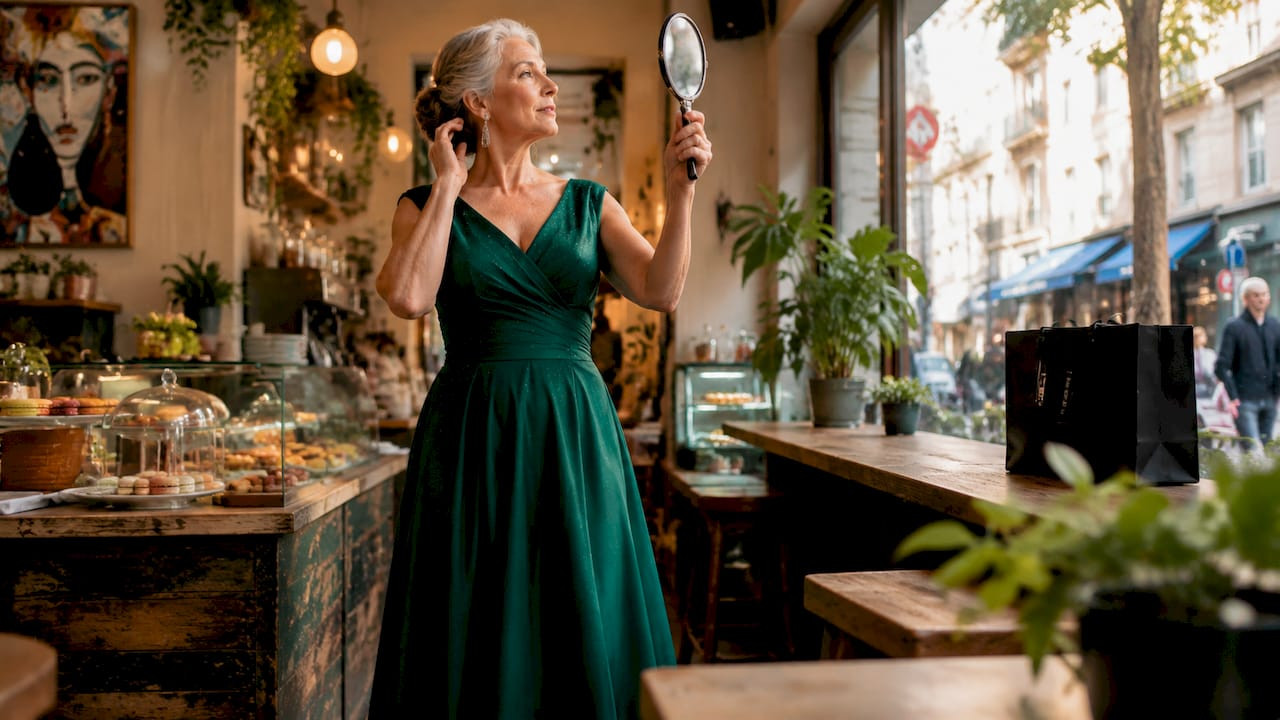
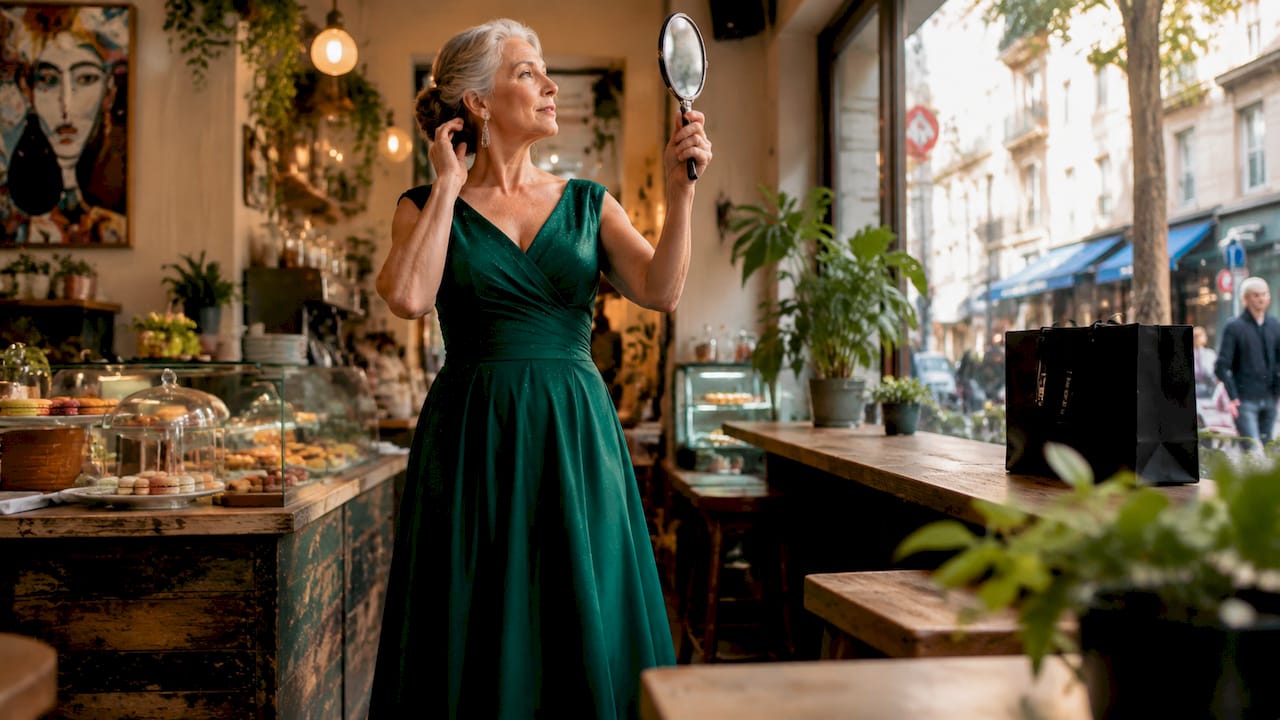
The most flattering formal gowns for older women share three qualities: they skim the body rather than cling to it, they offer coverage where you want it, and they create a clean vertical line. Hello! Magazine’s 2026 shopping edit specifically endorses long sleeves, high necklines, and modest midi cuts as the top features for occasion dresses for women in their 50s, 60s, and 70s. These choices are not about hiding. They are about creating a polished, intentional look that photographs beautifully and feels comfortable for a four-hour event.
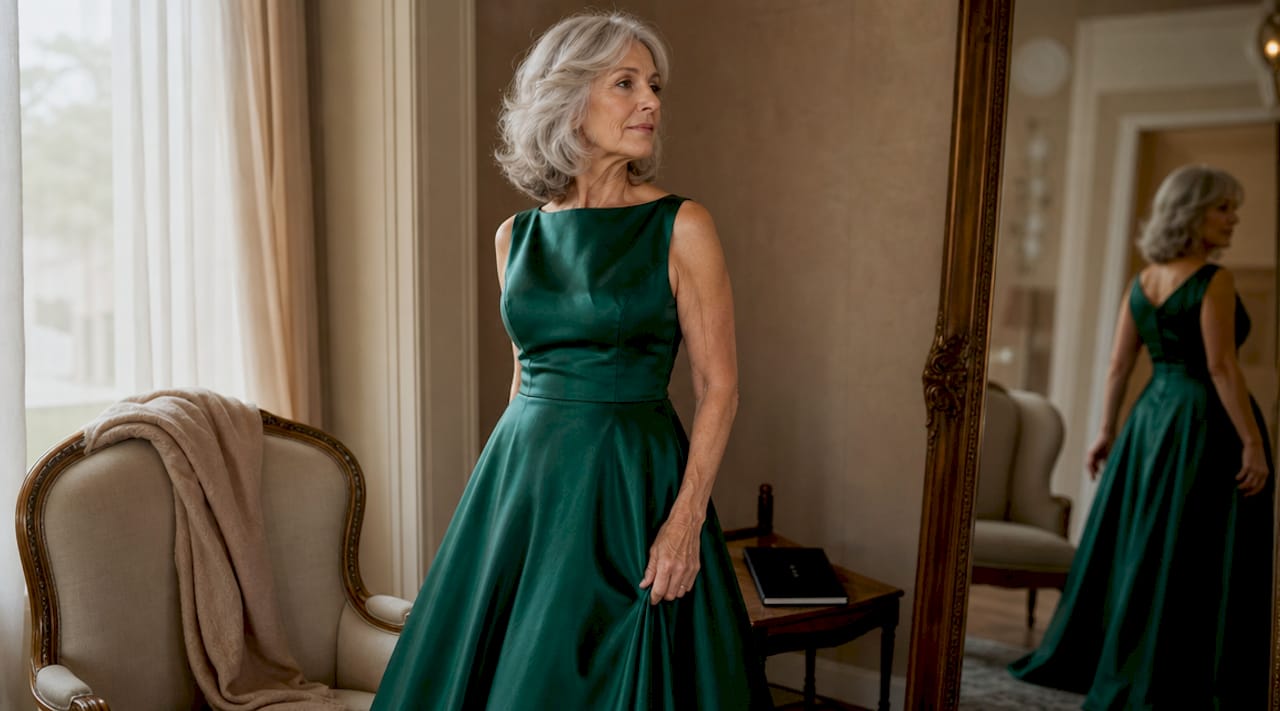
Silhouette is the single most important decision you will make. The A-line silhouette fits close at the bodice and flares gently from the waist, which works for nearly every body type. Empire waist gowns sit just below the bust and fall straight to the floor, drawing the eye upward and minimizing the midsection. Sheath gowns follow the body’s natural line from shoulder to hem and work best for women who want a sleek, modern look without volume.
- A-line: Universally flattering, especially for pear and hourglass shapes
- Empire waist: Ideal for minimizing the midsection and creating height
- Sheath: Best for straight or athletic figures seeking a streamlined silhouette
- Ball gown: Dramatic and stunning for black-tie events; look for ball gowns for older ladies with structured bodices that provide support
- Wrap-style: Adjustable fit and a flattering V-neckline that works across sizes
Styles to approach carefully include strapless gowns, which require significant undergarment planning, and bodycon cuts, which leave little room for comfort over a long evening. Neither is off-limits, but both demand more preparation.
Pro Tip: If you love a strapless gown, ask your seamstress to add a hidden boning channel or a modesty panel at the back. It takes one fitting and gives you hours of confidence.
How to choose formal gowns for different special occasions
Matching your gown to the event’s dress code is not optional. Wearing a floor-length ball gown to a cocktail-attire wedding is as mismatched as wearing a sundress to a black-tie gala. The Knot advises that cocktail attire sits a step above semi-formal but below black tie, and that wedding guests over 50 should choose maxi, midi, or knee-length dresses rather than full gowns for cocktail dress codes. The key is reading formality correctly, not dressing down because of age.
Dress code literacy allows mature women to choose gowns or cocktail dresses that respect event formality while expressing personal style. Here is how the main dress codes translate into gown choices:
| Dress code | Best gown choice | Fabric and length |
|---|---|---|
| Black tie | Floor-length evening gown or ball gown | Satin, velvet, or beaded chiffon; full length |
| Cocktail | Midi or knee-length formal dress | Crepe, lace overlay, or structured fabric; midi preferred for 50+ |
| Semi-formal | Midi dress or dressy separates | Chiffon, lace, or matte jersey; knee to midi length |
| Garden wedding | Floral midi or A-line tea-length | Chiffon or organza; light colors welcome |
| Gala or charity event | Formal evening gown or sophisticated sheath | Velvet or satin; floor length or formal midi |
Season matters as much as formality. Velvet and crepe are ideal for fall and winter events, while chiffon and organza breathe well at outdoor summer weddings. Color choices follow similar logic: jewel tones like sapphire, emerald, and burgundy photograph richly in low evening light, while soft blush and champagne work beautifully for daytime garden events.
Pro Tip: Pair your gown with comfortable footwear like low block heels or wedges. They add height without the pain of stilettos after hour two.
What fabrics work best for comfort and elegance?
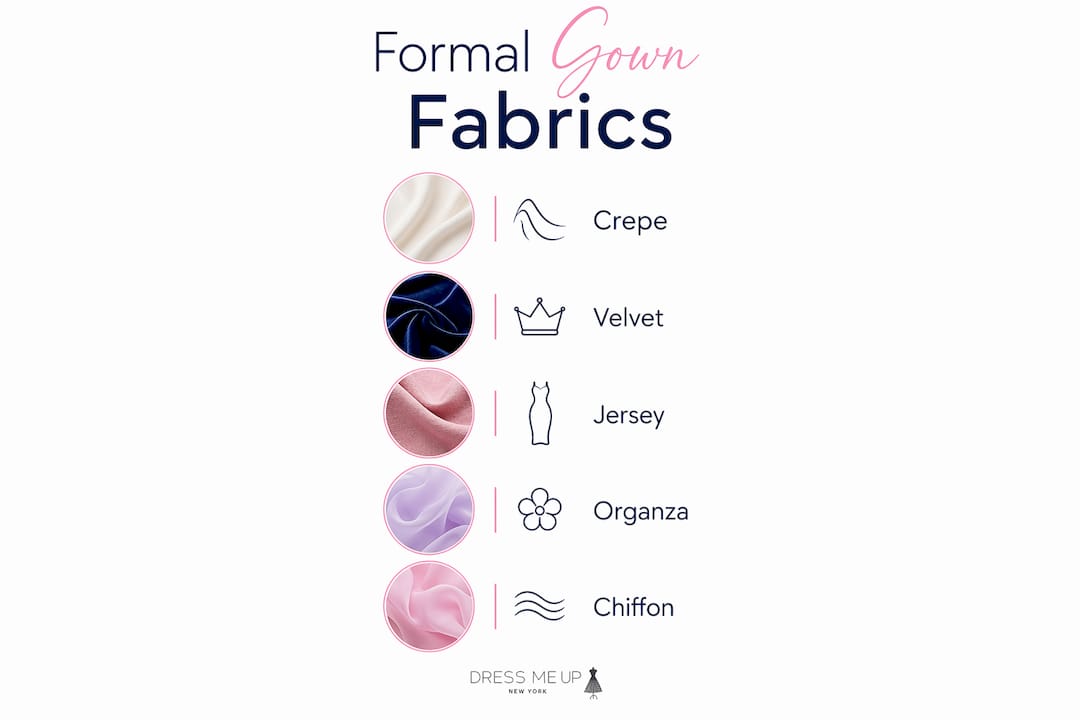
Fabric choice determines how a gown feels after three hours of wearing it, not just how it looks in the dressing room. Hello! Magazine recommends velvet and crepe for warmth in cooler seasons, satin and breathable fabrics for warmer events, and stretch fabrics for ease of movement throughout the evening. Each fabric has a specific use case, and knowing the difference saves you from a beautiful but miserable night.
Here is a practical breakdown of the top fabric choices for evening wear for older women:
- Crepe: Matte finish, drapes beautifully, resists wrinkles, and feels comfortable against the skin. The top all-season choice for formal attire for mature women.
- Velvet: Rich texture, excellent for fall and winter galas. Provides warmth and photographs with depth and luxury.
- Satin: High sheen, elegant for black-tie events. Choose duchess satin for structure or charmeuse satin for a softer drape.
- Lace overlay: Adds coverage and texture over a slip dress foundation. Works well for women who want sleeve coverage without bulk.
- Stretch jersey: Moves with the body, forgiving on the figure, and stays comfortable for long events. Best for sheath silhouettes.
Structural support is a separate consideration from fabric. A gown with built-in boning or a corset bodice provides shape without requiring a separate shapewear garment underneath. For women who prefer not to wear shapewear, look for gowns with a lined bodice and a defined waistline seam. These details do the structural work so you do not have to.
Pro Tip: Always check whether a gown is fully lined. Unlined gowns in synthetic fabrics can feel scratchy and hot by the end of an evening. Full lining in a natural or semi-natural fabric makes a significant difference in all-night comfort.
When should you plan gown alterations?
Alterations are not a last-minute fix. They are a planned part of the gown-buying process, and the timeline matters more than most women realize. Alteration specialists recommend starting gown alterations 8 to 12 weeks before your event to allow enough time for multiple fittings. This window gives your seamstress room to work without rushing, and it gives you time to address any issues that come up between appointments.
For complex gowns with lace, beading, sequins, or a corset bodice, plan for up to 3 to 4 months of lead time. These fabrics require specialized handling, and experienced seamstresses who work with lace and embellishments are often booked weeks in advance. Starting too late means accepting a rushed job or settling for a gown that does not fit perfectly.
A standard alteration process for a formal gown follows this sequence:
- First fitting (8 to 12 weeks out): The seamstress pins the gown to your body and marks all adjustments. Bring the shoes and undergarments you plan to wear on the day.
- Second fitting (4 to 6 weeks out): The major alterations are complete. You try the gown again to check fit and flag any remaining issues.
- Final fitting (1 to 2 weeks out): The gown is finished. This is your last chance to confirm hem length, closure function, and overall comfort.
“Expert alteration scheduling balances starting early enough for multiple fittings but late enough to reflect actual body measurements, especially for weight fluctuations.” — Alteration Specialists
Shoes and undergarments are not optional at fittings. The hem of a floor-length gown changes by an inch or more depending on heel height, and the fit of a structured bodice changes with different bra styles. Bring exactly what you plan to wear on the day, every time.
Top shopping tips and trusted brands for mature women’s formal gowns
The best evening gowns for older women come from brands that design with mature figures in mind, not brands that simply offer larger sizes of styles cut for 25-year-olds. Karen Millen, Teri Jon, and Roaman’s are three of the most trusted names in this category, offering elegant formal gowns across a range of body types and budgets. Karen Millen specializes in structured, sophisticated cuts. Teri Jon focuses on occasion wear with refined embellishments. Roaman’s provides plus-size formal dresses for older women at accessible price points.
When evaluating any gown for purchase, check these five details before committing:
- Fabric quality: Hold the fabric up to light. Quality crepe and satin have weight and opacity. Thin, see-through fabric signals poor construction.
- Seam finishing: Look inside the gown. Finished seams with serging or French seams indicate a well-made garment that will hold through alterations.
- Embellishment placement: Beading and sequins should be evenly distributed and securely attached. Loose embellishments before you even buy the gown will only get worse.
- Closure type: Invisible zippers are the most forgiving. Hook-and-eye closures at the back require precise fitting. Corset closures offer the most adjustability.
- Return policy: Online purchases of formal gowns carry risk. Confirm the return window before ordering, especially for gowns that require alterations.
For a curated comparison of styles suited to women over 50, the top evening gowns comparison at Dressmeupny covers current options across silhouettes and price ranges. For occasion-specific guidance, the special occasion formal dresses guide walks through what to look for by event type.
Key takeaways
The most flattering and comfortable formal gowns for older women combine the right silhouette, quality fabric, and a properly timed alteration plan tailored to the specific event.
| Point | Details |
|---|---|
| Silhouette first | A-line, empire waist, and sheath cuts flatter mature figures most consistently across body types. |
| Match the dress code | Black-tie calls for floor-length gowns; cocktail attire calls for midi or knee-length dresses, not full gowns. |
| Fabric drives comfort | Crepe and stretch jersey offer all-night comfort; velvet suits winter events; satin works best for black-tie formality. |
| Start alterations early | Begin 8 to 12 weeks before your event; complex gowns with lace or beading need up to 3 to 4 months. |
| Shop with fit in mind | Brands like Karen Millen, Teri Jon, and Roaman’s design specifically for mature figures across sizes and budgets. |
Why comfort and confidence are the same thing
After years of working with women shopping for special occasion formalwear, the pattern I see most often is this: women spend weeks finding a gown they love visually, then compromise on fit because they run out of time. The gown looks beautiful in photos but feels wrong all night. That experience is entirely avoidable.
The women who walk into an event feeling genuinely confident are almost always the ones who started early. They bought their gown three to four months out, scheduled their first fitting within two weeks of purchase, and wore their actual event shoes to every appointment. They did not wait to lose weight before buying. They bought for the body they have now and let the seamstress do her job.
I also want to push back on the idea that age-appropriate means conservative or boring. The stylish evening dresses that get the most attention at galas and weddings are not the most covered-up ones. They are the ones where the woman clearly chose the gown for herself, not for anyone else’s expectations. A deep jewel-tone velvet sheath with three-quarter sleeves is not a compromise. It is a statement.
The practical comfort factors matter too. A gown that requires constant adjustment, that pinches at the waist after dinner, or that demands you stand still to avoid a wardrobe malfunction is not elegant. It is a distraction. Prioritize structure, lining, and a closure you can manage independently. Those details are what separate a good gown from one you will actually wear again.
— Dressmeup
Find your perfect formal gown at Dressmeupny
Dressmeupny curates formal gowns and evening wear specifically chosen for women who want style and comfort in equal measure.
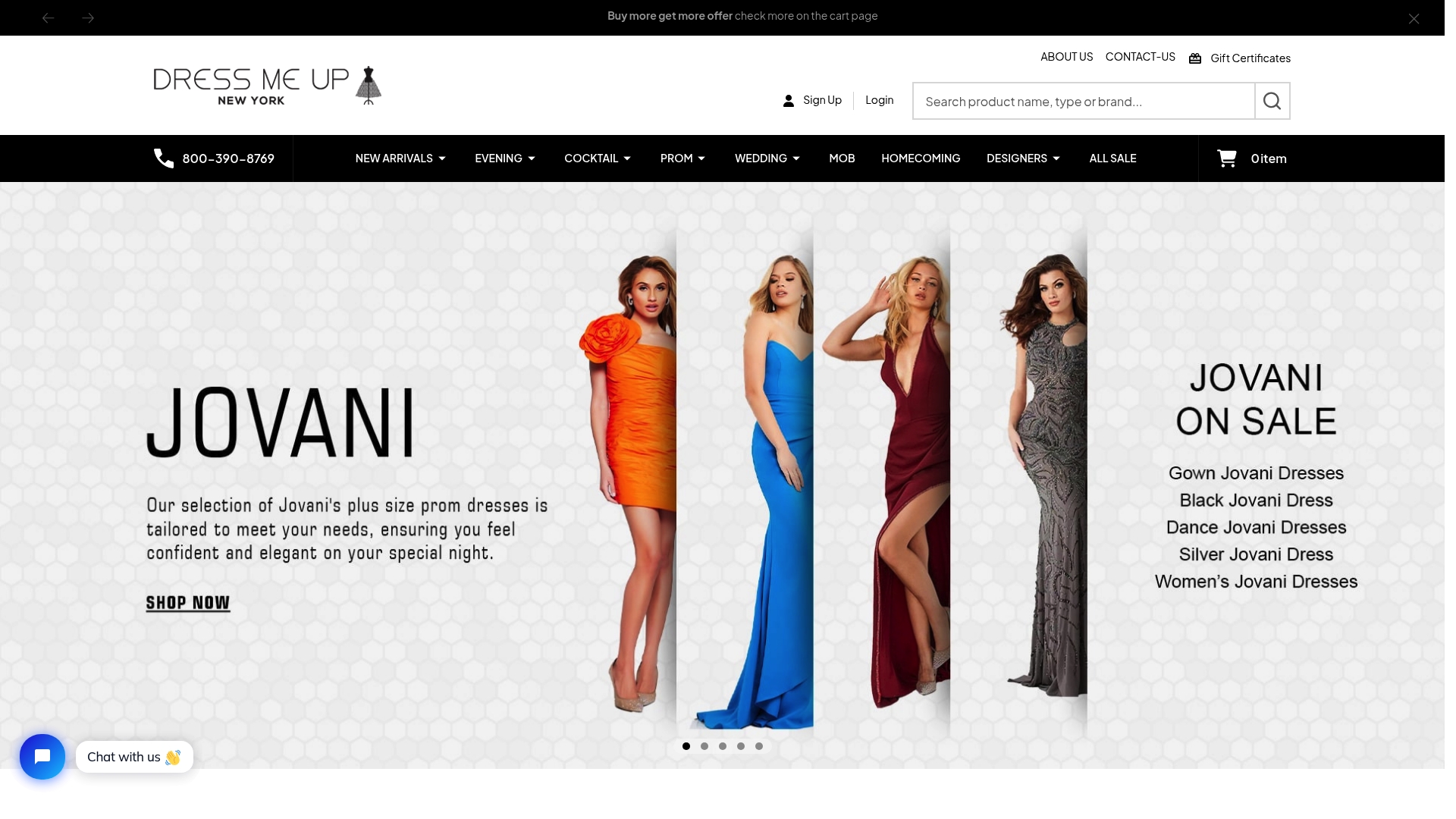
The collection spans A-line silhouettes, sheath gowns, and formal midi styles across a full size range, with options suited to weddings, galas, and black-tie events. Browse the evening gowns for mature women edit for current styles, or explore the full catalog at Dressmeupny to find a gown that fits your event, your figure, and your personal style. New arrivals are added regularly, and the site includes detailed size guidance to help you order with confidence.
FAQ
What are the most flattering formal gown styles for older women?
A-line, empire waist, and sheath silhouettes are the most consistently flattering for mature figures. Hello! Magazine’s 2026 shopping edit also recommends long sleeves, high necklines, and modest midi lengths for women in their 50s, 60s, and 70s.
Can older women wear ball gowns to weddings?
Yes, but only when the dress code is black tie or formal. The Knot advises that cocktail-attire weddings call for midi or knee-length dresses rather than full gowns, regardless of age.
How early should I buy a formal gown before an event?
Buy your gown at least 3 to 4 months before the event if it has lace, beading, or a corset bodice. Simpler gowns need a minimum of 8 to 12 weeks to allow for multiple alteration fittings.
What fabrics are most comfortable for all-day formal events?
Crepe and stretch jersey offer the best combination of elegance and all-day comfort. Velvet works well for cooler-season events, while chiffon and satin suit warmer or black-tie occasions.
Which brands make formal gowns specifically for older women?
Karen Millen, Teri Jon, and Roaman’s are three of the most trusted brands for chic gowns for senior women, offering styles designed for mature figures across a range of sizes and price points.
Recommended
- What is formal wear for women 16-30: 2026 style guide - DressMeUpNY
- Ball Gowns for Older Ladies: Style and Comfort Tips - DressMeUpNY
- 7 Key Tips for Choosing Plus Size Formal Gowns - DressMeUpNY
- Complete Guide to Plus Size Formal Wear - DressMeUpNY