
How to Quickly Find Dresses by Category on Fashion Sites: A Comprehensive Guide

Introduction: Navigating the Fashion Maze
In the vast world of online fashion, finding the perfect dress can often feel like searching for a needle in a haystack. With countless fashion sites vying for attention, it's easy to become overwhelmed by choices and categories. The question of how to quickly find dresses by category on fashion sites becomes crucial, not only for saving time but also for ensuring a seamless shopping experience. This guide aims to demystify the process by providing practical, actionable strategies for navigating your favorite fashion websites with ease.
Imagine browsing a fashion site with thousands of options, but thanks to smart search techniques, you locate exactly what you want in minutes. This isn't just a convenience; it's a necessity in today's fast-paced digital world. Fashion enthusiasts and casual shoppers alike can benefit from knowing the right methods to categorize and pinpoint their desired styles efficiently. A study on consumer behavior by Forrester Research found that 53% of shoppers abandon a site if it’s difficult to navigate, emphasizing the importance of streamlined browsing experiences.
Fashion sites often categorize dresses in diverse ways to help users filter through vast inventories. Categories like "cocktail", "maxi", and "formal" are commonly used to guide users. By understanding these classifications, shoppers can quickly locate and compare products. For instance, using the filtering tools on popular sites like Zara or ASOS, you can narrow down your options based on occasion, color, size, and price range, drastically reducing search time.
Moreover, fashion sites are increasingly implementing AI-driven recommendation engines. These systems learn your preferences and present tailored options that match your style profile. According to IBM Watson, AI technology enhances customer satisfaction by offering personalized experiences, which aligns perfectly with the need for quick and accurate dress categorization.
In the following sections, we will delve deeper into specific strategies and tools that can enhance your online shopping experience. By using the right keywords and filters, and understanding how fashion sites are structured, you can easily uncover the dresses that best suit your needs, ensuring you never waste time or miss out on that perfect find. The tips and techniques outlined in this article will transform how you shop, equipping you with the skills to navigate the fashion maze efficiently.
Optimizing Filters for Effortless Category-Based Dress Discovery
Building on the idea that knowing how to quickly find dresses by category on fashion sites? means more than just understanding site layout and keywords, intuitive filtering is essential. Effective filter design bridges the gap between browsing and finding the perfect dress.
Prioritize Filters That Matter Most
Rather than overloading users with dozens of options, focus on the most impactful filters for dresses—such as size, color, price, style, and occasion. According to UX insights, fashion-specific filtering should emphasize these attributes to reduce overwhelm and improve usability. For example, limiting options to 6–10 major filters like “Maxi,” “Formal,” or “Midi” ensures users can narrow categories efficiently without clicking through endless facets exmoorweb.co.uk.
Position Filters for Maximum Visibility
Placement plays a critical role in how quickly shoppers apply filters. Size filters placed in a sticky top bar yield an average click-through rate of 21%, outperforming left sidebar (15%) and right sidebar (9%) placements bestcolorfulsocks.com. Fashion sites can leverage this by positioning key category filters—like “Day Dresses” or “Cocktail”—in high-visibility areas for swift engagement.
Use Smart Defaults and Feedback to Prevent Frustration
Nothing’s more frustrating than filters that return zero results. Best-practice retailers disable unavailable options or display product counts (e.g., “Size M (0)”) to guide users away from dead ends. One case study reduced filter options from 40 to about eight core filters and improved conversion by 142% while increasing filter usage from 34% to 78% exmoorweb.co.uk. Applying this to dress categories—such as hiding sold-out sizes or styles—improves user flow and trust.
Promote Filters Near Product Listings for Speed
Users typically seek out filters as soon as they land on product listings. Yet, research shows that 61% of fashion sites fail to promote key filters prominently at the top of lists baymard.com. Simple changes like featuring “Evening Dresses” or “Beach Dresses” in the product grid area can dramatically shorten the path from arrival to relevant options—especially for shoppers who already know what category they're after.
Provide Visual Cues to Reinforce Selections
Visual elements like swatch-based color filters, style icons, or quick preview thumbnails boost engagement and help users intuitively recognize categories. For instance, Gen Z shoppers often filter for styles like “boho” or “athleisure” visually—designers who showcase these through clickable icons or images see higher conversion and satisfaction bestcolorfulsocks.com.
By thoughtfully selecting high-impact filters, placing them where users expect, and providing clear feedback, fashion retailers can streamline how to quickly find dresses by category on fashion sites?—turning browsing into confident, efficient shopping.
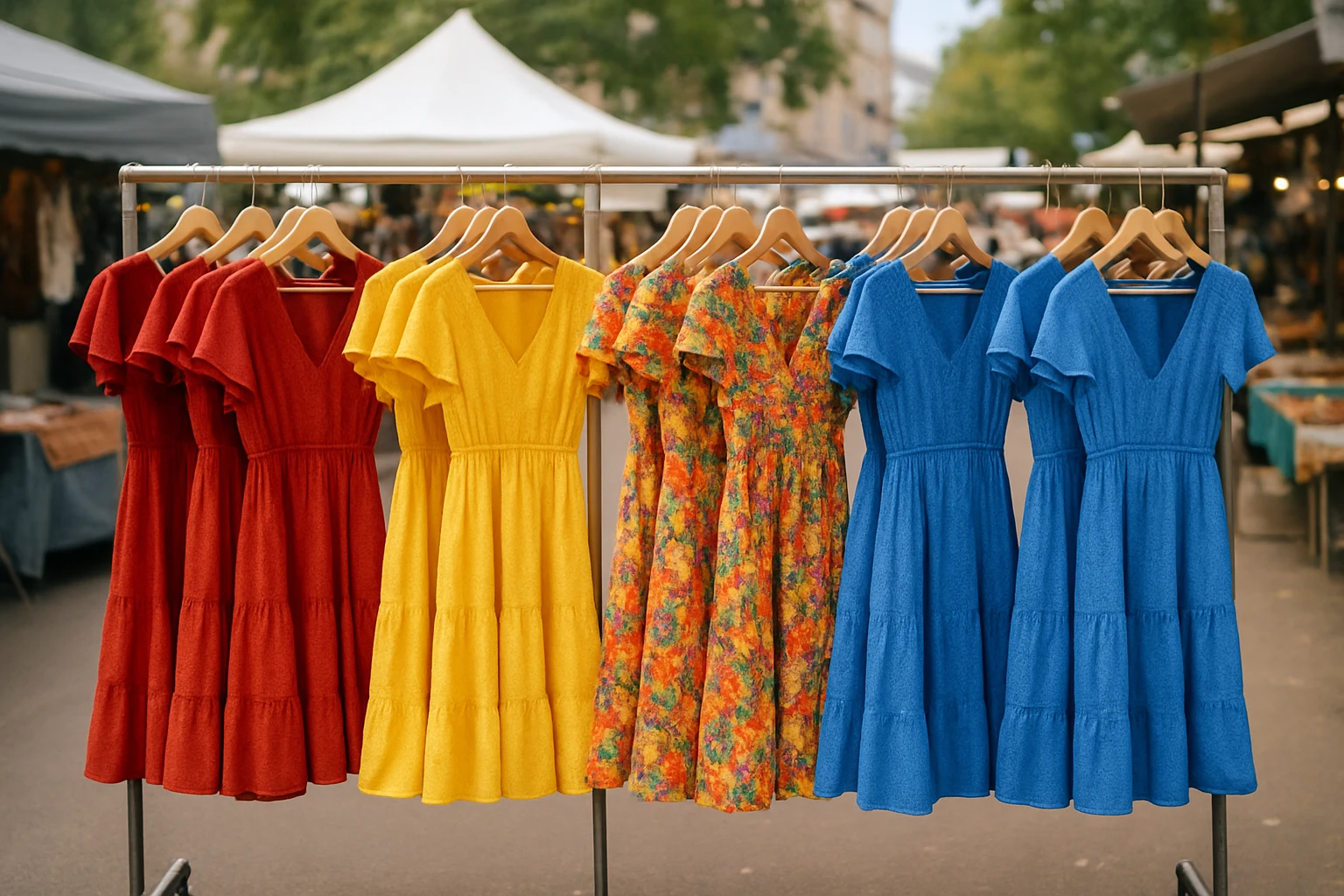
Utilizing Filters and Search Bars on Fashion Sites
Fashion websites today offer a myriad of ways to refine your search, ensuring you can quickly find dresses by category. One of the most effective tools at your disposal is the filter option. Filters are designed to narrow down your choices based on specific criteria such as size, color, price, and occasion. For example, if you are preparing for a wedding, you can select the "Formal" or "Cocktail" category to view dresses that fit the occasion.
Many fashion sites also provide robust search bar capabilities. These bars allow you to enter keywords and immediately access a curated list of items matching your query. When you type "summer floral dresses," the algorithm prioritizes results that match both "summer" and "floral," offering a more targeted selection. According to Insider Intelligence, shoppers spend around 193 minutes daily on digital platforms. Using filters and search bars can significantly reduce browsing time, making the shopping experience smoother.
Popular Fashion Sites and Their Features
Different fashion sites offer varied features to enhance your shopping journey. ASOS, for example, not only allows filtering by trend and body fit but also offers a "Style Match" feature, where you can upload an image and find visually similar dresses. Similarly, Nordstrom provides filters for sustainability and material composition, appealing to environmentally conscious consumers. Vanity Fair highlights the growing importance of personalized shopping experiences in their recent article, emphasizing how nuanced filter options are influencing buyer decisions.
Amazon Fashion, known for its extensive range of products, also allows sorting by customer review scores, which ensures that popular, high-rated dresses are easily accessible. This feature can be particularly helpful if you rely on social proof before making a purchase. By leveraging these advanced filtering features, you not only find dresses faster but also optimize your shopping for the best price and quality.
Finally, to maximize efficiency, consider creating user profiles on these platforms. Saving your preferences and past purchases can further streamline your process, automatically filtering out irrelevant options the next time you are on the site. Implementing these strategies ensures you can swiftly and effectively find dresses by category across various fashion sites, enhancing both your shopping efficiency and satisfaction.
Optimizing Filter Navigation for Rapid Discovery
Building on those earlier strategies, refining filter navigation is essential for shoppers seeking to efficiently locate specific dress categories. Improving how filters appear and function not only enriches usability but also directly impacts conversion rates and overall satisfaction.
Prioritize Essential Filters with Logical Placement
Designing filter systems that align with natural shopping behavior is key. For example, presenting options like size, color, price, and dress style prominently helps customers narrow choices intuitively. According to expert insights, left-side filter panels are ideal for extensive catalogs, while a horizontal top bar works well for mobile-first fashion sites. These layouts simplify the process of filtering for shoppers browsing dresses via categories like “summer dresses” or “maxi dresses” hypotenuse.ai.
Enable Multi-Select, Clear Visibility, and Filter Reset
Allowing users to select multiple options—such as choosing both “red” and “blue” or “maxi” and “wrap” simultaneously—enables deeper exploration without forcing a reset. It’s also important to display active filters as removable chips and include a “clear all filters” option. This reduces the frustration of navigating back-and-forth or having to reselect filters repeatedly dev.to.
Avoid Zero-Result Frustration with Dynamic Filter Behavior
A disappointing moment for any shopper is selecting filters that produce no results. To prevent this, deactivating or graying out options that yield zero items avoids dead-ends. Alternatively, dynamic messaging or redirects to related categories ensure users stay engaged and continue exploring—rather than abandoning their search syte.ai.
Use Thematic and Occasion-Based Filters for Contextual Relevance
Beyond technical attributes, thematic filters—such as filtering by occasion (e.g., wedding, prom, or workwear)—help users quickly align their search with intent. For instance, Macy’s offers thematic filters within dress categories, guiding shoppers toward fitting selections like “graduation,” “cocktail,” or “wedding” dresses drip.com. Making these intuitive filter groups readily available can significantly ease how to quickly find dresses by category on fashion sites?
Case Study: Category Page Redesign Drives Engagement
A real-world example comes from Oliver Cabell, which enhanced its category pages by improving filter visibility, simplifying layout, and reducing clutter. As a result, they saw a 14.86% lift in traffic to product pages and a 12.5% increase in revenue linked to category traffic. Applying such adjustments—like emphasizing the filter button and decluttering visuals—can lead to tangible gains in user performance and satisfaction frictionless-commerce.com.
By thoughtfully organizing and prioritizing filters, implementing dynamic behavior, and incorporating thematic categorizations, fashion sites enable shoppers to navigate efficiently and purposefully. These improvements deliver a smoother experience and help users find the perfect dress quickly and delightfully.
Conclusion
Finding the right dress swiftly and efficiently can make a significant difference, whether you're shopping for a special occasion or updating your everyday wardrobe. By understanding how fashion sites categorize their products, you can leverage these systems to your advantage. This approach not only saves you time but also enhances your shopping experience.
Key Takeaways
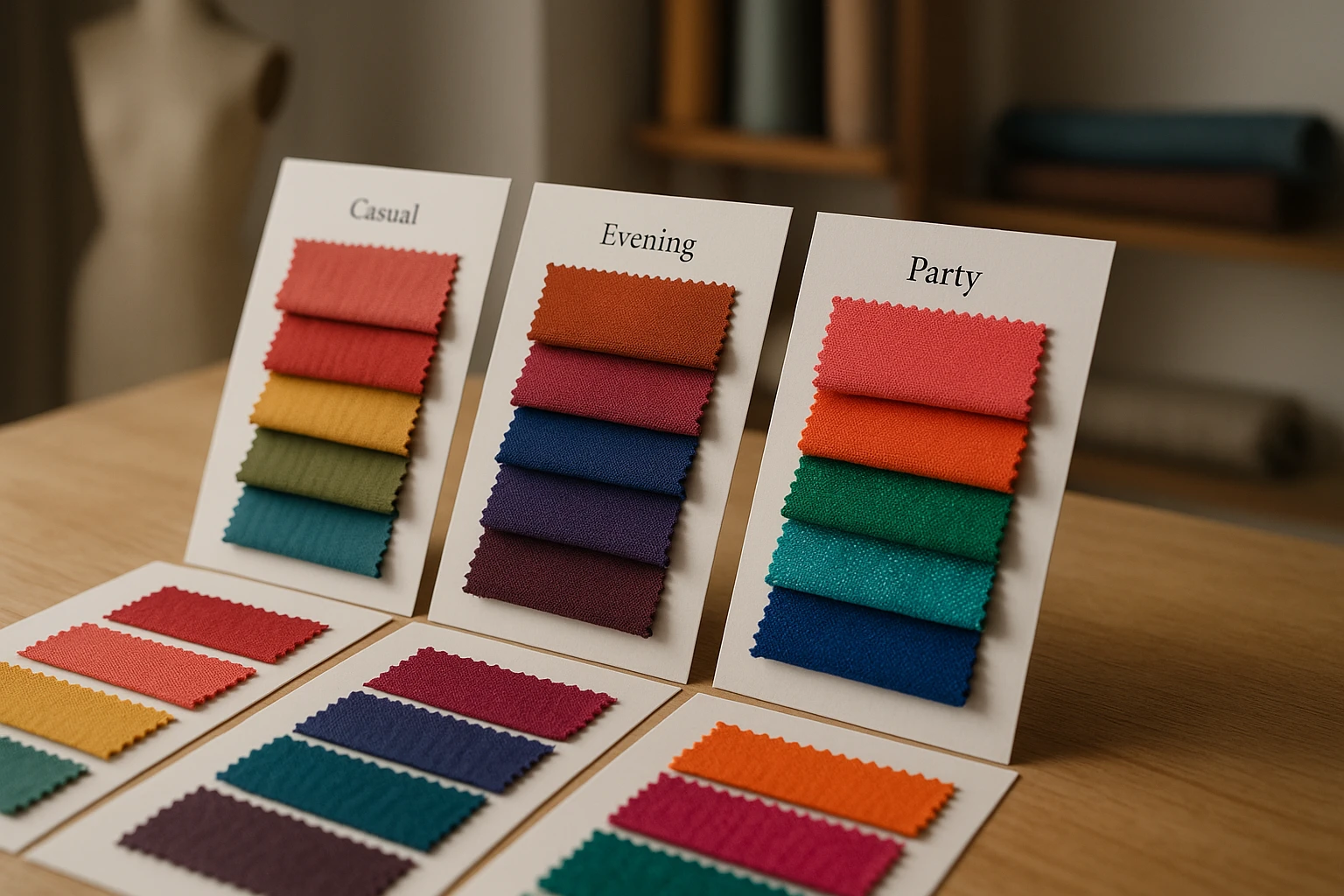
Understanding the categorization of dresses on fashion websites is essential. Start by becoming familiar with common categories like Casual, Evening, and Party as these can narrow down your search effectively. Pay attention to the unique filtering options each site offers, such as color, size, and style. These features are designed to enhance your shopping experience by reducing the need to scroll through endless items.
Actionable Insights
To find dresses quickly by category, begin by identifying your specific needs—whether it's an outfit for a wedding or casual wear for weekends. Enter the relevant category directly into the search bar of the fashion site. Utilize advanced filtering options to further refine your selections. According to Statista, the global online fashion market is poised for continued growth, suggesting that optimizing your shopping strategies now will pay off in the future.
Strong Call to Action
Now that you're equipped with the tools to effectively navigate fashion sites, it's time to put these strategies into practice. Visit your favorite fashion retailer and explore their categorization options today. By applying these insights on how to quickly find dresses by category on fashion sites, you can enjoy a more curated and stress-free shopping experience. Dive in and discover a world of fashion that's organized just the way you like it.
For more tips on optimizing your online shopping habits, consider subscribing to fashion blogs or newsletters from leading retailers. These resources frequently share updates and insider information to keep you ahead in the fashion game. Embrace this knowledge, and transform your shopping experience today.
Article Generated by Soogle