
Revamp Your Formal Wardrobe with Seasonal Trends: A Comprehensive Guide

Introduction
Formal wardrobes often endure extended use—classic suits, refined blazers, and elegant trousers—but infusing them with seasonal flair takes thoughtful strategy and creativity. Imagine transforming your established collection into a dynamic, trend-responsive lineup without discarding everything you already cherish. In this introduction, we outline the key approaches that make revamping your look achievable, stylish, and sustainable.
One smart starting point is to identify *current seasonal trends* and gauge how they align with your wardrobe staples. For instance, fall 2025 runways spotlighted **buttercream yellow** coats and **elongated blazers**, which exude warmth and contemporary tailoring harpersbazaar.com. Meanwhile, softer neutrals like olive mist and clay blush dominated women’s formalwear, offering understated elegance with broad appeal edentheshoppe.com. By recognizing these shifts, you can select pieces that integrate seamlessly with existing items while still feeling fresh.
Next, consider repurposing key elements with intentional layering and texture shifts. Sheer fabrics re-emerged in spring/summer collections through organza and mesh overlays—styles that pair beautifully over slip dresses or tailored suiting for visual depth and subtle adaptability designersjunction.com. In practice, overlaying a sheer shell atop a structured silhouette introduces modern tactility without sacrificing professionalism.
Beyond fabrics and finishes, rethinking fit and silhouette injects impact with minimal effort. The resurgence of **tailored co-ord sets**—cohesive blazer-and-pant combos—and fluid silhouettes like longline jackets or wrap dresses elevate comfort without compromising formality edentheshoppe.com. Pairing tailored wide-leg trousers with a sharpened blazer, for instance, offers a polished aesthetic while embracing movement and ease.
Finally, achieving seasonal relevancy isn't just about clothes, but how you store and rotate them. Organizing pieces by season—utilizing strategies like rotating storage or categorizing your wardrobe—ensures that trend-forward items are accessible and not buried under off-season pieces khy.com. Such organization keeps your style adaptive and intentional, rather than reactive.
Across these strategies—trend alignment, layering, silhouette evolution, and smart rotation—you pave a clear path toward rediscovering your formal collection with fresh, seasonally attuned vision. Even a simple shift, like pairing a buttercream yellow blazer with classic navy trousers or swapping stiff structure for soft tailoring, can illustrate how to refurbish your formal wardrobe for seasonal trends? with both confidence and coherence.
Understanding Seasonal Fabrics and Colors
To effectively refurbish your formal wardrobe for seasonal trends, gaining an understanding of fabrics and colors that suit different seasons is crucial. Each season brings its own palette and material preferences that can help you transform your formal look with precision and flair. As the weather changes, so does the need for specific fabric types that offer comfort and style. In spring and summer, lightweight materials like linen, cotton, and seersucker are ideal. These fabrics are breathable, keeping you cool while maintaining an elegant appearance. For instance, a classic seersucker blazer paired with tailored pants offers a refined yet airy outfit for warmer months.
Colors also play a pivotal role in seasonal adaptation. Spring and summer often feature lighter tones such as pastel pinks, mint greens, and sky blues, which can infuse vibrancy into your formal attire. Consider a pale pink shirt with charcoal pants to add a fresh twist to your look. During the fall and winter seasons, richer and deeper hues like burgundy, emerald, or navy align well with the subdued ambiance. A navy velvet blazer can serve as a statement piece during chillier months, providing a perfect blend of comfort and sophistication, which is crucial in the quest to understand how to refurbish my formal wardrobe for seasonal trends?
Integrating Key Accessories
Accessories can significantly impact your wardrobe's seasonality. They are subtle yet powerful tools for updating your look without overhauling your entire closet. In spring, choose lighter-colored ties or pocket squares with floral or geometric patterns to complement a fresh suit. As for fall and winter, consider incorporating knit ties and wool scarves, which not only provide warmth but also add depth to your outfit. For instance, swapping a silk tie for a knit one can seamlessly transition a suit from summer to fall.
Additionally, footwear needs should evolve with the seasons. In rainy months, having a pair of polished leather shoes with water-resistant properties can preserve both function and fashion. Similarly, breathable loafers or brogues are practical for summer sophistication. According to GQ's guide on building a versatile wardrobe, updating shoe styles to match the season can provide a subtle yet impactful change in your formal ensemble.
Balancing these elements—fabrics, colors, and accessories—not only rejuvenates your wardrobe but also keeps you attuned to seasonal aesthetics. Through this thoughtful integration, you create a dynamic and responsive wardrobe that doesn't just follow trends but sets them. Understanding such nuances helps clarify how to effectively refurbish for seasonal transformations, ensuring each piece you choose is both purposeful and stylish.

Incorporating Seasonal Colors and Fabrics
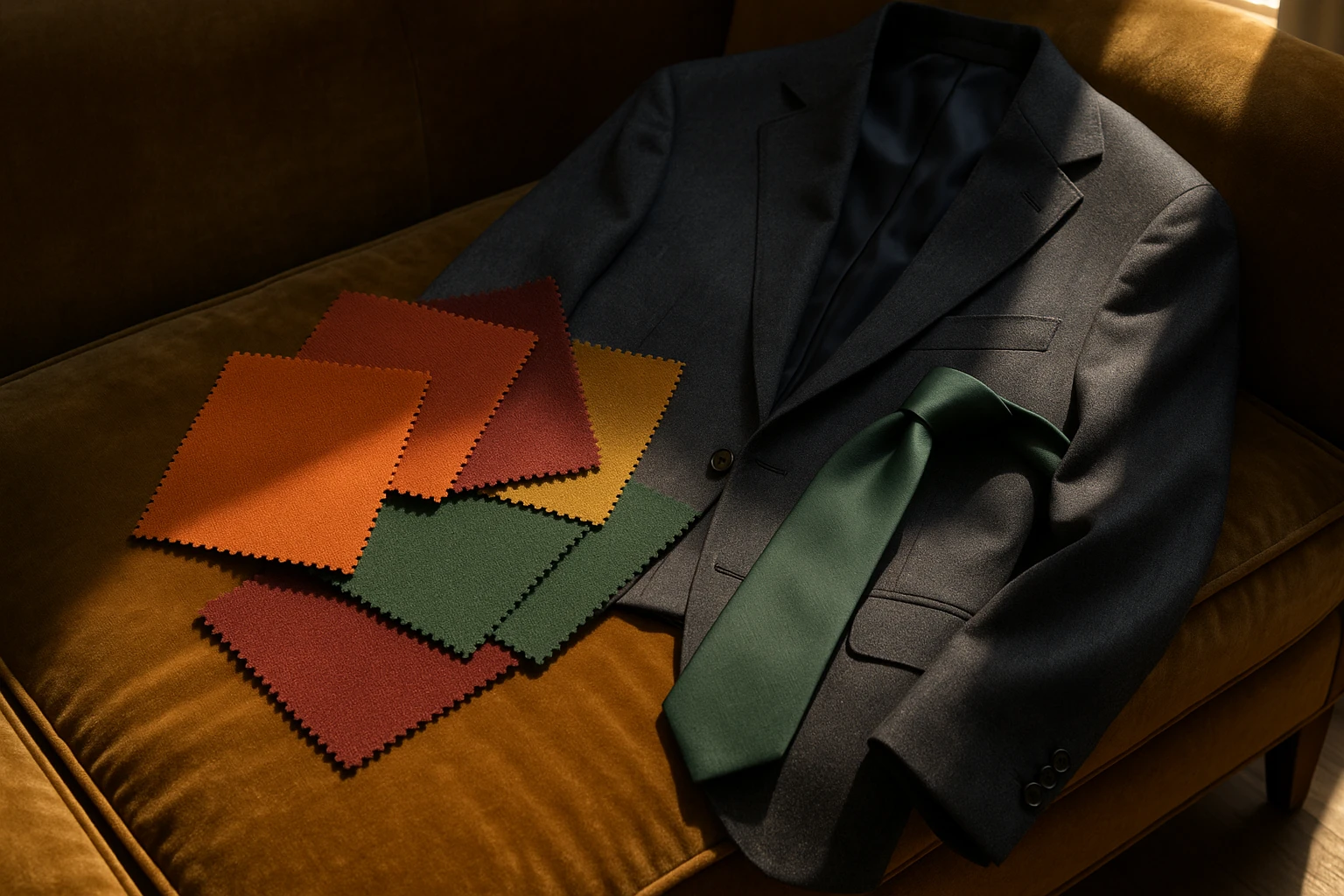
To effectively refurbish your formal wardrobe for seasonal trends, understanding the nuances of color and fabric choice is crucial. Each season brings a unique palette and material considerations that can elevate your formal attire. For example, embracing autumnal tones such as burnt orange, deep burgundy, and forest green can align your wardrobe with the fall season's richness. These colors not only reflect the changing environment but also exude a sophisticated aura ideal for formal settings.
On the fabric front, transitioning your wardrobe for cooler months involves incorporating heavier textiles like wool, tweed, and cashmere. These materials provide warmth and texture, adding a layer of complexity to your outfits. Imagine a well-fitted wool blazer paired with a cashmere scarf—the combination captures both comfort and style. Forbes recommends opting for tweed pieces, noting their ability to remain timeless while keeping up with trends.
Practical Tips for Seasonal Fabric Selection
One practical approach is to build a capsule wardrobe focused on versatility. A carefully curated selection of pieces that can be mixed and matched will expand your styling options while staying true to seasonal trends. Consider a classic navy blazer as your go-to piece, enhanced with seasonal pocket squares or ties—an effective yet subtle way to refresh your look without a complete overhaul.
When pondering how to refurbish my formal wardrobe for seasonal trends, it's essential to pay attention to layering techniques. Layering not only provides warmth but also offers opportunities to integrate seasonal fabrics creatively. Investing in quality underlayers, such as thermal turtlenecks or merino wool shirts, can be pivotal during winter months.
Case Study: Successful Seasonal Wardrobe Transition
One illustrative example is the transition strategy adopted by corporate professionals in New York, where Business Insider highlights the use of strategic layering to balance indoor warmth and outdoor chill. The adoption of tailored overcoats and use of scarves as statement pieces demonstrate how stylish combinations can be both practical and trend-aligned.
In summary, keeping an eye on color and fabric trends is integral for those tackling how to refurbish my formal wardrobe for seasonal trends. Opting for rich, season-appropriate colors and tactile fabrics not only modernizes your wardrobe but ensures you're well-prepared for seasonal transitions, both stylistically and practically.
Refreshing and Rearranging Your Formal Staples
Transitioning smoothly from the prior discussion of color, fabric, and seasonal layering, revitalizing your formal wardrobe requires a deliberate focus on organization, rotation, and strategic updating. A well-organized formal section doesn’t just enhance efficiency—it elevates your style continuity throughout seasonal transitions.
Organize by Season and Accessibility
Begin by categorizing your formal wear into seasonal groupings—spring/summer and fall/winter—as recommended by lifestyle experts like KHY, who emphasize the importance of seasonal categorization for streamlined daily choices Khy seasonal transition tips. Arranging pieces into designated zones—such as hangers for suits, drawers for shirts, and bins for accessories—ensures accessibility aligns with actual usage patterns Habitatista’s seasonal storage advice.
Implement Thoughtful Rotation Practices
Regularly rotating formal items between accessible and storage zones fosters a sense of discovery while preserving condition. Utilize breathable garment bags or clear storage boxes with labels to protect quality garments—this method is crucial for preserving suits, blazers, and delicate fabrics FashionLife’s storage best practices. Introducing the one-in-one-out rule keeps your formal selection curated and purposeful, ensuring you don’t overfill your limited closet space see Habitatista.
Revamp Looks through Layering and Accessories
Rather than purchasing new pieces, breathe new life into your existing formal collection with intentional layering and accessory swaps. For example, pair a silk blouse with a tailored wool skirt or blazer, aligning elegance with texture variation—for both formality and seasonal depth seasonal texture mixing ideas. Switching accessories—like replacing airy silk scarves with structured leather belts or boots—can instantly adjust formality and express trend-relevant styling.
Conduct a Seasonal Try-On and Declutter Exercise
Conduct a seasonal review to determine which formal pieces still serve your wardrobe goals. The “Try-On Test,” where you actually try items on to assess fit, style alignment, and comfort, helps eliminate items that no longer reflect your current self DXB News seasonal declutter techniques. Sort pieces into categories such as keep, repair, donate, recycle, or off-season storage. This disciplined method sharpens your collection’s purpose without sacrificing personality.
These strategies contribute directly to how to refurbish my formal wardrobe for seasonal trends? by building enduring value into your existing pieces rather than chasing every fleeting silhouette. With careful organization, purposeful rotation, and style refresh tactics, your formal wardrobe remains polished, relevant, and ready for every fashion season.
Conclusion: Embrace Seasonal Trends with Confidence
Revamping your wardrobe to reflect seasonal trends can be both exciting and rewarding. Embracing these changes allows you to keep your style fresh and fashion-forward while also making smart, versatile choices. One critical takeaway for those exploring how to refurbish my formal wardrobe for seasonal trends? is to approach the process thoughtfully, incorporating classic staples with carefully selected, trend-driven pieces.
Make Timeless Pieces Your Foundation
Your formal wardrobe should rely on timeless items that form the basis of your style. Classics such as a well-fitted charcoal suit, a white button-down shirt, and quality black dress shoes should remain constant. These foundational pieces ensure that no matter which trend you incorporate, your outfits will maintain a sophisticated look. Building on these basics keeps your wardrobe both practical and adaptable for any season.
Integrate Seasonal Colors and Textures
Seasonal updates often revolve around colors and textures. This autumn, for instance, integrating rich tones like burnt orange, deep burgundy, and forest green into accessories or statement pieces can dramatically enhance your look. Opt for a silk tie in a seasonal hue or a velvet blazer to add texture. According to Vogue's report on Fall 2023 trends, rich colors and luxurious textures are set to dominate, making them perfect additions to your wardrobe upgrades.
Stay Informed and Inspired
Keeping abreast of fashion trends is essential for making informed wardrobe decisions. Subscribing to reputable fashion magazines, following designers on social media, or attending fashion shows can provide insights into upcoming trends. Websites such as GQ's fashion section frequently feature expert opinions and trend analyses, offering valuable ideas on how to integrate the latest styles into your formal attire.
Final Call to Action
Ultimately, refurbishing your formal wardrobe for seasonal trends requires a blend of strategy, creativity, and a willingness to experiment. Start today by evaluating your current collection, identifying gaps, and envisioning how new trends can refresh your style. Remember, fashion is an expression of individuality—so make choices that reflect your personal style and aspirations. Armed with these actionable insights, you’re now ready to step confidently into any room, showcasing a wardrobe that’s both current and uniquely yours.
Article Generated by Soogle