
Sustainable Evening Wear Ideas: Stylish & Eco-Friendly Solutions

Introduction
Picture yourself stepping into a sophisticated evening event, the soft light catching your attire—and not just any outfit, but one that embodies elegance while honoring the planet. In an era where consciousness shapes consumer choices, style doesn’t have to come at the expense of sustainability. With the rising cost of environmental degradation and textile waste—80% of clothes consumed in the U.S. end up in landfills, and the fashion industry contributes approximately 10% of global carbon emissions—the need for greener evening wear has never been clearer Environmental impact of fashion.
As the evening gown market evolves—projected to grow from $4.43 billion in 2024 to $6.2 billion by 2035—it’s also shifting toward responsible production and material innovation Evening Gown Market Overview. This momentum shows how eco-conscious practices are influencing high-end silhouettes and red-carpet allure.
Designers are rising to the challenge. Gabriela Hearst, for example, has spotlighted sustainability by crafting costumes entirely from merino wool for the San Francisco Ballet’s world premiere of Carmen, blending luxury and eco-awareness seamlessly Gabriela Hearst. Meanwhile, Lucy Tammam’s “One Dress: PLANET” initiative embraces a fiber-to-finish philosophy, utilizing organic cotton and Tencel in a couture gown embroidered by artisans, pushing forward how sustainable craftsmanship can shine at glamorous affairs Lucy Tammam.
In the context of rising consumer demand for meaningful fashion choices, it's clear that today's wearer seeks more than beauty—they want responsible narratives as well. Incorporating ideas for sustainable evening wear without sacrificing style? means planning your evening ensemble with care—from materials to provenance to aftercare. This introduction sets the stage for exploring actionable, stylish yet sustainable solutions that let you shine at any event, all while supporting a healthier planet.
In the sections that follow, we’ll dive into tangible concepts: from choosing low-impact fabrics and embracing rental or vintage options to supporting ethical artisanry and reusing wardrobe pieces creatively. Each insight will be rooted in real-world examples and expert perspectives, guiding you toward feeling both fabulous and environmentally aligned.
Low-Impact Fabrics That Elevate Evening Elegance
Building on our earlier exploration, it’s vital to recognize how selecting the right materials allows you to wear evening attire in an environmentally responsible way without compromising on elegance. Brands like Leanne Marshall craft gowns from deadstock silk, cupro, linen, Tencel, and organic cotton, utilizing zero-waste techniques and made-to-order production to eliminate surplus and waste. This model delivers dreamy, flowy silhouettes while adhering to sustainable principles eluxemagazine.com. Similarly, British designer Lucy Tammam innovates with Peace Silk and organic cotton, combining haute couture techniques with traceable, ethical sourcing to create stunning evening dresses that tell a story of craftsmanship and conscientious design en.wikipedia.org.
Another striking example arises from New York Fashion Week Spring–Summer 2025, where Christian Siriano showcased evening pieces made entirely from Circ Lyocell—a luxurious, recycled textile crafted from post-consumer textile waste. His trench coat and coordinated ensemble accentuate how recycled materials can feel sumptuous and runway-ready—proof that fashion-forward and sustainable evening wear need not be mutually exclusive teenvogue.com.
For those seeking accessible, elegant pieces in everyday markets, sustainable labels like Whimsy & Row offer formal dresses blending Tencel and Cupro—both materials known for their soft, silk-like drape and low environmental footprint. Tencel, derived from responsibly harvested wood pulp, and Cupro, created from recycled cotton fibers, bring comfort, breathability, and a refined sheen to evening designs sustainably-chic.com. Brands such as Mara Hoffman take this a step further with striking silhouettes crafted in organic cotton jersey and Poplin, offering bold style with a vegan and organic foundation eluxemagazine.com.
These examples seamlessly integrate into discussions around ideas for sustainable evening wear without sacrificing style? when you allow choice of material to intersect with form and narrative. Each designer—notably Leanne Marshall, Lucy Tammam, Christian Siriano, and Whimsy & Row—offers a tangible roadmap for sourcing evening-appropriate fabrics that deliver drama and allure, while honoring the planet.
By embracing fabrics rooted in circularity, organic cultivation, or recycled content, you can approach any evening event with a wardrobe that radiates refinement and environmental awareness. Elegance, after all, should never come at the Earth's expense.
Innovative Materials for Sustainable Evening Wear
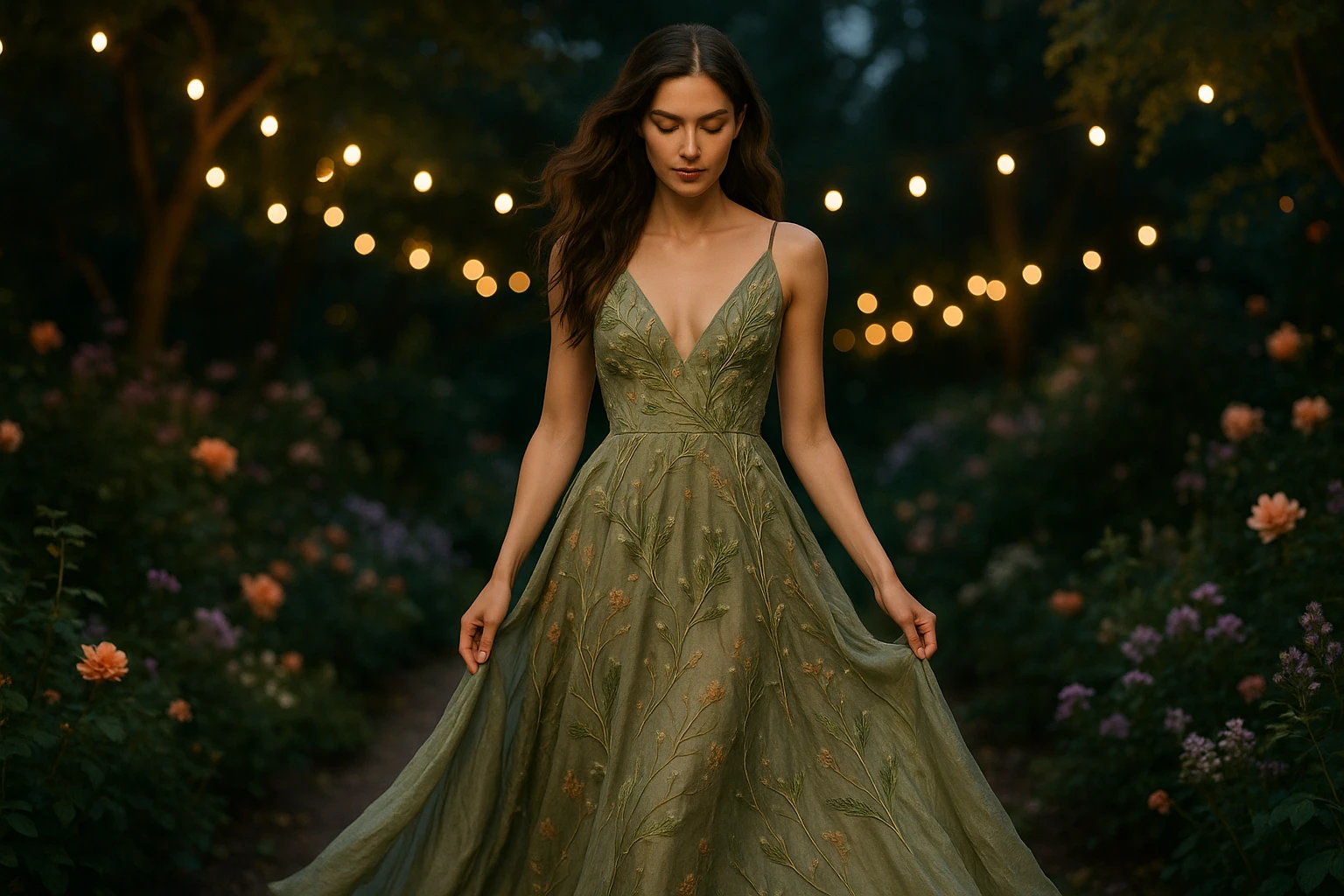
Glamorous fashion doesn’t have to come at the cost of the environment. One burgeoning approach involves incorporating innovative materials into evening wear. Designers are increasingly exploring fabrics that are both eco-friendly and stylish. For instance, recycled polyester, derived from post-consumer plastic bottles, is gaining traction. This material is not only sustainable but also versatile, offering a beautiful sheen suitable for evening gowns.
Another exciting development is the use of organic hemp and bamboo. These fabrics are grown without pesticides and are biodegradable, making them excellent choices for sustainable fashion. Hemp, in particular, offers a texture similar to linen, providing a luxurious, stylish option for evening events. According to Good On You, bamboo can also be processed into viscose or lyocell, which drape elegantly, making them ideal for sophisticated gowns.
Technological Innovations Enhancing Sustainability
The integration of technology into fabric production is revolutionizing sustainable evening wear. Technologies like digital printing reduce waste by using less water and energy compared to traditional methods. Moreover, 3D knitting technology, which produces garments with minimal waste, is increasingly used by forward-thinking designers. This approach ensures precise, stylish pieces that align with sustainable principles.
In addition, some brands are experimenting with lab-grown leather, offering a cruelty-free alternative without sacrificing style. As detailed by Vogue Business, these innovations provide luxurious textures that appeal to eco-conscious consumers seeking stylish evening options.
Case Studies: Leading Brands Embracing Sustainability
Several fashion houses are at the forefront of sustainable luxury. Stella McCartney, known for her commitment to the environment, utilizes innovative, sustainable materials without compromising on style. Her collections often feature organic cotton and regenerated cashmere, reflecting her brand’s ethos of sustainability. Similarly, Vivienne Westwood’s collections emphasize the use of recycled materials, showcasing how upcycled fabrics can create timeless, elegant pieces.
Brands like Reformation have built entire collections around sustainability, blending chic designs with eco-friendly textiles. Reformation’s pieces often feature Tencel lyocell, derived from sustainable wood sources, offering a smooth, silky finish for evening wear. These efforts are echoed in their commitment to sustainable practices in their production processes, setting a high standard for the fashion industry.
Revolutionary Fabrics Transforming Evening Wear
In recent years, innovative fabrics have played a crucial role in developing sustainable evening wear without sacrificing style. One standout material is hemp, known for its durability and minimal environmental impact. Hemp fabric undergoes fewer chemical processes and requires less water to produce, resulting in a lower carbon footprint compared to conventional cotton. This fabric offers a unique texture that can deliver a chic, rustic look in evening wear.
An impressive example of hemp usage in fashion is the brand, Pact, which incorporates it into elegant gowns and sleek tops designed for formal events. By combining hemp with organic cotton, these garments provide comfort and style without compromising the environment.
Banana and Pineapple Fibers
Another exciting development is the use of banana and pineapple fibers. Brands like Ananas Anam have pioneered these fibers, turning agricultural waste into leather alternatives known as Piñatex. Piñatex offers a luxurious feel, perfect for evening dresses and accessories while supporting sustainable agriculture. According to Forbes, these textiles have gained popularity due to their resilience and aesthetic appeal, making them ideal for designing high-fashion, eco-friendly pieces.
Recycled Materials and Upcycling
Upcycling and recycling provide effective solutions for creating stylish evening wear while minimizing waste. Brands such as Ecoalf lead the charge by transforming discarded materials into luxurious fabrics. Ecoalf’s approach involves recycling plastic from the ocean and reimagining it into fine evening wear garments. This practice not only reduces waste but also offers designs that are modern and sustainable. Research from Sustainable Fashion Forum shows the increasing demand for recycled materials, driven by consumer awareness and a commitment to preserving the planet.
With these innovations in fabric and design, it is entirely feasible to explore ideas for sustainable evening wear without sacrificing style. The integration of cutting-edge materials and practices demonstrates that elegance and environmental consciousness can coexist in harmony, providing options for fashion-forward individuals who are mindful of their impact.
Conclusion: Embrace Lasting Elegance and Sustainability
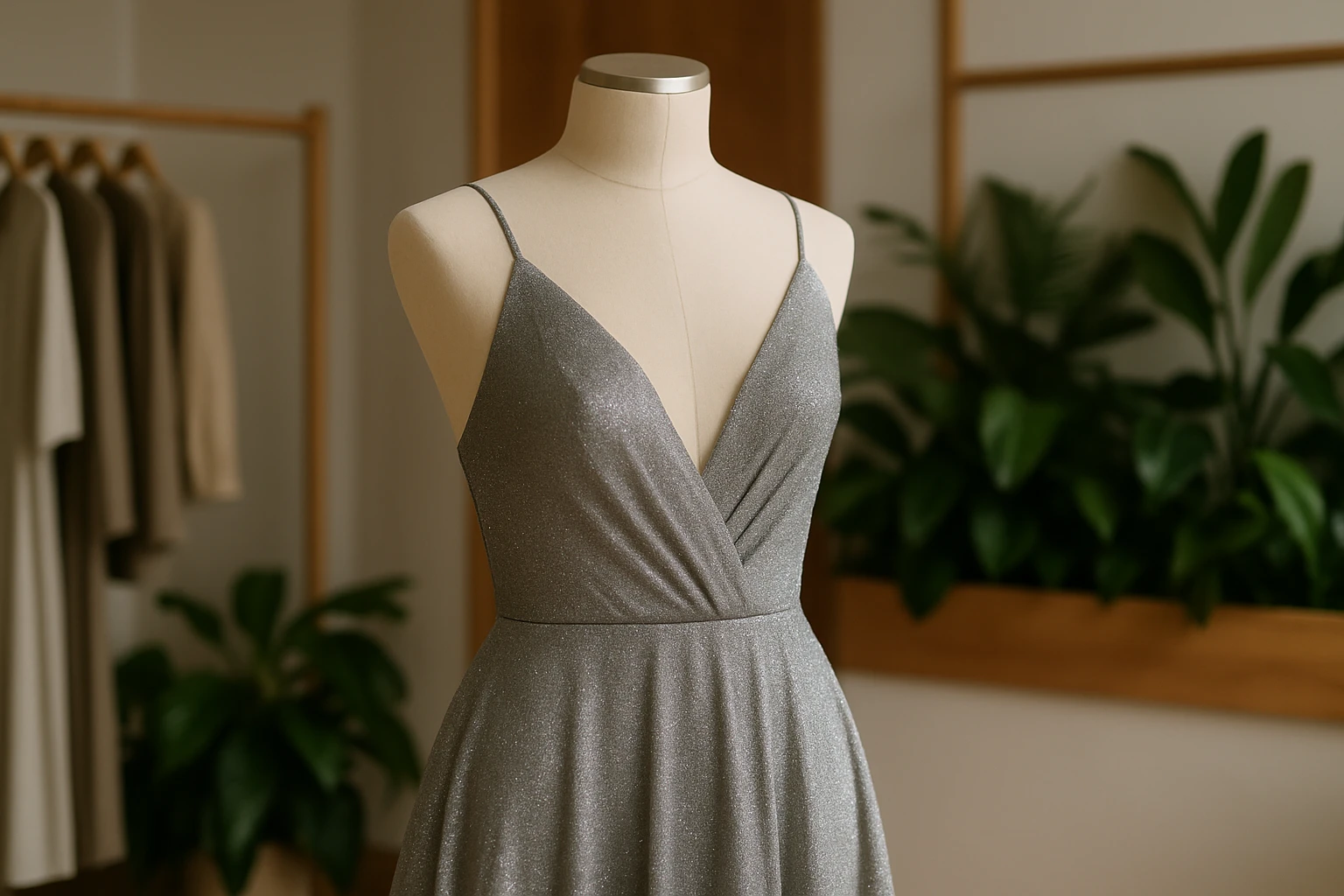
Drawing everything together, this article on ideas for sustainable evening wear without sacrificing style? underscores the transformative potential of eco-conscious fashion. You’ve seen how designers like Christian Siriano used luxurious Circ Lyocell made from textile waste to compose evening-ready looks that feel sumptuous yet responsible (Teen Vogue) and how Maison Margiela’s Artisanal collection cut waste by over 60% through upcycling, or Reformation converted 20 million plastic bottles into chic creations each year (Grrly Grrls). These real-world examples illustrate that sustainable materials and practices can elevate evening wear—enhancing rather than compromising style.
Consider these actionable strategies when selecting or designing your next evening ensemble: opt for plant-based or recycled fibers like Tencel, organic cotton blends, hemp, or regenerated polyester; repurpose vintage pieces or explore zero-waste patterns to eliminate offcuts; and support designers or brands championing modular, long-lasting designs. These approaches not only minimize environmental impact but also offer versatility and uniqueness in your wardrobe.
From a broader perspective, the fashion industry faces significant environmental challenges—textile production contributes roughly 10% of global carbon emissions, consumes tens of billions of gallons of water annually, and generates over 92 million tons of waste each year (Ethos / UN Environment Programme). Yet, strategic innovation—from circular fabrics to tax incentives to reduce rebound effects—can drive meaningful change (Phys.org).
Above all, choose longevity over disposability. Well-chosen sustainable evening wear becomes a statement of values as much as of style. Whether you shop thoughtfully, support ethical brands, or integrate upcycled or zero-waste designs, each decision reinforces a powerful message: elegance and environmental responsibility belong together. Now, take action—explore sustainable evening options, advocate for eco-conscious designers, and let your style reflect more than aesthetics—it can mirror your commitment to a greener future.
Article Generated by Soogle