
What Is Evening Attire? 35% Misunderstand & Shop Smart
What Is Evening Attire? 35% Misunderstand & Shop Smart
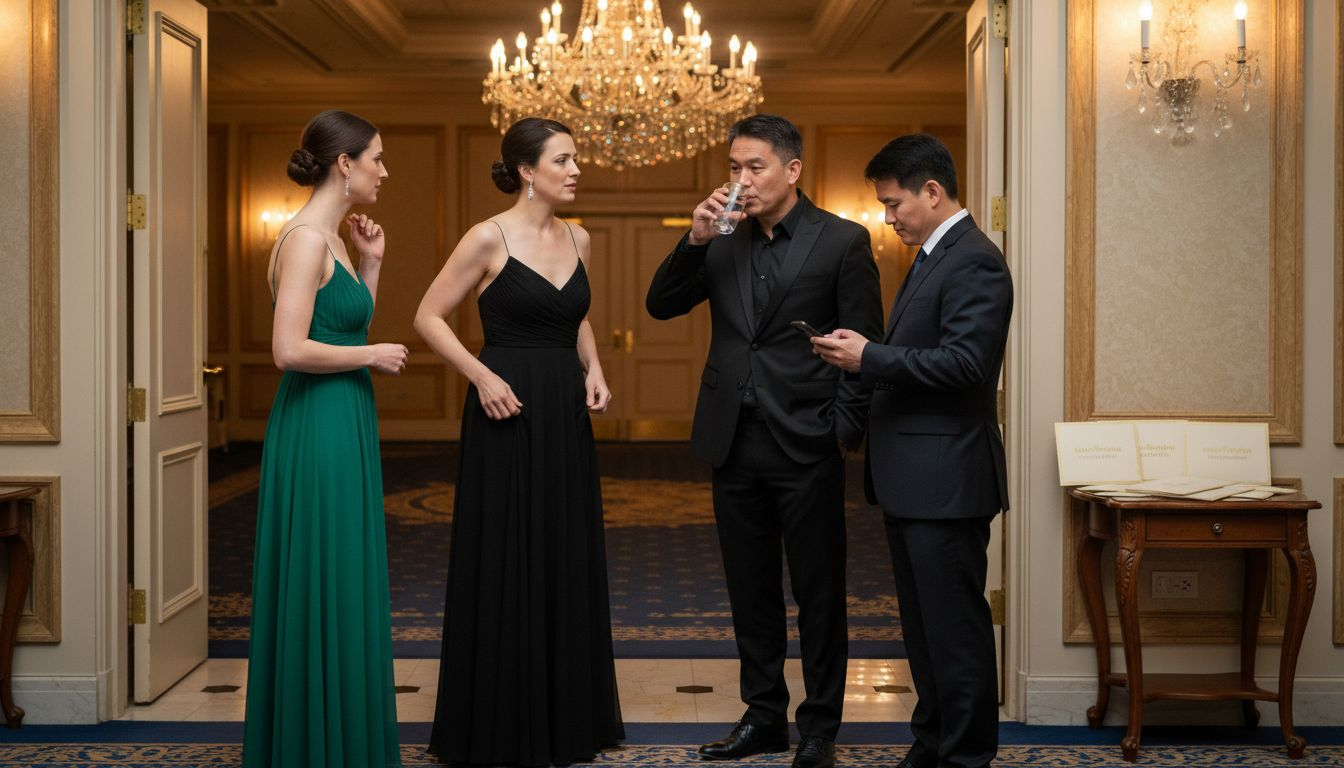
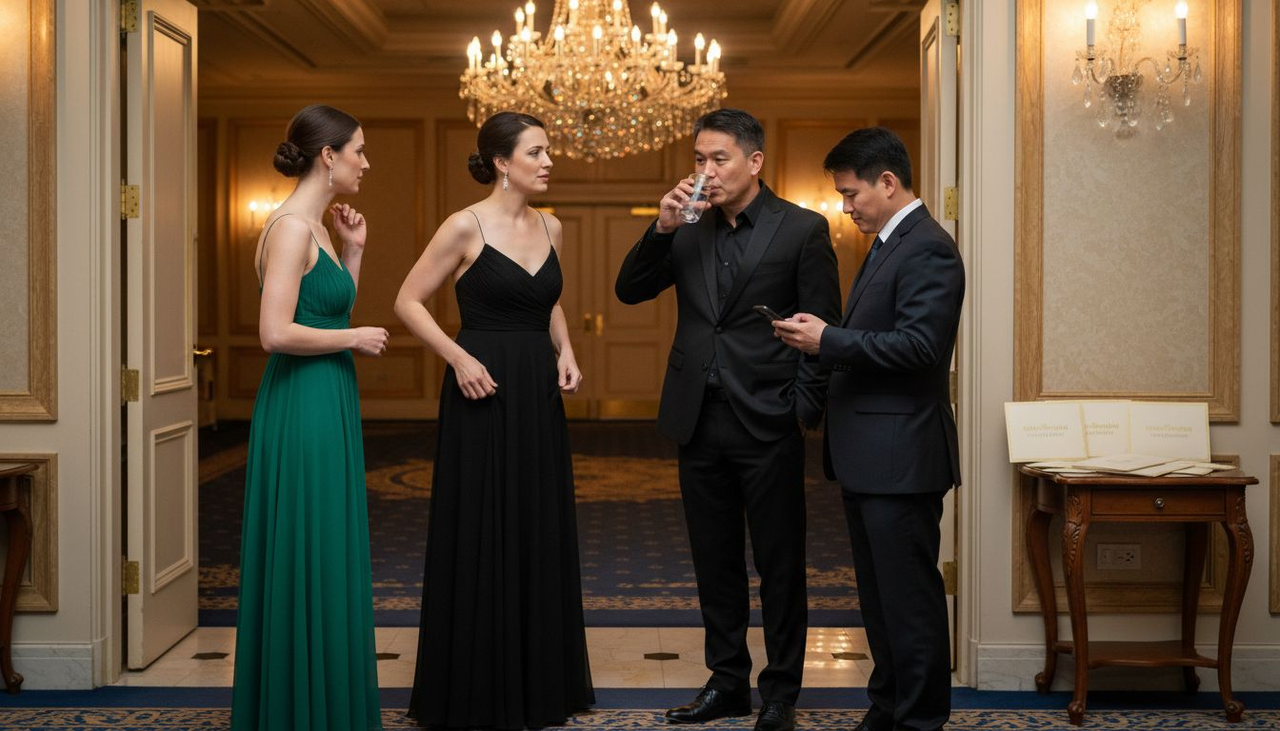
Choosing the perfect dress for your prom or wedding event shouldn’t feel like solving a puzzle. Yet 35% of evening gowns sold online are misclassified, leaving shoppers confused about what truly counts as evening attire. This guide cuts through the confusion with clear definitions, smart shopping strategies, and styling insights to help you make confident choices that match your event’s formality and your personal style.
Table of Contents
- Definition And Features Of Evening Attire
- Comparison With Other Dress Codes
- Style And Fabric Trends In Evening Wear
- Common Misconceptions About Evening Attire
- Accessory Coordination For Evening Attire
- Shopping Guidance For Evening Attire
- Conceptual Framework For Understanding Evening Attire
- Explore Elegant Evening Attire At DressMeUpNY
- FAQ
Key Takeaways
| Point | Details |
|---|---|
| Definition extends beyond length | Evening attire requires floor or sophisticated mid length plus luxurious fabrics like silk or velvet, not just any long dress. |
| Dress codes have distinct rules | Evening attire differs from cocktail (shorter, lighter) and black tie (stricter, more formal) in length, fabric, and styling requirements. |
| Accessories balance the look | 70% of stylists recommend minimal fine jewelry and neutral clutches to complement rather than overpower your gown. |
| Prom doesn’t always equal wedding appropriate | Many prom dresses lack the fabric sophistication needed for formal weddings or black tie events. |
| Smart shopping reduces returns | Measuring correctly and checking fabric details before purchase prevents the costly fit issues plaguing online dress shopping. |
Definition and Features of Evening Attire
Evening attire means formal long gowns or sophisticated cocktail dresses after 5 PM, made from luxurious fabrics like silk and velvet. This dress code applies to special occasions occurring in evening hours, typically from 5 PM onward. The defining characteristic isn’t just length, it’s the combination of fabric quality, sophisticated cut, and occasion appropriateness that creates an elegant silhouette.
Fabric choice makes or breaks evening attire status. Luxurious materials like silk, satin, chiffon, taffeta, and velvet signal formality through their texture and drape. Cotton jersey or casual polyester blends, even in floor length, don’t meet evening attire standards because they lack the refined appearance formal events demand.
The cut and construction matter equally. Evening dresses feature tailored bodices, structured seaming, and careful attention to fit that creates a polished silhouette. Details like beading, lace overlays, or subtle embellishments add sophistication without appearing costume-like. The overall effect should communicate elegance and intentional styling rather than casual comfort.
Key features that define proper evening attire include:
- Floor length or sophisticated tea length (just above ankle) hemlines that provide formal coverage
- Premium fabrics with natural drape and sheen that catch light beautifully
- Structured bodices with boning or quality lining that create shape and support
- Refined color palettes favoring jewel tones, metallics, classic black, or soft pastels
- Minimal or elegant embellishments that enhance rather than dominate the silhouette
- Quality construction with finished seams, proper hems, and attention to detail
Understanding these elements helps you identify true evening gowns wedding appropriate styles versus dresses that merely look formal at first glance. The distinction becomes crucial when selecting attire for events with specific dress code expectations.
Comparison with Other Dress Codes
Evening attire sits within a spectrum of formal dress codes, each with distinct requirements. Cocktail attire allows knee to midi length dresses in lighter fabrics like crepe or lightweight chiffon. These styles embrace playful colors, bolder patterns, and trendier silhouettes because the formality level permits more fashion experimentation. You might wear a cocktail dress to afternoon weddings, graduation parties, or semi formal celebrations.
Black tie attire represents the most formal standard, requiring full length gowns in luxurious fabrics with conservative styling. Black tie events demand elegant simplicity, sophisticated colors (often black, navy, or jewel tones), and minimal trendy elements. Accessories lean toward fine jewelry and classic styling rather than statement pieces. The overall aesthetic emphasizes timeless elegance over fashion forward choices.
Evening attire bridges these categories. It requires formal length and fabric quality approaching black tie standards but allows slightly more personal expression in color, embellishment, and contemporary styling. This flexibility makes evening attire the most common dress code for proms and formal weddings, giving you room to showcase personality within formal parameters.
| Dress Code | Typical Length | Fabric Types | Accessory Style | Formality Level |
|---|---|---|---|---|
| Cocktail | Knee to midi | Lightweight crepe, jersey, casual chiffon | Statement jewelry, bold clutches | Semi formal |
| Evening Attire | Floor or tea length | Silk, satin, formal chiffon, velvet | Refined jewelry, elegant heels | Formal |
| Black Tie | Floor length only | Luxe silk, heavy satin, taffeta, brocade | Fine jewelry, classic accessories | Very formal |
Recognizing these distinctions prevents common mistakes. A stunning cocktail dress won’t meet expectations at a black tie wedding. A heavily beaded prom dress might feel too youthful for an elegant evening wedding. Matching your dress choice to the specific dress code tier ensures you look appropriate while feeling confident.
The overlap between types of evening gowns and other formal categories can confuse shoppers. Some tea length dresses qualify as evening attire if fabric and styling meet formal standards. Conversely, some floor length dresses don’t qualify as black tie attire if they feature casual fabrics or overly trendy details. Always check the event invitation for dress code guidance beyond just dress length.
Style and Fabric Trends in Evening Wear
Velvet and chiffon are trending fabrics; black remains the most popular evening gown color in 2023, accounting for 45% of evening dress sales. Velvet brings rich texture and depth, perfect for fall and winter events, while maintaining formal elegance. Chiffon offers ethereal movement and romantic drape ideal for spring and summer celebrations. Both fabrics photograph beautifully and feel luxurious against skin.
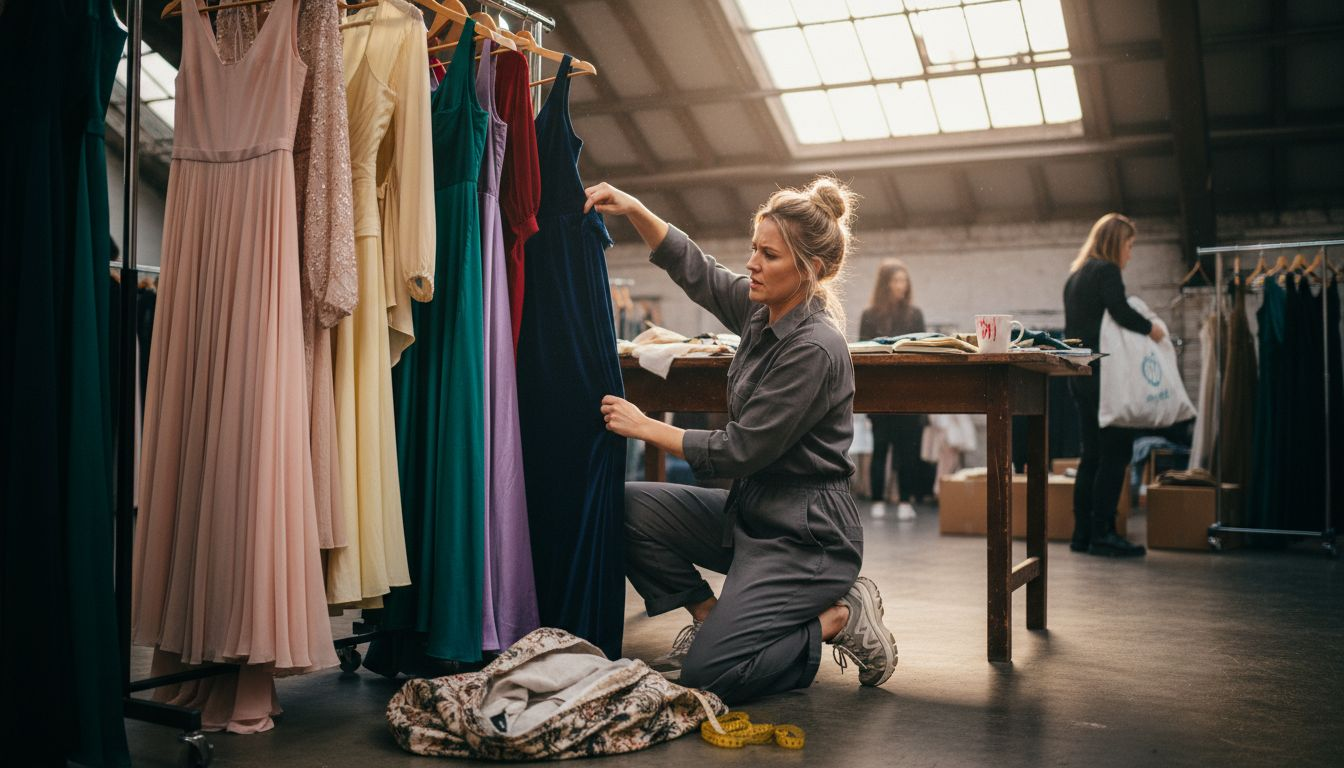
Beyond black, jewel tones dominate current evening wear trends. Emerald green, sapphire blue, ruby red, and amethyst purple provide vibrant alternatives while maintaining sophistication. Metallics like champagne, rose gold, and gunmetal offer modern elegance. Soft pastels including blush, lavender, and powder blue work beautifully for younger attendees seeking romantic, approachable formal looks.
Silhouette preferences favor flattering, timeless shapes over extreme trends. A-line gowns universally flatter by skimming the body through the torso and flowing from the waist, making them perfect for various body types. Sheath dresses create sleek, sophisticated lines for those who prefer form fitting styles. Fit and flare silhouettes combine the fitted bodice security with flared skirt movement and coverage.
Current style elements to incorporate include:
- Asymmetric necklines adding modern interest to classic silhouettes
- Illusion panels providing coverage while creating visual intrigue
- Side slits offering movement and contemporary edge within formal parameters
- Off shoulder or cold shoulder details balancing coverage with subtle allure
- Back interest like cowl backs, keyhole cutouts, or delicate straps
Pro Tip: Choose silhouettes that complement your body type rather than following trends blindly. An A-line gown flatters most figures by creating balanced proportions, while empire waists elongate shorter frames and sheath styles showcase athletic or slender builds.
Fabric combinations create dimensional interest. Chiffon overlays on satin bases add texture. Lace bodices paired with flowing skirts combine structure with movement. Velvet panels on chiffon gowns provide strategic coverage while maintaining overall fluidity. These combinations appear more expensive and thoughtfully designed than single fabric constructions.
When selecting from evening gowns wedding trends, consider the season and venue. Heavy velvets suit winter ballrooms but overwhelm outdoor summer ceremonies. Lightweight chiffons perfect for garden weddings may look too casual in grand hotel ballrooms. Match fabric weight and color to your event context for polished appropriateness.
Don’t forget footwear planning. Your dress length and hem style determine ideal shoes for evening gowns. Floor length gowns hide most footwear, allowing comfort prioritization, while tea length styles demand coordinated, elegant heels that complement your overall look.
Common Misconceptions About Evening Attire
The biggest myth? Any long dress counts as evening attire. Length alone doesn’t determine formality. A maxi dress in cotton jersey or casual print fabric remains casual regardless of length. 35% of online evening gowns are misclassified due to misunderstanding fabric sophistication and cut requirements, leading shoppers to purchase inappropriate attire for their events.
Many prom dresses don’t translate to wedding or black tie appropriateness. Prom fashion often emphasizes youthful trends like heavy sequins, bold cutouts, or playful short hemlines that feel too casual or costume-like for sophisticated evening events. The styling that makes you stand out at prom may appear out of place at an elegant wedding. Fabric quality in budget prom dresses often falls short of true evening attire standards.
“Just because a dress is formal doesn’t mean it’s evening attire appropriate. The fabric, cut, and overall sophistication level must match the event’s expectations, not just the length requirement.”
Black color faces unfair criticism as boring or outdated. In reality, black remains the most versatile and elegant evening attire choice. It photographs beautifully, flatters all skin tones, and provides a sophisticated canvas for statement accessories. Black gowns in quality fabrics with interesting silhouettes never look dated. The key is choosing modern cuts and luxurious materials rather than avoiding the color entirely.
Common misconceptions causing selection mistakes include:
- Assuming all satin is formal quality (thin, cheap satin looks costume-like)
- Believing more embellishment equals more formal (often the opposite is true)
- Thinking cocktail dresses work for evening events with different shoes
- Assuming evening attire requires uncomfortable, restrictive fits
- Believing you need designer labels to achieve appropriate formality
Pro Tip: Always check fabric composition and read reviews mentioning fabric quality before purchasing online. Polyester can look luxurious or cheap depending on weight and construction. Check if other buyers mention the dress photographing differently than expected or feeling flimsy upon arrival.
Misunderstanding dress codes leads to costly mistakes. Ordering a dress that doesn’t meet event standards means last minute replacement shopping, rush shipping fees, and unnecessary stress. Worse, wearing inappropriately casual attire to formal events impacts how you’re perceived and your comfort level throughout the celebration.
For guidance on appropriate modest options that maintain formality, explore resources on evening attire misconceptions that help you balance coverage preferences with elegance requirements. Modest doesn’t mean frumpy, and revealing doesn’t automatically mean more formal.
Accessory Coordination for Evening Attire
Accessories complete your evening look, but 70% of stylists recommend minimalistic fine jewelry to maintain visual balance. Your gown should remain the focal point, with accessories enhancing rather than competing. Over accessorizing creates visual clutter that diminishes the elegant simplicity formal attire requires. Think refined accents, not statement overload.
Jewelry selection depends on your neckline. Strapless or sweetheart necklines pair beautifully with delicate necklaces or statement earrings, but rarely both. High necklines or detailed bodices need minimal or no necklace, letting dramatic earrings provide sparkle. V-necks work with pendant necklaces that follow the neckline angle. Halter styles look best with statement earrings and bare neck.
Neutral tone accessories offer maximum versatility. Nude, champagne, or metallic clutches and heels coordinate with virtually any gown color without creating jarring contrast. Black accessories work with cool toned dresses, while warm metallics complement jewel tones beautifully. Match your metal tones (gold jewelry with gold shoes, silver with silver) for cohesive polish.
Key accessory coordination guidelines:
- Choose either statement jewelry OR a bold clutch, never both simultaneously
- Match shoe height to dress length (higher heels for floor length, moderate for tea length)
- Keep handbag size minimal (small clutch or wristlet only for formal events)
- Ensure jewelry metal tones coordinate with dress hardware and shoe accents
- Consider your hairstyle when selecting earrings (updos showcase statement earrings beautifully)
- Add a wrap or shawl in coordinating fabric for coverage and temperature flexibility
Avoid accessories that read too casual. Canvas or straw materials, oversized bags, costume jewelry with visible plastic, and athletic style watches all undermine evening attire formality. Similarly, skip accessories with logos or branding unless they’re subtle luxury pieces. The goal is refined elegance, not brand display.
For inspiration on complete looks, visit resources about evening attire accessories that show how small details create cohesive formal styling. Pay attention to how styled looks balance multiple elements without overwhelming the dress itself.
Timing matters for accessory shopping. Purchase your dress first, then select accessories to complement its specific color, neckline, and style. Shopping accessories before choosing your gown often results in mismatched pieces that don’t work together, leading to additional purchases and wasted money.
Shopping Guidance for Evening Attire
Successful online dress shopping starts with accurate measurements. Grab a fabric measuring tape and record your bust (fullest part), natural waist (narrowest point), hips (fullest part), and hollow to hem (collarbone to floor in heels). Compare these numbers to seller size charts rather than assuming your usual size, as evening wear sizing varies significantly between brands.
Follow these steps for confident online purchases:
- Read full product descriptions noting fabric composition, lining details, and construction specifics before viewing photos.
- Check multiple customer reviews focusing on comments about fabric quality, true to size fit, and color accuracy.
- Examine return policies including timeframes, restocking fees, and whether you pay return shipping costs.
- Compare measurements to size charts for each specific dress, as sizing varies even within the same retailer.
- Order at least 6 weeks before your event allowing time for shipping, trying on, potential returns, and reordering if needed.
- Plan backup options identifying 2-3 alternative dresses you’d purchase if your first choice doesn’t work.
Pro Tip: Order with a backup plan by identifying a local store carrying similar styles you could purchase last minute if online orders fail. Having a plan B prevents panic and ensures you’ll have appropriate attire regardless of shipping delays or fit issues.
Fabric details reveal quality. Look for descriptions mentioning lining (unlined dresses often appear cheap), fabric weight (lightweight can mean flimsy), and specific material types beyond generic “polyester.” Quality evening gowns specify “bridal satin,” “silk chiffon,” or “stretch velvet” rather than vague fabric references. Check if boning or built in support is mentioned for bodice structure.
Customer photos provide reality checks. Styled product photos often use professional lighting, editing, and samples in perfect condition. Customer uploads show how dresses photograph in normal lighting, how colors appear in person, and whether quality matches expectations. Pay special attention to reviews from buyers with similar body types to yours.
For comprehensive strategies, explore guides on shopping evening dresses online that detail how to identify quality indicators and avoid common pitfalls. Learning to spot red flags in listings saves money and frustration.
Fit resources help visualize how styles work on different figures. Review advice on finding the perfect fit formal attire before selecting silhouettes, as understanding which cuts flatter your proportions prevents ordering dresses that won’t work regardless of correct sizing.
Consider additional costs when budgeting. Factor in potential alterations (hemming, taking in, strap adjustments), shipping fees for orders and returns, undergarments designed for formal dresses, and accessories. A $100 dress often becomes $200 after necessary additions. For broader shopping guidance, check general online shopping tips applicable beyond just fashion purchases.
Conceptual Framework for Understanding Evening Attire
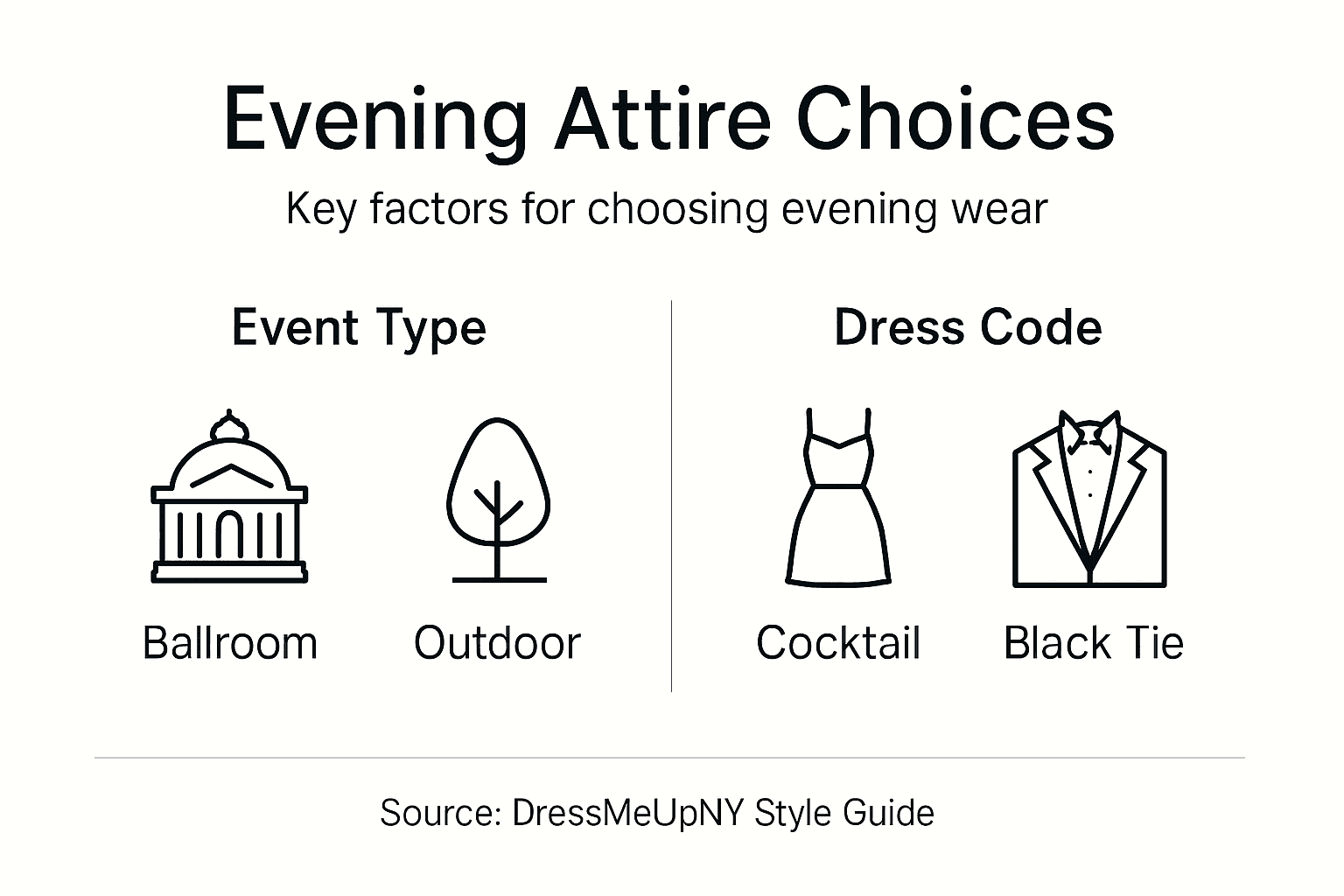
Understanding evening attire requires seeing how multiple factors interrelate. Event formality determines appropriate dress code tier. That dress code defines required length and fabric sophistication. Fabric and cut choices then inform which styling approaches and accessories work. This hierarchy helps you make educated decisions rather than guessing based on incomplete information.
The framework starts with event context. A ballroom wedding demands different attire than a beach ceremony, even if both specify “evening attire.” Season affects fabric appropriateness. Venue formality (hotel ballroom versus garden, country club versus barn) guides styling choices. Time of day, while evening attire technically begins at 5 PM, also influences how formal your interpretation should be.
Dress code tier sits at the framework’s core. Once you identify whether the event calls for cocktail, evening attire, or black tie, you’ve narrowed appropriate options significantly. Each tier permits specific dress lengths, fabric types, and styling approaches. Moving between tiers requires understanding what changes, not just picking any formal looking dress.
Within your dress code tier, fabric and cut determine your specific dress choice. Premium fabrics in sophisticated cuts meet formal requirements. Your body type, personal style preferences, and comfort needs guide which qualifying options you select. Color and embellishment preferences add personality while staying within formal parameters.
| Framework Level | Decision Factors | Determines |
|---|---|---|
| Event Context | Venue formality, season, time, cultural expectations | Appropriate dress code tier |
| Dress Code Tier | Cocktail, evening attire, or black tie specification | Required length, fabric types, styling rules |
| Fabric & Cut | Material quality, silhouette, construction details | Specific dress options that qualify |
| Styling Choices | Color preference, embellishment, personal taste | Final dress selection within appropriate options |
| Accessories | Jewelry, shoes, bag, wrap coordinating with dress | Complete polished look |
This framework clarifies why some decisions feel overwhelming. You’re actually making multiple interconnected choices, not just “picking a dress.” Breaking the process into levels makes each decision manageable. First identify event formality, then appropriate dress code, then qualifying dress options, then personal preferences within those options.
For deeper exploration of dress categories and their relationships, review resources on understanding types of evening dresses that map how different styles fit within formal wear hierarchies. Seeing the complete landscape helps you locate specific dresses within broader context.
Applying this framework prevents common mistakes. You won’t confuse cocktail with evening attire because you understand they occupy different dress code tiers. You won’t assume any long dress works because you recognize fabric and cut matter within each tier. The structured approach replaces guesswork with informed decision making, leading to confident appropriate choices.
Explore Elegant Evening Attire at DressMeUpNY
Now that you understand what makes evening attire truly formal, explore curated collections designed specifically for occasions like yours. DressMeUpNY offers stylish gowns in the luxurious fabrics and sophisticated silhouettes this guide recommends. From trending velvet and chiffon options to timeless black elegance, you’ll find dresses meeting proper evening attire standards for proms, weddings, and formal celebrations.
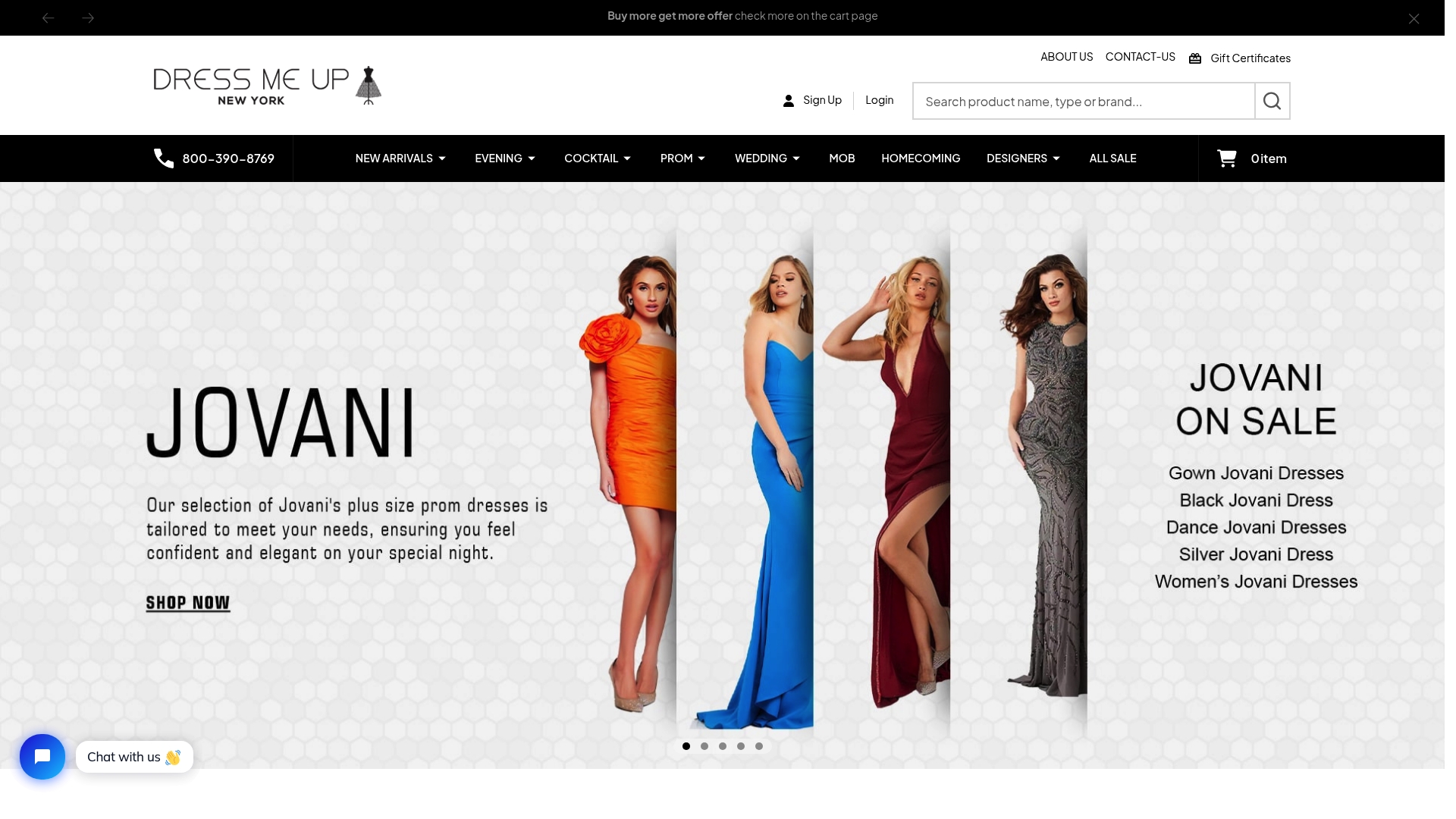
Our site lets you filter by event type and dress code, making it simple to discover styles appropriate for your specific occasion. Detailed product descriptions specify fabric composition, construction details, and styling notes so you shop with complete information. Size guides help you measure correctly for confident online ordering and fewer returns. Whether you need types of formal dresses for black tie events or versatile formal evening wear for multiple occasions, you’ll find options balancing current trends with timeless elegance. Browse collections that bridge prom and wedding appropriateness, ensuring your dress choice works beautifully for your specific celebration.
FAQ
What qualifies as evening attire for women?
Evening attire consists of formal dresses worn after 5 PM, typically floor length or sophisticated tea length, made from luxurious fabrics like silk, satin, chiffon, or velvet. The combination of elegant fabric, refined cut, and appropriate styling for special occasions defines evening attire, not just dress length alone.
How does evening attire differ from cocktail attire?
Evening attire requires floor or tea length gowns in formal fabrics, while cocktail attire permits knee to midi length dresses in lighter materials. Cocktail styling allows more playful colors and trendy elements, whereas evening attire demands sophisticated elegance with refined accessories and conservative styling approaching black tie formality.
Can I wear a prom dress to a formal wedding?
Some prom dresses work for weddings, but many don’t meet evening attire standards due to youthful styling, casual fabrics, or trendy elements inappropriate for sophisticated events. Check if your prom dress features quality formal fabric, elegant cut, and refined styling rather than heavy embellishment or costume-like details before wearing it to a wedding.
What accessories should I pair with evening attire?
Choose minimalistic fine jewelry, with either statement earrings or a delicate necklace but not both. Pair your gown with neutral tone heels and a small clutch in coordinating colors. Seventy percent of stylists recommend keeping accessories refined to let your dress remain the focal point while adding polished finishing touches.
How do I shop for evening dresses online successfully?
Measure your bust, waist, hips, and hollow to hem accurately, then compare to seller size charts rather than assuming your usual size. Read customer reviews for fabric quality and fit accuracy, check return policies thoroughly, and order at least six weeks before your event allowing time for potential returns and reordering if needed.
Recommended
- Modest Evening Dresses: Complete Style Guide - DressMeUpNY
- Understanding the Types of Evening Dresses for Every Event - DressMeUpNY
- Modest Evening Gowns: Chic Elegance for Special Events - DressMeUpNY
- Evening Gowns Wedding: Choosing Elegant Formalwear - DressMeUpNY
- How to Style Opal Jewelry for Elegant Everyday Looks - Australian Opal Direct