
What is formal wear for women 16-30: 2026 style guide
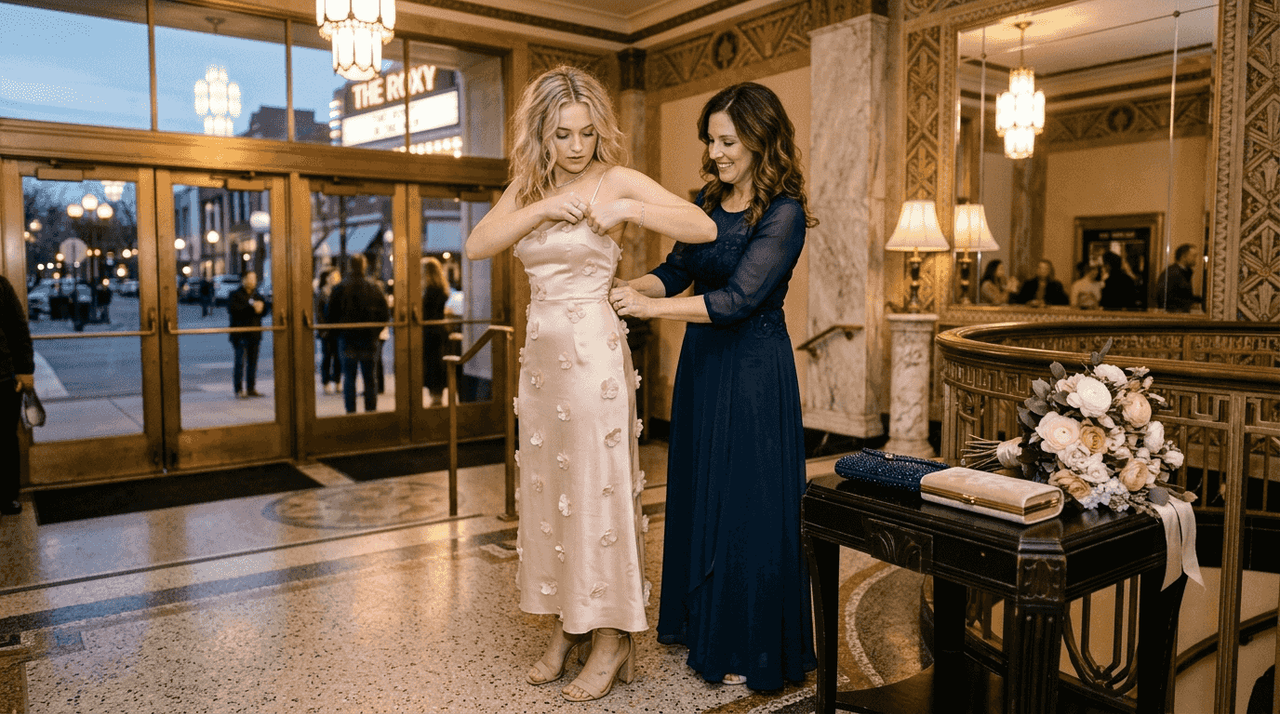
What is formal wear for women 16-30: 2026 style guide
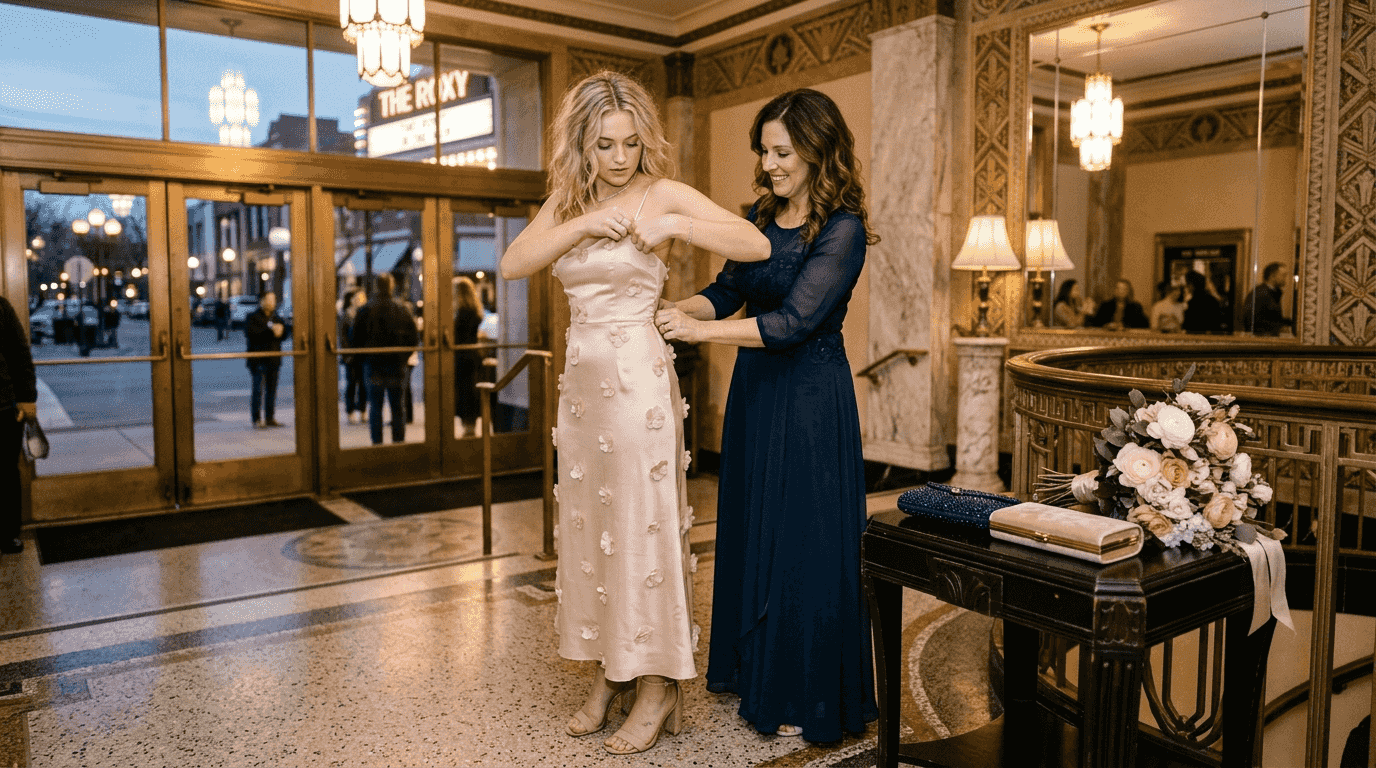
Choosing the right outfit for prom, a wedding, or a special event can feel overwhelming when you’re unsure what truly counts as formal wear. With fashion trends evolving rapidly and dress codes varying by occasion, many young women struggle to define what formal wear means in 2026. This guide clarifies formal wear essentials for women aged 16 to 30, focusing on current styles, designer influences, and practical tips to help you make confident, stylish choices for every special occasion on your calendar.
Table of Contents
- Understanding Formal Wear Essentials For Women Aged 16-30
- Current Fashion Trends Shaping Formal Wear In 2026
- Comparing Popular Formal Dress Styles And Silhouettes For Young Women
- How To Choose The Perfect Formal Wear For Prom, Weddings, And Special Occasions
- Find Your Perfect 2026 Formal Wear At DressMeUpNY
- Frequently Asked Questions
Key takeaways
| Point | Details |
|---|---|
| Formal wear definition | Elegant, often floor-length gowns or sophisticated dresses suited for special occasions |
| 2026 trending textures | Lace reimagined graphically, sheer fabrics, 3D floral appliqués, and ethereal layering |
| Color palette shift | Pastels, muted metallics, and classic tones emphasizing individuality and longevity |
| Black-tie essentials | Floor-length gowns emphasizing elegance and formality for the most elevated events |
| Designer influences | Runway trends from Grammys and fashion weeks shape young women’s formal wear choices |
Understanding formal wear essentials for women aged 16-30
Formal wear in 2026 centers on elegant dresses that convey sophistication and respect for the occasion. Floor-length gowns emphasizing elegance and formality remain the gold standard for black-tie events, while cocktail-length options work for semi-formal gatherings. The key distinction lies in the overall polish, fabric quality, and attention to detail rather than just length alone.
Fabric choice plays a crucial role in defining formality. Luxurious materials like silk, chiffon, satin, and velvet instantly elevate a dress from casual to formal. Sheer overlays add ethereal sophistication without sacrificing coverage, while lace brings timeless romance to modern silhouettes. These fabrics drape beautifully, photograph well, and signal that you’ve dressed intentionally for a special moment.
Silhouettes vary based on personal preference and body shape, but certain styles dominate formal wear for young women. A-line gowns flatter most figures with their fitted bodice and gradual flare. Sheath dresses offer sleek, modern elegance for those who prefer streamlined looks. Ball gowns deliver maximum drama for prom or gala events. Each silhouette serves different occasions and personal style preferences while maintaining formality.
Color selection has expanded beyond basic black in recent years. Classic black remains timeless and universally appropriate. Pastels like blush, lavender, and soft blue feel fresh and youthful. Metallic tones in gold, silver, and rose gold add glamour without overwhelming. Deep jewel tones like emerald, sapphire, and ruby convey richness and sophistication. The right color choice depends on season, event type, and personal coloring.
Understanding dress codes ensures you meet event expectations. Black-tie requires the highest formality with floor-length gowns and refined accessories. Semi-formal allows cocktail dresses or shorter elegant options. Creative black-tie permits more personal expression while maintaining elegance. Knowing these distinctions helps you navigate invitations confidently and dress appropriately for each occasion.
Key factors when selecting formal attire essentials include:
- Event formality level and stated dress code
- Season and venue considerations
- Personal style and comfort preferences
- Fabric quality and construction details
- Accessories that complement without competing
Current fashion trends shaping formal wear in 2026
Lace has experienced a major renaissance in formal wear, moving beyond traditional applications. Lace used as graphic or textural elements paired with sheer organza creates contemporary sophistication that appeals to young women seeking modern romance. Designers layer lace strategically, use it as paneling, or combine different lace patterns for visual interest. This reimagined approach makes lace feel fresh rather than dated.
Sheer fabrics and ethereal layering dominate runways and red carpets. Transparent sleeves, overlay skirts, and strategically placed sheer panels add dimension without revealing too much. This trend works beautifully for formal events because it balances modesty with modern edge. Layering sheer fabrics over solid foundations creates dreamlike movement that photographs beautifully and feels special in person.
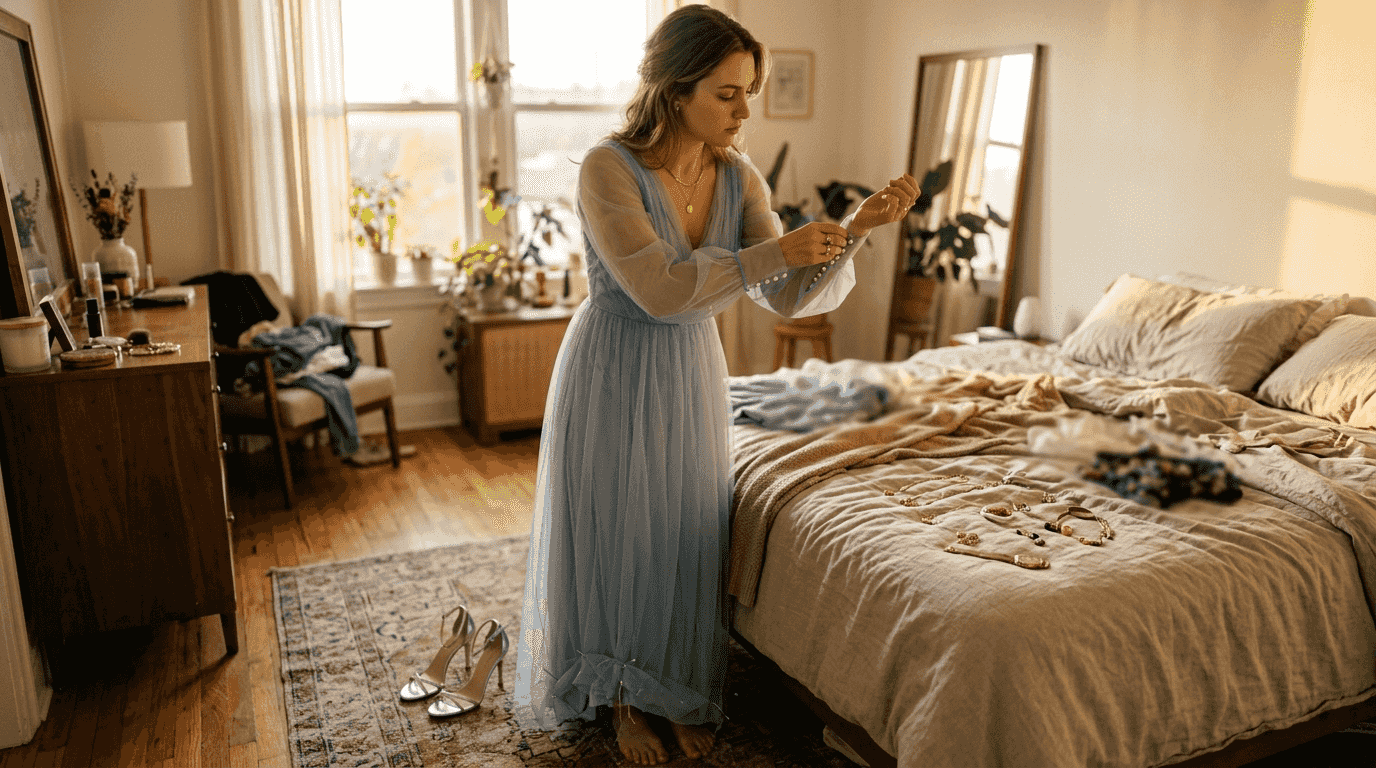
Apron dresses from Miu Miu and Talia Byre challenge traditional glamour by mixing utilitarian details with luxe fabrics. These designs feature bib-front styling, wrap elements, or pinafore-inspired silhouettes in elevated materials like silk and embellished textiles. While unconventional, apron dresses offer a bold alternative for fashion-forward young women attending creative black-tie events or fashion-industry gatherings.
3D floral appliqués have replaced flat floral prints as the texture of choice. Hand-applied fabric flowers, laser-cut petals, and dimensional embellishments add tactile interest that elevates formal dresses from pretty to extraordinary. These details catch light beautifully, create Instagram-worthy moments, and signal craftsmanship. Look for appliqués along necklines, cascading down skirts, or clustered at the waist for maximum impact.
The shift toward occasion-wear with longevity reflects changing consumer values. Young women increasingly seek garments that feel special and intentional rather than disposable. This means choosing versatile silhouettes, quality construction, and timeless details that work across multiple events. Investing in well-made pieces that can be styled differently for various occasions makes both financial and environmental sense.
Pro Tip: Mix traditional elements like lace with modern cuts such as asymmetric necklines or high slits to create a personalized formal look that stands out while respecting event formality.
Trending elements to watch in 2026 formal dress styles:
- Graphic lace applications and mixed lace patterns
- Sheer sleeves and overlay details for ethereal elegance
- 3D floral appliqués replacing flat prints
- Pastel and muted metallic color palettes
- Apron-inspired silhouettes for fashion-forward events
- Sustainable fabrics and versatile designs
Comparing popular formal dress styles and silhouettes for young women
Understanding how different silhouettes, fabrics, and details work together helps you choose formal wear that matches both the occasion and your personal style. Runway trends and red carpet events like the Grammys and Golden Globes heavily influence what young women consider fashionable for formal occasions, making it essential to know which styles suit different events.
| Silhouette | Best Fabrics | Formality Level | Ideal Occasions |
|---|---|---|---|
| A-line gown | Chiffon, tulle, satin | High formal | Prom, black-tie weddings, galas |
| Sheath dress | Silk, crepe, velvet | Semi to formal | Cocktail events, wedding guests, awards |
| Ball gown | Organza, taffeta, tulle | Maximum formal | Prom, quinceañera, red carpet |
| Apron dress | Silk, embellished cotton | Creative formal | Fashion events, modern weddings |
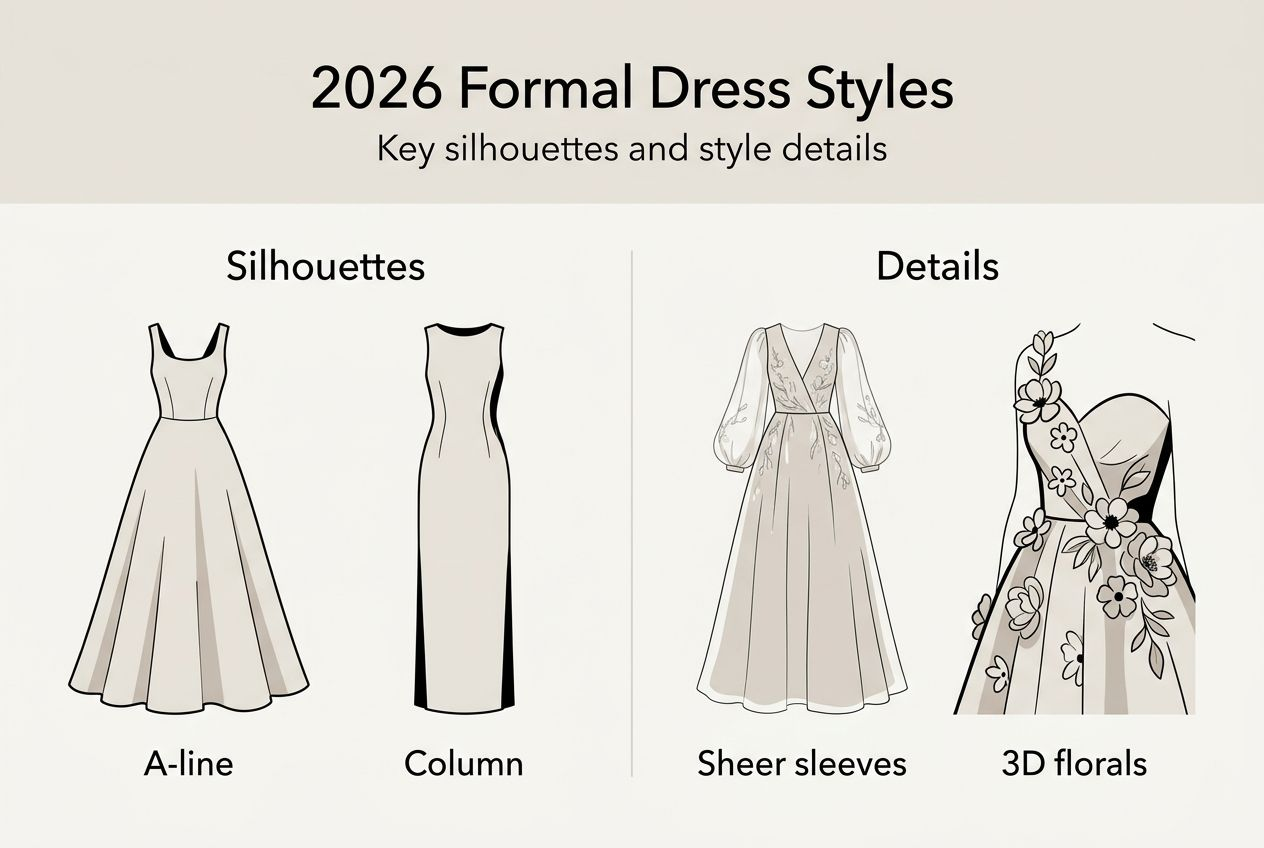
Floral prints and metallic tones update classic styles for spring and summer formal events. Instead of traditional floral patterns, look for oversized blooms, watercolor effects, or the aforementioned 3D appliqués. Metallics work best in muted tones like champagne, rose gold, or pewter rather than bright silver or gold, aligning with 2026’s refined aesthetic preferences.
Textures dramatically affect how formal wear reads in person and photographs. Smooth satins and silks photograph beautifully with minimal texture, creating sleek elegance. Textured fabrics like lace, beading, or 3D florals add visual interest and dimension that catches light. Sheer overlays create movement and ethereal qualities that feel romantic and sophisticated. Consider how textures interact with your chosen silhouette and color.
Color palettes in 2026 emphasize individuality within refined boundaries. Pastels like blush pink, powder blue, and soft lavender feel fresh and youthful for spring and summer events. Muted metallics in champagne, rose gold, and silver provide glamour without overwhelming. Deep jewel tones work beautifully for fall and winter formal occasions. Classic black and navy remain foolproof choices that never go out of style.
Key factors when choosing formal dress styles for elegant dress styles 2026:
- Body shape and which silhouettes flatter your proportions
- Event type and specific dress code requirements
- Personal style expression within formality boundaries
- Season and venue considerations
- Comfort level with different necklines and hemlines
- Budget and cost-per-wear calculations
Understanding these comparisons empowers you to make informed decisions when shopping for formal evening wear that matches your needs, budget, and style preferences.
How to choose the perfect formal wear for prom, weddings, and special occasions
Selecting formal wear becomes straightforward when you follow a systematic approach that considers event requirements, personal style, and current trends. These steps ensure you find an outfit that makes you feel confident and appropriately dressed.
-
Identify the event type and dress code specified on the invitation. Black-tie requires floor-length gowns, while semi-formal allows cocktail dresses. Creative black-tie permits more personal expression. Never guess, clarify with hosts if unclear.
-
Consider the season and venue when narrowing fabric and color choices. Outdoor spring weddings suit lighter fabrics and pastels. Winter galas call for richer fabrics like velvet and deeper colors. Indoor climate-controlled venues offer more flexibility.
-
Assess your body shape and which silhouettes flatter your proportions. A-line works for most figures. Sheath suits straight or athletic builds. Ball gowns create curves. Empire waists elongate shorter frames. Choose what makes you feel beautiful.
-
Incorporate trending elements that align with your personal style. Add sheer sleeves to a classic silhouette. Choose a dress with 3D floral details. Select a pastel or muted metallic in a timeless cut. Trends should enhance, not overwhelm.
-
Plan accessories strategically to complement without competing. Simple jewelry works with heavily embellished dresses. Statement pieces pair with clean silhouettes. Metallic or nude shoes elongate legs. A clutch in a complementary color completes the look.
-
Try on multiple options and move around to assess comfort. Formal events last hours, so ensure you can sit, dance, and move comfortably. Check that necklines stay in place and hemlines don’t trip you.
Incorporating 2026 trends like sheer sleeves, 3D florals, or pastel tones keeps your formal wear current without sacrificing timelessness. Choose one or two trending elements rather than attempting every trend simultaneously. This creates a cohesive, intentional look that photographs beautifully and feels authentically you.
Balancing comfort and style requires honest assessment of your preferences. If you hate strapless dresses, choose sleeves or straps regardless of trends. If you prefer shorter hemlines, opt for tea-length or cocktail styles for semi-formal events. Confidence comes from feeling comfortable in what you wear.
Accessorizing appropriately varies by occasion formality. Black-tie events call for refined jewelry, elegant heels, and structured clutches. Semi-formal allows more creativity with statement pieces and fun accessories. Wedding guest outfit ideas often permit bolder choices than traditional formal events, especially for daytime celebrations.
Pro Tip: Invest in versatile pieces that transition across multiple events by embracing occasion-wear with longevity, choosing classic silhouettes in quality fabrics that you can accessorize differently for various occasions.
Practical considerations for formal dress trends teens and young women include budget, alterations timeline, and whether you’ll wear the dress again. Renting works for one-time events, while purchasing makes sense for pieces you’ll style multiple ways. Factor in alteration costs and timing when budgeting.
Find your perfect 2026 formal wear at DressMeUpNY
Navigating formal wear trends and finding pieces that match your style becomes effortless when you shop curated collections designed specifically for young women. DressMeUpNY specializes in formal and special occasion dresses that reflect current runway trends while maintaining timeless elegance, offering everything from prom gowns to wedding guest dresses in one convenient destination.
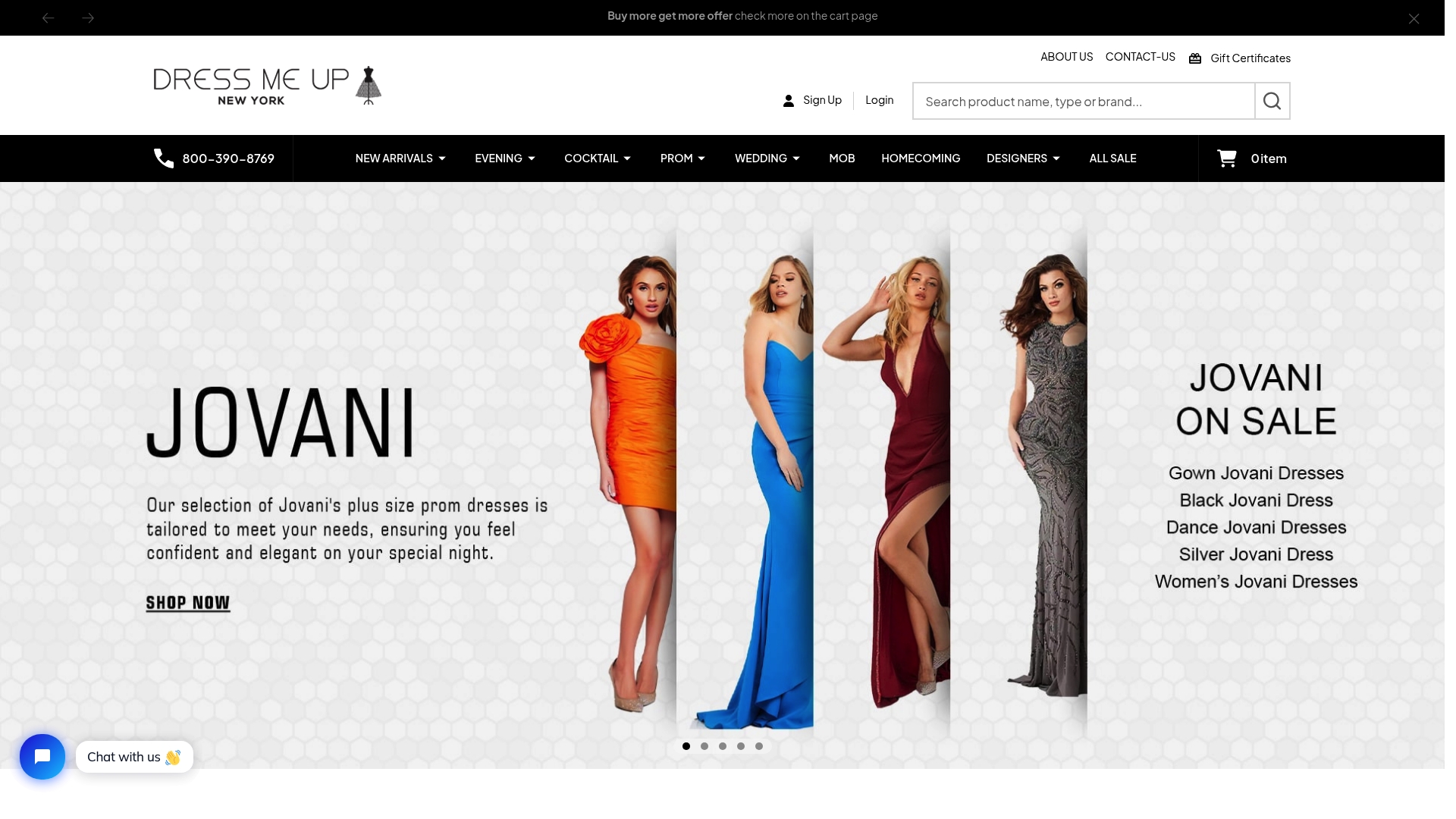
Our 2026 collections feature the textures, silhouettes, and colors you’ve learned about in this guide, including lace reimagined with modern flair, sheer overlay details, 3D floral appliqués, and the pastel and metallic palettes dominating fashion this year. Whether you need a floor-length gown for prom, an elegant dress for a wedding, or a statement piece for a special event, you’ll find options that combine style, comfort, and current trends.
Explore our comprehensive 2026 formal dress styles guide and wedding guest outfit ideas blog for expert advice, styling tips, and inspiration tailored to women aged 16 to 30 who want to look effortlessly elegant at every occasion.
Frequently asked questions
What defines formal wear for women in 2026?
Formal wear consists of elegant dresses or gowns appropriate for special occasions, typically featuring quality fabrics like silk, chiffon, or lace in sophisticated silhouettes. The level of formality depends on event dress codes, with black-tie requiring floor-length gowns and semi-formal allowing cocktail-length options.
Which fabrics are best for formal dresses?
Luxurious fabrics like silk, satin, chiffon, velvet, and quality lace elevate dresses to formal status. Sheer overlays and organza add ethereal sophistication, while textured fabrics like embellished tulle or beaded materials create visual interest that photographs beautifully.
How do current trends influence formal wear choices?
Runway shows, red carpet events, and designer collections shape what young women consider stylish for formal occasions. In 2026, trends like graphic lace applications, sheer layering, 3D floral appliqués, and pastel color palettes influence formal wear selections while classic silhouettes remain timeless.
What should I wear to a black-tie event?
Black-tie events require floor-length gowns in elegant fabrics with refined accessories. Choose sophisticated silhouettes like A-line, sheath, or ball gowns in classic colors or muted metallics, paired with minimal jewelry and elegant heels to maintain the elevated formality level.
How can I personalize formal wear while staying appropriate?
Incorporate one or two trending elements like sheer sleeves, 3D florals, or unique color choices within a classic silhouette. Accessorize thoughtfully with statement jewelry for simple dresses or minimal pieces for embellished gowns, ensuring your personal style shines through while respecting event formality requirements. Visit formal attire essentials for more guidance on balancing personal expression with appropriate formal wear choices.
Recommended
- Types of formal dresses for ladies: 2026 style guide - DressMeUpNY
- Formal event attire 2026: 50% find trendy dresses under $150 - DressMeUpNY
- Formal Evening Wear for Ladies: Style Rules That Matter - DressMeUpNY
- Gala dress code guide: What to wear to formal events in 2026 - DressMeUpNY
- A Formal and Casual Choice - An Overview on Messenger Bags