
What to Look for in an Online Dress Shopping Experience: A Comprehensive Guide

Introduction: Elevating Your Online Dress Shopping Experience
Picture scrolling through a stunning dress on your screen, the fabric texture practically tangible, the size chart crystal clear, and glowing reviews lined up with customer photos—all in a seamless browsing experience. That’s the benchmark of a truly exceptional online shopping experience for dresses. In today’s competitive e‑commerce landscape, knowing what to look for in an online dress shopping experience can turn a simple purchase into a confident, joyful occasion.
Why Visual Confidence Matters
In the digital apparel world, visuals are the bridge between expectation and reality. Research shows that 93% of consumers consider visuals a pivotal deciding factor—often placing photos above descriptions—while products displayed in lifestyle settings can boost conversion rates by up to 32% Voloshyna blog. Crisp, accurate, multi-angle photos not only build trust but also significantly reduce the risk of returns due to mismatched expectations MoldStud statistics.
Actionable Examples That Set the Standard
Consider top fashion retailers like ASOS or Zara, which consistently provide a suite of high-resolution images—from front, back, and side views to close-ups of texture and stitching—alongside brief styling clips. These provide customers with the level of detail they'd get in a physical store, helping them assess drape and fabric thickness before hitting “Buy Now.” Fast-loading galleries with zoom and 360-degree rotations emulate tactile experiences and amplify decision-making confidence.
Setting Expectations with Transparency
Landing pages that couple visual storytelling with clear size charts, model height references, and fabric composition details elevate clarity. For example, when a retailer states "model is 5’9″ wearing a size S," it anchors expectations and helps shoppers envision fit. Actionable insights like suggesting when to size up based on body measurements or providing styling notes—such as “runs small; choose one size larger for a relaxed fit”—further empower informed decisions.
Whether a shopper is looking for understated elegance or bold statement pieces, asking yourself what should i look for in an online dress shopping experience? prompts focus on visuals, fit guidance, and context. Anchoring those elements in concrete standards ensures that browsing transforms into deliberate, confident purchasing.
Prioritizing Website Usability and Navigation
When considering what should I look for in an online dress shopping experience?, one critical factor is the website’s usability and navigation. A seamless and intuitive interface enhances the overall shopping experience, ensuring customers can effortlessly find and explore the products they are interested in. Leading online retailers such as ASOS and Nordstrom boast well-designed platforms that guide users efficiently from one section to another, showcasing a wide range of options with ease.
Key elements to look for include a responsive design that adapts to various devices, clear menu structures, and easy access to filters that refine search results by size, color, price, and occasion. For instance, a Shopify study highlights how effective filters can increase conversion rates by allowing users to quickly narrow down their options, reducing frustration and decision fatigue.
Leveraging Product Search and Filtering Tools
An important aspect of a successful online dress shopping experience is the efficiency of search and filtering tools. These tools must be intuitive, offering various criteria to help customers pinpoint specific styles or brands. For example, brands like Zara utilize robust search functions paired with visual imagery, providing an engaging, user-friendly browsing experience that resonates well with customers who value convenience and time-saving solutions.
Additionally, product comparison features can be invaluable. By enabling shoppers to compare different items side-by-side, these tools empower consumers to make informed decisions. A detailed comparison of materials, prices, and customer reviews helps solidify confidence in purchasing choices, fostering a more fulfilling shopping journey.
Evaluating Checkout and Payment Security
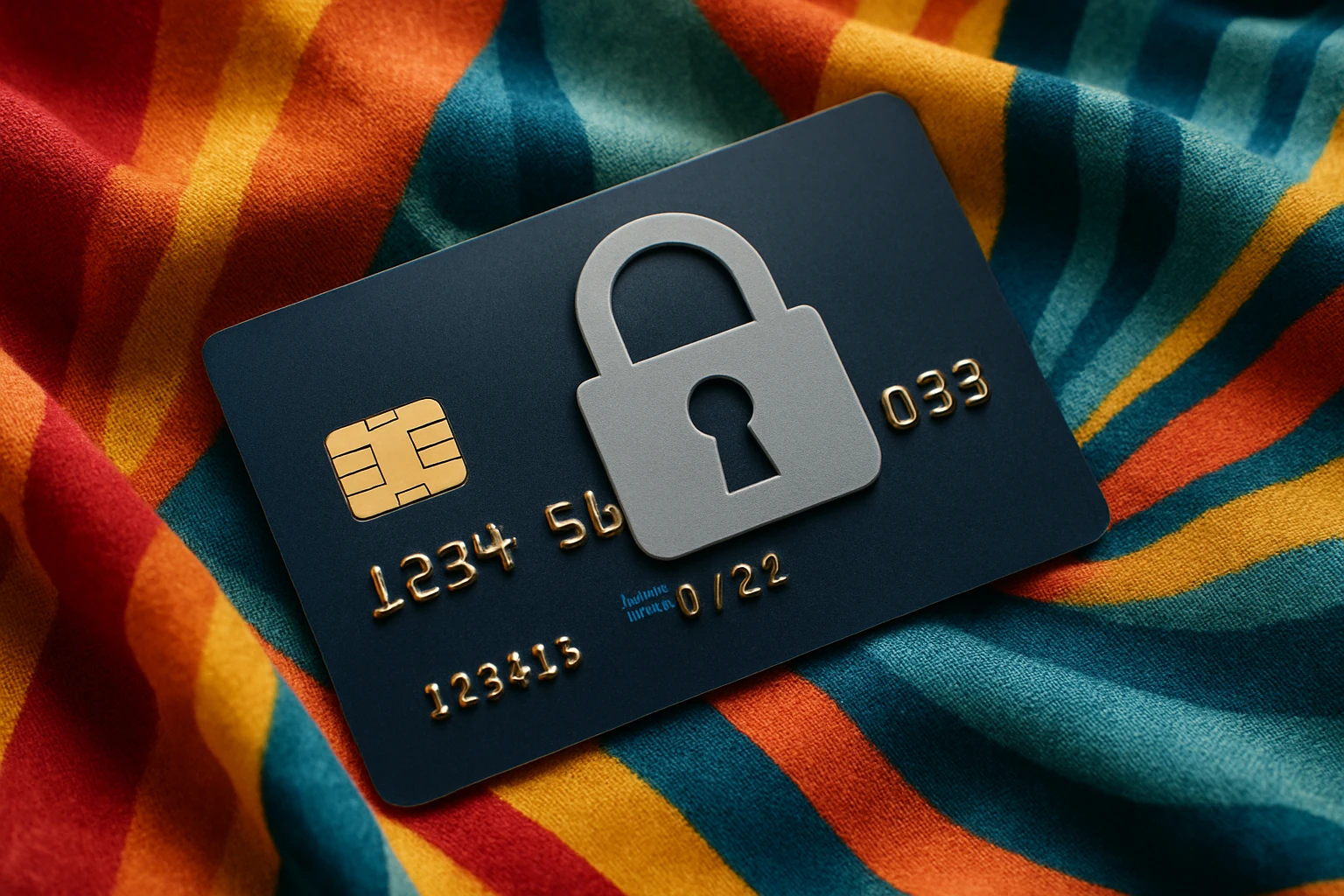
Security during checkout is a paramount concern for online shoppers. A trustworthy online dress shopping site should include secure payment gateways and visible security badges that reassure customers their financial information is safe. The rise of cyber threats demands heightened awareness; hence, websites utilizing SSL certificates and trusted payment methods, such as PayPal, are more likely to gain customer trust. According to BBC Technology News, the increase in online fraud has driven consumers to seek websites with robust security protocols.
Integration of multiple payment options, including credit cards, digital wallets, and buy-now-pay-later services like Afterpay, further enhances the checkout experience by providing flexibility and accommodating diverse customer preferences. These factors together contribute significantly to what should make an online dress shopping experience both reliable and enjoyable.
Site Security and Payment Options
When considering what should i look for in an online dress shopping experience, security is paramount. A secure shopping site not only protects your personal information but also ensures smooth transactions. Look for websites that display SSL certificates, often indicated by a padlock icon near the address bar. This encryption ensures that your data is safely transmitted. In 2021 alone, e-commerce fraud amounted to nearly $20 billion, as reported by Statista. Therefore, ensuring site security can save you from potential losses.
Moreover, reliable e-commerce platforms offer multiple payment options, catering to diverse customer preferences. Common options include credit cards, debit cards, PayPal, and emerging payment methods like digital wallets. For instance, platforms utilizing PayPal provide an additional layer of protection through their buyer protection policies, which cover you in cases of non-delivery or items that significantly differ from their description. Additionally, flexible payment solutions like Afterpay or Klarna allow you to manage expenses through interest-free installments, offering not just convenience but financial flexibility.
User-Friendly Return Policies
Another crucial aspect of online dress shopping is the return policy. Ideally, a straightforward, hassle-free return process is essential. This includes a clear timeframe, typically ranging from 14 to 30 days, allowing you sufficient time to decide if the dress meets your expectations. Retailers like Nordstrom have exemplary return policies, offering free returns, which sets a standard in the industry. Rather than enduring lengthy, problem-ridden processes, a customer-friendly policy can significantly enhance your shopping experience.
Additionally, pay attention to whether the retailer offers free return shipping. This feature can save you from unexpected costs, especially if the dress needs to be returned due to fitting issues or unsatisfactory quality. Insightful reviews often highlight return experiences. You should consult these reviews to get real-life feedback about the store's return policies.
By focusing on these security and policy aspects, you can enjoy a safer, more satisfactory online dress shopping experience. Prioritizing platforms that protect your data, offer diverse payment methods, and assure hassle-free returns will significantly enhance your satisfaction and confidence in purchasing dresses online.
Enhancing Fit, Details, and Technological Tools for Confident Purchases
When considering what should i look for in an online dress shopping experience?, it’s essential to delve deeper into fit precision and product representation. Fit-related issues remain the top driver of online returns—studies show that approximately 45% of fashion returns stem from sizing or fit mismatches, and ecommerce returns overall hover around 24.5%—a significant contrast to the 8.7% return rate of in-store purchases salesso.com. Given these figures, platforms that provide comprehensive size charts, fit guides, or virtual try-on features—such as Amazon’s AI sizing tools or pilot programs from brands like YNAP and Balmain—can substantially reduce uncertainty before purchasing voguebusiness.com.
Leverage Virtual Try-Ons and Fit Technology
Many retailers are now integrating virtual fitting rooms or avatar-based tools to simulate how a garment will appear on your body. For example, using digital twin avatars has helped some fashion brands reduce return rates by up to 25% while increasing engagement and conversions voguebusiness.com. Investing time in exploring these features—by uploading measurements or selecting body types—can greatly enhance confidence in size selection and outfit compatibility.
Comprehensive Product Imagery and Descriptions
Dive into product presentations that go beyond a single studio shot. Look for multiple angles, zoomable high-resolution images, videos, and in-context lifestyle photographs. Platforms empowering customers with visual clarity tend to outperform those that rely on generic shots. Coupling these visuals with detailed descriptions—covering fabric weight, stretch, lining, and care instructions—helps set accurate expectations, offsetting the impulse to return due to disappointing material or appearance salesso.com.
User Reviews and Fit Feedback
Seeking out reviews that include size, body shape, and real-world fit insights can be incredibly valuable. Many shoppers cite peer experiences as more reliable than official size suggestions, helping guide more informed decisions. On platforms where review content includes measurements or “this dress was true to size” affirmations, you gain a practical lens into how items perform across diverse body types.
Transparency in Returns and Support Tools
Even with the best fit tools, uncertainties remain. A brand that offers a clear, accessible return policy—particularly one highlighting if returns are free, the timeframe allowed, or expedited exchanges—strengthens your trust and reduces perceived risk. With U.S. shoppers frequently emphasizing free returns as an important purchasing factor, retailers that balance generous policies with transparent, efficient processes are more likely to retain satisfied customers statista.com.
Incorporating these fit-enabling technologies, rich imagery, peer-generated feedback, and transparent support into your evaluation of an online dress store will not only elevate your confidence as a buyer but also enhance overall satisfaction and reduce the likelihood of disappointing returns.
Conclusion: Clear Takeaways and Next Steps for Confident Online Dress Shopping
As you reflect on every element of your online shopping journey—from product visuals and secure checkout to AI-enhanced fit guidance—the key is knowing what matters most. Embrace sites that offer detailed size charts alongside virtual try-on or fit tools, which have been shown to reduce return rates by up to 64% and significantly improve customer satisfaction Bettermirror.io. Choose retailers that transparently display return policies and allow flexible options like free returns or in-store drop-offs—82% of customers say a good return policy sways their purchase decision NRF / Happy Returns.
Keep in mind the significant environmental and financial costs behind returns. The U.S. is on track for nearly $850 billion in merchandise returns this year, with around 19% of online purchases expected to be returned NRF / Happy Returns. Being deliberate—reviewing item details carefully, trusting retailer tools, and planning around returns—helps minimize waste and protect both your budget and the planet.
Shop with confidence by favoring websites that harness personalization technologies. Tools powered by AI—like virtual stylists or agentic commerce features—can help surface outfits tailored to your tastes and body type, as seen in platforms used by leading retailers like ASOS and peers The Guardian. These features not only simplify decision-making but also reduce the trial-and-error cycle that often leads to returns.
In short, when asking what should i look for in an online dress shopping experience?, prioritize sites that deliver trustworthy fit information, clear and fair return policies, and personalized recommendations. Always look for secure payment methods and responsive customer service—these factors combine to create a seamless, reliable, and enjoyable shopping journey.
If you’re ready to apply these insights, start by comparing a few top-rated online retailers—test their sizing tools, explore return terms, and observe how well their recommendations align with your preferences. Your future shopping trips can be more efficient, effective, and even eco-conscious. Happy shopping—and may your next dress be exactly what you envisioned.
Article Generated by Soogle