
A Comprehensive Guide to Exploring Unique Dress Styles from Different Cultures

Introduction
Imagine stepping into a vibrant marketplace in Marrakech, admiring the intricate embroidery of a Moroccan kaftan, then hopping onto a flight to Bhutan to witness locals donning their traditional kira and gho in vivid handwoven fabrics. A world of sartorial allure awaits those asking where they can explore unique dress styles from different cultures? From museum exhibits to immersive travel experiences, exceptional opportunities exist to celebrate global identities through clothing.
Embarking on this journey begins with curated exhibitions that bring cultural attire to life. For instance, the Museum of World Costumes in Istanbul showcases over 2,000 folk costumes from 44 countries—including Spain, Uzbekistan, Malaysia, and Mexico—offering visitors a panoramic view of centuries-old fashion traditions on rotating display Wikipedia. Meanwhile, the Metropolitan Museum of Art’s 2025 exhibit "Superfine: Tailoring Black Style" uses nearly 200 garments to chronicle Black dandyism as both resistance and identity, weaving historical pieces with contemporary designs by Grace Wales Bonner and Pharrell Williams The Guardian.
Beyond museums, destinations themselves can become living galleries. Travelers to Germany and Austria may encounter regionally distinct Tracht—be it lederhosen or dirndls—celebrated in folk festivals where modern twists like leather shorts at Pride events reflect evolving traditions Rough Guides. In the vibrant landscapes of Latin America, Colombia’s handcrafted Sombrero Vueltiao embodies indigenous Zenú artistry and cultural heritage Rarest.org.
Ethnographic projects also invite exploration of living traditions. Greek photographer Michael Pappas’s ongoing “Mitos / The Thread of Greece” documents contemporary women wearing heirloom costumes—framing each garment in its natural setting and underlining how clothing encapsulates history and identity Vogue. These projects illustrate how folktale garments continue to evolve as symbols of culture rather than relics behind glass.
Whether one seeks galleries, festivals, or immersive field experiences, exploring dress across cultures reveals more than aesthetics—it opens a window into craftsmanship, heritage, and shared humanity. In the following sections, we’ll delve into specific destinations, practical tips for immersive cultural encounters, and ways to respectfully engage with traditional attire around the globe.
Exploring Museums and Festivals as Gateways to Global Dress Traditions
Continuing our journey with an eye toward immersive and enriching experiences, it’s valuable to consider institutions and events where visitors can encounter **cultural dress styles** firsthand. One might wonder where can i explore unique dress styles from different cultures? A compelling place to start includes museums dedicated to traditional attire. For example, the Ixchel Museum of Indigenous Textiles and Clothing in Guatemala City offers handwoven huipiles, ceremonial costumes, and dyeing techniques that trace Guatemala’s indigenous textile heritage in vivid detail Wikipedia.
Museums That Spotlight Traditional Garments
Travelers intrigued by East Asian sartorial evolution can visit the Korea Museum of Modern Costume in Seoul, where you’ll find everything from 19th-century hanbok to Miss Korea’s 1958 pageant dress Wikipedia. Meanwhile, in Thimphu, Bhutan, the Bhutan Textile Museum reveals the sacred symbolism woven into regional garments and royal attire, including crowns, ceremonial robes, and weaving techniques passed down through generations Wikipedia. These institutions do more than display; they teach powerful stories about identity, craftsmanship, and history.
Festivals That Bring Traditional Dress to Life
A truly dynamic way to observe cultural dress is through the vibrant lens of festivals and folk celebrations. The Gion Matsuri in Japan offers floats and costumes rooted in Heian-era aesthetics, while Belgium’s Carnival of Binche features Gilles in wax masks, ostrich-feather hats, and rhythmic dances—a UNESCO-recognized spectacle InfoNomad. Perú’s Fiesta de la Virgen de la Candelaria in Puno brings thousands of dancers bedecked in polleras, beaded capes, and feathered headdresses, uniting faith and indigenous artistry InfoNomad. For an entirely unique showcase, the Wodaabe Gerewol Festival in Niger features men adorned in face paint, beads, and elaborate costumes during a ritual courtship judged by women, offering an intimate perspective on beauty and tradition InfoNomad.
Whether one seeks the curated depth of museums or the living energy of festivals, these venues offer tangible connections to cultural narratives. Each costume becomes a vessel for understanding social structures, spiritual significance, and communal identity. As we move forward, we’ll examine practical strategies for respectful engagement and memorable experiences with traditional dress around the world.
Exploring Unique Dress Styles from Diverse Cultures
As the world becomes more interconnected, the desire to explore unique dress styles from different cultures has grown significantly. This interest is not only about aesthetic appreciation but also about understanding the cultural significance behind each garment. For those asking, "where can I explore unique dress styles from different cultures?" one viable approach is to delve into the fascinating world of cultural festivals and local markets in various regions.
Visit International Cultural Festivals
International cultural festivals offer a rich experience of diverse dress styles. Events like the World Scout Jamboree bring together participants from over 150 countries, each showcasing their traditional attire. This event is a splendid opportunity to see a mélange of global fashion up close. Engaging with participants allows for a deeper understanding of the cultural narratives woven into their clothing choices.
Explore Vibrant Local Markets
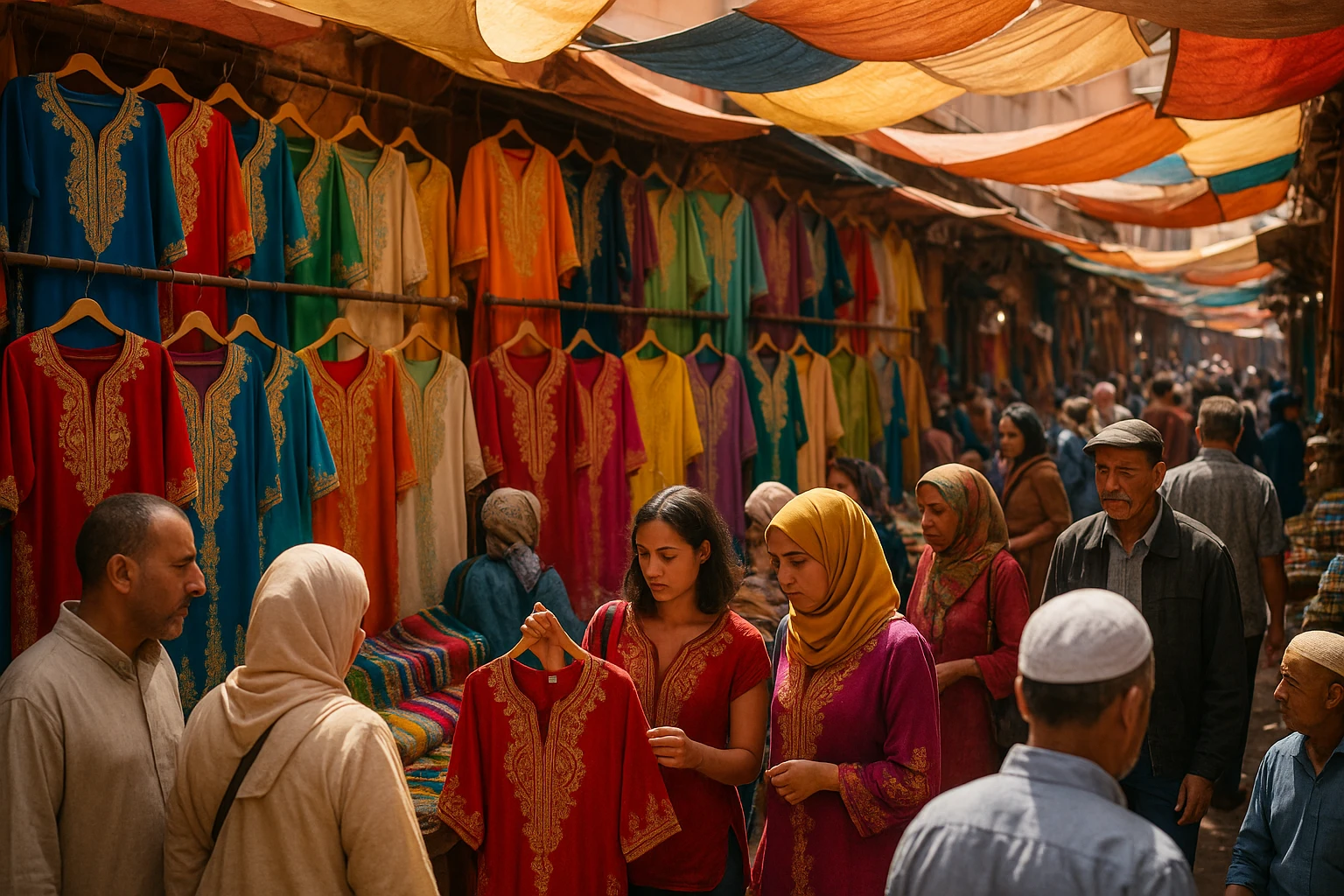
Urban centers like Istanbul and Marrakech are famous for their bustling markets filled with vibrant and diverse clothing options. Visiting these markets can be an immersive way to explore dress styles that range from ornate tunics and kaftans to modern adaptations of traditional wear. The Grand Bazaar in Istanbul, for example, offers gowns and accessories that mirror the rich Ottoman heritage. Markets serve as a convergence point for local artisans who often share the stories and techniques behind their creations, providing a more personal glimpse into cultural attire.
Online Platforms for Cultural Wear
For those unable to travel, online platforms offer a gateway to explore and purchase unique dress styles from different cultures. Many professionals use platforms like dressmeupny to access a curated selection of global fashion. Dressmeupny specializes in bringing an array of international styles to a broader audience, enabling individuals to easily incorporate diverse cultural elements into their wardrobes. The platform often collaborates with artisans to ensure authenticity and quality, thus serving as a valuable bridge between diverse cultures and fashion enthusiasts.
The exploration of unique dress styles provides not only an avenue for cultural appreciation but also a means of contributing to global artisans' livelihoods by supporting fair trade and ethical fashion. For those keen on this journey, whether through travel or digital resources, there are plentiful opportunities to discover and adopt the world's myriad dress expressions.
Discovering Cultural Dress Through Curated Platforms and Archives
Continuing your exploration, this segment highlights expert-curated digital archives, marketplaces, and educational platforms that offer an immersive view into global attire traditions. Whether you’re a researcher, stylist, or cultural enthusiast, these resources offer both depth and authenticity.
Digital Archives Celebrating Regional Dress Heritage
For a scholarly and well-referenced exploration of global dress, the Berg Encyclopedia of World Dress and Fashion stands as an invaluable resource. Its ten-volume, peer-reviewed collection was crafted by over 600 experts and awarded the Dartmouth Medal in 2011 for its outstanding contribution to reference works and fashion history Berg Encyclopedia of World Dress and Fashion. This powerful tool allows you to dive into region-specific fashion traditions, contextualized within cultural, historical, and social frameworks.
For those interested in Arab sartorial history, the digital archive hosted by the Zay Initiative offers a compelling resource. Launched in 2019, it’s the world’s first fashion history archive focused on Arab dress, providing high-quality documentation, cultural narratives, and educational context aimed at preserving intangible heritage Zay Initiative. It’s particularly useful for designers and cultural researchers looking to bridge tradition with contemporary design.
Marketplaces and Platforms That Promote Real-World Styles
If you're wondering where can i explore unique dress styles from different cultures? platforms like Proyecto Republica offer a curated shopping experience that brings together emerging Ibero‑American designers. It features traditional techniques infused with modern design sensibilities, and an emphasis on sustainability and craft—highlighting names from Argentina, Peru, and El Salvador among others Proyecto Republica on Vogue.
Similarly, online communities such as World Cultural Threads curate richly illustrated guides on folk costumes worldwide—from the Sámi gákti in Lapland to Mexican huipiles and Egyptian shendyt. These guides delve into symbolism, regional variations, and historical context, offering readers vivid, actionable insights into traditional dress World Cultural Threads.
Putting It All Together
Bridging academic rigor with market-driven creativity, these platforms collectively deepen your understanding and appreciation of dress traditions globally. Digital archives like the Berg Encyclopedia and Zay Initiative provide comprehensive context, while marketplaces like Proyecto Republica and World Cultural Threads convert that knowledge into tangible, modern expressions. By navigating both types of platforms, you gain a balanced view—one that honors cultural heritage and supports contemporary artisans and scholarship.
Conclusion: Embrace Global Fashion
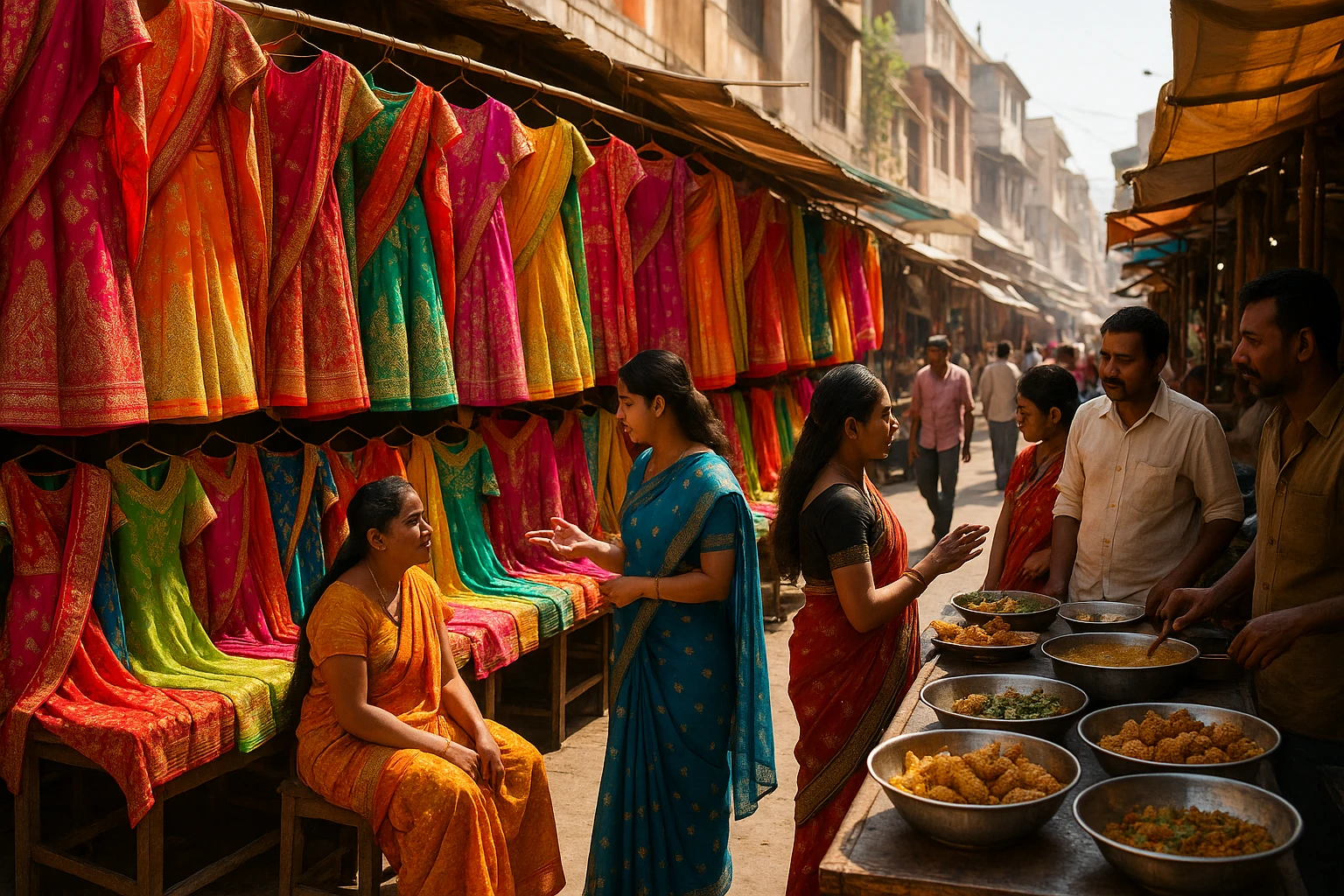
Exploring unique dress styles from different cultures offers not only a window into diverse traditions and histories but also an opportunity for personal expression and creativity. The world is rich with vibrant textiles, intricate patterns, and traditional garments that tell stories of heritage and identity. By immersing yourself in these styles, you can broaden your understanding and appreciation of cultures beyond your own.
Practical Steps to Explore Global Styles
Start by researching cultural fashion events and exhibitions in your area. Events like international fashion shows, cultural festivals, or museum exhibits often showcase rare and beautiful costumes. For instance, the Metropolitan Museum of Art in New York frequently hosts exhibits featuring traditional clothing from around the world. If you're unable to attend in person, online platforms and virtual tours offer access to these captivating styles.
Additionally, consider reaching out to cultural communities and artisans. Collaboration with local designers or cultural associations can provide deeper insights and appreciation for the garments' significance and craftsmanship. Engaging with these communities allows for authentic exploration of how dress styles serve cultural narratives and personal identity.
Where You Can Begin This Journey
An excellent resource for discovering where you can explore unique dress styles from different cultures is online platforms such as dressmeupny. This site offers a curated collection of international attire, providing both visual and educational insights into the world of cultural fashion. Supporting such businesses not only expands your wardrobe but also champions global artisanship and sustainable practices.
Final Thoughts and Call to Action
As you delve into the global tapestry of fashion, remember that every garment is more than fabric and thread—it's a connection to cultural history and a beacon of diversity. Embrace the opportunity to wear these pieces not just as clothing, but as expressions of the vibrant cultures they represent. To truly make these styles part of your fashion repertoire, explore more at dressmeupny and embark on a journey that blends style with cultural awareness.