
Affordable Formal Dress Tips: Look Stunning on Any Budget
Affordable Formal Dress Tips: Look Stunning on Any Budget
TL;DR:
- A well-chosen formal dress can look high-end regardless of its price by focusing on quality signals and fit. Smart accessorizing with one statement piece enhances the look without appearing cheap, especially when allocating budget to shoes and tailoring. Shopping methods vary in cost and convenience, but prioritizing fit, fabric, and purpose-driven purchases ensures a polished appearance on any budget.
Prom season, a cousin’s wedding, a sweet sixteen, a Quinceañera — the events pile up fast, and so does the pressure to show up looking amazing. But a stunning formal dress does not have to cost a month’s paycheck. The right strategy, from spotting construction quality to choosing accessories with intention, can turn a budget buy into something that looks like it came straight off a runway. This article walks you through every smart step, complete with comparisons, scenarios, and honest advice to help you nail your look without financial stress.
Table of Contents
- Start with the right value signals in your dress
- Accessories: When less is more for a polished finish
- Comparison: Affordable formal dress shopping strategies
- Decision: Pick your path with situational recommendations
- What most budget dress guides get wrong
- Find your next stunning, affordable look
- Frequently asked questions
Key Takeaways
| Point | Details |
|---|---|
| Quality over quantity | Focus on construction, fit, and fabric to get a high-end look while saving. |
| One standout accessory | Let a single statement accessory elevate your outfit without overspending. |
| Personalized shopping strategies | Mix online, secondhand, and rental options to maximize style and minimize cost. |
| Tailoring makes a difference | Simple alterations can make even a budget dress look custom and stylish. |
Start with the right value signals in your dress
The first thing to understand is that price and quality are not always connected. A $300 dress can look cheap in photos, while an $80 dress in the right fabric and cut can look effortlessly polished. The key is knowing what to look for before you buy.
Construction details you can actually check:
- Seams: Pull gently at the seams along the sides and zipper. They should feel firm, not flimsy. Loose threads or puckering fabric near seams are red flags.
- Lining: Flip the dress inside out if possible. A fully lined dress hangs better, feels more comfortable against your skin, and tends to look smoother on the outside.
- Zipper quality: A cheap zipper snags, breaks, or pops open mid-event. Run it up and down a few times before committing.
- Hem evenness: Hold the dress up and check that the hem falls at a consistent height all the way around. An uneven hem looks sloppy no matter how pretty the fabric is.
When it comes to fabric, some materials simply photograph better and drape more elegantly than others. Satin, chiffon, and crepe are the top three to seek out. They catch light in a flattering way, move naturally as you walk, and resist looking obviously cheap in pictures. Stiff polyester blends, overly shiny fabrics that crinkle easily, and anything that feels papery or plasticky are worth skipping entirely. Check out dresses with quality materials to see how fabric choice plays out across different styles and price points.
“Focus spend on a dress that has the right value signals — construction, fit, and a fabric that behaves well in photos — and save on accessories.”
This approach is supported by the simple reality that fit transforms everything. A well-cut dress that skims your frame confidently will always outshine a fancier dress in the wrong size. Online shopping makes this trickier, so always cross-reference your measurements against the size chart for each specific retailer, and look for reviews that mention whether a dress runs large, small, or true to size. If you want a deeper breakdown of how fabric and cut work together, our formal dress material guide is a helpful starting point.
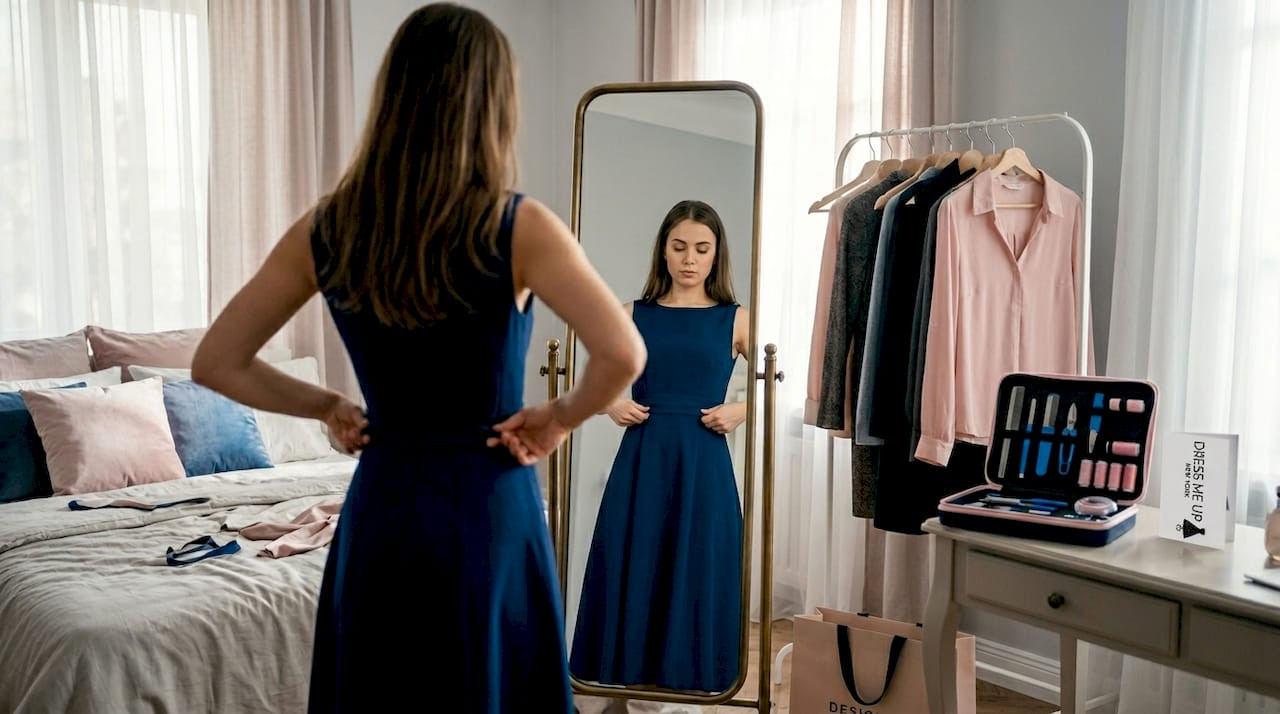
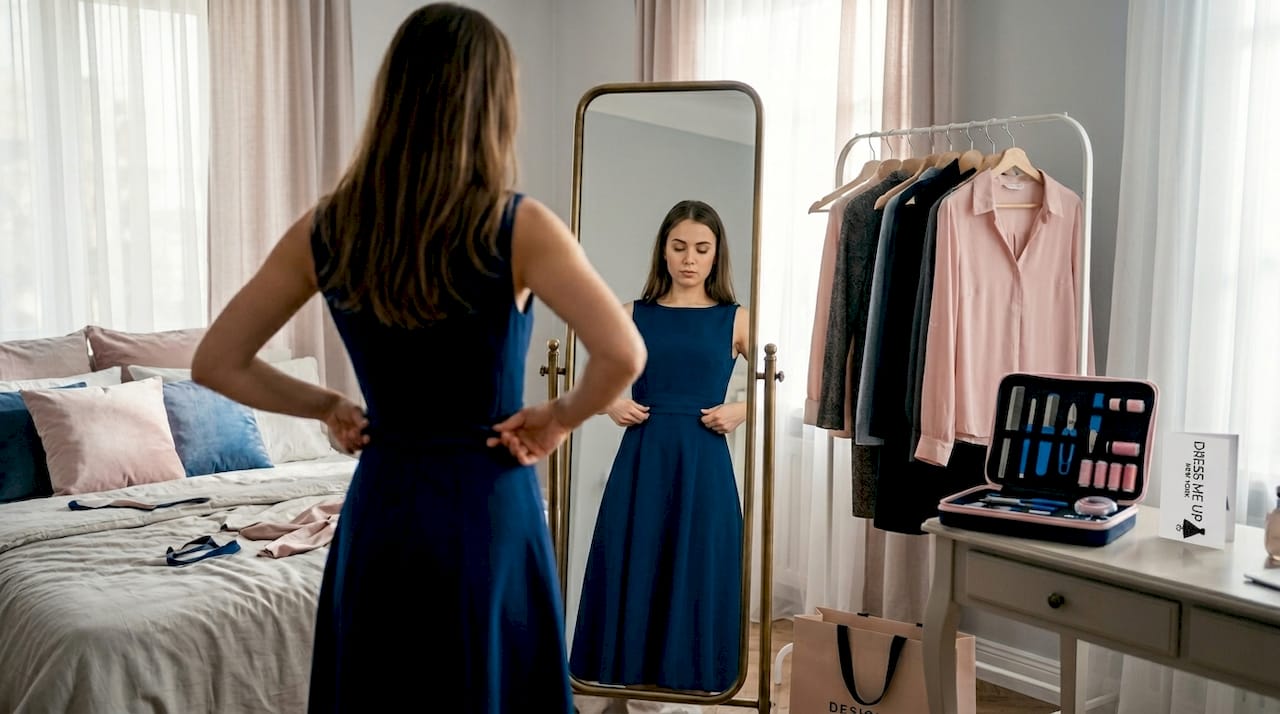
Pro Tip: Budget at least $20 to $40 for minor alterations. A local tailor can take in the waist, shorten the hem, or adjust the straps on an affordable dress in under a week, and the result can make a $60 dress look custom-made.
Accessories: When less is more for a polished finish
Once you have the right dress sorted, the next move is figuring out accessories. This is where a lot of people go wrong, especially when shopping on a budget. The instinct is often to add more: more jewelry, more sparkle, more statement pieces. But smart accessory choices tell a different story. One main accessory focus consistently outperforms a collection of mismatched pieces.
Choosing your one main accessory:
- Statement earrings: A pair of bold drop earrings or sleek hoops instantly elevates a simple neckline. If your dress has a busy neckline or beading, skip the necklace and let the earrings do the work.
- A standout clutch: A well-chosen bag, even an inexpensive one in a rich texture like velvet or faux leather, reads as intentional and polished. It gives your whole look a finished edge.
- A single necklace: If your dress has a clean, minimal neckline, one layered chain or a delicate pendant adds personality without clutter.
The rule is simple: pick one and commit to it. When you stack multiple low-quality shiny items, including rhinestone earrings, a rhinestone necklace, rhinestone shoes, and a sparkly clutch all at once, each individual piece cheapens the others. Instead of looking luxe, the whole outfit reads as overdone.
Where to splurge versus save:
Shoes are worth a slightly bigger investment if your budget allows because they affect how you walk and how comfortable you feel all night. Uncomfortable shoes show in your posture, and poor posture can undermine even the most beautiful dress. If shoes are your splurge, save on jewelry by borrowing from a friend or family member, shopping vintage stores, or checking discount sections at department stores.
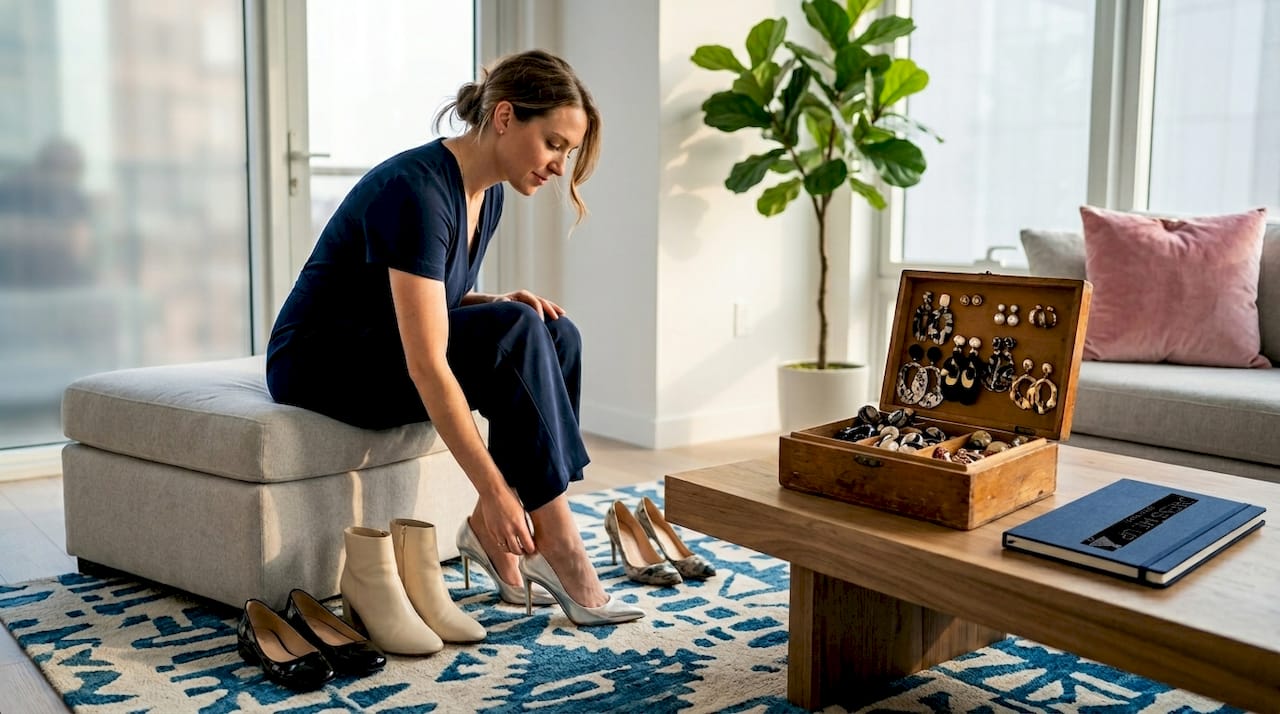
Pro Tip: Raid a friend’s jewelry box or ask your mom or older sister before buying anything new. Borrowed accessories have zero cost, often have real quality, and sometimes carry a sentimental story that makes the evening more memorable. You can find more ideas for affordable finishing touches to complete your look without going over budget.
Comparison: Affordable formal dress shopping strategies
Knowing what to look for in a dress and how to accessorize it smartly gets you halfway there. The other half is knowing where to shop. Different shopping methods come with very different trade-offs in terms of cost, selection, convenience, and fit options.
| Shopping method | Average cost | Pros | Cons |
|---|---|---|---|
| Online retailers | $40 to $150 | Huge selection, easy comparison, frequent sales | Cannot try before buying, return shipping hassle |
| Thrift or secondhand | $10 to $60 | Unique finds, very low cost, eco-friendly | Inconsistent sizing, condition varies, limited stock |
| Dress rental | $30 to $100 | Wear luxury styles for less, no long-term commitment | Limited sizes, timing pressure, no alterations |
| Buy and alter | $50 to $120 | Personalized fit, keeps the dress long-term | Requires extra time and alteration budget |
Best method by shopping priority:
- Speed matters most: Online retailers win here. You can filter by size, color, and style within minutes. Check out affordable evening dress shopping for strategies specifically designed for online shoppers who need results fast.
- Uniqueness matters most: Thrift and secondhand shopping is unbeatable for one-of-a-kind finds. Vintage pieces often feature construction quality that outperforms modern budget dresses.
- Luxury on a strict budget: Dress rental platforms let you wear styles that would normally cost hundreds of dollars for a fraction of the price. Just plan ahead because popular styles book up weeks in advance.
- Perfect fit is the priority: Buying a budget dress and budgeting for a tailor gives you the most controlled outcome. This approach aligns perfectly with what formal wear budget tips repeatedly point to as the highest-value strategy.
As the research on student-budget formal planning confirms, the winning formula is focusing on fit and simplicity while using smart accessory choices and avoiding the trap of stacking multiple low-quality items. Your shopping method should serve that formula, not work against it. For a broader view, our roundup of best online formal dress stores covers which platforms are most reliable for quality and pricing.
Decision: Pick your path with situational recommendations
Now that you have the full picture, it is time to make it personal. Different events call for different priorities, and the smartest approach is one that fits your specific situation, not a generic checklist.
| Occasion | Top priority | Recommended strategy | Rewear potential |
|---|---|---|---|
| Prom | Trendiness + individuality | Online retailer or secondhand | Low to medium |
| Wedding guest | Dress code compliance | Online retailer, buy and keep | High |
| Sweet sixteen | Fun + comfort | Budget online buy, accessorize boldly | Medium |
| Quinceañera guest | Elegance | Rental or buy and alter | Low |
| Red carpet or gala | Full impact look | Buy and alter | Low |
How to decide quickly based on your priorities:
- Set your budget ceiling first. Know your absolute maximum before browsing. This prevents the “just $20 more” spiral that blows budgets fast.
- Identify your non-negotiables. Is it color, length, sleeve style, or neckline? Narrow down one or two must-haves before searching.
- Check your timeline. If your event is in two weeks, skip secondhand hunting and go straight to online retailers with fast shipping or local stores.
- Think about rewear. A simple, elegant silhouette in a classic color like navy, black, or deep red has far more rewear potential than a heavily embellished or neon trend piece.
- Plan your accessories before you buy the dress. If you already own great shoes and a killer pair of earrings, you can spend slightly more on the dress. If you need everything, tilt the budget toward the dress and keep accessories minimal.
- Factor in event photos. Events that are heavily photographed, like prom or a wedding, call for fabrics and colors that read well on camera. Focusing spend on value signals like fabric and fit pays off most in these high-photo situations.
For detailed guidance tailored to specific dress codes and occasions, the stylish formal attire on a budget guide breaks down what to prioritize event by event.
What most budget dress guides get wrong
Here is an honest take that most articles skip over entirely: the biggest mistake budget shoppers make is not spending too little. It is spending without intention.
The idea that a polished formal look is about the price tag is simply false. Some of the most pulled-together looks at prom or a wedding come from someone who spent $75 total, not $750. What separates those people from others who also spent very little but look underdressed is deliberateness. Every piece was chosen with a purpose in mind.
Training your eye for good design starts with noticing what you actually respond to. When you scroll through Instagram or Pinterest and a dress catches your attention, ask yourself why. Is it the color? The cut at the waist? The way the skirt moves? These are design signals. Once you can name what you love, you can find it at any price point.
The danger of buying five “just-in-case” dresses is real, and it happens more than you would think. Shopping while uncertain leads to carting up five options with the plan to return four. But returns get delayed, fees pile up, and you end up with dresses you do not fully love. One carefully chosen dress that genuinely excites you will always beat a closet full of maybes.
The little investments that actually move the needle are tailoring, as already mentioned, and one genuine statement piece. Not five accessories from the discount bin, but one item, whether it is a pair of earrings, a bag, or shoes, that you actually love and that feels like it belongs on you. That single piece signals confidence, and confidence is the most important element of any formal look. You can find guidance on dressing appropriately and stylishly for every type of event in our age-appropriate style for every event guide, which breaks down what works for different age groups and dress codes.
Find your next stunning, affordable look
If you are ready to put these strategies into action, Dress Me Up NY is built exactly for this kind of smart shopping. The catalog is organized by occasion, style, and price so you can filter quickly and find dresses that match the value signals we covered: quality fabrics, clean construction, and flattering cuts at prices that make sense for a real budget.
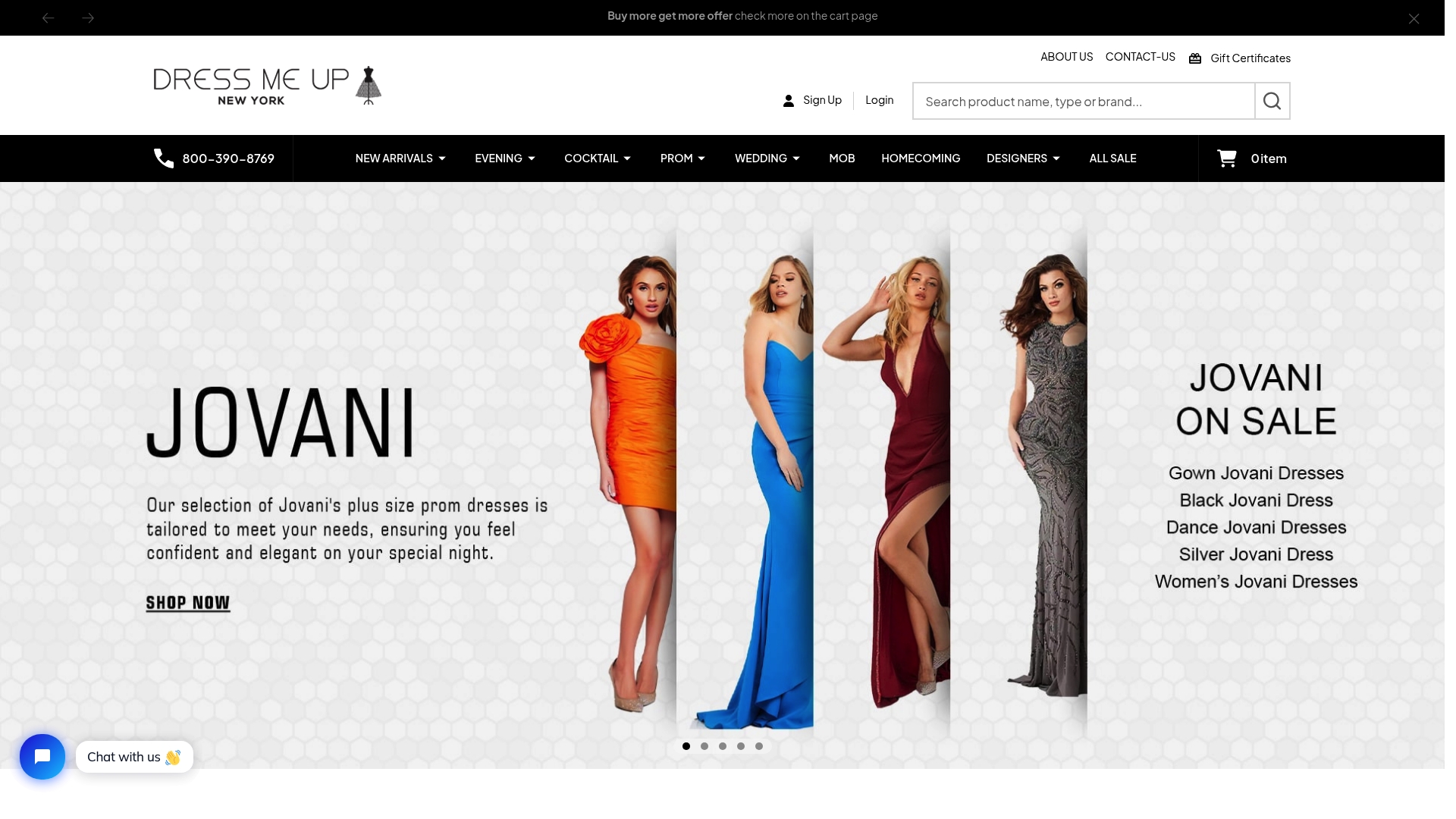
Browse new arrivals, prom dresses, wedding guest styles, and more at the DressMeUpNY online shop. Take the tips from this article with you as you shop: check fabric descriptions, read size reviews, and pick one accessory before adding to your cart. The combination of informed choices and a curated selection means you are already ahead of most shoppers before you even check out.
Frequently asked questions
What fabric types look most expensive for formal dresses?
Satin, chiffon, and crepe are the top choices because they behave well in photos and give a polished, elevated appearance even at lower price points.
What single accessory should I focus on if my budget is tight?
Choose one main accessory like bold statement earrings or a unique clutch, since a single standout piece elevates your entire outfit more effectively than several small ones.
Is it worth getting a cheap dress altered for better fit?
Absolutely, because even minor tailoring adjustments can make an affordable dress look custom and high-end for a fraction of what a more expensive dress would cost.
Where can I find affordable formal dresses online?
Online retailers, secondhand platforms, and dress rental sites offer the widest range of affordable options, with online retailers being the fastest and most convenient choice for most events.
How do I avoid looking cheap in a budget dress?
Stick to well-fitting, simple silhouettes in quality fabrics, and avoid stacking multiple low-quality shiny items since that combination reads as overdone rather than elegant.
Recommended
- How to find stylish formal attire on a budget in 2026 - DressMeUpNY
- Find affordable formal dresses near me with style in 2026 - DressMeUpNY
- 7 Smart Ways to Find Cheap Winter Formal Dresses - DressMeUpNY
- Affordable Elegant Dresses 2026: 62% Choose A-Line Cuts - DressMeUpNY