
Find age-appropriate formalwear for every occasion
Find age-appropriate formalwear for every occasion
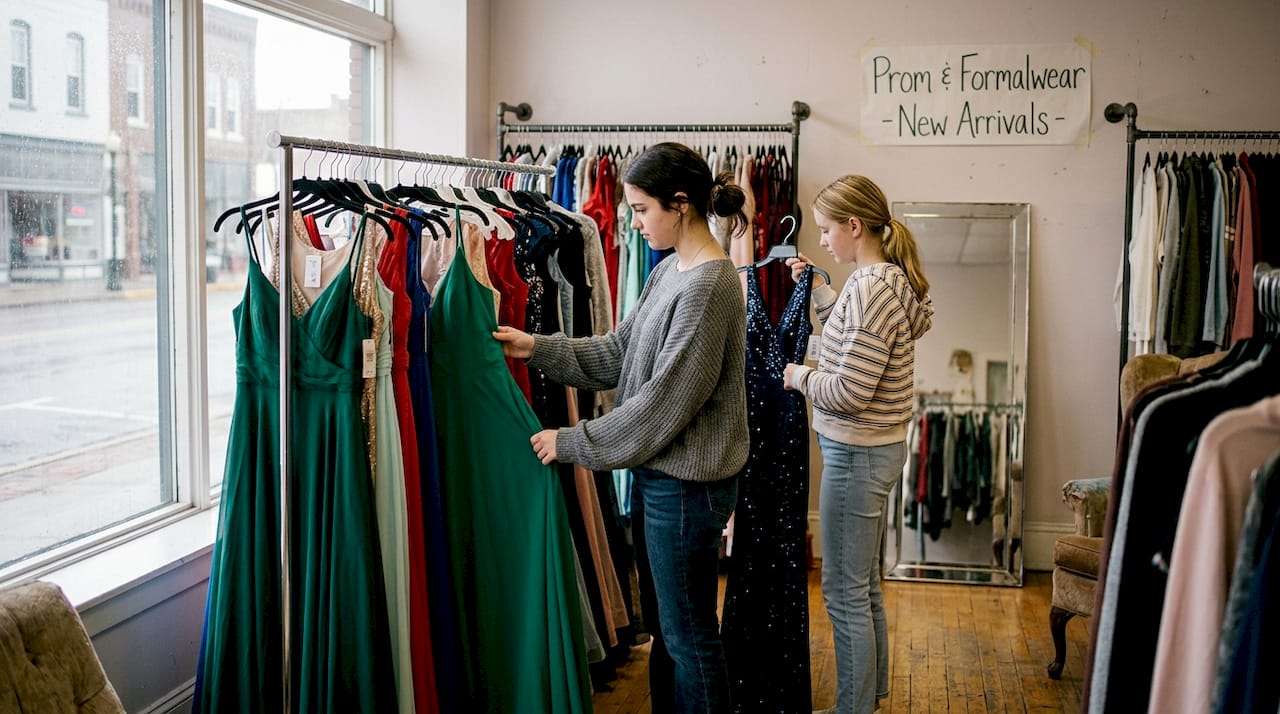
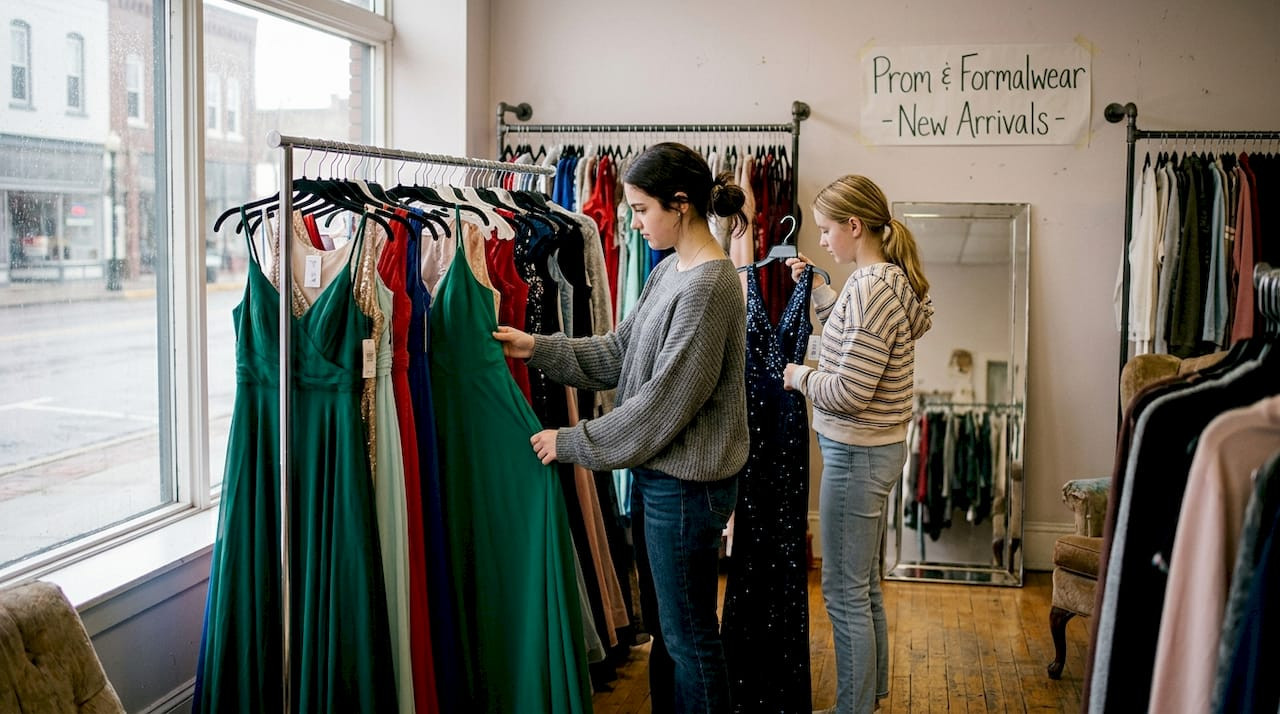
Standing in front of a rack of formal dresses and wondering “Is this too mature for me?” or “Will my family think this is too revealing?” is a feeling almost every woman aged 13 to 30 knows well. The pressure to look stylish while staying appropriate for the event, your age, and your family’s expectations can make dress shopping feel overwhelming. But here is the truth: age-appropriate formalwear does not mean boring or outdated. With the right guidance, you can find a dress that fits the occasion, reflects your personality, and keeps you feeling confident from the moment you walk in the door.
Table of Contents
- Understanding formalwear etiquette for ages 13-30
- Trending styles for proms, Quinceañeras, and weddings in 2026
- Choosing the right silhouette and fit for your body type
- Budgeting for special occasion formalwear
- What most experts miss about age-appropriate formalwear
- Explore curated formalwear for every age at DressMeUpNY
- Frequently asked questions
Key Takeaways
| Point | Details |
|---|---|
| Modesty matters | Choosing modest cuts and necklines ensures comfort and confidence for teens and young women at family events. |
| Trend adaptation | 2026 formalwear trends can be adapted for any age by modifying style and fit to match the occasion’s etiquette. |
| Fit takes priority | The right silhouette and length for your body type are more important than following every trend. |
| Budget wisely | You can find stylish age-appropriate options at various price points, with many dresses available under $150. |
| Wearer empowerment | Involving the wearer in the dress selection process leads to the most age-appropriate and confident results. |
Understanding formalwear etiquette for ages 13-30
The phrase “age-appropriate” gets thrown around a lot, but what does it actually mean when you are shopping for a prom dress, a Quinceañera gown, or a wedding guest outfit? At its core, it means balancing modesty, personal style, and the specific context of the event. A sweet sixteen and a black-tie wedding call for very different standards, even if both are technically “formal.”
For teens aged 13 to 17, age-appropriate formal dresses for teens typically lean toward A-line silhouettes, modest necklines, and midi or knee-length hemlines. Family events like Quinceañeras and weddings carry stricter expectations, often shaped by cultural traditions and parental preferences. Proms, on the other hand, allow more flexibility in color, embellishment, and silhouette, as long as school dress codes are respected.
For young adults aged 18 to 30, the rules soften slightly. You have more freedom to experiment with cuts and fabrics, but the event’s formality level still guides your choices. A daytime garden wedding calls for something very different than a gala or a formal dinner.
According to formalwear etiquette guidelines, knee-length and midi styles with modest necklines are the safest and most universally flattering choice for teens attending weddings or family events. And for formal wear for women 16 to 30, the emphasis shifts toward personal expression within the event’s dress code.
Here is a quick comparison to help you navigate the differences:
| Age group | Wedding guest | Prom | Quinceañera |
|---|---|---|---|
| 13 to 15 | Midi, modest neckline | A-line, knee-length | Ball gown, family-guided |
| 16 to 17 | Knee-length, subtle details | More color/embellishment | Ball gown or formal midi |
| 18 to 24 | Midi or maxi, pastels | Any silhouette | Formal guest attire |
| 25 to 30 | Maxi or cocktail | Not typical | Formal guest attire |
Key etiquette principles to keep in mind:
- Necklines: Avoid deep plunges for family and religious events; scoop or sweetheart necklines work for most occasions
- Hemlines: Knee-length or longer is safest for weddings; mini lengths are better reserved for after-parties
- Color: Avoid white or ivory at weddings; jewel tones and pastels are universally safe
- Embellishment: Sequins and beading are evening-appropriate; florals and lace suit daytime events
“The most important rule is to dress for the event, not just the trend. Modesty and elegance never go out of style.”
Trending styles for proms, Quinceañeras, and weddings in 2026
With clear etiquette rules in mind, let’s explore the trending styles for major 2026 events and how to blend trend and tradition in age-appropriate ways.

2026 formal dress trends show that emerald green is the breakout color of the season, with emerald green favored by 40% of formal dress shoppers. Satin and corset detailing are also dominating runways and prom floors alike. But trending does not automatically mean age-appropriate, and that is where smart shopping comes in.
For prom, 2026 prom trends include corset tops, satin slips, and jewel tones. The good news is that modest versions of all these styles exist. A corset-inspired bodice with a structured boning can look stunning without being revealing. If you love the look of black and white prom dresses, a classic contrast palette is both trendy and timeless. And if you are drawn to volume, puffy prom dresses are having a major moment in 2026.
For Quinceañeras, ball gowns remain the gold standard. The tradition carries deep cultural meaning, symbolizing the transition from childhood to young womanhood. Families often have strong opinions here, and that is completely okay. Work within those expectations by choosing a silhouette you love in a color that feels personal.
For weddings, pastels and florals lead daytime looks, while satin and jewel tones shine at evening receptions. The firm rule: avoid white, ivory, and anything too revealing. If you are curious about what is trending beyond prom season, 2026 homecoming dress trends offer a great preview of what styles carry over into fall formal events.
Here is a quick trend snapshot by event:
| Event | Top trends | Colors to try | Average spend |
|---|---|---|---|
| Prom | Corset, satin, A-line | Emerald, navy, blush | $200 to $350 |
| Quinceañera | Ball gown, tulle layers | Pink, lavender, gold | $300 to $600 |
| Wedding guest | Midi, floral, wrap | Sage, dusty rose, cream | $80 to $200 |
How to adapt a trend for your age and event:
- Start with the silhouette that fits your body and the event’s formality
- Choose a trending color or fabric in a modest cut
- Add one trendy detail (corset back, satin finish, puff sleeve) rather than stacking multiple
- Check school or venue dress codes before finalizing
- Try the dress on and move around in it to confirm comfort
Pro Tip: Fit matters more than trend. A perfectly fitted classic dress will always outshine a trendy dress that does not sit right on your body.
Choosing the right silhouette and fit for your body type
Trends aside, fit and silhouette determine whether a style actually works for your age and body type. This is where many shoppers go wrong: they fall in love with a dress on a model and forget that different bodies need different cuts.
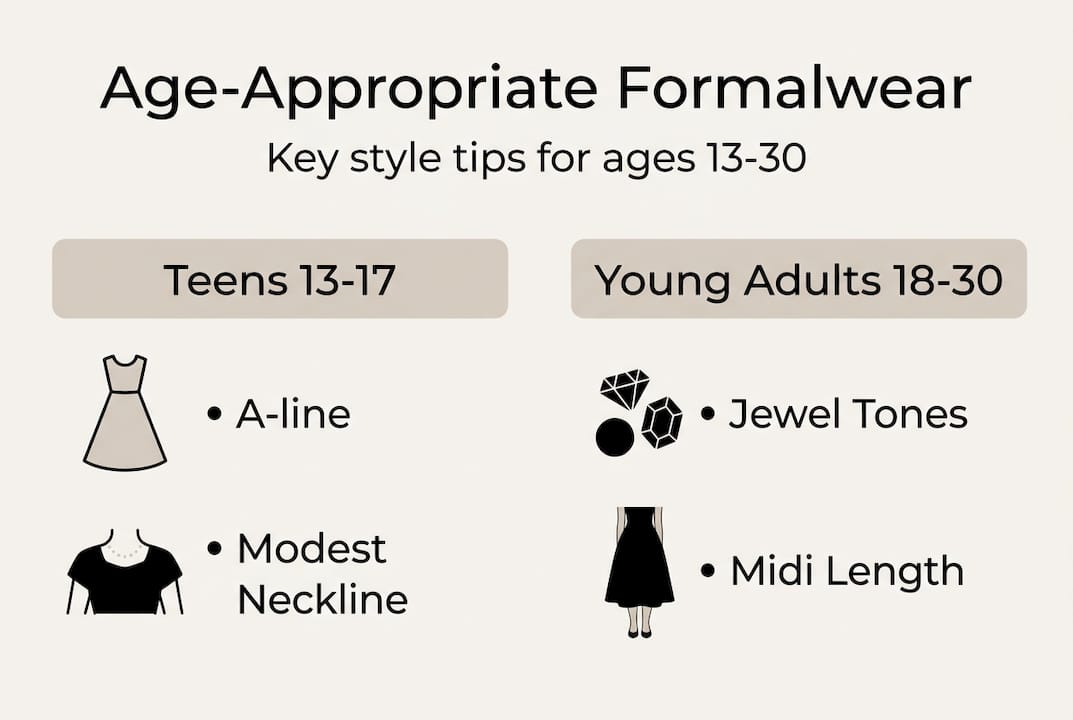
Tailored lengths for body types make a real difference. Shorter hemlines visually elongate petite frames, while longer lengths flatter tall and curvy figures by creating a smooth, continuous line. Understanding this before you shop saves time and prevents expensive mistakes.
Best silhouettes by body type:
- Petite: Empire waist, A-line, or short tea-length dresses add height and proportion
- Tall: Floor-length gowns, column silhouettes, and maxi styles look elegant and balanced
- Curvy: Fit-and-flare, mermaid, or wrap styles highlight the waist and create beautiful curves
- Athletic: Strapless, off-shoulder, or embellished bodices add dimension to straighter frames
- Teen (still growing): Adjustable straps, stretchy waistbands, and A-line cuts allow for comfort and minor size changes
For detailed guidance, formal wear tips for petites break down exactly which cuts create the most flattering proportions for shorter frames. And if you are still exploring your options, types of formal dresses for ladies covers every silhouette from ballgown to sheath in practical detail.
Professional tailoring is worth considering if you find a dress you love but the fit is slightly off. Even a simple hem adjustment or strap shortening can transform a good dress into a perfect one. Budget an extra $30 to $60 for alterations if needed.
Pro Tip: Look for dresses with adjustable features like tie-back waistlines or removable straps. These give you flexibility as your body changes and make the dress easier to wear comfortably all night.
Budgeting for special occasion formalwear
Once you know your preferred silhouette, budgeting helps you match style and age-appropriateness with practical realities. Formalwear can feel expensive, but smart shopping strategies make it very possible to look stunning without overspending.
The numbers are encouraging. Prom spend averages $300, but 50% of formal dresses are available under $150. That means you have real options at every price point, and spending more does not always mean looking better.
What to prioritize when budgeting:
- Fit first: A $100 dress that fits perfectly beats a $400 dress that needs $200 in alterations
- Versatility second: Choose a style you could wear to more than one event to get better value
- Trend last: Trendy details fade fast; invest more in classic silhouettes and less in seasonal details
- Accessories separately: Budget for shoes, jewelry, and any undergarments you might need
If you are working with a tighter budget, formal dresses under $150 are a great starting point. Many of these options include current trends like satin finishes and corset-style backs without the premium price tag. For a side-by-side look at what different price points actually get you, a special occasion dress comparison can help you make a more informed decision.
One often-overlooked tip: shop early. Formal dress inventory moves fast, especially in the months leading up to prom season. Shopping two to three months ahead gives you access to the widest selection and the best prices.
What most experts miss about age-appropriate formalwear
Most guides on age-appropriate formalwear focus heavily on rules: cover this, avoid that, never wear white to a wedding. And while those guidelines exist for good reason, they often miss the most important factor of all: how empowered the wearer feels in the dress.
We have seen it happen repeatedly. A teen chooses a dress that checks every etiquette box but feels stiff and uncomfortable. She spends the whole evening tugging at the hem or adjusting the neckline. Meanwhile, another young woman picks a dress that feels like her, fits beautifully, and she owns the room.
As Real Simple’s formalwear guidance points out, fit and personal comfort matter more than any single trend or rule. Involve the wearer in every decision. Trust her instincts. If she loves the dress and feels confident in it, that energy will show.
The best age-appropriate formalwear advice always starts with the person wearing the dress, not the rulebook. Etiquette is a framework, not a cage. Use it to guide your choices, but never let it override the wearer’s voice.
Explore curated formalwear for every age at DressMeUpNY
Inspired to find age-appropriate formalwear that fits your style and feels right? DressMeUpNY makes the search simple with curated collections designed for proms, Quinceañeras, weddings, and every formal occasion in between.
Whether you are shopping for a teen heading to her first prom or a young woman looking for the perfect wedding guest dress, DressMeUpNY offers a wide range of styles across every silhouette, color, and budget. The formalwear style guide on the blog gives you expert advice alongside the shopping experience, so you can browse with confidence. From classic ball gowns to modern satin slips, every dress in the collection is chosen with real women in mind.
Frequently asked questions
What makes a formal dress age-appropriate for teens?
Age-appropriate formal dresses for teens focus on modest necklines and A-line or empire waist silhouettes that feel confident and comfortable for the wearer.
Can I wear trendy styles like corsets or satin slips if I’m under 18?
Trendy corset and satin slip dresses can be age-appropriate when modified for modesty, especially for proms where school codes may require covered versions of these styles.
What is the average budget for a prom dress in 2026?
The average prom dress spend is around $300, but half of all formal dress styles are available under $150, giving you plenty of stylish options at lower price points.
Are ball gowns required for Quinceañeras?
Ball gowns are the traditional choice for Quinceañeras because they symbolize maturity and honor cultural expectations, though modern interpretations do exist.
What colors and fabrics are most popular for weddings in 2026?
Pastels and florals lead daytime wedding looks, while emerald green and satin are the top choices for evening and more formal wedding receptions.
Recommended
- Age-Appropriate Formal Dresses for Teens: Style Guide - DressMeUpNY
- Formal event attire 2026: 50% find trendy dresses under $150 - DressMeUpNY
- How to find stylish formal attire on a budget in 2026 - DressMeUpNY
- What is formal wear for women 16-30: 2026 style guide - DressMeUpNY