
3 Measurements for Amazon Plus Size Formal Dresses Vs Specialists
3 Measurements for Amazon Plus Size Formal Dresses Vs Specialists

Yes, Amazon can be a great place to buy plus-size formal dresses if you shop with a fit-first checklist. Start with three quick measurements (bust, waist, hips), match them to the listing’s specific size chart, and scan review highlights for repeated fit comments before you click “buy.” Confirm the item qualifies for free returns before you check out. If you’re a bride, a mother of the bride, or need guaranteed fit for a big event, a specialist retailer like Dress Me Up NY may save you time and stress.
TL;DR:
- Sharp attention to detailed size charts, review highlights, and fit notes is essential, as sizing varies significantly across brands and fabrics.
- Amazon’s discontinuation of Prime Try Before You Buy increases reliance on accurate reviews and return policies for plus-size dresses.
- Expect alterations such as hemming and seam adjustments, with timing and cost depending on dress construction and complexity.
- Choosing dresses from trusted, well-fulfilled sellers reduces the risk of misfit or quality issues, especially when shopping last-minute.
- For high-stakes occasions like weddings or Quinceañeras, a specialist retailer offers a more reliable fit and style certainty than general marketplace options.
Table of Contents
- How to find the right plus-size formal dress on Amazon
- Fit and sizing: measure, match to Amazon size charts, and interpret reviewer fit notes
- Returns, shipping, and Amazon policy changes that affect try-before-you-buy behavior
- Alterations: what plus-size buyers should expect
- Quick vet checklist: how to inspect an Amazon listing in 60 to 90 seconds
- Price range and budget expectations for plus size formal dresses on Amazon
- Material and fabric types commonly available in plus size formal dresses
- Popular styles and trends in plus size formal dresses on Amazon
- How to match plus size formal dresses with accessories
- Customer service tips for plus size formal dress orders
- Dress Me Up NY perspective: when a specialist retailer is the smarter pick
- Dress Me Up NY: quick alternative and how to reach the catalog
- Sources
- FAQ
How to find the right plus-size formal dress on Amazon
Finding a dress that actually fits starts before you ever open a listing. It starts with how you search.
Skip vague terms like “formal dress” and get specific. Amazon’s search engine rewards detail, and detail is exactly what helps you avoid a dress that looks great in the photo and wrong on your body. Try combinations like “plus size mermaid gown wedding guest,” “plus size cocktail dress with sleeves 3X,” or “plus size Quinceañera dress satin.” Include your size range, the event type, the silhouette you want, and even the fabric. The more specific your phrase, the more likely you’ll land on listings built for your actual body type instead of a straight-size dress with a “plus size” tag slapped on as an afterthought.
Once you have results, filters do the heavy lifting:
- Size: Set the exact size range so you’re not scrolling past dresses that stop at 1X.
- Free Returns: This filter alone eliminates a lot of the guesswork and risk.
- Avg. Customer Review: Sort for 4 stars and up to weed out consistently disappointing listings.
- Prime or Fulfilled by Amazon: These tend to ship and return faster and more predictably than some third-party sellers.
- Color and material: Useful once you’ve narrowed the field and want to compare similar dresses.
Sorting matters as much as filtering. Best Sellers tells you what’s popular, which is useful for gauging trend and demand, but popularity doesn’t guarantee fit for your body type. Avg. Customer Review sorting surfaces dresses that consistently satisfy buyers, which is often more useful for a formal dress you’ll wear once and need to count on. Newest is worth checking only when you want to see what a brand just released, since new listings won’t have enough reviews yet to trust.
Before you commit to a listing, click into the brand’s store page if there is one. Many plus-size formalwear brands post additional product photos and even short videos showing the dress in motion, which tells you far more about drape and movement than a single static photo. The Q&A section on a listing is also worth thirty seconds of your time. Shoppers often ask pointed questions there about lining, stretch, and true-to-size fit, and sellers or previous buyers answer directly. If several people ask the same fit question and get no clear answer, treat that as a signal to keep looking.
Fit and sizing: measure, match to Amazon size charts, and interpret reviewer fit notes
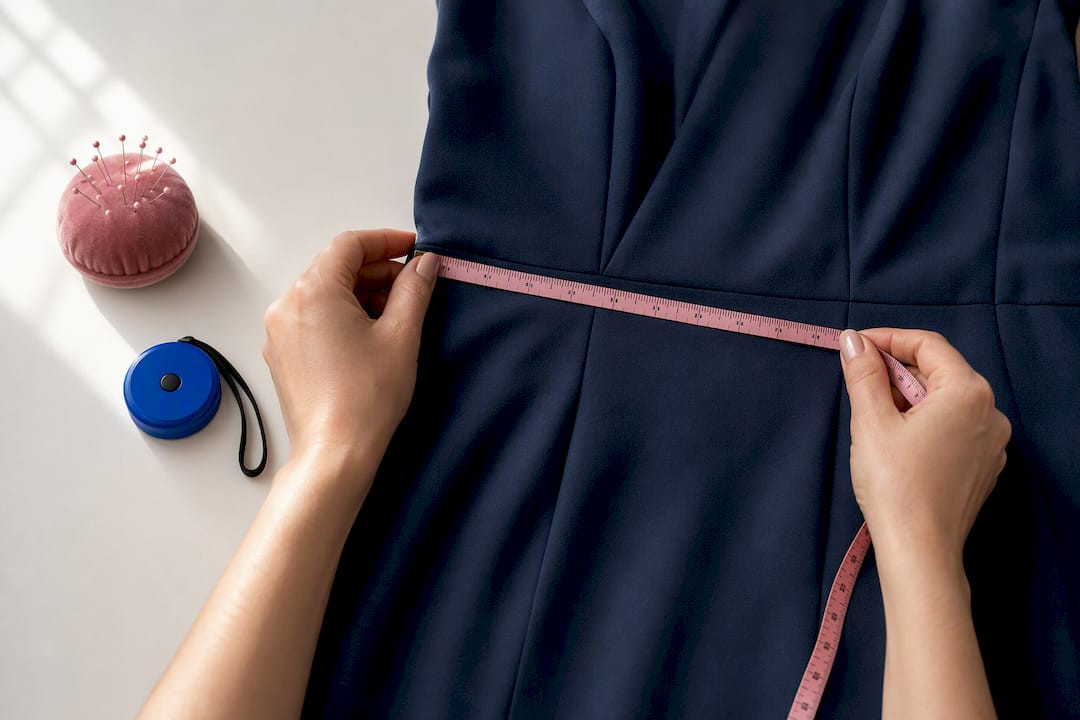
Fit is where most plus-size formal dress purchases succeed or fail, and it comes down to three numbers.
- Bust: Measure around the fullest part of your chest, keeping the tape parallel to the floor and snug but not tight.
- Waist: Measure around your natural waistline, usually just above your belly button, without pulling the tape in.
- Hips: Measure around the fullest part of your hips and backside, standing with your feet together.
Write these three numbers down before you shop, then match them to the specific size chart on each listing rather than relying on your usual size. Plus-size formalwear sizing varies more than straight-size clothing because brands cut differently around the bust, waist, and hip ratio. A size 18 dress from one brand might fit like a 16 from another. Structured fabrics like taffeta or brocade tend to run truer to the chart, while stretch knits and jersey often run a size smaller than their stated size because the fabric is expected to hug the body.
This is where reviewer fit notes earn their keep. Amazon groups review highlights, and for clothing listings you’ll often see repeated comments about sizing. If multiple reviewers with different body types say a dress “runs small in the bust” or “true to size but long in the torso,” that pattern is more reliable than any single five-star review. Photos posted by verified buyers matter even more than the text. A dress that looks structured and forgiving in the product photo can look completely different pulling across someone’s hips in a real photo.
Pro Tip: When a listing’s fit reviews are mixed or thin, order one size up and one size down if both qualify for free returns, then keep whichever fits best and return the other before the refund window closes.
If you’re on a tight timeline and can’t afford back-and-forth shipping, order one size based on your measurements and the size chart, then plan for minor tailoring on arrival rather than gambling on an exact match. For more on translating your measurements into a size that survives contact with reality, our guide on measuring for plus size formal wear walks through the process step by step.
Returns, shipping, and Amazon policy changes that affect try-before-you-buy behavior
Amazon shoppers used to have a safety net for exactly this kind of purchase, and it’s worth knowing that net is gone. Amazon ended Prime Try Before You Buy on January 31, 2025, which means you generally pay when your order processes rather than trying items on first and only paying for what you keep. That shifts more weight onto the steps you take before you buy, not after.
Amazon’s Prime Try Before You Buy program, which let shoppers try clothes at home before paying, was discontinued as of January 31, 2025. That single change is why review highlights and size recommendations now matter more than ever when you’re buying a formal dress you can’t try on in a fitting room.
Free returns haven’t disappeared, but eligibility depends on the specific listing. According to reporting on Amazon’s current return policies, many fashion listings still offer free returns, but coverage varies by seller and SKU, so you need to check each listing rather than assume. A few habits protect you here:
- Look for the “Free returns” label directly on the product page before adding to cart.
- Check whether the item is sold and shipped by Amazon or fulfilled by a third-party seller, since Amazon-fulfilled items tend to carry more consistent return terms and faster refunds.
- Note the return window and whether the dress needs to be unworn with tags attached.
- If you’re ordering two sizes to compare, confirm both qualify for free returns before you buy either.
Refund timing also affects your strategy. If you’re ordering multiple sizes to compare fit, plan for the possibility that your refund won’t post for several days after the return is received, so don’t count on that money for a backup purchase. If your event date is close, pair expedited shipping with an immediate in-hand assessment: the moment the dress arrives, try it on and decide whether it needs a seamstress, rather than waiting until the week of the event to find out.
Alterations: what plus-size buyers should expect
A dress that fits 90% of the way there is still a great buy as long as you plan for that last 10%. Alterations are common for plus-size formal gowns, and knowing what’s typical helps you budget both time and money.
The most frequent adjustments on plus-size formal dresses include:
- Taking in the waist or side seams for a closer fit through the midsection.
- Bust adjustments, especially on structured or boned bodices.
- Hemming to the correct length for your shoes and height.
- Back adjustments, including converting a zipper to a corset or lace-up back for more give.
- Adding panels, such as modesty panels or fabric inserts, when more room is needed than the seam allowance provides.
According to fit specialists who work on plus-size wedding gown alterations, the amount a dress can be let out is limited by its seam allowance, which is why bust and waist adjustments sometimes require added fabric panels rather than simple seam work. That’s a construction detail worth understanding before you buy, not after.
Timing matters just as much as the alteration itself. Fit specialists recommend starting major alterations about 10 to 14 weeks before your event, which means you need to build Amazon’s shipping time into that window, not add it on top. If your event is 12 weeks out and shipping takes a week, you’ve already used a chunk of your alteration runway before the dress even arrives.

Costs vary depending on complexity. Simple hemming costs less than a full bust reconstruction or a back conversion, and heavily embellished or structured gowns with boning or beading tend to cost more because every fitting takes longer and requires more careful handling.
Pro Tip: Before you buy, zoom in on the listing photos and read the product description for construction details like boning, structured lining, or beading placement. Dresses with more structure usually cost more to alter, so factor that into your budget before you click “buy,” not after your seamstress gives you a quote.
Quick vet checklist: how to inspect an Amazon listing in 60 to 90 seconds
You don’t need twenty minutes to size up a listing. You need a routine.
- Check fulfillment first. Look for “Ships from and sold by Amazon.com” or a well-established third-party seller, since fulfillment source affects return handling and refund speed according to current Amazon return policy coverage.
- Scan for recent reviews. A listing with a healthy number of reviews from the past few months tells you the current version of the dress, not an older run that may have changed.
- Open review photos. Text reviews can be generous; photos rarely lie about how a dress actually drapes on a real body.
- Look for “Verified Purchase” tags. These carry more weight than unverified reviews, especially for fit comments.
- Read the product details for construction cues. Words like “lined,” “boned bodice,” or “built-in shapewear” tell you what’s underneath the fabric, and photos that show inside seams or lining are a good sign of quality construction.
- Use Q&A for anything unclear. If the listing doesn’t specify fabric opacity, seam allowance, or return eligibility, ask, or check whether someone already has.
Red flags worth a second look: a listing with only a handful of reviews all posted in the same week, stock photos with no real customer images, or a size chart that doesn’t match the brand’s other listings. When you see two or three of these together, move on. There are enough well-reviewed plus-size formal options on Amazon that you don’t need to gamble on a questionable one.
Price range and budget expectations for plus size formal dresses on Amazon
Amazon’s biggest strength for plus-size formal shopping is range. You’ll find budget-friendly options alongside dresses that rival boutique pricing, often from the same search results page. Casual cocktail dresses and simpler silhouettes tend to sit at the lower end, while structured gowns with boning, hand-applied beading, or layered tulle sit higher because they require more fabric and labor to construct.
Set your budget around the event, not just the dress. A wedding guest dress or a simple evening gown for a work function can usually be found affordably, while a Quinceañera gown or a heavily embellished ball gown often costs more because of the fabric volume and detail work involved. Keep a little of your budget in reserve for alterations, since even a well-fitting dress often needs minor adjustments, and that cost is separate from the purchase price.
Comparing similar dresses across a few price points before you buy is worth the extra few minutes. Two dresses in the same silhouette and price range can differ significantly in lining quality and seam finishing, and that difference usually shows up in the reviews before it shows up in your closet.
Material and fabric types commonly available in plus size formal dresses
Fabric choice affects fit, comfort, and how forgiving a dress will be, so it’s worth understanding what you’re looking at before you buy.
Stretch fabrics like jersey and scuba knit hug the body and tend to be more forgiving of small sizing misses, which makes them a safer bet if you’re between two sizes. Structured fabrics like taffeta, satin, and brocade hold their shape and create a more formal silhouette, but they offer less give, so accurate measuring matters more with these.
Tulle and chiffon show up frequently in ball gown and A-line silhouettes, adding volume without adding much weight, which is a common choice for Quinceañera and prom styles. Lace, often layered over a lining, appears often in wedding guest and bridesmaid dresses for a more romantic look. Sequined and beaded fabrics add sparkle for cocktail and evening wear but tend to be heavier and less flexible, which affects both comfort and alteration cost down the line.

Lining matters as much as the outer fabric. A well-lined dress in any of these materials tends to feel more comfortable and drape better over curves, so check the product description for lining details before you assume a dress will feel as good as it looks.
Popular styles and trends in plus size formal dresses on Amazon
A few silhouettes consistently show up at the top of plus-size formal searches because they flatter a range of body shapes rather than favoring one type. A-line and empire waist gowns remain popular for weddings and Quinceañeras because they create a defined waist without clinging. Mermaid and fit-and-flare silhouettes are trending for cocktail and evening wear, offering a more fitted look through the hip before flaring out.
Sleeve styles have shifted too. Long sleeves and off-the-shoulder necklines are showing up more often in formal gown listings, giving shoppers more coverage options without sacrificing style. Corset-style bodices, sometimes built in and sometimes added as a construction feature, are increasingly common because they offer a more adjustable, forgiving fit than a fixed zipper back.
Color trends lean toward jewel tones like emerald, sapphire, and deep burgundy for evening events, while soft pastels and metallics remain steady choices for prom and Quinceañera dresses. Whatever the trend, the silhouette that flatters your specific shape will always matter more than what’s currently popular, so use trend as inspiration, not as a rulebook.
How to match plus size formal dresses with accessories
The right accessories finish a formal look without competing with it. Start with shoes: a block heel or wedge offers more stability for a long event than a thin stiletto, and both pair well with floor-length gowns as long as the hem is adjusted to the right length for your heel height.
Jewelry should complement your neckline rather than fight it. A strapless or off-the-shoulder gown has room for a statement necklace, while a dress with an already-detailed bodice, like beading or lace, usually looks best with simple earrings and a delicate bracelet. Metallics in your jewelry should echo any metallic thread or trim in the dress rather than clash with it.
Bags for formal events are almost always small. A clutch or a small crossbody in a coordinating or metallic tone works with nearly any gown, and it’s worth choosing one before your final fitting so your seamstress can account for how you’ll carry it if that matters to your silhouette. For more on building a complete formal look around a plus-size gown, our style and fit guide covers pairing decisions in more depth.
Customer service tips for plus size formal dress orders
Problems happen even with careful shopping, and knowing how to handle them quickly matters more when you’re on an event deadline. If a dress arrives with a defect, sizing error, or damage, contact the seller or Amazon customer service immediately rather than waiting, since return and replacement windows are time sensitive.
Keep your order confirmation and any size chart screenshots handy when you reach out, since sizing disputes move faster when you can show exactly what the listing promised versus what arrived. If the item was fulfilled by a third-party seller, Amazon’s customer service can still typically step in in cases of item misrepresentation or an unresponsive seller.
For time-sensitive events, mention your event date directly in your customer service message. Requesting expedited replacement shipping or a faster refund isn’t guaranteed, but it’s worth asking for, especially if the dress is defective rather than simply a sizing miss on your part.
Dress Me Up NY perspective: when a specialist retailer is the smarter pick
Amazon earns its place in plus-size formal shopping through sheer range and price flexibility. For a casual wedding guest dress or a low-stakes cocktail party, that range is a real advantage.
But some events don’t leave room for a fit gamble. If you’re a bride, a mother of the bride, or shopping for a prom where the dress needs to be right on the first try, a specialist retailer changes the equation. Dress Me Up NY focuses specifically on plus-size formal fit, curating sizes and styles rather than relying on a marketplace of thousands of unrelated sellers. That kind of focus tends to reduce the guesswork that comes with comparing five different brands’ size charts on Amazon.
A smart approach uses both. Browse Amazon for inspiration and price comparison, then turn to a specialist retailer for the dress that actually needs to work on the day that matters. The stakes of a bridesmaid dress or a Quinceañera gown are different from a work dinner dress, and your shopping channel should match the stakes.
— Dressmeup
Dress Me Up NY: quick alternative and how to reach the catalog
If you’ve read this far, you already know the tightrope of buying a plus-size formal dress online: get the fit wrong and you’re stuck altering, returning, or wearing something that doesn’t feel like you. Instead of comparing size charts across dozens of unrelated Amazon sellers, you can shop a catalog built around formal and special occasion dressing, organized by event so you’re not guessing which category fits your night.
Here’s how to put that to work:
- Browse the full evening dress catalog to see the current range of formal and special occasion styles.
- Head straight to formal gowns if you need a floor-length silhouette for a wedding, gala, or Quinceañera.
- Check wedding guest and bridesmaid styles if your event is someone else’s big day.
- Explore cocktail dresses, jumpsuits, and mini styles for anything shorter or less formal.
If your event is coming up fast or you’re unsure which size or style fits your shape, considering reaching out through customer service listed on the site for personalized help before you order. A little guidance up front tends to save far more time than a return label ever does.
Sources
- Amazon ends Prime Try Before You Buy
- Does Amazon still do Try Before You Buy?
- Altering a plus size wedding dress: what every bride needs to know
FAQ
Is Amazon a reliable place to buy a plus-size formal dress?
Amazon can be reliable when you check the size chart, review highlights, and return eligibility before ordering, since these signals reveal whether a listing fits true to size. It’s less reliable when you skip those steps and buy based on the photo alone.
Can I still try on dresses before paying on Amazon?
No, Amazon ended its Prime Try Before You Buy program on January 31, 2025, so you now generally pay when your order processes rather than trying items on first. This makes checking size charts and review fit comments more important than before.
How far in advance should I order a plus-size formal dress that needs alterations?
Plan to order with enough lead time that alterations can start about 10 to 14 weeks before your event, accounting for shipping time on top of that window. Ordering earlier gives your seamstress room to handle bust, waist, or back adjustments without rushing.
What if my Amazon formal dress arrives and doesn’t fit?
Check whether the listing offers free returns and confirm the return window before your event date approaches, since return eligibility varies by seller and fulfillment type. If the dress is close but not exact, a seamstress can often handle common adjustments like hemming, waist take-ins, or back conversions.
Should I buy from Amazon or a specialist retailer like Dress Me Up NY?
Amazon works well for casual formal events, budget flexibility, and wide style comparison, while a specialist retailer like Dress Me Up NY is a stronger choice when guaranteed fit matters most, such as for brides or Quinceañera honorees. Many shoppers use Amazon to browse styles and a specialist retailer for the dress that has to be right the first time.
Recommended
- 3 Measurements That Guarantee Plus Size Formal Fit at Dress Me Up NY
- 5 Measurements to Shop Plus Size Formal Attire With Dress Me Up NY
- Fit First: Measure Bust, Waist, Hips for Plus Size Formal Wear
- Measure These 6 Numbers Before Buying a Plus Evening Dress