
Best Sleeves for Formalwear: 2026 Style Guide for Women
Best Sleeves for Formalwear: 2026 Style Guide for Women
TL;DR:
- Long sleeves in lace, crepe, or illusion mesh are the preferred choice for formal events because they provide warmth and elegance. Detachable sleeves offer versatility for transitioning from ceremony to reception without changing dresses. Three-quarter sleeves are the most universally flattering, elongating the arm and emphasizing the waist across body types.
The best sleeves for formalwear are those that balance elegance, coverage, and event appropriateness. Sleeve choice shapes your entire silhouette, signals the formality of your outfit, and determines how comfortable you feel from the ceremony through the last dance. Whether you are dressing for a black-tie gala, a spring wedding, or prom night, the right sleeve style makes the difference between a dress that fits the moment and one that fights it. Dressmeupny curates formal gowns across every sleeve category, from long lace to detachable designs, making it easier to match your look to the occasion.
1. What are the best sleeves for formalwear?
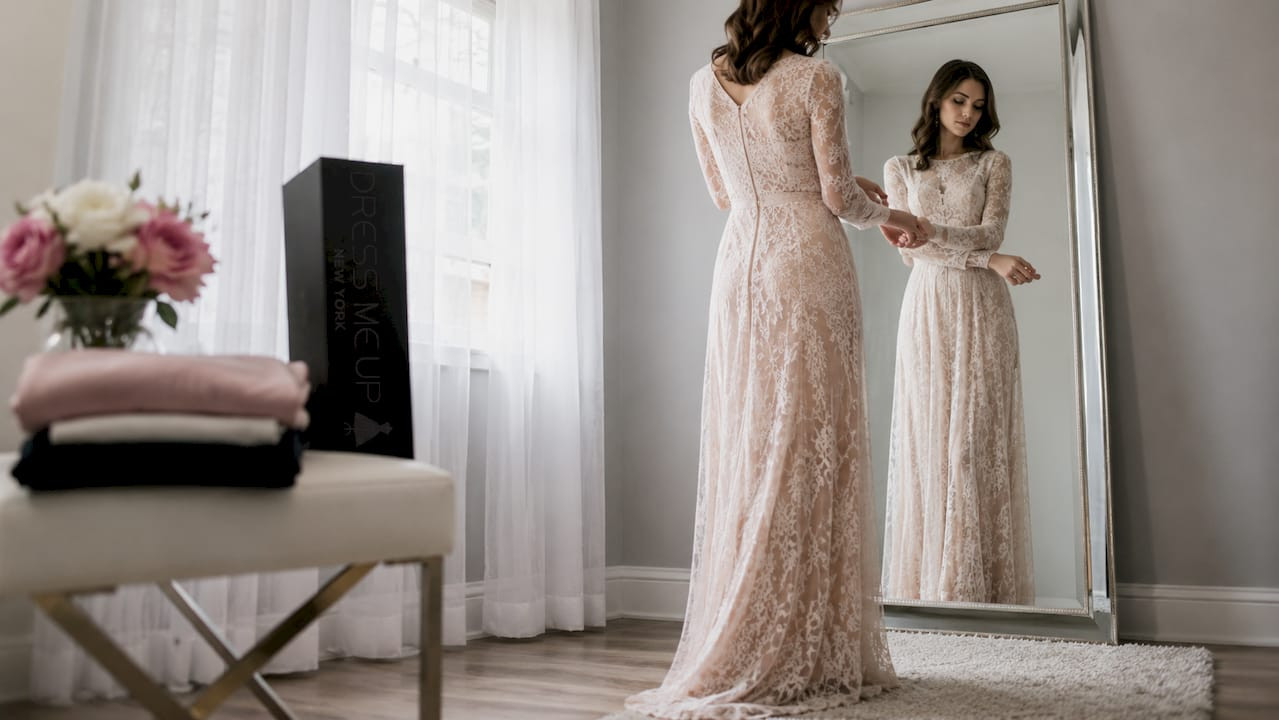
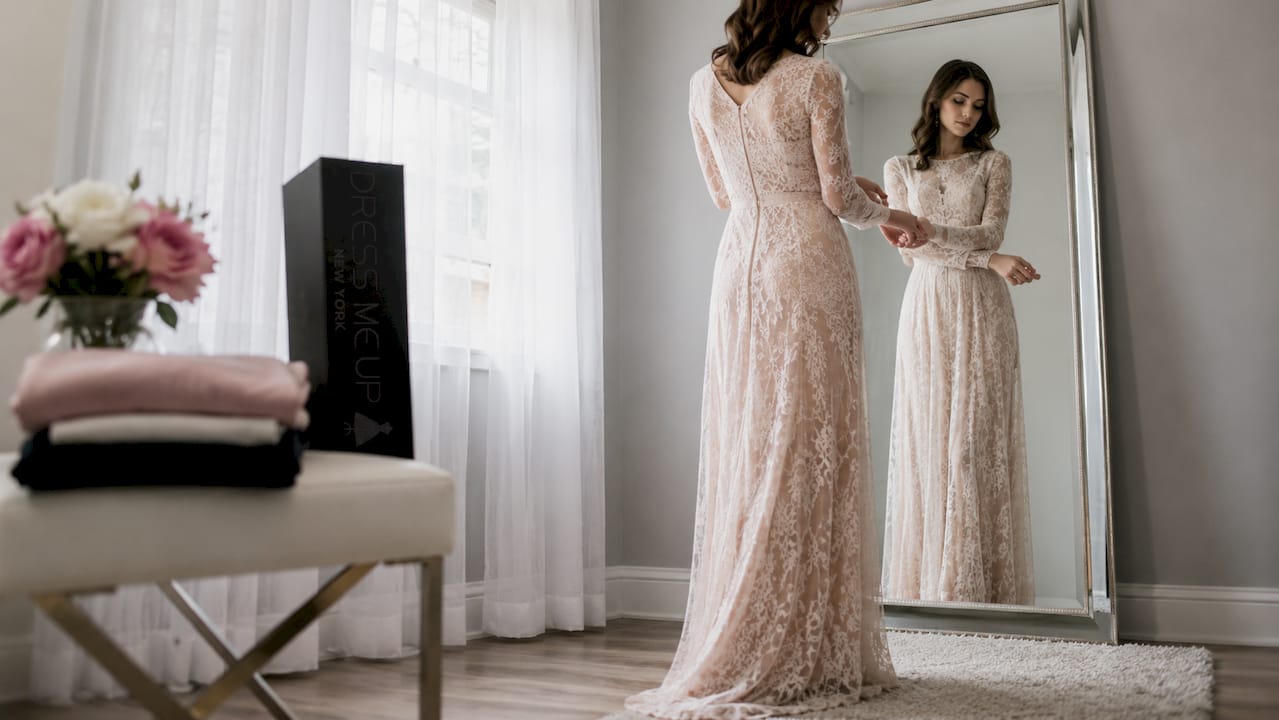
Long sleeves are the gold standard for formal events. Long sleeves remain the standard for black-tie, conservative, and winter-season events because they provide both warmth and a polished silhouette. Fabrics like lace, crepe, and illusion mesh deliver sophistication without feeling heavy. If you are attending a church ceremony or a winter gala, a long-sleeved gown in any of these materials reads as intentional and refined.
Three-quarter sleeves rank as the most universally flattering option across body types. Fashion experts consider three-quarter sleeves the most universally flattering length because they elongate the arm and draw attention to the waist. That proportion benefit works across body shapes and event types, from semi-formal garden parties to indoor receptions. They are a reliable choice when you want coverage without the weight of a full sleeve.
Sheer illusion sleeves offer coverage with almost no visual weight. Illusion sleeves made of tulle or chiffon mimic bare skin while providing full arm coverage, making them a popular choice for brides and prom attendees who want a modest yet modern look. The fabric catches light beautifully and adds a layer of texture without bulk. Pair them with a fitted bodice for maximum effect.
Detachable sleeves are among the fastest-growing requests for 2025 and 2026 formal seasons. Detachable sleeves give you two distinct looks within one dress, attached for the ceremony and removed for the reception. That versatility makes them especially practical for events with both a formal and a social component. Dressmeupny carries several gowns with this feature in its current collection.
Pro Tip: If you choose detachable sleeves, practice removing them before the event. Some attachment methods require a second pair of hands, and you do not want to figure that out on the dance floor.
Off-shoulder sleeves accentuate the collarbone and décolletage. They work best for spring and summer formal events where the weather supports a more open neckline. The style reads as glamorous without being overly revealing, which makes it appropriate for wedding guest dresses and prom gowns alike. Look for structured bodices that hold the neckline in place throughout the evening.
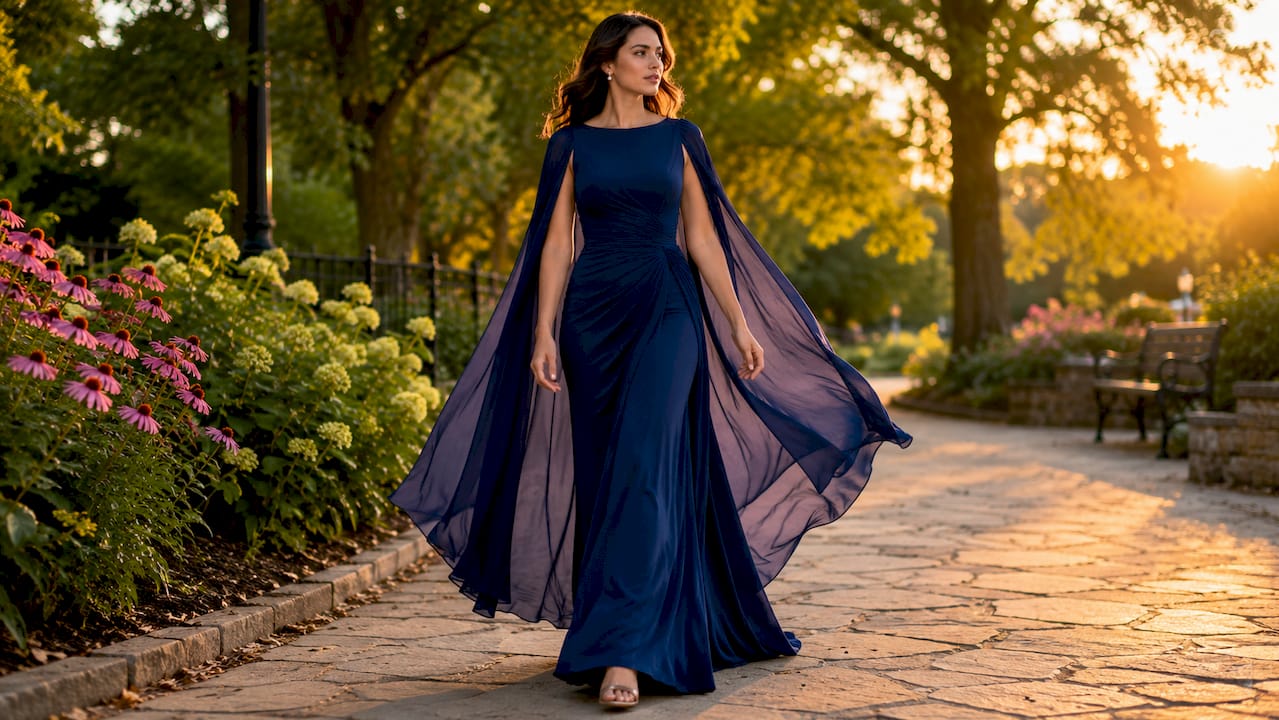
Cape sleeves add drama without restricting arm movement. The fabric flows from the shoulder and creates a sweeping effect that photographs beautifully at formal ceremonies. Cape sleeves work particularly well in cathedral settings where the architectural scale calls for a more dramatic silhouette. They are a strong choice for women who want visual impact without the constraint of a fitted sleeve.
Puff sleeves carry a romantic, vintage quality that suits wedding aesthetics. The volume at the shoulder creates a defined silhouette and pairs well with fitted or A-line skirts. Puff sleeves have remained popular through 2025 and into 2026 because they photograph well and feel distinctly bridal without being overly traditional. They work best in lighter fabrics like organza or chiffon.
Juliet sleeves combine a fitted lower arm with a puffed upper section. They offer warmth and structure, making them well-suited for cooler seasons and more conservative formal settings. The style has historical associations with romance and ceremony, which translates naturally to weddings and formal galas. Pair them with a sleek skirt to balance the volume at the shoulder.
Bishop sleeves feature a full, billowing shape gathered at the wrist. They create a dramatic silhouette that works best in less conservative formal settings, such as fashion-forward galas or evening events where personal style takes priority over strict dress codes. The gathered wrist adds a finishing detail that elevates the overall look.
Cap sleeves provide minimal coverage with a feminine touch. They suit semi-formal events and warmer climates where full sleeves feel excessive. Cap sleeves frame the shoulder without restricting movement, making them a practical choice for events with dancing or extended wear. They pair well with structured bodices and A-line silhouettes.
Bell sleeves flare from the elbow or wrist and create a statement look. They work best for fashion-forward occasions where the dress code allows for personal expression. Bell sleeves in chiffon or crepe add movement and visual interest, but they require more space and can feel impractical at crowded events. Reserve them for seated dinners or cocktail receptions.
How to choose the right sleeve length and fabric
Sleeve length should match both your body shape and the formality of the event. Full-length sleeves in lace or crepe suit black-tie and winter events. Three-quarter lengths work across semi-formal and spring occasions. Cap and off-shoulder styles fit warm-weather and less conservative settings. Matching the sleeve length to the event type prevents the common mistake of underdressing or overdressing.
Fabric choice directly affects how a sleeve looks and feels across an evening. Lace adds texture and a romantic quality. Crepe drapes cleanly and holds its shape. Satin reflects light and reads as luxurious. Illusion mesh provides coverage without weight. Choosing the wrong fabric for the season is one of the most common styling errors, particularly wearing heavy satin sleeves to an outdoor summer event.
Pro Tip: For outdoor summer events, choose illusion mesh or chiffon sleeves over lace or satin. They breathe better and hold their shape even in humidity.
Seasonal fit matters as much as visual style. A long-sleeve evening dress in illusion mesh keeps you covered for a winter ceremony without overheating indoors. For spring and summer events, lighter fabrics and shorter sleeve lengths prevent discomfort during extended wear. Tailoring also plays a role. A sleeve that fits correctly at the shoulder and wrist looks polished. One that gaps or pulls reads as off-the-rack regardless of the fabric quality.
Sleeve fit and length for formal suits and dress shirts
The ideal jacket sleeve ends at the wrist bone. About a quarter to half an inch of shirt cuff should show beyond the jacket sleeve, framing the hand and signaling a sharp silhouette. This detail is one of the clearest indicators of a well-fitted formal suit. Skipping it makes even an expensive jacket look oversized.
Sleeve pitch and hang affect the entire jacket silhouette. Proper sleeve pitch means the sleeve falls straight without twisting forward or backward, maintaining polish even in warm or humid conditions. A twisted sleeve creates visual noise that distracts from the overall look. This is a detail worth checking at the fitting stage, not after the event.
The exposed cuff does more than follow a style rule. Cuff visibility creates visual balance between the jacket and the hand, signaling attention to detail in business formal and black-tie settings. It also frames a bracelet or watch, adding a finishing touch to the overall look. Women wearing formal blazers or structured jackets over gowns benefit from the same principle.
Common sleeve fit mistakes include:
- Sleeves too long: The jacket covers the shirt cuff entirely, making the arm look shorter and the jacket oversized.
- Sleeves too short: The shirt cuff extends too far, creating a gap that reads as ill-fitting.
- Twisted pitch: The sleeve rotates forward or backward, pulling the jacket out of alignment.
- Excess fabric at the elbow: Bunching at the bend signals a sleeve that is cut too full for the arm.
Addressing these issues through alteration is straightforward. Most tailors can adjust sleeve length and pitch in a single fitting. For women pairing a blazer with a formal gown or dress shirt, the same standards apply. The semi-formal winter wedding context is one where jacket sleeve fit becomes especially visible in photographs.
Matching sleeve styles to event types and venues
| Event Type | Best Sleeve Style | Reason |
|---|---|---|
| Black-tie gala | Long sleeves in lace or crepe | Formality and warmth |
| Winter church ceremony | Long or Juliet sleeves | Coverage and elegance |
| Spring garden wedding | Off-shoulder or three-quarter | Breathable, flattering |
| Summer outdoor reception | Cap or illusion mesh | Light, comfortable |
| Prom night | Puff, off-shoulder, or detachable | Versatile and photogenic |
| Fashion-forward gala | Bell or bishop sleeves | Statement and personal style |
| Ceremony plus reception | Detachable sleeves | Two looks, one dress |
Long sleeves remain the top choice for black-tie and winter events. They signal formality and provide warmth without requiring a separate wrap or shawl. For winter formal attire, lace and illusion mesh long sleeves hit the right balance between coverage and visual lightness.
Three-quarter and cap sleeves suit semi-formal spring and summer events. They offer enough coverage to feel polished while keeping the look appropriate for warmer weather. Detachable sleeves solve the ceremony-to-reception transition problem cleanly. You wear them for the formal portion and remove them when the dancing starts, without changing your dress.
For outdoor events, layering options matter. A structured bolero or wrap over a sleeveless gown provides coverage during the ceremony and removes easily for the reception. This approach works especially well when the dress code shifts from formal to semi-formal as the evening progresses.
Key Takeaways
The most effective sleeve choice for formalwear matches the event’s formality, the season’s temperature, and your body’s proportions, with fabric and fit doing as much work as the style itself.
| Point | Details |
|---|---|
| Long sleeves for black-tie | Lace, crepe, and illusion mesh long sleeves are the standard for formal winter events. |
| Three-quarter sleeves flatter most | This length elongates the arm and draws attention to the waist across body types. |
| Detachable sleeves offer two looks | Attach for the ceremony, remove for the reception, without changing your dress. |
| Cuff exposure signals fit | A quarter to half an inch of shirt cuff beyond the jacket sleeve marks a well-fitted formal look. |
| Fabric matches the season | Choose illusion mesh or chiffon for summer events and lace or crepe for winter occasions. |
What I have learned about sleeves after years of formal styling
The sleeve conversation almost always starts in the wrong place. Most women ask “what looks good?” before they ask “what works for this event?” Those are different questions, and conflating them leads to beautiful dresses that feel wrong the moment you walk into the room.
The detail I see overlooked most often is sleeve pitch. A sleeve that twists even slightly pulls the entire jacket or bodice out of alignment. It is visible in photographs and noticeable in person, yet it is one of the easiest things to fix at a fitting. Women who invest in a gown and skip the fitting are leaving the most important detail to chance.
Detachable sleeves have shifted from a niche request to a genuine trend. I have watched that shift happen in real time through 2025 and into 2026. The appeal is practical. Formal events rarely stay formal all night. Having the option to remove your sleeves without changing your dress is a real advantage, and the best versions attach so cleanly that no one can tell they were ever there.
My honest advice: do not let a statement sleeve carry the whole outfit. Bell sleeves and bishop sleeves photograph beautifully, but they require space and can feel restrictive at crowded events. Save them for seated dinners or smaller gatherings where the drama reads as intentional rather than overwhelming. For most proms and weddings, the evening gowns with sleeves that hold up best are the ones that balance visual interest with practical comfort.
— Dressmeup
Formal gowns with sleeves at Dressmeupny
Dressmeupny carries formal gowns across every sleeve style covered in this guide, from full-length lace to detachable designs built for ceremony-to-reception transitions.
The collection spans prom dresses, wedding guest gowns, and evening wear, with sleeve options suited to every season and event type. Filters by sleeve style and occasion make it straightforward to find a gown that fits both the dress code and your personal preference. Browse the full formal gown collection at Dressmeupny to find the sleeve style that works for your next event.
FAQ
What sleeve style is best for a black-tie event?
Long sleeves in lace, crepe, or illusion mesh are the standard for black-tie events. They provide warmth, coverage, and the polished silhouette that formal dress codes require.
Are detachable sleeves appropriate for weddings?
Detachable sleeves are fully appropriate for weddings and are among the fastest-growing style requests for 2025 and 2026. They allow you to wear full sleeves for the ceremony and remove them for the reception.
How much shirt cuff should show beyond a jacket sleeve?
A quarter to half an inch of shirt cuff should extend beyond the jacket sleeve. That amount of cuff exposure signals proper fit and creates visual balance between the jacket and the hand.
What sleeve length is most flattering for most body types?
Three-quarter sleeves are widely regarded as the most universally flattering length. They elongate the arm and draw attention to the waist, which works across a range of body shapes and event types.
What fabric works best for summer formal sleeves?
Illusion mesh and chiffon are the best fabrics for summer formal sleeves. Both breathe well, hold their shape in humidity, and provide coverage without adding visual or physical weight.
Recommended
- Types of formal dresses for ladies: 2026 style guide - DressMeUpNY
- What is formal wear for women 16-30: 2026 style guide - DressMeUpNY
- Winter Formal Outfit Ideas for Women: 2026 Guide - DressMeUpNY
- Ball Gown Attire: Your 2026 Formal Style Guide - DressMeUpNY