
Chic Dresses for Special Occasions: Your 2026 Style Guide
Chic Dresses for Special Occasions: Your 2026 Style Guide
TL;DR:
- A chic dress combines refined fabrics, sophisticated silhouettes, and deliberate design to create an effortlessly polished look for formal occasions. Its success depends on fabric quality, appropriate silhouette, and thoughtful accessorizing, emphasizing fit over price. Understanding dress codes and personal proportions ensures elegant dressing that reflects genuine confidence and timeless style.
A chic dress is defined as a garment that combines refined fabrics, sophisticated silhouette, and deliberate design to create an effortlessly polished look for formal and special occasions. The term “chic” originates from French fashion vocabulary, but in modern styling it describes what the industry formally calls occasion wear: dresses engineered for events where appearance carries social weight. Whether you are attending a black-tie gala, a wedding reception, or a cocktail party, the right chic dress signals both taste and confidence. This guide covers fabric selection, silhouette choices, accessorizing strategies, and dress code navigation so you can walk into any event looking exactly as intentional as you feel.
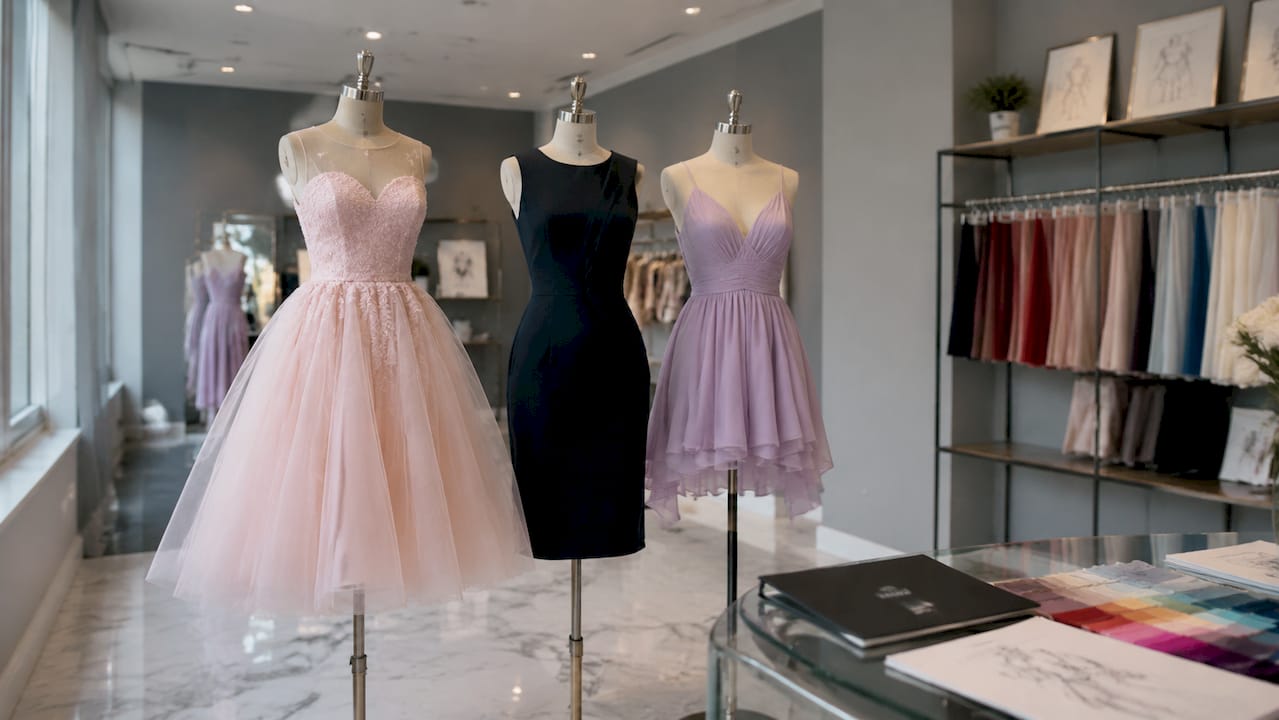
What makes a chic dress stand out from other formal styles?
The defining characteristic of a chic dress is not price or brand name. It is the relationship between fabric quality, cut precision, and occasion appropriateness. A $200 crepe midi dress worn correctly outperforms a $600 poorly fitted gown every time. That principle is the foundation of every styling decision covered here.
Formal occasion wear in 2026 centers on a small group of fabrics that consistently deliver structure and elegance: chiffon, crepe, lace, and satin. Each has a distinct visual weight and movement profile. Chiffon flows and layers beautifully for romantic or garden-party settings. Crepe holds its shape through a long evening without wrinkling. Lace adds texture and a sense of occasion without requiring heavy embellishment. Satin reflects light in a way that reads as luxurious even in modest silhouettes.
The occasion also determines which fabric works hardest for you. A beach wedding calls for chiffon or lightweight lace. A hotel ballroom gala calls for structured satin or heavy crepe. Getting this match right is what separates a dress that photographs beautifully from one that photographs and feels beautiful all night.
Which fabrics define a chic dress for formal events?
Refined fabrics like chiffon, crepe, lace, and satin define black-tie and formal ceremony dress codes heading into 2026. This matters because fabric is the first thing people perceive before they register color or silhouette. The wrong fabric makes even a well-cut dress look casual.
Here is how each fabric performs across key criteria:
- Chiffon: Lightweight, semi-sheer, and fluid. Best for layered skirts, flutter sleeves, and romantic silhouettes. Pairs well with lining for modesty at formal events.
- Crepe: Dense, matte, and wrinkle-resistant. The go-to for column gowns and structured midi dresses. Holds a clean line from ceremony to reception.
- Lace: Textured and intricate. Works as an overlay on satin or as a standalone fabric for sleeves and bodices. Adds visual complexity without requiring accessories.
- Satin: Smooth, lustrous, and dramatic. Best for floor-length gowns and strapless silhouettes where the fabric’s sheen can do the styling work.
- Velvet: Rich and seasonal. Ideal for fall and winter formal events. Pairs with minimal jewelry because the fabric itself commands attention.
Pro Tip: When shopping online, check the fabric content label before the photos. A dress described as “satin-like” is usually polyester with a surface finish, not woven satin. True satin and crepe drape differently and photograph differently under event lighting.
Fabric also determines care requirements, which matters when you are getting dressed in a hotel room two hours before a ceremony. Crepe and chiffon travel well. Satin and velvet require steaming. Factor that into your event-day logistics before you buy.
What dress styles and silhouettes work best for different occasions?
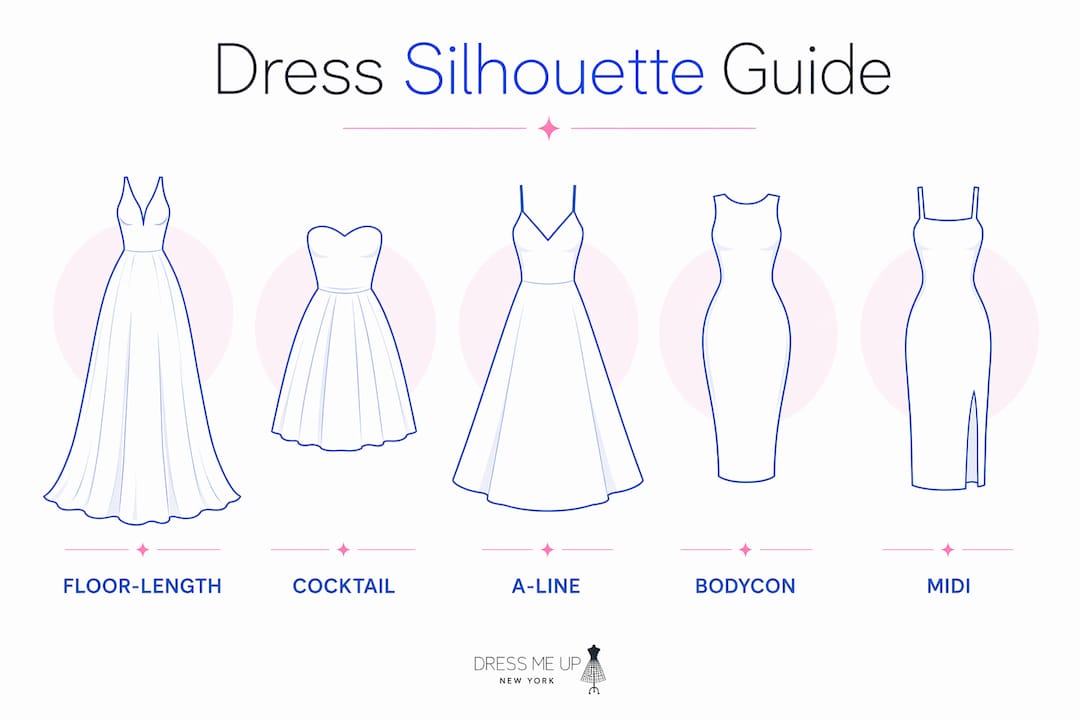
Formal dresses come in silhouettes ranging from short cocktail cuts to full-length evening gowns, and matching the silhouette to the event is as important as fabric choice. The table below maps the most common chic dress styles to their best occasions and key styling notes.
| Style | Best occasion | Key styling note |
|---|---|---|
| Floor-length gown | Black-tie gala, formal wedding | Minimal accessories; let the silhouette lead |
| Cocktail dress (knee-length) | Wedding reception, charity dinner | Heels and a structured clutch complete the look |
| Midi dress | Garden party, semi-formal event | Strappy sandals or block heels keep it grounded |
| Bodycon dress | Upscale date night, cocktail party | Body-hugging silhouettes work best with understated jewelry |
| Maxi wrap dress | Outdoor ceremony, destination wedding | Lightweight fabric prevents overheating |
The bodycon and cocktail categories deserve special attention because they are the most versatile. A well-fitted designer cocktail dress in a dark jewel tone moves from a corporate awards dinner to a rooftop birthday party without any styling changes. That kind of versatility is what makes a dress genuinely chic rather than just formally appropriate.
Silhouette also interacts with body proportion in ways that most style guides oversimplify. An A-line skirt creates visual balance for most body types by defining the waist and skimming the hips. A column silhouette works best when the fabric has enough weight to hang straight. A fit-and-flare cut adds drama at the hem, which draws the eye downward and elongates the figure. Understanding these mechanics lets you shop with intention rather than relying on luck in the fitting room.
Pro Tip: When in doubt about formality level, choose the longer hemline. A midi or maxi dress can always be styled down with flat sandals. A mini dress cannot be styled up to meet a black-tie standard.
How do you accessorize a chic dress for a polished look?
Accessories either complete a chic dress or compete with it. The goal is always completion. Pairing accessories carefully with silver-toned watches, stiletto heels, dangling earrings, and jewel-toned clutches is the standard framework for formal event styling. Here is how to apply that framework systematically:
-
Start with shoes. The heel height and shoe style set the formality baseline. Stiletto heels signal black-tie. Block heels signal semi-formal. Strappy flat sandals signal garden party or outdoor ceremony. Choose your shoes before you choose your jewelry because they anchor the overall register of the look.
-
Choose one statement piece of jewelry. If the dress has an embellished neckline, skip the necklace and wear statement earrings instead. If the neckline is simple, a pendant necklace or collar necklace adds structure. Wearing both a statement necklace and statement earrings simultaneously creates visual noise that distracts from the dress.
-
Match metal tones to dress undertones. Cool-toned fabrics (navy, emerald, silver gray) pair with silver or white gold. Warm-toned fabrics (burgundy, gold, champagne) pair with gold or rose gold. Mixing metal tones reads as accidental rather than intentional.
-
Select a clutch that contrasts or complements. A jewel-toned clutch against a neutral dress creates a focal point. A metallic clutch against a bold-colored dress keeps the look cohesive without adding another color. Avoid oversized bags at formal events regardless of practicality.
-
Consider the venue’s lighting. Sequined or beaded accessories that look subtle in daylight become very bright under ballroom chandeliers. If the event is indoors with strong lighting, scale back the sparkle on your accessories and let the dress carry the shimmer.
The most common accessorizing mistake is adding pieces after the outfit is already complete. Build your accessories into the look from the start, treating them as structural elements rather than afterthoughts.
How to choose the right chic dress for any event dress code
Balancing trendiness with timeless elegance is the core principle of formal dress selection, and it applies directly to reading dress codes correctly. Most formal event invitations use one of four dress code labels, and each has a specific meaning that narrows your options productively.
- Black tie: Floor-length gown or formal cocktail dress in a refined fabric. Dark colors with embroidery or jewel tones are the standard. Avoid anything with casual details like pockets, denim panels, or athletic fabric.
- Cocktail attire: Knee-length to midi-length dress in a structured fabric. This is the most flexible category and where most fashionable party dresses live.
- Semi-formal: Midi dress or dressy separates. More room for color and print than black-tie, but still requires elevated fabric and finish.
- Smart casual: A polished midi or wrap dress in a quality fabric. This is where elegant casual dresses perform best, particularly in solid colors or subtle prints.
Comfort and fit are the factors most often sacrificed in the pursuit of a striking look, and that trade-off consistently backfires. A dress that requires constant adjustment, restricts movement, or causes discomfort after two hours will affect your posture, your expression, and your confidence in ways that no amount of styling can fix. Buy the size that fits your largest measurement and have it tailored if needed. Tailoring a $150 dress to fit perfectly produces a better result than wearing a $400 dress that almost fits.
Trends are worth tracking but not worth chasing at the expense of wearability. The wedding guest dress etiquette principle applies broadly: choose a dress that will still look considered in photographs five years from now. That standard automatically filters out the most trend-dependent choices and keeps you in the timeless-elegant zone that defines genuinely chic dressing.
Key takeaways
A chic dress succeeds through the combination of refined fabric, matched silhouette, and deliberate accessorizing rather than any single element working alone.
| Point | Details |
|---|---|
| Fabric determines formality | Chiffon, crepe, lace, and satin are the standard fabrics for formal chic dresses in 2026. |
| Silhouette should match the event | Floor-length gowns suit black-tie events; cocktail and midi lengths cover semi-formal occasions. |
| Accessories complete, not compete | Choose one statement jewelry piece and match metal tones to the dress’s color undertones. |
| Fit outranks price | A well-fitted affordable dress outperforms an expensive dress that does not fit correctly. |
| Dress codes are specific guides | Reading the dress code correctly narrows your options and prevents over or under-dressing. |
Why chic dressing is really about knowing yourself
After years of curating formal occasion wear at Dressmeupny, the pattern I keep seeing is this: the women who look most effortlessly chic are not the ones wearing the most expensive dresses. They are the ones who understand their own proportions, know which fabrics feel good on their skin, and have stopped trying to dress for a version of themselves they think they should be.
The most common mistake I see is buying a dress for the occasion rather than for the occasion and the person wearing it. A floor-length satin gown is objectively formal. But if you are someone who moves constantly, laughs loudly, and dances at every wedding, a structured column gown will work against your personality all night. A fluid chiffon dress in the same formality register will work with you.
Trends in chic occasion wear shift every season, but the silhouettes and fabrics that have defined elegant dressing since the mid-20th century keep returning. Crepe column dresses. Lace overlay gowns. Satin bias cuts. These are not nostalgic choices. They are proven ones. My honest recommendation: invest in one dress per formality tier that fits you perfectly, and build your accessories around those anchors. You will spend less, stress less, and look better than someone who buys a new dress for every event.
— Dressmeup
Find your next chic dress at Dressmeupny
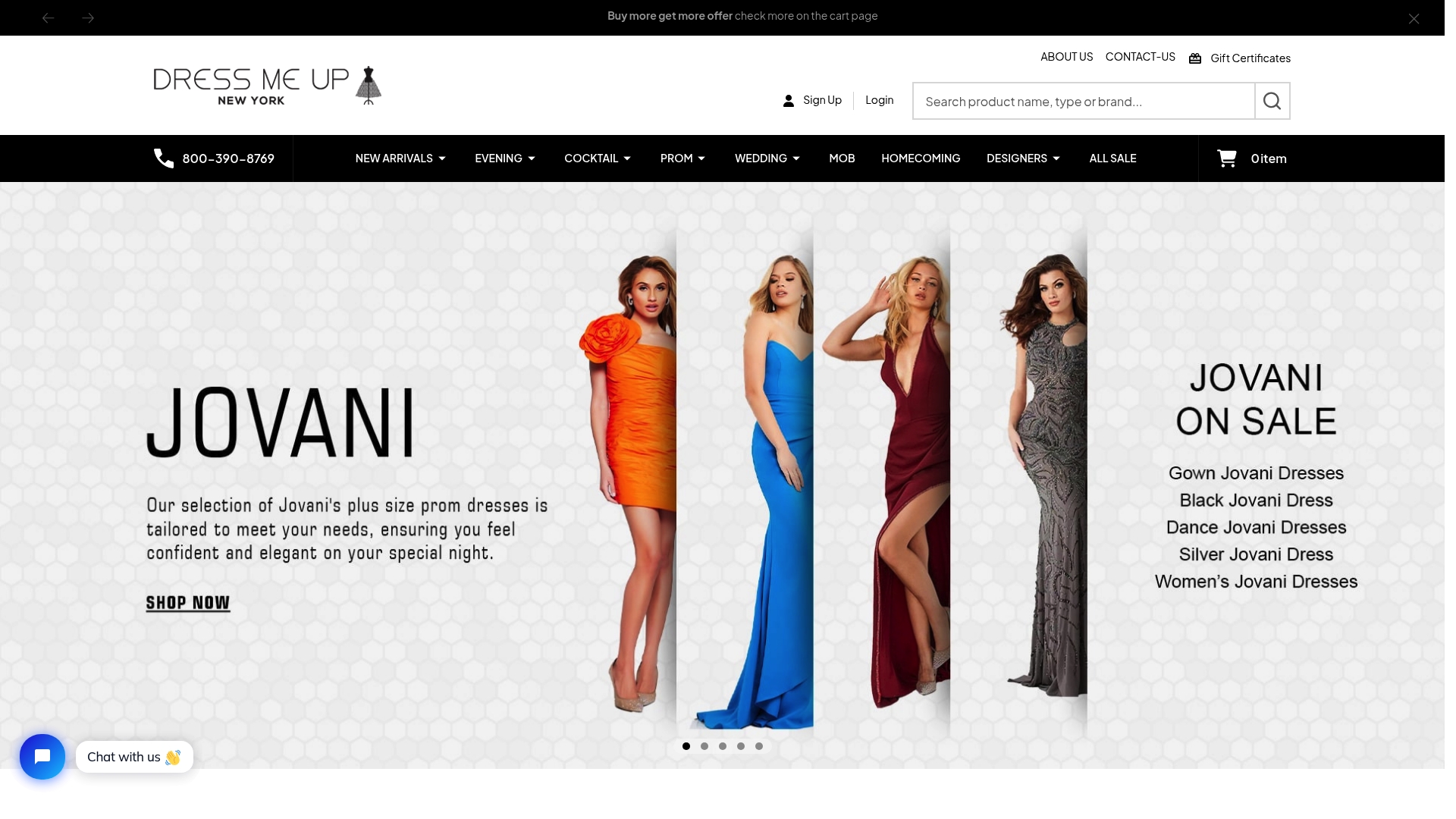
Dressmeupny carries one of the most curated selections of formal and special occasion dresses available online, from floor-length evening gowns to designer cocktail dresses built for weddings, proms, and black-tie events. Every category is organized by style, length, and occasion so you can filter directly to what your next event requires. New arrivals update regularly to reflect the silhouettes and fabrics trending for 2026, including the crepe midis, lace overlays, and jewel-tone satins covered in this guide. Explore the full formal dress collection and find the style that fits both the event and the person wearing it.
FAQ
What is a chic dress?
A chic dress is a garment defined by refined fabric, sophisticated silhouette, and deliberate design that creates a polished look for formal or special occasions. The term describes what the fashion industry formally calls occasion wear.
Which fabrics are most common in chic formal dresses?
Chiffon, crepe, lace, and satin are the standard fabrics for formal chic dresses, each offering a distinct combination of structure, movement, and visual weight suited to different event types.
How do I choose between a cocktail dress and a gown?
Match the hemline to the dress code: black-tie events call for floor-length gowns, while cocktail attire allows knee-length to midi-length options. When the dress code is unclear, a midi-length dress in a refined fabric is the safest and most versatile choice.
What accessories work best with a chic dress?
Stiletto heels, a structured clutch, and one statement jewelry piece complete most formal looks. Match metal tones to the dress’s color undertones and avoid wearing both a statement necklace and statement earrings simultaneously.
How important is fit when choosing a chic dress?
Proper fit is the single most important factor in how a dress reads at a formal event. A well-tailored affordable dress consistently outperforms an expensive dress that does not fit the wearer’s proportions correctly.
Recommended
- Types of elegant dresses: find your perfect 2026 style - DressMeUpNY
- Best 6 Special Occasion Dresses for 2025 – Expert Comparison - DressMeUpNY
- Beautiful Special Occasion Dresses: Elevate Your Event Style - DressMeUpNY
- Latest Designer Dress Collections for 2026 Special Occasions - DressMeUpNY