
Choosing the Perfect Fabric for an Elegant Evening Dress: A Comprehensive Guide

Introduction
Imagine stepping into a grand ballroom bathed in soft lighting—the fabric of your evening dress isn’t just a material, it’s a statement. The choice of fabric can elevate a gown from simply beautiful to truly unforgettable. Understanding subtle nuances—like how silk charmeuse creates a sensuous drip versus how organza’s structure brings architectural drama—empowers you to make elegant, tailored decisions.
When designers and stylists discuss how to choose the right fabric for an elegant evening dress?, they often highlight both visual impact and practicality. For instance, silk drapes gracefully and breathes well, making it ideal for warmer venues, while velvet exudes opulence and provides warmth for winter events khy.com. Knowing these distinctions lets you pinpoint a fabric that complements your silhouette, fits the event season, and radiates sophistication.
To bring clarity, this article will explore real-world benefits and drawbacks of each fabric. Picture a silk charmeuse gown flowing softly on a minimalist silhouette—its lustrous satin face capturing light while its matte back ensures refinement en.wikipedia.org. Contrast that with a structured taffeta ball gown, which holds dramatic shape and remains crisp throughout a lively evening starsignfabrics.com. These vivid examples show how fabric can shape not just style, but experience.
Consider also fabrics like chiffon, georgette, and crepe, beloved for their fluid, sculptural qualities. A chiffon overlay can give a gown ethereal movement and softness, perfect for romantic garden affairs starsignfabrics.com. Meanwhile, crepe offers texture and graceful fall, ideal for refined evening gowns where structure meets flow maake.com. Highlighting such distinctions guides you in matching your gown to both the moment and your aesthetic.
Throughout the following sections, you’ll find detailed insights, including scenario-based recommendations and inputs drawn from industry sources. Whether you're aiming for striking silhouette, comfort under warm lights, or timeless elegance, this guide delivers clarity. You’ll walk away equipped to choose fabric with intention and confidence—so your dress not only looks exceptional, but feels just right for the occasion.
Choosing Fabrics with Purpose: Matching Feel, Function, and Flair
As you continue exploring how to choose the right fabric for an elegant evening dress?, it’s essential to align your choice with both the event’s demands and your personal comfort. One useful approach is evaluating fabric based on seasonal appropriateness and desired silhouette effect. For instance, choosing silk charmeuse offers a luxurious drape and luminous finish, ideal for bias-cut gowns that move gracefully with your every step. Silk varieties, including charmeuse and chiffon, remain timeless options prized for their sheen, fluidity, and breathability—qualities celebrated in expert fashion discussions regalfabricgallery.com.
When structure and drama are the aim, consider fabrics with body and architectural presence. Taffeta—with its crisp, starched finish—holds pleats and volume beautifully, making it perfect for ball gowns or statement sleeves en.wikipedia.org. Similarly, duchess satin combines a tight weave and glossy surface to support structured silhouettes such as mermaid or A-line gowns, adding stability as well as polish jovani.com.
For colder evenings or indoor winter events, fabric warmth becomes as vital as aesthetics. Velvet, with its dense pile and plush texture, not only looks sumptuous but also provides natural insulation. It radiates richness—especially in deep jewel tones—making it a regal option for gowns crafted to make a bold statement khy.com.
If you're leaning toward ethereal elegance and light, airy movement, chiffon and organza are excellent considerations. Chiffon floats gently around the body when layered, evoking a romantic vibe often sought in summer weddings or twilight soirees khy.com. Organza, though also sheer, brings structure with its stiffness—excellent for sculpted overlays or dramatic flounce—while maintaining an element of delicacy maake.com.
In practice, designers frequently blend fabrics to balance comfort and visual impact. For example, a silk charmeuse underlayer paired with a chiffon overlay gives opacity and body beneath airy movement above. This technique exemplifies how combining fabric characteristics yields both ease and polish. Knowing how to choose the right fabric for an elegant evening dress? means thinking beyond single materials and envisioning how textures and weights can harmonize to elevate your overall design.
Understanding Fabric Properties
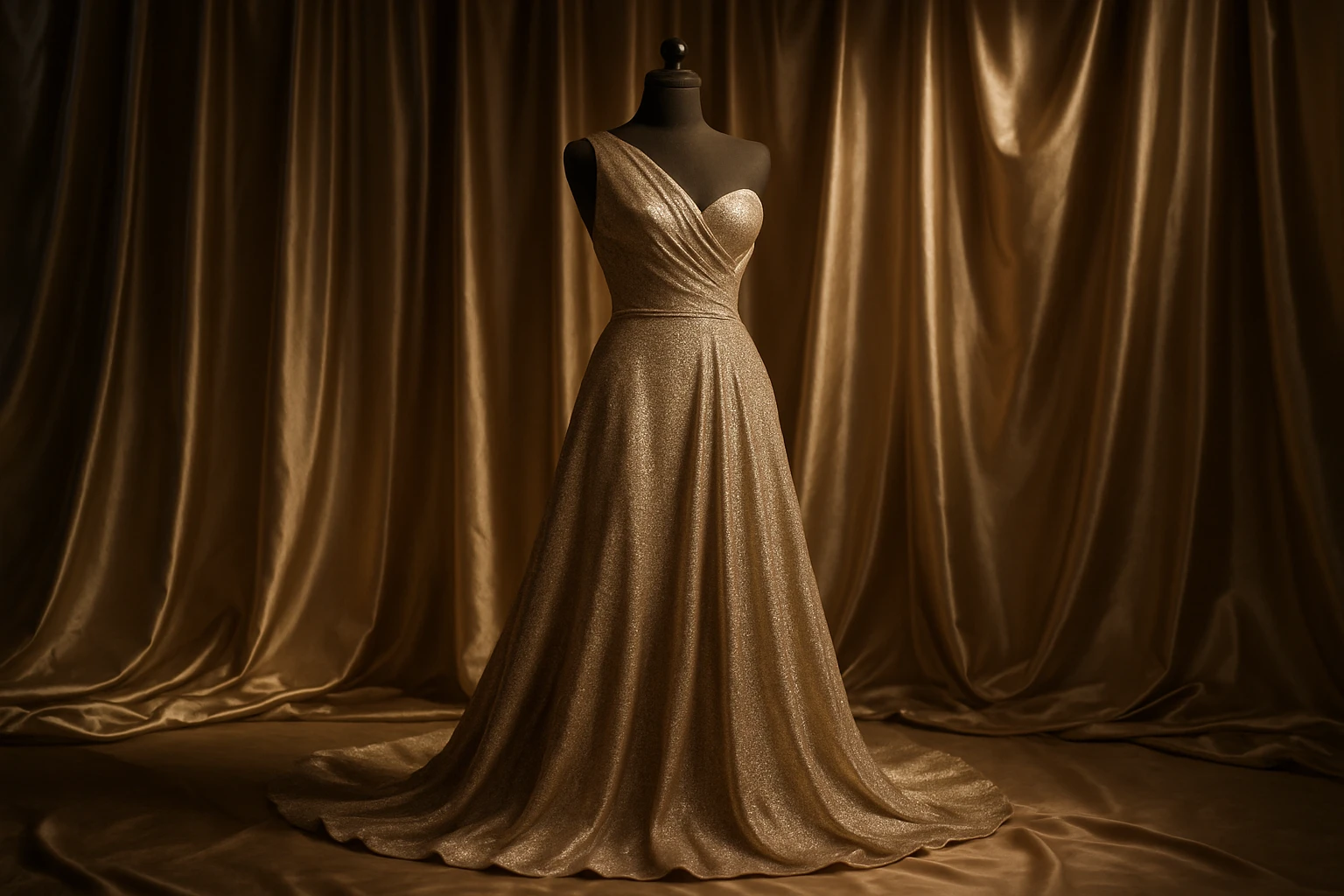
When deciding on how to choose the right fabric for an elegant evening dress, it’s crucial to understand the properties of different materials. This knowledge helps ensure that your choice aligns with the event’s ambiance and your personal style. Silks, for example, are often favored for their natural sheen and luxurious feel. They drape beautifully, enhancing the dress's silhouette, making them ideal for formal occasions. According to The Silk Association of Great Britain, silk's natural temperature-regulating properties also provide comfort throughout various seasons.
Chiffon offers another excellent option with its lightweight and sheer texture, creating an ethereal look perfect for evening gowns with layers or ruffles. Although delicate, chiffon's soft, flowing nature makes it ideal for dresses designed to move with grace. Designers often use chiffon for its subtle transparency, creating an illusion effect over thicker, more structured fabrics, adding dimension and intrigue.
Balancing Form and Function
When choosing fabric, considering the balance between form and function is vital. Velvet is a popular choice for its rich texture and warmth, making it suitable for fall and winter events. Its dense pile lends an opulent aesthetic, suitable for gowns with structured designs. However, velvet's weight requires thoughtful pattern design to maintain the desired silhouette without feeling cumbersome.
Conversely, crepe is both lightweight and structured, offering versatility. It provides a matte finish, which some may prefer over shinier fabrics for a contemporary look. The fabric’s natural stretch complements a variety of dress styles, from A-line to mermaid gowns, without sacrificing comfort. Tissura highlights crepe's adaptability, recommending it for dresses requiring a combination of form-fitting and flowing elements.
Considering Color and Texture
The right fabric choice also involves color and texture coordination. Fabrics like taffeta and organza, known for their crisp texture, hold dye exceptionally well, ensuring vibrant color that stands out in any setting. These materials are ideal for structured designs, providing volume without overwhelming the dress’s structure. Color-rich fabrics demand careful handling, ensuring that the chosen hue complements the event's theme and enhances your complexion.
Your personal preference is equally important in fabric selection. Whether opting for classic silhouettes or modern cuts, understanding fabric qualities empowers you to make informed decisions. This insight ensures your evening dress not only looks stunning but also feels comfortable and appropriate for the occasion.
Considering Fabric Weight and Drape
One critical aspect when learning how to choose the right fabric for an elegant evening dress is understanding fabric weight and drape. The weight of the fabric affects the dress’s overall appearance and feel. Heavier fabrics like velvet or satin can provide a more structured look, which is ideal for formal events. On the other hand, lighter fabrics such as chiffon or silk offer fluidity and movement, creating a more romantic and whimsical appearance.
The Importance of Drape in Fabric Selection
Drape refers to how a fabric falls and moves with the body. For evening dresses, good drape can accentuate curves and add elegance to the dress’s silhouette. Fabrics with excellent drape, like silk charmeuse, drape closely to the skin, enhancing body lines beautifully. According to Vogue Fabrics, choosing a fabric with the right drape is essential to achieving a graceful and elegant appearance.
Furthermore, drape can affect the perception of weight and comfort. A dress made from fabric with poor drape can appear stiff and unflattering, while a naturally flowing fabric adds an element of charm and sophistication.
Practical Examples of Fabric Choices
Imagine a black-tie event where the setting demands elegance and sophistication. Opting for a fabric like silk satin provides a glamorous sheen and luxurious texture, perfect for such occasions. In contrast, an outdoor summer wedding might call for something lightweight and breathable, like a chiffon evening gown, which offers comfort and style under the sun.
We also see examples in the fashion industry where designers select specific fabrics to evoke desired emotions. For instance, a Harper's Bazaar article highlights how designers use satin to project luxury and opulence, while tulle can add a playful, fairy-tale quality.
Tips for Testing Fabric Weight and Drape
To gauge the weight and drape, consider holding a length of the fabric to observe its flow and feel. Fabrics that pool on the floor may offer excellent drape, suitable for a cascading gown. Additionally, crumpling a sample in your hand can test resilience to wrinkles—a practical step when selecting fabric for an event where appearance is paramount.
In summary, understanding the dynamics of fabric weight and drape forms the backbone of making informed decisions while choosing materials. This knowledge ensures your evening dress not only complements your personal style but also aligns with the event's demands, ensuring a seamless blend of comfort and aesthetics.
Conclusion: Making Informed Choices for Elegance
Choosing the right fabric for an elegant evening dress is a vital step that can greatly impact the final look and feel of your garment. By considering factors such as drape, texture, and seasonal appropriateness, you can ensure that your dress exudes sophistication and comfort. Whether you're envisioning a flowing silk gown or a structured velvet ensemble, understanding your fabric options is key to bringing your design to life.
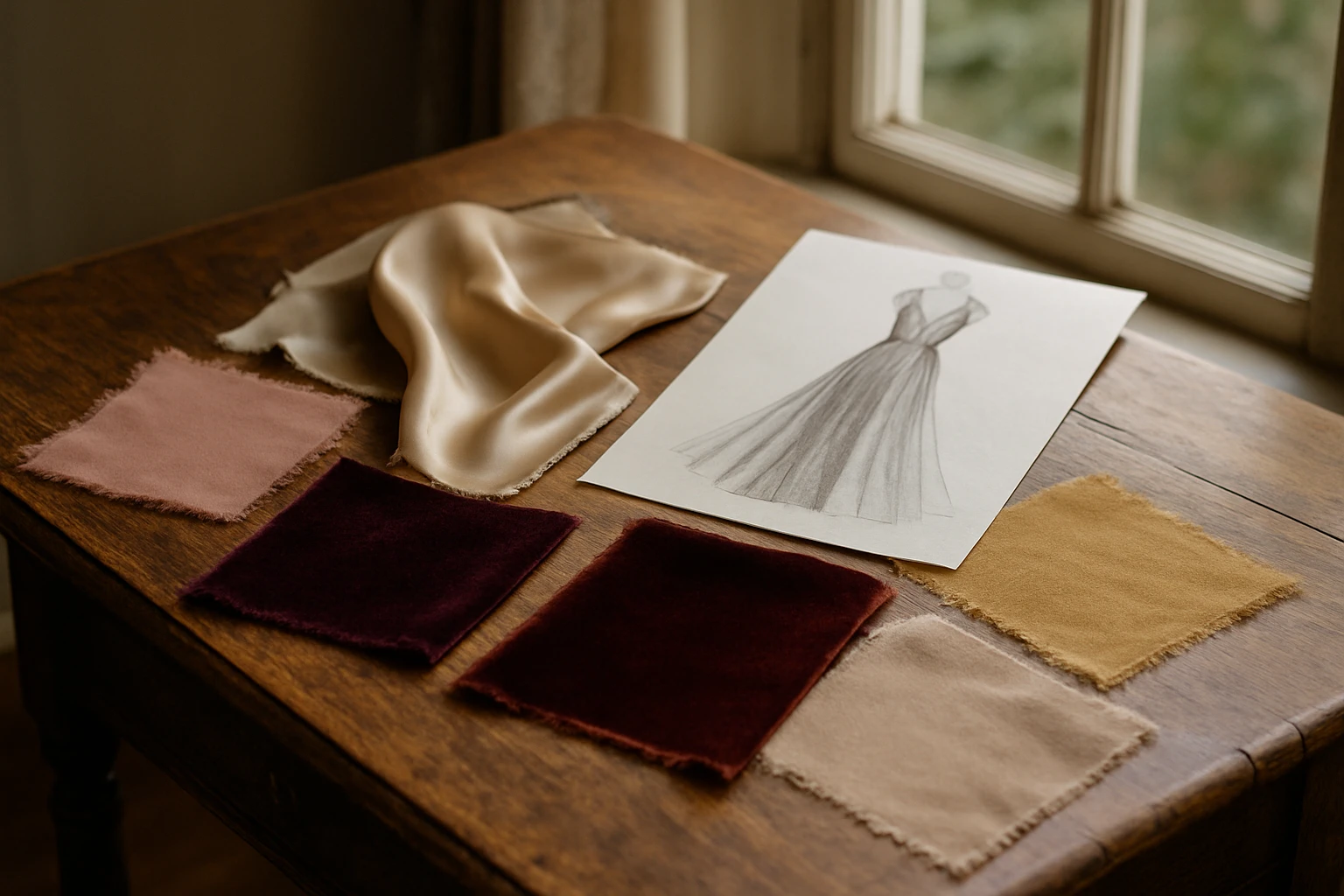
An actionable insight for selecting fabric is to always request samples if possible. Feeling the fabric between your fingers can provide a clearer understanding of its weight and quality than simply viewing it online or in a catalog. Moreover, comparing different swatches side-by-side can help you visualize how each material will behave and complement your chosen design.
Real-world applications also suggest considering the venue and type of event when choosing your fabric. A summer garden party might be best complemented by light and breathable fabrics like chiffon or satin, which allow for ease of movement and comfort in warmer climates. Conversely, a formal winter gala could benefit from richer, warmer materials such as velvet or heavy silk.
Looking at expert opinions can provide additional insights. Fashion designers often emphasize the importance of fabric in establishing the tone and elegance of a dress. As noted by the renowned designer Zac Posen, the right choice of material is crucial to "creating a piece that's truly unique and resonates with personal style" Harper's Bazaar.
To summarize, understanding how to choose the right fabric for an elegant evening dress involves a blend of art and practicality. Consider the fabric's properties, the event setting, and expert recommendations to guide your selection. By doing so, you'll create a stunning evening dress that not only looks magnificent but feels just as good to wear.
Feel inspired to start your dressmaking journey? Visit your local fabric store or browse online fabric retailers to explore the endless possibilities. Armed with knowledge and creativity, you're on your way to crafting a dress that will stand out in any elegant gathering.
Article Generated by Soogle