
Couture Pageant Gowns: Stand Out With Trend-Driven Style
Couture Pageant Gowns: Stand Out With Trend-Driven Style
TL;DR:
- Couture pageant gowns now emphasize structural design, fit, and narrative over surface embellishments.
- Making strategic fabric, silhouette, and accessory choices ensures maximum stage impact while remaining authentic.
Pageant culture has shifted. The days when a sparkly gown alone could carry a contestant to the top are giving way to something more deliberate and powerful. Avant-garde sci/tech couture concepts are now shaping the very language of high-fashion gown design, and smart competitors are paying close attention. Whether you’re stepping onto a regional stage or preparing for a nationally televised event, your gown is making a statement before you say a single word. This guide breaks down exactly how to read trends, make practical choices, and style your look for maximum impact.
Table of Contents
- What defines a couture pageant gown today?
- How to choose your couture pageant gown: Practical factors
- Accessories and finishing touches for couture impact
- Spotlight: Hot trends and must-watch details for 2026
- Behind the seams: What most contestants overlook about couture pageant gowns
- Next steps: Explore couture pageant gown options
- Frequently asked questions
Key Takeaways
| Point | Details |
|---|---|
| Couture means innovation | Modern couture pageant gowns feature creative structure, not just heavy embellishment. |
| Fit and rules matter | Always align gown choices with pageant guidelines and prioritize comfort for confidence. |
| Finishing touches complete the look | Refined accessories and styling enhance, not overshadow, your gown’s impact. |
| Stay trend-aware, but authentic | Blend fresh design influences with your own style to stand out on stage. |
What defines a couture pageant gown today?
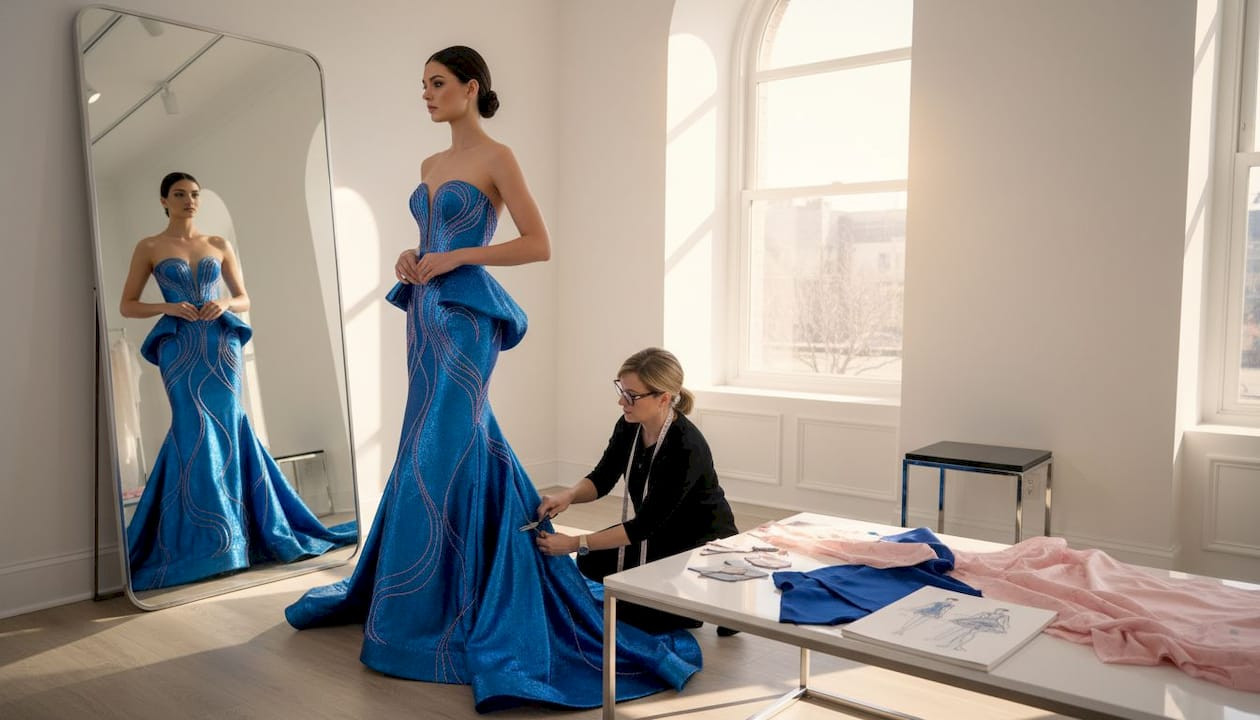
The word “couture” gets thrown around loosely, but it has a real meaning in the fashion world. True couture refers to garments made using high-end, hand-finished construction techniques, often custom-fitted to the individual wearer. In pageantry, a couture gown goes beyond store-bought formalwear by featuring precision tailoring, premium fabrics, and design elements that create a unified visual narrative on stage.
What separates today’s standout pageant gowns from five years ago is the rise of concept-driven silhouettes. Structural bodices, sculptural skirts, and bold asymmetry have replaced the old formula of “more rhinestones equals more impact.” As one clear example, extravagant gown trends in 2025 and 2026 lean heavily into form and architecture rather than surface decoration alone.
Judges aren’t just looking at whether a gown is beautiful. They notice fit first, because a dress that doesn’t move with your body will undermine even the most expensive design. After fit, they look at originality, execution quality, and stage presence. A gown that photographs beautifully but loses its shape under bright lights is a missed opportunity.
Here’s a clear breakdown of what separates traditional couture pageant gowns from the newer, trend-forward direction:
| Feature | Classic couture gown | 2026 trend-forward gown |
|---|---|---|
| Silhouette | Ball gown, A-line | Sculptural, asymmetric, body-conscious |
| Embellishment | Heavy beading, sequins | Strategic detail, 3D texture |
| Fabric focus | Satin, tulle volume | Mixed materials, structural fabrics |
| Design concept | Glamour-first | Narrative and identity-driven |
| Stage movement | Dramatic sweep | Confident, controlled presence |
| Customization | Standard sizing | Custom-fitted architecture |
Knowing these distinctions helps you shop and communicate with designers more effectively. For a deeper look at the foundations of this fashion category, the high couture dresses guide explains the craftsmanship principles behind elite gown construction.
“The best couture isn’t just worn. It’s inhabited. The design tells a story, and the contestant is the narrator.”
The shift toward narrative design also connects to what’s happening on international runways. Understanding how to dress for fashion events with intention and flair is the same skill that serves pageant contestants well. The best competitors study fashion week coverage the way athletes study game film.
How to choose your couture pageant gown: Practical factors
Understanding the trend landscape is one thing. Actually walking into a fitting room or browsing an online collection with a clear checklist is another skill entirely. Here’s a step-by-step approach that keeps both style and strategy in focus.
Step 1: Know your pageant’s theme and rules. Every competition has specific guidelines around gown length, color restrictions, and coverage requirements. Some teen pageants explicitly limit plunging necklines or require modest hemlines. Read those rules before falling in love with a gown that would be disqualified on arrival.
Step 2: Map your personal style to the stage. Your gown should feel like an elevated version of you, not a costume you borrowed. Think about the colors, shapes, and vibes that genuinely make you feel powerful and confident.
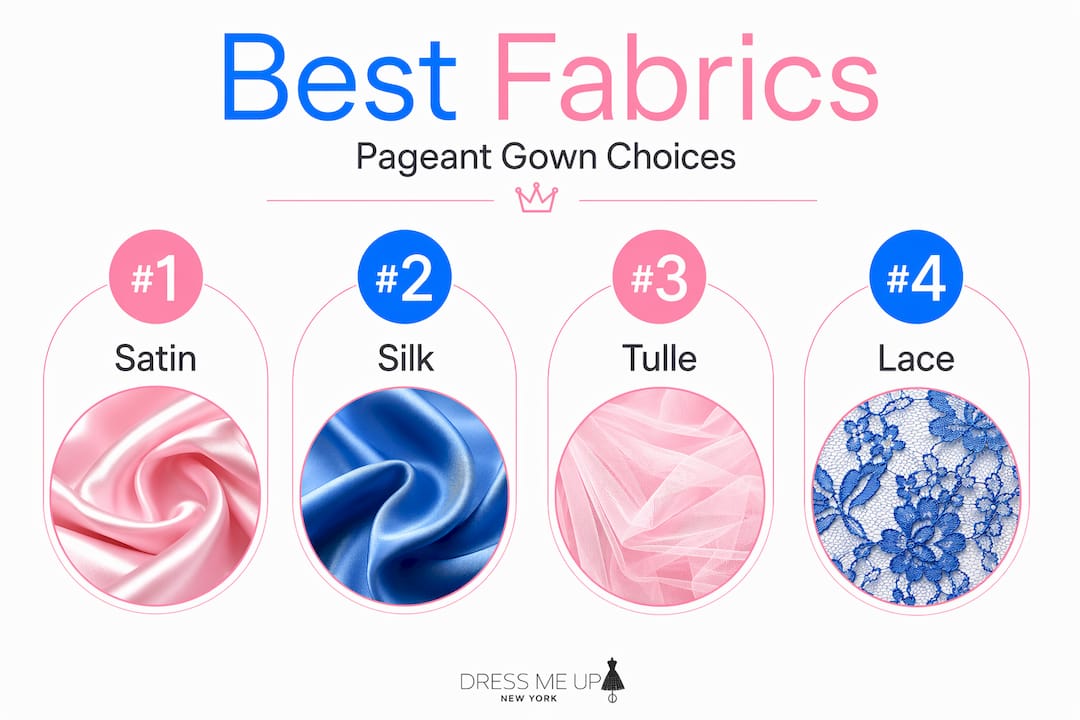
Step 3: Prioritize fabric quality. Top choices for pageant gowns include satin, silk charmeuse, tulle, lace, and structured mikado. Each behaves differently on stage and in photos. Satin catches light dramatically. Tulle creates volume without bulk. Lace adds texture and a classic elegance. As pageant gown guidance consistently notes, stage-appropriate fabrics for comfort and lightness should factor into every final decision.
Step 4: Consider stage lighting deliberately. Under theatrical lighting, pale champagne reads as white, and rich jewel tones like sapphire or emerald pop with intensity. Blush, nude, and white can wash out fairer skin tones under certain spotlights. Test your color choices in bright, directional light before committing.
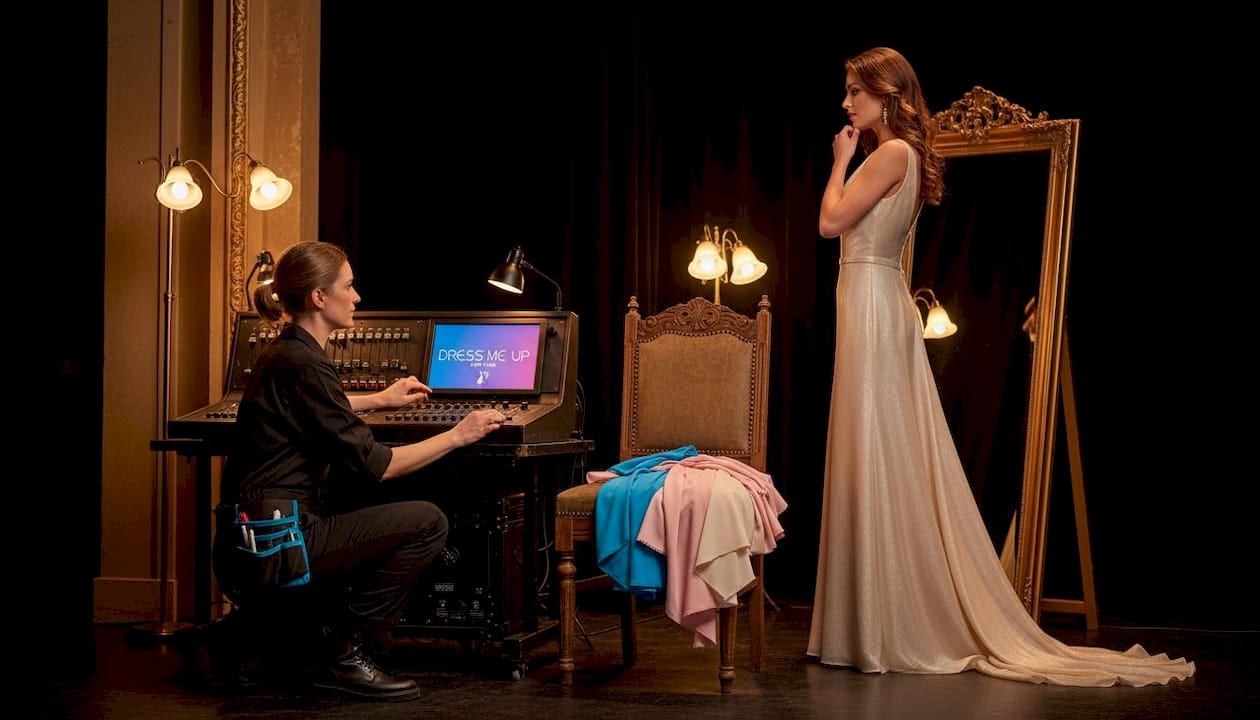
Step 5: Coordinate accessories from the start. Don’t pick your jewelry and shoes after the fact. Build your complete look as one cohesive vision from day one.
Pro Tip: If you’re shopping online, request a fabric swatch before ordering so you can see how the material responds to light in your actual environment. This simple step saves enormous regret later.
For teenagers navigating these decisions for the first time, the essential tips for ball gowns for teens covers everything from measuring correctly to evaluating proportions. Body type also plays a major role in which silhouettes photograph best. The age-appropriate formal dresses guide adds helpful context around what reads youthfully elegant versus overdone for younger competitors. And if you’re on the petite side, the resources around dresses for petite teens address proportion-specific styling that makes a real difference under stage lights.
Accessories and finishing touches for couture impact
A couture gown at 90% is still an unfinished look. The accessories you choose either elevate your entire presence or create visual noise that distracts from your design. The rule here isn’t “less is more” across the board. It’s “every piece must earn its place.”
Essential accessories to plan for:
- Jewelry: Earrings, necklace, and possibly a bracelet or ring. Never all four at once unless the design truly calls for it.
- Shoes: Heel height should allow you to walk with complete control. A stumble in three-inch heels undoes months of preparation.
- Hair accessories: Tiaras, pins, embellished clips, or structured headpieces can tie the look together if they echo your gown’s design language.
- Cover-ups or wraps: For formal arrivals or cooler venues, a simple wrap that doesn’t fight your gown keeps the full look polished.
Pro Tip: Choose one statement accessory, your earrings, your headpiece, or your shoes, and let everything else play a supporting role. When everything competes for attention, nothing wins.
Here’s a practical reference table for pairing accessories to gown styles:
| Gown style | Recommended accessories | Jewelry metals | Shoes |
|---|---|---|---|
| Tulle ball gown | Delicate drop earrings, simple tiara | Silver or rose gold | Strappy silver heels |
| Sculptural/architectural | Minimalist stud earrings, clean cuff | Matte gold or white gold | Pointed-toe court shoes |
| Lace A-line | Pearl earrings, thin headband | Gold or pearl | Nude block heels |
| Beaded column gown | Statement earrings only | Mixed metals | Metallic stilettos |
| Bold asymmetric | Single ear cuff or drop earring | Silver or chrome | Nude or metallic heels |
Accessories should also be chosen with photography in mind. Large, glittery earrings can create lens flare or distract in close-up headshots. Structured pieces with clean lines photograph beautifully and reinforce the couture aesthetic. As accessory harmony guidance confirms, jewelry should complement and never overpower the gown’s design.
For a broader view of how to accessorize dresses, there are styling frameworks that apply directly to pageant dressing and help you build a look that feels finished and intentional. For embellishment inspiration, floral sequin embroidered styles offer a visual reference for how detail and texture can be balanced beautifully.
Spotlight: Hot trends and must-watch details for 2026
The runway is giving pageant contestants incredible material to work with right now. Designers are pushing gowns into new territory, and the smartest competitors are finding ways to translate those ideas into stage-appropriate looks.
The Spring 2026 couture season confirmed that sculpted, body-conscious silhouettes built through meticulous couture techniques are defining this era of high fashion. That design philosophy has direct applications to pageant styling.
Trending features to watch and consider:
- Sculptural bodices that are engineered to cinch, lift, and frame the torso without any undergarment showing
- 3D floral appliqués placed strategically at the shoulder, hip, or hemline for visual focal points
- Bold asymmetry in necklines, hems, or embellishment placement that creates movement and drama
- Unexpected material combinations such as rigid organza paired with soft jersey, or metallic mesh over structured boning
- Integrated lighting elements like subtle reflective fabrics or even LED thread embroidery, though these need to comply with pageant regulations
- Architectural skirts with built-in volume achieved through internal structure rather than traditional petticoats
The key to incorporating these trends without losing sight of competition goals is to pick one bold element and build a clean, cohesive look around it. A dramatic 3D floral shoulder needs a calm skirt. An asymmetric hemline needs restrained accessories. Balance is the actual skill.
Pageant gowns and prom dress trends often overlap in meaningful ways, especially for teen competitors. The silhouettes earning attention in both spaces in 2026 share a preference for confident, form-aware styling over maximalist coverage. Similarly, high-low dress trends show how designers are playing with hem lengths to create drama and movement, a technique that translates directly to evening wear and pageant gowns. For visual inspiration on statement-making length and proportion, maxi dress couture inspiration shows how fluid, long silhouettes can still feel modern and editorial.
Behind the seams: What most contestants overlook about couture pageant gowns
Here’s the honest truth that separates contestants who place from those who simply compete: spending more money on a gown does not guarantee a stronger performance. We’ve seen extraordinarily expensive gowns fail completely because the contestant was visibly uncomfortable, tugging at a bodice, or walking stiffly to protect a hem. And we’ve seen modestly priced, perfectly tailored gowns earn standing ovations.
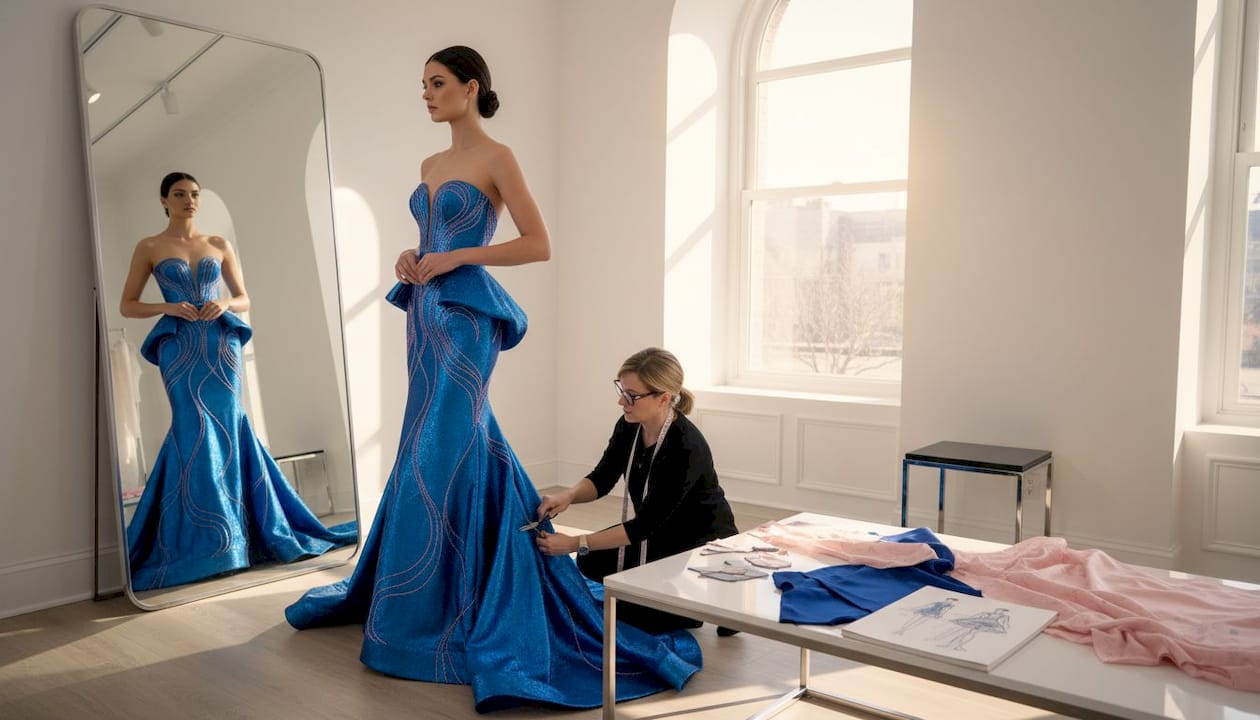
The real X-factor is fit combined with ownership. Custom tailoring is worth every dollar you invest in it, not because of the label it creates, but because a gown that fits exactly as designed allows you to move freely, stand tall, and shift your full attention from “am I holding this together?” to “I’ve got this stage.”
The second thing most contestants get wrong is over-accessorizing in pursuit of more impact. More is not more on a pageant stage under bright lights. Every added element needs a reason to exist. Before you add a piece, ask what it’s contributing to the overall story your look tells.
The third mistake is trend-chasing without personal conviction. Wearing a sculptural gown because it’s on every runway right now is very different from wearing one because it genuinely reflects who you are as a contestant. Judges and audiences feel the difference. Authenticity reads from forty feet away.
When you’re customizing or adapting a design, trust your instincts. You know your body, your stage personality, and your strengths better than any trend report does. Resources like the custom couture fitting guide offer practical frameworks for approaching alterations and tailoring decisions that make a real difference in how a finished gown performs.
Next steps: Explore couture pageant gown options
You’ve covered the trends, the strategy, and the finishing details. Now it’s time to find the actual gown that brings all of it to life.
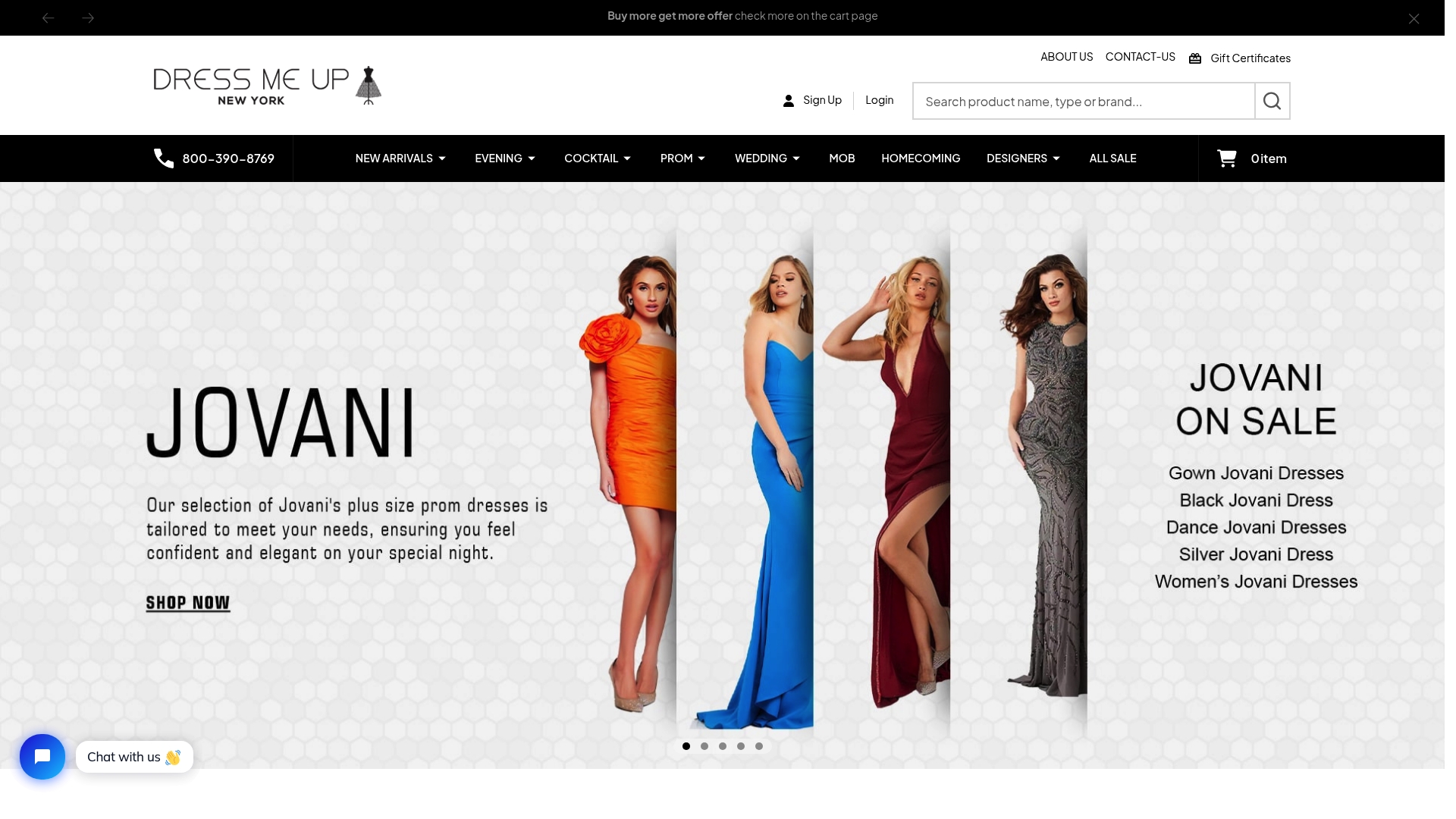
At Dress Me Up NY, our curated collections are built with exactly your needs in mind, whether you’re searching for a sculptural showstopper, a classic beaded column gown, or something that walks the line between elegant and unexpected. Browsing the DressMeUpNY couture gown collection gives you immediate access to designer-quality options across every silhouette and price range. If you’re not sure where to start, checking out current prom gown styles is a smart first move because the overlap between pageant and prom fashion in 2026 is significant, and many of our top picks work beautifully for both.
Frequently asked questions
What defines a gown as couture for pageants?
A couture pageant gown is made using high-fashion, hand-finished construction techniques and custom details tailored to the contestant and the event. As Spring 2026 couture coverage confirms, true couture involves meticulous craft tied to a conceptual narrative, not just premium fabric or embellishment.
How much should I expect to pay for a couture pageant gown?
Prices for couture pageant gowns range from several hundred to several thousand dollars depending on the designer, materials used, and level of customization involved. Budget for alterations as well, since proper fit is non-negotiable at competition level.
Does the fabric really matter for stage performance?
Yes, absolutely. Light, comfortable fabrics allow you to move confidently and respond to stage lighting the way your look is intended to. As pageant-specific guidance stresses, stage-appropriate fabrics for comfort and lightness are fundamental to a strong competition performance.
What accessories work best with a sculpted couture gown?
Minimal, elegant pieces in silver, gold, or clear stones work best with sculpted designs because they support the gown’s architecture without competing with it. As accessory harmony principles make clear, jewelry should complement and not overpower the couture garment.
Can you wear two couture gowns for different parts of one pageant?
Yes, and many serious competitors do exactly that. Selecting different couture gowns for preliminaries, evening wear, and final competition segments is common practice when budget allows, and it gives you a chance to show different dimensions of your personal style across the event.
Recommended
- Elevate Your Look: Choosing the Perfect Couture White Dress - DressMeUpNY
- How to choose boutique homecoming dresses that stand out - DressMeUpNY
- Extravagant Gown Trends: What Defines 2025 Elegance - DressMeUpNY
- Couture Mother of the Bride Dresses: A Complete Guide - DressMeUpNY