
The ultimate dress shopping checklist for every occasion

The ultimate dress shopping checklist for every occasion

TL;DR:
- Proper planning and measurements are essential to find the perfect dress for any event.
- A detailed checklist helps prevent mistakes like size issues, late delivery, or unsuitable styles.
- Coordinating accessories and doing a full try-on ahead of time boost confidence and ensure a polished look.
You pick a dress, you show up, you look amazing. That’s how it’s supposed to work, right? The reality is that dress shopping for proms, weddings, and special events is far more layered than most people expect. Skipping even one step, like forgetting to check delivery times or skipping a proper measurement, can turn your dream look into a stressful return. This guide gives you a practical, thorough checklist to follow so you shop with confidence, avoid common mistakes, and walk into your event feeling exactly the way you imagined.
Table of Contents
- Understand your event and style needs
- Measure for success: Getting the perfect fit
- Must-have dress shopping checklist: What to consider before you buy
- Finishing touches: Accessories and try-on tips
- Our take: Why a checklist is your shopping superpower
- Find your dream dress today with DressMeUpNY
- Frequently asked questions
Key Takeaways
| Point | Details |
|---|---|
| Define your event style | Understanding your event and personal style streamlines your shopping process from the start. |
| Accuracy is key | Taking precise measurements ensures a flattering and comfortable dress fit. |
| Use a checklist | A thorough checklist prevents stress and last-minute shopping regrets. |
| Plan accessories early | Coordinating accessories ahead of time creates a polished, memorable look. |
| Shop smart and early | Early, organized shopping gives you more options and less stress. |
Understand your event and style needs
Before you browse a single dress, you need to get crystal clear on what the event actually calls for. Different events require different dress codes and styles, and showing up in the wrong one is a mistake that’s hard to recover from. A black-tie gala is not the place for a cocktail-length mini, and a beach wedding is not the moment for a floor-sweeping ball gown.
Start by identifying the event type. Is it your prom, a wedding you’re attending as a guest, a Quinceañera, a gala, or a red carpet event? Each of these has its own expectations. Once you know the event, check whether there’s a stated dress code. Formal, semi-formal, cocktail, and themed events all point you toward very different silhouettes and fabrics.
Next, think about your personal style. Do you want something trendy and bold, or classic and timeless? Are you drawn to minimalist cuts or dramatic details like ruffles and sequins? Knowing this before you shop keeps you from getting distracted by beautiful dresses that just aren’t you.
Also factor in the practical side. A rooftop venue in July calls for lighter fabrics. An indoor winter gala gives you more room for velvet or heavier embellishments. These details matter more than most shoppers realize.
Here’s a quick pre-shopping checklist to run through:
- Event type: prom, wedding, gala, or other
- Dress code: formal, semi-formal, cocktail, or themed
- Your style vibe: bold, classic, trendy, or minimal
- Venue and season: indoor or outdoor, warm or cool weather
- Inspiration gathered: Pinterest board, saved images, or a mood board
Pro Tip: Build a Pinterest board or save screenshots before you start shopping. When you can visually see patterns in what you’re drawn to, it’s much easier to filter through options quickly and avoid impulse buys you’ll regret.
For more targeted advice, check out these prom dress shopping tips that walk through how to match your style to the right event look.
Measure for success: Getting the perfect fit
Once your style and event needs are clear, the next vital step is ensuring the dress fits perfectly. This is where most online shoppers go wrong. They guess their size based on what they usually wear in everyday clothes, and then the dress arrives and nothing lines up.
Here’s the thing: formal dress sizing is not the same as regular clothing sizing. A size 8 in jeans is not automatically a size 8 in a formal gown. Every brand uses its own measurements, and accurate self-measurement is essential for online dress shopping to go smoothly.
Follow these steps to measure yourself correctly:
- Bust: Measure around the fullest part of your chest, keeping the tape parallel to the floor.
- Waist: Measure around your natural waist, which is the narrowest part of your torso.
- Hips: Measure around the fullest part of your hips, usually about 7-9 inches below your natural waist.
- Length: Measure from your natural waist to the floor while wearing the heels you plan to wear.
- Compare: Take all four numbers and compare them to the retailer’s specific size chart, not a generic one.
Fit issues are the number one reason for dress returns in online shopping. Taking five minutes to measure yourself accurately can save you weeks of back-and-forth.
Also think about comfort and movement. A dress that fits perfectly while standing may feel restrictive when you sit, dance, or walk up stairs. If a dress is between sizes, consider which measurement to prioritize based on the silhouette. Mermaid and bodycon styles need more precision at the hips, while A-line styles are more forgiving.
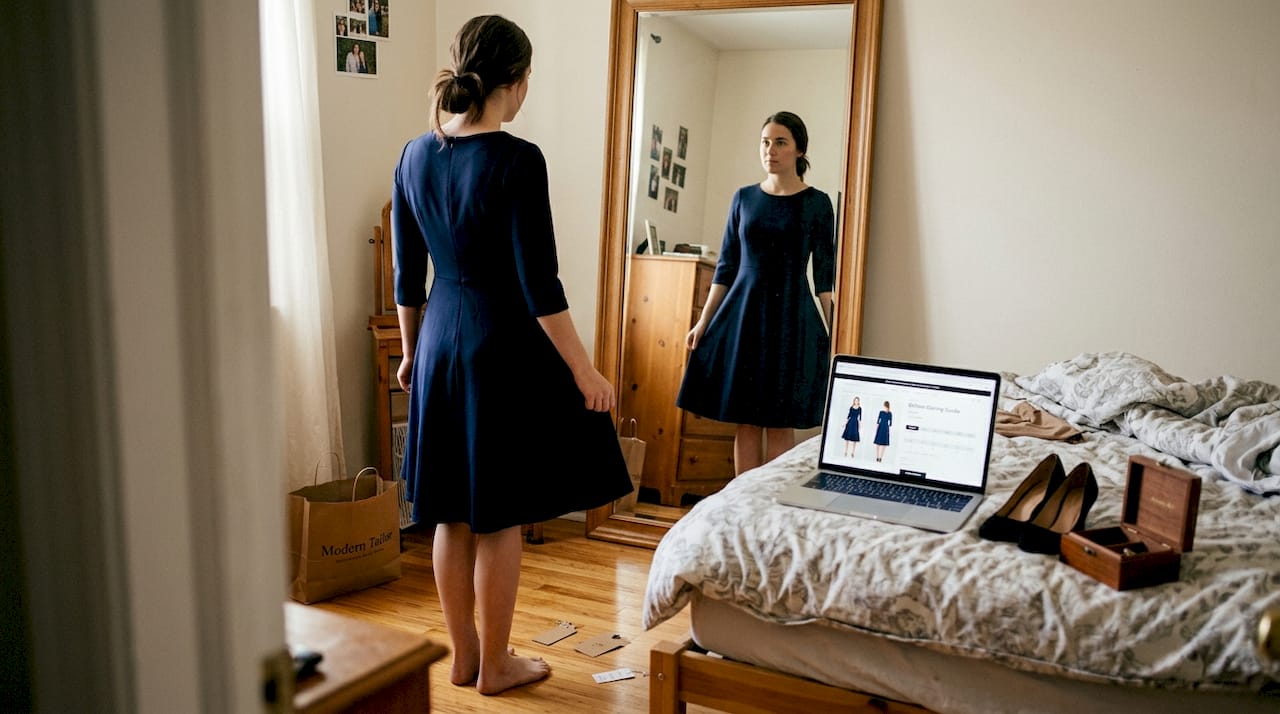
Alterations are always an option, but plan for them early. Budget an extra $50-$150 for a tailor if needed, and give yourself at least two to three weeks before the event. Use a dress sizing guide to understand how different styles fit different body types, and review a perfect fit guide before placing your order.
Pro Tip: Always measure yourself the day you plan to shop, not weeks before. Your measurements can shift slightly, and fresh numbers give you the most accurate fit.
Must-have dress shopping checklist: What to consider before you buy
With fit sorted, it’s time for the heart of this guide. A practical checklist prevents missed steps and stressful shopping, and this one covers everything from budget to return policies.
Here are the non-negotiables to check before you click “buy”:
- Budget: Set a firm number before browsing. Include alterations, accessories, and shipping in your total.
- Delivery timeline: Confirm the estimated delivery date and whether it arrives before your event with time to spare.
- Brand reputation: Read reviews on the retailer’s site and on third-party platforms.
- Fabric care: Check whether the dress requires dry cleaning or special handling.
- Customer reviews: Look specifically for comments about sizing accuracy and fabric quality.
- Return and exchange policy: Know exactly how many days you have and whether the item is final sale.
- Alteration possibilities: Check if the dress has enough seam allowance for adjustments.
| Criteria | In-store shopping | Online shopping |
|---|---|---|
| Feel the fabric | Yes, immediately | No, rely on descriptions and reviews |
| Try before buying | Yes | No, use size charts and measurements |
| Check reviews | Ask staff | Read verified buyer reviews |
| Compare prices | Limited to store | Easy across multiple sites |
| Return process | Usually straightforward | Check policy carefully |
| Delivery wait | Take it home same day | Plan for shipping time |
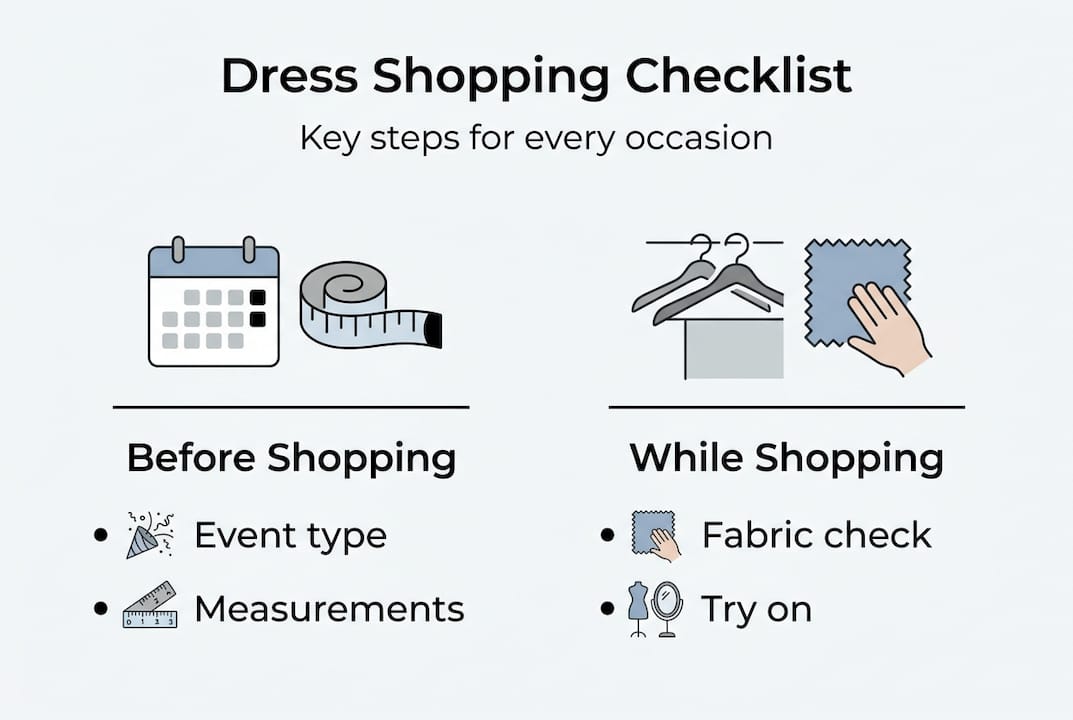
Pro Tip: Always read the return policy before you fall in love with a dress. Some retailers mark formal gowns as final sale, which means no returns. Knowing this upfront protects your budget and your peace of mind.
For more smart buying strategies, explore these outlet shopping tips and boutique shopping tips to find the best deals without sacrificing quality.
Finishing touches: Accessories and try-on tips
After your checklist is complete, elevate your look and confidence by planning the perfect finishing touches. The dress is the foundation, but accessories are what pull everything together into a full, intentional look.
The right accessories transform a good outfit into a stunning one, and the key is planning them alongside your dress, not as an afterthought. Here’s what to think about:
- Shoes: Consider heel height, color, and comfort for the length of the event.
- Jewelry: Decide between statement earrings, a delicate necklace, or a bold cuff based on your neckline.
- Bag or clutch: Match the formality of the event. A beaded clutch works for galas; a simple satin bag suits weddings.
- Hair accessories: Headbands, pins, and clips should complement your hairstyle without competing with your dress details.
- Undergarments: The right shapewear or strapless bra can make or break how the dress looks and feels.
Different dress styles call for different accessory strategies. Here’s a quick comparison:
| Dress style | Recommended shoes | Jewelry approach | Bag style |
|---|---|---|---|
| Mermaid gown | Strappy heels | Statement earrings | Small clutch |
| A-line dress | Block heels or pumps | Layered necklaces | Structured mini bag |
| Ball gown | Classic pumps | Tiara or delicate studs | Beaded clutch |
| Slip dress | Sandals or mules | Stacked bracelets | Chain-strap bag |
| Midi dress | Kitten heels or flats | Hoop earrings | Envelope clutch |
Plan a full try-on at home at least one week before your event. Put on the dress with every accessory, your shoes, and your planned undergarments. Walk around, sit down, and move naturally. This is the moment to catch any issues, like a zipper that gaps, a hem that’s too long, or shoes that need breaking in. For a full guide on pairing accessories with your look, visit how to accessorize dresses.
Our take: Why a checklist is your shopping superpower
There’s a persistent idea in fashion that the best outfits come from spontaneous, gut-feel shopping. You walk in, something catches your eye, you buy it, and it’s perfect. That makes for a great story, but it’s not how most successful dress moments actually happen.
The shoppers who consistently show up looking polished and put-together are the ones who planned. They knew their event, measured themselves, checked the return policy, and tried everything on together before the big day. That’s not boring. That’s smart.
A checklist doesn’t kill creativity. It actually frees you to be more creative because you’re not panicking about whether the dress will arrive in time or whether it will fit. Structure gives you the confidence to take style risks. You can choose the bold color or the unexpected silhouette because everything else is already handled.
We’ve seen too many shoppers rush the process and end up with a dress they don’t love, or worse, one that doesn’t fit. Following a clear process, like the one outlined in this online dress shopping guide, is what separates a stressful experience from an exciting one. Use the checklist. Own the process. Show up confidently.
Find your dream dress today with DressMeUpNY
Ready to put your checklist into action and discover your perfect look? Now that you have a clear process, the fun part begins.
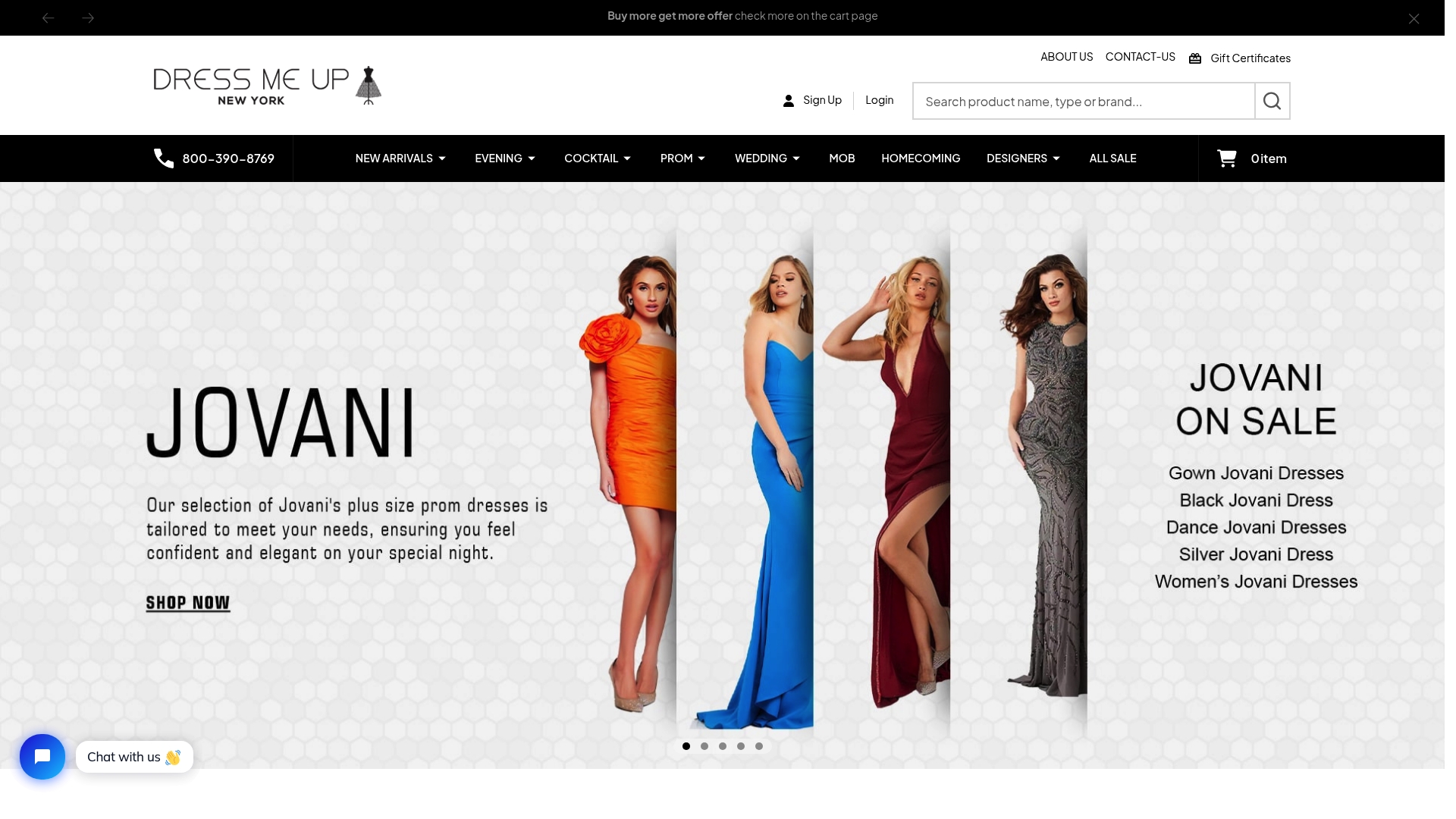
At DressMeUpNY, you’ll find a curated selection of evening gowns, prom dresses, wedding guest styles, and designer collections all in one place. Whether you’re shopping for your first prom or a milestone wedding, the catalog makes it easy to browse by style, color, and occasion. Use your checklist as your guide and let the collection do the rest. For extra inspiration before you shop, revisit the teen dress shopping guide to match your style to your event with confidence.
Frequently asked questions
What are the essential items on a dress shopping checklist?
The essentials include your event details, budget, accurate measurements, style inspiration, and a plan for accessories and return policies. Checklist items should include measurements, budget, delivery timeline, dress code, and accessories.
How do I make sure I order the right dress size online?
Measure your bust, waist, hips, and length, then compare with the retailer’s specific size chart. Accurate measurements are crucial to ordering the right size and avoiding returns.
When should I start shopping for a special occasion dress?
Shop at least 2-3 months before your event to allow time for delivery, alterations, and returns if needed. Advance shopping allows time for try-ons and any last-minute adjustments.
What accessories should I consider when dress shopping?
Plan for shoes, jewelry, a purse or clutch, and hair accessories that complement your dress style. Coordinating accessories complete your look and make the difference between a good outfit and a memorable one.
How can I avoid last-minute dress shopping stress?
Follow a checklist, shop early, and plan a full try-on with your complete look at least one week before the event. A checklist and early planning are the most effective ways to stay calm and confident on your big day.
Recommended
- Dress shopping for teens: your ultimate guide to style - DressMeUpNY
- Master Dress Outlet Shopping for Special Occasions - DressMeUpNY
- Special Occasion Dress Shops: Fashion for Life’s Events - DressMeUpNY
- Special Occasion Formal Dresses – What Every Shopper Needs - DressMeUpNY
- 7 Essential Tips for Your Vintage Shopping Checklist