
Ensuring a Wide Designer Selection for Your Online Boutique

Introduction
Ever found yourself scrolling through an online boutique, craving the excitement that comes from discovering that perfect designer piece—but instead, hitting a limited, homogeneous collection? A wide designer selection isn’t just a luxury, it’s a strategic advantage that can dramatically elevate shopper satisfaction and frustration-free browsing. Understanding how do I ensure an online boutique offers a wide designer selection? requires a deeper dive into curation strategy, supplier partnerships, and marketplace dynamics.
To begin, consider the impact of variety on customer perception and retention. According to recent industry data, nearly half of consumers prefer shopping small businesses for the unique assortment they offer, and 81% conduct research online before purchasing from a boutique—meaning a compelling range can significantly influence both first impressions and purchase decisions source.
Examining successful multi-brand luxury retailers reveals informative benchmarks. For example, Net‑a‑Porter carries over 800 designers, setting a powerful example of how breadth can signal authority and expertise in fashion e-commerce source. Meanwhile, curated platforms like Garmentory connect shoppers with more than 3,000 emerging designers across over 1,000 independent boutiques, showcasing how scale and diversity can coexist under a thoughtful, community-driven model source.
These examples underscore a key insight: offering a wide selection means balancing both established heavyweight brands and fresh, niche talent. It’s not enough to stock volume; strategic curation that reflects brand values, trend awareness, and customer desires creates real distinction in a crowded online marketplace.
In the rest of this article series, we’ll explore how to apply these principles—starting with understanding the definitions of “wide designer selection,” then moving into sourcing tactics, maintaining freshness, optimizing inventory, and measuring success. This opening lays the groundwork for a systematic approach toward elevating your boutique’s appeal and credibility.
Understanding "Wide Designer Selection"
Before delving into the methods of ensuring a diverse range of designers in your online boutique, it's crucial to understand what exactly constitutes a "wide designer selection." This term refers to offering a variety of designers whose styles, price points, and brand reputations cater to a broad customer base. By accommodating different tastes and demographics, a boutique not only attracts a wider audience but also enhances customer satisfaction and loyalty.
Diversity in Design Aesthetics
A successful online boutique must cover a multitude of design aesthetics. This means featuring designers renowned for minimalist styles, avant-garde fashion, luxury couture, and more. For example, including both emerging designers and established names like Rebecca Minkoff or Marc Jacobs, allows shoppers to explore a rich tapestry of options. This breadth satisfies both adventurous fashion explorers and those seeking timeless elegance.
Price Range and Accessibility
Price is another critical factor in determining how diverse the designer selection feels. A boutique should present options from high-end luxury items to more affordable picks, making fashion accessible to a broad spectrum of shoppers. Consider brands like Zara for fast fashion pairings alongside luxury names like Prada. This balance can cater to varied purchasing power without compromising quality or style.
Case Study: Farfetch
Farfetch provides an illuminating example of a wide designer selection strategy. They curate collections from over 700 brands worldwide, balancing well-known and niche designers. Their platform supports multiple price points and styles, evidencing a successful application of these principles. This strategy helps them maintain a competitive edge in the crowded fashion marketplace (source).
Adapting to Customer Feedback
Understanding your audience’s preferences is pivotal. Regularly analyzing customer feedback and purchasing trends can guide decisions about which designers to feature. Online tools such as Google Analytics or specific fashion trend software can provide insights into popular demand, helping boutiques adjust their inventory for optimal variety.
Incorporating these methods contributes significantly toward addressing the question, "how do I ensure an online boutique offers a wide designer selection?" By understanding and applying these diverse approaches, boutique owners can build a compelling selection that resonates across different consumer segments.
Diverse Brands and Designers: Key Considerations
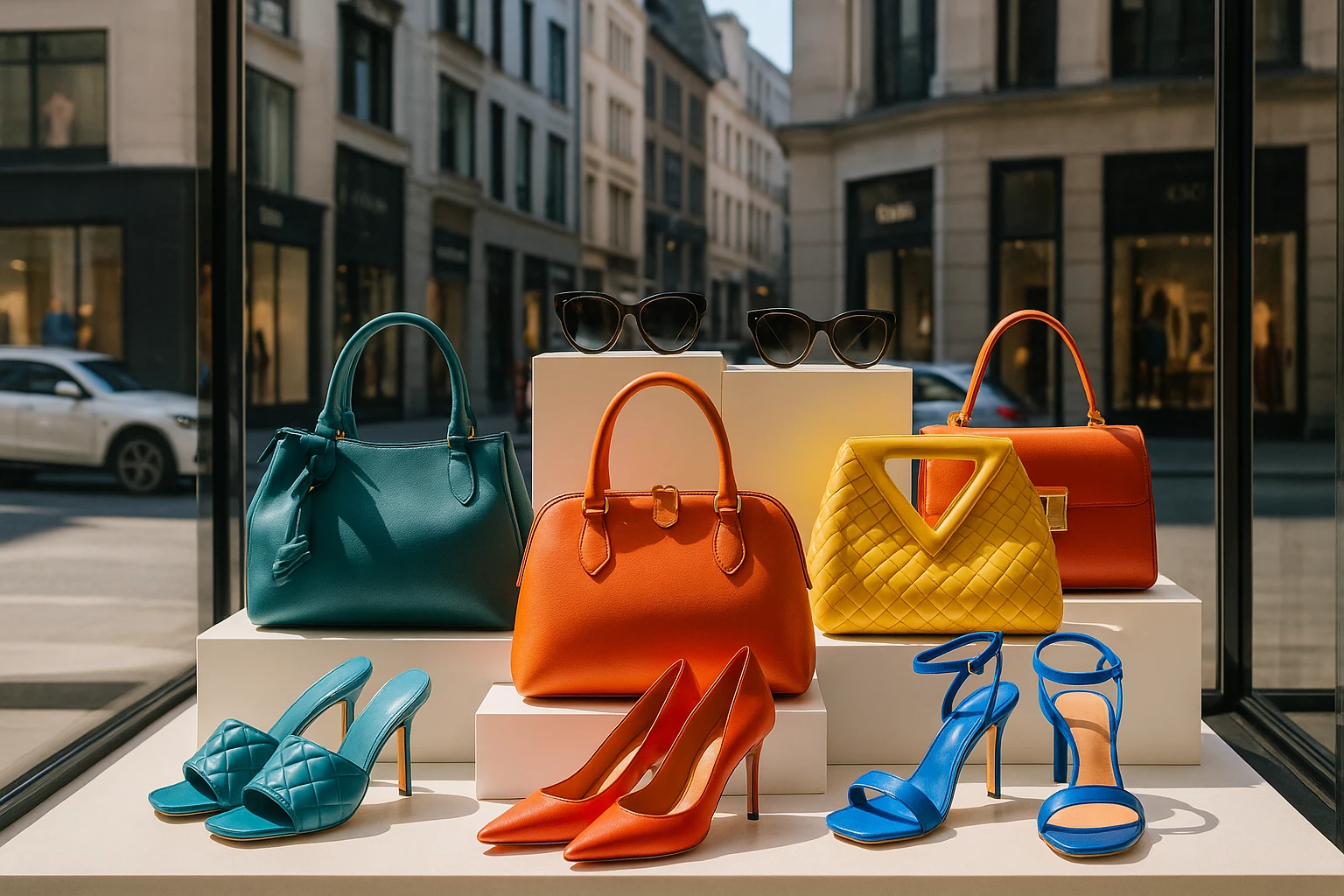
Ensuring an online boutique features a robust selection of designer brands involves several strategic steps. A boutique must balance between established powerhouses and emerging talent to offer a well-rounded inventory. One method is to prominently feature staple names like Gucci and Prada, which instantly boost credibility and attract a diverse clientele. Additionally, it's crucial to incorporate up-and-coming designers who can provide unique and fresh perspectives. By staying attuned to fashion weeks and industry reports, boutiques can identify potential trends and high-demand items, adding them to their selection promptly.
Stay Informed and Agile
Keeping abreast of fashion trends is crucial for boutiques aiming to maintain an extensive designer collection. Subscribing to fashion journals and attending trade shows are tangible ways to stay updated. Moreover, online platforms such as Vogue Business offer insights into designer trajectories and forecasted trends. These resources can help boutiques align their offerings with consumer interest, ensuring their collections reflect the latest in designer fashion.
Leverage Supplier Networks
Building strong relationships with suppliers is another pivotal strategy. A broad network of suppliers can provide access to a wider range of designer collections. Boutiques benefit from negotiating terms that allow for small batch purchases, enabling them to test new brands without significant financial commitment. Industry connections, fostered through networking events and digital forums, also offer insight into emerging designers and potential collaboration opportunities, solidifying a boutique's position as a leader in diverse offerings.
For boutiques looking to enhance their designer portfolio, comprehensive platforms like dressmeupny are invaluable. These online resources offer curated collections that emphasize variety, quality, and exclusivity, supporting boutiques in maintaining dynamic and appealing inventories.
Utilize Consumer Feedback
Regularly gathering and analyzing consumer feedback can also inform inventory decisions. Creating channels for feedback, such as online surveys or social media polls, allows boutiques to understand what designers are most sought after by their customers. This consumer-first approach not only ensures relevance but fosters loyalty by directly involving shoppers in the selection process. These insights, combined with transactional data, can help track best-selling items and guide future purchasing decisions.
Ultimately, addressing the question of "how do I ensure an online boutique offers a wide designer selection?" involves a multifaceted approach. Integrating established and emerging labels, leveraging industry resources, fostering strong supplier relationships, and utilizing consumer feedback are key strategies that ensure a dynamic and competitive boutique inventory.
Diversify Sourcing Channels to Secure a Broad Designer Mix
Building upon earlier insights, it’s essential to broaden your sourcing strategy to ensure true diversity in your designer lineup. A multifaceted approach not only widens your selection but also hedges against disruptions and limitations tied to any single supplier or model.
Attend Trade Shows and Tap Wholesale Platforms
Entering trade shows such as MAGIC, COTERIE, or Designers & Agents allows boutique owners to discover fresh designers firsthand and cultivate direct vendor relationships. These events often showcase hundreds of labels in one place, offering both visual inspection and negotiation opportunities lightspeedhq.com. Complementing these in-person experiences, wholesale marketplaces like FASHIONGO offer hundreds of emerging brands in a digital format, enabling you to test small quantities before committing fashiongo.net. This combination of physical and digital sourcing ensures a curated yet expansive roster of designers.
Mix Local Wholesale, Manufacturers, and Dropshipping Partners
Utilizing a combination of sourcing models helps maintain variety and agility. Local wholesale markets—such as those in Los Angeles or Atlanta—give boutique owners hands-on access to product quality and immediate stock availability shewin.com. Direct partnerships with manufacturers can yield exclusive items or capsule collections, enhancing uniqueness and brand differentiation. Meanwhile, strategic use of dropshipping enables experimentation with new designer pieces without tying up capital in inventory—though it requires careful vetting to retain quality and delivery standards shewin.com.
Balance Trend-Driven and Core Inventory
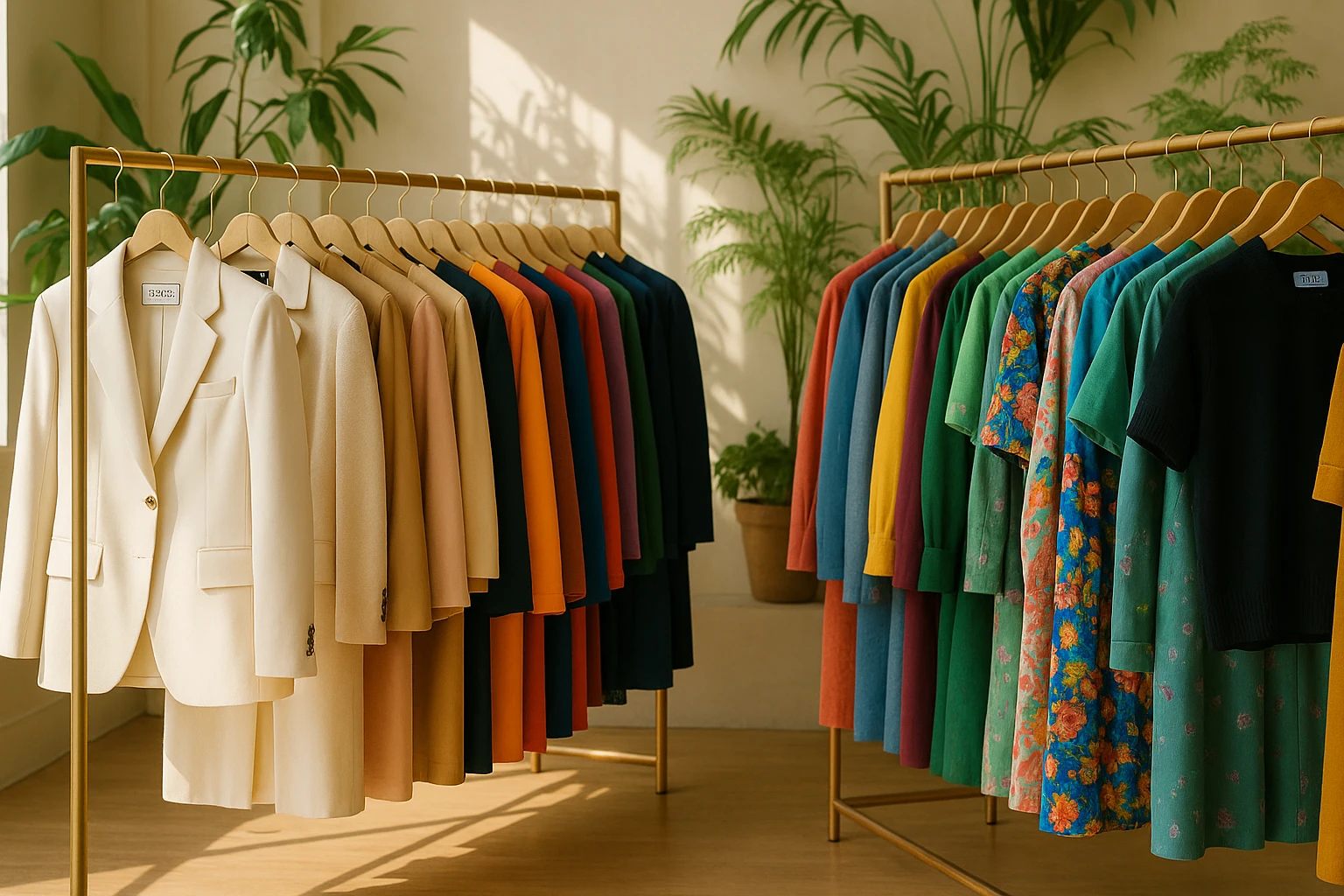
Curating a thoughtful mix of timeless staples and trend-forward items sustains both relevance and stability. Experts suggest allocating approximately 70–80% of your assortment to dependable basics—such as classic denim, versatile dresses, and accessories—while reserving 20–30% for seasonal or experimental pieces fashiongo.net. This structure empowers boutiques to remain fashion-forward without undermining consistency.
Use Data to Refine and Evolve Your Designer Selection
Relying on marketplace insights and sales data sharpens your assortment strategy. Platforms like FASHIONGO provide tools to track vendor performance and trending edits, helping you evaluate what resonates with your customers fashiongo.net. You can then reinforce successful designers while phasing out underperforming ones. Over time, this feedback loop enables your boutique to dynamically adapt and grow its designer mix based on reliable data.
By combining trade shows, wholesale platforms, local sourcing, manufacturing, dropshipping, and data-informed decision-making, boutiques can confidently answer how do i ensure an online boutique offers a wide designer selection? This layered, adaptable sourcing approach ensures you deliver both depth and freshness to your clientele.
Conclusion: Taking the Next Steps
Securing a wide designer selection for your online boutique is a strategic balance of market research, supplier collaboration, and thoughtful curation. Mastering these elements ensures not only a rich inventory but also builds a distinctive brand identity, enticing curated clientele who value diversity. Understanding market demands and preferences is essential. Start by harnessing data analytics and consumer feedback to identify trending designers and styles, ensuring your inventory appeals to a broad audience.
Building strong relationships with a variety of suppliers is another critical component. When you negotiate favorable terms and maintain open communication, suppliers are more likely to offer exclusive deals and early access to new collections. Additionally, implementing diverse sourcing strategies, such as adding new and high-potential emerging designers, enriches your boutique's offerings and attracts fashion-forward consumers seeking unique pieces. According to Business of Fashion's insights, adapting to digital trends is vital for boutiques to remain competitive.
The role of technology cannot be understated. Utilizing advanced e-commerce platforms and inventory management systems simplifies the process of showcasing and managing a diverse range of designer collections. These tools provide seamless integration with marketing strategies, enhancing visibility across various digital channels. Effective online marketing campaigns can attract potential customers who never knew your boutique offered such a vast selection.
For actionable guidance and tools, consider leveraging resources like dressmeupny. They provide comprehensive support for boutique owners looking to expand their designer selections and improve their online presence. Partnering with a knowledgeable service can streamline your operations and elevate your boutique's profile to new heights.
In conclusion, answering the question, "How do I ensure an online boutique offers a wide designer selection?" involves a multifaceted strategy focusing on research, supplier partnerships, and technology. Embrace these methods to cultivate a thriving boutique that not only meets but exceeds customer expectations. As you advance in this competitive space, keep an eye on industry trends and be prepared to adapt, ensuring sustained growth and a dynamic presence in the fashion world.