
Evening Gown Alterations Near Me: Get the Perfect Fit
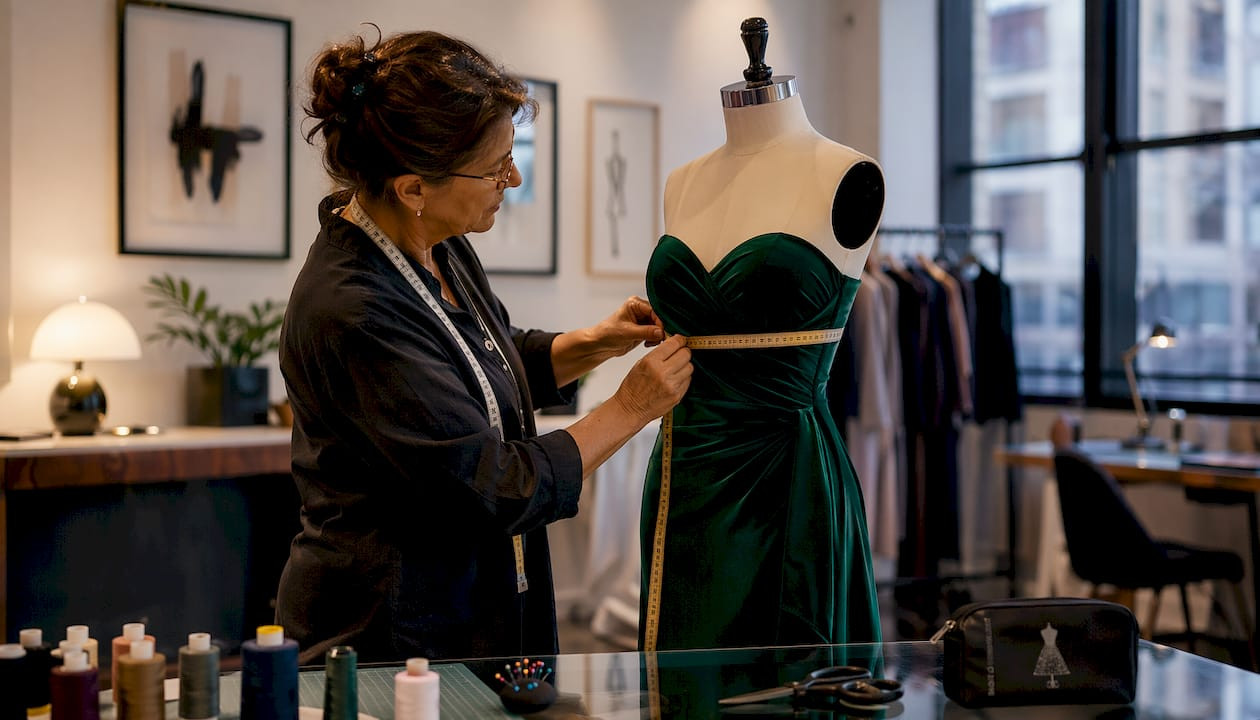
Evening Gown Alterations Near Me: Get the Perfect Fit
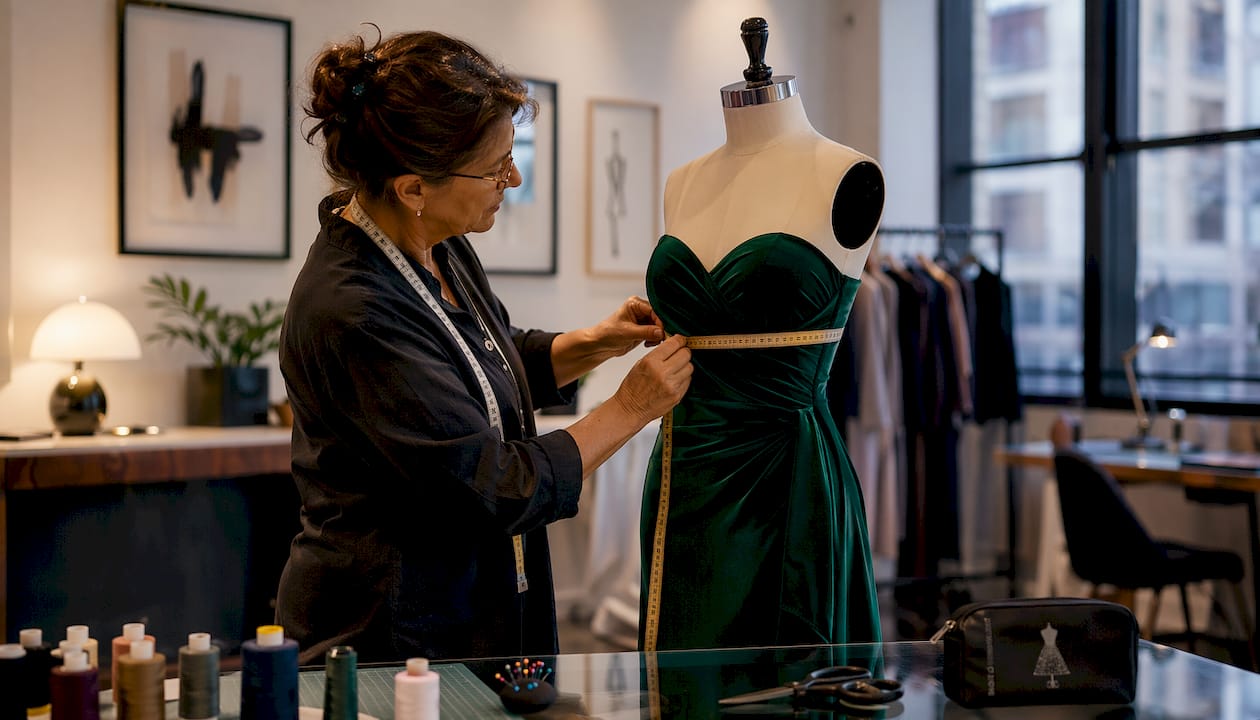
TL;DR:
- Evening gown alterations require specialized tailoring to ensure a precise and confident fit for formal events. A reputable studio handles structural repairs, embellishment restoration, and multiple fittings, unlike general tailors. Proper preparation and early booking are crucial for optimal results that enhance comfort and confidence.
Evening gown alterations are specialized tailoring adjustments that transform a formal dress from “close enough” to a precise, confident fit for any event. Searching for evening gown alterations near me is one of the most practical steps you can take before a gala, wedding, or red carpet occasion. The industry term for this work is “formal dress tailoring,” and it covers everything from hemming and waist suppression to structural repairs and embellishment restoration. Dressmeupny recommends treating alterations as a non-negotiable part of owning a gown, not an afterthought.
What do evening gown alterations near me actually include?
Evening gown alterations cover a wider range of services than most people expect. Standard alterations address fit issues, but specialized formal dress tailoring also handles structural and decorative elements that define how a gown looks and feels on your body.
Common alteration services include:
- Hem tapering — shortening or lengthening the skirt to match your exact shoe height
- Waist suppression — taking in the side seams to create a closer fit through the torso
- Side-seam adjustments — resizing the bodice or skirt width for a cleaner silhouette
- Strap reinforcement — reattaching or tightening straps that shift or sag during wear
- Neckline reshaping — raising, lowering, or restructuring the neckline for comfort and proportion
- Boning and corsetry additions — inserting internal supports to improve posture and shape
- Bra cup installation — adding built-in cups for strapless or low-back designs
- Zipper replacement — swapping out broken or misaligned zippers with invisible alternatives
- Invisible mending — repairing tears or snags in delicate fabrics without visible traces
- Embellishment restoration — reattaching or replacing beads, sequins, and lace details
Common evening gown alterations include hem tapering, waist suppression, side-seam adjustments, strap reinforcement, and neckline reshaping, with each service designed to keep the gown secure and graceful throughout the event. That range of services is why local gown alteration shops that specialize in formalwear outperform general tailors for this type of work.
Expert tailors hand-unpick and reapply embellishments such as beadwork and sequins so that alterations remain invisible and the original design stays intact. This technique is what separates a skilled formalwear studio from a basic hem-and-zip shop.
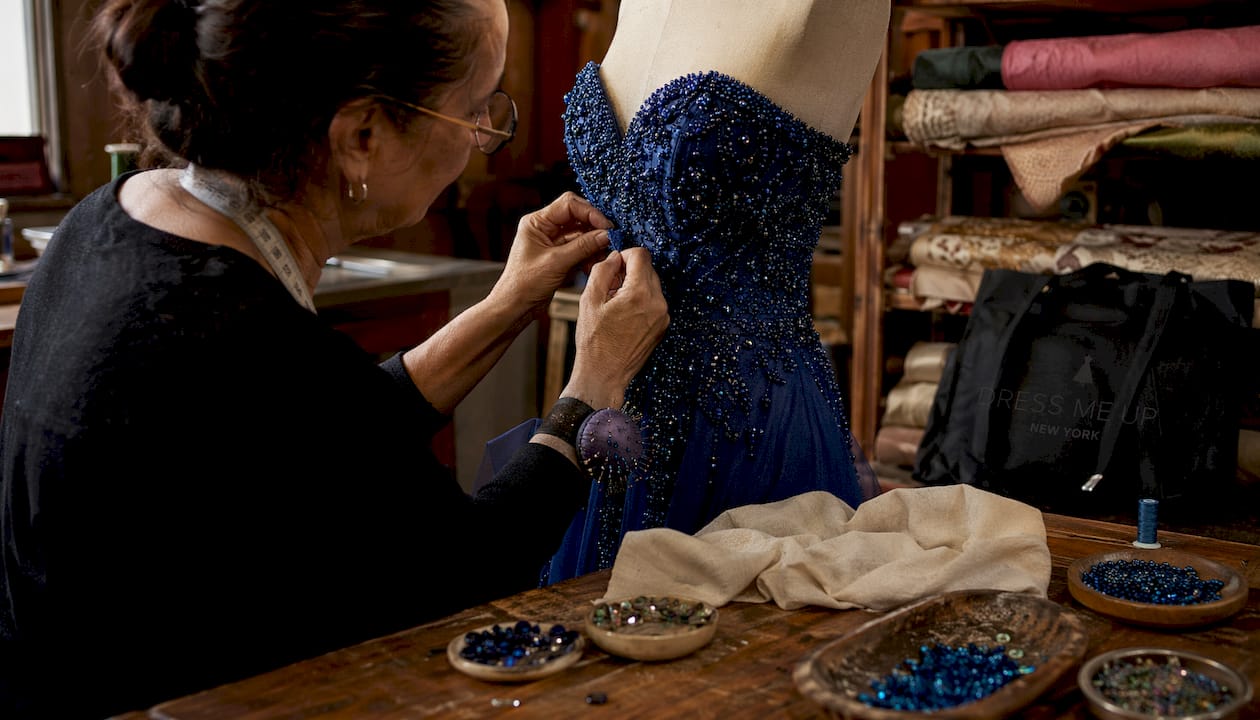
Pro Tip: Ask your tailor specifically whether they handle beadwork and lace in-house. If they send embellishment work to a third party, turnaround time and quality control become harder to manage.
How to prepare for your evening gown alteration appointment
Preparation is the single biggest factor in whether your fitting produces a great result. Arriving unprepared wastes appointment time and leads to inaccurate adjustments that require additional fittings.
Follow these steps before your appointment:
- Book early. Schedule your fitting 2–4 weeks before your event for standard alterations. Major reconstructions, such as resizing multiple sizes or restructuring a bodice, require even more lead time.
- Clean the gown first. Bring a freshly cleaned dress. Tailors work more accurately on clean fabric, and some studios will not pin or cut a soiled garment.
- Wear your event shoes. Bringing exact shoes and undergarments is critical because variations in heel height or lingerie can significantly alter the hemline and bodice fit.
- Bring your undergarments. Strapless bras, shapewear, and body tape all affect how a gown sits on your body. What you wear underneath changes the fit at the bust and waist.
- Write down your concerns. List every issue you notice: gaping at the back, a neckline that shifts, a hem that drags. Specific feedback gives the tailor a clear starting point.
- Ask the right questions. Before work begins, ask how many fittings are included, what the turnaround time is, and whether the tailor has experience with your gown’s specific fabric or embellishments.
Pro Tip: Take photos of yourself in the gown before the appointment. Front, back, and side angles help you articulate fit problems clearly and give the tailor a reference for your desired silhouette.
Timing matters more than most people realize. A gown that needs only a hem and side-seam adjustment can typically be completed in one or two fittings within two weeks. A gown requiring boning replacement or significant resizing may need three or more fittings over four to six weeks.
What is the step-by-step evening gown alteration process?
Understanding the alteration workflow removes the guesswork from your first appointment. Most reputable evening dress fitting services follow a consistent process regardless of the complexity of the work.
Initial consultation and gown inspection
The tailor examines the gown’s fabric, construction, and internal structure before touching a pin. They assess the type of lining, the placement of seams, and whether the garment has boning, corsetry, or built-in cups. This inspection determines which alterations are feasible without compromising the gown’s integrity.
Marking, pinning, and the first fitting
You wear the gown with your event shoes and undergarments. The tailor pins and marks every adjustment point directly on the fabric. This phase is collaborative. You communicate how the fit feels, and the tailor translates that into technical adjustments. Expect to stand for 20–45 minutes during a thorough first fitting.
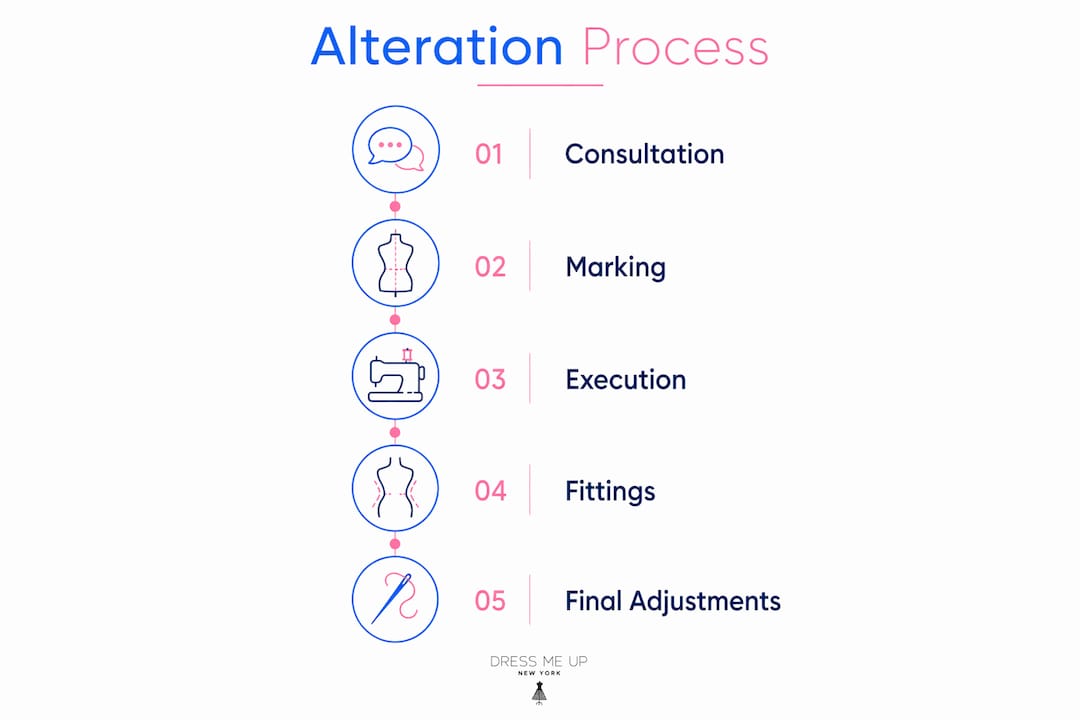
Alteration execution
The tailor unpicks seams, removes embellishments where necessary, and makes the structural changes. Careful handling of delicate internal structures and beadwork enables complex resizing of high-end gowns while preserving their silhouette. For gowns with lace or beading along seam lines, this phase takes significantly longer than a plain fabric alteration.
Follow-up fittings and final adjustments
Most formal gown alterations require at least two fittings. The second fitting confirms that all adjustments sit correctly on your body. Minor tweaks, such as a slightly shorter hem or a tighter strap, are made at this stage. A final press or steam finishes the gown before pickup.
Here is a summary of what each phase involves:
| Phase | What happens | Typical duration |
|---|---|---|
| Consultation and inspection | Fabric and structure assessment | 15–20 minutes |
| First fitting | Pinning, marking, and client feedback | 20–45 minutes |
| Alteration execution | Seam work, embellishment handling | 3–10 business days |
| Follow-up fitting | Confirmation and minor tweaks | 15–30 minutes |
| Final press and pickup | Steaming and finishing | Same day |
Troubleshooting common challenges with evening gown alterations
Even experienced tailors encounter complications with formal gowns. Knowing the warning signs of a poor alteration protects your investment and your confidence on the night of the event.
The most common challenges in special occasion dress repairs include:
- Fabric damage from aggressive cutting or incorrect seam allowances on delicate materials like chiffon, silk, and velvet
- Miscommunication about fit when a client describes a vague preference and the tailor interprets it differently
- Timing constraints when alterations are booked too close to the event, leaving no time for corrections
- Visible alteration lines where seams were not pressed correctly or embellishments were not fully restored
Signs of a poor-quality alteration include uneven hemlines, puckered seams, visible stitching on the exterior, and embellishments that sit unevenly after reattachment. If you notice any of these after pickup, return to the studio immediately. Professional tailoring services provide case-by-case assessments for emergency repairs, including invisible mending and restoration of internal structures.
Selecting the right studio is the most effective way to avoid these problems. Studios managed by fashion designers rather than standard alteration shops handle evening wear more reliably because gowns require knowledge of internal architecture like corsetry and delicate fabrics. A general tailor who excels at suits or casual wear may lack the experience to work safely on a beaded silk gown.
| Criteria | Standard alteration shop | Specialized evening wear studio |
|---|---|---|
| Fabric expertise | General fabrics | Silk, chiffon, velvet, lace |
| Embellishment handling | Limited or outsourced | In-house, hand-applied |
| Structural knowledge | Basic seam work | Boning, corsetry, bra cups |
| Emergency repair capability | Varies | Typically available |
| Designer gown experience | Uncommon | Core specialty |
Pro Tip: Before booking, ask to see photos of previous evening gown work. A studio confident in its formalwear skills will have a portfolio. One that hesitates likely handles mostly casual or workwear alterations.
Bespoke evening gown tailoring fundamentally enhances comfort and confidence, factoring in body variations and freedom of movement. That standard should apply to alterations too, not just custom-made gowns.
Key Takeaways
Successful evening gown alterations depend on choosing a specialized studio, preparing correctly for your fitting, and booking early enough to allow for multiple rounds of adjustments.
| Point | Details |
|---|---|
| Book 2–4 weeks out | Schedule your first fitting at least two weeks before the event for standard alterations. |
| Bring event shoes and undergarments | Heel height and lingerie directly affect hemline accuracy and bodice fit. |
| Choose a specialized studio | Fashion designer-led studios handle boning, corsetry, and embellishments that general tailors cannot. |
| Expect multiple fittings | Most formal gown alterations require at least two appointments for accurate results. |
| Inspect before you leave | Check hemlines, seams, and embellishments at pickup before the studio closes your order. |
What I’ve learned from watching gown alterations go wrong
The most common mistake I see is treating a formal gown like a casual dress. Clients book a general tailor because the shop is nearby and the price is lower, then arrive at their event with a hem that drags on one side or a bodice that gaps at the back. The cost savings disappear when you factor in emergency repairs or, worse, wearing a dress that does not fit.
True mastery in evening gown fitting involves understanding fabric behavior and garment balance. That is not a skill every tailor has, and price shopping without vetting experience is the fastest route to a disappointing result. I always recommend asking a studio directly: “Have you worked on a gown with this type of fabric and embellishment before?” The answer tells you everything.
The other thing most articles skip is the emotional dimension. A gown that fits correctly changes how you carry yourself. Bespoke tailoring addresses personal comfort and confidence, accommodating body variations while ensuring freedom of movement. That is not marketing language. It is the practical difference between spending an evening adjusting your dress and actually enjoying the event.
My honest advice: treat the alteration budget as part of the gown budget from the start. A $300 gown with a $150 alteration from a skilled specialist beats a $600 gown with a $40 hem from a general shop every time. The fit is what people see. The label is not.
— Dressmeup
Dressmeupny’s resources for your formalwear fitting
Finding the right gown is the first step. Getting it to fit perfectly is what makes the difference on the night of your event.
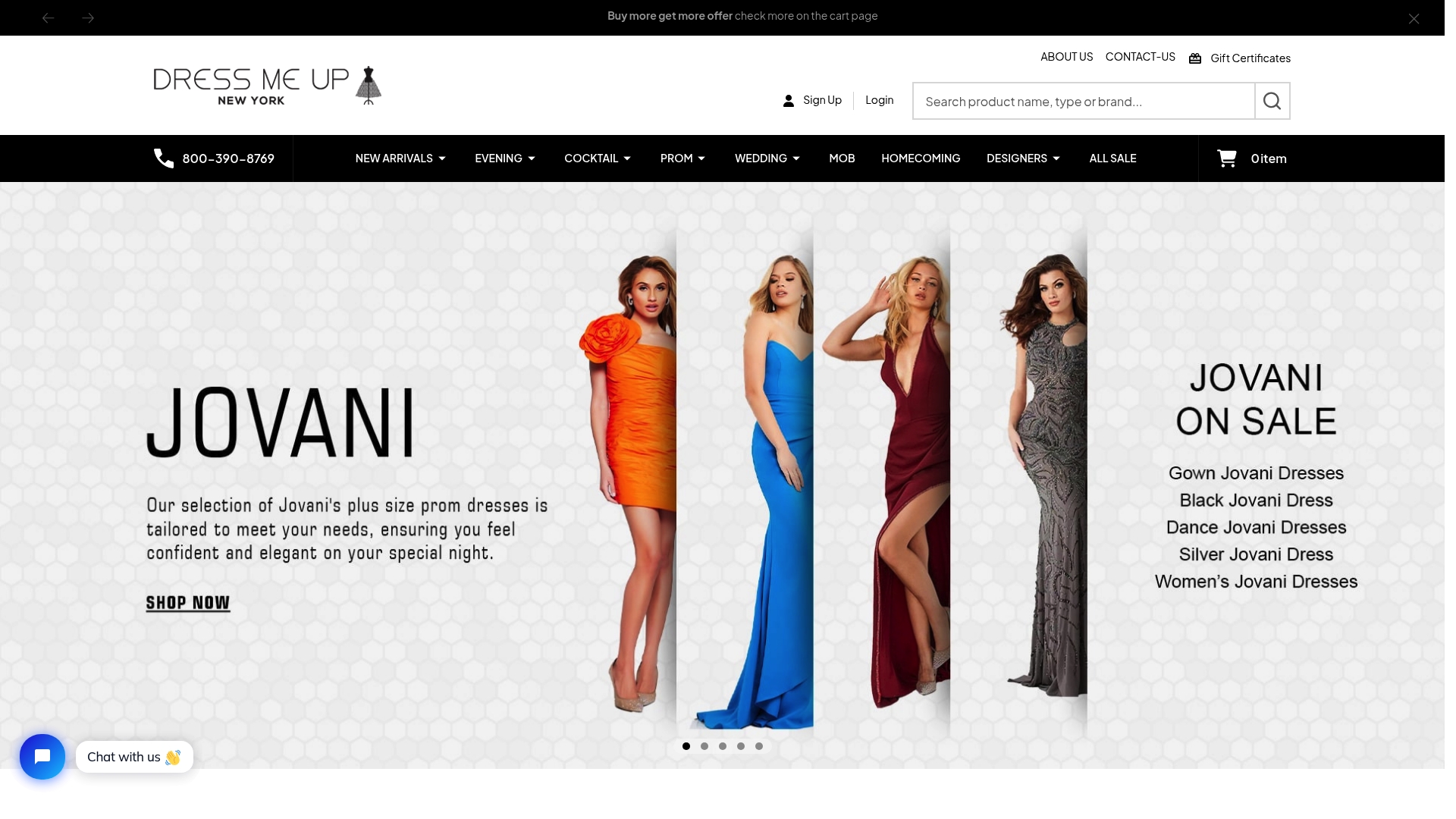
Dressmeupny carries a full range of evening gowns for formal events across styles, silhouettes, and sizes, giving you a strong starting point before you ever walk into a fitting studio. If you are working with a strapless design, the guide on strapless gown fit covers structural considerations that directly affect what your tailor will need to address. For a deeper look at why tailoring matters for special occasions, Dressmeupny’s resource on the importance of tailoring walks through the full case. Browse the full collection at Dressmeupny and plan your alteration timeline from there.
FAQ
How far in advance should I book evening gown alterations?
Schedule your fitting 2–4 weeks before your event for standard alterations. Major reconstructions require earlier booking, sometimes six weeks or more.
What should I bring to my gown alteration appointment?
Bring the exact shoes and undergarments you plan to wear at the event. Variations in heel height or lingerie directly affect hemline length and bodice fit.
How do I know if a tailor is qualified for evening gown work?
Look for studios with fashion design expertise and a portfolio of formal gown work. Studios managed by fashion designers handle the internal architecture of evening wear more reliably than general alteration shops.
Can a tailor alter a gown with beading or embellishments?
Yes, but only a skilled specialist should attempt it. Expert tailors hand-unpick and reapply embellishments such as beadwork and sequins to keep alterations invisible and preserve the original design.
How many fittings does an evening gown alteration typically require?
Most formal gown alterations require at least two fittings: one for marking and pinning, and one to confirm the adjustments. Complex resizing or structural work may need three or more appointments.
Recommended
- Evening Gowns Wedding: Choosing Elegant Formalwear - DressMeUpNY
- Create Stunning Custom Evening Gowns for Special Events - DressMeUpNY
- Evening gown styles explained: find your perfect look - DressMeUpNY
- Top Evening Gowns for Women – Expert Comparison 2025 - DressMeUpNY