
Expert Tips for Maintaining Luxury Fabrics in Formal Wear

Introduction
Picture slipping into a flawless silk tuxedo or a custom-tailored velvet gown—such luxury formal wear carries both elegance and value. Yet, without meticulous attention, these exquisite fabrics can quickly lose their luster. In this section, we explore why understanding expert care methods matters and introduce practical strategies to help preserve your wardrobe. This foundation sets the stage for deeper insights in subsequent sections, ensuring your investment remains impeccable.
High-end fabrics like silk, cashmere, velvet, and fine wool demand more than a quick run through the laundry. Industry specialists frequently stress the importance of gentle cleaning techniques. For instance, experts advise using mild, eco-friendly detergents and lukewarm water when handwashing pieces like silk blouses—any harsh chemical or high temperature risks weakening fibers or fading color Whites luxury care guide. This kind of precision not only preserves softness but also extends fabric life.
Another vital practice involves how you store and protect these valuable items. Fashion professionals consistently recommend breathable garment bags and padded or wooden hangers, avoiding plastic covers because they trap moisture and encourage mildew growth Style Rave on luxury storage. Rotating your wardrobe also allows each piece time to rest between wears, reducing stress on fibers and preventing premature wear.
Maintaining luxury fabrics is part science, part art: knowing when to clean at home, when to call professionals, and how to correctly handle and store each garment. This introduction provides a glimpse into the strategies that make a difference, including subtle yet effective practices you might not have considered—such as air-drying in shaded spaces to guard against fading, or steaming velvet from a safe distance to preserve its plush pile, as advised by textile-care professionals Southern Living velvet care.
By weaving in expert voices and real-world recommendations, this article aims to equip you with actionable, reliable guidance. Whether you’re caring for a silk evening gown or a wool formal coat, mastering these best practices will ensure that your most cherished pieces remain runway-ready and timelessly elegant. Let’s embark on this journey with confidence and precision in maintaining luxury fabrics in formal wear?
Understanding Fabric Types and Their Unique Needs
When it comes to maintaining luxury fabrics in formal wear, understanding the unique characteristics of each material is essential. Different fabrics require tailored care routines, which, when properly applied, can prolong the life and appearance of your garments. Silk, for example, is a delicate natural fiber with a smooth texture. It requires gentle handwashing or dry cleaning to retain its luster. Using a mild detergent specifically designed for silk and washing in cool water helps prevent damage.
Wool, another common fabric in formal wear, is resilient yet sensitive to shrinking and felting when exposed to heat or agitation. As per guidelines from the International Wool Textile Organization, it’s recommended to opt for dry cleaning or a gentle wash cycle with cold water and an appropriate wool detergent IWTO. Furthermore, allowing wool garments to air dry flat rather than using a dryer will help maintain their shape and texture.
Luxury fabrics like cashmere demand special attention. According to experts from the Cashmere and Camel Hair Manufacturers Institute, handwashing in lukewarm water with a mild shampoo maintains the softness and prevents pilling Cashmere Institute. Gently pressing out excess water with a towel, rather than wringing, ensures the fabric remains intact without stretching.
Protecting Against Color Fading and Wear
To keep your luxury fabrics vibrant and pristine, protecting them from direct sunlight is critical, as prolonged exposure can lead to color fading. Storing garments in a dark, cool closet, preferably in breathable garment bags, helps safeguard against UV damage and dust. For frequent wear, interchanging garments can reduce the frequency of washes, thereby minimizing wear and tear. Spot cleaning is a stylish insider trick, ideal for tackling small stains without subjecting the entire garment to a wash cycle.
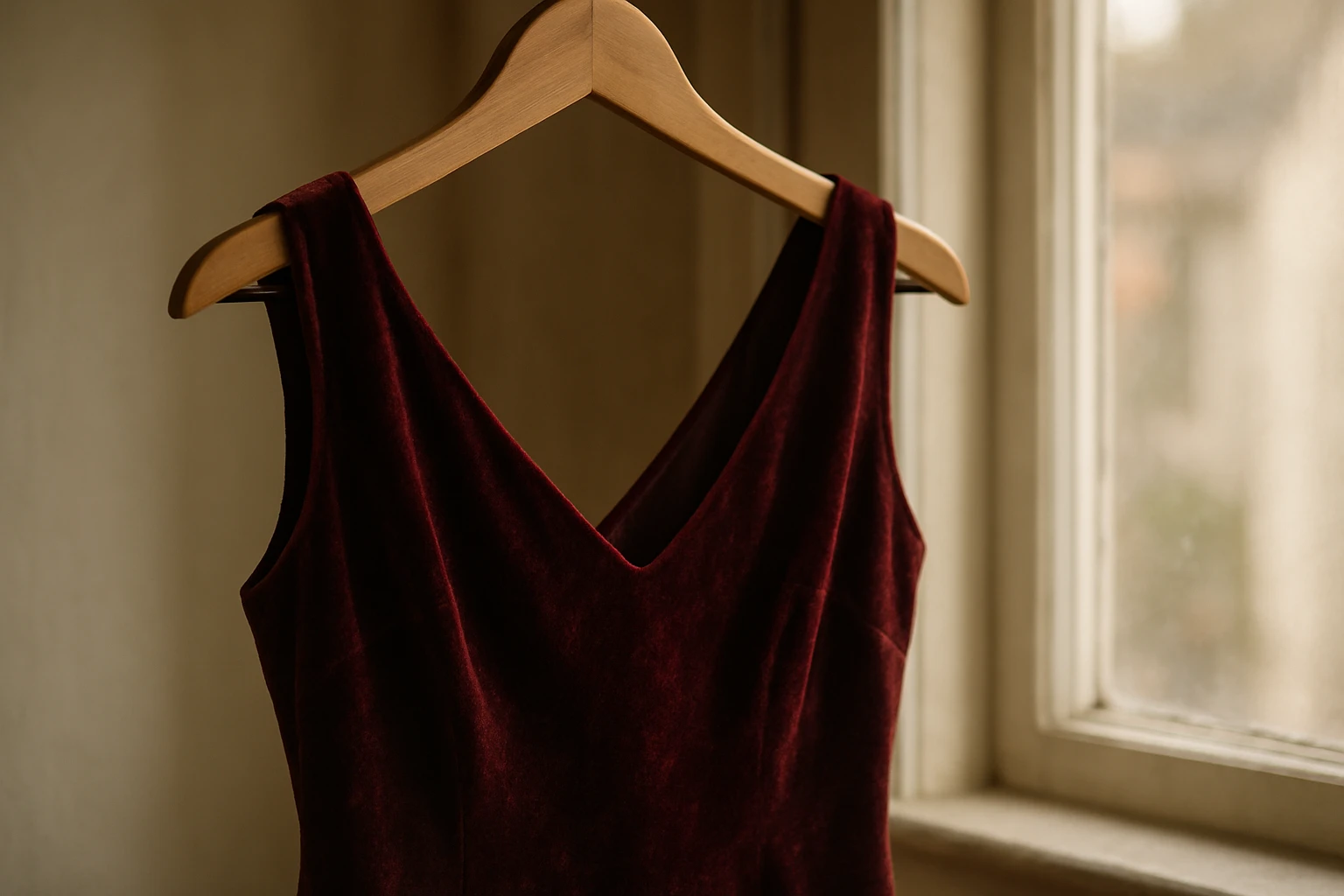
The use of padded hangers prevents awkward creases and shoulder bumps, ensuring that the garment drapes naturally. Investing in quality hangers and storage solutions can significantly enhance the longevity of your luxury apparel. By understanding the nuanced care requirements of various luxury fabrics, you're equipped to maintain the elegance and sophistication of your formal wear effortlessly.
Gentle Washing Techniques
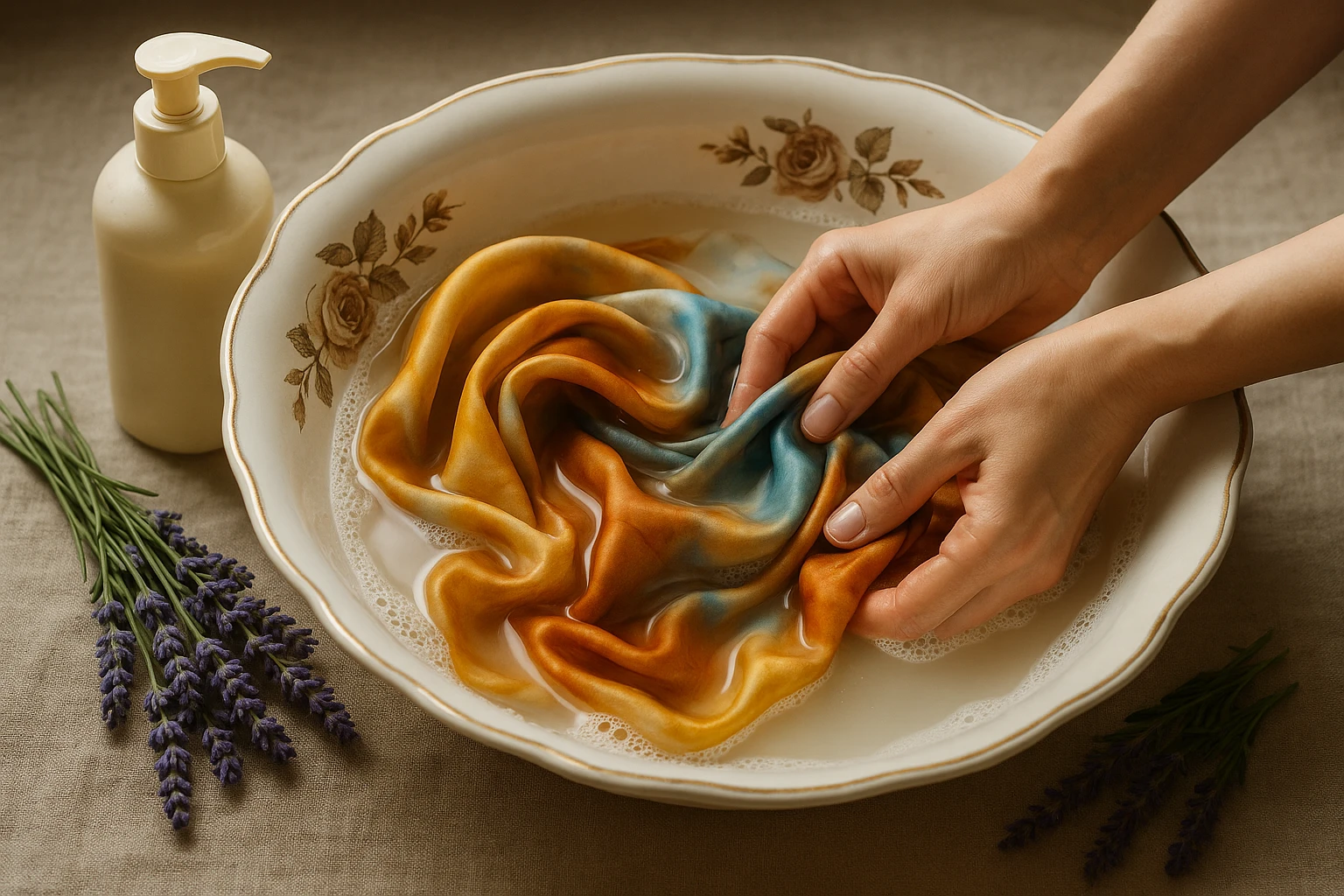
Proper washing techniques are crucial for the longevity of luxury fabrics in formal wear. Many individuals are unaware that even the gentlest machine cycles can be too abrasive for delicate fabrics like silk, cashmere, or velvet. Hand washing is often recommended for these garments, using lukewarm water and a mild detergent specifically designed for delicate materials.
When washing by hand, it's important to avoid wringing or twisting the fabric, which can cause unwanted stretching or distortion. Instead, gently submerge the garment, softly moving it through the water to allow the detergent to cleanse the fabric. A notable tip from textile care experts is to rinse thoroughly to ensure no detergent residue is left, which can dull the fabric over time.
Dry Cleaning Concerns
While dry cleaning is a popular choice for maintaining the pristine look of luxury formal wear, it is not always the best option. Certain chemicals used in the dry cleaning process can be harsh on delicate fabrics. For example, frequent dry cleaning might lead to the deterioration of the fabric's natural fibers, particularly in exquisite materials like lace and satin. A recommended approach is to opt for eco-friendly dry cleaners that utilize less aggressive solvents.
According to the American Cleaning Institute, finding a reputable cleaner who specializes in luxury fabrics can make a significant difference in garment upkeep. To determine their expertise, consider asking about their handling procedures for specific fabrics, or select dry cleaners accredited by recognized bodies like the Green Cleaners Council (American Cleaning Institute).
See What The Experts Say
Industry professionals highlight the importance of spot cleaning in maintaining luxury garments. Instead of subjecting the entire garment to cleaning processes for minor stains, targeted spot cleaning can effectively address blemishes without affecting the whole piece. Using a clean, white cloth and gentle dabbing motions can prevent the stain from spreading. This method is particularly useful for silk ties and intricate gowns with delicate embellishments.
Additionally, the Textile Institute advises that it's important to test any stain remover on a small, inconspicuous area first. This can prevent potential damage to the fabric, ensuring that the proper care is applied.
Proper Storage Strategies for Long-Term Preservation
Transitioning from stain removal methods, the next crucial step in caring for luxury formal wear is ensuring proper storage. To preserve the lifelike luster and tailored drape of high-end fabrics like silk, cashmere, and lace, a thoughtfully curated environment is essential. Maintaining the right storage system not only combats everyday wear but also guards against unseen threats like moisture, pests, and fabric fatigue.
Choose Breathable, Protective Storage Materials
It’s important to avoid plastic garment bags or airtight containers, which can trap moisture and accelerate fabric deterioration. Instead, opt for breathable cotton or linen garment bags and acid‑free archival boxes that allow air circulation while shielding fabric from dust and UV rays. Cedar blocks or lavender sachets can act as natural moth deterrents without introducing harsh chemicals into your closet ecosystem stylerave.com.
Fold or Hang with Purpose
As some luxury garments, such as silk blouses or chiffon dresses, are better hung while others, like heavy knits or embellished gowns, benefit from flat storage, match the method to the garment’s structure—and always use padded hangers to prevent shoulder distortion. Fold heavier or delicate pieces gently along natural seams and place acid‑free tissue between layers to avoid permanent creasing stylerave.com.
Monitor Your Storage Conditions
Maintaining ambient temperature and humidity within a cool, dry range—ideally around 65‑75°F with roughly 45‑55% humidity—helps prevent fiber degradation, mildew, and unwanted structural changes in the fabric. Avoid stashing luxury pieces in attics or basements where fluctuations are common. If possible, use climate‑controlled closets or include dehumidifiers to maintain consistency clothingdigest.com.
Rotate and Inspect Regularly
Even in storage, fabrics benefit from occasional attention. Unwrap, air out, and gently refold items about once a year to release any trapped moisture or scents, and inspect for early signs of insect activity, such as small holes or fibers gathering in corners. Early detection makes preservation easier, and this practice helps prevent permanent yellowing or deterioration—even in high‑value garments silkpedia.com.
By integrating these well-organized storage habits, you’re enhancing the effectiveness of your other maintenance efforts on tips for maintaining luxury fabrics in formal wear?—making your investment last with the kind of care that ensures elegance endures.
Conclusion
Maintaining luxury fabrics in formal wear is not just about preserving garments; it’s about ensuring they continue to impart elegance and sophistication each time you wear them. By mindfully following these tips, you can extend the life of your luxury pieces and keep them looking as pristine as the day they first became a part of your wardrobe.
Begin by understanding the specific needs of each fabric. Delicate materials such as silk and cashmere require gentle handling, as well as the use of appropriate cleansers to avoid unnecessary wear. Furthermore, while certain fabrics benefit from professional dry cleaning, others may fare better with home care or spot cleaning, as underscored by Consumer Reports. Knowing these nuances ensures the care process aligns perfectly with the fabric’s needs.
Another key strategy is proper storage. Utilize padded hangers and breathable garment bags to allow fabrics to maintain their shape and avoid exposure to damaging elements. Regularly airing out your garments can prevent musty odors and moth infestations, providing them with the fresh longevity that every luxury item deserves.
Additionally, act quickly on spills and stains to prevent permanent damage. As highlighted by garment experts at Fabricare, immediate action can significantly reduce the chances of a stain becoming ingrained. Keep a stain removal kit on hand during events for quick fixes, reinforcing your preparedness in preserving your attire’s immaculate appearance.
Finally, make a habit of routine inspections. Checking for loose threads, missing buttons, or any signs of wear and tear allows you to address small issues before they evolve into major concerns. This proactive measure guarantees your formal wear remains unmarred and distinguished throughout its life in your collection.
Integrating these insights into your clothing care routine empowers you to uphold the integrity of luxury fabrics in formal wear. You are invited to explore further and deepen your understanding of fabric maintenance techniques by visiting trusted resources and engaging with professionals who specialize in garment care. Together, we can celebrate the elegance and craftsmanship of luxury fashion, one carefully maintained piece at a time.
Article Generated by Soogle