
Find your perfect wedding dress style in 2026

Find your perfect wedding dress style in 2026

You’ve been told your wedding dress must be white with layers of lace and beading to look stunning. That’s outdated. In 2026, brides across the United States embrace minimalist silhouettes and soft color palettes that reflect personal style over tradition. This guide walks you through choosing a wedding gown that flatters your body, fits your budget, and aligns with today’s bridal fashion without sacrificing comfort or elegance.
Table of Contents
- Understanding 2026 Wedding Dress Trends
- Choosing A Wedding Dress That Flatters Your Body Type
- Fabric Choices And Comfort Considerations
- Accessorizing Your Wedding Dress: Strategies For Impact
- Common Misconceptions About Wedding Dresses And What To Know
- Step-By-Step Framework For Wedding Dress Selection
- Budget-Friendly Yet Stylish Wedding Dress Options
- Discover Your Perfect Wedding Dress At DressMeUpNY
- Frequently Asked Questions
Key takeaways
| Point | Details |
|---|---|
| 2026 trends favor minimalist designs | Sleek silhouettes, square necklines, and puff sleeves replace heavy embellishments. |
| Body shape determines flattering styles | A-line and empire waist gowns universally enhance curves and proportions. |
| Fabric choice impacts comfort | Natural materials like silk and cotton satin offer breathability for long ceremonies. |
| Accessories elevate your look | Delicate jewelry and modern veils complement minimalist or embellished gowns. |
| Budget-friendly options exist | Online retailers provide stylish private-label collections at lower prices. |
Understanding 2026 wedding dress trends
Bridal fashion in 2026 shifts decisively toward simplicity and self-expression. Minimalist wedding dress designs featuring sleek silhouettes, square necklines, and puff sleeves dominate runways and retail floors. These clean lines create striking visual impact without overwhelming the bride’s natural beauty.
Vintage-inspired modern gowns also rise in popularity, blending classic elegance with contemporary cuts. Brides now choose dresses that feel authentically theirs rather than following rigid traditions.
Color expands beyond traditional white. Ivory, blush, champagne, and soft pastel shades gain traction as brides seek hues that complement their skin tone and wedding palette. This trend reflects a broader cultural move toward personalized ceremonies that honor individual taste.
Key 2026 bridal trends include:
- Minimalist silhouettes with architectural details
- Square and sweetheart necklines
- Statement puff or bishop sleeves
- Soft neutral and pastel color options
- Vintage-modern hybrid designs
Understanding these trends helps you identify styles that feel current without chasing fleeting fads. Your dress should reflect who you are while honoring the aesthetic moment. For mother of the bride dresses trends, similar principles apply across generational preferences.
Choosing a wedding dress that flatters your body type
Selecting a gown that enhances your natural shape transforms how you feel on your wedding day. A-line and empire waist dresses work universally well because they skim over curves while defining the waist. These silhouettes flatter most body types without requiring extensive alterations.
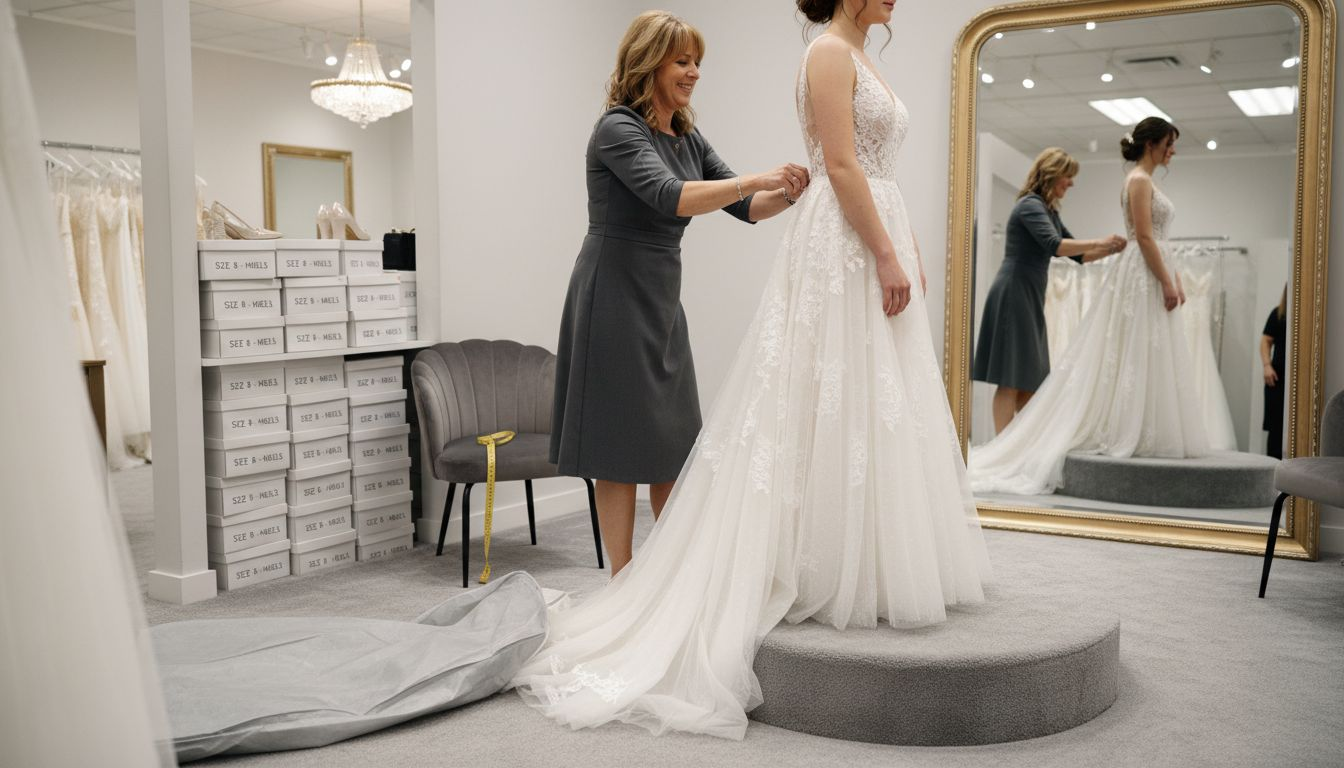
Understanding your proportions guides smarter style choices. If you carry weight in your hips, an A-line skirt balances your figure by creating visual symmetry. Hourglass shapes shine in fitted mermaid or trumpet styles that celebrate curves. Athletic builds benefit from dresses with textured bodices or ruffled skirts that add dimension.
Stylist recommendations by body type:
- Pear-shaped: A-line skirts draw attention upward while flowing over hips
- Apple-shaped: Empire waist gowns elongate the torso and create definition
- Hourglass: Fitted styles like mermaid or sheath highlight balanced proportions
- Athletic/Rectangle: Ball gowns or dresses with embellished bodices add curves
Pro Tip: Try on at least three different silhouettes even if you think you know your ideal style. Bodies photograph differently than they appear in mirrors, and unexpected cuts often surprise brides with their flattering effect.
Consult our dress styles for body types guide for detailed visuals and additional recommendations. Understanding best dress styles for body types empowers you to shop with confidence and narrow choices efficiently.
Fabric choices and comfort considerations
Fabric directly impacts how comfortable you feel during ceremonies and receptions. Natural fabrics such as silk and cotton satin provide breathability and reduce overheating compared to synthetic blends. This matters especially for summer weddings or venues without robust air conditioning.
Weight affects mobility and fatigue. Heavy fabrics like duchess satin create structure but tire you out during long wear. Lighter materials like chiffon or organza keep you cool and allow easy movement on the dance floor.
| Fabric | Breathability | Weight | Best Season | Care Requirements |
|---|---|---|---|---|
| Silk | Excellent | Light | Spring/Summer | Dry clean only |
| Cotton Satin | Very Good | Medium | All seasons | Machine washable (gentle) |
| Chiffon | Excellent | Very Light | Summer | Dry clean preferred |
| Duchess Satin | Moderate | Heavy | Fall/Winter | Dry clean only |
| Organza | Good | Light | Spring/Summer | Spot clean |
Consider your venue and season when selecting fabric. Outdoor beach ceremonies demand lightweight, breathable materials. Indoor ballroom receptions accommodate heavier fabrics that photograph beautifully under controlled lighting.
Durability matters for post-wedding preservation. Silk and cotton blends resist wrinkles better than synthetics that can permanently crease. Review fabric material comparisons to understand textile properties beyond wedding contexts.
Key fabric selection tips:
- Natural fibers breathe better than polyester blends
- Test fabric weight by holding swatches for several minutes
- Ask about washing versus dry cleaning requirements
- Consider climate and venue temperature control
Accessorizing your wedding dress: strategies for impact
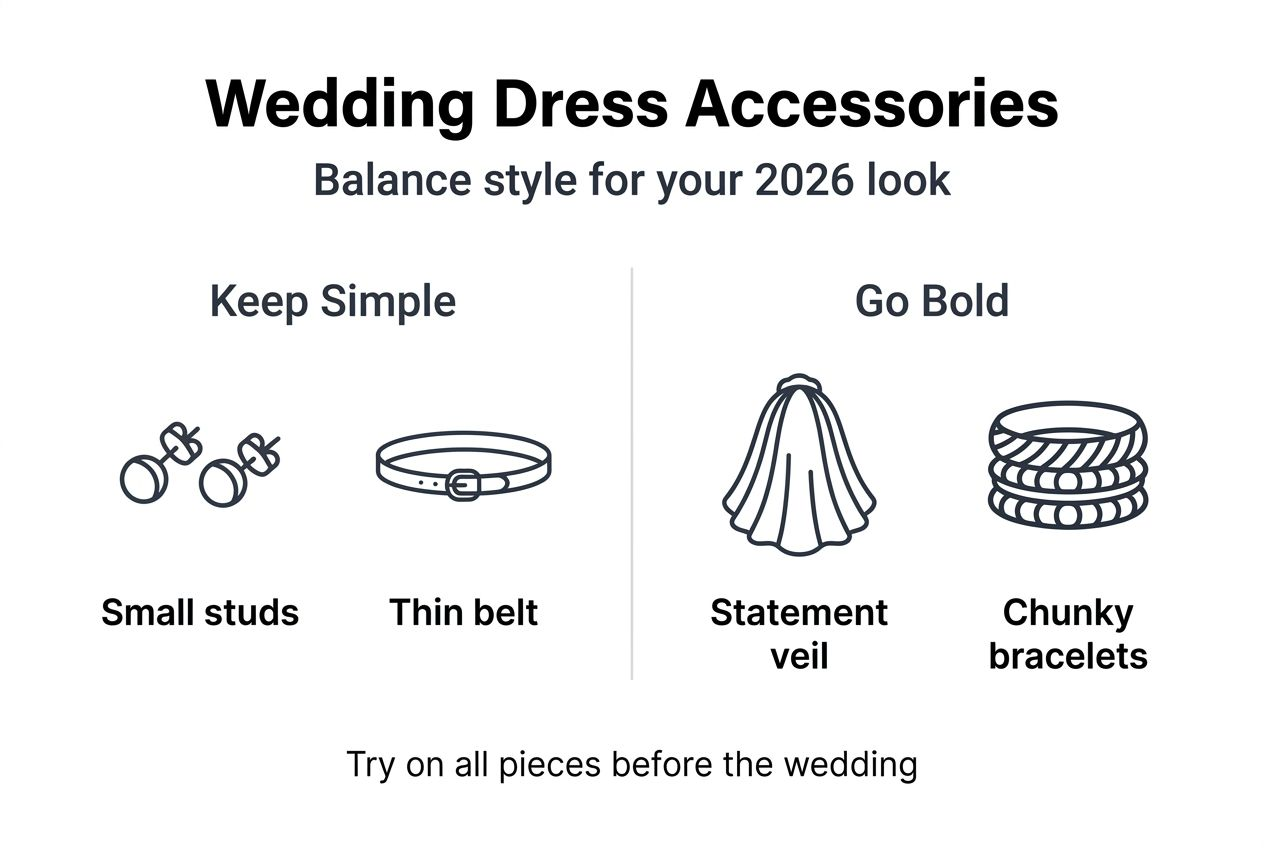
Accessories complete your bridal look by adding personality and polish. The right pieces elevate minimalist dresses without competing for attention. For embellished gowns, restrained accessories prevent visual overload.
Veils remain popular but evolve in style. Cathedral-length veils suit formal church weddings while fingertip or birdcage styles complement intimate ceremonies. 2026 trends favor sheer tulle veils with minimal embroidery that don’t distract from dress details.
Jewelry coordination depends on neckline. Strapless and sweetheart necklines pair beautifully with statement necklaces. High necklines or detailed bodices call for delicate earrings and skip the necklace entirely.
2026 accessory trends:
- Layered delicate gold or silver necklaces
- Oversized pearl or crystal earrings
- Modern headpieces replacing traditional tiaras
- Colored shoes that peek from hem (blush, champagne, metallics)
- Minimal bracelets or stackable rings
Pro Tip: Wear your accessories during your final dress fitting to see how everything works together under different lighting. What looks perfect at home may overwhelm in bright venue lights or wash out in photos.
Balance is everything. If your dress features intricate beadwork, choose simple jewelry. Plain silk gowns welcome bolder statement pieces that add visual interest. Your accessories should enhance, not compete with, your overall aesthetic.
Common misconceptions about wedding dresses and what to know
Several myths about bridal gowns persist despite changing fashion norms. Understanding these misconceptions prevents costly mistakes and buyer’s remorse.
Myth one: wedding dresses must be white. This outdated belief ignores how color choices now express individuality. Ivory, blush, and champagne suit various skin tones better than stark white. You’re not breaking tradition by choosing a hue that flatters you.
Myth two: more embellishments equal more glamour. Many brides mistakenly assume heavier embellishments always enhance glamour; excessive beading adds weight and reduces mobility. You’ll feel the difference after wearing a heavily decorated gown for hours. Simplicity often photographs more elegantly.
Myth three: online shopping guarantees perfect sizing. E-commerce growth brings convenience but creates challenges. Sizing varies wildly between brands, and you can’t assess fabric texture through screens. Many brides order multiple sizes expecting easy returns, only to face restocking fees and tight timelines.
In-person try-ons remain valuable for confirming fit and fabric feel. Touch the material, test mobility by sitting and walking, and see how light interacts with embellishments. These sensory details impact satisfaction but disappear in online photos.
Common wedding dress myths:
- White is mandatory (false: color choices are personal)
- Bigger budget means better dress (false: construction quality matters more)
- Sample size dresses can’t be altered (false: most gowns alter up or down two sizes)
- Online reviews tell the whole story (false: fit varies by body type)
Avoid common online shopping mistakes by verifying return policies and reading size charts carefully. Understanding these truths supports smarter purchasing decisions.
Step-by-step framework for wedding dress selection
Follow this seven-step process to navigate bridal gown shopping with clarity and confidence.
-
Set a realistic budget: Determine what you can spend including alterations and accessories. This immediately narrows your options and prevents impulse purchases that strain finances. Allocate 10% of your total wedding budget to your dress as a starting guideline.
-
Research 2026 trends: Browse bridal magazines, Pinterest boards, and retailer websites to identify styles that resonate. Save images of gowns you love and note common elements like necklines or silhouettes.
-
Identify your body type: Honestly assess your shape using the categories discussed earlier. This focuses your search on flattering cuts rather than aspirational styles that don’t suit your proportions.
-
Select appropriate fabrics: Consider your venue, season, and comfort preferences. Choose breathable natural fibers for warm weather or heavier satins for winter elegance.
-
Plan accessory pairings: Decide on jewelry, veils, and shoes that complement your dress choice. Buy these items early so you can coordinate colors and styles during fittings.
-
Attend multiple try-ons: Book appointments at 3-5 retailers to compare options. Bring a trusted friend who gives honest feedback without projecting their preferences onto you.
-
Make your decision: Balance all factors including fit, style, budget, and gut feeling. Trust yourself when something feels right rather than overanalyzing every detail.
Pro Tip: Start shopping 9-12 months before your wedding date. This allows time for ordering, alterations, and addressing any issues without last-minute panic. Rush orders cost significantly more and limit your choices.
Consult stylists during try-ons for professional perspective. They’ve dressed hundreds of brides and spot fit issues you might miss. Focus on comfort over trends because you’ll wear this dress for 8-12 hours straight.
Budget-friendly yet stylish wedding dress options
Affordable bridal gowns don’t require style sacrifices. Online retailers offer substantial discounts on private-label collections that rival boutique quality. These direct-to-consumer brands eliminate middleman markups while maintaining construction standards.
A-line cuts dominate budget-friendly categories because their simple construction reduces manufacturing costs. These universally flattering styles prove you don’t need complex designs to look stunning.
| Shopping Channel | Average Price Range | Pros | Cons |
|---|---|---|---|
| Online Retailers | $300-$800 | Lower prices, wide selection | Sizing uncertainty, can’t touch fabric |
| Bridal Boutiques | $1,500-$3,000 | Expert fitting, try before buying | Higher prices, limited inventory |
| Sample Sales | $400-$1,200 | Designer gowns at discounts | Limited sizes, final sale |
| Pre-owned | $200-$600 | Significant savings | Wear and tear, alteration costs |
Verify dress quality on tight budgets by:
- Reading detailed customer reviews about fabric weight and construction
- Checking seller reputation and return policies
- Examining seam quality and lining in product photos
- Asking about fabric content percentages (higher natural fiber content = better quality)
Explore affordable bridesmaid dress tips that apply equally to bridal gown shopping. Look for affordable A-line wedding dresses that balance cost with elegant silhouettes.
Budget shopping strategies:
- Shop off-season sales (winter for summer dresses, vice versa)
- Consider trunk shows for designer access at lower prices
- Ask about floor sample discounts on display gowns
- Compare budget quality options across retailers before committing
Smart shopping enables stylish choices without financial stress. Your dress budget shouldn’t compromise other wedding priorities or your financial health.
Discover your perfect wedding dress at DressMeUpNY
Ready to find a gown that reflects your style and fits your budget? DressMeUpNY’s wedding dress collection showcases 2026’s hottest trends including minimalist silhouettes and vintage-modern hybrids. Our curated selection features dresses for every body type with expert styling guidance available to help you choose.
Explore affordable A-line dresses that deliver elegance without stretching your budget. Our platform combines quality construction with accessible pricing so you can shop confidently. Browse collections organized by silhouette, color, and price range to streamline your search. Start your wedding dress journey today with trusted support every step of the way.
Frequently asked questions
Can I mix traditional and modern wedding dress elements?
Absolutely. Pair a classic A-line silhouette with modern details like puff sleeves or a square neckline. This blend honors tradition while expressing contemporary style. Many 2026 designs intentionally merge vintage cuts with current embellishments.
How much should I budget for wedding dress alterations?
Alterations typically cost $200-$500 depending on complexity. Hemming, taking in the bodice, and adding bustle points are standard. Complex changes like restructuring the neckline or adding sleeves cost more. Budget 15-20% of your dress price for alterations.
What’s better: shopping online or visiting bridal boutiques?
Each offers advantages. Online retailers provide lower prices and wider selection but lack tactile assessment. Boutiques offer expert fitting and immediate try-ons at higher prices. Combine approaches: research online, try on in stores, then decide where to purchase based on your priorities.
How do I care for my wedding dress after the ceremony?
Professional cleaning within two weeks prevents stains from setting permanently. Choose a cleaner specializing in wedding gowns who uses gentle processes for delicate fabrics. Store your dress in acid-free preservation boxes away from light and humidity to maintain condition for years.
What if my dress doesn’t fit perfectly on the wedding day?
Schedule your final fitting one week before the wedding to address any issues. Keep a emergency sewing kit with safety pins, needle and thread, and fashion tape at your venue. Assign a bridesmaid to handle minor repairs so you can focus on enjoying your day without stress.
Should my accessories match my dress color exactly?
No. Subtle contrast often looks more sophisticated than exact matches. If you wear an ivory dress, champagne or blush shoes add visual interest. Metallic accessories in gold or silver complement any dress color without competing for attention.
Recommended
- Types of elegant dresses: find your perfect 2026 style - DressMeUpNY
- Destination Wedding Dress Ideas 2025: Trendy Looks for Every Style - DressMeUpNY
- New Mother of the Bride Dresses: 2026 Trends & Choices - DressMeUpNY
- What to Wear as Wedding Guest: Stylish Outfits for 2025 - DressMeUpNY