
Winter Formal Attire: What to Wear and How to Buy
Winter Formal Attire: What to Wear and How to Buy
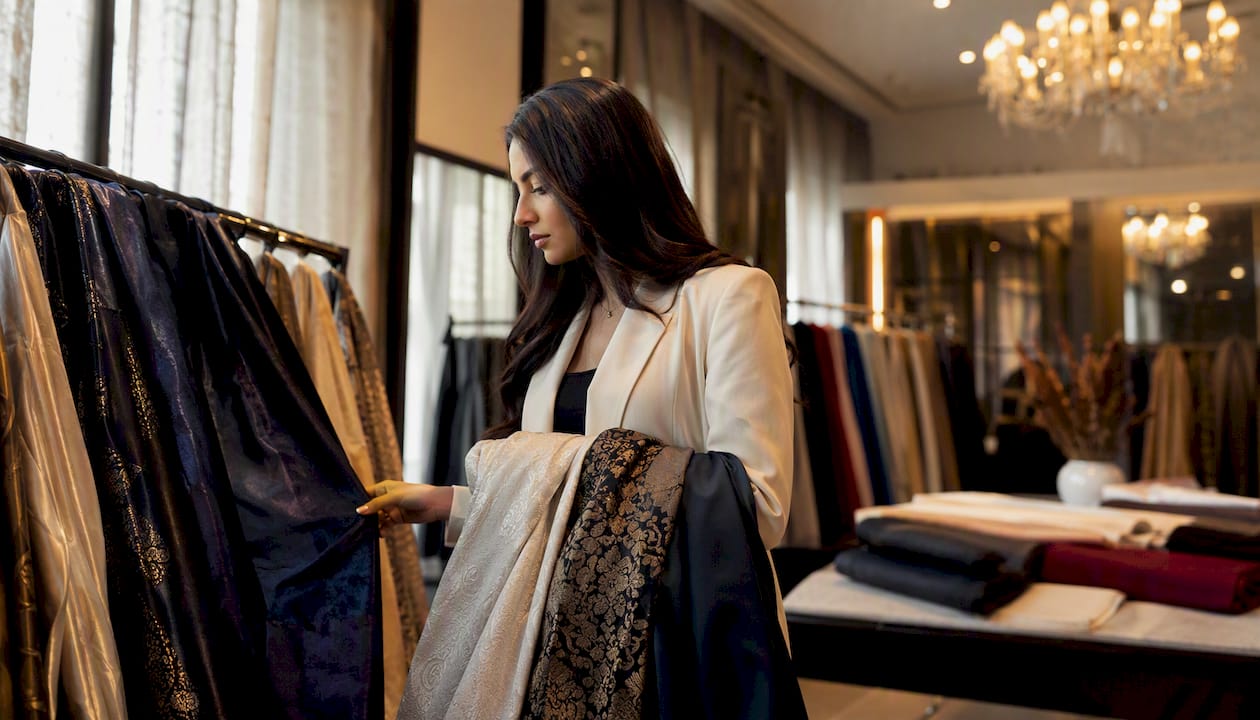
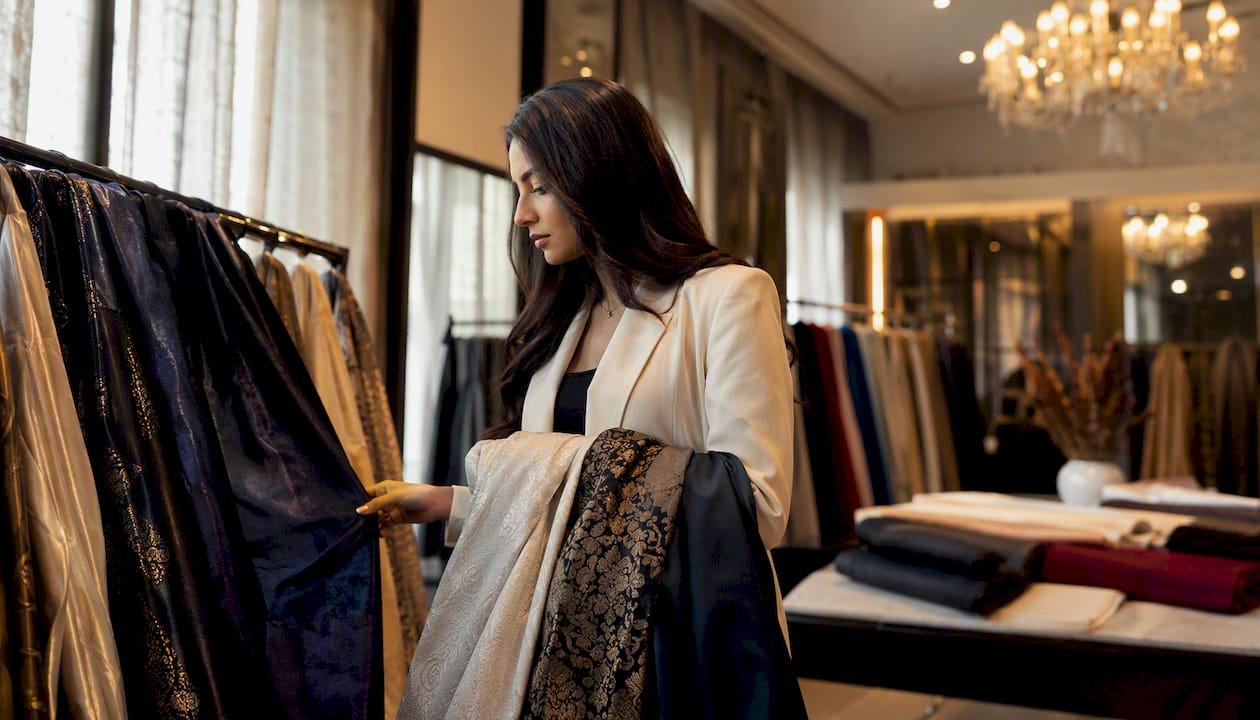
A complete winter formal outfit needs four things: a heavyweight or lined formal fabric, a floor- or tea-length silhouette, a dressy outer layer, and closed-toe formal shoes. Get all four right and you look polished in photos, stay warm during transit, and meet the dress code from the moment you walk in. Nail only two or three and something always feels off, whether that’s a shivering walk from the car or a hemline that photographs awkwardly against snow-dusted pavement.
Here’s what each element actually does for you:
- Heavyweight or lined fabric (velvet, duchess satin, brocade, lined sequins, heavy crepe) provides structure and warmth without a bulky underlayer.
- Floor- or tea-length silhouette reads as formally appropriate at galas, proms, and winter weddings while covering more skin than a cocktail-length cut.
- Dressy outer layer (long wool coat, cape, faux-fur stole) protects the look during transit and photographs as part of the outfit, not an interruption of it.
- Closed-toe formal shoes keep feet warm, handle icy sidewalks better than open sandals, and stay proportional under a long hem.
Before you shop, measure your bust, waist, high hip, and hem-to-floor in your event shoes, then reserve a tailor slot. Dressmeupny’s winter formal outfit guide walks through measurement steps and alteration timing in detail.
Key Takeaways
Formal attire for winter works best when outerwear, fabric, and shoes are chosen as a single coordinated outfit rather than separate decisions.
| Point | Details |
|---|---|
| Fabric first | Choose velvet, duchess satin, brocade, or lined sequins; avoid unlined lace or thin chiffon. |
| Coat as part of the look | Long wool coat or cape hem should fall at or below the dress hem for a clean silhouette. |
| Color by sub-season | Deep, Cool, and Bright Winter types each have distinct best hues beyond the generic “jewel tone” rule. |
| Measure in your event shoes | Hem-to-floor measurement changes by 1–2 inches with heels; always measure wearing the shoes you’ll wear. |
| Dressmeupny for curated options | Browse lined, season-appropriate gowns and plus-size fits with a sizing guide and domestic shipping. |
Table of Contents
- What are the best outfit formulas for winter formal events?
- Which fabrics actually work for winter formalwear?
- How do you choose the right color for a winter formal?
- What outerwear actually complements a formal gown?
- What shoes and accessories keep you warm and photo-ready?
- How do you get the fit right, including for plus sizes?
- When should you order, and what does a complete outfit cost?
- Dressmeupny makes winter formal shopping straightforward
- What most people get wrong about winter formal dressing
- Sources
What are the best outfit formulas for winter formal events?
Think of these as copy-paste recipes. Each one covers silhouette, fabric, outerwear, shoes, and one key accessory. Swap the outerwear suggestion if your venue is fully heated and you want a sleeker look.
- Indoor gala / black-tie dinner: Floor-length velvet gown + long wool coat for arrival + strappy block-heel pump + chandelier earrings. Swap: a dramatic cape instead of the coat for extra photo impact.
- Outdoor winter ceremony: Heavy satin A-line + tailored wool coat (knee-length or longer) + closed-toe kitten heel + faux-fur stole to drape over shoulders during the ceremony.
- Semi-formal winter wedding guest: Tea-length brocade dress + fitted blazer + dressy ankle boot + simple pearl or crystal drop earrings. Check semi-formal winter wedding dress ideas for fabric and length options.
- Prom / winter formal dance: Sequined floor-length gown (fully lined) + faux-fur stole + strappy heeled sandal (closed-toe preferred for icy parking lots) + small beaded clutch.
- Corporate black-tie: Crepe column gown + tailored long blazer or bolero + pointed-toe closed pump + minimal gold or silver jewelry.
- Plus-size winter formal: Empire-waist or A-line silhouette in heavy crepe or velvet (both forgive and flatter) + long wrap coat + block heel for stability + statement earrings to draw the eye upward.
For partially outdoor or poorly heated venues, layer a thin thermal camisole under the bodice and choose fleece-lined tights. The thermal layer adds warmth without changing the dress’s outer silhouette.
Pro Tip: For the plus-size formula, ask your tailor specifically about seam allowance. A dress with generous seam allowance can be let out or taken in after the event, giving you more flexibility if your size shifts slightly between ordering and wearing.
Which fabrics actually work for winter formalwear?
Heavier, lined fabrics such as velvet, duchess satin, brocade, and heavy crepe are the standard recommendation for winter formal events. They provide warmth, hold their structure under a coat, and photograph with depth and richness that thin fabrics simply can’t match. Unlined lace or thin chiffon works only when fully lined with a warm underlayer.
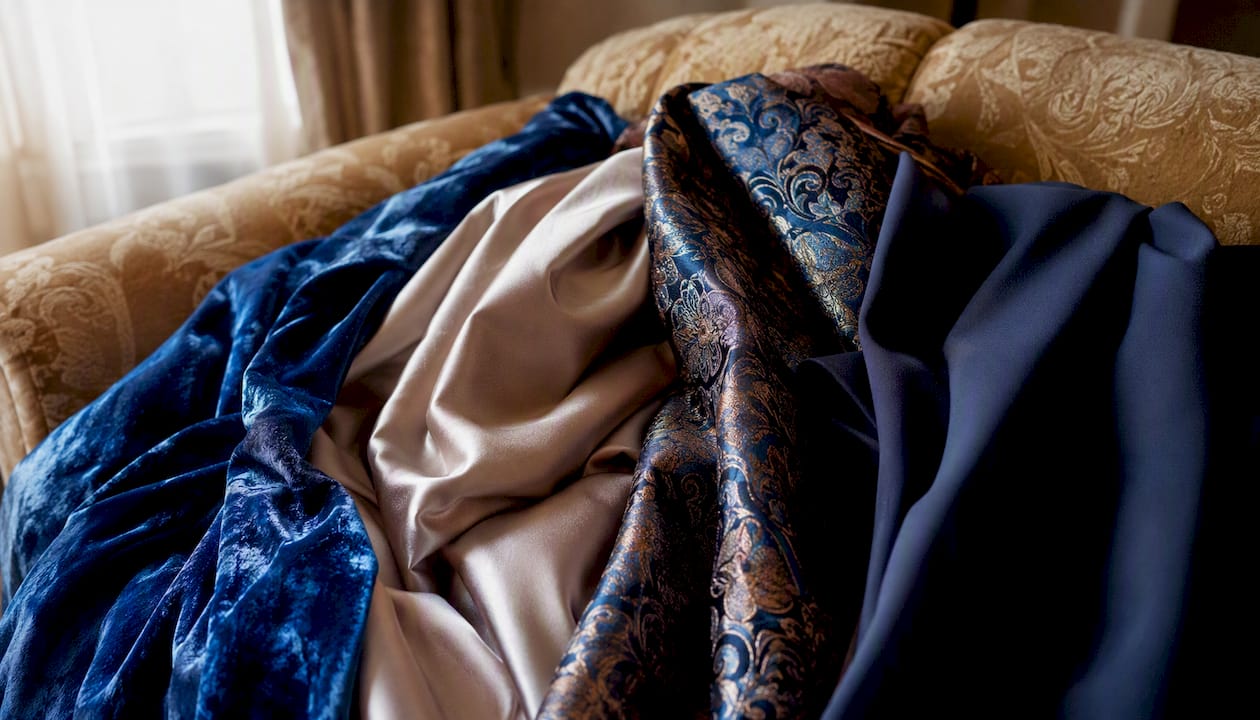
| Fabric | Best event match | Why it works | Care / lining note |
|---|---|---|---|
| Velvet | Galas, black-tie dinners, winter balls | Rich texture, natural warmth, photographs with depth | Dry clean; prone to static, use anti-static spray |
| Duchess satin | Proms, weddings, formal dances | Structured drape, reflects light beautifully | Dry clean; line with crepe or jersey for warmth |
| Brocade | Galas, holiday formals | Built-in pattern adds visual interest, minimizes need for heavy accessories | Dry clean; self-structured, rarely needs lining |
| Heavy crepe | Corporate black-tie, semi-formals | Matte finish, minimal static, forgiving fit | Machine wash cold or dry clean; pairs well with thermal underlayer |
| Lined sequins | Prom, New Year’s formals | Festive, warm when fully lined | Dry clean; handle gently to avoid snag |
A few quick warnings: velvet generates static in dry winter air, so keep an anti-static spray in your clutch. Sequined gowns can snag on coat linings, so choose a coat with a smooth satin interior. Unlined lace is beautiful but cold; if you love lace, ask specifically for a fully lined version.
Pro Tip: Test your fabric’s color under the venue’s artificial lighting before the event. Photographs and venue lighting deepen fabric color, so a burgundy velvet that looks wine-red at home may read almost black in photos. Hold a fabric swatch under warm indoor light to check.
How do you choose the right color for a winter formal?
The blanket advice to “wear jewel tones” is a starting point, not a complete answer. Winter formalwear works best in neutrals like black, navy, and charcoal and in jewel-tone accents such as royal blue, deep burgundy, fuchsia, and dark emerald, but the exact shade that flatters you depends on your winter sub-season.
Safe neutrals for any Winter type: black, navy, charcoal, pure white, and icy silver.
Sub-season breakdown:
- Deep Winter: High contrast is your strength. Reach for deep jewel tones (dark emerald, black cherry, midnight blue) and pair with bright white or silver accessories. Avoid warm caramels and dusty muted shades.
- Cool Winter: Pure, cool hues work best. Royal blue, icy pink, true red, and cool lavender all photograph well. Avoid anything with a yellow or orange undertone, including champagne and warm gold.
- Bright Winter: You can handle vivid, saturated color better than the other sub-types. Bright fuchsia, electric blue, and vivid emerald are all strong choices. Avoid muted or grayed-out versions of those same hues.
- Choose your base color from the neutrals list.
- Pick one jewel-tone accent for the dress or a statement accessory.
- Keep metallic jewelry in silver or white gold for Cool and Bright Winter; Deep Winter can carry both silver and dark gold.
- Test the combination under warm indoor light before committing.
Pro Tip: If you’re unsure of your sub-season, hold a piece of pure white fabric and a piece of off-white or cream next to your face in natural light. Pure white brightening your complexion signals a Cool or Bright Winter; cream or off-white doing the same signals Deep Winter.
The Essentiel Antwerp Autumn 2026 collection offers strong visual examples of how vivid, saturated palettes translate to formal winter dressing for Bright Winter types.
What outerwear actually complements a formal gown?
Outerwear that photographs well and keeps you warm includes long wool coats for transit, capes for drama, faux-fur stoles for glamour, and tailored blazers or boleros for indoor-corporate formals. The key rule on length: your coat hem should fall at or below your dress hem, or significantly above it. A coat that ends mid-skirt cuts the silhouette in half and photographs awkwardly.
| Outerwear type | Coverage | Best dress silhouettes | Transit warmth |
|---|---|---|---|
| Long wool coat | Full body | A-line, column, ballgown | High |
| Cape | Shoulders and torso | A-line, fit-and-flare | Medium |
| Faux-fur stole | Shoulders only | All silhouettes | Low (indoor use) |
| Tailored blazer | Torso | Column, sheath | Low-medium |
| Bolero | Shoulders and upper arms | Strapless, sweetheart neckline | Low (indoor use) |
For texture contrast, pair a smooth satin gown with a textured wool or faux-fur piece. Pairing two smooth fabrics (satin dress + satin-finish coat) creates a flat, one-block look in photos. More layering guidance is at Dressmeupny’s winter formalwear layering guide.
Pro Tip: Check your coat’s lining before pairing it with a sequined or beaded gown. A rough or textured coat lining will catch on embellishments every time you put it on or take it off. A smooth satin coat lining solves this completely.
What shoes and accessories keep you warm and photo-ready?
Closed-toe pumps are the default for floor-length gowns. Dressy ankle boots work well under tea-length and midi silhouettes and handle icy pavement far better than a stiletto heel. Block heels and platforms give you stability on slippery surfaces without sacrificing height.
- Floor-length gown: Closed-toe pump or strappy heeled sandal (closed-toe preferred outdoors).
- Tea-length or midi: Dressy ankle boot or block-heel pump.
- Outdoor venue: Block heel or platform for traction; avoid stilettos on cobblestone or packed snow.
Hosiery matters more than most shoppers expect. Opaque tights (60–80 denier) add visible warmth and work with most formal silhouettes. Fleece-lined tights are the warmest option for outdoor ceremonies or poorly heated venues. Sheer hosiery is appropriate for fully indoor events when the dress provides enough coverage.
For accessories, a small beaded or satin clutch fits inside a coat pocket or under your arm without disrupting the outerwear silhouette. Choose jewelry that contrasts with the fabric weight: delicate chains and drop earrings balance heavy velvet or brocade; bold statement pieces work with simpler crepe or satin.
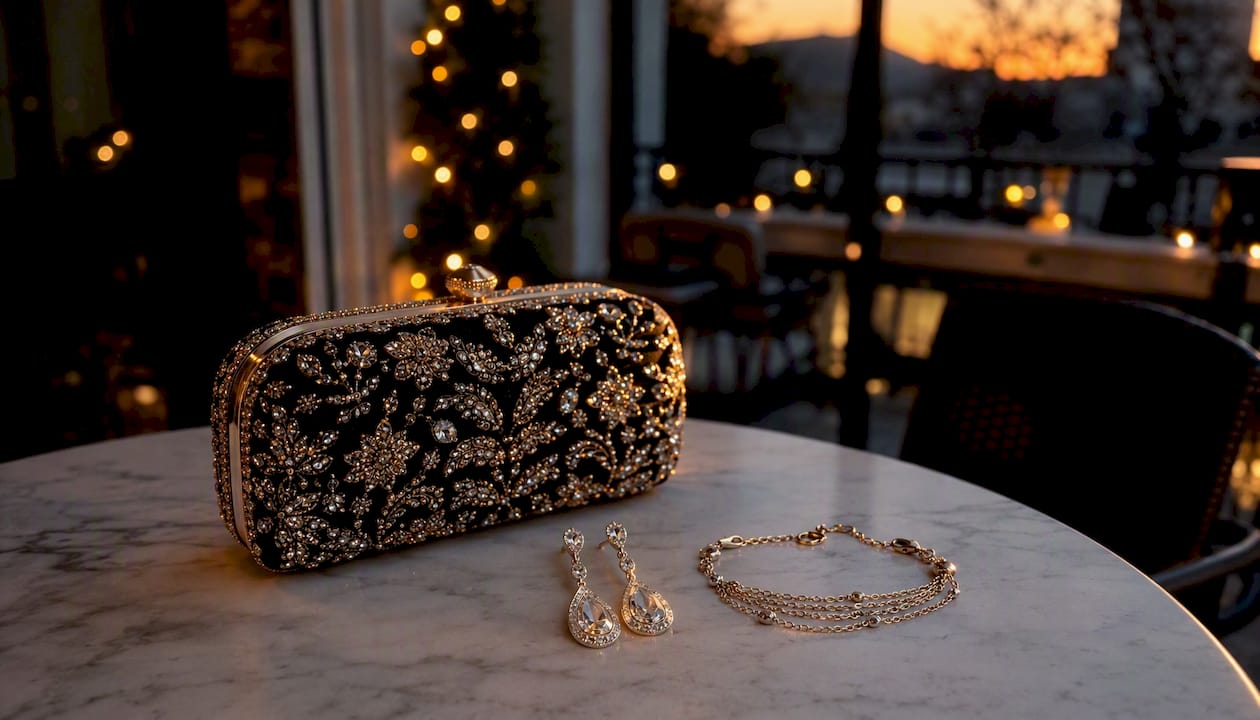
After the event, wipe salt and road spray off shoes immediately with a damp cloth. Salt residue left overnight can permanently stain leather and satin. More comfort-focused tips are in Dressmeupny’s party dress for winter guide.
How do you get the fit right, including for plus sizes?
Start with four measurements taken in your event shoes: bust, waist, high hip, and hem-to-floor. The heel height changes your hem measurement by one to two inches, so measuring flat-footed and then ordering a floor-length gown almost always results in a hem that drags.
- Measure bust, waist, and high hip with a soft tape measure, standing naturally.
- Measure hem-to-floor while wearing your event shoes; have someone else hold the tape for accuracy.
- Note your posture: if you tend to stand with a slight forward tilt, mention it to your tailor.
- Reserve a tailor 2–3 weeks before the event and schedule a final fitting 3–7 days before the date.
Common alterations to prioritize: hem length (most critical), taking in the waist or side seams, and adding a bustle or hook-and-eye closure for a better fit through the bodice.
For plus-size shoppers, A-line and empire-waist silhouettes in velvet or heavy crepe give the most flattering drape and the most room for tailoring. Ask your tailor specifically about seam allowance before ordering; a dress with at least one inch of seam allowance can be adjusted in both directions.
- Supportive shapewear or a built-in boned bodice reduces the need for external undergarments.
- Strapless boning should be tested by sitting, walking, and raising your arms before the event.
Pro Tip: When you pick up your dress after alterations, put it on completely, including shoes, hosiery, and undergarments, and walk around for five minutes. Problems with boning, hem drag, or strap tension show up in movement, not just standing still.
When should you order, and what does a complete outfit cost?
- Verify fabric content and lining before purchasing (ask the retailer if the product page is unclear).
- Confirm the return policy and alteration window before you check out.
- Add a 7–10 day shipping buffer for domestic orders; 3–4 weeks for international or custom sizing.
- Reserve accessories (stole, clutch, jewelry) at the same time as the dress; popular pieces sell out faster than gowns.
- For budget shoppers, finding affordable winter formal dresses is easier when you shop 6–8 weeks before the event.
Typical U.S. price ranges for a complete winter formal outfit:
- Dress: $80–$300 for mid-range formal; $300+ for designer or heavily embellished gowns.
- Outerwear: $60–$200 for a wool coat or cape; $30–$80 for a faux-fur stole.
- Shoes: $40–$150 for dressy closed-toe heels or ankle boots.
- Basic alterations: $50–$150 depending on complexity (hem + waist = most common combination).
- Total budget range: $230–$700+ for a complete, polished winter formal look.
To economize, prioritize spending on the dress and coat (most visible in photos) and keep shoes and accessories at the lower end of their ranges.
Dressmeupny makes winter formal shopping straightforward
Choosing formal attire for winter means balancing drama with practicality, and Dressmeupny’s curated catalog does exactly that. The collection covers velvet gowns, lined sequin dresses, and heavy crepe silhouettes in sizes across the full range, with dedicated plus-size fits that prioritize seam allowance and structured support.
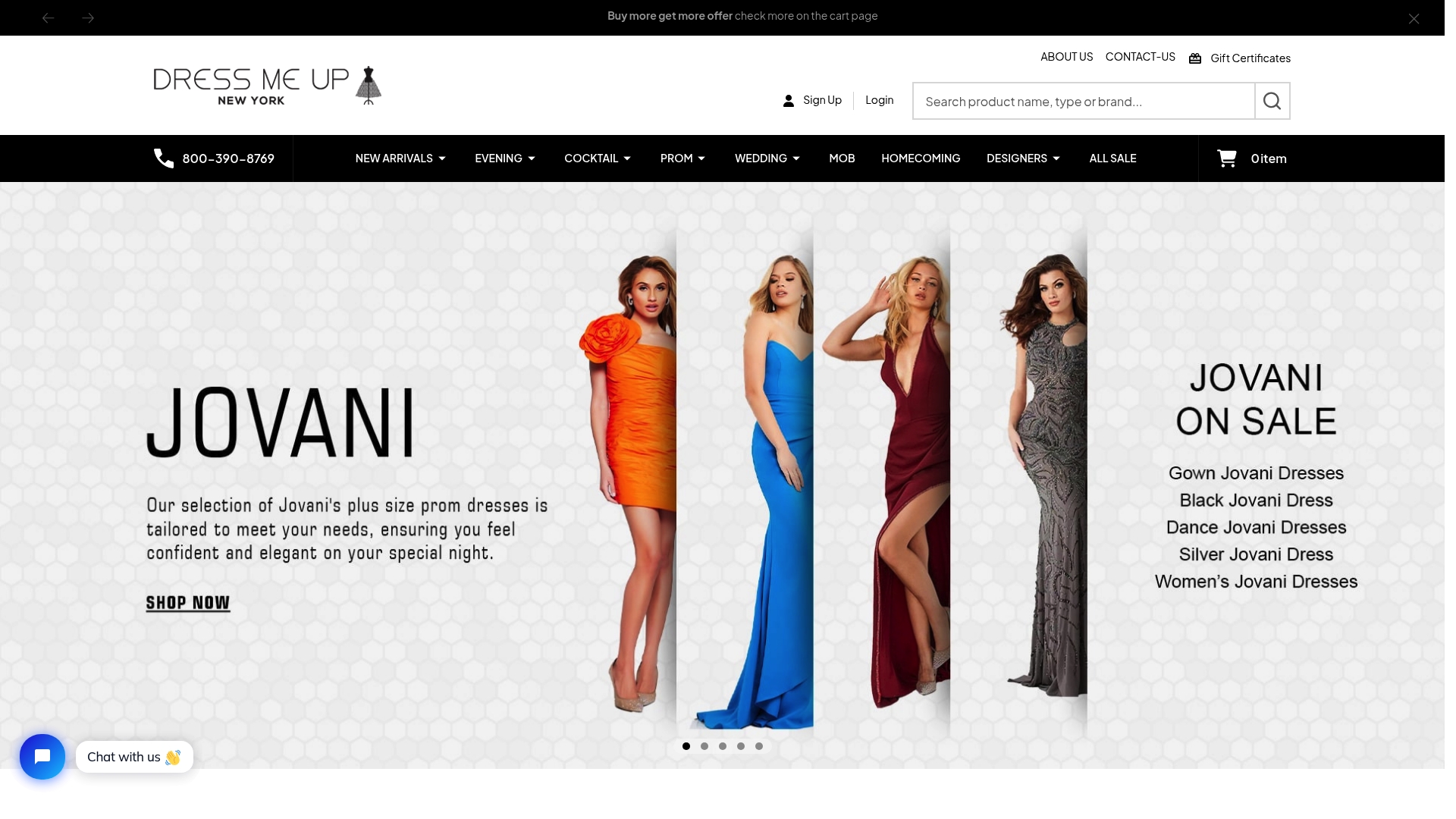
A practical shopping path: browse the evening gown collection at Dressmeupny for your dress, note the fabric and lining details on the product page, then pair it with a long wool coat or faux-fur stole from the accessories section. Domestic shipping is fast enough to leave a comfortable alteration window when you order 4–6 weeks out. The sizing guide on the site walks through the exact measurements you need, and the customer service team can confirm lining and fabric weight before you buy.
What most people get wrong about winter formal dressing
The most common mistake isn’t choosing the wrong color or skipping the coat. It’s treating warmth and style as separate problems to solve one at a time. A faux-fur stole chosen purely for warmth looks mismatched against a sleek crepe column gown. A wool coat grabbed from the closet because it’s warm enough ruins the silhouette of a ballgown the moment you step outside.
The outerwear is part of the outfit. Choose it with the same intention you bring to the dress. A long, structured wool coat in a color that echoes your gown’s undertone doesn’t just keep you warm; it extends the formal look from the car to the venue entrance. That’s the shift worth making: stop thinking of the coat as the practical compromise and start treating it as the finishing piece.
Sources
- Winter Formalwear | Season Approved
- Formal Winter Dresses: How to Look Stunning in the Cold | RobeMarie
- What to Wear Over a Formal Dress in Winter That You’ll Actually Love | Chic Insights
Recommended
- Winter Formal Attire: Warm, Elegant Looks for Women - DressMeUpNY
- Master Winter Formalwear Layering: Stay Warm & Stylish - DressMeUpNY
- Dresses for Winter Semi Formal Events: 2026 Guide - DressMeUpNY