
5 Measurements to Shop Plus Size Formal Attire With Dress Me Up NY
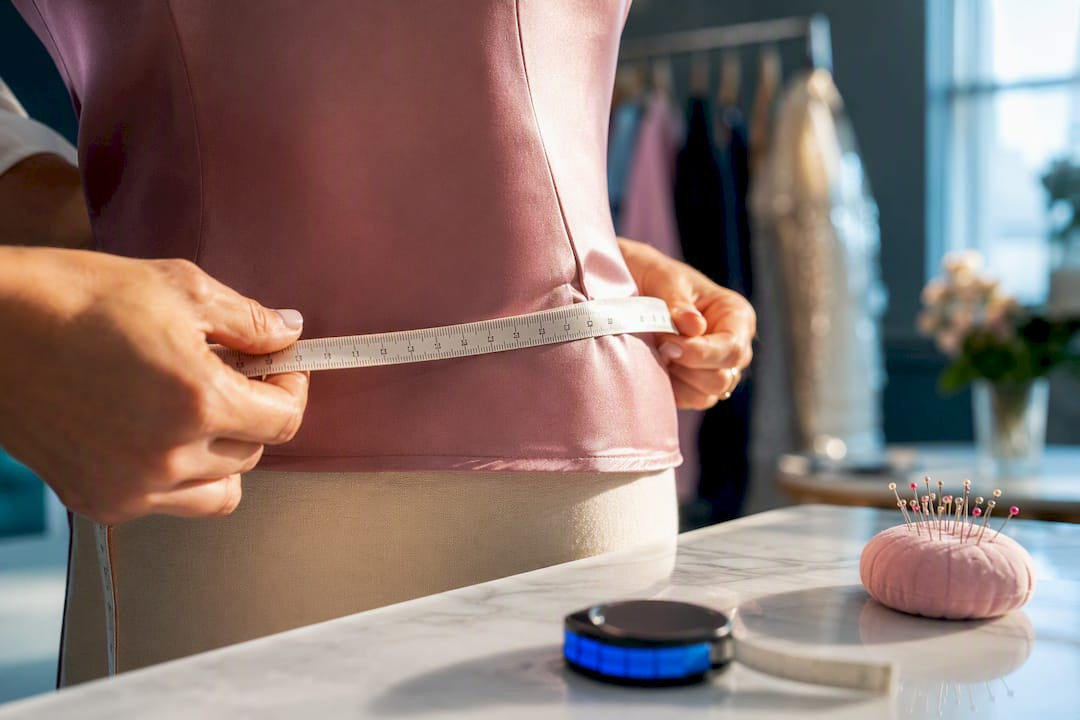
5 Measurements to Shop Plus Size Formal Attire With Dress Me Up NY
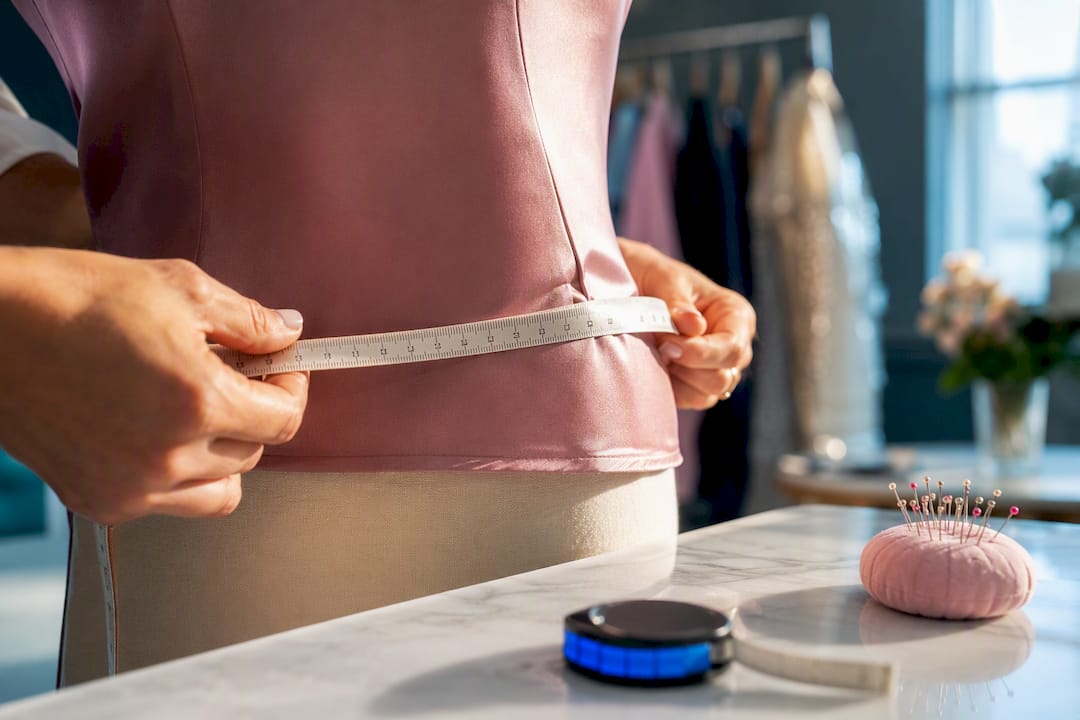
The most reliable formal attire for women plus size relies on silhouettes that balance structure with drape, like A-line gowns, fit-and-flare styles, or a tailored column with strategic ruching. Take your measurements before you shop, check them against the retailer’s size chart, and build in time for alterations. Get those three steps right and everything else, from neckline to accessories, falls into place.
TL;DR:
- A-line and fit-and-flare dresses are the most versatile and forgiving silhouettes for plus-size formalwear, emphasizing waist definition and skimming curves.
- Take precise measurements of bust, underbust, shoulder to hem, waist, and hips, then compare them carefully to retailer size charts before ordering.
- Fabrics like stretch crepe, jersey, and chiffon enhance comfort and drape well, while structured fabrics like taffeta and mikado require careful selection for proper fit.
- Dark jewel tones and small-scale patterns are consistently flattering and photograph well, but bright colors and large prints can also work if the silhouette is right.
- Planning your shopping timeline well in advance, including trying dresses with shoes and shapewear and building sufficient alterations time, avoids last-minute stress.
Table of Contents
- What Are the Best Silhouettes for Plus-Size Formal Dresses?
- How Do You Measure Yourself for a Plus-Size Formal Dress?
- Fabrics, Embellishments, and Care: What Actually Flatters
- What Necklines, Accessories, and Shoes Complete a Plus-Size Formal Look?
- Your Shopping Checklist and Timeline for Buying a Formal Dress
- How Dress Me Up NY Supports Your Fit and Style Decisions
- Which Colors and Patterns Work Best for Plus-Size Formal Wear?
- Do Seasons Change What You Should Wear to a Formal Event?
- Why Inclusive Fit Should Never Be an Afterthought in Formalwear
- Find Your Fit With Dress Me Up NY
- Sources
- FAQ
What Are the Best Silhouettes for Plus-Size Formal Dresses?
Some silhouettes flatter curves. Others fight them. Here’s how the major shapes actually perform on a plus-size figure, and where each one shines.
A-line dresses are the safest bet in the room. The fitted bodice skims the waist, then the skirt flares gently from the hip down, which creates a defined middle without clinging anywhere it shouldn’t. They work for almost every formal occasion, from a wedding as a guest to a full black-tie affair.
Fit-and-flare dresses take that idea further, nipping in at the natural waist before releasing into a fuller skirt. This creates a dramatic hourglass effect and photographs beautifully, though it needs a bit more attention to waist placement (more on that below).
Empire waist dresses sit just under the bust and flow loosely from there, skipping the waist definition entirely. They’re the best friend of anyone who wants comfort without sacrificing polish, especially for long events like prom or a multi-hour gala where you’ll be standing and dancing for hours.
Wrap and surplice dresses cross at the front to form a V, which naturally elongates the torso and adjusts slightly to your shape as you move. They’re forgiving around the middle and tend to work well for mother-of-the-bride looks where a slightly more conservative cut is appropriate.
Column and sheath gowns run straight from shoulder to hem with little to no flare. They read as sleek and modern, but they demand more from the fabric. Look for stretch crepe or a design with built-in ruching at the midsection, since a stiff column gown with zero give will highlight rather than smooth.
Two-piece formal sets solve a problem the other silhouettes can’t: a top and bottom that fit differently on the same body. If your bust and waist don’t scale together, separates let you size each piece independently, which cuts down dramatically on the need for tailoring plus-size two-piece formal sets.
Here’s how these silhouettes match up to specific events:
- Black tie: column gowns with ruching, or a fit-and-flare in a rich fabric like mikado
- Mother of the bride: wrap dresses or A-line styles in a mid-length or floor-length cut, often with sleeves
- Prom: fit-and-flare or empire waist for comfort during a long night of dancing
- Wedding guest: A-line or wrap dresses in a print or solid, depending on the dress code
When you’re browsing product photos, look for where the waist seam actually sits (natural waist versus empire), how much fullness the skirt has, and whether the fabric drapes or holds its shape. Those three visual cues tell you more about fit than the product description ever will.
How Do You Measure Yourself for a Plus-Size Formal Dress?
Getting your exact measurements before you shop saves you from the most common formalwear headache: ordering a size based on your everyday clothing brand, only to find every retailer’s chart runs differently.
Take these five measurements with a soft tape measure, standing straight and breathing normally:
- Bust: Wrap the tape around the fullest part of your chest, keeping it level all the way around, without specifying exact measurements.
- Underbust: Measure directly beneath your bust, where a bra band would sit, without stating exact numbers.
- High point shoulder to hem: Measure from the point of your shoulder (where a strap would sit), straight down to the desired hemline, without giving specific length.
- Waist: Find your natural waist by bending slightly to one side; the crease that forms marks the spot, without including numeric data.
- High hip: Measure just below your natural waist, around the widest part of your hips, omitting the specific measurement distance.
Once you have those five numbers, compare them to the retailer’s specific size chart rather than assuming your usual size will translate. Dress Me Up NY’s style and fit guide for plus-size formal dresses walks through exactly how to read those charts and match them to your measurements, since fit varies enough between brands that a size 18 in one label can run closer to a 16 or a 20 in another.
If your measurements fall between two sizes on the chart, size up rather than down. A dress that’s slightly loose is easy for a tailor to take in. A dress that’s too tight is often impossible to let out, especially in structured fabrics with minimal seam allowance.
Once the dress arrives, run through this fit checklist before you cut any tags:
- Sit down in it. Does the waist dig in or the skirt ride up?
- Raise both arms overhead. Formal dresses need armroom for hugs, dancing, and photos.
- Check bra compatibility, especially with strapless or off-shoulder cuts.
- Confirm the waist seam sits at your actual waist, not above or below it.
Pro Tip: Try the dress on with the shoes and shapewear you plan to wear on the actual day. Heel height changes hem length, and shapewear changes how the waistline sits, so testing in your full outfit catches problems a plain try-on misses.
Build alterations into your timeline from the start. Simple hemming usually takes a short period, while more involved changes like taking in the bodice or adding straps can take longer depending on your tailor’s schedule.
Fabrics, Embellishments, and Care: What Actually Flatters
Fabric does more heavy lifting than most shoppers realize. Stretch crepe and jersey move with your body and smooth over the midsection, which makes them a strong choice for column and fit-and-flare styles. Chiffon floats and forgives, which is why it shows up so often in empire waist and A-line gowns. Taffeta and mikado hold their shape and add structure, better suited to dresses with a defined waist seam where you want the skirt to stand away from the body rather than cling.
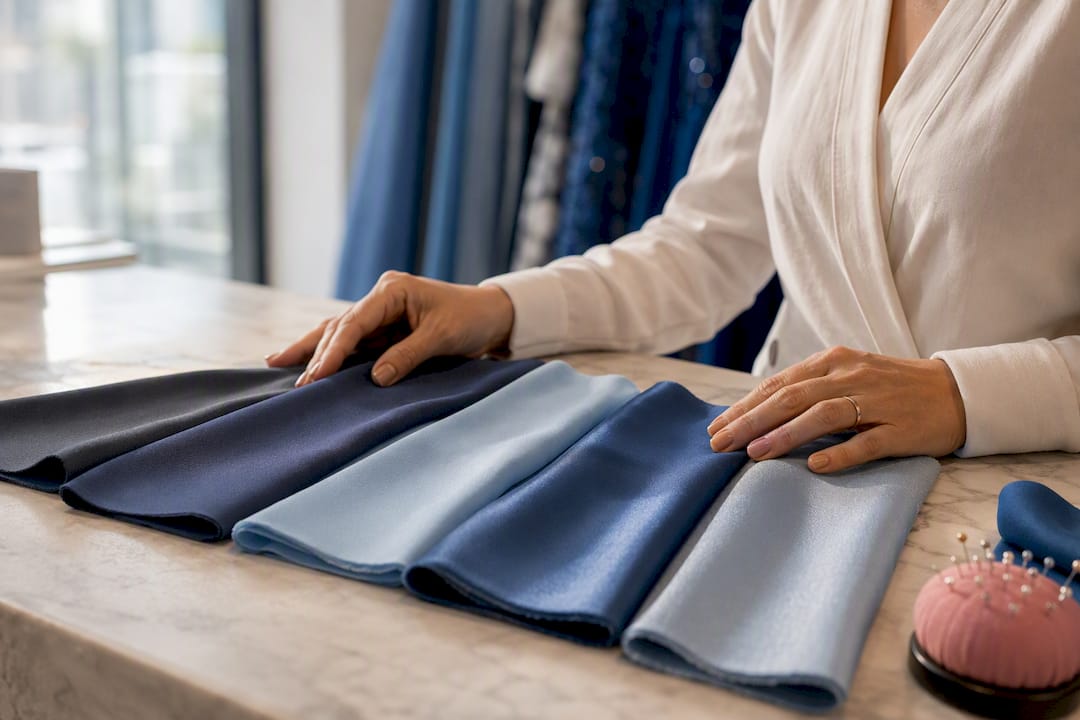
Even structured gowns often blend in a small percentage of spandex, since a touch of stretch improves comfort without sacrificing the fabric’s tailored look.
Sequins and beading add sparkle but also weight and rigidity, so check whether the embellished panels sit somewhere that needs to flex, like across the hips when you sit. Ruching, the gathered fabric technique used at the waist or midsection, is one of the most effective tricks in plus-size formalwear because it diffuses light and camouflages any area you’re less excited about, all while still creating shape.
For care, most beaded and sequined gowns require dry cleaning only. Jersey and crepe formal pieces sometimes tolerate hand washing, but always check the label first. When you pack a gown for travel, roll it around a garment bag insert or acid-free tissue rather than folding it flat, and hang it the moment you arrive to let gravity work out any wrinkles.
What Necklines, Accessories, and Shoes Complete a Plus-Size Formal Look?
The right neckline does more for your silhouette than any accessory. V-necks and surplice necklines elongate the torso and draw the eye downward in a flattering line. Sweetheart necklines frame the bust without adding bulk, and off-shoulder styles show skin at the collarbone, which reads as elegant rather than skimpy. For sleeves, cap sleeves balance the shoulder without adding width, while long sleeves offer coverage and work especially well in cooler months or more conservative settings like a religious wedding.
Once the dress is settled, the rest of the look comes down to proportion:
- Choose statement earrings over a heavy necklace if your neckline is already detailed.
- A fitted jacket, shrug, or cape adds warmth and structure without hiding your shape.
- A defined belt at the natural waist works on empire and A-line styles that otherwise skip a waist seam.
- Pick shoes with real support. A block heel or platform holds up far better over a five-hour event than a thin stiletto.
Pro Tip: Layer shapewear that ends at or above the natural waistline of your dress. Shapewear that cuts off mid-thigh under a fitted gown often creates a visible line or bulge exactly where you don’t want one.
Check out more styling combinations for plus-size formal dresses if you want a deeper breakdown of pairing accessories to specific silhouettes.
Your Shopping Checklist and Timeline for Buying a Formal Dress
Formalwear shopping rewards planning. Here’s the order of operations that keeps you from scrambling the week before the event:
- Order well in advance for off-the-rack dresses that need standard hemming or minor alterations.
- Order with more lead time if you expect more involved tailoring, like resizing the bodice or adding sleeves.
- Order earliest for anything custom-made or shipped internationally.
- Verify the product page before you buy: check the model’s height and size worn, the full size chart, the fabric content, and the return window.
- Do a home try-on the moment the dress arrives. Photograph yourself from the front, side, and back in good lighting, then send those photos to your tailor if you need a second opinion on fit before altering.
- Read the return policy closely. Watch for red flags like “final sale on formalwear” or a return window shorter than two weeks, since formal dresses often need a first fitting before you know for certain they’re right.
For a full walkthrough of what to check before checkout, Dress Me Up NY’s guide on finding your perfect fit and style covers the practical shopping details in more depth, and threads like this one from the r/PlusSizeWedding community show real shoppers comparing notes on fit issues and which brands run generous or tight.
How Dress Me Up NY Supports Your Fit and Style Decisions
Some retailers build plus-size fit and style resources specifically to cut down on the guesswork that makes formalwear shopping stressful. The style and fit guide breaks down measurements and silhouette recommendations in the same detail covered above, and the two-piece style guide explains when separates solve a fit problem a one-piece dress can’t.
Model photography and size charts on product pages exist for one reason: to show you how a dress moves and sits on a body shaped like yours, not just on a straight-size mannequin.
- Use the fit guides before you add anything to your cart.
- Compare your own measurements against the listed size chart every time, even within the same brand.
- Contact customer support directly if a dress falls between two sizes on the chart. A quick message can save you a return.
Which Colors and Patterns Work Best for Plus-Size Formal Wear?
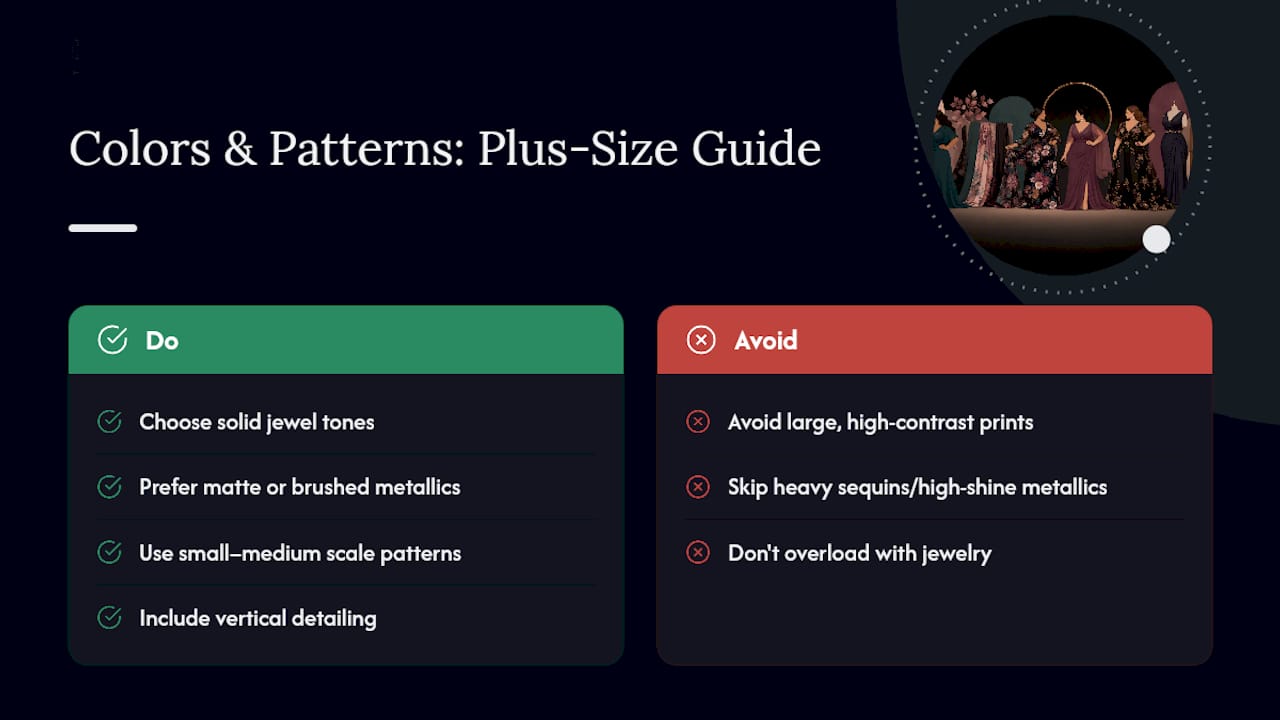
Color has less power over your silhouette than most people assume. Dark, saturated shades like navy, emerald, and burgundy do create a slimming effect, but a well-cut dress in a bright color or bold print works just as well. The silhouette is doing the shaping. The color is doing the styling.
That said, a few color and pattern choices consistently photograph well and hold up across formal occasions. Solid jewel tones (sapphire, deep plum, forest green) read as elevated without trying too hard, which makes them a safe choice for black tie or a formal gala. Metallics, particularly in matte or brushed finishes rather than high shine, add drama for evening events without the stiffness of heavy sequin work.
Patterns work best in small to medium scale rather than large, splashy prints, which can visually add bulk on a fuller figure. A subtle floral or geometric print in a flowing chiffon reads as elegant for a spring wedding, while a large, high-contrast pattern can compete with your silhouette instead of complementing it.
Vertical detailing, whether it’s a seam line, a strip of contrasting fabric, or a pattern with a vertical orientation, adds visual length. If you’re drawn to a bold color or print, let the dress carry that statement alone and keep jewelry minimal so the outfit doesn’t compete with itself.
Do Seasons Change What You Should Wear to a Formal Event?
Yes, and it’s about more than just staying warm. Fabric weight and finish shift with the season, and the right choice affects comfort as much as style.
For spring and summer formal events, lightweight fabrics like chiffon, georgette, and lightweight crepe breathe better and move well for outdoor ceremonies or garden weddings. Lighter colors and floral prints also tend to feel more appropriate for daytime or early-evening events during these months.
Fall and winter formalwear leans toward richer, heavier fabrics: velvet, mikado, and satin hold up better in cooler venues and photograph beautifully under indoor lighting. Long sleeves or a structured cape become practical rather than purely decorative once temperatures drop, and jewel tones and metallics tend to dominate winter gala and holiday event wardrobes.
If your event venue swings between temperature extremes, like an outdoor ceremony followed by an indoor reception, plan for layering. A cropped jacket, shrug, or shawl gives you the flexibility to adjust without changing your entire outfit. Check the gala-specific fit guide for seasonal recommendations tailored to formal galas specifically, since those events often carry their own dress code expectations tied to the time of year.
Why Inclusive Fit Should Never Be an Afterthought in Formalwear
Formalwear has a long history of treating plus-size shoppers as an afterthought, offering the same handful of silhouettes in extended sizes rather than designing with curves in mind from the start. Dress Me Up NY approaches curation the opposite way: fit guidance, measurement advice, and silhouette recommendations built specifically for plus-size bodies, not scaled up from a straight-size pattern.
That’s why the fit and style guides exist in the first place. A dress that’s cut well for a curvier frame doesn’t need to hide anything. It just needs a silhouette that understands where structure helps and where drape does the work instead. If you’re stuck between two sizes or unsure how a silhouette will sit on your frame, reach out to customer support before you buy rather than after you’re disappointed.
— Dressmeup
Find Your Fit With Dress Me Up NY
You don’t need to guess your way through formalwear shopping, and you definitely don’t need to settle for the three plus-size options tucked in the back of a category page. Some online dress retailers curate plus-size formal dresses, evening gowns, and wedding guest styles as their own dedicated categories, backed by fit and style guides and straightforward return policies.
Every product page includes a full size chart, so you can compare your own measurements before committing to a purchase. If a dress is running a promo or discount, that’s clearly marked too, which means no surprise math at checkout. Start by browsing the plus-size formal dress collection and pull up the size chart on any dress that catches your eye before you add it to your cart. That one extra step is the difference between a dress that arrives and a dress that actually fits.
FAQ
What style looks best on plus-size women?
A-line and fit-and-flare silhouettes tend to look best because they define the waist while giving the skirt room to move, though the right style always depends on your specific proportions.
What is the best shape for a plus-size formal dress?
A structured bodice paired with a flared or A-line skirt is generally the most flattering shape, since it creates waist definition without clinging to areas you’d rather smooth over.
What style formal dress is slimming?
Column gowns with ruching, wrap dresses, and dark jewel-toned A-line dresses all create a slimming effect, largely because of how they handle the waistline and use vertical lines rather than horizontal ones.
How should you dress professionally when you’re plus size?
For plus-size business attire, structured blazers, tailored A-line or sheath dresses, and well-fitted trousers in solid, darker colors read as polished and put together, and the same fit principles from formalwear (correct measurements, proper waist placement) apply just as much in a professional setting.
Recommended
- 3 Measurements That Guarantee Plus Size Formal Fit at Dress Me Up NY
- Fit First: Measure Bust, Waist, Hips for Plus Size Formal Wear
- Measure These 6 Numbers Before Buying a Plus Evening Dress
- How to Measure for Dresses for a Perfect Formal Fit