
Formal Dress for Business Events: What to Wear
Formal Dress for Business Events: What to Wear
TL;DR:
- A tailored sheath, midi, or suit dress in neutral or jewel tones is ideal for most business-formal events.
- Proper fit, minimal accessories, and observing leadership standards ensure a professional and polished appearance.
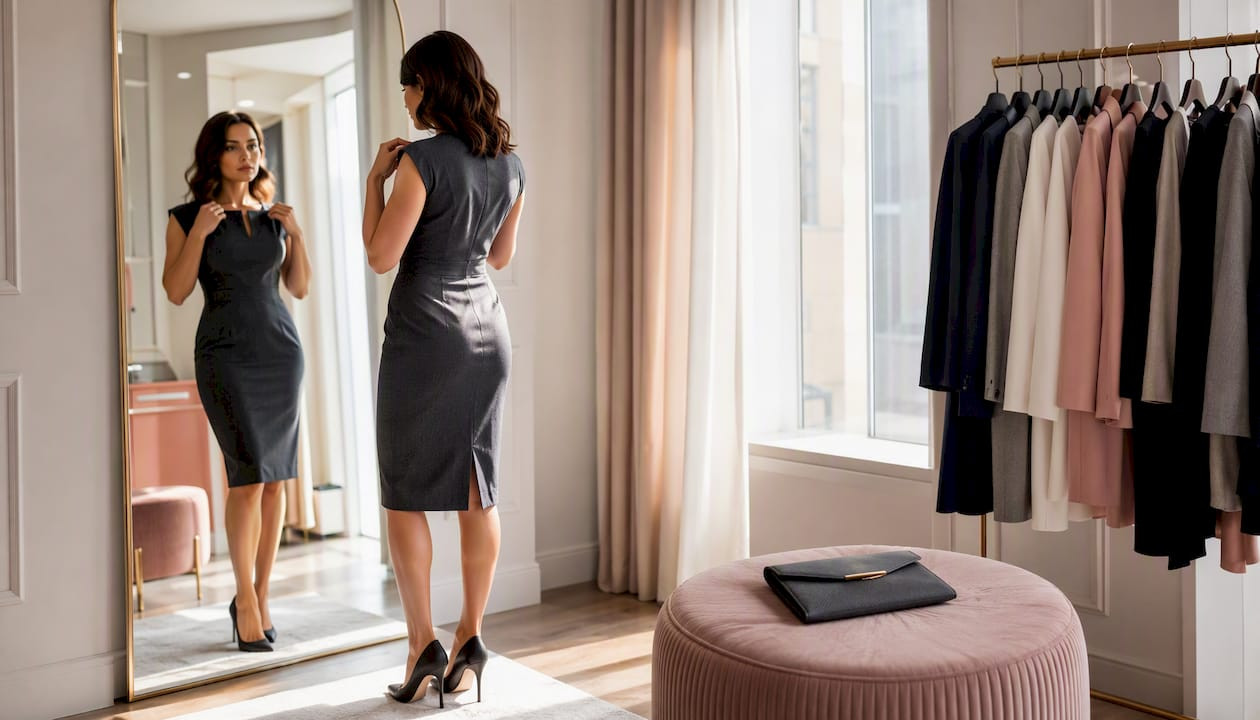
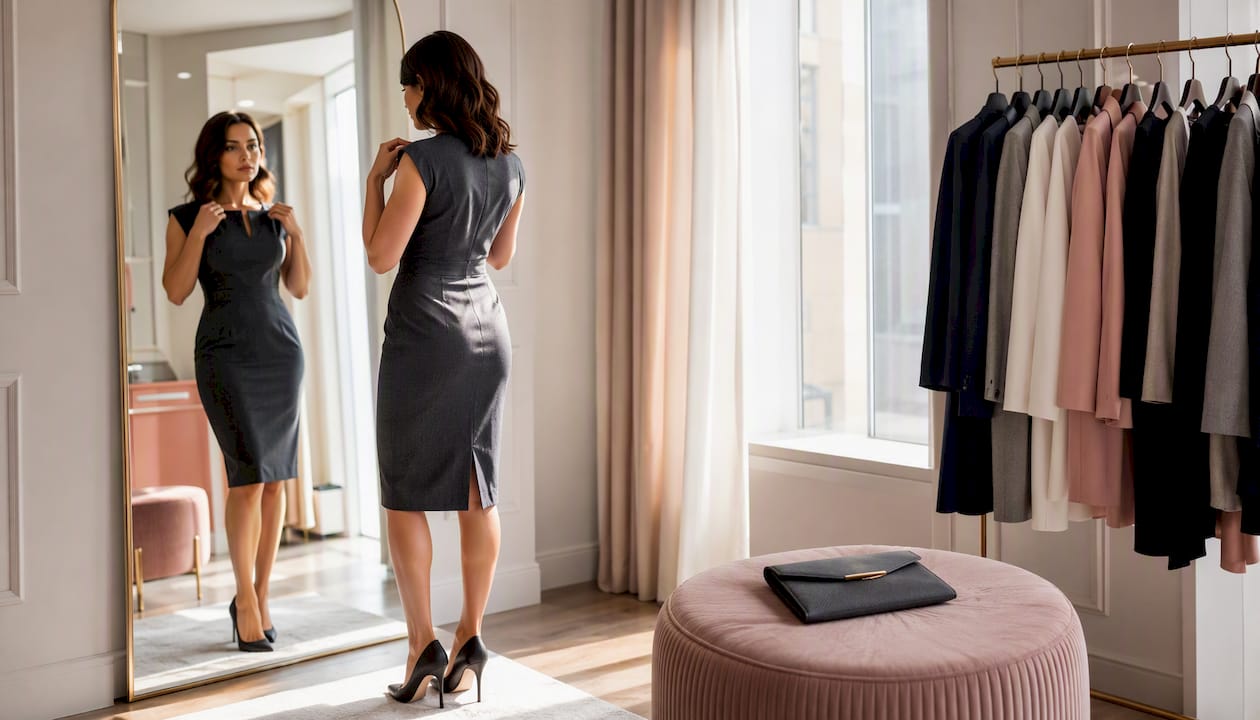
A tailored sheath dress, structured midi, or suit dress in navy, black, or a jewel tone is the right call for most business-formal corporate events. These silhouettes read professional across industries, photograph cleanly, and carry you from a pre-dinner reception through a seated awards ceremony without a single wardrobe second-guess.
Here’s your quick checklist before you get dressed:
- Length: Knee-length to floor-length; midi (mid-calf) is a popular length for many corporate settings
- Neckline: Modest scoop, round, or V-neck; avoid plunging or strapless cuts
- Sleeves: Cap, three-quarter, or full sleeves; a blazer covers sleeveless styles
- Fit: Tailored to your body, not borrowed-looking or overly draped
- Accessories: One statement piece maximum; keep the rest minimal
- Shoes: Closed-toe heels or polished flats; nothing casual
Dressmeupny’s corporate formal dress code guide and Indeed’s business attire resource both confirm that the business formal dress code sits at the top of the professional spectrum. When in doubt, lean tailored and minimal.
Pro Tip: If you’re unsure whether your dress reads “corporate formal” or “cocktail party,” ask yourself: would a senior executive at your company wear something this bold to the same event? If the answer is no, swap it for something quieter.
Table of Contents
- What “business formal” actually means and how to read the invite
- Dress styles that work for corporate formal occasions
- Fabrics, color, fit, and the rules that make a dress read professional
- How to choose your dress by specific event type
- Shoes, outerwear, accessories, and day-of fixes
- How to shop smart and build in time for alterations
- Key Takeaways
- The case for dressing toward leadership, not trends
- Find your next business-formal dress at Dressmeupny
What “business formal” actually means and how to read the invite
Business formal is the most elevated tier of professional dress, reserved for award ceremonies, board dinners, charity benefits, and client galas. It sits above business casual and business professional, and it sometimes overlaps with black tie when the event is particularly prestigious.
Here’s how the three labels compare in practice:
| Dress Code | Typical Event | Appropriate Dress Style |
|---|---|---|
| Business formal | Awards dinner, board gala, charity benefit | Sheath, suit dress, long evening gown |
| Business cocktail | Networking reception, holiday party | Formal cocktail, midi dress |
| Black tie | Charity gala, industry awards (high-profile) | Floor-length gown, formal evening dress |
Reading the invitation correctly saves you from showing up overdressed or underdressed. Four cues to check:
- Invitation wording: “Formal attire,” “black tie optional,” or “business formal” each signal a different level. “Smart casual” is not business formal.
- Time of day: Evening events (after 6 PM) almost always call for a higher formality level than afternoon receptions.
- Venue: A hotel ballroom or private club signals more formality than a restaurant private room.
- Leadership dress: Observe how senior staff and executives dress at company events. Dressing toward that standard is one of the most reliable strategies you can use.
Cultural context matters too. In some industries (finance, law, consulting), business formal skews conservative regardless of season. In creative sectors, jewel tones and bolder silhouettes are more accepted. When the invitation is ambiguous, default to a sleek, minimalist silhouette rather than a trendy or dramatic design. That single choice keeps you appropriate across the widest range of corporate audiences.
Pro Tip: When you genuinely cannot read the dress code from the invite, text a colleague who has attended the same event before. Thirty seconds of research beats an hour of wardrobe anxiety.
Dress styles that work for corporate formal occasions
Not every formal dress belongs in a boardroom-adjacent setting. The styles below are the ones that consistently work, with a quick note on when each fits best.
Sheath dress: The gold standard for corporate formal wear. A well-fitted sheath in stretch-crepe or ponte sits at or just below the knee, moves with you, and photographs cleanly. Pair it with a structured blazer for daytime and remove the blazer for evening.
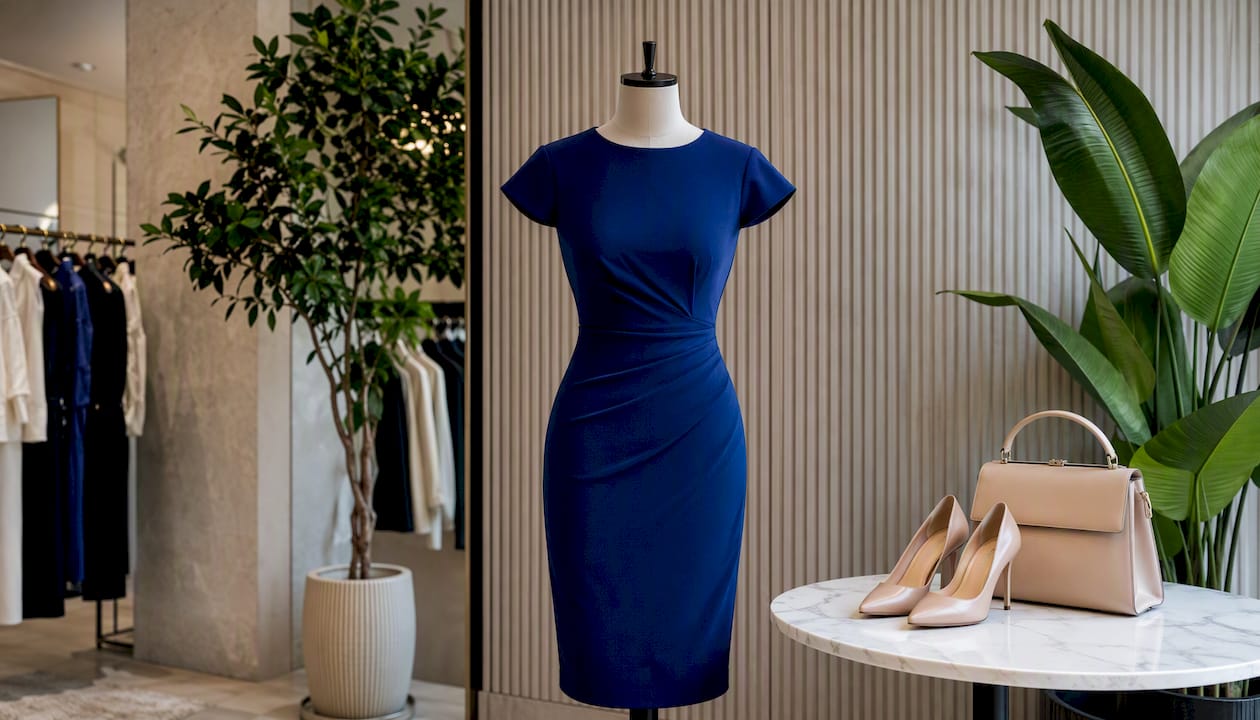
Midi dress: Mid-calf length reads polished and modern without veering into gala territory. A midi in a solid jewel tone or deep navy works for awards dinners, client dinners, and charity benefits. It’s a particularly strong choice if you’ll be on a stage or podium.
Formal cocktail dress: Knee-length with a structured silhouette. Best for networking receptions and holiday corporate parties where the formality is high but not gala-level. Avoid anything with a flared or party-style skirt; keep the line clean.
Long evening gown: Reserve this for events that explicitly say “black tie optional” or “gala.” A floor-length gown in a muted color or classic black signals that you understood the assignment. Avoid heavy embellishment or dramatic cutouts in a corporate context.
Suit dress or skirt suit: When you want to signal authority, a well-tailored suit dress or a matching skirt suit in charcoal, navy, or black is hard to beat. This is the safest choice for board dinners and high-stakes client events.
Polished jumpsuit: Acceptable at some corporate events, particularly in creative industries. Choose a wide-leg or tailored silhouette in a formal fabric like crepe or satin. Confirm the company culture accepts this before committing.
Day-to-evening transitions: If your event starts with a daytime conference and moves into an evening reception, the shift is simpler than it sounds. Remove the blazer, swap stud earrings for a single statement piece, and add a small clutch. The dress itself does not need to change.
Pro Tip: A midi sheath in a neutral color is the one dress that works for every event type on this list. If you’re building a capsule wardrobe for corporate events, start there.
Fabrics, color, fit, and the rules that make a dress read professional
The difference between a dress that looks polished and one that looks like it belongs at a weekend party often comes down to fabric and fit, not price.
Preferred fabrics for business formal settings include silk crepe, stretch-crepe, ponte, and lined satin. These fabrics hold their shape through a long evening, drape cleanly in photos, and signal quality without being flashy. Avoid jersey knits that cling or stretch visibly, denim in any form, and novelty textures like sequin-heavy or sheer panels unless the event is explicitly gala-level.
Color guidance is straightforward: navy, black, charcoal, and deep jewel tones (emerald, burgundy, sapphire) are the safest families. Lighter neutrals like ivory or champagne work for spring and summer events. Skip loud prints, bold florals, and anything with prominent logos. Seasonal fabric choices matter too: heavier crepe and velvet work well for winter galas, while lighter silk blends and chiffon overlays suit spring and summer events. Dressmeupny’s seasonal trends guide breaks down which silhouettes and colors are performing well for formal events this year.
Fit rules are where most professional women leave money on the table. A dress in the moderate price range that fits perfectly reads more expensive than a much costlier dress that gaps at the shoulder or pools at the hem. When you find a dress you love, budget for at least one alteration appointment. Ask your tailor to:
- Set the hem to your exact shoe height
- Take in the waist if the dress runs straight
- Adjust the shoulder seam if you’re between sizes
- Check that the lining sits smoothly and does not pull
Neckline and modesty: A modest scoop, round neck, or work-appropriate V-neck all read professional. Strapless, off-shoulder, and deep-plunge necklines are better suited to social events than corporate ones, even at a gala. If you love a sleeveless style, a structured blazer or tailored jacket solves the problem entirely.
Pro Tip: Before wearing a dress to a corporate event, test it under bright overhead lighting and in front of a phone camera. Some fabrics that look opaque in a dressing room become sheer under stage or ballroom lighting.
How to choose your dress by specific event type
Different corporate events carry different expectations, even when they all technically fall under “business formal.” Here’s how to match your outfit to the occasion.
| Event Type | Silhouette | Fabric | Key Detail |
|---|---|---|---|
| Awards dinner | Midi or floor-length | Silk crepe, ponte | Minimal embellishment; jewel tone or black |
| Board/client gala | Sheath or suit dress | Stretch-crepe, lined satin | Conservative neckline; blazer optional |
| Charity benefit | Formal cocktail or midi | Chiffon overlay, crepe | One statement accessory acceptable |
| Networking reception | Formal cocktail | Ponte, crepe | Knee-length; comfortable shoes for standing |
| Holiday corporate party | Midi or cocktail | Velvet, crepe | Richer color acceptable; avoid party-style cuts |
| Client dinner | Sheath or suit dress | Stretch-crepe | Understated; let conversation lead |
Venue and season adjustments matter more than most guides admit. An indoor ballroom in January calls for heavier crepe or velvet and a structured wrap or coat. A rooftop terrace in May calls for a lighter silk blend and a tailored blazer rather than a heavy jacket. Dressmeupny’s winter gala guide covers layering and outerwear choices for cold-weather formal events in detail, and the spring gala style guide addresses fabric weight and hemline norms for warmer-season events.
- For outdoor or rooftop events: choose a midi length to manage wind, and bring a structured blazer
- For winter indoor galas: velvet and heavier crepe hold shape and warmth without bulk
- For multi-venue evenings (conference to dinner): a sheath dress with a removable blazer handles both
Pro Tip: When attending a spring or summer outdoor reception, skip chiffon-only styles. A chiffon overlay on a crepe base gives you the lightness of the fabric with the structure you need to look polished in photos.
Shoes, outerwear, accessories, and day-of fixes
The dress is the foundation, but the finishing details are what make the whole look land.
-
Shoes: Closed-toe heels in a neutral (black, nude, or deep metallic) are the default for corporate formal events. A block heel or low kitten heel is a smart choice if you’ll be standing for long periods. Polished pointed-toe flats are fully acceptable and often more practical than stilettos at a networking reception. Avoid open-toe sandals, platform sneakers, or anything with visible wear.
-
Outerwear: Bring a structured blazer or tailored coat rather than a casual wrap. For winter events, a wool or cashmere coat in black or camel reads polished over any formal dress. A silk or crepe wrap works for warmer months. The goal is to look intentional from the moment you walk in, not like you grabbed the nearest coat.
-
Accessories: One statement piece, then stop. A pair of statement earrings with a simple necklace, or a bold cuff with stud earrings. A small structured clutch or a slim leather bag keeps the look clean. Skip belts unless the dress is specifically designed for one.
-
Hair accessories: A polished hair accessory (a sleek barrette, a simple clip) can add visual interest without competing with your outfit. Dressmeupny’s hair accessories guide covers placement and scale rules that keep the look professional rather than decorative.
-
Emergency kit: Pack double-sided fashion tape, a small safety pin, a clear nail polish (for hosiery runs), and a shoe-shine wipe. These four items solve 90% of day-of wardrobe problems before anyone notices.
Pro Tip: Wear your shoes around the house for at least an hour before the event. Blisters at a networking reception are a real distraction, and no amount of great styling compensates for visible discomfort.
How to shop smart and build in time for alterations
Shopping for a formal business event is not the same as shopping for a party dress. The timeline and the checklist are different.
Suggested timeline:
- 4–6 weeks out: Browse and order online or visit stores. This gives you time for shipping, returns, and a first fitting.
- 3 weeks out: Schedule your first tailor appointment with the dress and your intended shoes.
- 1–2 weeks out: Pick up the altered dress and do a full try-on with shoes, undergarments, and accessories.
- Same week: If you’re in a time crunch, many local tailors offer rush alterations for a premium. Budget for it.
Budget expectations vary widely, and the right investment depends on how often you’ll wear the dress. A well-chosen ready-to-wear piece in the budget range can look excellent with the right tailoring. Mid-range options in quality crepe or ponte fabrics tend to hold their shape through multiple wearings. Premium or designer pieces make sense when you attend corporate formal events regularly and need a dress that photographs well across different settings. Dressmeupny’s designer formal dress comparison walks through when a premium investment pays off versus when a well-tailored ready-to-wear option is the smarter call.
| Shopping Stage | What to Check |
|---|---|
| Online browsing | Fabric content, lining details, return policy |
| Size selection | Measure against the brand’s size chart, not your usual size |
| Fit check | Try on with your event shoes and intended undergarments |
| Tailoring | Hem, waist, shoulder; ask about care instructions post-alteration |
| Care and storage | Check dry-clean-only labels before purchasing |
One note on online shopping: always inspect fabric photos closely. A dress that looks structured in a flat lay may be unlined jersey in reality. Read the fabric content description before you order, and check the return window before you commit.
Key Takeaways
A tailored, minimalist silhouette in a neutral or jewel-tone color, properly fitted and styled with restrained accessories, is the most reliable formula for any business-formal corporate event.
| Point | Details |
|---|---|
| Silhouette first | A sheath, midi, or suit dress in navy, black, or a jewel tone works for most corporate formal events. |
| Tailoring is the multiplier | A well-altered dress at any price point reads more polished than an expensive dress that doesn’t fit. |
| Read the event cues | Check invitation wording, time, venue, and how leadership dresses before finalizing your outfit. |
| Keep accessories minimal | One statement piece maximum; a structured bag and closed-toe heels complete the look. |
| Dressmeupny for curated options | Dressmeupny’s formal and evening dress collections are a practical starting point for business-appropriate styles. |
The case for dressing toward leadership, not trends
The most common mistake professional women make when choosing a formal dress for a corporate event is treating it like a fashion moment rather than a professional signal. Trends cycle fast, but the impression you make at a board dinner or industry awards ceremony stays with colleagues and clients for years.
The advice to observe leadership and dress toward that standard is genuinely useful, not just a conservative hedge. Senior professionals at corporate events have usually figured out what reads as authoritative in their specific industry and company culture. Matching that register, rather than standing out for the wrong reasons, is a form of professional intelligence.
That said, “conservative” does not mean “boring.” A well-chosen jewel-tone midi in a quality crepe fabric, fitted correctly and styled with one strong accessory, is both appropriate and memorable. The goal is to be remembered for your presence and your work, not for what you wore. Dressmeupny’s editorial approach to formal dressing reflects exactly this balance: curated styles that are fashion-forward enough to feel current but grounded enough to work in a professional setting.
Find your next business-formal dress at Dressmeupny
You’ve done the research. Now the practical part: finding a dress that checks every box without spending hours scrolling through options that aren’t right for a corporate setting.
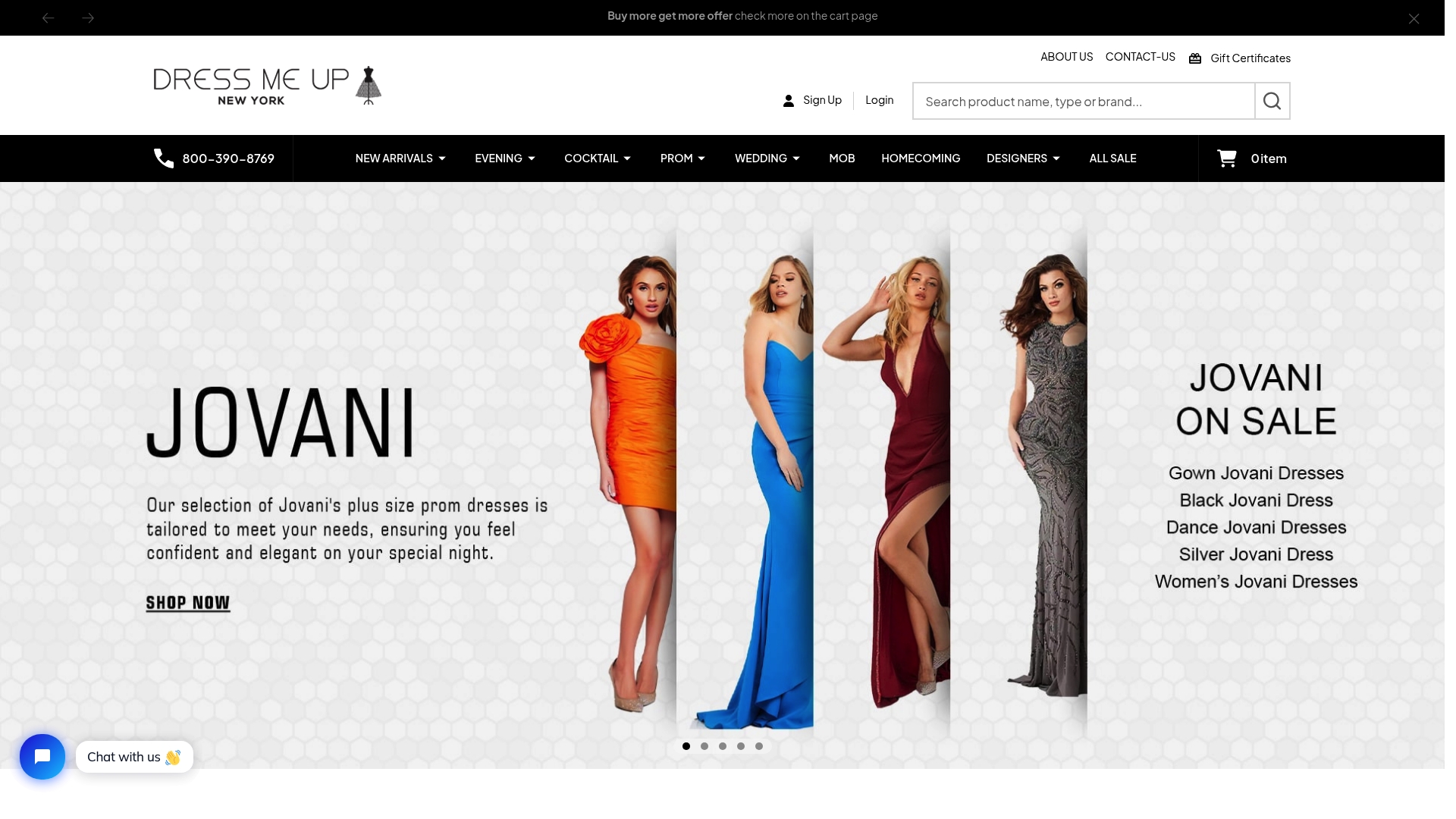
Dressmeupny curates evening gowns, formal cocktail dresses, and suit-adjacent styles specifically for women who need to look polished at high-stakes events. The site’s size guides and detailed fabric descriptions make it easier to shop online with confidence, and the return policy gives you room to order, try on with your shoes, and exchange if the fit isn’t right. Current promotions include free shipping on qualifying orders and buy-more savings that make it practical to pick up a second option if you’re deciding between two styles.
Browse the full formal and evening dress collection at Dressmeupny to find styles that fit the business-formal dress code, your body, and your event.
Recommended
- Formal Evening Wear for Ladies: Style Rules That Matter - DressMeUpNY
- Formal Type Dresses: Elevating Your Special Occasion Look - DressMeUpNY
- Corporate Formal Dress Code for Professional Women - DressMeUpNY
- Black Tie Event Dresses: What to Wear and Where to Shop - DressMeUpNY