
Formal Dress Length Guide for Proms and Weddings
Formal Dress Length Guide for Proms and Weddings
TL;DR:
- Formal dress length depends on the event’s dress code, with floor-length gowns required at White Tie and preferred at Black Tie occasions. Fabric and tailoring are equally important for conveying formality, regardless of the length. Choosing the correct length involves considering the dress code, venue, time of day, fabric, and personal comfort.
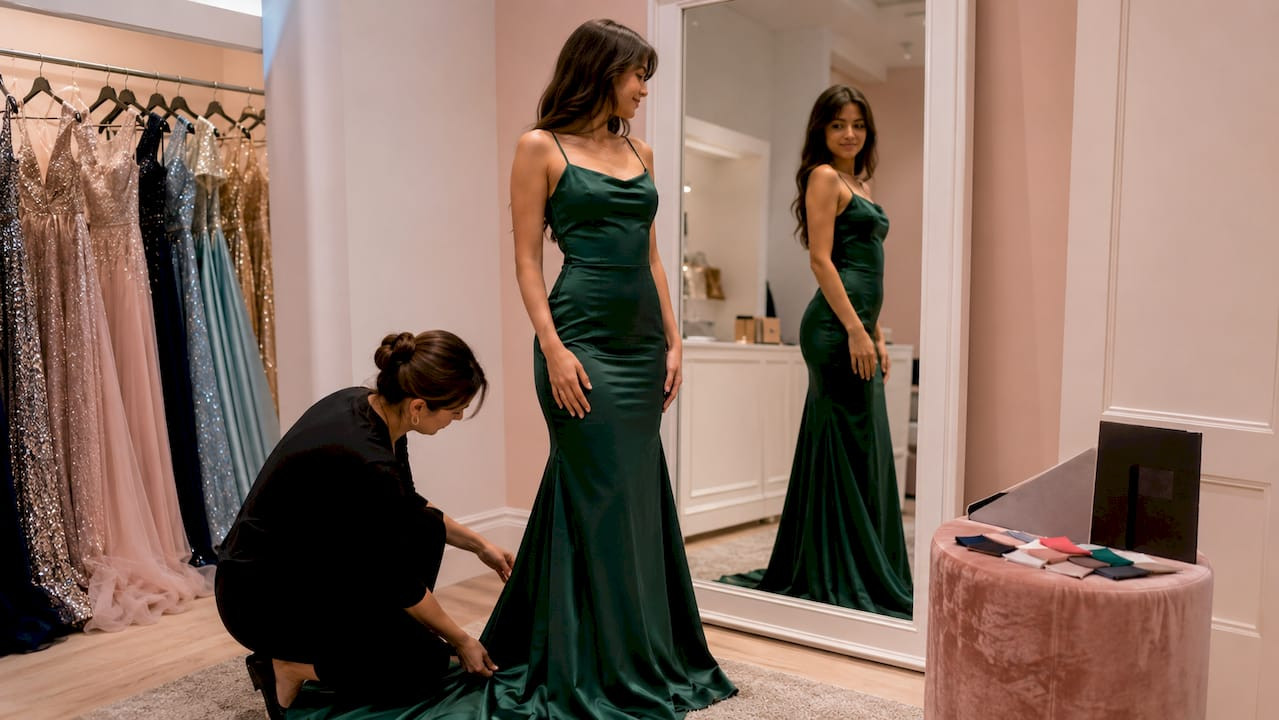
Formal dress length is defined by the dress code of your event, with floor-length gowns required at White Tie and Black Tie occasions and elegant midi styles accepted at most other formal gatherings in 2026. The rules are clearer than most people think. White Tie demands a full-length ball gown. Black Tie expects floor-length in a luxury fabric. Formal and Black-Tie Optional events open the door to a polished midi. Knowing which category your event falls into tells you exactly how long your dress needs to be, before you even think about color or silhouette.
What does formal dress length actually mean?
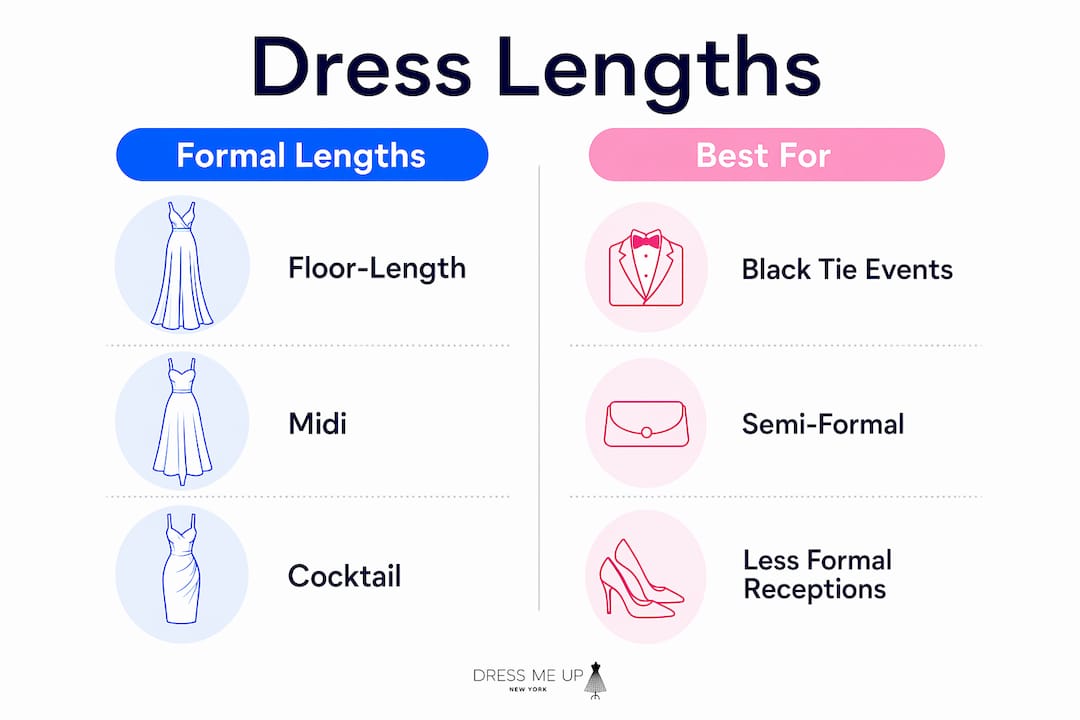
Formal dress length refers to the hemline standard expected at an event based on its stated dress code. The fashion industry recognizes three primary length categories for formal wear: floor-length (grazing the shoe top), midi (falling between the knee and ankle), and cocktail or knee-length. Each maps to a different level of formality, and dress codes dictate which is appropriate.
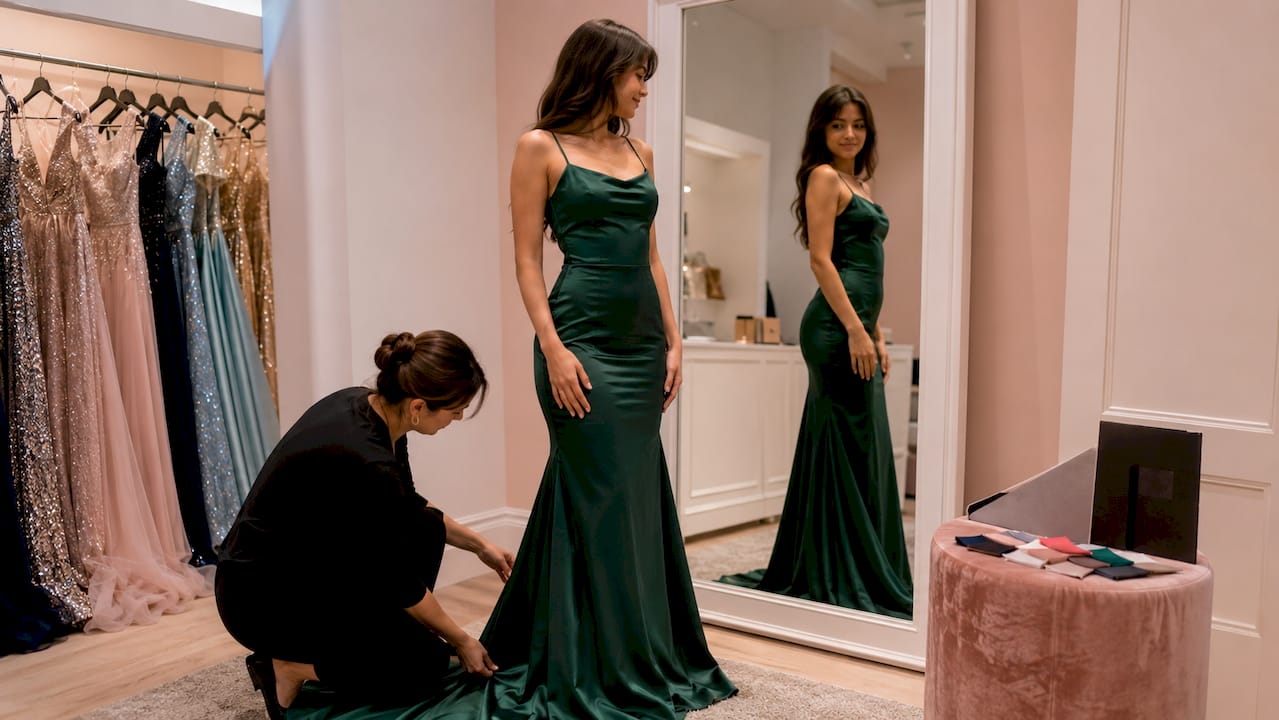
The term “evening gown length” is the recognized industry standard for the most formal option. It describes a dress that reaches the floor and is constructed from luxury fabric such as satin, silk, or chiffon. When an invitation says Black Tie, evening gown length is the expectation. Anything shorter requires deliberate styling to compensate.
Fabric and tailoring also define formality, not just the hemline. A floor-length dress in thin jersey reads as casual. A structured midi in heavy satin reads as formal. Length is the starting point, but it is not the whole story.
How event dress codes dictate formal dress length
The dress code printed on your invitation is the single most reliable guide to appropriate dress length. Each code carries specific expectations:
- White Tie: Floor-length required. This is the strictest dress code in existence. Full-length ball gowns in structured fabrics are the only acceptable choice. Midi or cocktail lengths are not appropriate here.
- Black Tie: Floor-length strongly preferred. A formal midi in a luxury fabric such as velvet or silk crepe can work, but a full-length gown is the safest and most expected choice.
- Formal or Black-Tie Optional: Floor-length or formal midi are both acceptable. This is where you have real flexibility, provided the fabric and finish are polished.
- Cocktail or Semi-Formal: Knee-length to midi is the standard. A floor-length gown here can feel overdressed and out of place.
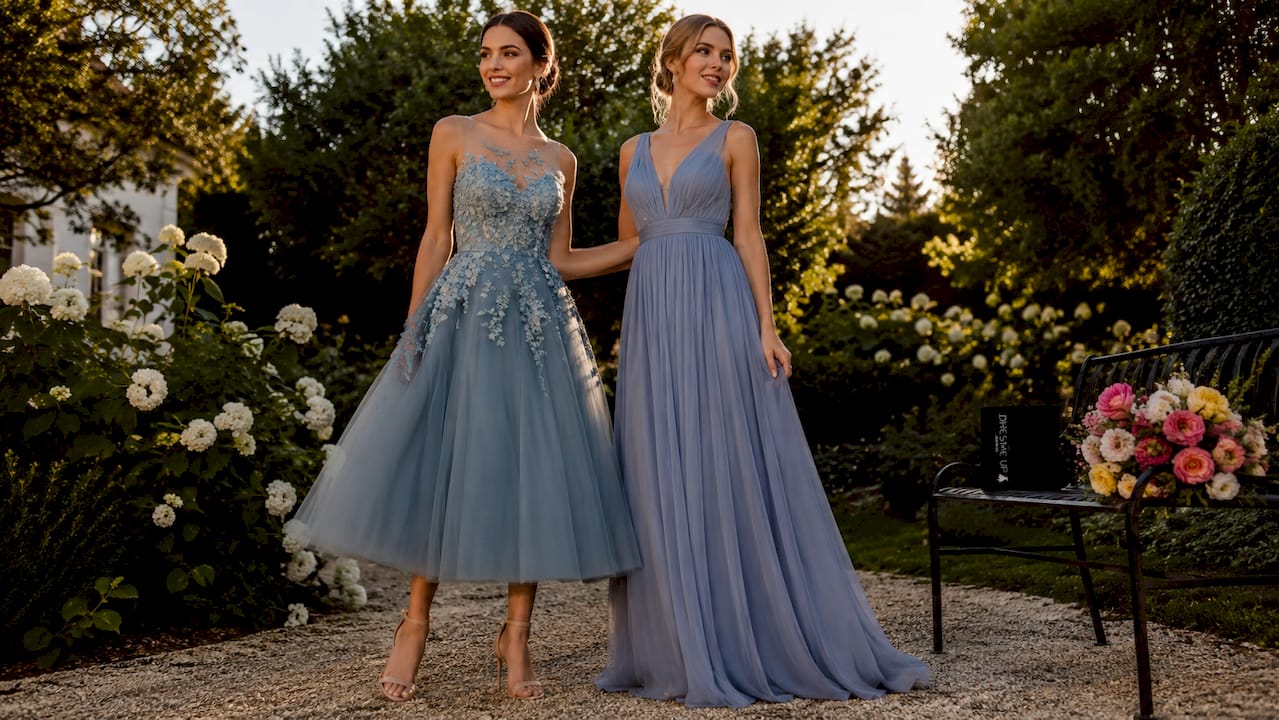
- Garden Party or Daytime Formal: Midi and tea-length styles work well. Lighter fabrics like chiffon and lace are appropriate.
The word on the invitation is not a suggestion. “Black Tie” is a direct instruction. If the code says Formal, a well-styled midi in satin is fully appropriate. If it says White Tie, only a floor-length gown will do. When no dress code is listed, default to the venue’s formality level as your guide.
Pro Tip: If the invitation says “Black-Tie Optional,” treat it as Black Tie. Arriving in a floor-length gown when others wear cocktail dresses is far better than the reverse.
Why fabric and tailoring matter as much as length
True formality is indicated by fabric weight, fit, and finish rather than length alone. This is the most misunderstood rule in formal dressing. A midi dress in the right fabric can match a floor-length gown in perceived formality.
The fabrics that signal formal wear are specific:
- Satin and silk crepe: Heavy, lustrous, and structured. These fabrics hold their shape and catch light in a way that reads as intentional and polished.
- Velvet: Rich texture and weight make it inherently formal, especially for evening events in fall and winter.
- Lace and lace overlays: Delicate and detailed, lace adds formality through craftsmanship rather than length.
- Brocade and jacquard: Woven patterns with visible texture signal couture-level construction.
Tailoring is equally critical. A well-tailored midi with clean seams, a fitted bodice, and a deliberate hem signals intentional formal wear. Loose seams, puckering fabric, or a hem that sits awkwardly undermine formality regardless of how long the dress is.
Embellishments like beading, sequins, and lace overlays add formal impact at any length. A beaded midi worn to a formal dinner reads as more dressed-up than a plain floor-length dress in a lightweight fabric. The construction tells the room you made an effort.
Pro Tip: Run your hand across the fabric before buying. If it feels thin or slippery in a cheap way, it will look that way under event lighting. Heavy, substantial fabric photographs and presents far better.
Comparing floor-length, midi, and cocktail styles for formal events
Each dress length has real advantages and real limitations depending on the event, the venue, and your body.
| Length | Best for | Pros | Cons |
|---|---|---|---|
| Floor-length | Black Tie, White Tie, galas, formal weddings | Elongates silhouette, universally accepted at formal events | Can be warm, harder to move in, requires the right shoes |
| Midi (below knee to ankle) | Formal dinners, Black-Tie Optional, daytime events | Comfortable, versatile, flattering on most body types | Needs luxury fabric to read as formal |
| Cocktail (at or above knee) | Semi-formal receptions, garden parties | Easy to move in, widely available | Risky at Black Tie events, can read as underdressed |
Floor-length gowns elongate the silhouette and are the safest choice for black-tie weddings and galas. They create a continuous vertical line from shoulder to floor, which is visually striking and universally appropriate at the most formal events. The trade-off is practicality. Dancing, climbing stairs, and outdoor venues all become more challenging in a full-length gown.
Midi dresses hit between the knee and ankle and offer genuine comfort without sacrificing elegance. They work especially well for daytime formal events and formal dinners where you will be seated for long periods. The key is fabric. A midi in heavy satin or structured chiffon reads as formal. The same cut in cotton or thin jersey does not.
Cocktail length suits less formal receptions but carries real risk at Black Tie events. If you choose a shorter dress for a formal occasion, styling details must compensate. High heels add visual length. Structured fabric adds weight. A tailored fit signals intention.
Choosing length by body type
Petite women often find that midi dresses can shorten their frame visually. An A-line or column midi with a high heel corrects this. Cut and hemline shape matter significantly for midi dresses, with A-line silhouettes and side slits preventing a boxy appearance and adding elegance. Taller women have more flexibility across all lengths. For specific guidance on styling by height, Dressmeupny’s tall evening dress guide covers length and silhouette choices in detail.
Pro Tip: If you are between sizes or unsure about a midi length, always size for the bodice and have the hem altered. A perfectly fitted midi in luxury fabric outperforms an ill-fitting floor-length gown every time.
How to choose the right dress length for proms, weddings, and formal events
Choosing the right length comes down to five factors: dress code, venue, time of day, fabric, and your own comfort.
-
Read the dress code first. The invitation tells you the floor. White Tie means floor-length, no exceptions. Black Tie means floor-length or a very polished midi. Formal or Black-Tie Optional gives you real options. Start here before anything else.
-
Factor in the venue. Grand historic evening venues call for floor-length gowns. A ballroom or cathedral setting rewards the drama of a full-length silhouette. A rooftop dinner or garden wedding supports shorter, lighter styles without any loss of elegance.
-
Consider the time of day. Evening events in formal venues favor floor-length or formal midi in refined fabric. Daytime formal events permit shorter, lighter styles. A tea-length dress at a morning wedding is appropriate. The same dress at a Black Tie evening gala is not.
-
Match fabric to length and season. Heavy velvet and structured satin work for evening and cooler months. Chiffon and lace suit warmer weather and outdoor venues. Garden weddings allow more freedom for midis or cocktail lengths in lighter fabrics.
-
Coordinate your footwear. Floor-length gowns pair with heels that sit just below the hem, keeping the line clean. Midi dresses work with block heels or strappy sandals. Cocktail dresses give you the most footwear freedom. The shoe affects how the hem sits and how the whole look reads.
For proms specifically, floor-length remains the most popular and photographically striking choice. For weddings as a guest, a formal midi or floor-length gown in a color that does not compete with the bridal party is the standard. For a deeper look at long vs. short formal dresses by occasion, Dressmeupny’s style guides break down the decision by event type.
Key takeaways
The most reliable guide to appropriate dress length is the dress code on your invitation, with fabric quality and tailoring determining whether a shorter length reads as truly formal.
| Point | Details |
|---|---|
| Dress code sets the floor | White Tie requires floor-length; Black Tie strongly prefers it; Formal allows polished midis. |
| Fabric defines formality | Satin, velvet, and lace elevate any length; thin or casual fabrics undermine even floor-length gowns. |
| Tailoring matters as much as length | A fitted midi with clean seams reads as formal; a loose floor-length gown in cheap fabric does not. |
| Venue and time of day count | Grand evening venues call for floor-length; daytime and garden events support shorter styles. |
| Footwear completes the look | Match heel height to hem length to keep the silhouette clean and proportional. |
What I’ve learned about formal dress length after years in formalwear
The biggest mistake I see is treating floor-length as a synonym for formal. It is not. Floor-length is a starting point for the strictest dress codes, but it does not automatically make a dress appropriate. An ill-fitting floor-length dress in inexpensive fabric can look less formal than a well-tailored midi in lustrous satin with embellishments. I have seen this play out at events repeatedly.
The other myth worth addressing is that shorter dresses cannot be formal. A midi in structured velvet with a fitted bodice and clean hem is a formal dress. The length is not what makes it casual. The fabric and fit are what make it formal or not. Polish and fabric matter most in 2026, and the fashion world has largely caught up to this reality.
Comfort and confidence also affect how formal a dress reads. A woman who moves easily and feels good in her dress projects more elegance than someone tugging at a hem or struggling with a train. No length is worth wearing if it makes you self-conscious all evening.
Body inclusivity is a real consideration here. No single length flatters every body type, and formal dress codes do not require you to wear something that does not work for your frame. The goal is to honor the dress code while choosing a length and silhouette that makes you feel your best. Those two things are not in conflict.
— Dressmeup
Dressmeupny’s formal dress collection for every length and occasion
Dressmeupny carries formal dresses across every length category, from floor-length evening gowns to polished midi styles built for Black-Tie Optional events and formal dinners. Every piece in the collection is selected to meet 2026 dress code expectations, with luxury fabrics and tailored construction that hold up under event lighting.
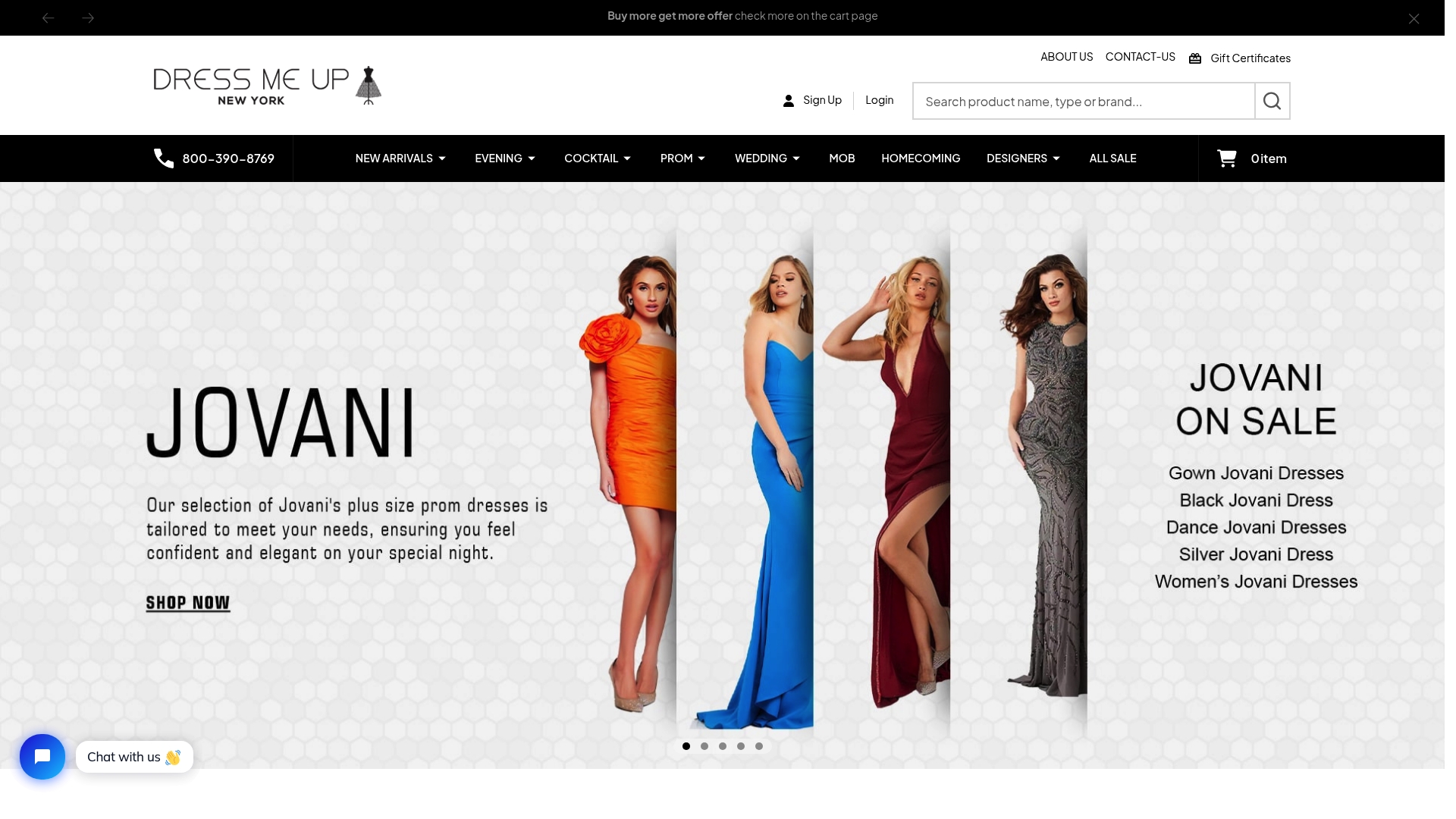
Whether you are shopping for prom, a black-tie wedding, or a formal gala, Dressmeupny’s formal dress styles guide covers the full range of silhouettes, lengths, and fabrics to match your event’s dress code. For personalized help selecting the right length and style, browse the full collection at Dressmeupny and filter by occasion, length, and fabric to find exactly what your event requires.
FAQ
Is floor-length required for all formal events?
Floor-length is required for White Tie events and strongly preferred for Black Tie. Formal and Black-Tie Optional events accept polished midi dresses in luxury fabrics.
Can a midi dress be considered formal?
Yes. A midi dress in heavy satin, velvet, or structured lace with a tailored fit reads as fully formal at most events outside of White Tie and strict Black Tie occasions.
What dress length is appropriate for a prom?
Floor-length is the most popular and photographically striking choice for prom. A formal midi in a luxury fabric is also appropriate, provided the dress code and venue support it.
How does venue affect appropriate dress length?
Grand historic evening venues call for floor-length gowns. Daytime venues, garden settings, and less formal spaces support midi and cocktail lengths without any loss of elegance.
What is the difference between cocktail length and formal dress length?
Cocktail length sits at or just above the knee and suits semi-formal events. Formal dress length refers to floor-length or midi styles in luxury fabrics, appropriate for Black Tie and Formal occasions.
Recommended
- Long vs Short Dresses: How to Choose for Proms, Weddings, and Events 2025 - DressMeUpNY
- Tall Maxi Dress Guide for Formal Events in 2026 - DressMeUpNY
- Dress Code Explained 2025: A Guide for Special Events - DressMeUpNY
- Understanding Long vs Short Formal Dresses for Every Occasion - DressMeUpNY