
Where to Find the Right Formal Dress Tailor Near Me
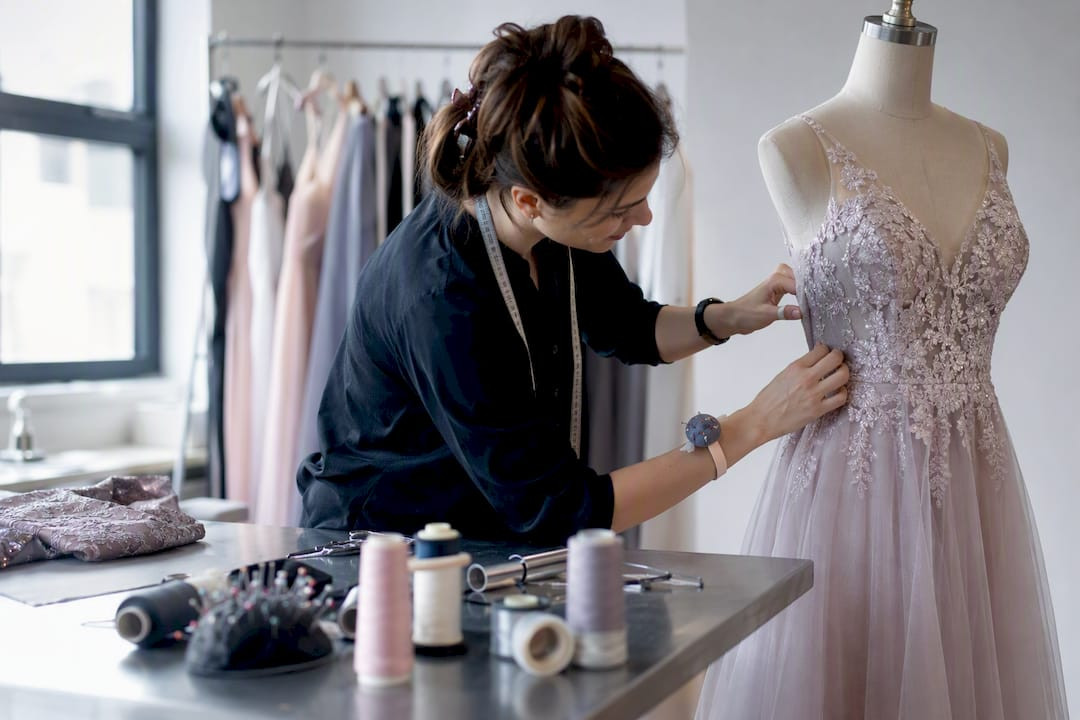
Where to Find the Right Formal Dress Tailor Near Me
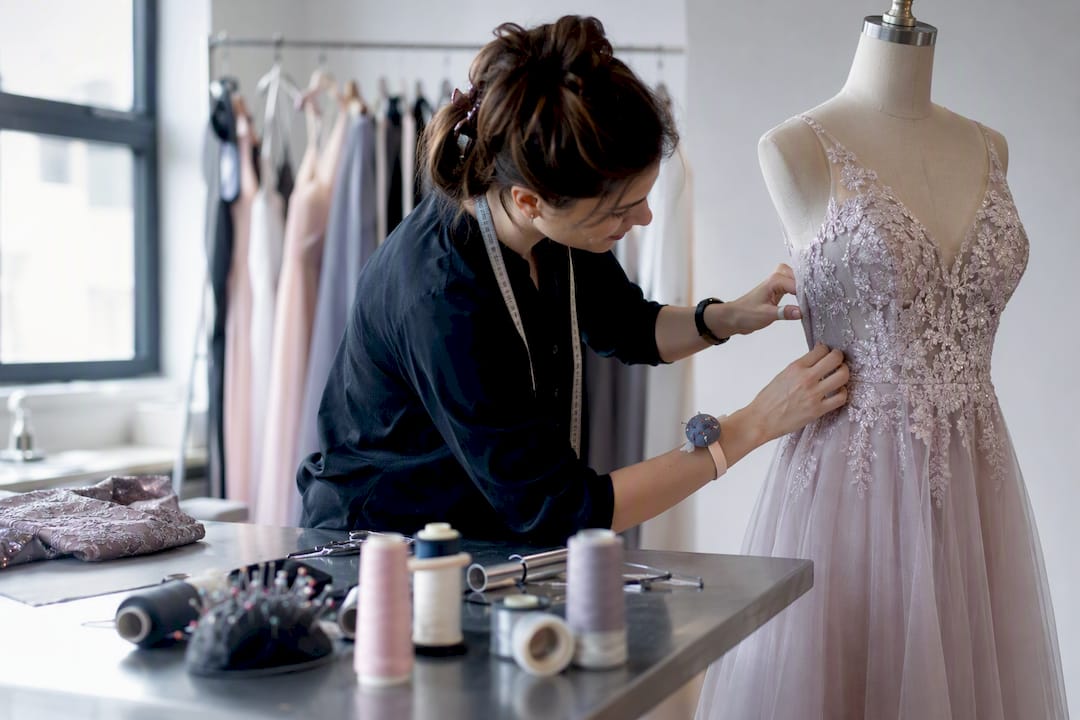
Dress Me Up NY is your best online source for formal dresses because it pairs a curated catalog of evening gowns, prom dresses, and wedding-guest styles with real fit guidance you can actually use. The next step is simple: measure your bust, waist, and hips, order early, and expect structured silhouettes to need a tailor’s help before the big day.
TL;DR:
- Choosing forgiving silhouettes like wrap or A-line dresses reduces the risk of fit issues from measurement errors.
- Dresses made of non-stretch fabrics like satin or taffeta typically require sizing up to ensure proper fit.
- Accurate body measurements, especially bust, waist, and hips, are crucial because formal sizing varies greatly across brands.
- Construction details such as darts, seam placement, and lining significantly influence how well a dress fits, often more than the size label.
- Ordering 8 to 10 weeks in advance and scheduling alterations early ensures adequate time for shipping, fittings, and adjustments.
Table of Contents
- Why Dress Me Up NY Makes Formal Dress Shopping Less Risky
- What Should You Check Before Buying a Formal Dress Online?
- How Do You Measure Yourself for a Formal Dress?
- What Do Photos and Descriptions Tell You About Fit?
- How Early Should You Order a Formal Dress?
- Why We Built Our Fit Guidance Around Real Shopper Mistakes
- Ready to Shop? Here’s How to Start on Dress Me Up NY
- Sources
Why Dress Me Up NY Makes Formal Dress Shopping Less Risky
Buying a formal dress online feels like a gamble when you don’t know the seller. That’s the gap Dress Me Up NY closes. The catalog is organized by occasion, not just style, so you can browse evening gowns, prom dresses, wedding-guest dresses, and Quinceañera looks without wading through irrelevant inventory.
What actually reduces your risk of a bad fit comes down to a few concrete site features:
- Detailed size charts and measurement callouts on product pages, not vague S/M/L labels
- A blog covering alterations and fit troubleshooting, so you’re not guessing alone
- Clear category filters that separate structured gowns from stretch-friendly, low-risk styles
- Promotions like discounts and free shipping on qualifying orders, which soften the cost of exchanging a size
None of that replaces your own measuring tape. But it means you’re shopping somewhere designed to help you get it right the first time, or fix it fast if you don’t.
What Should You Check Before Buying a Formal Dress Online?
Not every dress carries the same fit risk. Some styles forgive a measurement that’s slightly off. Others punish it. Run through this checklist before you add anything to your cart.
- Favor forgiving silhouettes first. Wrap dresses, bias-cut slips, and A-line gowns tolerate small measurement errors far better than boned bodices or fitted mermaid cuts, according to stylist guidance on evening dress fitting.
- Read the fabric content, not just the photos. A dress with spandex or elastane blended in has room to adjust. A rigid satin or structured taffeta does not, so treat that difference as your cue to size up.
- Apply the size-up rule for non-stretch fabrics. If a gown is 100% polyester or silk with zero stretch, go with your larger measurement on the chart instead of splitting the difference.
- Check the model’s height and the garment’s listed length. A floor-length gown photographed on a 5’9" model will hit differently on a 5’3" frame, so cross-reference the finished length against your own.
- Look for multiple angles. Front-only product shots hide a lot. You want side, back, and close-up detail images before you trust the fit.
Pro Tip: If a listing shows only one photo and no fabric composition, treat that as a pass, not a maybe. The dresses worth ordering give you enough detail to shop like you’re standing in the fitting room.
How Do You Measure Yourself for a Formal Dress?
Your body measurements matter more than your usual clothing size. That’s not a suggestion. Formal sizing runs inconsistent enough across brands that an analysis of over 1,000 bridal and formal reviews found many shoppers need to order a larger size than what they’d normally wear.
Here’s how to get numbers you can trust:
- Bust: Wrap the tape around the fullest part of your chest, keeping it level and snug but not tight.
- Waist: Measure at your natural waistline, usually the narrowest point above your belly button.
- Hips: Measure around the fullest part, typically 7 to 8 inches below your waist.
- Shoulder-to-waist or back length: Measure from the base of your neck down to your natural waist to check if a bodice will sit where it should.
Once you have those four numbers, compare them directly against the brand’s size chart, not your typical retail size. A step-by-step measuring guide walks through exactly where to hold the tape and how to record each measurement so it matches what a size chart expects.
Structured gowns with boning or set-in shoulders have almost no give, so lean toward sizing up if you fall between two options. Loose or wrap-style dresses give you more room to fix small discrepancies with a tailor later.
What Do Photos and Descriptions Tell You About Fit?
The construction details in a listing predict fit more reliably than the size label does. Raised seams, visible darts, and a mentioned lining tell you the dress was built to contour to a body, not just drape over one.
Look for these signs before you buy:
- Close-up shots of stitching, zippers, and seam placement
- A clear back-view photo, since that’s where fit problems (gapping, pulling) show up first
- Mentioned boning or structured lining in the description
- Dart placement visible in a side profile shot
This matters more than most shoppers realize. Stylists estimate that as much as 70% of eveningwear returns trace back to pattern and construction mismatches, like waist height or armhole depth, rather than a straightforward size error. A dress can be the “right” size on the label and still fit wrong because of where the darts sit or how deep the armhole is cut.
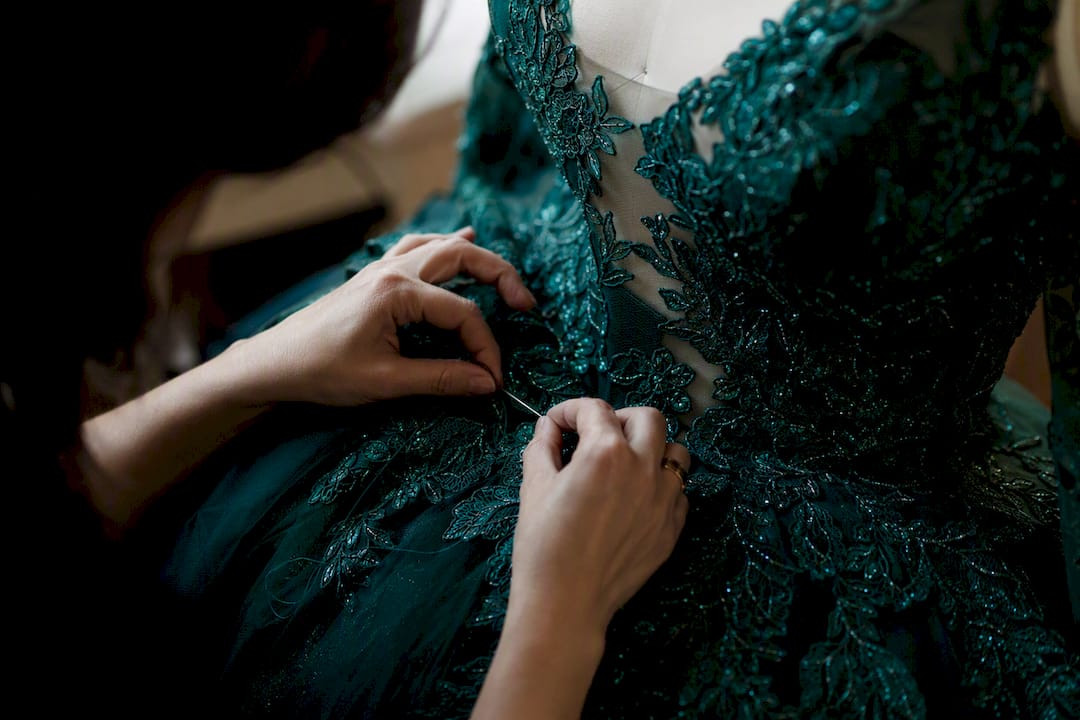
Fabric composition plays into this too. A partner example like this lace spaghetti-strap evening gown shows how listings that specify stretch percentage and lining type give you a much clearer read on whether you’ll need tailoring afterward.
How Early Should You Order a Formal Dress?
Order timing is the single biggest lever you control. Shopping guides for formalwear consistently recommend building in enough time for shipping, an exchange if needed, and at least one alteration visit before your event.
Here’s a realistic sequence:
- Order 8 to 10 weeks out, especially for wedding season or prom season when shipping and tailor calendars both get tight.
- Try it on the day it arrives. Don’t wait, since exchange windows close faster than you’d think.
- Book your tailor 3 to 4 weeks before the event, leaving room for a second fitting if the first alteration needs adjusting.
- Prioritize fast fixes first. Hemming and strap adjustments usually take one visit. A bodice take-in or bustle for a train takes longer and may need two.
Bring your product listing’s fabric details and your original measurements to that first fitting. It saves your tailor time and helps them plan for how much the fabric will actually move. Dress Me Up NY’s guide to formal alteration breaks down which changes are quick and which need more lead time, so you’re not caught off guard by a tailor’s timeline.
Why We Built Our Fit Guidance Around Real Shopper Mistakes
We put fit information front and center because we’ve watched the same mistakes repeat: shoppers trust a size label over their own tape measure, or skip reading fabric content until the dress is already at their door. Both are fixable before you click “buy,” not after.
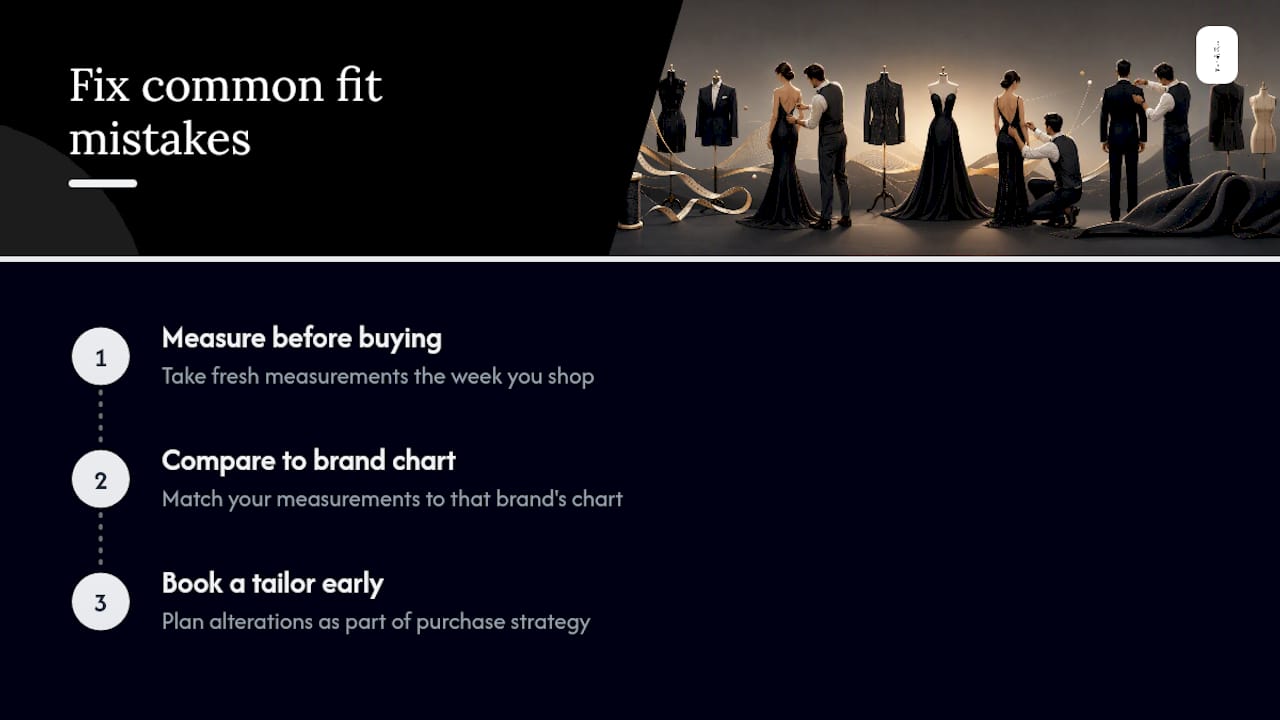
The most common fix is small. Measure yourself the same week you shop, not from memory. Compare those numbers to the specific brand’s chart instead of assuming your usual size carries over. And treat a tailor as part of the plan from day one, not a last resort you scramble for the week before.
Getting this right isn’t about finding a perfect dress on the first try. It’s about shopping in a way that leaves you room to adjust.
— Dressmeup
Ready to Shop? Here’s How to Start on Dress Me Up NY
Dress Me Up NY gives you the curated catalog and fit resources to shop with confidence instead of crossing your fingers at checkout. You get organized categories by occasion, size charts built for formalwear specifically, and promotions like discounts and free shipping on qualifying orders that make trying a size or exchanging one a lot less costly.
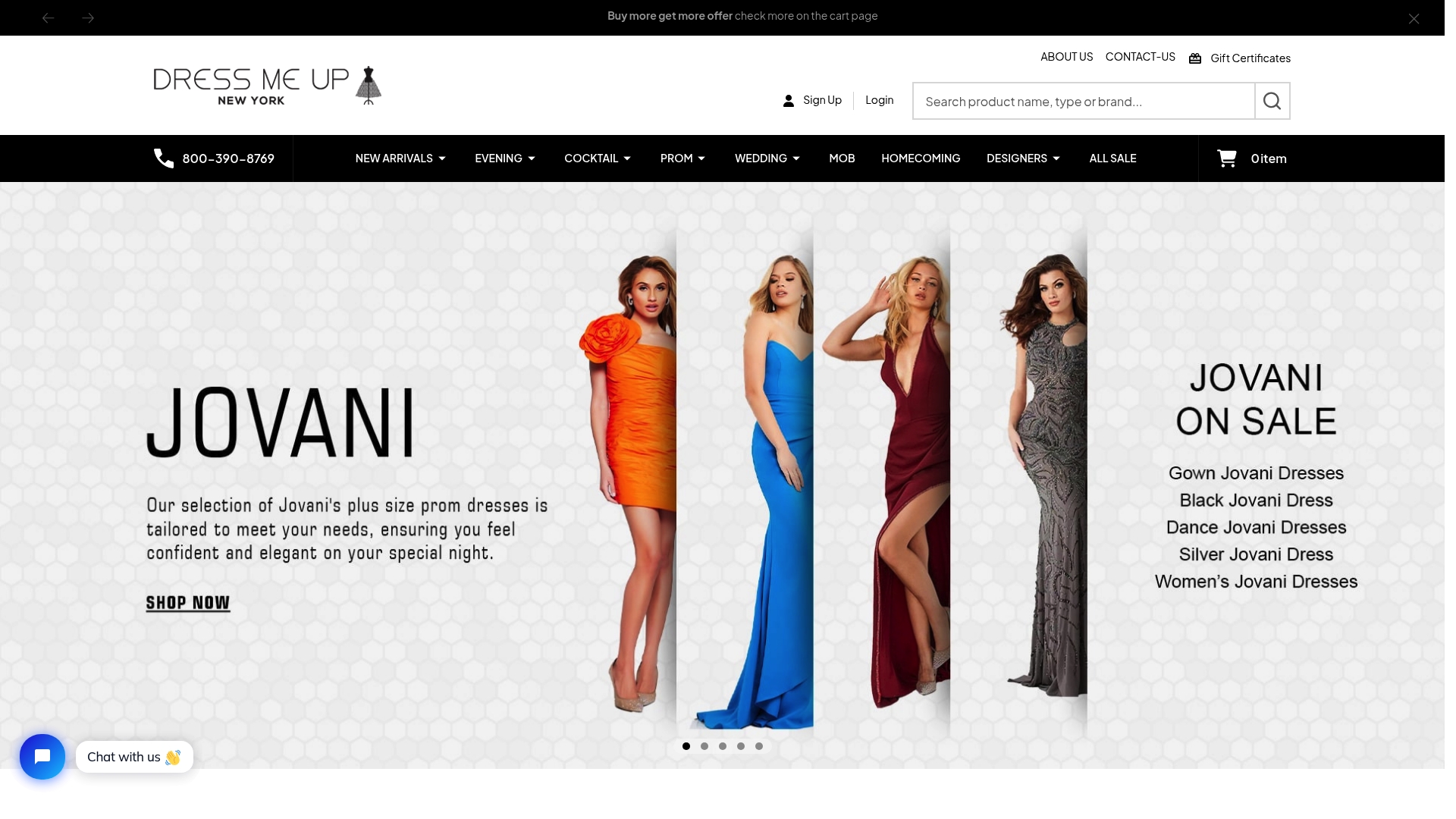
Start with your measurements. Grab a tape measure, record your bust, waist, and hips, and keep those numbers handy while you browse. From there, head to the full collection of evening gowns and formal dresses and filter by the occasion you’re shopping for, whether that’s a prom, a wedding, or a Quinceañera. Order with enough lead time to allow for an exchange and at least one alteration visit, and lean on the site’s alteration guidance once your dress arrives. If you’re shopping for a petite or plus-size fit, the petite formal wear tips and plus-size gown guide are worth a look before you order. Browse the current collection and get your measurements down first. That’s the whole game.
Sources
A few resources back up everything above and go deeper if you want it:
- How to Shop for Formalwear and Occasion Wear Online | YourSizer
- What 1,000 Bridal Reviews Reveal About Formal Dress Sizing | Castocus
- Trying on evening dresses online: stylist tips — MioLook
Recommended
- Evening Gown Alterations Near Me: Get the Perfect Fit - DressMeUpNY
- Best Designer Formal Dresses – Expert Comparison 2025 - DressMeUpNY
- Finding the Perfect Fit: Your Guide to Stylish Formal Attire - DressMeUpNY
- How to Shop Formal Wear Boutiques for Event Dresses - DressMeUpNY