
Shoppers: 7 Formal Dress Silhouettes and Fabric Clues
Shoppers: 7 Formal Dress Silhouettes and Fabric Clues
The most common formal dress types are the ball gown, A-line, sheath (also called column), mermaid (or trumpet), empire waist, cocktail, and maxi or midi (tea-length). Length and fabric are what actually signal formality, not the silhouette alone. A floor-length gown in structured satin reads black tie, while that same shape in a lightweight cotton print would not. This guide breaks down each style, matches them to real dress codes, and gives you a shopping checklist you can use the next time you’re browsing or standing in a fitting room.
TL;DR:
- Length and fabric, rather than silhouette alone, determine the formality of a dress, with structured satin gowns reading as black tie.
- A-line dresses are highly versatile and flattering, suitable for many formal occasions, especially when in heavyweight fabrics.
- Ensure the dress fits well and allows ease of movement before considering fabric choice and dress code, as these affect the overall formal appearance.
- Black-tie events typically require floor-length gowns, while cocktail and semi-formal occasions call for knee-length or midi dresses in elevated fabrics.
- Shopping by silhouette, as organized by Dressmeupny, helps find appropriate styles for specific dress codes, avoiding guesswork.
Table of Contents
- Formal Dress Types Names and What Makes Each One Different
- How Dress Codes Map to Each Silhouette
- Choosing the Right Formal Dress: A Practical Checklist
- Why Dressmeupny’s Style Guidance Holds Up
- Shop These Silhouettes at Dress Me Up NY
- A Stylist’s Take: Fit First, Fabric Second, Dress Code Third
- Primary Sources and Further Reading
- Sources
Formal Dress Types Names and What Makes Each One Different
Every silhouette has a signature shape, and once you know what to look for, you’ll spot it instantly, whether you’re scrolling a catalog or flipping through a rack at a boutique.
- Ball gown. A fitted bodice meets a dramatically full skirt at the waist, often supported by layers of tulle or crinoline underneath. This is the classic prom and quinceañera shape, and it works best for the most formal events on the calendar. Look for structured boning in the bodice and a floor-sweeping hem.
- A-line. The bodice fits close through the torso, then flares gently outward from the waist to the hem, resembling the letter A. It’s one of the most flattering and versatile formal shapes because it skims rather than clings, which makes it a smart pick if you’re unsure what silhouette suits your body.
- Sheath, or column. This style follows the body’s natural line from shoulder to hem with minimal flare. Fabric choice matters enormously here since a stiff satin will hold its shape while a soft jersey will cling. Column dresses tend to photograph beautifully at red-carpet-style events and upscale weddings.
- Mermaid, or trumpet. Fitted through the bodice, waist, and hips, then flaring out sharply at or below the knee. The trumpet variation flares a bit higher and less dramatically than a true mermaid. This shape demands quality construction because any bunching at the hip reads as a fit problem, not a style choice.
- Empire waist. The seam sits just below the bust, and the skirt flows loosely from there to the hem. It’s forgiving through the midsection and a favorite for anyone who wants comfort without sacrificing formality, including many pregnant guests attending formal events.
- Cocktail. Typically hits at or just above the knee, often in structured fabrics like crepe or faille. Despite the shorter length, a well-made cocktail dress in a luxe fabric can hold its own at semi-formal and even some formal gatherings.
- Maxi, midi, and tea-length. Maxi grazes the floor, midi falls between knee and ankle, and tea-length hits mid-calf. These lengths have become far more common at formal events over the past several years, particularly when paired with structured tailoring.
Pro Tip: Snap a photo of yourself in three different silhouettes under the same lighting before deciding. Silhouettes often look different in movement than they do standing still in a mirror.
How Dress Codes Map to Each Silhouette
Invitations rarely spell out exactly what to wear, so the wording on that card is your biggest clue. Here’s how to translate it into an actual dress choice.
- White tie. The most formal code that exists, calling for a floor-length gown, ideally in a rich fabric like silk or satin, paired with formal gloves. Ball gowns and column gowns both work well here, according to the Emily Post Institute’s attire guide.
- Black tie. Usually means a floor-length evening gown. Mermaid, A-line, and ball gown silhouettes are all safe choices, and Paperless Post’s guest attire guide confirms that an evening gown is the standard expectation for women at this level.
- Black-tie optional, or formal. This is where things loosen up. A floor-length gown still works, but a refined midi in a heavyweight fabric with clean construction can also pass, especially as Vogue Australia notes that modern formal codes have grown more flexible around length.
- Cocktail, or semi-formal. Knee-length to midi dresses in elevated fabrics like faille, crepe, or structured satin are the go-to here. This is cocktail dress territory, and it’s the most forgiving code on this list.
- Wedding guest. Codes vary by ceremony style, but most fall somewhere between cocktail and black-tie optional. Check the invitation wording carefully, since FashionInformed’s breakdown of the seven standard dress codes shows how much overlap exists between these middle-tier categories.
Choosing the Right Formal Dress: A Practical Checklist
Once you know the silhouette names and how they match dress codes, the real work is picking the one that fits you and the occasion. Run through this before you buy:
- Confirm the exact dress code wording on your invitation, then match it to the guidance above.
- Check the fabric and lining. A lined bodice holds its shape and looks intentional; an unlined one can shift and bunch.
- Try the dress on and actually move in it. Sit, raise your arms, and walk a few steps before deciding.
- Match your hemline to your shoe height ahead of time, especially for floor-length styles that need hemming.
- Factor in the season. Heavier fabrics like velvet suit fall and winter events, while lighter crepe and chiffon work better for spring and summer.
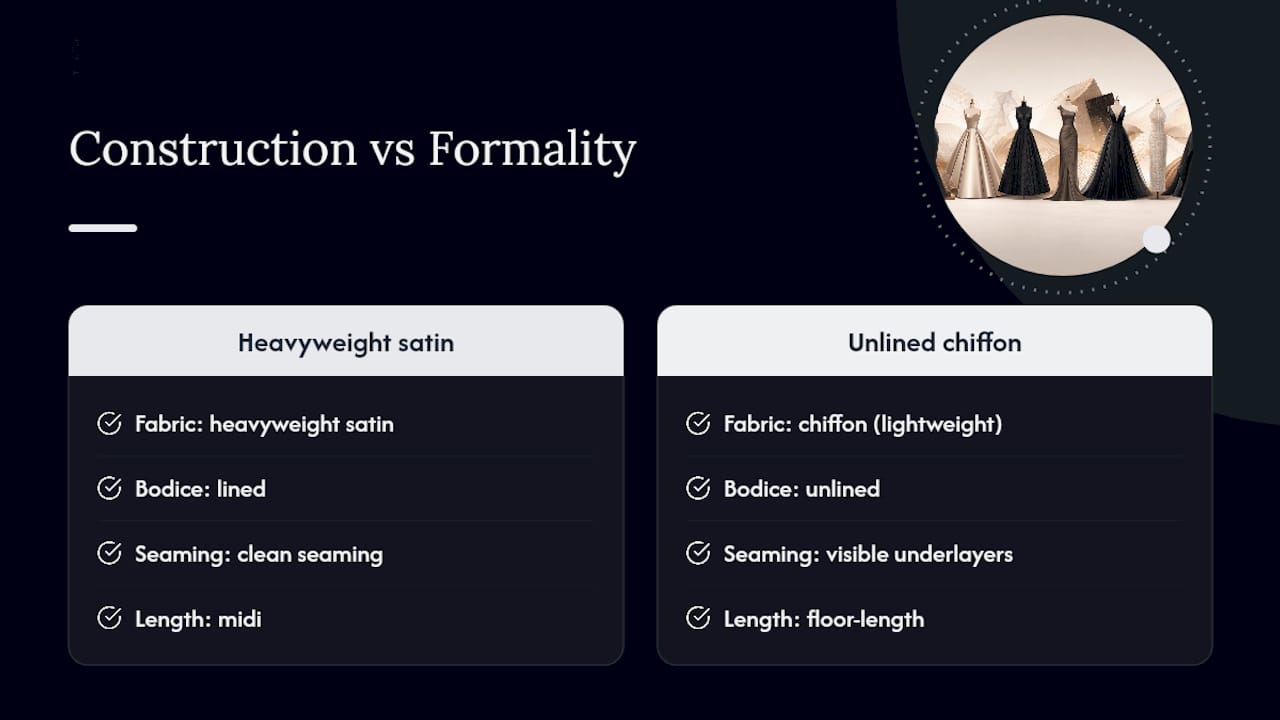
Pro Tip: When a dress is made from a heavyweight, high-quality fabric, prioritize the construction over the length. A midi with a lined bodice and clean seaming will often read more formal than a floor-length dress in a thin, unlined material.
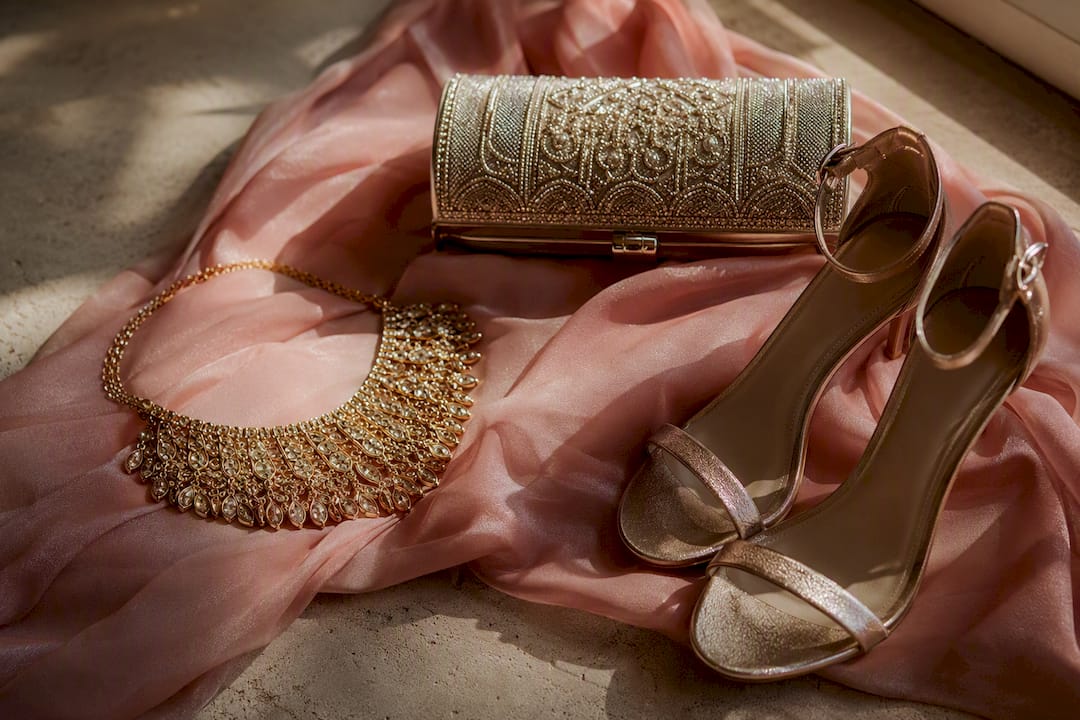
Once the dress is settled, accessories finish the look. Keep jewelry simple if your dress has embellishment, choose a clutch over a bulky bag, and pick shoes that match the formality level, not just the color palette.
Why Dressmeupny’s Style Guidance Holds Up
Dressmeupny built its catalog around exactly these silhouette names, sorting evening gowns, prom dresses, and wedding guest dresses so you can shop by shape and occasion instead of guessing. That structure comes from years of watching what shoppers actually search for and try on.
A construction detail worth remembering: a well-made midi in heavyweight satin with a lined bodice and clean seaming will read more formal than an unlined floor-length chiffon dress with visible underlayers. Length alone never guarantees formality. For deeper dives into specific styles, Dressmeupny’s blog covers types of formal dresses for women and formal evening wear style rules in more detail.
Shop These Silhouettes at Dress Me Up NY
You now know the names, the dress codes, and what to check before you buy. The next step is putting that knowledge to work, and Dressmeupny’s catalog is organized so you can shop by exactly the silhouettes covered above instead of scrolling through hundreds of unsorted listings.
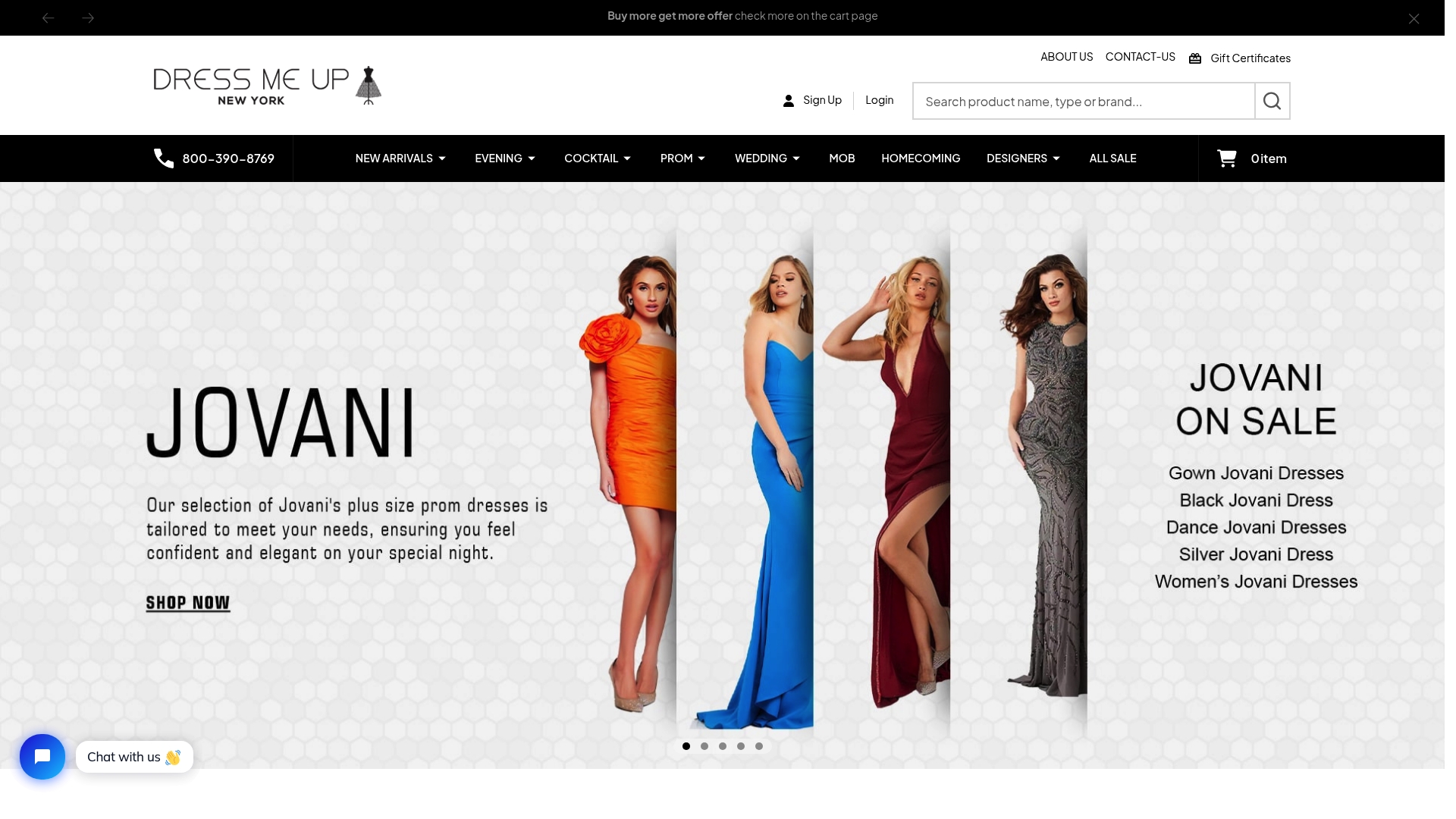
Whether you’re after a ball gown for a quinceañera, a sheath for a corporate gala, or a midi for a black-tie optional wedding, Dressmeupny groups its evening gowns, cocktail dresses, and black-tie event dresses so the silhouette you just learned to identify is a click away, not a guessing game. Free shipping thresholds and buy-more-get-more deals make it easier to add the right shoes or a backup option without a second shipping charge. Browse by category on Dressmeupny and start narrowing down your options today.
A Stylist’s Take: Fit First, Fabric Second, Dress Code Third
Get the fit right before anything else. A dress that pulls at the zipper or gaps at the bust will undercut even the most expensive fabric. Once fit is settled, fabric and construction do the heavy lifting for formality, letting a midi outperform a poorly made maxi. Dress code comes last because it’s the easiest box to check once the first two are handled. Try on more than one silhouette before you decide. Bodies change, trends shift, and the shape that flattered you two years ago might not be the one that works today.
— Dressmeup
Primary Sources and Further Reading
- Emily Post Institute’s attire guide: defines the formality ladder from casual to white tie.
- Vogue Australia’s dress code breakdown: covers how modern formal codes have grown more flexible.
- FashionInformed’s guide to dress codes: outlines the seven standard classifications shoppers encounter.
- Paperless Post’s guest attire guide: offers event-specific examples for guests.
Sources
- Attire Guide: Dress Codes from Casual to White Tie — Emily Post
- Dress Codes: The Different Types Of Dress Codes, Explained | Vogue Australia
- Dress Codes: The Different Types Of Dress Codes, Explained | FashionInformed
- Dress Codes: Guest attire guide — Paperless Post
Recommended
- Types of formal dresses for ladies: 2026 style guide
- 7 Best Online Formal Dress Stores for Every Occasion
- Best Fabrics for Formal Dresses: Your Complete Style Guide
- Flattering Dresses for Apple Shape: Formal Event Choices 2025