
The Best Plus Size Formal Dresses: A Fit-First Style Guide
The Best Plus Size Formal Dresses: A Fit-First Style Guide
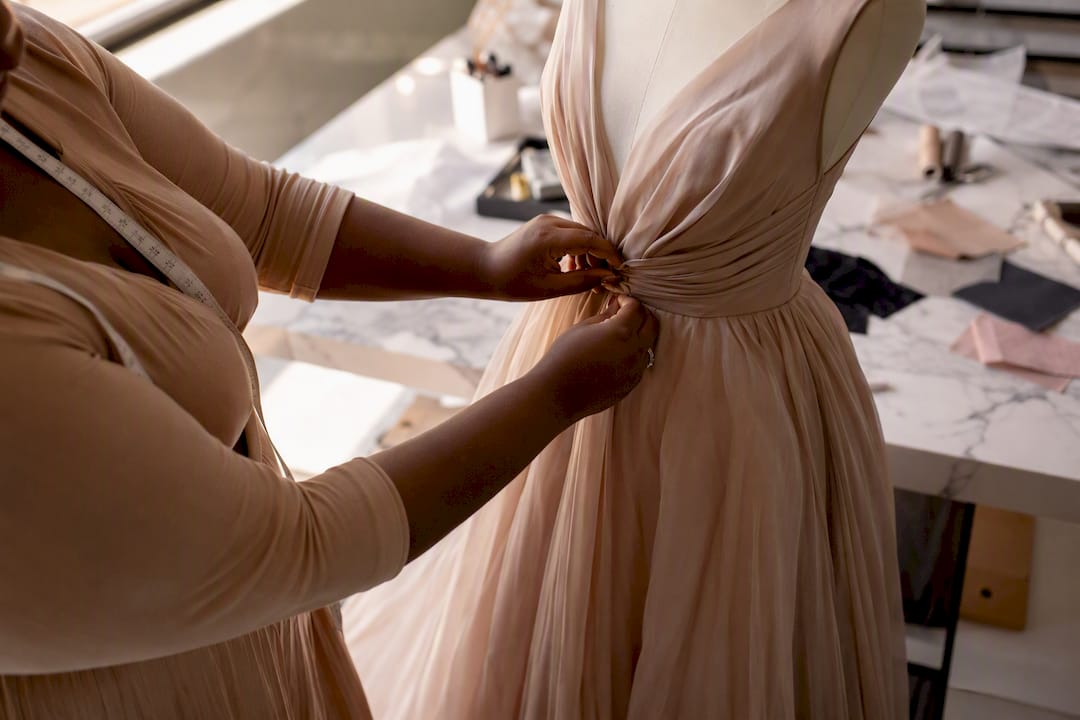
Start with three silhouettes: A-line, empire waist, and fit-and-flare. Almost every plus-size body looks polished in one of these three, and they cover most formal events from galas to weddings. If your event calls for something sleeker, a column or sheath works for taller frames, while a ball gown earns its keep at black-tie affairs where drama is the whole point.
Here’s the buying action that matters more than any silhouette choice: measure before you shop. Take your bust, natural waist, fullest hip, and shoulder-to-hem, then check those numbers against the product’s actual measurement chart, not the size label on the tag.
- Bust, waist, and hip measurements, taken snug but not tight
- Shoulder-to-hem length, measured with the heel height you plan to wear
- Your largest measurement determines your size, not an average
Once you’ve got your numbers, jump to the shopping checklist below to see exactly what to verify before you click “buy.”
TL;DR:
- Always measure your bust, waist, hips, and shoulder-to-hem length with shoes you’ll wear, matching these to detailed size charts instead of relying on labels.
- A-line and empire waist dresses flatter most plus-size bodies, with empire styles ideal for shorter torsos or those with more midsection volume.
- For structured gowns, look for support features like boning, stretch linings, and wide straps to ensure comfort throughout extended wear.
- When shopping online, compare customer photos on bodies similar to yours and verify fabric content and construction details to assess quality.
- Prioritize buying one size larger than your measurements and plan for tailoring, especially for fitted or structured gowns with limited seam allowance.
Table of Contents
- What Silhouettes Work Best for Formal Office Wear for Plus Size Ladies?
- How Do You Measure and Choose the Right Size Online?
- Which Fabrics and Construction Details Matter Most?
- Styling Rules: Necklines, Undergarments, Shoes, and Accessories
- Your Online Shopping Checklist Before You Buy
- Why DressMeUpNY Understands Plus-Size Formal Fit
- What Do Plus Size Formal Dresses Typically Cost?
- Where Should You Shop for Plus-Size Formal Dresses?
- What Should You Ask Customer Service Before Buying?
- How Can You Spot Quality Before You Buy Online?
- Our Take: Fit Comes Before Fashion, Every Time
- Ready to Shop DressMeUpNY’s Plus-Size Formal Collections?
- Key Takeaways
- Sources
What Silhouettes Work Best for Formal Office Wear for Plus Size Ladies?
The right silhouette depends on your shape and the event, not a one-size-fits-all rule. That’s the honest answer, and it’s worth sitting with before you fall in love with a dress on a mannequin shaped nothing like you.
A-line dresses flatter the widest range of plus-size bodies because they nip in at the natural waist and then release gradually over the hips. Nothing clings, nothing pulls, and the shape reads as put-together at everything from a Quinceañera to a formal wedding. Design guides consistently point to A-line as one of the most reliable flattering shapes for plus-size evening wear, largely because it defines the bodice while skimming past the hips instead of hugging them.
Empire waist dresses solve a different problem. If you’re short-waisted or carry more weight through the midsection, an empire seam sitting just under the bust elongates your whole torso. It’s the silhouette we point apple-shaped shoppers toward first.
- Fit-and-flare adds volume below the waist, which photographs beautifully and suits grand, formal settings, though the fullness can feel warm or heavy for a long summer event.
- Ball gowns go further still. Reserve these for black-tie events where the drama is expected, since event dress codes generally call for floor-length gowns at galas and formal weddings, while cocktail parties favor shorter, lighter options.
- Column and sheath dresses streamline the body and suit taller frames or modern, minimalist formal looks, but they need real stretch or strategic ruching to stay comfortable through a four-hour reception.
Necklines and sleeves do quiet work too. A V-neck or sweetheart neckline draws the eye upward and creates length, while three-quarter or bell sleeves balance a fuller bust without adding bulk.
Pro Tip: If you’re unsure which silhouette suits your shape, order two styles in the same size and compare them side by side at home under real lighting. Photos on a retailer’s site rarely show how a dress moves on a body shaped like yours.
How Do You Measure and Choose the Right Size Online?
Pick your size based on your largest measurement, always. If your hips measure a size 18 and your waist measures a size 16, order the 18 and let a tailor adjust the smaller areas. This one rule prevents more disappointing deliveries than any other piece of advice in this guide.
Here’s exactly what to measure and how:
- Bust: Wrap the tape around the fullest part, keeping it level across your back.
- Natural waist: Find the narrowest point, usually just above your belly button, not where your pants sit.
- Fullest hip: Measure about 7 to 9 inches below your waist, at the widest point.
- Shoulder-to-hem: Measure from the top of your shoulder straight down to your desired hem length, factoring in the heel height you’ll actually wear that day.
Height and heel choice matter more than shoppers expect. A technical gown-sizing guide notes that floor-length gowns depend on the exact heel height you plan to wear, since two inches of heel changes where the hem lands by two full inches. Measure with those shoes on, not barefoot.
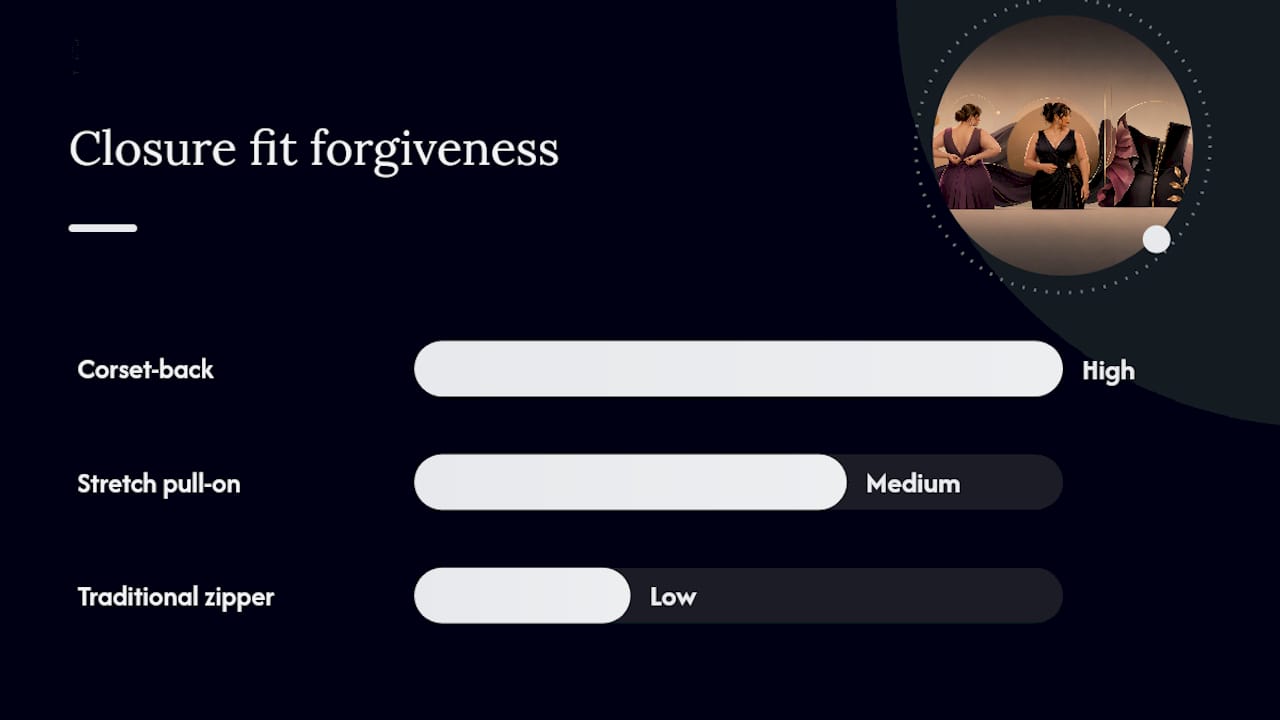
Closures affect how forgiving a size is. A stretch pull-on dress gives you a little wiggle room in either direction. A corset-back gown, by contrast, laces to fit a range of sizes and tends to be more forgiving if you’re between measurements. A traditional side or back zipper is the least flexible; if it doesn’t zip, it doesn’t fit, period.
Because size labels vary so widely brand to brand, measurement-first shopping beats trusting a familiar number from another store. A size 16 at one retailer can measure like a size 12 or a size 20 somewhere else.
When in doubt, size up. Hemming a dress or taking in side seams is routine tailoring work most seamstresses handle in a single visit. Letting out a structured bodice with built-in boning is often impossible, since there’s no extra fabric hiding in the seam allowance to release.
Which Fabrics and Construction Details Matter Most?
Fabric decides how a dress moves, breathes, and holds its shape through a long night, so it deserves as much attention as silhouette. Chiffon and crepe both flow beautifully and stay breathable, which makes them strong picks for outdoor weddings or warm-weather galas. Crepe leans slightly more structured with a matte, sophisticated finish, while chiffon drapes looser and softer.
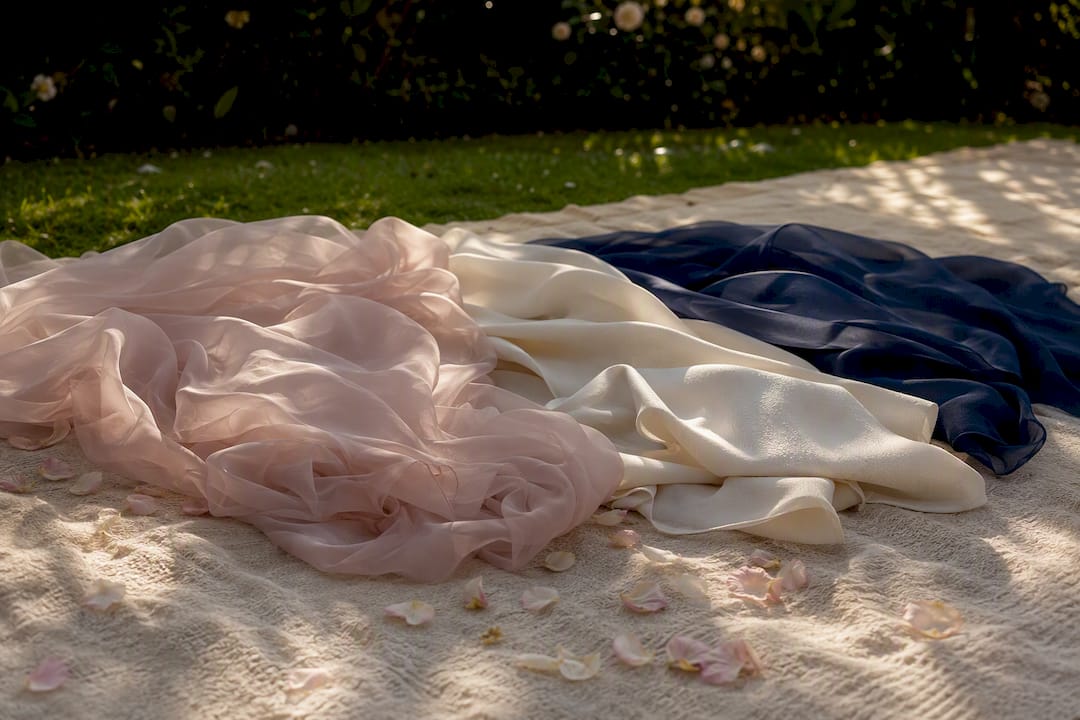
Stretch satin gives you shine plus give, a combination that flatters curves without restricting movement on the dance floor. Jersey knit is your most forgiving option for a fitted look, since it stretches with your body throughout the evening. Tulle adds volume for ball gown silhouettes but can feel warm in summer, and velvet brings richness that suits winter formal events far better than a June wedding.
Construction details separate a dress that lasts one wear from one you’ll reach for again:
- Structured, supportive bodices that hold their shape without a strapless bra fighting gravity all night
- Built-in boning for gowns that need to stay put without constant adjusting
- Wide-set straps that distribute weight across the shoulder instead of digging in
- Stretch linings underneath structured outer fabric for comfort without sacrificing shape
Guides on plus-size evening gowns consistently flag structured bodices and reinforced seams as the details that keep a dress wearable for a six-hour reception instead of just a photo session.
Styling Rules: Necklines, Undergarments, Shoes, and Accessories
Getting the dress right is half the job. Comfort and small styling choices carry the rest of the evening.
- Necklines and sleeves should work together, not compete: a plunging V pairs well with cap sleeves, while a high neckline looks best with bare or sheer sleeves so the eye has somewhere to travel.
- Undergarments come down to support first, aesthetics second. A well-fitted, supportive bra matters more than a strapless one that slips, and smoothing shapewear should feel comfortable enough to forget about, not restrictive enough to distract you.
- Footwear depends on the length of your night. Block heels and wedges give you the height of a stiletto with far more stability for standing through toasts and dancing later. For floor-length gowns, a low heel or dressy flat disappears entirely under the hem, so comfort wins without sacrificing the look.
- Accessories work best kept simple: one statement piece, whether that’s earrings or a necklace, a clutch that coordinates rather than matches exactly, and a lightweight wrap or shawl for venues that crank the air conditioning.
Your Online Shopping Checklist Before You Buy
Before you check out, run through this list on every product page. It takes two minutes and saves you a return shipment.
- Garment measurements, not just the size label, including shoulder-to-hem length and bust, waist, and hip dimensions in inches
- Fabric content and construction notes, looking for mentions of boning, lining, or built-in support
- Return and exchange policy, plus stated production or shipping lead time if the dress is made to order
- Hemming and length options, especially for petite or tall frames ordering a floor-length gown
- Customer photos and model measurements, since seeing the dress on a body shaped like yours tells you more than any product description
Retailers that list detailed measurements, construction notes, and clear return policies consistently generate fewer sizing surprises, according to plus-size shopping guides built around exactly these checklist items.
Pro Tip: If you’re ordering larger to be safe, book a tailor appointment the same week your dress arrives. Structured formal gowns often need a few days’ turnaround for hemming, and waiting until the week of your event leaves no room for error.
Why DressMeUpNY Understands Plus-Size Formal Fit
Dress Me Up NY built its catalog specifically around evening gowns, prom dresses, wedding guest dresses, and other special-occasion formalwear, which means every collection is organized around the fit questions this guide just walked through. That specialization shows up in how the site presents plus-size formal attire, with fit and style guidance built for curvy shoppers rather than bolted on as an afterthought.
A few resources worth bookmarking as you shop:
- Women’s Plus Formal Dresses: Style & Fit Guide for a deeper look at current collections
- Elegant Plus Size Clothes for Every Formal Occasion if you’re still narrowing down your event’s dress code
- Complete Guide to Plus Size Formal Wear for a broader style reference
If you want to see how these silhouette and fabric rules translate into real inventory, the curated plus-size formal collections are worth a browse whenever you’re ready.
What Do Plus Size Formal Dresses Typically Cost?
Plus-size formal dresses generally run from budget-friendly to designer pricing, and where you land depends on fabric, construction, and how formal the event is. A simple A-line dress in polyester or basic crepe sits at the lower end of that range. Add stretch-lined bodices, boning, or hand-finished detailing, and the price climbs accordingly, since those construction features cost more to produce.
A useful budgeting approach: decide your ceiling before you start browsing, then let fabric and construction quality guide you within that range rather than chasing the lowest price you find. A dress with a supportive bodice and quality lining that you can wear to three different weddings is often a better value than a cheaper option that only works once.
Watch for seasonal sales, buy-more-get-more promotions, and free shipping thresholds, all of which stretch a formalwear budget further without sacrificing the fit details that actually matter. Timing a purchase around a retailer’s promotional calendar, rather than waiting until the week before your event, also gives you more room to order, measure, and return if needed without paying rush shipping fees.
Where Should You Shop for Plus-Size Formal Dresses?
Look for retailers that specialize in special-occasion and formalwear specifically, rather than general clothing stores with a small plus-size formal section tacked on. Specialization tends to show up in the details: deeper size ranges, more thorough measurement charts, and construction notes that actually mention boning, lining, and support.
Dress Me Up NY organizes its catalog around exactly this kind of occasion-first browsing, with categories spanning evening gowns, prom dresses, wedding guest dresses, and Quinceañera dresses alongside designer collections. That structure matters when you’re shopping for a specific event instead of general style inspiration, since you can filter by occasion rather than scrolling through a mixed inventory. If you’re drawn to a two-piece look instead of a traditional gown, the two-piece formal dress guide is worth a look before you commit to a single silhouette.
Whichever retailer you choose, prioritize sites with size charts specific to their own patterns rather than generic sizing tables, since fit varies enough between brands that a universal chart rarely tells you much.
What Should You Ask Customer Service Before Buying?
A few direct questions before checkout save you from guessing after your card is already charged.
Ask about production and shipping timelines separately. Made-to-order formal dresses often need one to three weeks of production before they even ship, and if your event is close, that timeline determines whether a dress is realistic at all. Ask whether rush production is available and what it costs.
Ask what happens if the dress doesn’t fit. A clear return or exchange policy, with a specific window and any restocking conditions spelled out, tells you how much risk you’re actually taking by ordering online. Vague answers here are a signal to keep looking.
Ask about hemming services or length adjustments, particularly for floor-length gowns. Some retailers offer this in-house; most expect you to arrange it locally, which is fine as long as you know that going in.
Reviews answer questions customer service sometimes can’t. Look specifically for mentions of true-to-size fit, fabric quality holding up after one wear, and whether the color matched the product photos. A pattern of the same complaint across multiple reviews, like straps stretching out or a zipper failing, tells you more than a single five-star rating ever will.
How Can You Spot Quality Before You Buy Online?
Product photos tell you more than most shoppers realize, if you know what to look for. Zoom into any close-up shots and check whether seams lie flat, whether boning channels are visible without looking bulky, and whether the fabric has a visible weight and texture rather than looking flat and cheap under studio lighting.
Read the fabric content listed on the product page, not just the marketing description. “Luxurious satin” means little without knowing the fiber content; a polyester stretch satin behaves very differently from a silk blend, and both are fine choices as long as you know which one you’re getting and dress your expectations accordingly.
Customer photos are your best quality check. A dress that looks identical to its product photo across multiple customer uploads, in different lighting and on different body types, is a strong signal that what you see is what you’ll get. A dress with wildly inconsistent customer photos, where the color or fit varies dramatically, deserves more scrutiny before you commit.
Finally, treat a vague or missing size chart as a warning sign on its own. Listings that skip garment measurements and only offer a generic S/M/L/XL label, with no numbers attached, make it nearly impossible to predict fit accurately. Retailers confident in their construction tend to publish detailed measurements because they know the fit holds up.
Our Take: Fit Comes Before Fashion, Every Time
Most formalwear advice leads with trends: this season’s color, this year’s neckline. We think that order is backwards for plus-size shoppers specifically, because the stakes of a poor fit are higher when brands still treat extended sizing as an afterthought rather than a core part of their pattern-making.
The conventional advice to “know your body type” isn’t wrong, but it’s incomplete without a measurement in hand. A shopper who knows she’s pear-shaped still needs her actual hip number to choose correctly between two brands with wildly different size charts. Body-shape advice without measurements is a starting point, not a strategy.
What we’d prioritize first, before silhouette, before color, before trend: get your four measurements written down, then shop with that sheet of paper open next to every product page. It’s the least glamorous piece of advice in this entire guide, and it’s also the one most likely to prevent a returned dress and a scramble for a backup two weeks before your event.
— Dressmeup
Ready to Shop DressMeUpNY’s Plus-Size Formal Collections?
DressMeUpNY built its plus-size formal collections around exactly the fit-first shopping approach this guide just walked through, extended sizing, detailed measurement charts, and curated selections organized by event rather than a scattered afterthought section.
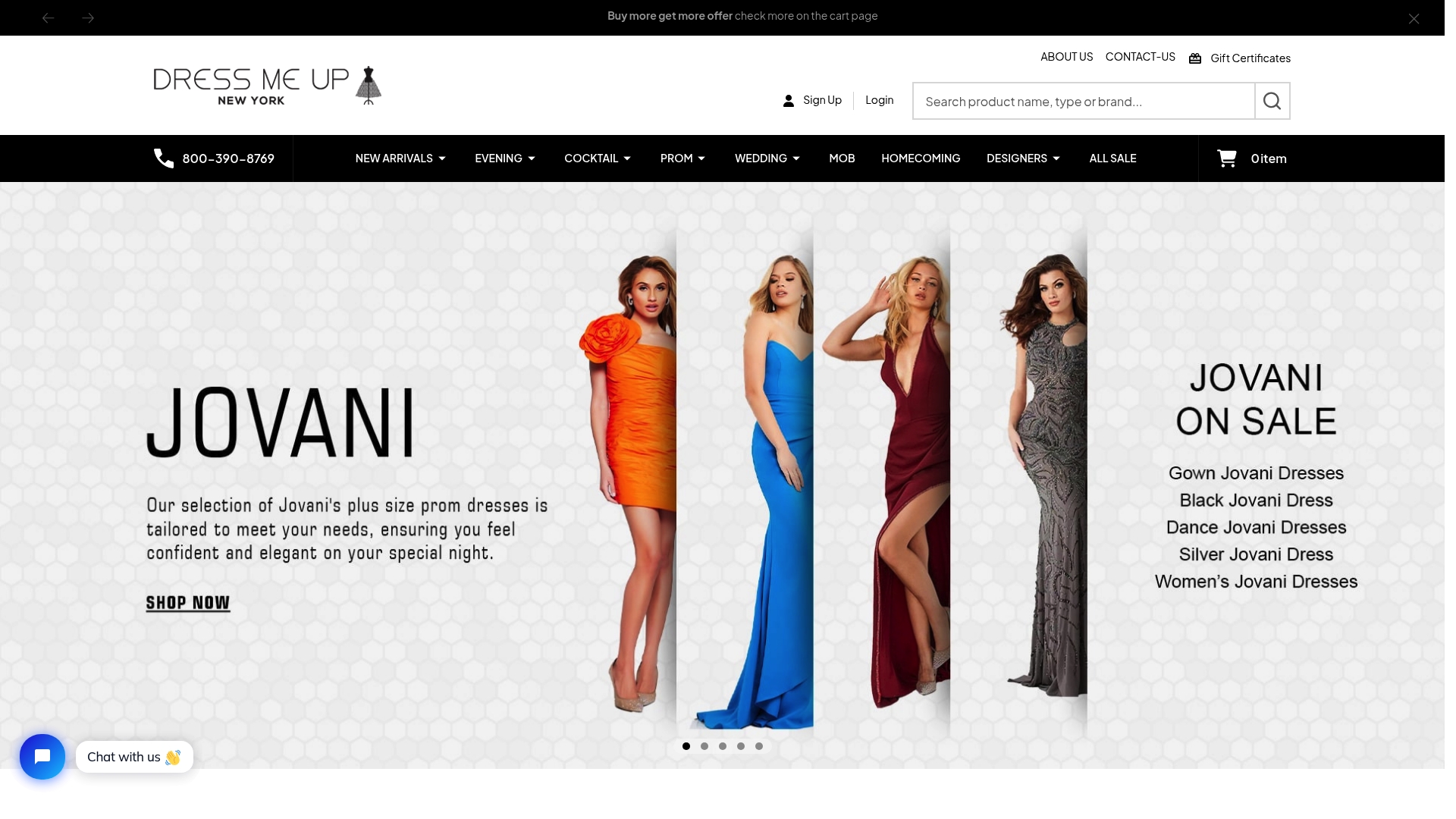
Before you add anything to your cart, check for these features on each product page:
- Detailed size charts with actual garment measurements, not just S/M/L labels
- Model measurements listed alongside customer photos for real-world fit comparison
- Construction notes calling out support features like boning or stretch linings
- A responsive customer support contact for sizing or timeline questions
Once you’ve narrowed down a silhouette using the guidance above, browse the plus-size formal dress collections directly and filter by your event type to see current inventory that matches.
Key Takeaways
Choosing the right formal dress comes down to matching silhouette to body shape and event, then buying strictly by measurements rather than size labels.
| Point | Details |
|---|---|
| Start with three silhouettes | Try A-line, empire waist, and fit-and-flare first; reserve column and ball gown for specific body types and events. |
| Measure before you shop | Take bust, waist, fullest hip, and shoulder-to-hem, then match to the size chart, not the label. |
| Size up when between sizes | Order the larger size and tailor down, since structured bodices are far harder to let out. |
| Prioritize construction details | Look for supportive bodices, boning, wide straps, and stretch linings for all-night comfort. |
| Shop DressMeUpNY’s curated collections | DressMeUpNY organizes formal and special-occasion dresses by event with detailed size charts built for plus-size fit. |
Sources
- Finding the Perfect Plus-Size Evening Gown: What to Consider
- Finding The Perfect Plus Size Prom Dress: Smart Shopping Tips That Actually Work
- How to Size Formal Full-Length Gowns: A Complete Technical Guide
- Plus Size Dresses Formal Wear: Your Style Guide | RobeMarie
Recommended
- Women’s Plus Formal Dresses: Style & Fit Guide 2026 - DressMeUpNY
- Plus-size formal attire: find your perfect fit & style - DressMeUpNY
- Complete Guide to Plus Size Formal Wear - DressMeUpNY
- Understanding Plus Size Formal Dress Advice for Every Occasion - DressMeUpNY