
3 Measurements That Guarantee Plus Size Formal Fit at Dress Me Up NY
3 Measurements That Guarantee Plus Size Formal Fit at Dress Me Up NY
Choose fit-first, not size-first: pick your silhouette based on the occasion, then find your true measurements before you shop, because a dress cut for your body always beats one simply sized up. An online retailer specializing in women’s formalwear is a practical place to start comparing wedding guest, prom, black-tie, and cocktail options side by side. From here, jump straight to the curated picks below or measure yourself first if you already know your event.
TL;DR:
- Choosing the right silhouette based on occasion should be prioritized over simply selecting your size to ensure a better fit and appearance.
- Measuring your bust, waist, and hips accurately before shopping helps prevent returns and ensures the dress fits in critical areas without extensive tailoring.
- Fabrics like chiffon, satin, and lace each offer specific benefits and trade-offs in comfort, movement, and appearance depending on your body shape and event type.
- Separates, such as a fitted top and flowing skirt, allow customization for uneven measurements and flexibility in styling for various occasions.
- Formal dresses designed for curves feature adjustable elements like ruching and stretch linings, which significantly improve fit and comfort for plus-size bodies.
Table of Contents
- Formal Outfits for Women Plus Size, Sorted by Occasion
- Getting Your Measurements Right Before You Buy
- Which Silhouettes and Fabrics Actually Work for Plus Sizes
- Finishing the Look: Shoes, Shapewear, and Accessories
- Your Pre-Purchase Checklist and When to Alter
- Why Dress Me Up NY Builds Around Fit First
- Undergarment Choices That Actually Improve Your Silhouette
- Building a Formal Look From Separates
- What to Expect to Spend on Plus-Size Formal Attire
- Why Fit-First Beats Trend-First Every Time
- Start Shopping With Your Measurements in Hand
- More Fit and Style Guides Worth Bookmarking
- Sources
Formal Outfits for Women Plus Size, Sorted by Occasion
Every event has its own dress code logic, and the fastest way to shop smart is knowing which silhouettes solve which problems. Here’s what tends to work best for each occasion, and why.
Wedding guest. You want elegant without upstaging the bride, and comfortable enough to survive a long reception.
- A-line midi or maxi dresses skim the body without clinging, which makes them forgiving through the midsection while still looking put-together.
- Wrap dresses cinch at a defined waist and adjust to your exact shape, since the tie does the fitting work instead of a fixed seam.
- Fit-and-flare styles with a ruched bodice smooth the stomach area while letting the skirt move freely for photos and dancing.
- Two-piece formal sets (a fitted top with a flowing skirt) give you separate sizing for top and bottom, which solves the classic problem of one measurement fitting while the other doesn’t.
Prom. This is the one night where a little drama is expected, so bolder silhouettes and finishes earn their place.
- Mermaid or trumpet gowns with structured boning through the bodice create a defined waist and dramatic flare below the knee.
- Sequin or beaded bodices paired with a chiffon skirt balance sparkle up top with breathable movement below, useful for a night of dancing.
- Empire waist gowns sit just under the bust and skim everything else, a strong option if you want comfort without sacrificing formality.
Black-tie. Formal to the letter: full-length, quality fabric, minimal skin.
- Sheath gowns with a slight A-line release below the hip read as polished and modern without the stiffness of a full ball skirt.
- Structured mermaid gowns in satin hold their shape all evening and photograph beautifully under event lighting.
- Column dresses with a side slit keep the silhouette sleek while giving you room to actually walk.
Cocktail. Shorter hemlines, still elevated. The line between cocktail and semi-formal often comes down to fabric and finish rather than length, so check the invitation’s dress code carefully before you commit to a style, a distinction worth nailing down using checklist-style dressing principles built specifically around that decision.
- Fit-and-flare cocktail dresses in a knee-length cut with a defined waist work for nearly every cocktail invite.
- Wrap-style cocktail dresses in matte jersey or crepe offer built-in adjustability if your weight fluctuates.
Mother-of-the-bride or groom. Elegant, camera-ready, and appropriate for standing in family photos for hours.
- Structured A-line gowns in jewel tones photograph well and flatter a range of body types without being fussy.
- Two-piece formal sets with a jacket or wrap solve the temperature problem in churches and outdoor venues while adding a layer of polish.
Across every category, prioritize construction details built for plus-size bodies specifically: adjustable waistbands, ruching at the belly and hips, and stretch linings that move with you rather than against you. Retailers that call these features out on the product page are usually the ones that designed for curves from the start, rather than scaling a straight-size pattern up.
Pro Tip: Pick one focal point per outfit, whether it’s a statement sleeve, a beaded neckline, or a bold color, instead of stacking sequins, a plunging neckline, and a thigh slit into one look. One strong detail reads as intentional; three competing details read as busy.
Getting Your Measurements Right Before You Buy
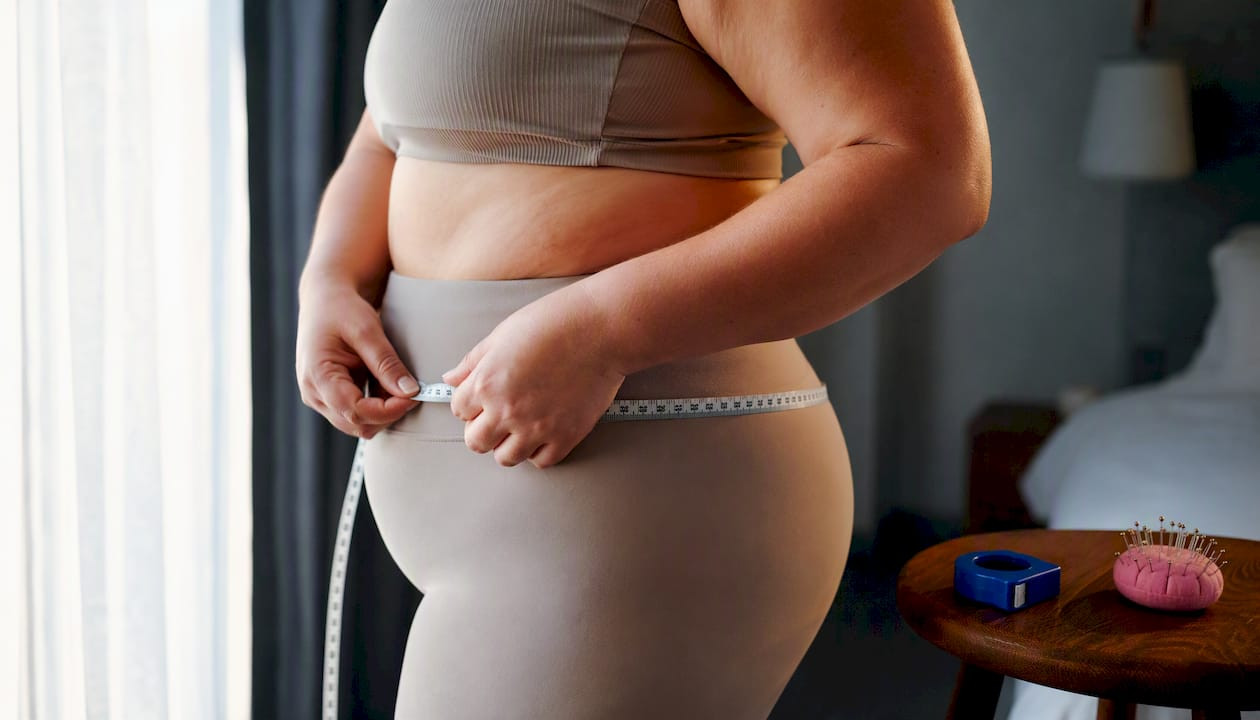
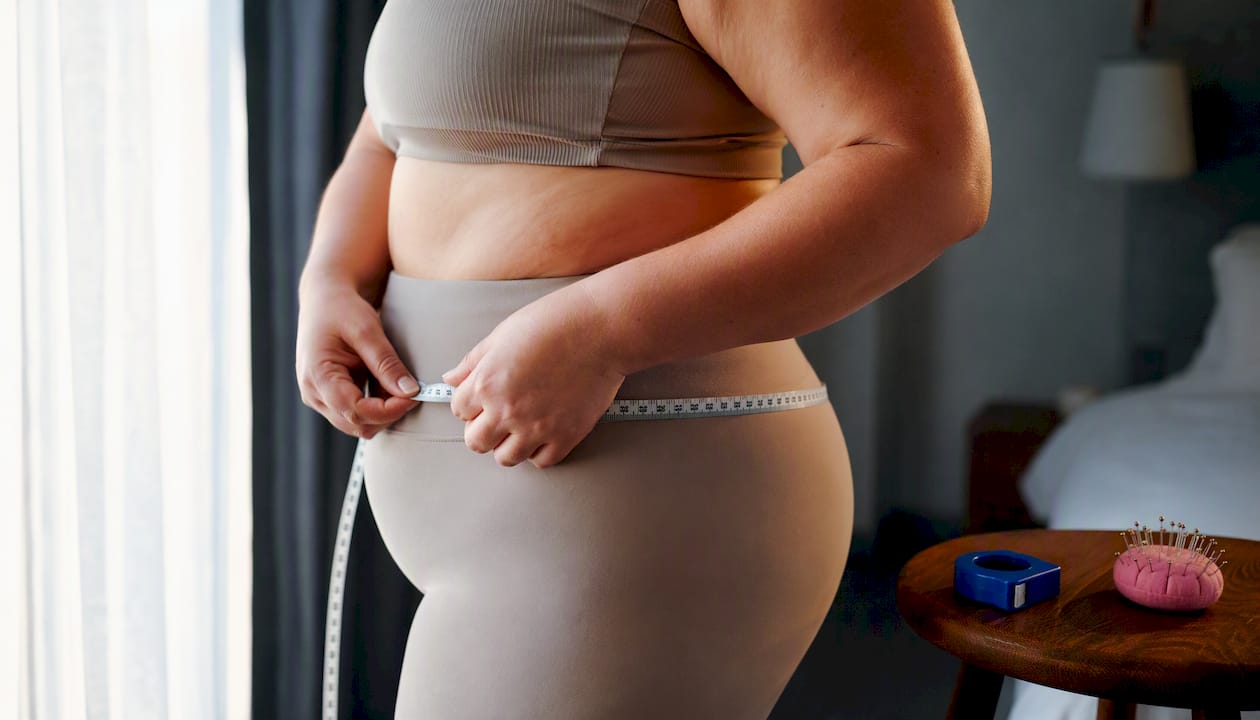
Getting fit right starts with three numbers: bust, waist, and natural hip, measured with a soft tape while wearing the undergarments you’d actually wear to the event. Skip this step and you’re guessing, which is how most formal-wear returns happen.
Here’s how to measure each one correctly:
- Bust: Wrap the tape around the fullest part of your chest, keeping it level across your back. This number matters most for structured bodices, mermaid gowns, and anything with boning.
- Waist: Measure at your natural waistline, generally the narrowest point above your belly button, not where your pants sit. This is critical for wrap dresses and empire waists, where the seam placement defines the whole silhouette.
- Hips: Measure around the fullest part of your hips and rear, usually 7 to 9 inches below your natural waist. This number governs how A-line and sheath gowns will move and whether a mermaid style will need a larger cut through the thigh.
Once you have your numbers, read the brand’s size chart against your own measurements rather than your usual size label. Sizing varies enormously between labels, and a size 18 in one brand can fit like a size 22 in another. A style and fit guide walks through exactly how to cross-reference your measurements against listed sizing before you order.
When your bust and hip measurements fall into two different chart sizes, size up rather than down. It’s far easier for a tailor to take in a waist than to let out a bodice that was never cut with enough fabric to begin with. Matching your exact measurements to a brand’s chart before buying, rather than guessing off your usual size, is one of the simplest ways to avoid a size exchange altogether.
Common alterations and what they actually change: a hem adjusts length only and rarely affects fit elsewhere. Taking in the waist can reshape an entire silhouette if the dress has a fitted bodice. Adding or moving bust darts changes how fabric sits across the chest, which matters enormously for structured gowns. Shortening straps affects how a neckline sits and can shift how much support you get from a built-in bra.
Which Silhouettes and Fabrics Actually Work for Plus Sizes
Not every silhouette flatters every body the same way, and formal fabric choices carry real trade-offs in comfort and movement.
- A-line: Skims from the bust or waist outward without clinging anywhere. Works for almost every body type and is the safest bet if you’re unsure.
- Empire waist: Sits high under the bust, ideal if you want to minimize focus on the midsection while keeping the rest of the dress flowing.
- Wrap: Creates a defined waist through the tie closure itself, adjusting to your exact shape rather than a fixed seam. Excellent for fluctuating measurements.
- Sheath: A close, straight cut that works best with some stretch built into the fabric; look for linings with spandex content rather than rigid woven fabric.
- Mermaid: Fitted through the hip and thigh with a flare below the knee. This is the least forgiving cut for movement, so prioritize designs with a lined stretch panel through the hip.
On fabric: chiffon is lightweight and breathable, forgiving for warm venues, but needs an opaque lining underneath to avoid see-through issues. Satin holds structure and photographs beautifully, though it clings more than chiffon and shows every seam of shapewear underneath. Lace adds texture and visual interest but works best layered over a solid lining rather than worn sheer. Sequin and beaded fabric look dramatic under event lighting but add weight and stiffness. According to tips for choosing plus-size formal gowns, embellished gowns are often best suited to seated events rather than a full night of dancing, so check the lining and test your range of motion before buying if the event involves a lot of movement.
Sleeve and neckline choices matter as much as the body of the dress. Three-quarter or long sleeves in a soft chiffon add coverage without bulk, while a V-neck or sweetheart neckline elongates the upper body and draws the eye upward.
Finishing the Look: Shoes, Shapewear, and Accessories
The details around your dress do as much work as the dress itself.
- Outerwear: A cropped faux-fur wrap or a tailored blazer works for cooler wedding venues; a lightweight shawl covers bare shoulders in air-conditioned ballrooms without adding bulk.
- Shoes: Block heels or wedges give you the height of a formal shoe with actual stability for standing through a ceremony or dancing through a reception.
- Shapewear: Choose high-waisted, seamless shapewear that ends above your dress’s natural waistline seam, never below it, so you avoid visible lines. Breathable, mid-compression styles beat maximum compression for anything longer than a two-hour event; you want to actually enjoy dinner.
- Jewelry: Match your jewelry to your neckline, not the other way around. A V-neck calls for a pendant that follows the line down; a strapless bodice can carry a statement necklace that would compete with a high neckline.
- Color: Jewel tones like emerald, sapphire, and deep burgundy tend to photograph richly under both daylight and indoor event lighting, while pale pastels can wash out under flash photography.
Pro Tip: Try your shapewear under your actual dress before the event, not just under regular clothes. Compression that feels fine standing in a fitting room can feel very different after sitting through a two-hour ceremony.
Your Pre-Purchase Checklist and When to Alter
Run through this before you click “buy” on any formal piece:
- Measure yourself in the undergarments you’ll actually wear to the event, then check that number against the brand’s specific size chart, not your usual size.
- Check the fabric and lining listed on the product page. A dress with no mention of lining over lace or chiffon is a red flag for sheerness.
- Read the return and alteration policy before ordering, especially for final-sale formal pieces bought close to your event date.
- Do the movement test the moment it arrives: sit down, raise your arms, and take a few dance-like steps to check for pulling or gapping.
- Verify the closure type. A back zipper needs help to fasten alone; a side zipper with a hook closure is easier to manage solo before an event.
If a dress needs more than a hem and a minor waist adjustment to fit, it’s usually cheaper and faster to size up or choose a different silhouette than to pay for extensive tailoring. A mermaid gown that gaps at the hip needs structural rework a good tailor can’t always fix invisibly.
Why Dress Me Up NY Builds Around Fit First
Curation only means something if it starts with how a dress actually sits on a body, not just how it looks on a hanger. The curated plus-size formal pieces in this selection include construction details that matter in practice: adjustable waistbands, ruched panels that move with the body, and linings with real stretch content rather than stiff polyester shells.
The goal isn’t finding a dress in your size. It’s finding a dress designed around bodies like yours from the first pattern cut, with adjustable features and quality linings built in rather than added as an afterthought.
That philosophy shapes every guide the brand publishes, including the detailed measurement breakdowns in its plus-size formal outfit resources, built to help you shop with your actual numbers instead of guessing off a size label.
Undergarment Choices That Actually Improve Your Silhouette
Shapewear works best when it’s chosen for the specific dress, not bought as a generic one-size solution. A structured satin sheath needs firmer control through the midsection than a flowing chiffon A-line, which needs almost none.
High-waisted briefs or a mid-thigh shaper work well under most formal silhouettes, smoothing the waist and hip line without changing your natural shape too aggressively. For strapless or off-shoulder gowns, look for a shaper with built-in bust support rather than layering a separate strapless bra underneath, which tends to shift and show through lighter fabrics.
Breathable, moisture-wicking fabrics matter more than maximum compression for events lasting several hours. A shaper that squeezes hard for the first thirty minutes and then digs in painfully by hour three works against you, not for you. Look for shapewear labeled for all-day wear rather than a quick-event compression garment, since the fabric blends and seam placement are usually built differently.
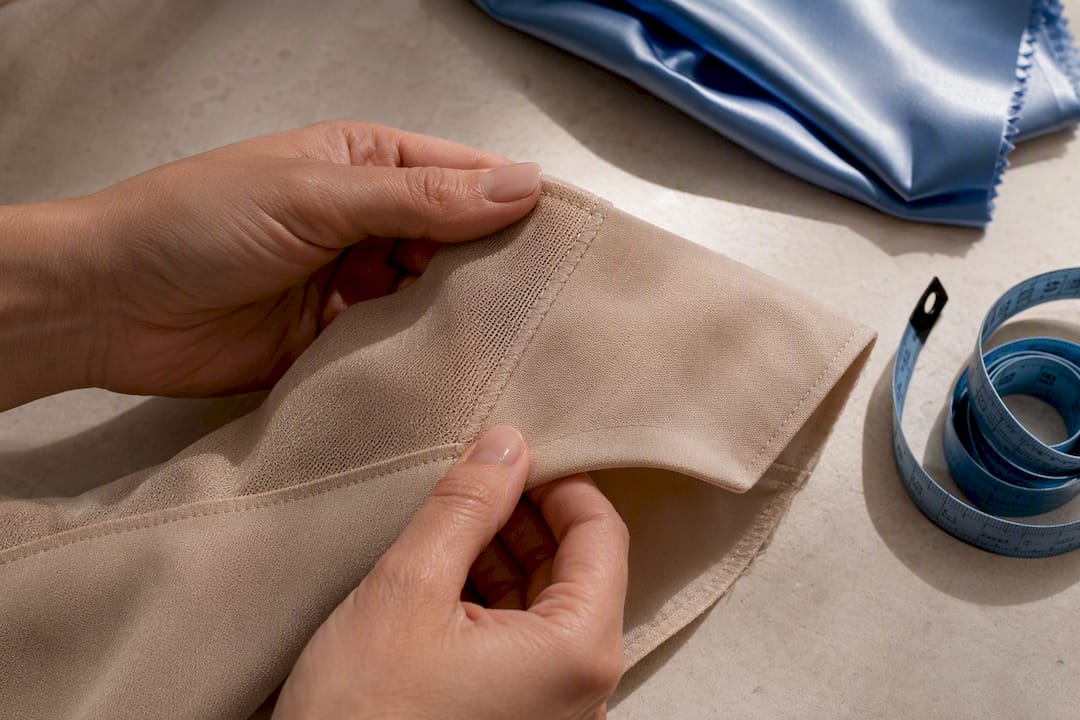
One detail people miss: shapewear length should end above where your dress’s structural seam sits, whether that’s a fitted waist panel or a bodice line. A shaper that ends below that seam creates a visible line under satin or fitted jersey, undoing the smoothing effect you paid for in the first place.
Building a Formal Look From Separates
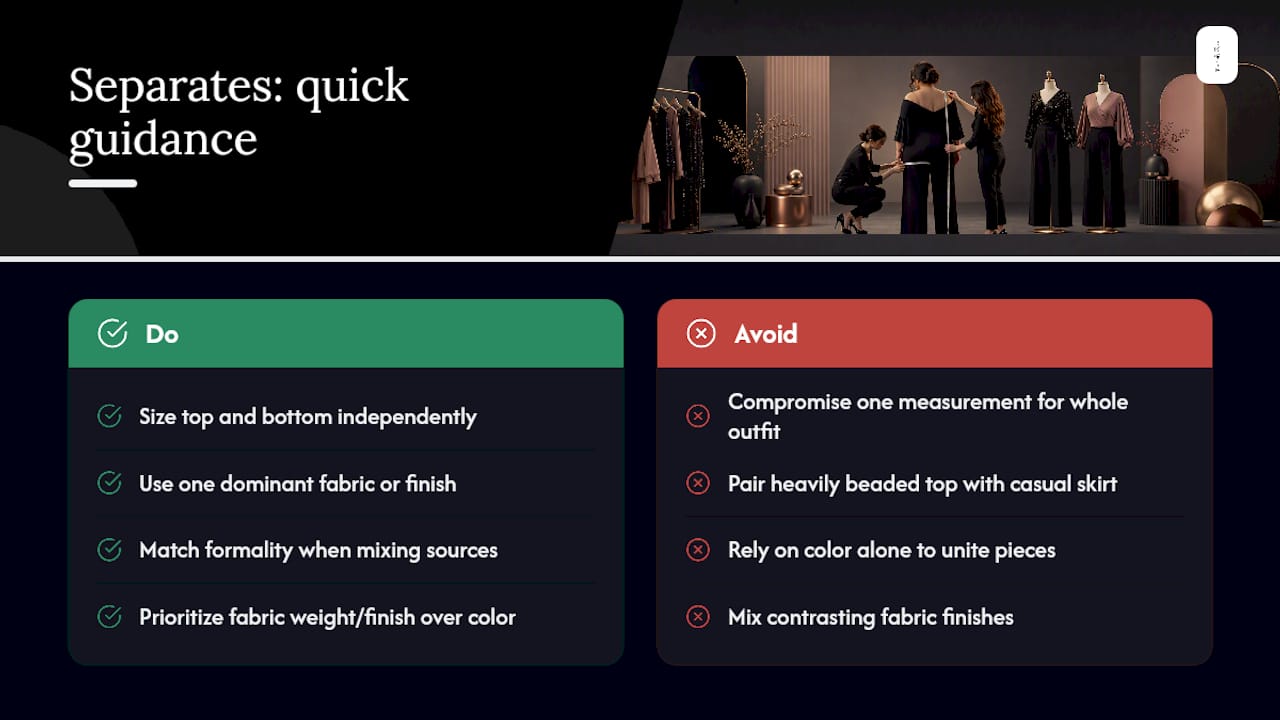
Separates solve a real problem: many plus-size bodies don’t fit into a single standard proportion, and a two-piece set lets you size the top and bottom independently. A fitted crop top paired with a flowing maxi skirt gives you room to adjust each piece to its own measurement instead of compromising on one number for the whole outfit.
Two-piece formal sets work particularly well for prom and cocktail events, where a matching set reads as intentional rather than mismatched. Stick to one dominant fabric or finish across both pieces, whether that’s matte crepe or a subtle sheen, so the look reads as a set rather than two unrelated items worn together.
If you’re mixing pieces from different sources entirely, like a formal top from one retailer and a skirt from another, match the formality level first. A heavily beaded top calls for an equally elevated skirt, not a casual chiffon layer that reads more daytime than evening. Color coordination matters less than fabric weight and finish; a satin top over a chiffon skirt in complementary tones usually looks more cohesive than two different fabrics in the exact same color.
Separates also solve for events with a dress-and-jacket requirement, like an outdoor wedding ceremony that runs into a cooler evening reception.
What to Expect to Spend on Plus-Size Formal Attire
Prices for plus-size formal wear vary widely depending on fabric quality, embellishment level, and construction detail, roughly the same range you’d expect for straight-size formal pieces at comparable quality tiers. A simple A-line or wrap dress in a solid crepe or jersey fabric typically sits at the lower end of a formal wardrobe budget. Heavily beaded gowns, structured mermaid silhouettes with boning, and designer collection pieces cost more, largely because of the labor involved in hand-applied embellishment and structured construction.
Two-piece sets often land in a comparable range to a single gown, since you’re paying for two constructed pieces rather than one, even though each piece alone might look less expensive.
Budget for alterations separately from the dress price itself. A simple hem is inexpensive almost anywhere, but waist adjustments or bust dart work on a structured gown can add real cost, particularly close to prom or wedding season when tailors are booked solid. Building in alteration costs upfront, rather than treating them as a surprise expense, keeps your total formal-wear budget realistic from the start.
Why Fit-First Beats Trend-First Every Time
The biggest misconception in plus-size formal shopping is that finding “your size” solves the problem. It doesn’t. A size 18 cut for a straight-size frame and scaled up mathematically almost never fits the same as a size 18 designed from the ground up for curves, because the proportions between bust, waist, and hip shift differently on plus-size bodies than the scaling formula assumes.
Conventional shopping advice tells you to search by size filter and hope for the best. That approach wastes time and money on returns. The better approach, and the one this guide has walked through, is measuring first, then shopping by silhouette and construction detail rather than by size number alone.
If there’s one thing to prioritize above everything else in this guide, it’s the movement test. A dress that looks perfect standing still in a mirror can fail completely the moment you sit down to dinner or raise your arms on a dance floor. Fit isn’t static, and neither is a wedding reception.
— Dressmeup
Start Shopping With Your Measurements in Hand
This retailer’s plus-size formal collection is built around exactly the fit-first approach this guide walks through: catalog browsing organized by occasion, detailed size charts on every product page, and customer support you can reach if you’re unsure between two sizes before you order.
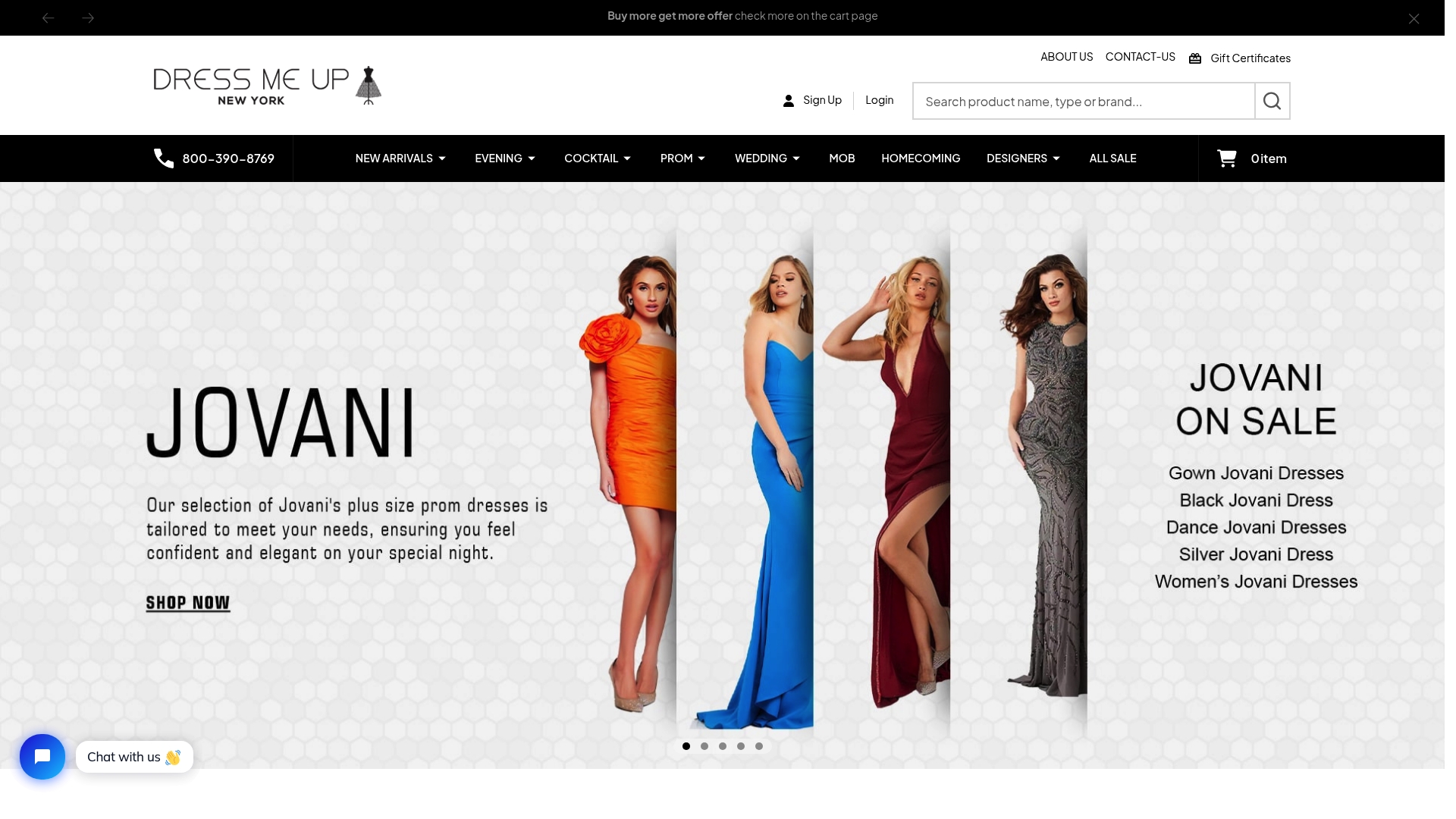
Every gown listed carries the measurement details you need to check against your own numbers before checkout, so you’re never guessing off a size label alone. If you already have your bust, waist, and hip measurements ready, head to the plus-size formal collection now and filter by your upcoming occasion, whether that’s a wedding this spring or prom season ahead. Compare a few silhouettes side by side, check the lining details on anything satin or lace, and place your order early enough to leave room for basic alterations before the big day.
More Fit and Style Guides Worth Bookmarking
- Women’s plus size special occasion dresses: your fit guide
- Two-piece formal dresses plus size: style guide
- Plus size maternity: stage-by-stage planning guide
Sources
Recommended
- Plus Size Formal Dresses That Fit
- The Best Plus Size Formal Dresses: A Fit-First Style Guide
- How to Measure for Dresses for a Perfect Formal Fit
- Women’s Plus Formal Dresses: Style & Fit Guide 2026