
Formal Type Dresses: Elevating Your Special Occasion Look
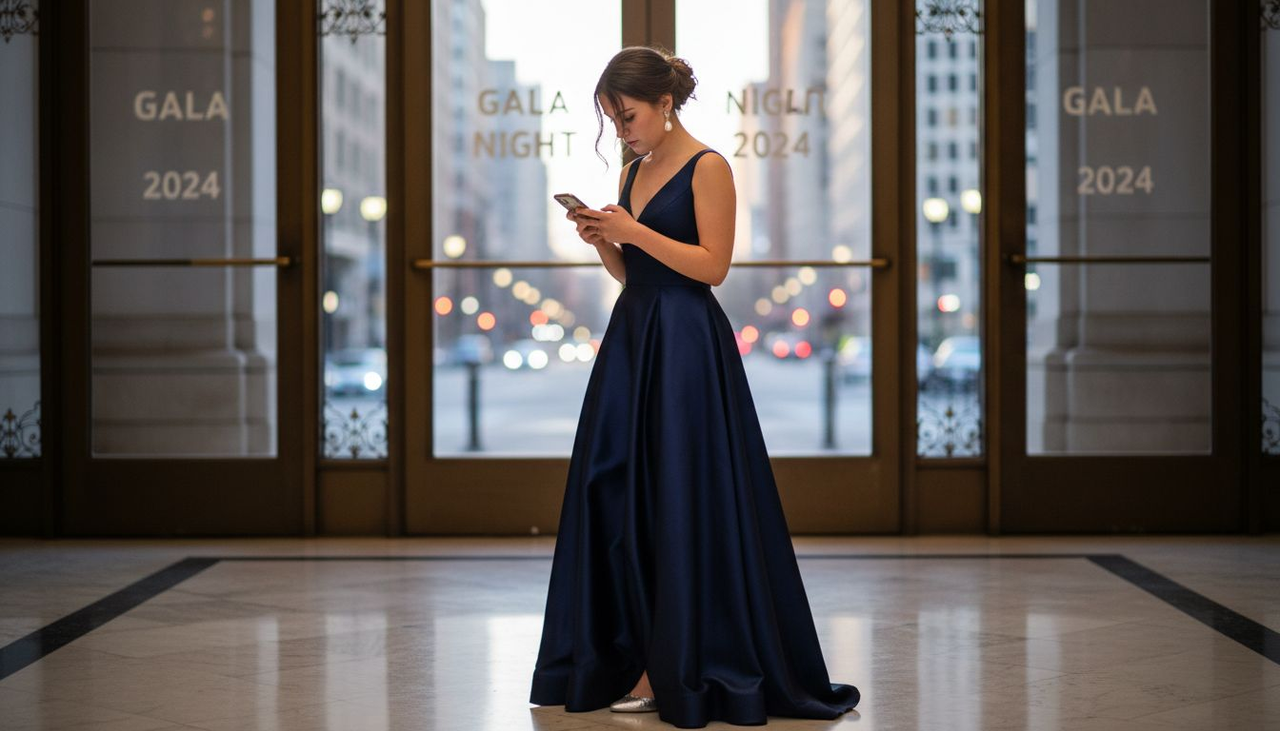
Formal Type Dresses: Elevating Your Special Occasion Look
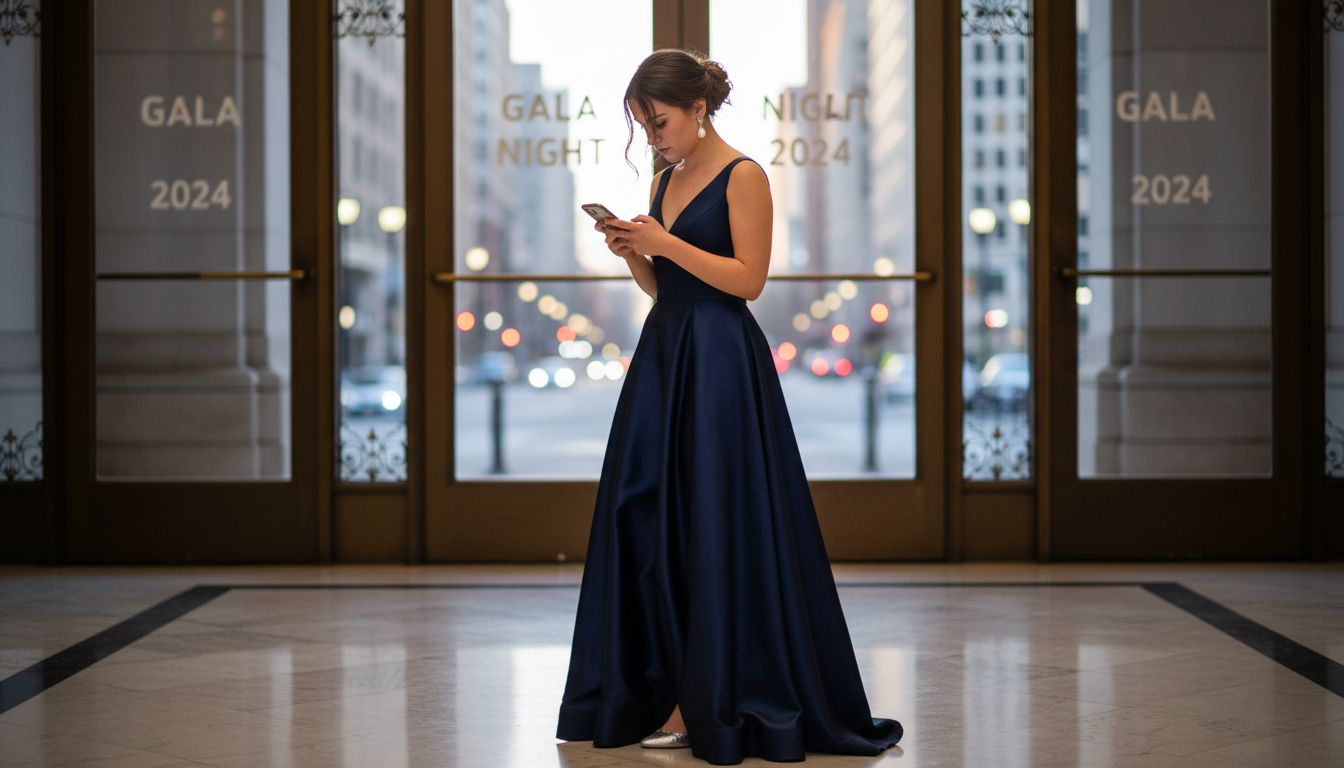
Finding the perfect dress for prom or a wedding can feel overwhelming when so many choices flood your feed, all promising glamour and confidence. For events that truly matter, your dress should balance style, trend, and a sense of occasion—without breaking the bank. Whether you dream of a dramatic ball gown or a chic mermaid silhouette, understanding what sets formal types apart helps you shine at every celebration and score the best online deals.
Table of Contents
- What Defines Formal Type Dresses
- Key Dress Categories And Styles Explained
- Choosing The Right Dress For Every Event
- Essential Fabrics, Fits, And Features
- Avoiding Common Mistakes When Shopping
Key Takeaways
| Point | Details |
|---|---|
| Understand Formal Wear Standards | Formal dresses require full-length designs, luxurious fabrics, and meticulous detailing that set them apart from casual attire. |
| Choose Based on the Event Type | Each occasion has specific expectations for formality, color, and style, which should guide your dress choice. |
| Prioritize Fit Over Size | A well-tailored dress enhances appearance and elegance far more than simply choosing a larger size. |
| Research Before Shopping | Check return policies, read reviews for fit insights, and measure yourself accurately to avoid common online shopping mistakes. |
What Defines Formal Type Dresses
Formal type dresses represent the highest level of dress codes for special occasions. These aren’t everyday wear—they’re reserved for weddings, galas, proms, and other ceremonial events where elegance and sophistication matter most.
At their core, formal dresses follow strict style rules that distinguish them from casual or business attire. Formal wear typically means full-length gowns with refined construction, premium fabrics, and meticulous detailing. Think floor-length silhouettes, tailored bodices, and polished finishes that demand attention.
Here’s what separates formal dresses from everything else in your closet:
- Length: Full-length or floor-length gowns (no hems above the ankle)
- Fabric quality: Luxurious materials like silk, satin, tulle, or lace
- Construction: Structured bodices, precise seaming, and professional finishing
- Embellishments: Strategic beading, embroidery, or sequins for visual interest
- Silhouette: Tailored fits that flatter without being trendy or casual
- Color: Typically jewel tones, neutrals, or bold statement hues
The key difference between formal and semi-formal lies in the level of polish and adherence to dress code rules. Formal dresses demand more structure, better fabrics, and stricter adherence to length and style requirements. Semi-formal options offer slightly more flexibility in length and styling.
When you wear a formal dress, you’re making a statement about the occasion’s importance. The dress itself becomes part of the ceremony, whether it’s a wedding reception, prom night, or gala event. This is why fit, quality, and attention to detail matter so much.
The essence of formal wear is timeless elegance combined with perfect execution—every detail contributes to an overall impression of sophistication.
Your dress choice should also consider the specific event type. Wedding guest dresses follow different unwritten rules than prom gowns or red carpet attire. Understanding these nuances helps you select something that fits both the occasion and dress code requirements.
Since formal evening wear serves different purposes across various events, the specific style you choose matters. A prom dress emphasizes youth and trendiness, while a wedding guest gown prioritizes elegance and respect for the celebration.
What makes a dress feel formally appropriate isn’t just about the dress itself—it’s about how intentional every choice appears. From the neckline to the hem, formal dresses show careful consideration and quality craftsmanship.
Pro tip: When shopping for formal dresses, prioritize fit over size—a perfectly tailored dress in your size will always look more formal and expensive than an ill-fitting designer gown.
Key Dress Categories and Styles Explained
Formal dresses aren’t all created equal. Each style has its own personality, and understanding the differences helps you pick the perfect dress for your specific event.
The main categories break down by silhouette and how they hug your body. Common formal dress styles include ball gowns, A-line, mermaid, sheath, and cocktail options. Each works differently depending on the occasion and what flatters your shape.
Here’s what you need to know about the major categories:
- Ball gowns: Full, dramatic skirts with fitted bodices—perfect for galas and formal weddings
- A-line dresses: Fitted at the top, flared from the waist down—flattering for most body types
- Mermaid styles: Fitted through hips and thighs, flaring at the knee—adds glamorous curves
- Sheath dresses: Smooth, streamlined fit—creates a sleek, modern silhouette
- Cocktail dresses: Shorter length but elegant fabrics—works for semi-formal events
- Column dresses: Long, straight lines—sophisticated and timeless
- Empire waist: High waistline under the bust—comfortable and universally flattering
Ball gowns command attention. The full skirt creates drama and elegance, making them ideal for prom nights and formal galas. They photograph beautifully and make you feel like royalty.
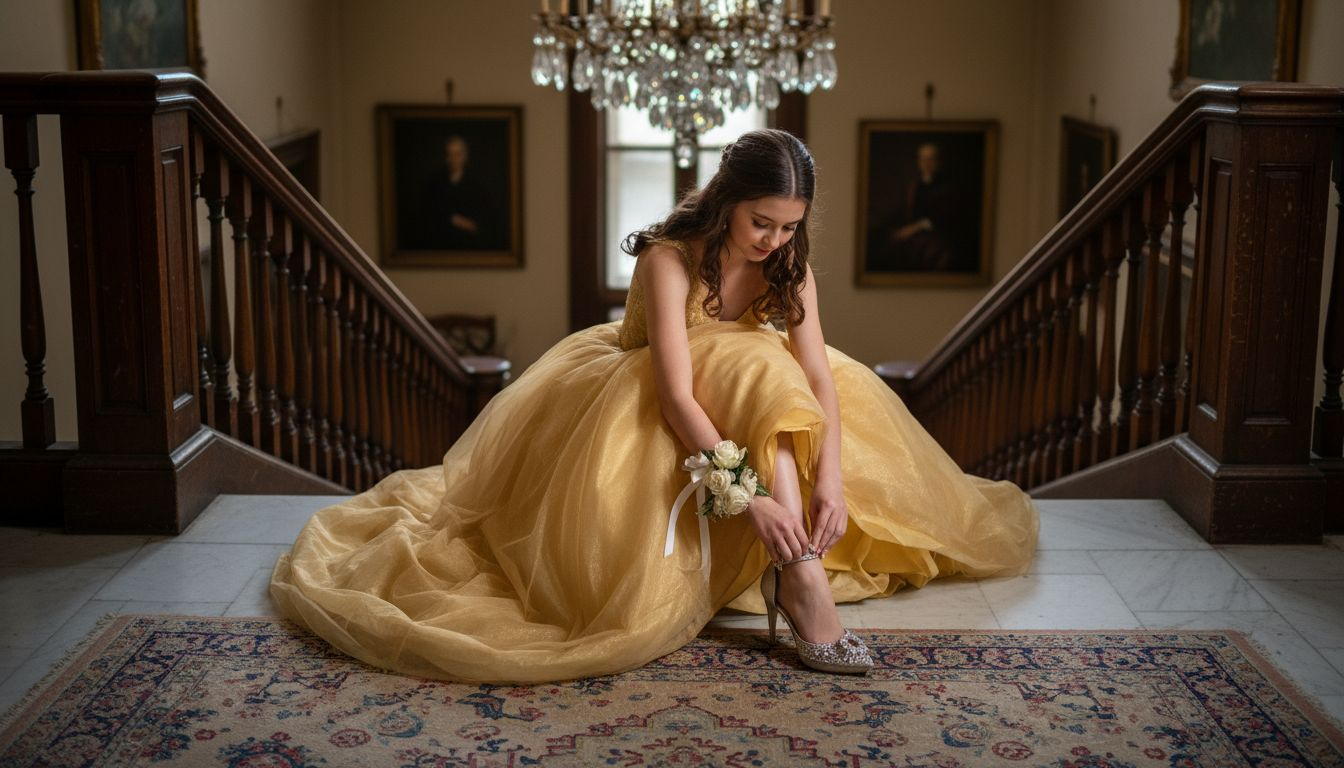
A-line dresses are the versatile all-stars. They work on nearly every body type because they skim curves without clinging. This style suits weddings, banquets, and formal dinners where you want to feel comfortable and confident.
Mermaid silhouettes emphasize curves and create a glamorous, statement-making look. If you’re comfortable showing your figure, this style adds serious sophistication.
Sheath and column dresses offer minimal, modern elegance. They work best when you have the right undergarments and body confidence, as they show every line.
The perfect dress style depends on three things: the event type, your body shape, and what makes you feel confident.
Cocktail dresses blur the line between formal and semi-formal. When made from luxurious fabrics like silk or satin, they can absolutely work for formal events, especially if you add elegant accessories.
Sleeveless, long-sleeve, off-shoulder, and backless options exist across all these categories. Your neckline and sleeve choice affects how formal and appropriate a dress feels for your specific event.
Other specialized styles include tea-length dresses (hitting mid-calf), high-low designs, and jumpsuits. These work for modern, less traditional events where you want standout style.
Pro tip: Try on multiple silhouettes even if you think you know what suits you—what looks good in photos differs from how it feels to wear all evening, and comfort matters as much as appearance.
Choosing the Right Dress for Every Event
Not every formal dress works for every occasion. A prom gown differs dramatically from a wedding guest dress, which differs from cocktail attire. Understanding the distinctions helps you make smart choices.
Start by identifying the event type and its specific dress code. Different occasions have different expectations about formality level, color, and style. Wedding receptions demand different energy than professional galas, which differ from prom nights.
Here’s how to think about each major event category:
- Weddings: Follow the invitation’s dress code and honor the bride’s color guidelines
- Proms: Go bold with trends, sequins, and statement styles
- Galas and formal dinners: Choose elegant, timeless pieces in jewel tones
- Professional events: Opt for sophisticated styles that balance elegance with practicality
- Cocktail parties: Select shorter lengths with refined fabrics and styling
- Red carpet events: Make a statement with dramatic silhouettes and luxe materials
Weddings come with specific rules you must follow. The invitation specifies whether it’s black-tie, cocktail, or another dress code. Never wear white unless explicitly told by the bride, and avoid anything that upstages the bride’s moment.
Prom nights call for personal expression. This is your chance to wear bold colors, dramatic styles, and trendy designs that reflect your personality. Ball gowns and mermaid silhouettes shine here.
Galas and formal dinners require timeless elegance. Skip trendy styles and opt for classic silhouettes in rich colors. Think sophistication over trendiness.
Professional or academic events need appropriate formal attire that balances professionalism with elegance. Cocktail dresses, sheath gowns, and refined A-lines work well here. Avoid anything too revealing or trendy.
Cocktail parties allow more flexibility. Shorter lengths become acceptable, and you can experiment with unique necklines or sleeve styles while maintaining elegance.
The key is matching your dress’s formality level, color, and style to what the event expects and celebrates.
Consider your comfort and body confidence when selecting your style. You’ll spend hours in this dress—make sure you feel amazing.
Also think about practical details. Where’s the event? Will you be standing outside or sitting in air conditioning? Does the venue require specific colors or avoid certain styles? These details matter.
Your accessories, shoes, and hair complete the look. A simple dress becomes formal with the right jewelry and shoes, while an elaborate gown can feel overdressed with wrong accessories.
Pro tip: Research the specific venue and guest list before shopping—check social media for what attendees wore to previous years’ events, giving you realistic style inspiration for that particular crowd.
Use this reference to match dress styles to common event types:
| Event Type | Recommended Dress Style | Why It Works |
|---|---|---|
| Wedding Guest | A-line or sheath gown | Elegant, respectful, comfy |
| Prom | Ball gown or mermaid | Bold, youthful statement |
| Gala | Ball gown or column dress | Makes a dramatic impression |
| Business Formal | Sheath or midi dress | Sleek, professional, subtle |
| Cocktail Party | Cocktail or tea-length | Shorter, chic, flexible |
| Red Carpet | Mermaid or high-low dress | Unique, modern, eye-catching |
Essential Fabrics, Fits, and Features
Fabric choice makes or breaks a formal dress. The right material enhances your silhouette, feels luxurious against your skin, and photographs beautifully. The wrong fabric can make even an expensive dress feel cheap.
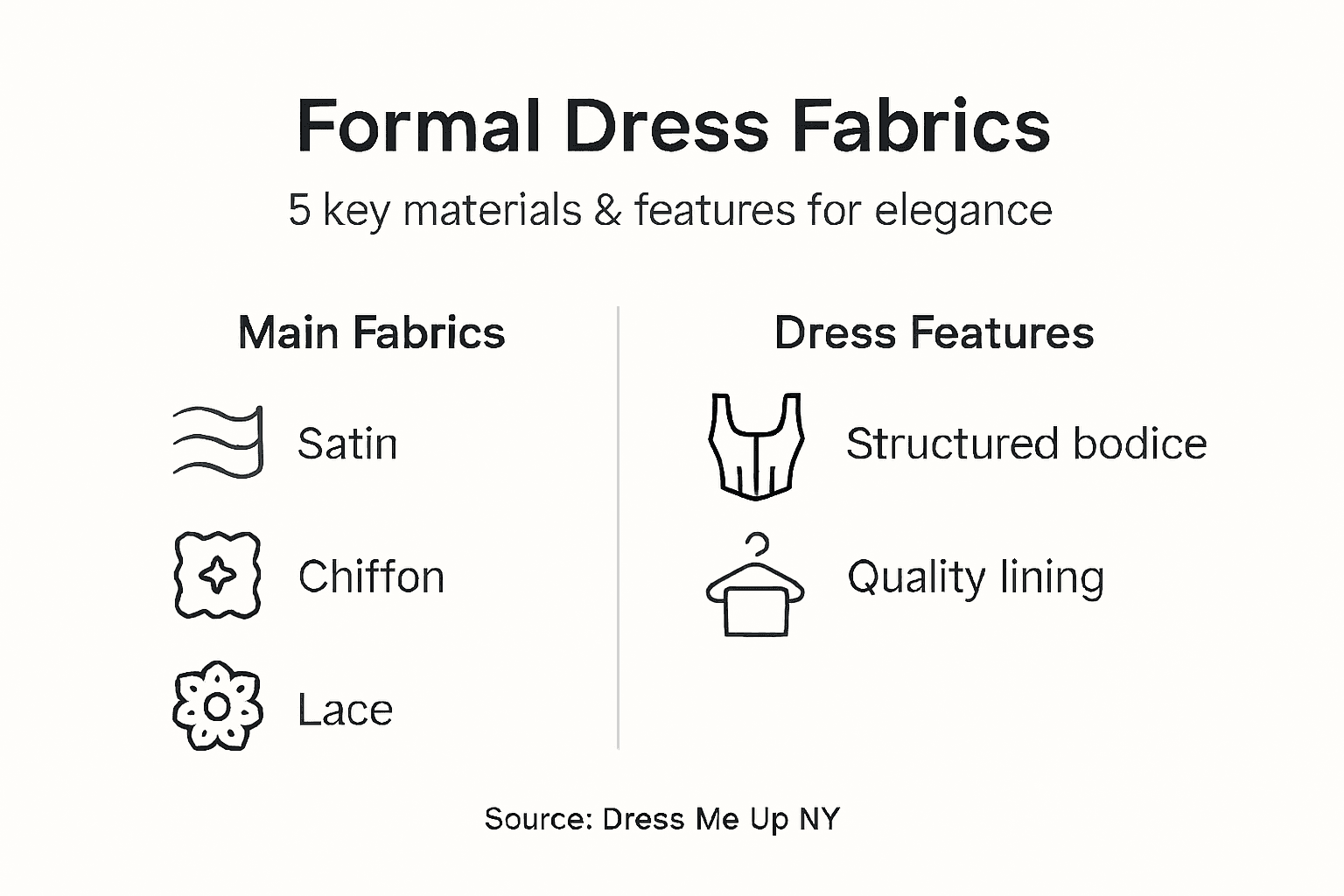
Formal dress fabrics like lace, chiffon, satin, velvet, and crepe each create distinct effects. Understanding what each does helps you pick what works for your body, the event, and the season.
Here’s what each major fabric offers:
- Satin: Glossy, luxurious finish with smooth drape—flatters most body types
- Chiffon: Ethereal and flowing—creates movement and grace
- Lace: Romantic and sophisticated—adds texture and visual interest
- Velvet: Rich, warm depth—perfect for winter events
- Crepe: Matte finish with elegant flow—drapes beautifully without cling
- Tulle: Light and airy—creates volume and drama
- Organza: Crisp and structured—holds shape well
Satin delivers that red-carpet glamor. Its sheen catches light beautifully in photos and videos. This fabric works year-round but feels especially luxe in cooler months.
Chiffon floats and moves. It’s perfect if you want to feel delicate and ethereal. This fabric works wonderfully for outdoor summer events and creates stunning movement when you walk.
Lace adds romance instantly. Layer it over a slip dress or use it as an overlay for sophistication. Lace works for weddings and formal dinners where elegance matters.
Velvet brings richness and warmth. It’s perfect for winter galas and formal evening events. The fabric feels luxurious and looks expensive.
Crepe offers understated elegance with beautiful drape. It skims your body without clinging and works for nearly every body type and season.
Here’s a quick comparison of major formal dress fabrics and when to choose each:
| Fabric Type | Best Season/Event | Key Benefit |
|---|---|---|
| Satin | Winter galas | High shine, photos well |
| Chiffon | Outdoor summer | Lightweight, fluid movement |
| Lace | Weddings/romantic | Elegant texture boost |
| Velvet | Winter formals | Warm, luxurious depth |
| Crepe | Year-round | Matte, flattering drape |
| Tulle | Proms, galas | Adds volume and drama |
| Organza | Statement events | Crisp shape retention |
The best fabric is one that feels comfortable against your skin, moves the way you want, and makes you feel confident.
Proper fit matters as much as fabric. A dress should follow your body’s curves without pulling or gaping. Tailoring transforms a decent dress into a showstopper.
Key features that define formal dresses include structured bodices, strategic seaming, quality linings, and finished hems. These details separate formal from casual wear.
Consider how a dress moves. Does it restrict your movement? Can you sit, dance, and raise your arms comfortably? Practicality matters during long events.
Pro tip: Always try on dresses with the undergarments and shoes you plan to wear, since these significantly affect how the fabric drapes, moves, and fits against your body.
Avoiding Common Mistakes When Shopping
Shopping for formal dresses online is convenient but risky. One wrong choice wastes money and leaves you stressed before your event. Understanding common pitfalls helps you avoid expensive mistakes.
The biggest mistake is ordering without checking sizing charts. Online sizes vary wildly between retailers and designers. A size 6 at one store becomes a size 8 elsewhere.
Here are the mistakes that derail most shoppers:
- Ignoring return policies: Buy from retailers with generous return windows
- Skipping fabric research: Know how different materials behave and feel
- Ordering too late: Account for shipping, processing, and potential alterations
- Choosing based on photos alone: Lighting and filters distort how colors actually look
- Forgetting about undergarments: Different bras and shapewear change how dresses fit
- Not reading reviews: Customer feedback reveals fit issues and quality problems
- Buying without measuring: Proceed with actual body measurements, not assumed sizes
Timing matters more than most people realize. Order at least 4-6 weeks before your event if you need alterations. Rush shipping costs extra and increases the chance of problems.
Color accuracy is another trap. Online photos use different lighting than your actual venue. A dress that looks perfect on your screen might disappoint in person. Check multiple product photos and read reviews mentioning color accuracy.
Don’t skip the reviews section. Real customers reveal whether dresses run small, feel cheap, or fit differently than expected. Look for reviews from people with your body type.
When shopping online, implement online shopping safety practices to protect your personal and payment information. Use secure payment methods and verify the retailer’s legitimacy before entering credit card details.
The most expensive mistake is buying a dress that doesn’t fit and arriving without time for alterations.
Measure yourself correctly. Grab a soft measuring tape and measure your bust, waist, and hips while wearing your normal undergarments. Compare these measurements to the size chart, not your usual clothing size.
Understimate hemming time. Professional tailoring takes 1-3 weeks depending on the alteration complexity. If you order three weeks before your event, you’re cutting it dangerously close.
Budget for alterations. Even if a dress fits perfectly off the rack, hemming costs money. Factor this into your total budget when comparing prices.
Check the return window. Some retailers give 30 days, others only 14. Make sure you have enough time to try the dress, decide, and return it if needed.
Pro tip: Order your formal dress at least 6 weeks before your event, photograph yourself in it immediately upon arrival, and start researching tailors now so you have options when alterations become necessary.
Elevate Your Special Occasion Look with the Perfect Formal Dress
Finding the ideal formal dress can feel overwhelming when you want timeless elegance that fits your event and your body perfectly. This article highlights the challenges of choosing the right silhouette, fabric, and style for weddings, proms, galas, and other important events. If you want to avoid common mistakes and make a confident statement with your dress, it takes a combination of quality craftsmanship and careful selection based on your occasion’s dress code.
At Dress Me Up NY, we understand these needs. Explore our wide range of evening gowns and prom dresses collections designed to flatter every shape and deliver that polished formal look.
Don’t wait until the last minute. Shop now to enjoy expert style guidance, luxurious fabrics, and exclusive promotional offers that help you look stunning for your special event. Visit Dress Me Up NY to find your confidently flattering formal dress today and make every occasion unforgettable.
Frequently Asked Questions
What defines a formal type dress?
Formal type dresses are characterized by full-length or floor-length silhouettes made from luxurious fabrics like silk or satin. They feature structured bodices, meticulous detailing, and minimal trendy elements, making them suitable for special occasions like weddings and galas.
How do I choose the right formal dress for my body type?
Consider your body shape when selecting a formal dress. A-line dresses flatter most figures, while mermaid styles emphasize curves. It’s important to try on multiple silhouettes to find the one that makes you feel confident and comfortable.
What are the key differences between formal and semi-formal dresses?
Formal dresses demand more structure and high-quality fabrics compared to semi-formal dresses. Formal wear typically requires full-length styles with precise details, while semi-formal options can include shorter lengths and more casual fabric choices.
Can I wear a cocktail dress to a formal event?
Yes, a cocktail dress can work for formal events if it’s made from luxurious fabrics and styled appropriately. Pairing it with elegant accessories can elevate its formality, making it suitable for semi-formal occasions or events with a
Recommended
- Beautiful Special Occasion Dresses: Elevate Your Event Style - DressMeUpNY
- Designer Long Dresses: Elevating Special Occasions - DressMeUpNY
- Formal Evening Wear for Ladies: Style Rules That Matter - DressMeUpNY
- Plus Size Formal Dress Tips for Elegant Event Style - DressMeUpNY
- Why Customized Group Travel Elevates Luxury Events
- Musical Genres at Exclusive Events – Elevating Corporate Parties