
Buy Gala Ball Dresses Online with a Perfect Fit, Using 6 Measurements
Buy Gala Ball Dresses Online with a Perfect Fit, Using 6 Measurements
A floor-length evening gown or a clean column gown is the safest bet for almost any gala, striking the balance between formal and comfortable that most invitations call for. Save the full ball gown, with its dramatic skirt, for white-tie events or galas where you want to make an entrance. Dressmeupny carries both, along with the fit and sizing guidance below to help you order with confidence.
TL;DR:
- Choosing the right silhouette, such as ball gown, A-line, mermaid, or column, is crucial to matching the dress to the event venue and personal body shape.
- Fabric selections like satin, chiffon, or velvet significantly impact how formal and photogenic a gown appears, with embellishments adding personality but increasing weight.
- Dark jewel tones and classic colors like black and navy photograph best under various lighting, while lighter shades suit outdoor and daytime galas.
- Accurate measurements, especially torso length and hip circumference, are essential for a perfect fit, and alterations are often necessary for long-lasting comfort.
- Online shopping benefits from detailed size charts, real customer photos, and clear shipping and return policies to ensure a reliable gown purchase.
Table of Contents
- Top Gala Ball Dress Silhouettes and When to Wear Them
- Fabrics and Finishes That Read as Formal
- Choosing Colors, Prints, and Seasonal Details
- How to Measure Yourself and Plan for Alterations
- What White Tie, Black Tie, and Formal Actually Mean
- Comfort and Practical Details for a Long Evening
- Shopping Logistics: Ordering, Shipping, and Custom Fit
- Why Shoppers Trust Dressmeupny for Gala Gowns
- How We Choose Gala Dresses for Our Collection
- Shop Gala Ball Dresses at Dressmeupny
- Sources
Top Gala Ball Dress Silhouettes and When to Wear Them
Before you fall in love with a color or a fabric, figure out your silhouette. It’s the single decision that shapes everything else, and getting it right first actually saves you money because you’re less likely to order three dresses and return two. Designer collections and formalwear retailers consistently treat silhouette and fabric as the first filters shoppers apply, and that instinct is correct. Choosing your shape before you choose your fabric or color narrows the field fast.
Here’s how the major silhouettes break down:
- Ball gown: A fitted bodice with a dramatically full skirt, often supported by tulle or crinoline underneath. This is the classic choice for white-tie events, debutante balls, and galas where the dress itself is meant to be part of the spectacle.
- A-line: A fitted top that flares gradually from the waist into a soft triangle shape. It flatters nearly every body type and works for black tie, black tie optional, and most charity galas without feeling like overkill.
- Mermaid: Fitted through the bust, waist, and hips, then flaring out at or below the knee. This silhouette suits red carpet appearances and formal galas where you want a sculpted, glamorous line, but it does limit stride length.
- Column (sheath): A straight cut that follows the body’s natural line from shoulder to hem with minimal flare. It’s the most versatile option on this list and reads as elegant without competing for attention, which makes it a favorite for modern black-tie events.
Body proportions matter more than trend cycles here. Ball gowns tend to balance a fuller bust or shoulders by drawing the eye down to volume at the hem. A-line silhouettes are forgiving for almost any shape because the flare skims rather than clings. Mermaid and column styles favor those who want to show off the waist and hip line, though a well-placed corset panel or boning can shape a column dress just as effectively.
Modern galas have also brought in some hybrid details worth watching for. Illusion necklines, sheer mesh panels that create the appearance of skin at the collarbone or back, add drama without extra coverage. Detachable trains let you dance freely after formal photos, and convertible skirts (a shorter dress underneath a removable overlay) are becoming more common at galas with both a formal dinner and a dance floor portion.
Pro Tip: If you’re unsure between a ball gown and a column dress, think about the venue floor. Ballrooms with lots of open space favor volume; galas held in tighter hotel function rooms or on stages often work better with sleeker silhouettes that won’t get caught underfoot.
Fabrics and Finishes That Read as Formal
Fabric choice does more work than most shoppers realize. It affects how formal a dress reads from across a room, how it photographs under event lighting, and how comfortable you’ll be by hour four of a long evening. High-end evening gown collections regularly build their formalwear lines around satin, chiffon, crepe, tulle, and organza, each chosen for a distinct effect.
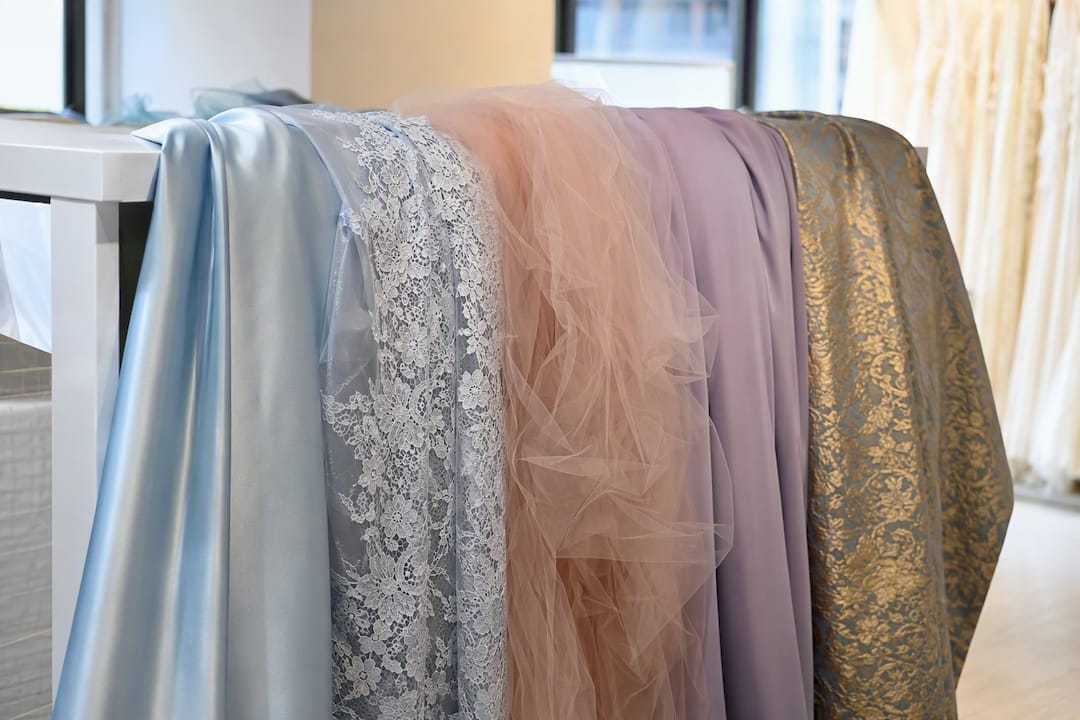
Satin has a smooth, reflective surface that catches light beautifully in photos, making it a dependable choice for galas with formal photography. Silk crepe drapes with a softer, matte finish and moves fluidly, which is ideal if you want elegance without shine. Chiffon and organza are lightweight and often layered for volume in skirts, giving movement without the weight of heavier fabrics. Tulle creates the structured poof associated with ball gowns, while velvet brings warmth and depth, a strong pick for winter galas or evening events with moodier lighting.
Embellishment is where personality comes in. Sequins and beading catch and scatter light, which reads as celebratory and works well for galas with dance floors and stage lighting. Long sequined gowns are often positioned by designers as statement pieces precisely because they combine fluid movement with luminous surface detail, though that shine comes with a small trade off in weight and structure. Embroidery adds texture and formality without competing for attention the way sequins do, and it tends to photograph well without overexposing under flash. Minimalist finishes, meaning clean fabric with no embellishment at all, let a strong silhouette or unusual color do the talking instead.
A few practical notes on trade-offs:
- Heavily beaded gowns are typically heavier and less breathable, so factor that into how long you’ll be wearing it.
- Sequined and metallic fabrics can create glare under harsh flash photography; matte satin or crepe tends to photograph more evenly.
- Delicate fabrics like chiffon and tulle usually require professional cleaning and gentler storage between wears.
- Structured fabrics such as satin and crepe hold their shape well for standing, greeting, and formal photos throughout a long event.
Many shoppers researching formalwear online consider fabric composition alongside price as important purchase factors, according to Akris’s evening gown listings, which underscores why fabric deserves as much attention as color or cut when you’re comparing gowns.
Choosing Colors, Prints, and Seasonal Details
Black, navy, and deep jewel tones like emerald, burgundy, and sapphire remain the safest choices for most galas, and there’s a practical reason beyond tradition. These colors photograph consistently under a wide range of lighting, from candlelit dinners to bright stage spotlights, and they pair easily with almost any accessory metal or outerwear color you already own. Metallics, gold, silver, and bronze, work well for evening galas and add a touch of drama without straying into costume territory.
Daytime galas and garden events call for a lighter palette. Soft blush, champagne, pale blue, and dusty lavender read as formal without the heaviness of darker shades, and they suit outdoor lighting far better than jewel tones do. Themed galas give you more room to experiment. If the invitation mentions a color scheme or motif, a bolder shade like deep red or cobalt can be a smart way to stand out while still respecting the formality of the event.
Prints are trickier territory. A dress with an all-over floral or abstract print generally reads as less formal than a solid color, so save prints for daytime or garden-party galas rather than black-tie evenings. If you love pattern, look for subtle tonal jacquard or embossed texture instead of a bold, contrasting print. It gives you visual interest without dropping the formality level.
A few pairing guidelines that make outfit-planning simpler:
- Black and navy dresses pair well with gold, silver, or rose gold jewelry, so you’re not locked into one metal tone.
- Jewel tones look richest with metallic or crystal accessories rather than matching-tone jewelry, which can flatten the color.
- Pale or blush dresses benefit from warmer metal accents like gold or rose gold, since silver can wash out lighter shades.
- A neutral wrap or coat (black, camel, or ivory) works over almost any gown color, which is worth remembering if your gala is outdoors or in a cooler climate.
Our guide to gala event dress codes and styling covers more scenario-specific color picks if you’re working with an unusual venue or theme.
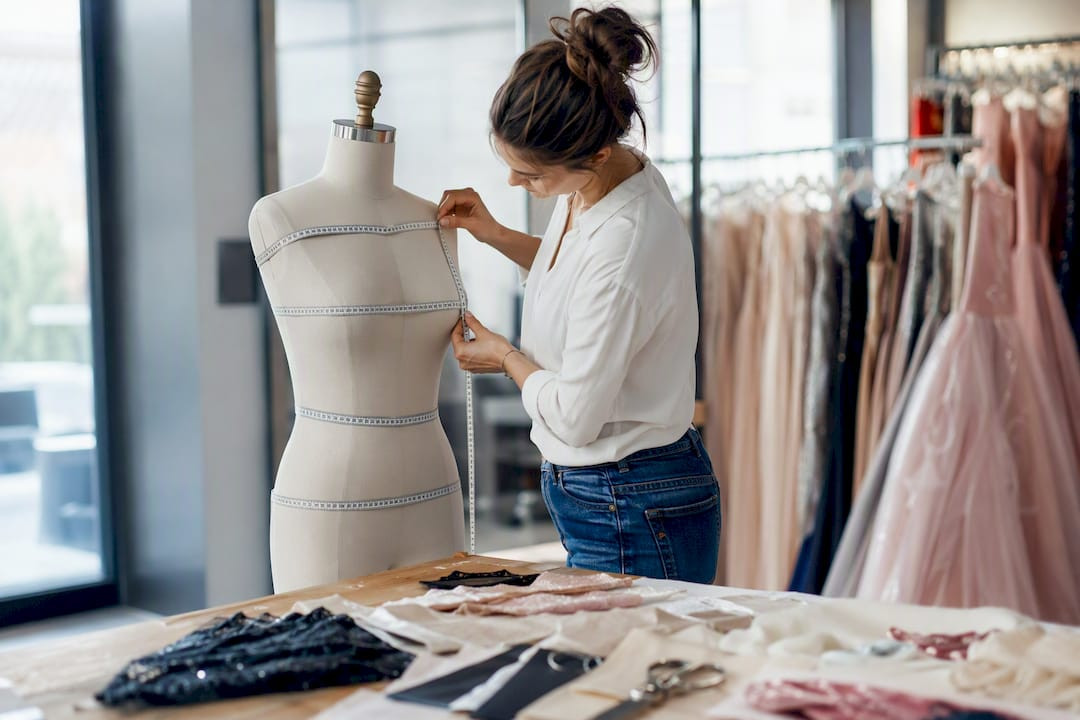
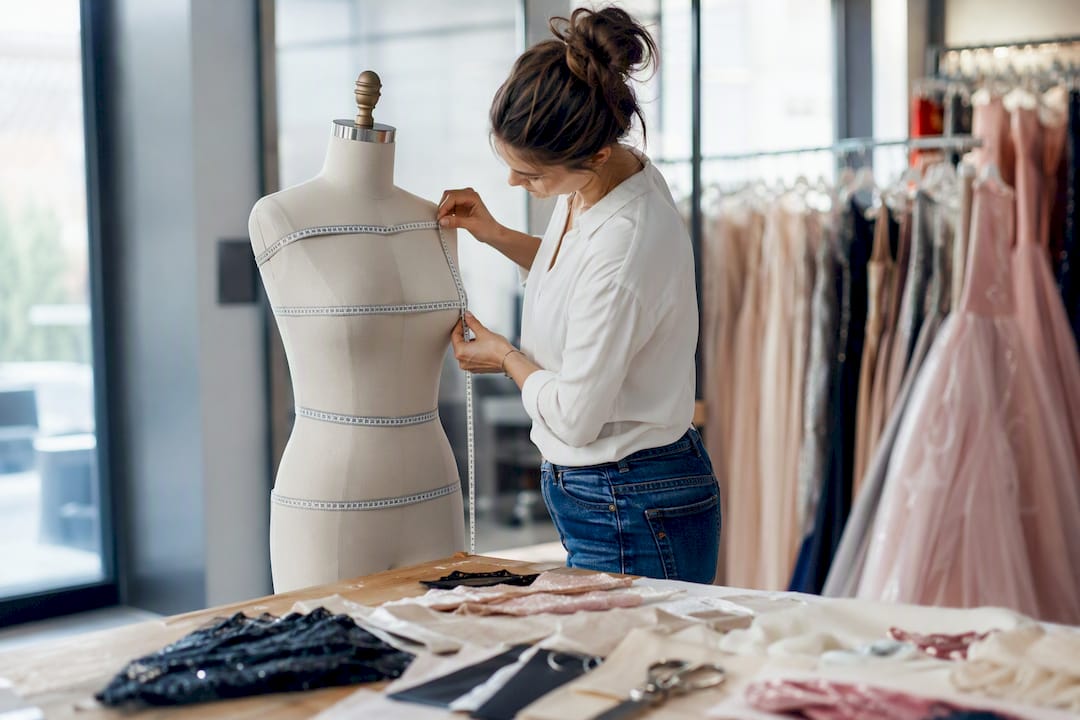
How to Measure Yourself and Plan for Alterations
Getting the right size on the first try comes down to accurate measurements, not guesswork. Here’s the process:
- Bust: Wrap the tape around the fullest part of your chest, keeping it level across your back. Don’t pull tight; the tape should sit snugly but not compress.
- Underbust: Measure directly below the bust, where a bra band would sit. This number helps confirm fit for structured or corseted bodices.
- Waist: Find your natural waistline, usually the narrowest point above your belly button, and measure without sucking in.
- High hip: Measure about three inches below your natural waist, a key number for A-line and mermaid silhouettes where the flare begins.
- Full hip: Measure around the widest point of your hips and rear, typically seven to nine inches below the waist.
- Torso length: Measure from the top of your shoulder down to your natural waist. This one matters more than shoppers expect for floor-length gowns.
That last measurement deserves extra attention. A difference of just half an inch in torso length can shift where a floor-length hem falls by several inches once the dress is on, according to Dressmeupny’s own fitting guidance. Always note your typical heel height when submitting measurements for a floor-length gown so the hem lands where you expect it.
When you’re reading a size chart, don’t default to your usual ready-to-wear size. Sizing conventions vary between brands, sometimes significantly. Designer gown listings commonly recommend sizing up for heavily beaded or embellished styles, since embellishment adds bulk that reduces stretch and give. Structured or strapless gowns with built-in boning or corsetry, on the other hand, often fit true to size or even allow sizing down, because the internal structure does the shaping work your body would otherwise need to do.
Common alterations and what to expect:
- Hemming: Usually the most common and least expensive alteration, typically a quick turnaround once your shoes are chosen.
- Bustling: Adds fabric loops or hooks so a train can be lifted for dancing; ask your tailor to build this in if your gown has any train length at all.
- Taking in or letting out side seams: A moderate alteration that adjusts overall fit through the waist and hips.
- Strap adjustment: A minor fix, but critical for strapless or halter styles that need to stay secure through hours of standing and dancing.
Pro Tip: Ask your tailor to baste (temporarily stitch) your hem at the first fitting rather than finalizing it right away. That way you can walk in your actual event shoes before committing, which avoids the common mistake of a perfect-looking hem that suddenly drags once heels are added.
If your measurements fall between standard sizes, or you know you carry weight differently than a size chart assumes, custom sizing is worth requesting. Submit your six measurements above along with your height and typical heel height, and expect a longer production window than an off-the-rack order, generally several weeks rather than a few days.
What White Tie, Black Tie, and Formal Actually Mean
Dress codes on gala invitations aren’t just etiquette trivia. They tell you exactly what silhouette and fabric weight to reach for, so decoding them correctly saves you from showing up under or overdressed.
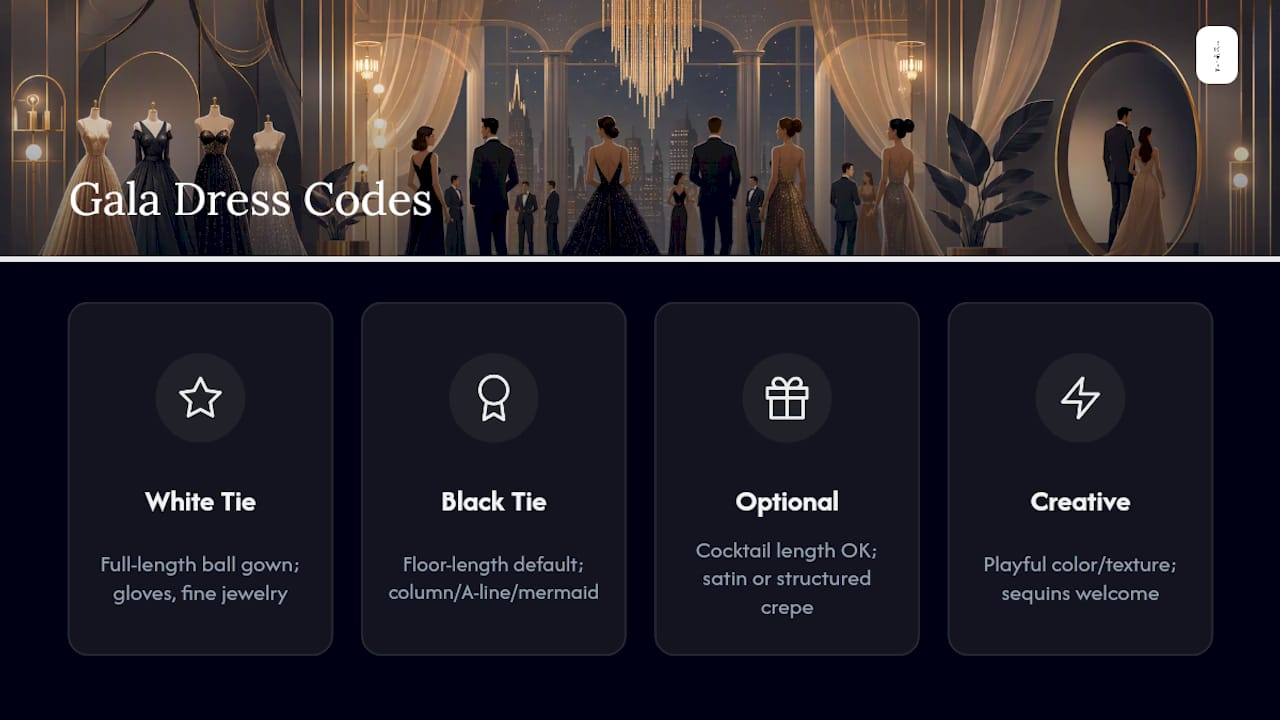
White tie is the most formal code you’ll encounter, typically reserved for state dinners, opera galas, and the most traditional charity events. It calls for a full-length ball gown, ideally with some structure or drama in the skirt, paired with formal gloves and your finest jewelry.
Black tie is the standard for most galas, weddings, and formal fundraisers. A floor-length gown is the expected default, though a sophisticated midi-length dress in a formal fabric like satin or crepe can work if the rest of your styling reads polished. Column, A-line, and mermaid silhouettes all fit comfortably within black tie.
Black tie optional gives you a little more flexibility. A shorter cocktail dress in an elevated fabric, think satin or structured crepe rather than casual jersey, is acceptable here, though a floor-length option is never wrong and often the safer default if you’re unsure.
Creative black tie invites you to have fun with color, texture, or unexpected details while keeping the overall formality intact. This is where a bold jewel tone, an interesting neckline, or a statement fabric like sequins can really shine.
A few notes on deviations. Daytime galas, garden parties, and brunch fundraisers often relax the length requirement, and a tea-length or midi dress in a formal fabric reads appropriately without breaking the dress code’s spirit. Themed galas sometimes suspend the usual rules entirely in favor of a specific color palette or motif, so always check the invitation twice before finalizing your gown.
Comfort and Practical Details for a Long Evening
The most beautiful gown in the world becomes a problem if you can’t move, breathe, or dance in it by 9 PM. A few practical decisions up front save you from spending the whole night adjusting your dress instead of enjoying the event.
Slit placement matters more than most shoppers consider before ordering. A slit that starts at the knee gives you room to walk and dance without exposing more leg than you’re comfortable with, while a high thigh slit works better for fitted mermaid gowns where the rest of the silhouette is more conservative. Skirt volume affects mobility too. Ball gowns look stunning standing still, but navigating a crowded cocktail hour in a wide skirt takes some practice, so consider whether the venue has tight seating or a lot of standing-room mingling.
Footwear should match both your gown length and the venue’s flooring. Floor-length gowns hide your shoes almost entirely, so comfort can win out over height, a low block heel works just as well as a stiletto when no one can see it anyway. Shorter hemlines put your shoes on display, so factor that into your choice. If the gala is held on grass, cobblestone, or an older hardwood floor, avoid a thin stiletto heel that could catch or sink.
Layering deserves real thought if your gala is outdoors, in a drafty historic venue, or during a colder month. A structured wrap or a tailored coat in a neutral tone works over almost any gown without clashing, and it’s far more practical than trying to tough out a chilly courtyard in a sleeveless dress. Our guide to seasonal gala dress styling has more specific layering suggestions by season.
A few small features make a bigger difference than you’d expect:
- Built-in bras or cups reduce the need for a separate strapless bra, which matters for backless or illusion-neckline gowns.
- Adjustable straps let you fine-tune fit through the evening as you move between standing, sitting, and dancing.
- Pockets, though rare in formalwear, are a genuine convenience if you can find a gown that has them, no clutch-juggling required.
- A gown with some stretch in the fabric blend tends to hold up better through a full night of dancing than a rigid, non-stretch structure.
Pro Tip: If you’re torn between two lengths, remember you can always check the difference between midi and maxi silhouettes to see which better suits your comfort priorities before committing to floor-length.
Shopping Logistics: Ordering, Shipping, and Custom Fit
Before you check out, run through a short list to protect yourself from a poor fit or a late delivery. Confirm your measurements against the retailer’s specific size chart, since sizing isn’t standardized across brands. Look for customer photos on the product page, which show you how a gown actually drapes on different body types rather than just on a model. If the retailer offers fabric swatches, request one, especially for a gown you’re ordering sight unseen in a color like deep emerald or navy that can look different depending on your screen.
Customer review platforms consistently show that shoppers rely heavily on size charts, real customer photos, clear shipping timelines, and straightforward return policies when deciding which online formalwear retailer to trust. That pattern holds true across the formalwear category, and it’s exactly why Dressmeupny publishes detailed size charts and measurement guidance alongside every gown listing.
A significant portion of formalwear shoppers say size charts and customer photos are key factors in choosing where to buy online, based on customer review data for formalwear retailers, which is a strong argument for reading both closely before you commit.
A few more logistics worth confirming before you order:
- Standard shipping for in-stock gowns usually takes several days; rush shipping may be available for an extra fee if your event is soon.
- Return and exchange windows vary by retailer, so check the policy on the specific product page rather than assuming a blanket rule applies.
- International shoppers should also confirm their consumer rights around returns and withdrawal periods, which can differ from domestic policy.
- Custom sizing usually takes longer than an off-the-rack order, often several weeks, so it’s worth planning ahead if your measurements fall outside standard ranges.
- In many cases, a simple alteration on an off-the-rack gown is both faster and cheaper than a full custom order, so ask your retailer which route makes more sense for your timeline.
- Some retailers also offer installment payment options at checkout, which is worth checking if you’re weighing a higher-priced gown against your gala budget.
Before finalizing your order, it’s worth reaching out to customer service with a few direct questions: What’s the fabric composition and how does it handle heat or humidity? Is the gown lined, and with what? Does it come with a built-in bustle option for the train, or would that need to be added during alterations? A retailer that answers these clearly and quickly is one you can trust with a purchase you can’t try on in person first.
Why Shoppers Trust Dressmeupny for Gala Gowns
Choosing a gown you’ve never tried on is a leap of faith, and Dressmeupny’s approach is built around closing that gap with real information instead of guesswork. Our blog covers the kind of specific, practical advice that generic style guides skip, from choosing the right silhouette for your gala to getting a long gown’s hem exactly right before you ever step into a tailor’s studio.
That editorial approach is backed by the practical trust signals shoppers say they actually rely on:
- Detailed size charts and measurement guides on every product page, so you’re comparing your own numbers, not guessing from a generic small-medium-large scale.
- Shipping and returns information clearly stated before checkout, not buried in fine print you find after you’ve already paid.
- Customer support you can reach with specific fabric, lining, or bustle questions before committing to an order.
- Ongoing blog content addressing real shopper concerns, from dress-code decoding to fabric care, written to help you buy smarter rather than just faster.
None of this replaces trying a gown on in person. But it closes the gap enough that ordering online for a once-a-year event stops feeling like a gamble.
How We Choose Gala Dresses for Our Collection
We think about fit before we think about trend. Every gown we bring into the Dressmeupny collection has to work across a real range of body types, not just the one body a sample size was cut for, which is why inclusive sizing and clear measurement guidance sit at the center of how we curate.
Fabric quality is the second filter. A dress can look stunning in a product photo and still feel cheap or stiff the moment you put it on, so we favor fabrics that hold their shape, move well on the dance floor, and photograph consistently under real event lighting, not just studio lighting.
We also try to hold two things in tension: timeless pieces that won’t feel dated in five years, and fresher silhouette details, like illusion necklines or convertible skirts, that keep the collection feeling current. Neither one wins outright. A gala wardrobe should have some longevity in it.
If you want to see that philosophy in action, our curated gala picks are worth a browse the next time an invitation lands in your inbox.
— Dressmeup
Shop Gala Ball Dresses at Dressmeupny
Once you know your silhouette, fabric preference, and measurements, the fastest way to put that knowledge to use is browsing a collection built specifically around gala and black-tie shopping. Dressmeupny organizes its formalwear by silhouette, length, and color, so you can move from research to checkout without digging through unrelated categories, and every listing includes the size chart and fit notes covered throughout this guide.
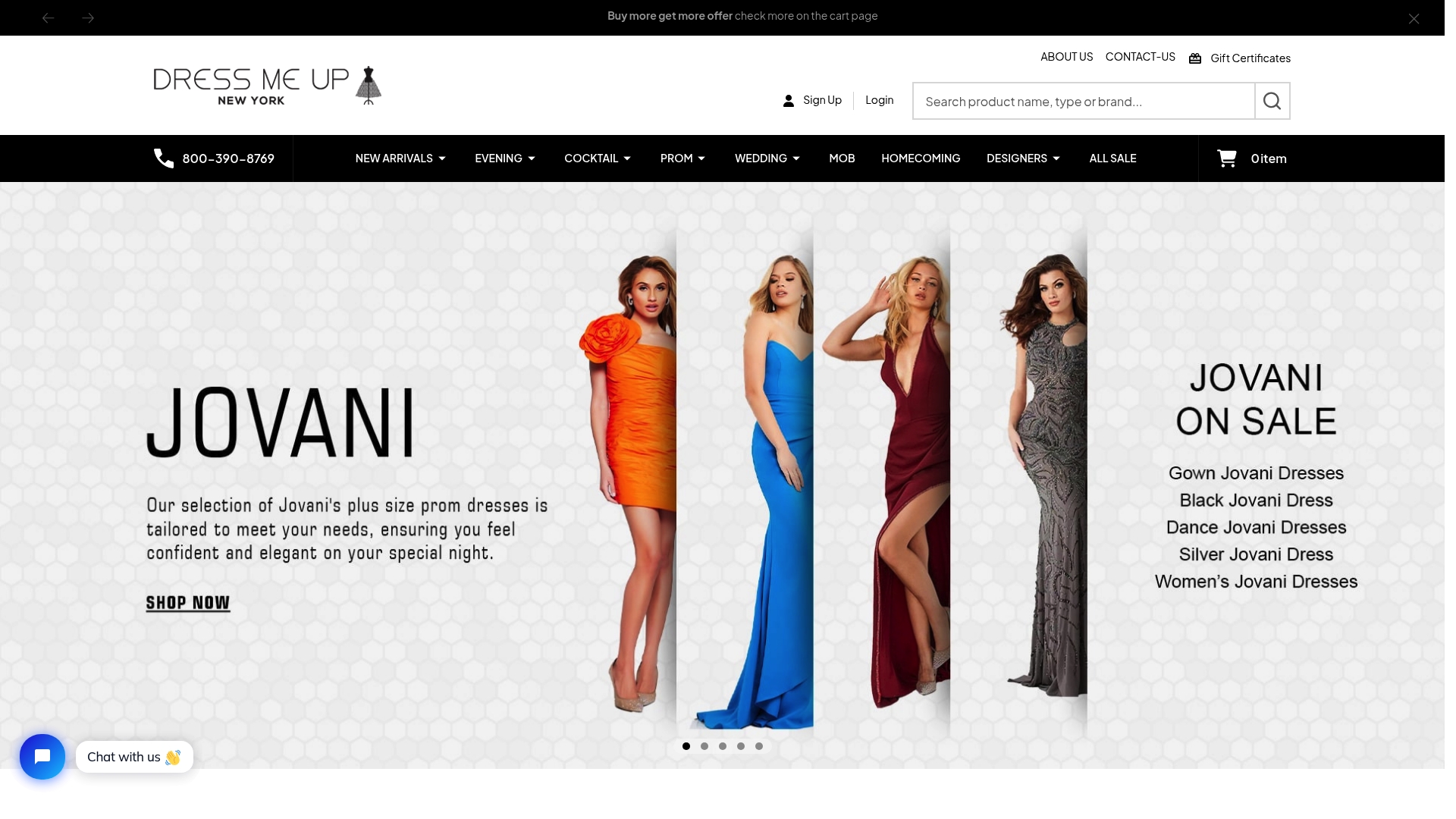
Whether you’re after a floor-length column gown for a black-tie fundraiser or a beaded showstopper for a themed evening, the Dressmeupny collection is where those searches start. Browse current arrivals, check the size guide against your own measurements, and reach out to customer service with any fabric or alteration questions before you place your order. Your gala is coming up fast. Give yourself enough lead time to order, fit, and finalize the gown that actually fits how you move, not just how you look standing still.
Sources
- Women’s Evening Dresses & Formal Dresses 2026 | Jovani
- Kimi - The Official Jenny Packham Website
- Long Sequined Evening Gown – Akris Inc.
- Trustpilot
Recommended
- How to Measure for Dresses for a Perfect Formal Fit
- 6 Tips for Choosing Elegant Gala Dresses for Formal Events