
Gala Event Dresses: What to Wear and How to Choose
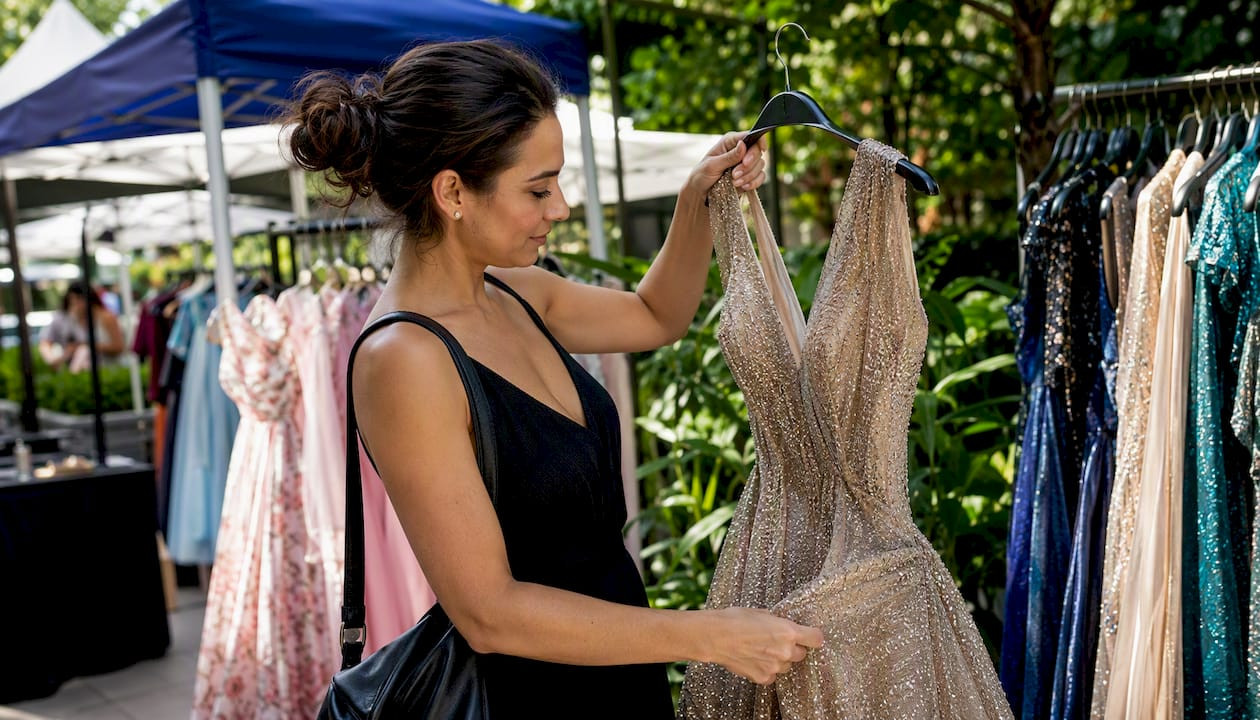
Gala Event Dresses: What to Wear and How to Choose
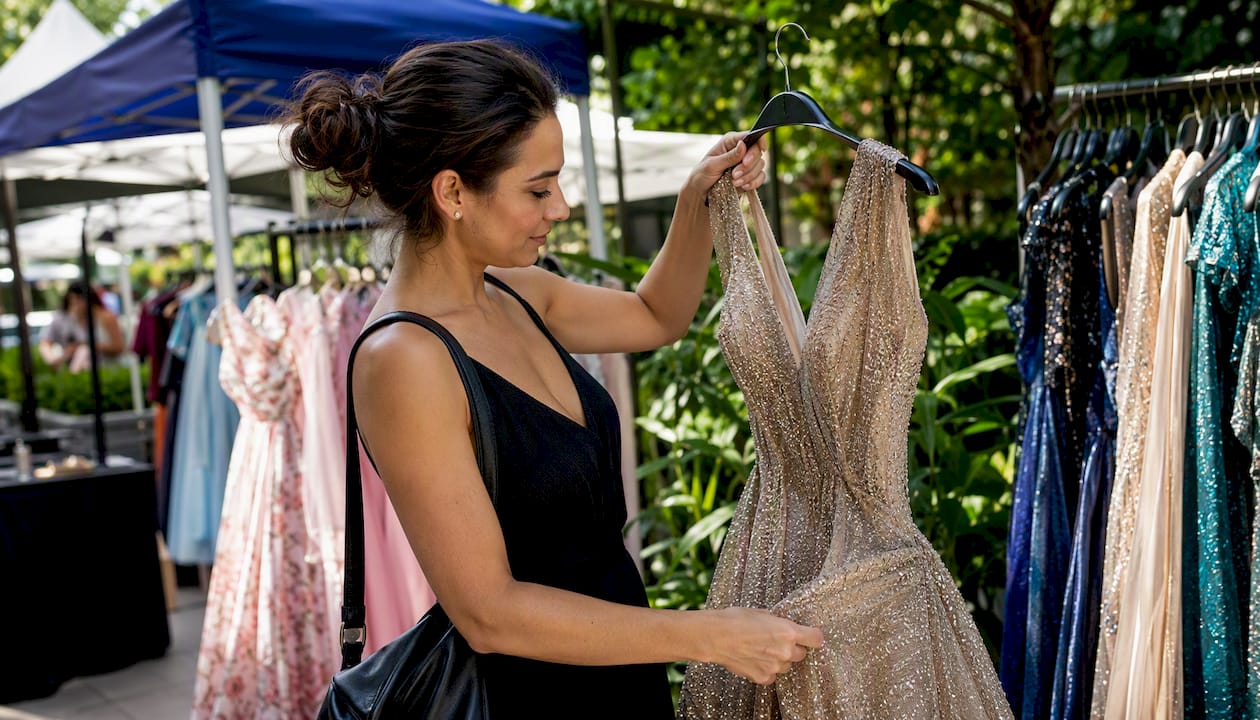
For most galas, your safest and most polished choice is a floor-length gown or a sleek evening column that matches the event’s formality level. Once you know that, everything else — silhouette, fabric, fit, and timing — falls into place naturally.
Here’s your quick starting point before we go deeper:
- Silhouette: Ball gown, A-line, mermaid, or column are all gala-appropriate. Pick the one that fits your body confidence and the event’s vibe.
- Fabric: Silk, satin, chiffon, or crepe signals formal. Everyday cotton or jersey does not.
- Fit: A dress that fits your measurements precisely will always outperform a trendy style that doesn’t.
Your single next step: check your invitation for the stated dress code (black tie, formal, or festive formal), take your measurements, then browse or rent through Dressmeupny’s gala collection.
Pro Tip: If the invitation says “black tie,” treat floor-length as the default. If it says “formal” or “festive formal,” you have slightly more flexibility with hem length and embellishment — but always confirm with the host if you’re unsure.
Key Takeaways
The single most important rule for gala dresses: match your silhouette and fabric to the event’s stated dress code, then prioritize fit above everything else.
| Point | Details |
|---|---|
| Default to floor-length | Black-tie galas call for floor-length gowns or polished evening columns as the baseline. |
| Fabric signals formality | Silk, satin, chiffon, crepe, and mikado read as formal; everyday cotton and jersey do not. |
| Order with lead time | Allow 6–8 weeks for off-the-rack with alterations; 4–6 weeks minimum for a rental reservation. |
| Rent for one-off events | Renting saves money for single events and often covers cleaning, but always request a backup size. |
| Dressmeupny simplifies the process | Browse gala gowns with full size charts, customer photos, and clear return terms at Dressmeupny. |
Table of Contents
- What silhouette works best for gala event dresses?
- How do you choose the right gala dress?
- Which fabrics and colors work for gala dresses?
- Should you rent or buy your gala dress?
- Sizing, alterations, and the ordering timeline you need
- Gala do’s and don’ts you should know
- How to care for and transport your gala dress
- Why Dressmeupny makes buying or renting a gala dress easier
- A styling perspective worth keeping in mind
- Ready to find your gala dress at Dressmeupny?
- Sources
What silhouette works best for gala event dresses?
Vogue’s editorial roundups show that gala dresses span everything from minimalist slip gowns to heavily embellished statement pieces, which means there’s a silhouette for nearly every body type and personality. The trick is narrowing down which one actually works for you before you start scrolling.
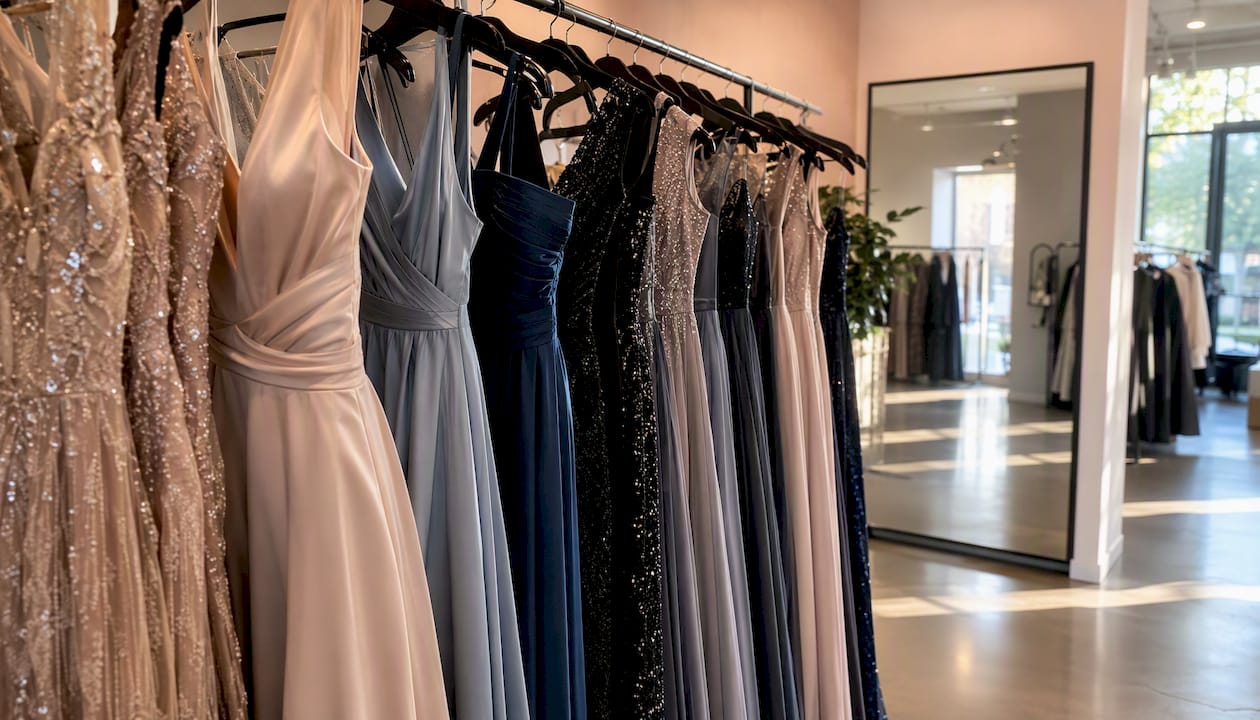
Ball gown: The most traditional black-tie silhouette. A fitted bodice and full skirt create an hourglass shape and photograph beautifully. Best for pear and hourglass figures, and for galas with a grand ballroom setting.
A-line: Fitted through the waist and flares gradually to the hem. Universally flattering because it skims the hips without clinging. Works across almost every formality level from formal to black tie.
Mermaid/trumpet: Fitted through the bodice, hips, and thighs, then flares at the knee. Stunning on hourglass and athletic figures. Worth noting: mobility is limited, so test sitting and walking before committing.
Sheath/column: Straight and close-fitting from shoulder to hem. Clean, modern, and effortlessly elegant. Flatters tall, lean, and athletic frames. A strong choice when you want understated sophistication over drama.
Empire waist: Seam sits just below the bust, with a flowing skirt. Comfortable, forgiving, and particularly flattering for apple shapes or anyone who wants ease of movement.
Tea-length: Falls between the knee and ankle. Acceptable at “formal” or “festive formal” events, but generally too short for strict black-tie galas. Check the dress code before choosing this one.
Pro Tip: Before trying on a single dress, pull up three photos of each silhouette on a model with a similar build to yours. Notice which one you keep returning to — that’s usually the right starting point.
How do you choose the right gala dress?
Good dress shopping is really a short decision checklist. Work through these five points on any product page or in-store, and you’ll filter out the wrong options fast.
- Formality match: Does the dress meet the event’s stated dress code? A floor-length gown clears black tie. A formal midi clears “formal.” A cocktail dress usually does not clear either.
- Silhouette: Does it match your body confidence and the event’s setting? A ball gown in a small venue can feel overdressed; a column in a grand ballroom feels just right.
- Fabric: Is it a gala-appropriate material (silk, satin, chiffon, crepe, mikado)? If the fabric description reads like a casual blouse, skip it.
- Hem length: Floor-length for black tie. Formal midi (below the knee) for “formal” or “festive formal.” Tea-length only if the dress code permits.
- Mobility: Can you sit, climb stairs, and walk comfortably? Test this in-store or check the retailer’s model video if shopping online.
When evaluating a retailer or rental service, ask these questions before you buy or reserve:
- Does the site provide a full measurement chart (bust, waist, hip, hollow-to-hem)?
- What is the return or exchange window, and does it cover fit issues?
- Is backup sizing available, especially for rentals?
- Who is responsible for dry cleaning after a rental?
Red flags that should stop a purchase: blurry or single-angle product photos, no measurement chart, no alteration guidance, and a return window shorter than seven days. These signal a retailer that won’t support you if the fit is off. Resources like Dressmeupny’s online shopping tips walk through exactly what to look for when buying formal gowns online.
Which fabrics and colors work for gala dresses?
Fabric is what separates a dress that reads “formal event” from one that reads “nice dinner out.” The right material catches the light, holds its shape through a long evening, and photographs well — which matters more than most people expect.
Gala-appropriate fabrics:
- Silk charmeuse/satin: Liquid drape, high sheen, photographs beautifully. Best for column and slip silhouettes. Wrinkles easily, so transport carefully.
- Mikado: Structured, matte-finish silk blend. Holds shape perfectly for ball gowns and A-lines. Forgiving to travel and less prone to wrinkling than charmeuse.
- Chiffon: Lightweight, flowing, and romantic. Works best for layered skirts and empire silhouettes. Pairs well with embellished bodices.
- Crepe: Matte, smooth, and modern. Drapes cleanly on column and sheath styles. One of the most wearable fabrics for a long evening.
- Lace: Adds texture and formality. Best used as an overlay or bodice detail rather than head-to-toe, which can read as bridal.
Embellishments: Beading and sequins read as high-quality when the stones are set densely and catch light evenly. Sparse, uneven beading looks cheap from across a room. Embroidery adds texture without sparkle, which is a strong choice for daytime or outdoor galas. Avoid plastic-looking rhinestones on the hem — they catch scuffs and look worn by the end of the night.
Color and season: For winter galas, deep jewel tones (emerald, sapphire, burgundy) and metallic finishes work beautifully under warm ballroom lighting. For spring and summer events, soft blush, champagne, powder blue, and sage read as fresh without sacrificing formality. Outdoor tent events with natural light favor lighter, matte fabrics; indoor ballrooms with warm chandeliers make metallics and sequins shine. For more seasonal guidance, Dressmeupny’s winter gala dress guide and spring gala style guide are worth bookmarking.
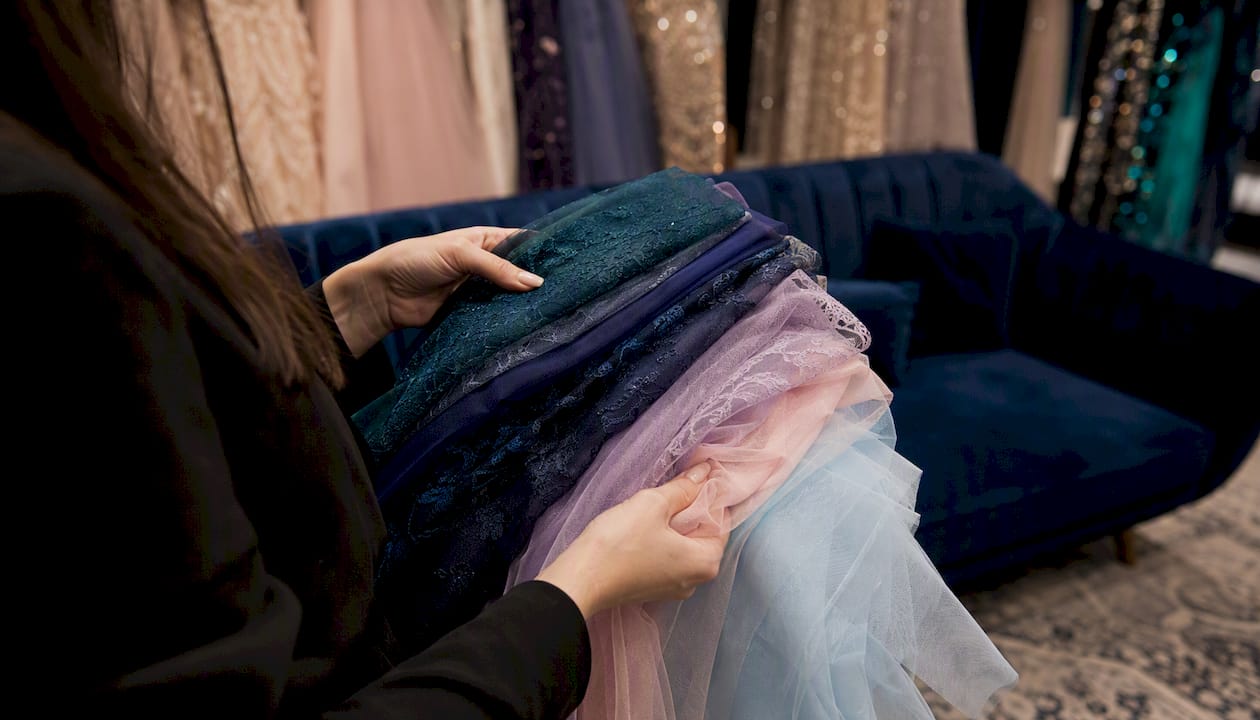
Pro Tip: Hold a fabric swatch (or zoom into the product photo) and imagine it under dim chandelier light. Matte fabrics disappear; sequins and satin pop. Choose your finish based on the venue’s lighting, not just the color.
Should you rent or buy your gala dress?
Both options work well — the right choice depends on how often you attend formal events and how much fit certainty you need. Here’s an honest side-by-side:
Buying:
- Cost typically ranges from affordable off-the-rack options to high-end designer pieces
- You own it, can alter it to your exact measurements, and can wear it again
- Better when you attend two or more formal events per year, or when the dress is a keepsake
Renting:
- Rental fees generally run from moderate to higher prices for a single event
- Lower upfront cost, but fit is harder to guarantee without trying on first
- Cleaning is usually the rental service’s responsibility, which saves time
- Better when you attend one gala per year or want to wear a higher-end designer piece at a lower price
Quick decision flow: If you attend formal events regularly, buying and having the dress altered to your measurements is almost always the smarter long-term investment. If this is a one-time event or you want a designer label without the full price, renting makes sense — provided the service offers backup sizing and a clear return policy. Dressmeupny’s gala gown rental guide covers backup sizing, cleaning responsibilities, and rental timelines in detail.
Sustainable and ethical angle: Renting is inherently lower-impact than buying a dress worn once. If you prefer to buy, look for brands that use deadstock fabric, offer resale programs, or use certified sustainable materials. Reselling a worn gown through consignment or peer-to-peer platforms extends its life and recovers some of your cost.
Pro Tip: For rentals, always request a backup size one size up. Gown sizing runs inconsistently across brands, and having a second option on hand prevents a last-minute panic.
Sizing, alterations, and the ordering timeline you need
Timing is where most gala dress plans go wrong. Order too late and you’re paying for rush shipping or skipping alterations entirely. Here’s a practical timeline to follow:
| Scenario | Lead Time Needed |
|---|---|
| Off-the-rack, no alterations | 2–3 weeks before the event |
| Off-the-rack with standard alterations | Several weeks before the event |
| Made-to-order or custom sizing | Several weeks before the event |
| Rental reservation | 4–6 weeks before the event |
| Dry cleaning after rental return | Allow 3–5 business days |
Measurements to take at home:
- Bust: Measure around the fullest part of your chest, keeping the tape parallel to the floor.
- Waist: Measure around your natural waist, about one inch above your navel.
- Hips: Measure around the fullest part of your hips, usually 7–9 inches below your natural waist.
- Hollow-to-hem: Measure from the hollow at the base of your throat straight down to where you want the hem to fall (usually the floor in heels).
Match these four measurements to the retailer’s size chart before ordering. When two measurements fall in different size columns, size up and plan for a minor alteration — taking in is always easier than letting out.
Dressmeupny’s gala dress code guide includes in-house sizing guidance and event-specific recommendations that make matching your measurements to the right silhouette much more straightforward.
Pro Tip: If you’re between sizes, order the larger size and budget $50–$150 for a local tailor to take in the waist and bodice. A dress altered to your body will always look more expensive than one that’s technically “your size” but fits loosely.
Gala do’s and don’ts you should know
Jennifer Tattanelli’s styling primer makes the point clearly: most galas are at minimum formal or black tie, which means floor-length or formal midi is the baseline expectation. Here’s how to stay on the right side of the dress code.
Do’s:
- Choose floor-length for black-tie events; a formal midi (below the knee) for “formal” or “festive formal”
- Pick luxe fabrics — silk, satin, chiffon, crepe, or mikado
- Test comfort and mobility before the event: sit down, walk, and climb a step in the dress
- Match your shoe formality to the dress (strappy heels or elegant flats, not sneakers or block-heeled sandals)
- Confirm the dress code directly with the host or event organizer if the invitation is vague
Don’ts:
- Avoid casual fabrics: everyday cotton, denim, jersey, or linen read as underdressed at a gala
- Skip loud daytime prints (florals, graphics, bold stripes) at black-tie events
- Don’t order without a measurement chart — guessing your size in formalwear is a reliable way to end up with a dress that doesn’t close
- Avoid overly trendy silhouettes if you’re buying to keep; classic shapes photograph better and age more gracefully
Can you wear pants to a gala? Wide-leg palazzo pants in a luxe fabric (silk, satin, or crepe) with a formal top can work at “formal” or “festive formal” events. At strict black-tie galas, a floor-length gown is the safer and more traditional choice.
Can you wear a short dress? Acceptability depends entirely on the event’s stated dress code and the host’s expectations. At a company gala or charity event labeled “formal,” a knee-length dress in a luxe fabric may be acceptable. At a black-tie gala, it generally is not. When in doubt, go longer.
What about an exposed midriff? At most traditional galas, a midriff-baring style reads as too casual. A cutout detail at the waist on an otherwise floor-length gown is a modern compromise that works at contemporary events.
How to care for and transport your gala dress
Getting the dress to the event in perfect condition takes about ten minutes of preparation. Skip it and you’ll spend the first hour of the evening steaming wrinkles in a hotel bathroom.
Transport checklist:
- Use a breathable garment bag, not a plastic dry-cleaning bag (plastic traps moisture and can yellow fabric)
- Hang the dress on a padded hanger, not a wire one that can distort the shoulders
- For long gowns, fold the skirt loosely over the hanger bar rather than letting it drag
- Steam, don’t iron — a handheld steamer removes wrinkles without the risk of scorching delicate fabrics
- Remove lint with a fabric roller, not tape, which can pull beading
Emergency fixes to pack:
- Double-sided fashion tape for straps, necklines, or a hem that starts to lift
- A small travel sewing kit (needle, thread in your dress color, safety pins)
- Stain remover pen for food or drink spills — blot, never rub
- A spare pair of heel tips if you’re wearing stilettos on a hard floor
Pro Tip: Ask the venue if there’s a cloakroom or bridal suite where you can store your garment bag and touch up the dress before entering. Most event venues have one, and it’s far better than managing a long gown in a crowded coat check.
Why Dressmeupny makes buying or renting a gala dress easier
Finding the right formal evening gown online can feel like a guessing game — until you shop somewhere that gives you the information you actually need to make a confident decision.
Dressmeupny is built specifically for formal and special occasion dressing. Here’s what sets the experience apart:
- Clear size guide and measurement chart: Every listing includes a full measurement chart so you can match your bust, waist, hip, and hollow-to-hem measurements before ordering.
- Customer reviews and photos: Real customer photos show how dresses fit on different body types, which is far more useful than a single model shot.
- Return and exchange policy: Straightforward return and exchange terms so you’re not locked in if the fit isn’t right.
- High-quality product imagery: Multiple angles and model measurements listed on each product page, so you can see exactly how a dress drapes and falls.
- Designer collections and gala-specific categories: From designer black-tie dresses to evening gowns and special occasion styles, the catalog is organized for event-specific shopping.
- Rental guidance: Dressmeupny’s rental resources cover backup sizing, cleaning responsibilities, and timeline planning so you know exactly what to expect.
Pro Tip: Use Dressmeupny’s size chart before adding anything to your cart. Formalwear sizing varies significantly between brands, and a two-minute measurement check saves a return shipment.
A styling perspective worth keeping in mind
The most common mistake women make when shopping for a gala dress is chasing the most dramatic option in the catalog. A heavily embellished ball gown looks stunning in photos, but if it doesn’t fit your body or the event’s actual formality level, you’ll spend the evening adjusting it instead of enjoying yourself.
The rule we always come back to: fit first, silhouette second, embellishment third. A perfectly fitted column dress in crepe will outperform a loosely fitted ball gown every single time. Accessories — a structured clutch, a simple earring, the right heel height — do the work of elevating a clean silhouette far more effectively than a dress that’s doing too much on its own.
One more thing worth saying plainly: Vogue’s roundups confirm that gala gowns are less versatile than cocktail dresses. Pick a silhouette you genuinely love and a fabric that travels well, rather than a trend you’ll feel lukewarm about six months from now. That’s the dress worth investing in.
Ready to find your gala dress at Dressmeupny?
You’ve done the research. You know your silhouette, your fabric, and your timeline. Now the only thing left is finding the actual dress — and that’s exactly where Dressmeupny delivers.
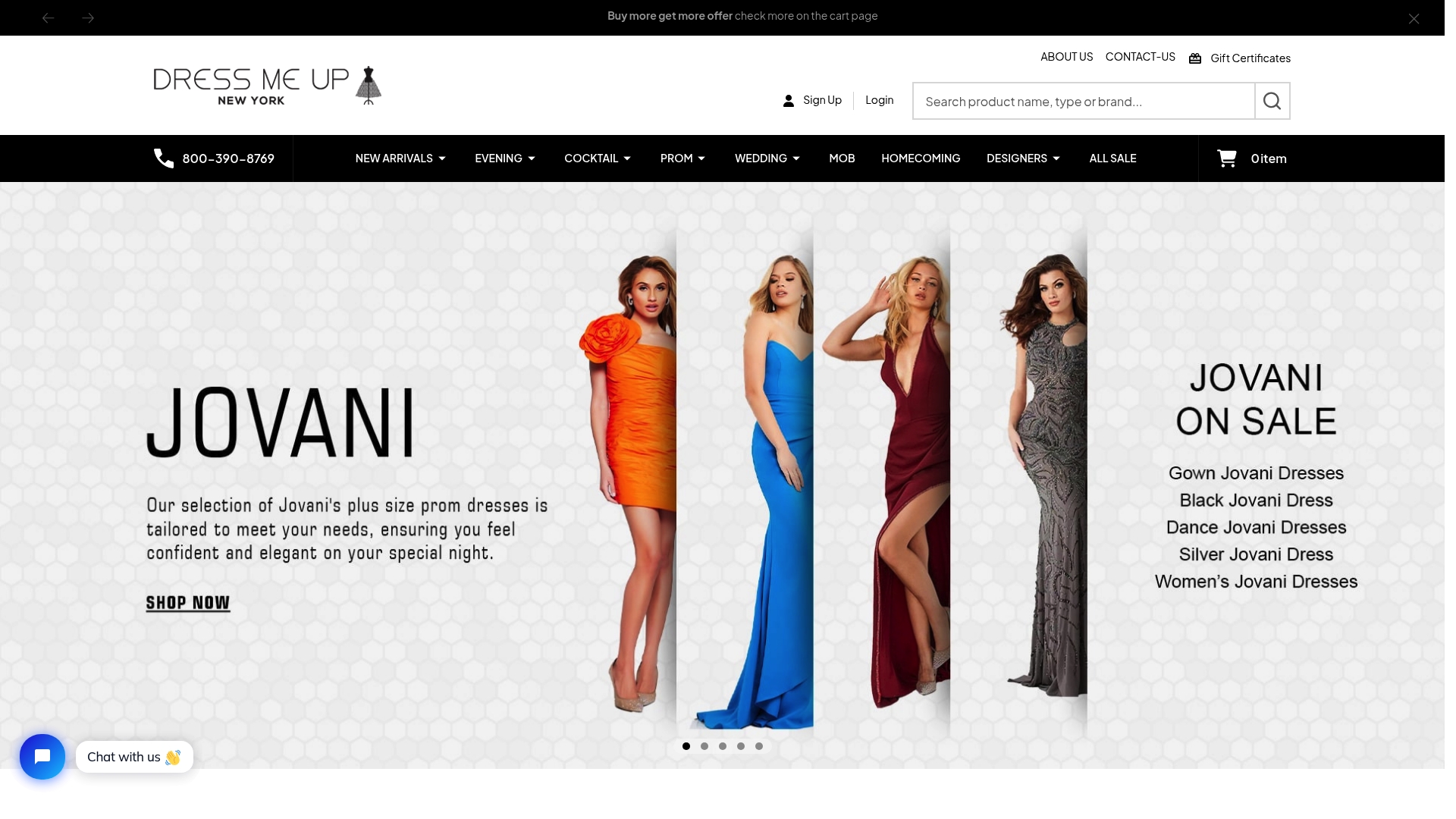
Dressmeupny’s catalog covers the full range of formal evening gowns, from sleek columns and A-lines to embellished ball gowns, all organized by event type so you’re not wading through cocktail dresses to find black-tie options. Every listing includes a full measurement chart, model measurements, and customer photos so you can shop with real confidence. The return and exchange policy is clear, the size guidance is practical, and the collection spans multiple price points so you can find a dress that fits both your body and your budget.
Browse the full gala collection at Dressmeupny, check your measurements against the size chart, and reserve or order with enough lead time to handle alterations if needed.
Sources
- 44 Best Evening Dresses to Wear to Your Next Formal Event | Vogue
- Gala attire: style tips for every occasion - Jennifer Tattanelli
Recommended
- Gala Dinner Dresses: Choosing Elegance That Stands Out - DressMeUpNY
- Gala gown dresses: choose elegant styles for 2026 - DressMeUpNY
- 6 Tips for Choosing Elegant Gala Dresses for Formal Events - DressMeUpNY
- Complete Guide to Gala Gowns: Styles and Selection - DressMeUpNY