
Order 4–6 Weeks Early: Fit First Shopping for Plus Size Gala Gowns
Order 4–6 Weeks Early: Fit First Shopping for Plus Size Gala Gowns
The fastest route to a gala gown that actually looks like it was made for you starts with silhouette, not size. Confirm your measurements first, pick a construction that supports your bust and skims your waist, and choose a lined fabric that moves with you instead of against you. From there, minimal tailoring and a little timeline planning close the gap. Dress Me Up NY’s formal gowns category is built around exactly this approach, letting you filter by size, silhouette, and length so you’re shopping smarter from the first click.
TL;DR:
- Choosing the right silhouette, bust support, and fabric drape enhances comfort and fit, especially for structured gowns like A-line or empire waist styles.
- Be sure to measure accurately and compare your numbers to each brand’s specific size chart, allowing extra time for alterations before the event.
- Prioritize fabric quality and support features, such as lining and boning, to avoid discomfort and wardrobe malfunctions during long events.
- Ordering at least four to six weeks in advance ensures enough time for shipping, fittings, and necessary adjustments, especially for structured or embellished gowns.
- Match your gown’s formality and color palette to the event’s lighting and dress code, opting for jewel tones or metallics for evening galas and softer hues for daytime venues.
Table of Contents
- What Should You Look For in a Plus Size Gala Gown?
- Which Silhouettes Actually Flatter Curves?
- How Should You Choose Fabric, Embellishments, and Color?
- How Do You Measure and Alter a Gown for the Right Fit?
- How Do You Style a Gala Gown From Head to Toe?
- Why We Built Our Plus Size Gala Collection Around Fit First
- Ready to Shop Plus Size Gala Gowns That Actually Fit?
- Where to Learn More About Fit and Styling
- FAQ
What Should You Look For in a Plus Size Gala Gown?
Picking a gala gown off a rack (or a screen) without a plan is how you end up with three returns and a rising sense of panic two weeks before the event. A short checklist saves you that headache.
Before you fall for a gown because it looks stunning on a model, run it through these filters:
- Silhouette: Does it match your body’s proportions, or just the trend of the season?
- Bust support: Built-in cups, boning, or a structured bodice for anything strapless or heavily beaded.
- Waist definition: A seam, sash, or gathered detail at the natural waist reads more polished than a straight drop.
- Fabric drape and lining: Does the fabric fall smoothly over curves, or cling and pull?
- Closure type: Zipper, corset back, or hook and eye. Corset backs give you a few inches of flexibility if your measurements land between sizes.
- Length and hem: Floor length for black tie, tea length or midi for cocktail attire.
- Pockets: A small detail, but a real one if you’re holding a clutch, a phone, and a drink all night.
Matching formality to the dress code matters more than people admit. Black tie calls for floor length, richer fabrics like satin or velvet, and a more structured silhouette. Cocktail attire gives you room to play with shorter hems, lighter fabrics, and bolder color. When the invitation doesn’t specify, floor length is the safer bet. You can always dress it down with simpler accessories; you can’t dress up a cocktail dress into black-tie territory.
Pro Tip: Check the shipping and return window before you buy, especially if your gala is more than a few weeks out. Ordering early gives you room for exchanges and alterations without the last-minute scramble.
Price bands for plus-size gala gowns vary widely depending on fabric and embellishment level, and shipping timelines matter just as much as price when you’re working against a fixed event date. A gown that arrives two days before the gala leaves zero room for a hem fix or a strap adjustment, no matter how good the dress itself is.
Which Silhouettes Actually Flatter Curves?
Not every silhouette does the same job, and knowing which one solves your specific concern saves you from trying on forty dresses that all miss the mark.
A-line gowns skim over the hips and taper at the waist, making them one of the most forgiving shapes for a wide range of body types. If you want something that balances a fuller midsection without clinging anywhere, this is usually the safest starting point.
Empire waist dresses gather just under the bust and flow loosely from there. They’re especially good if you want to minimize focus on the midsection entirely, and they tend to move beautifully on the dance floor.
Wrap-style gowns cross at the bodice and cinch at the waist, creating a defined waistline without a rigid structure underneath. This works well if you carry weight in the midsection but want a softer, more adjustable fit than a fitted bodice allows.
Fit-and-flare or mermaid silhouettes hug the body through the bust, waist, and hip before flaring out, usually at the knee or below. These reward a defined waist and work best when you’re comfortable with a more form-fitting look. They’re less forgiving of a tight schedule for alterations, since the fitted portion has to land precisely.
Sheath or column gowns run straight from shoulder to hem with minimal shaping. They read sleek and modern, but they demand more from fit precision. A column gown that’s even slightly off in the waist or hip measurement will show it.
Neckline and sleeve choices do more visual work than most shoppers expect:
- A V-neck elongates the torso and draws the eye upward, which flatters a fuller bust.
- A scoop neck softens a square frame and works well paired with a defined waist.
- Off-shoulder styles highlight the collarbone and shoulders, a strong choice if you want attention above the waist.
- Illusion necklines, with sheer mesh panels, add the appearance of coverage while keeping the look formal without feeling heavy.
If you’re wearing anything strapless, heavily beaded, or without a built-in structure, a boned bodice or integrated bra is worth the extra consideration. It holds the shape of the dress through hours of standing, sitting, and dancing, which a flimsy lining simply won’t do.
How Should You Choose Fabric, Embellishments, and Color?
Fabric decides whether a gown feels like a second skin or a costume you’re fighting all night, and that difference shows up the moment you sit down for dinner.
Chiffon and crepe move fluidly and forgive minor fit inconsistencies, making them a strong pick for empire and A-line silhouettes. Satin has more structure and a glossier finish, which suits fitted styles but shows every seam and lining flaw, so quality construction matters more here. Velvet brings warmth and richness perfect for black-tie events in cooler months, though it can add visual weight if the cut isn’t right for your frame. Stretch jersey offers built-in give, which makes it a practical choice if you’re ordering online and want a buffer against sizing surprises.
Embellishments need the same scrutiny as the base fabric:
- Sequins and beading look stunning in photos but can feel stiff or scratchy without a soft lining underneath. Always check whether the interior is lined before committing.
- Lace works beautifully as an overlay on a lined base, but unlined lace can be sheer in ways you don’t discover until you’re under gala lighting.
- Heavier embellishment concentrated at the bodice, rather than spread across the whole gown, tends to be more comfortable for long events.
DressMeUpNY’s guidance on black-tie plus-size gowns specifically points to lined fabrics and built-in support as the difference between a gown that photographs well and one that also feels good by hour four.
Color and lighting deserve their own thought. Deep jewel tones like emerald, sapphire, and burgundy tend to photograph richly under the warm, dim lighting typical of galas, while metallics catch light beautifully in photos but can wash out under harsh venue lighting. If your event skews formal and evening, jewel tones and metallics both hold up. For daytime or brightly lit venues, softer, matte finishes often read more polished than high-shine fabric.
How Do You Measure and Alter a Gown for the Right Fit?
Sizing is where most online gown orders go wrong, and it’s almost never because the dress was poorly made. It’s because the shopper measured against a label instead of a tape measure.
Follow these steps before you place an order:
- High bust: Measure just under the armpits, across the fullest part of the chest, keeping the tape level.
- Full bust: Measure around the fullest part of the bust, tape parallel to the floor.
- Waist: Measure around your natural waistline, usually just above the belly button, without pulling the tape tight.
- Low waist: Measure a couple of inches below your natural waist, useful for empire and drop-waist styles.
- Hips: Measure around the fullest part of your hips and seat.
- Torso length: Measure from the base of your neck to your natural waist, which helps predict how a bodice will sit.
Write every number down and compare it against the brand’s specific size chart, not a generic size guide. Plus-size labeling commonly spans ranges around 0X to 5X, roughly US 10 to 32, but the actual measurements behind those labels shift from designer to designer. A 2X in one brand can fit like an 18 in another. When your measurements fall between two sizes, size up for structured, boned gowns since taking in a seam is far easier than letting one out. For stretch fabrics like jersey, sizing down slightly can work if you prefer a closer fit.
Once the gown arrives, prioritize alterations in this order: hem first, since it affects how the whole dress hangs; bust darts and cups next, especially for structured bodices; side seams for overall shape; straps last, since they’re usually the fastest fix. Most tailors need one to two weeks for a straightforward hem and seam adjustment, longer if boning or structural rework is involved, so building alteration time into your timeline protects you from a fit crisis the night before.
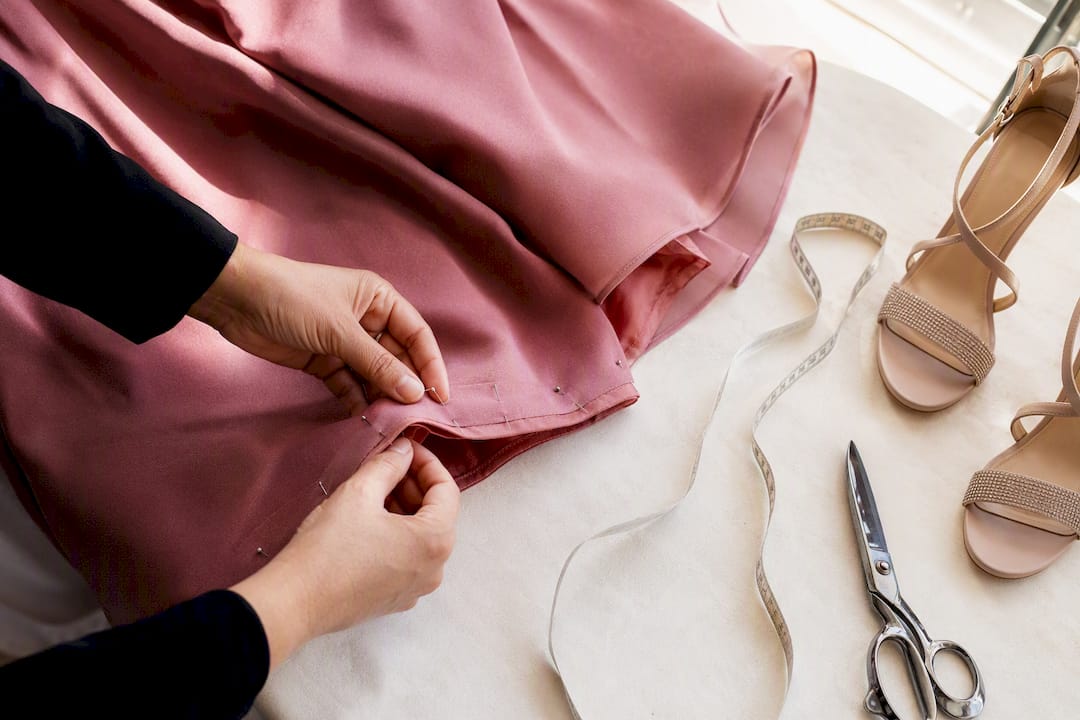
Pro Tip: Try on the gown with the shoes and shapewear you plan to actually wear before your final alteration appointment. Hem length changes with heel height, and shapewear can shift how a bodice sits.
How Do You Style a Gala Gown From Head to Toe?
The gown carries the look, but the finishing pieces decide whether you feel comfortable enough to actually enjoy the night.
Shapewear should smooth, not squeeze. Look for pieces that target the waist and midsection without cutting into your ribs or creating a visible line under fitted fabric. A gown with built-in support at the bodice often means you can skip a bra entirely, which matters if you’re wearing something strapless or with delicate straps.
Balance your accessories against the dress itself:
- If the gown has heavy beading or a bold color, keep jewelry minimal, think small studs or a delicate bracelet.
- If the gown is simpler in fabric and cut, a statement earring or clutch earns its place.
- Match your shoe height to your hem length; floor-length gowns need heels tall enough to keep the hem from dragging, but comfortable enough to survive hours of standing.
For outerwear, a simple wrap or shawl works better than a heavy coat, both for photos and for layering over bare shoulders between the car and the venue. If you know you’ll be dancing, pick a gown with some stretch or movement built into the skirt, and confirm your undergarments won’t shift when you move.
Why We Built Our Plus Size Gala Collection Around Fit First
We’ve watched enough plus-size shoppers struggle through gala season to know the problem is rarely taste. It’s fit information arriving too late, usually after the dress is already at the door.
That’s the gap Dress Me Up NY’s style and fit guide is built to close: measurements and silhouette decisions made before you start scrolling product pages, not after a disappointing fitting. Our catalog groups plus-size gala gowns by the same criteria this article walks through, so the filtering does real work instead of just narrowing a color palette.
We’ll keep adding customer fit notes and sizing feedback as they come in, since the details real shoppers report are often more useful than a generic chart.
— Dressmeup
Ready to Shop Plus Size Gala Gowns That Actually Fit?
Here’s the honest difference between some formalwear sites: a formal gowns category organized by size, silhouette, and length, so you’re not scrolling past forty dresses that were never in your size range to begin with. Collections curated from various sources mean options built for a range of bodies, not just a single sample size.
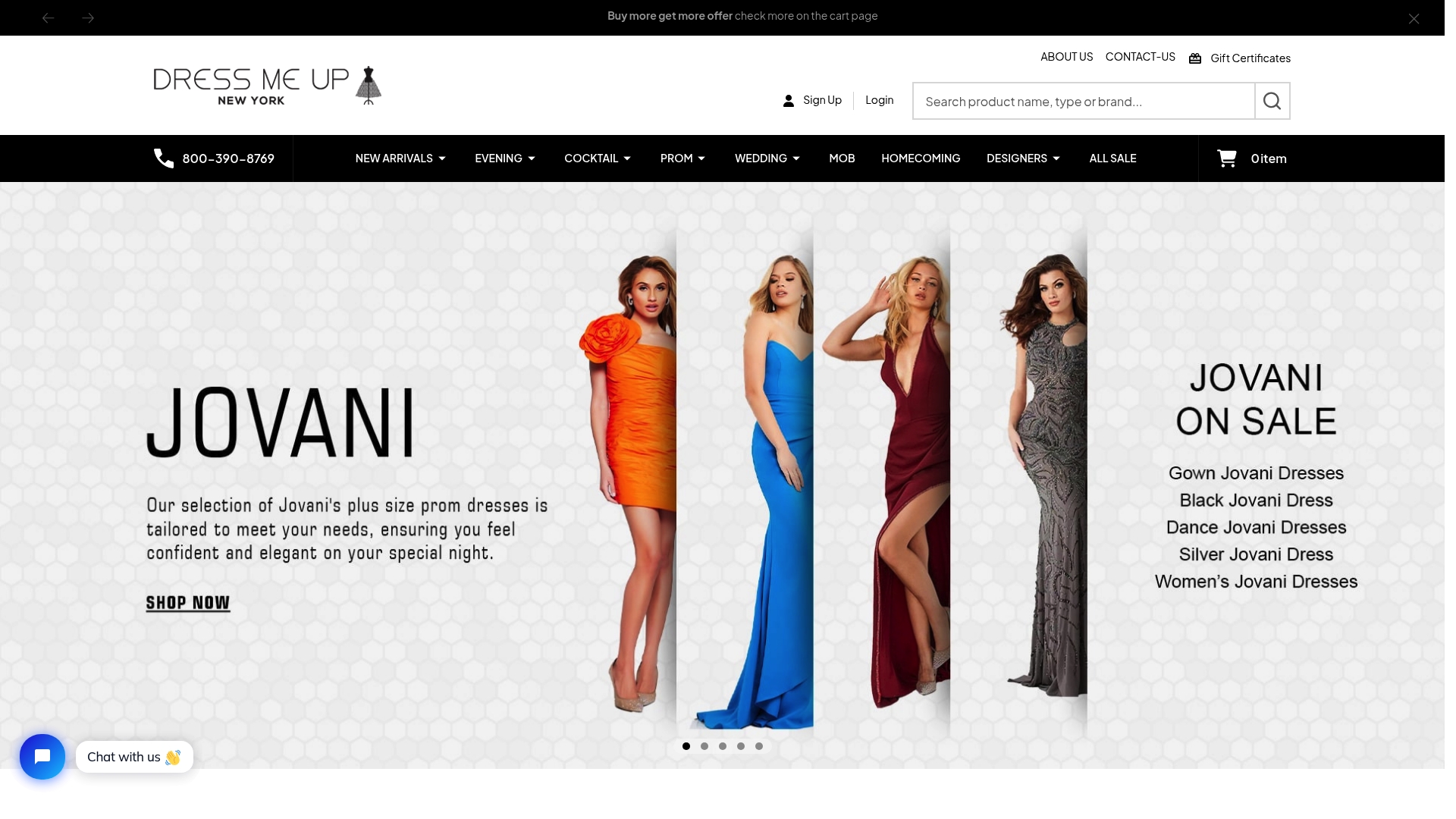
Start by filtering for your size and preferred silhouette, whether that’s A-line, empire, or fit-and-flare. Cross-check the fabric listed against what you learned above, then measure yourself against the specific size chart on each product page rather than assuming your usual size carries over. Add a buffer for alterations once the gown arrives; two to three weeks is a comfortable cushion if hemming or bust adjustments are needed.
If you’re stuck between two sizes or two silhouettes, reach out to customer support before you order. Getting the fit conversation right before checkout is faster than managing returns after the fact. Browse the full evening dresses collection if you want to compare gala-appropriate styles against other formal categories before you commit.
Where to Learn More About Fit and Styling
Blogs cover details this guide only had room to summarize. The plus-size gala attire style and fit guide walks through measuring and silhouette selection in more depth, while the black gala dress guide focuses on support and lining choices for black-tie events. For alteration planning, the evening gown alterations guide breaks down typical timelines and costs.
FAQ
What Is the Best Silhouette for a Plus Size Gala Gown?
A-line and empire silhouettes tend to flatter the widest range of body types because they skim the midsection instead of clinging to it. Fit-and-flare and sheath styles can look stunning too, but they demand more precise measurements since they follow the body’s shape more closely.
How Do I Know What Size to Order Online?
Measure your high bust, full bust, waist, and hips with a tape measure, then compare those numbers against the specific brand’s size chart rather than relying on your usual size label. Plus-size labeling often spans 0X to 5X, roughly US 10 to 32, but the exact fit behind those labels varies by designer.
How Far in Advance Should I Order a Gala Gown?
Order at least four to six weeks before your event to leave room for shipping, trying the gown on, and scheduling alterations. Structured or boned gowns tend to need more tailoring time than gowns made from stretch fabrics like jersey.
What Alterations Are Most Common for Plus Size Gowns?
Hemming, bust dart adjustments, and side seam takes are the most frequent fixes, typically taking one to two weeks depending on the tailor’s schedule. Strap adjustments are usually the quickest and cheapest change if the bodice fit is otherwise correct.
Does Dress Me Up NY Carry Plus Size Gala Gowns?
Yes, Dress Me Up NY’s formal gowns category includes plus-size options that can be filtered by size, silhouette, and length. Current pricing and availability are listed directly on each product page.
Recommended
- Measure These 6 Numbers Before Buying a Plus Evening Dress
- Buy Gala Ball Dresses Online with a Perfect Fit, Using 6 Measurements
- 7 Key Tips for Choosing Plus Size Formal Gowns