
Gowns vs. dresses: how to choose for prom & events

Gowns vs. dresses: how to choose for prom & events

TL;DR:
- Gowns are floor-length, structured, and suited for highly formal events like black-tie galas and prom.
- Dresses vary in length and formality, making them appropriate for a broader range of occasions.
- Personal style and confidence matter more than strict labels when choosing between a gown and a dress.
You’ve found the perfect silhouette, the color is right, and the price works. But then someone asks: “Is that a gown or a dress?” Suddenly, you’re second-guessing everything. This question trips up more women than you’d expect, especially when shopping for prom, a wedding, or a black-tie event. The truth is, the difference between a gown and a dress isn’t just about length or sparkle. It’s about occasion, structure, and how you want to feel walking into the room. This guide breaks it all down so you can shop with total confidence.
Table of Contents
- What really defines a gown vs. a dress?
- When to choose a gown: Prom, weddings, and black-tie explained
- Choosing an elegant dress: Standing out with modern style
- Fit and comfort: What matters most for your body and confidence
- Why the line between gowns and dresses is less important than you think
- Find your perfect look for every occasion
- Frequently asked questions
Key Takeaways
| Point | Details |
|---|---|
| Know the difference | Gowns are typically floor-length and formal, while dresses can vary in length and style. |
| Match the occasion | Choose a gown for the most formal events like prom or black-tie weddings, and opt for an elegant dress for semi-formal occasions. |
| Fit and confidence matter | Your comfort and how you feel in your outfit are just as important as meeting tradition or dress code. |
| Fashion is flexible | Always consider the context, but don’t be afraid to express your unique style. |
What really defines a gown vs. a dress?
At its core, the difference comes down to formality, structure, and length. But fashion rarely stays inside neat boxes, so it helps to understand both the rules and where they bend.
A gown is traditionally floor-length, structured through the bodice, and designed specifically for formal occasions. Think sweeping trains, boning in the corset, and embellishments like beading or lace. Gowns are built to make a statement. They’re engineered garments, not just pretty fabrics cut into a shape.
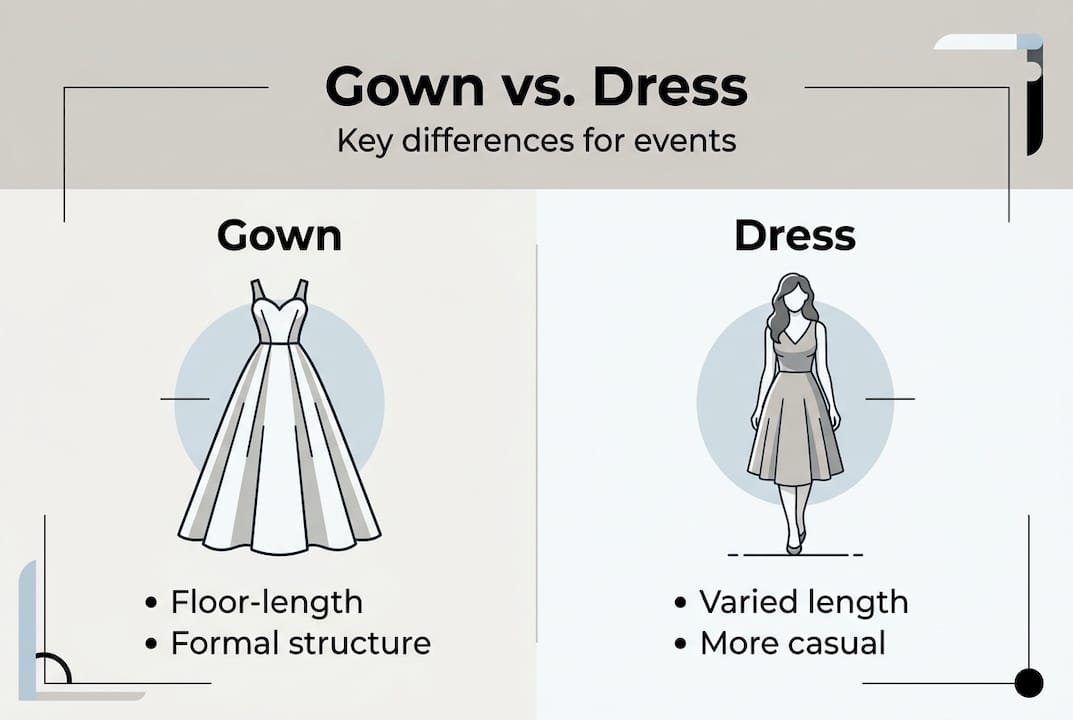
A dress, on the other hand, covers a much wider range. A sundress is a dress. A cocktail dress is a dress. A floor-length satin piece with minimal structure is technically also a dress. The category is broad by design, which is exactly why the confusion starts.
Here’s a useful side-by-side comparison:
| Feature | Gown | Dress |
|---|---|---|
| Length | Always floor-length | Varies (mini to maxi) |
| Structure | Boned, fitted bodice | Ranges from relaxed to structured |
| Embellishment | Often beaded, lace, or draped | Minimal to moderate |
| Occasion | Black-tie, prom, galas | Casual to semi-formal to formal |
| Formality level | Highest | Broad range |
Key attributes that typically define each style:
- Gowns: floor-length hem, structured bodice, formal fabric (silk, satin, chiffon), often embellished
- Dresses: variable length, lighter construction, broader fabric range, worn across many occasions
- Both: can be elegant, both can work for formal events depending on style and context
Here’s the part most people miss. Not every long dress is a gown. A maxi dress in jersey fabric with no structure is still just a dress, even if it grazes the floor. What makes a gown a gown is the combination of length, structure, and occasion. Fashion experts consistently note that context and social setting matter as much as the cut itself, and that these definitions shift as trends evolve.
“Fashion’s rules are living things. What counts as a gown at a 1990s gala may simply be a formal dress today. Context is everything.”
If you want to go deeper on how these categories overlap, the types of formal dresses guide breaks down every major silhouette worth knowing.
With the basics in mind, let’s explore when each style is considered the right choice for key events.
When to choose a gown: Prom, weddings, and black-tie explained
Some events have unspoken rules. Show up in the wrong outfit and you’ll feel it immediately. Knowing when a gown is the expected choice saves you from that awkward moment.
Here are the most common formal events ranked from highest to lowest formality, with dress code notes:
- Black-tie galas and charity events — Gown is expected. Floor-length, structured, elegant.
- Prom — Gown is the gold standard. Most schools expect floor-length for a traditional prom look.
- Black-tie weddings — Gown strongly preferred for guests. Avoid anything shorter than tea-length.
- Formal weddings (not black-tie) — A floor-length gown or an elegant formal dress both work.
- Semi-formal weddings — A sophisticated dress is perfectly appropriate here.
- Cocktail parties — A dress is the right call. A gown would be overdressed.
For prom and black-tie events, a floor-length gown with dramatic details is the safest and most celebrated choice. It signals that you understood the assignment. Wearing something shorter or less structured at these events can feel out of place, even if it’s technically beautiful.
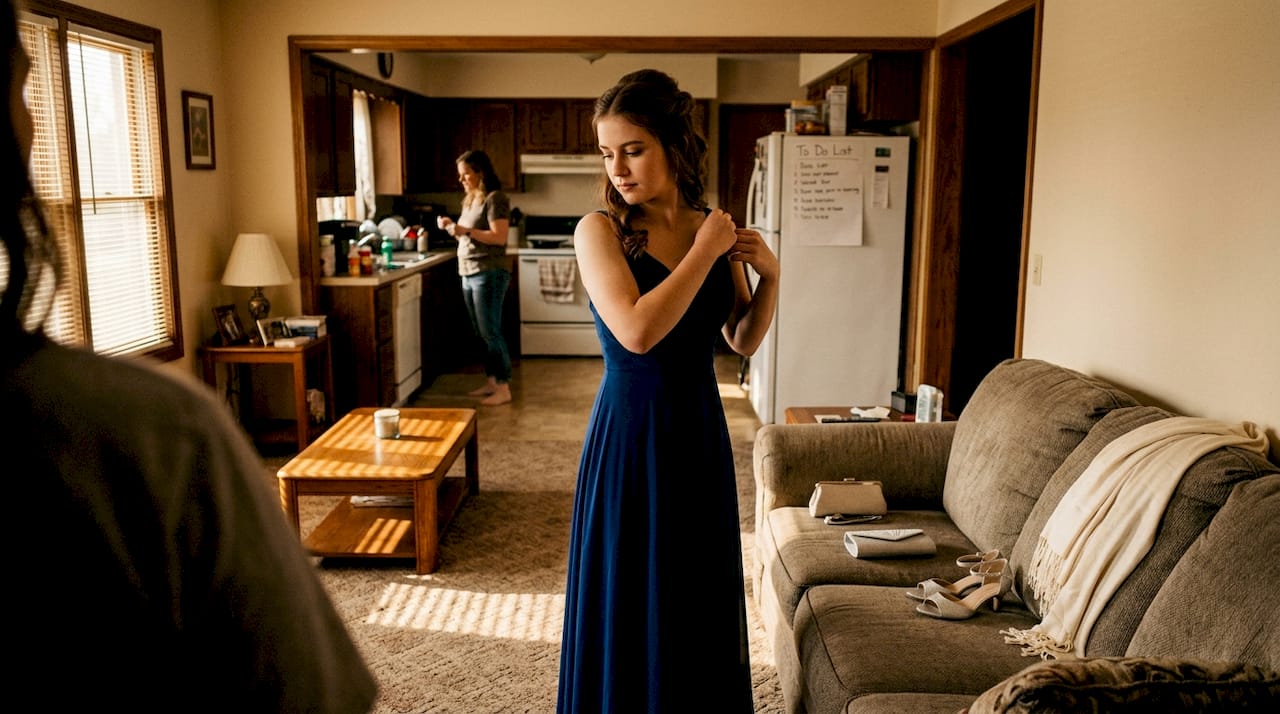
Fashion sites consistently recommend gowns for the highest formality tiers, particularly prom and wedding contexts, where expectations run traditional.
If you’re attending a wedding and want to look stunning without upstaging anyone, check out options for evening gowns for weddings to find styles that are elegant but appropriately guest-focused. For a broader look at what works across formal occasions, the formal dresses for ladies 2026 style guide is worth bookmarking.
Pro Tip: If the invitation doesn’t specify a dress code, reach out to the host directly. It takes 30 seconds and saves you hours of outfit anxiety.
But what if your event is less formal, or you want more flexibility? Here’s how to decide if an elegant dress is the smarter choice.
Choosing an elegant dress: Standing out with modern style
Not every formal occasion demands a gown, and forcing one when the event doesn’t call for it can actually work against you. A well-chosen dress can be just as striking, and often more comfortable to wear for hours.
Before you commit to a gown, ask yourself these questions:
- What is the dress code listed on the invitation?
- Is the venue indoors or outdoors? (Gowns and grass don’t always mix.)
- Will I be dancing, sitting for long periods, or moving around a lot?
- Do I want to stand out boldly, or look polished and refined?
- Is this a daytime or evening event?
Your answers will point you toward the right silhouette faster than any style rule.
Here’s a quick reference for matching dress styles to event types:
| Dress style | Best event match |
|---|---|
| Midi formal dress | Semi-formal weddings, garden parties |
| Floor-length formal dress | Formal weddings, galas (non-black-tie) |
| Cocktail dress | Cocktail parties, casual receptions |
| A-line formal dress | Prom (if floor-length), formal dinners |
| Column/sheath dress | Corporate formal, upscale dinners |
Modern fashion has made it easier than ever to wear a dress to occasions that once demanded a gown. Fashion rules evolve, and a sleek, well-fitted formal dress with the right accessories can hold its own in almost any room.
For inspiration on current styles that work across price points, browse trendy dresses for events or get specific guidance from the tips for elegant gala dresses resource. If you’re figuring out the broader dress code landscape, the formal wear for young women guide is a solid starting point.
Pro Tip: A statement necklace, structured clutch, and heeled sandals can elevate a formal dress to near-gown status. Accessories do more work than most people realize.
Beyond knowing what’s appropriate, fit and comfort really matter. Here’s how they influence your final choice.
Fit and comfort: What matters most for your body and confidence
You can wear the most technically perfect gown in the room and still feel miserable if it doesn’t fit right or restricts your movement. Confidence is visible. Discomfort is too.
Here’s a practical step-by-step to figure out whether a gown or dress will actually work for your body and your event:
- Know your measurements. Bust, waist, and hips. Don’t guess. Formal wear sizing varies widely by brand.
- Consider your movement needs. Will you be dancing? Sitting for a long ceremony? A fitted gown with a mermaid skirt may look stunning but limits stride.
- Try both silhouettes. Even if you think you know what you want, trying the other option often surprises you.
- Check the fabric weight. Heavy beading and thick satin feel very different after three hours than they do in the dressing room.
- Think about undergarments. Some gown styles require specific shapewear or strapless bras. Plan ahead.
- Walk, sit, and breathe. Do all three in the fitting room. If any of those feel restricted, keep looking.
Fashion’s context-first approach applies here too. The right choice is the one that lets you be fully present at your event, not the one that looks best on a hanger.
“The best outfit is the one you forget you’re wearing because you feel so good in it.”
For guidance tailored to specific body types, the plus size formal gown tips page offers practical advice that goes beyond generic sizing charts. The guide to stylish formal attire and the dress styles for body types resource are also worth reading before you shop.
Dress shopping should feel exciting, not stressful. When you approach it with the right information, it actually is.
By applying these fit and style tips, you’ll feel confident. But how do you make the final call when both options seem right?
Why the line between gowns and dresses is less important than you think
Here’s the honest take: most women spend too much time asking “is this technically a gown?” and not enough time asking “does this make me feel incredible?”
Fashion experts have been saying for years that personal style should drive decisions, not rigid category labels. The distinction between a gown and a dress matters most at the extremes, like a black-tie gala or a casual backyard wedding. In the middle ground, which is where most events actually live, the line blurs fast.
What really matters is whether your outfit matches the spirit of the event and your own confidence. A woman in a beautifully fitted formal dress who owns the room will always outshine someone in a technically correct gown who looks uncomfortable. Wear what makes you feel powerful.
We’ve seen this play out in real shopping conversations. The women who find their best look are the ones who ask “why does this make me feel amazing?” rather than “does this qualify as a gown?” That shift in question changes everything.
For a broader look at how different evening styles compare, the evening gown comparisons resource shows how various silhouettes stack up across occasions.
Find your perfect look for every occasion
Now that you know exactly what separates a gown from a dress and when each one shines, the fun part begins: finding the one that’s made for you.
At Dress Me Up NY, you’ll find a curated selection of evening gowns, prom dresses, wedding guest looks, and formal dresses across every style, silhouette, and budget. Whether you’re going full gown for prom or searching for a sophisticated dress for a semi-formal wedding, the catalog makes it easy to browse by occasion and find exactly what you need. If you need additional help with sizing or fit, the plus size formal gown tips page is a great companion resource while you shop.
Frequently asked questions
Can a short dress be considered a gown?
Typically, no. A gown requires floor-length cut and formal structure, so a short dress, regardless of how embellished or elegant it is, doesn’t meet the definition.
Is it okay to wear a dress instead of a gown to prom?
Most proms favor floor-length gowns, but a formal dress can work if the event is less traditional. Always check your school’s dress code before deciding.
What makes a dress semi-formal versus formal?
Semi-formal dresses tend to be shorter, less structured, and simpler in detail, while formal dresses and gowns are longer and more elaborate. Context overrides strict rules, so venue and event type matter too.
How do I know if I’m overdressed for a wedding?
Check the invitation’s dress code and consider the venue style. When in doubt, consult the host or choose an elegant dress over a full gown to stay safely within expectations.
Recommended
- Gala gown dresses: choose elegant styles for 2026 - DressMeUpNY
- Cocktail vs formal dress: how to choose for every event - DressMeUpNY
- Long vs Short Dresses: How to Choose for Proms, Weddings, and Events 2025 - DressMeUpNY
- Prom Gowns Online: Everything You Need to Know - DressMeUpNY