
How to layer formal outfits: elegant styling for events
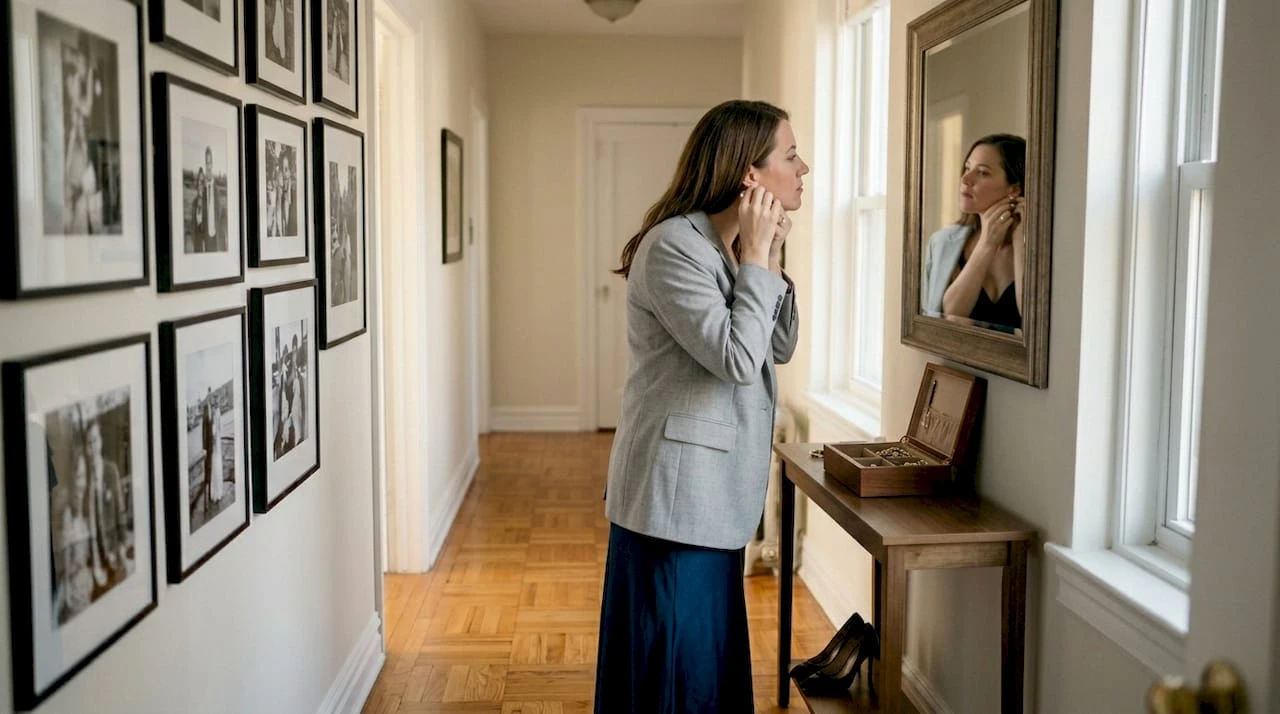
How to layer formal outfits: elegant styling for events
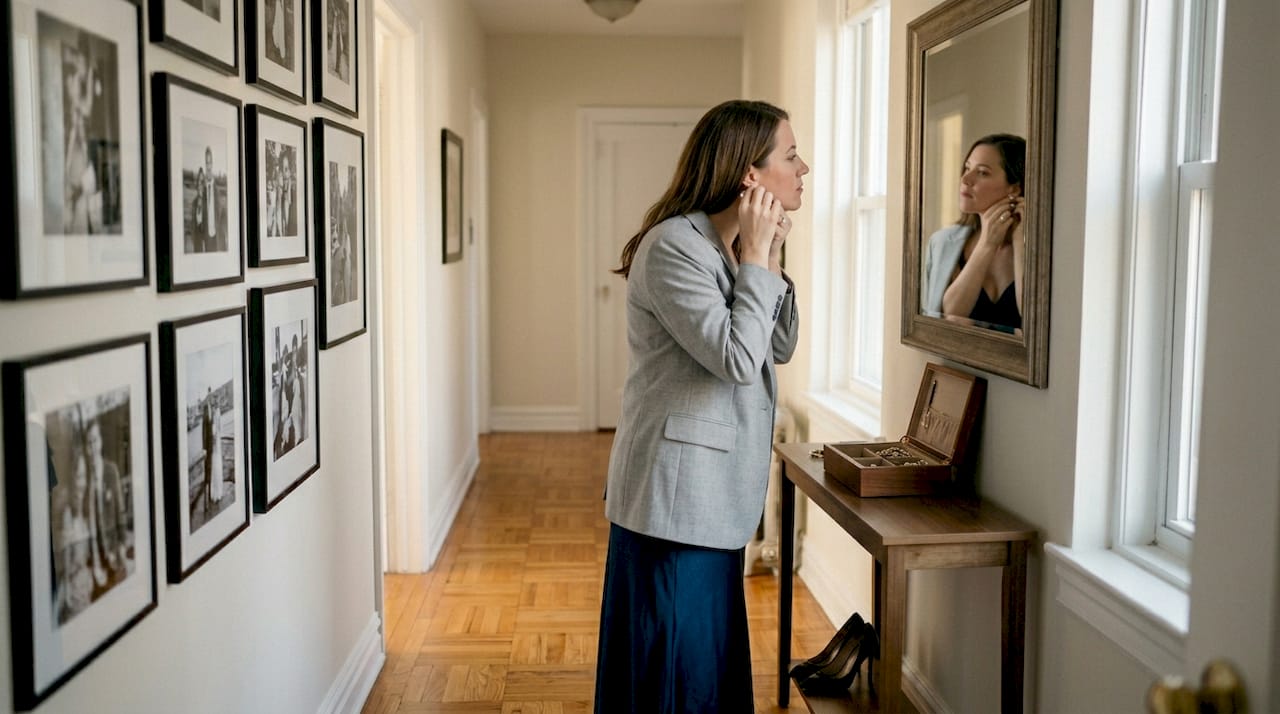
TL;DR:
- Proper layering enhances silhouette, adds visual interest, and creates versatile formal looks.
- Choosing tailored, proportionate layers and textured contrasts prevents bulk and maintains elegance.
- Minimal accessories and intentional draping complete polished, confident formal outfits.
Ever worried that adding a layer to your formal outfit will make you look overdressed or shapeless? You are not alone. Pulling together a polished, event-ready look that stays warm, covers what you want to cover, and still turns heads is one of the trickiest styling challenges out there. The good news is that layering formal outfits is a skill, and once you learn the rules, you can break them confidently. This guide walks you through the essentials, step-by-step techniques, accessorizing strategies, and the mistakes to avoid so your next prom, wedding, or formal event look is nothing short of stunning.
Table of Contents
- Understanding layering: essentials for formal events
- Step-by-step layering: pairing dresses with outer layers
- Accessorizing layered formal looks: finesse and finishing touches
- Troubleshooting and avoiding common layering mistakes
- A fresh perspective: why layering isn’t just about warmth
- Find your perfect layers at DressMeUpNY
- Frequently asked questions
Key Takeaways
| Point | Details |
|---|---|
| Start with the right base | Begin layering with a formal dress or gown that works for your event and body type. |
| Choose intentional outer layers | Pick blazers, shawls, or capes that match your outfit’s silhouette and venue needs. |
| Accessorize minimally | Use gloves, statement jewelry, and elegant bags carefully to enhance—never overwhelm—your look. |
| Avoid common pitfalls | Watch for outfit bulkiness, mismatched textures, and poor tailoring to maintain a streamlined appearance. |
| Layering boosts confidence | Expert-backed layering lets you dress smart for changing weather and venues without losing style. |
Understanding layering: essentials for formal events
Before you start stacking pieces on top of your gown, it helps to understand what layering actually does for a formal look. At its core, it is about intention. You are not just throwing a cardigan over a ballgown because you are cold. You are making a deliberate style choice that shapes your silhouette, adds visual interest, and prepares you for any venue or weather shift.
The core mechanics of layering start with a base formal dress or gown, then build outward with pieces like blazers, shawls, boleros, capes, or structured coats. Each outer layer serves a purpose: coverage, warmth, and silhouette enhancement. The key word here is enhance, not hide.
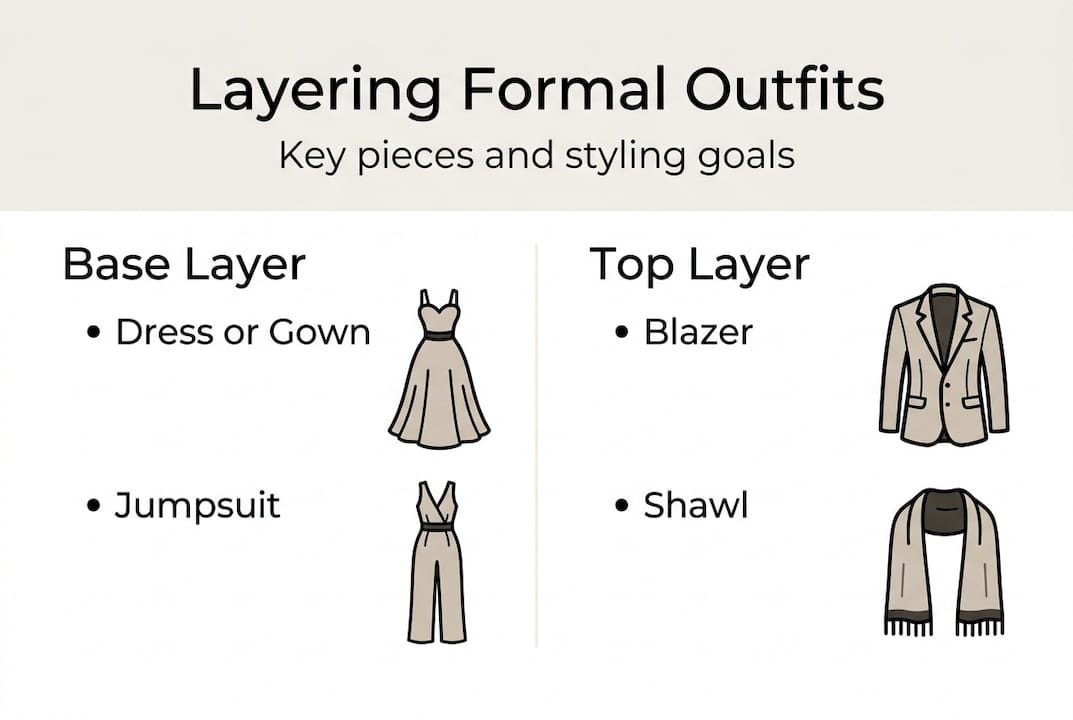
Layering also transforms formal dresses for versatility across different weather conditions and venues, prioritizing silhouette preservation and intentional styling over mere warmth. That distinction matters. A shawl draped elegantly over a strapless gown does not diminish the dress; it frames it.
Not sure whether your base piece qualifies as a gown or a dress? The gowns vs dresses guide breaks down the difference and helps you choose the right starting point for your look.
Here is a quick overview of common layering pieces and their best uses:
| Layer type | Best for | Formality level |
|---|---|---|
| Blazer | Structured, modern looks | High |
| Bolero | Short coverage, elegant detail | High |
| Shawl or wrap | Soft, romantic coverage | Medium to high |
| Cape | Dramatic flair, red carpet | Very high |
| Long coat | Full coverage, outdoor events | High |
When choosing your layer, consider these factors:
- Event formality: A black-tie gala calls for a silk cape, not a denim jacket.
- Venue climate: Indoor ballrooms run warm; outdoor garden weddings can get breezy.
- Dress silhouette: A-line gowns pair beautifully with capes; fitted dresses work well with blazers.
- Personal comfort: If you know you will be dancing, avoid layers that restrict movement.
Pro Tip: Always try your outer layer with the full outfit, including shoes and accessories, before the event. What looks great on a hanger may not move the way you expect it to.
Step-by-step layering: pairing dresses with outer layers
Now that you know the essentials, here is how to do it step by step, with options for different dress types and events.
The most important thing to get right is the relationship between your dress neckline and your chosen layer. Layers that complement the dress neckline and silhouette make the whole look feel cohesive. An open blazer works perfectly when you want a statement necklace to show. A soft wrap creates a romantic, draped effect over a V-neck. Texture contrast, like wool over chiffon, adds depth and visual interest.
Here is a simple process to follow:
- Select your base dress. Consider the neckline, silhouette, and fabric. A strapless ballgown, a fitted sheath, and an A-line midi all call for different outer layers.
- Choose your outer layer. Match the layer’s formality to the event. A velvet blazer suits a winter gala; a chiffon wrap suits a garden wedding.
- Fit and test. Put on the full outfit and move around. Sit, walk, and raise your arms. The layer should not bunch, pull, or gap.
- Adjust your accessories. Once the layer is on, reassess your jewelry and bag. A chunky necklace under a high-neck cape is too much. Simplify.
- Final styling. Decide how you will wear the layer: fully on, draped over shoulders, or tied at the waist. Each option changes the look dramatically.
For specific guidance on formal wrap dress styling or how to use a shawl styling guide to elevate your look, those resources go deeper into each option. If you are working with a two-piece set, two-piece layering tips offer tailored advice for that silhouette.
Here is a quick comparison to help you decide between structured and soft layering:
| Style approach | Best layer choice | Vibe it creates |
|---|---|---|
| Structured layering | Blazer, tailored coat | Polished, modern, powerful |
| Soft layering | Shawl, chiffon wrap, cape | Romantic, ethereal, graceful |
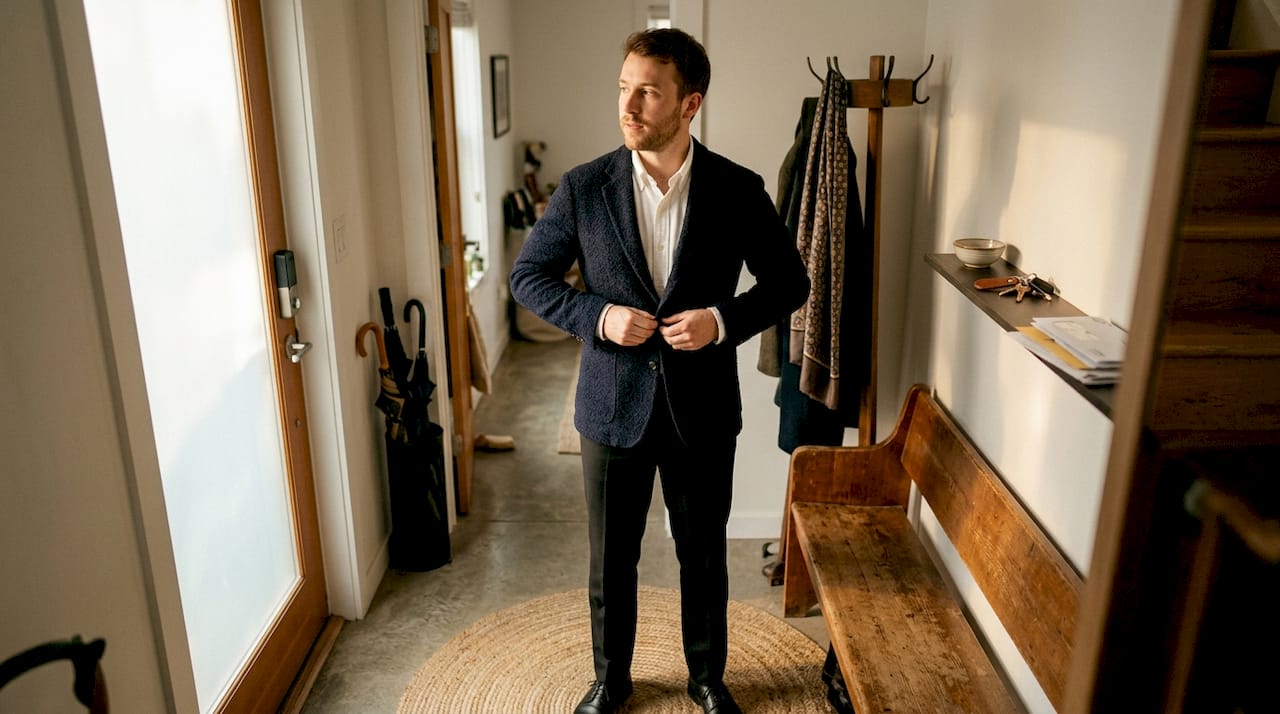
Pro Tip: Texture contrast is your secret weapon. Pairing a sleek satin gown with a textured wool or boucle blazer creates a look that feels intentional and editorial, not accidental.
Accessorizing layered formal looks: finesse and finishing touches
Layering is only part of the equation; finishing touches like accessories complete the look. Here is how to refine your ensemble.
The golden rule of accessorizing a layered outfit is restraint. When you add an outer layer, you are already introducing a second visual element. Piling on too many accessories creates noise, not elegance. Accessorize minimally with pieces like gloves and clutches, and focus on tailoring and effortless draping to let the outfit breathe.
Stick to one or two statement pieces and build from there. Here is what works best:
- Statement earrings: These draw attention upward and frame your face. They work especially well when your layer covers a necklace. Check out statement earrings styling for pairing ideas.
- Classic gloves: Long gloves add formality and work beautifully with strapless or sleeveless gowns under a cape or bolero.
- Sleek clutch: A metallic or embellished clutch ties the look together without competing with your dress or layer.
- Hair accessories: Subtle pins, combs, or headbands can elevate a layered look without adding visual clutter. The hair accessories for formals guide has great options.
- Shoes: Your footwear anchors everything. See matching shoes for formals to get the pairing right.
For a broader view of how to put it all together, the dress accessorizing tips guide covers coordination from head to toe.
“Texture contrast elevates formal looks. Draping an outer layer over the shoulders rather than wearing it fully adds effortlessness and a sense of ease to even the most structured gown.”
Pro Tip: Drape your blazer or shawl over your shoulders instead of putting your arms through the sleeves. This instantly makes the look feel more intentional and editorial, like something off a runway.
Troubleshooting and avoiding common layering mistakes
Even with the right basics and accessories, pitfalls lurk. Here is how to spot and fix the most common layering errors.
The biggest mistake most people make is choosing a layer that adds bulk rather than structure. A voluminous puffer jacket over a ballgown is an extreme example, but the same principle applies to oversized blazers, chunky knit wraps, and ill-fitting coats. The layer should skim, not swallow.
Here are the most common mistakes and how to fix them:
- Bulkiness: Choose tailored or fitted layers. If your layer adds visual weight, try a lighter fabric or a more structured cut.
- Clashing textures: Mixing too many textures at once (lace dress, sequin bolero, velvet bag) creates chaos. Limit yourself to two textures per look.
- Poor fit: A layer that is too big or too small throws off the entire silhouette. Tailoring is not just for the dress; it applies to the outer layer too.
- Over-accessorizing: Adding a statement necklace, bold earrings, stacked bracelets, and a beaded clutch to a layered look is too much. Edit ruthlessly.
- Ignoring the neckline: A turtleneck layer over a plunging V-neck creates an awkward visual conflict. Always consider how the necklines interact.
Visual guides benchmark 40+ successful pairings and show that some people prefer structured blazers for a polished finish, while others lean toward soft shawls for a more romantic result. Both approaches work, but only when executed with intention.
For ideas on how to layer a specific silhouette, midi dress layering offers practical styling direction for one of the most versatile formal lengths.
Always do a full dress rehearsal at home before the event. Walk around, sit down, and take a few photos. What you see in the mirror standing still is not always what shows up in pictures or how it feels after three hours of dancing.
A fresh perspective: why layering isn’t just about warmth
Here is something most style guides will not tell you: layering is not a compromise. It is not something you do because you are cold or because you want to cover up. When done right, layering is one of the most powerful styling tools you have.
The common misconception is that an outer layer hides your base dress. In reality, the right layer highlights it. A structured blazer draws the eye to your waist. A cape adds drama and height. A shawl softens a bold silhouette and makes it feel more approachable. These are not concessions; they are choices.
Layering transforms formal dresses for versatility across weather and venues, but more importantly, it gives you control over how your look evolves throughout the night. You can arrive covered and elegant, then shed the layer to reveal your full look on the dance floor. That kind of intentional styling is what separates a memorable outfit from a forgettable one.
For more ideas on building layered looks with purpose, expert layering tips are a great next step.
Confidence comes from knowing your outfit works from every angle, in every room, at every point in the evening. Mastering layering gives you exactly that.
Find your perfect layers at DressMeUpNY
Ready to build your next event look from the ground up? At Dress Me Up NY, you will find everything you need to put a polished, layered formal outfit together, from stunning base gowns to the wraps, shawls, and cover-ups that complete the picture.

Browse formal layering essentials curated specifically for proms, weddings, Quinceañeras, and every special occasion in between. Whether you are drawn to structured blazers or flowing wraps, the collection has options that work with your dress and your personal style. Pair your browsing with the wrap dress layering guide for real-world styling inspiration. Free shipping deals and seasonal promotions make it even easier to put together a complete look without breaking your budget.
Frequently asked questions
What is the best way to layer a prom dress for November events?
Start with a fitted base dress and add a tailored blazer or shawl that complements the neckline. Outer layers like blazers and shawls provide coverage and warmth while enhancing your silhouette rather than hiding it.
How can I layer a formal outfit without looking bulky?
Choose tailored pieces in lighter fabrics, use contrasting textures to add interest, and keep accessories minimal. Tailored layers that complement your neckline and silhouette keep the overall look streamlined and intentional.
Are shawls or blazers better for layering formal gowns?
It depends on the vibe you want. Shawls deliver a soft, romantic feel, while blazers create structured polish. Visual guides benchmark 40+ successful pairings showing both approaches work beautifully when styled with intention.
What accessories make layered outfits look more elegant?
Statement earrings, classic gloves, and a sleek clutch are the most effective choices. Accessorizing minimally with gloves and clutches, while draping your outer layer over the shoulders, keeps the look effortless and refined.
Recommended
- How to Style a Shawl for Formal Events: A Step-by-Step Guide - DressMeUpNY
- How to Style a Wrap Dress for Formal Events - DressMeUpNY
- How to Wear Hair Accessories for Formal Events Easily - DressMeUpNY
- Plus Size Formal Dress Tips for Elegant Event Style - DressMeUpNY
- Master the Event Styling Process for Elegant Celebrations - Winelands Function – For Every Occasion, Your Celebration