
How to Plan a Dress Shopping Trip for Special Occasions

How to Plan a Dress Shopping Trip for Special Occasions

TL;DR:
- Start shopping 2-12 months in advance depending on the event for best options.
- Bring a small, supportive team, dress in comfortable undergarments, and set a budget.
- Proper post-event storage and maintenance preserve dress quality and prevent damage.
Finding the perfect dress for a big event is equal parts exciting and overwhelming. You want something that fits beautifully, matches the occasion, and arrives on time without blowing your budget. The problem is that most shoppers jump in without a plan, which leads to rushed decisions, poor fits, and last-minute panic. This guide walks you through every stage of the process, from setting your shopping timeline to caring for your dress after the event. Whether you’re heading to prom, a wedding, or a formal dance, these practical, evidence-backed tips will help you shop smarter and stress less.
Table of Contents
- Set your dress shopping timeline
- Prepare for your dress shopping experience
- Choose where and how to shop for dresses
- Care for your dress after the event
- Our take: What most guides miss about dress shopping
- Get support for your dress shopping journey
- Frequently asked questions
Key Takeaways
| Point | Details |
|---|---|
| Plan ahead | Starting your shopping early ensures you have more choices and enough time for alterations. |
| Bring essentials | Pack supportive accessories and invite a few close friends for honest feedback and fun. |
| Compare retailers | Explore both online and in-store options, checking policies and fit guides for stress-free shopping. |
| Protect your dress | Proper post-event care preserves your dress and prevents costly fabric damage. |
Set your dress shopping timeline
Timing is everything when it comes to dress shopping. Start too late and your options shrink fast. Start too early without a plan and you risk buying something that no longer fits or suits the event’s vibe. Getting the timeline right is the single most effective thing you can do to protect your choices and your budget.
For most dances and prom events, start shopping 2-6 months before the date to allow enough time for production and alterations. Wedding dress shopping requires even more lead time, typically 9-12 months, because bridal gowns often involve custom orders, multiple fittings, and longer production queues. If you’re shopping for a wedding guest dress or a semi-formal event, you have a bit more flexibility, but 2-3 months is still a safe window.
Here’s a quick reference to help you plan:
| Event type | Recommended start time | Notes |
|---|---|---|
| Prom or school dance | 2-4 months before | Popular styles sell out quickly |
| Formal gala or ball | 2-3 months before | Allow time for alterations |
| Wedding (bride) | 9-12 months before | Custom orders take the longest |
| Wedding guest | 4-6 weeks before | Off-the-rack is usually fine |
| Last-minute event | 1-2 weeks before | Stick to ready-to-ship only |
If you’re working with a short timeline, don’t panic. Off-the-rack and ready-to-ship options are your best friends. Many online retailers offer expedited shipping, though rush fees can add $30 to $80 or more to your total. Check the online dress timeline before placing any order so you know exactly what to expect.
One thing most guides skip over: bridal sizing often runs one to two sizes smaller than standard sizing. This means you should always shop for your current body, not the size you’re hoping to be by the event. Ordering a dress that’s too small and planning to “slim into it” is one of the most common and costly mistakes shoppers make. A dress that fits now can always be taken in slightly. A dress that’s too small is far harder to fix.
- Start shopping earlier than you think you need to
- Always confirm production and shipping times before ordering
- Factor in at least 2-3 weeks for alterations
- Check teen prom dress tips if this is your first formal shopping experience
Pro Tip: Add a two-week buffer to any timeline the retailer gives you. Production delays and shipping hiccups are common, and that extra cushion can save you from a stressful scramble.
Prepare for your dress shopping experience
Once you’ve defined your timeline, the next step is organizing your shopping day for smooth execution. Walking into a boutique or opening a browser tab without preparation leads to decision fatigue and impulse buys you’ll regret later.
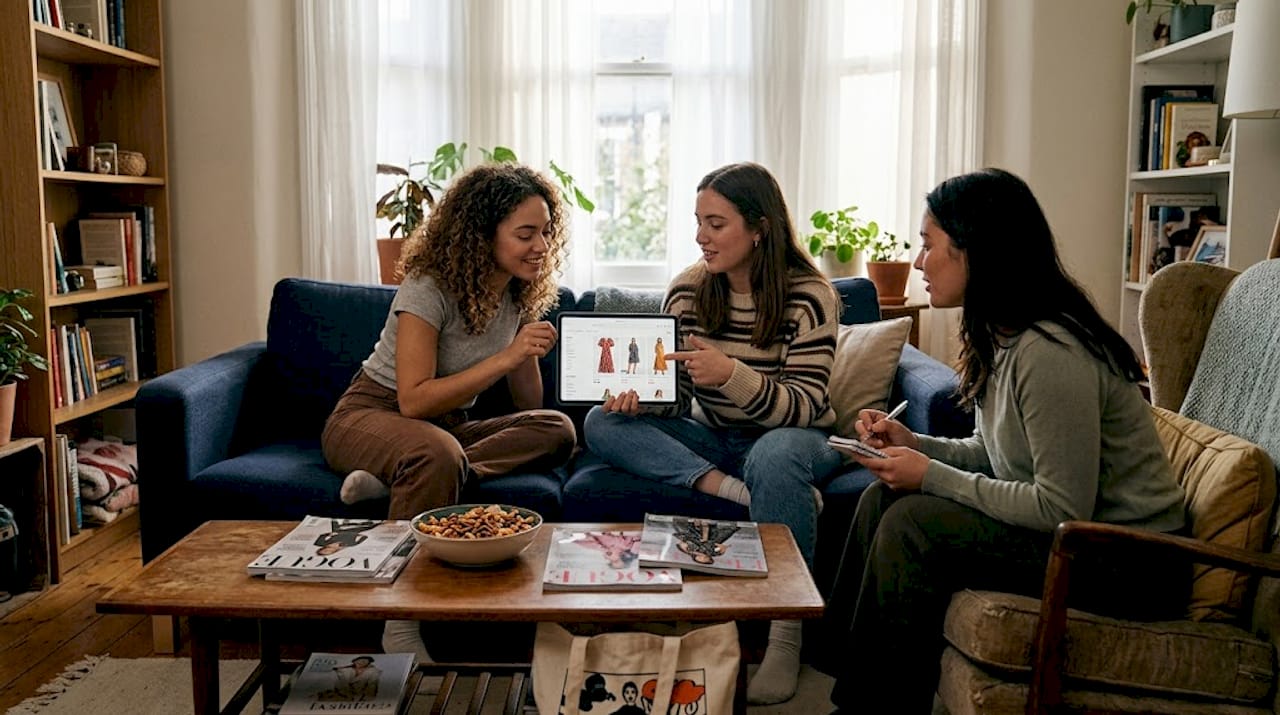
The right shopping crew matters more than most people realize. According to dress fitting experts, you should bring 2-4 supportive people, a strapless bra, your measurements, and a goal to try 5-10 dresses including a few wildcards. Too many opinions create confusion. Stick to people who know your style and will give you honest, kind feedback.
Here’s a comparison of shopping setups to help you decide what works best for you:
| Shopping setup | Pros | Cons |
|---|---|---|
| Solo shopping | Full control, no pressure | Miss outside perspective |
| 1-2 close friends | Supportive, focused | May lack variety of opinion |
| Large group (5+) | Lots of feedback | Overwhelming, conflicting advice |
| Appointment at boutique | Personal service, curated options | May feel pressured to buy |
Before you go, review these dress shopping essentials to make sure you’re fully prepared:
- Measure your bust, waist, and hips at home before any appointment
- Wear or bring the undergarments you plan to wear on the event day
- Book appointments at boutiques at least one week in advance
- Research each store’s return and exchange policy before visiting
- Bring photos of dresses you love as style references
- Set a firm budget before you walk in, not after you fall in love with something
The wildcard rule is worth following. Try at least one dress that’s outside your usual style comfort zone. You might be surprised. Many shoppers find their favorite dress is one they never would have chosen off the rack on their own. Check out boutique shopping tips and outlet shopping advice to understand what each retail format does best.
Pro Tip: Take photos in every dress you try, even the ones you don’t love. When you’re comparing options later, photos are far more reliable than memory.
Choose where and how to shop for dresses
Now that you know what to bring, let’s explore the best places to shop and the smartest ways to choose between them. The retail landscape for formal dresses has expanded significantly, and you have more options than ever, but more options also means more chances to make the wrong call.
Top retailers include Lulus, Anthropologie, Nordstrom, and ASOS, with many options available under $100. Boutiques are great for try-ons, but always check return and shipping policies before committing.
Here’s a clear breakdown of your main shopping channels:
Online shopping pros:
- Huge variety of styles, colors, and price points
- Easy price comparison across multiple brands
- Shop from home on your own schedule
- Access to customer reviews and fit notes
Online shopping cons:
- Sizing varies widely between brands
- You can’t feel the fabric or check the construction quality
- Return shipping fees can eat into any savings
- Photos don’t always reflect true color or fit
In-store shopping pros:
- You see and feel the dress in real life
- Immediate feedback on fit and movement
- Staff can suggest alternatives based on what you try
In-store shopping cons:
- Limited stock compared to online catalogs
- Boutique prices tend to run higher
- Hours and availability can be restrictive
The smartest strategy is a hybrid approach: try dresses in person to confirm your size and silhouette preferences, then order online only when you’re confident about the fit and the store’s return policy.
Always review return policy tips before purchasing anywhere. A great deal on a dress that can’t be returned is a gamble, not a bargain. For curated online picks, the best online stores guide breaks down which retailers offer the most reliable sizing and customer service.
Pro Tip: If you’re ordering online for the first time from a brand, order one size up from what their size chart suggests. It’s much easier to have a dress taken in than let out.
Care for your dress after the event
After shopping and enjoying your event, protecting your dress for future wear or as a keepsake is the smart finish. Most people focus so much energy on finding the dress that they completely neglect what happens to it afterward. That’s a mistake that can ruin a garment you spent serious money on.
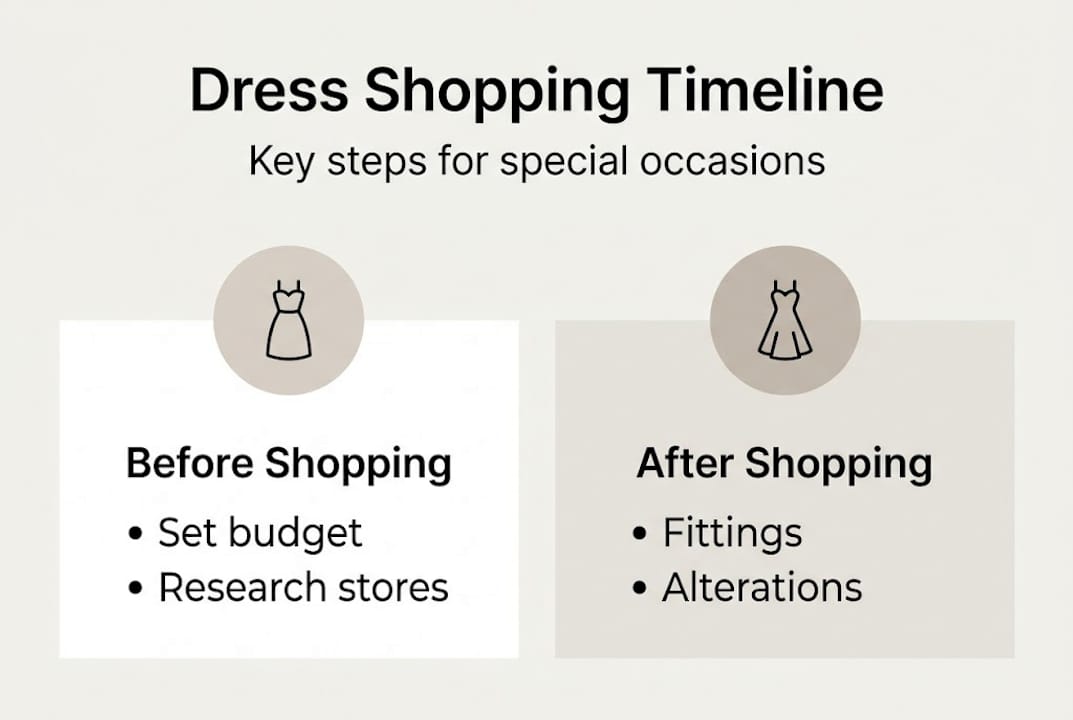
Poor storage causes 60% fabric damage after events, which means the majority of formal dresses that get tucked away without proper care end up yellowed, stained, or structurally compromised. That statistic should change how seriously you take post-event dress care.
Follow these steps immediately after your event:
- Spot check the dress the same night for any visible stains or spills before they set into the fabric
- Take it to a professional cleaner within 48-72 hours, especially for beaded, sequined, or delicate fabrics
- Request preservation packaging if you plan to keep the dress long-term, particularly for bridal or prom gowns
- Wrap the dress in acid-free tissue paper before folding or boxing to prevent yellowing and fiber breakdown
- Store in a cool, dark location away from direct sunlight, which fades color and weakens fabric fibers over time
- Avoid plastic garment bags for long-term storage since they trap moisture and accelerate deterioration
For everyday storage between wearings, use a breathable fabric garment bag and hang the dress on a padded hanger to maintain its shape. Check the full dress storage tips guide for fabric-specific advice. If your dress arrived wrinkled or developed creases during storage, the remove dress wrinkles guide covers safe steaming and pressing techniques for different materials.
Treating your dress well after the event keeps it in wearable condition and protects the investment you made when you bought it.
Our take: What most guides miss about dress shopping
Most dress shopping guides focus on logistics. Timelines, checklists, store comparisons. Those things matter, but they miss something more important: the emotional layer of this process.
The people you bring with you shape your entire experience. Two supportive, honest friends will serve you better than six enthusiastic ones who all have different opinions. When everyone loves a different dress, you leave more confused than when you arrived. Choose your shopping crew the way you’d choose a coach, not a cheering section.
Sizing advice also tends to be oversimplified. The real guidance is to shop for the body you have today, not the one you’re working toward. A dress that fits your current measurements can be altered. A dress you bought for a future size often becomes a source of stress and guilt rather than excitement.
Finally, the hybrid shopping model is genuinely underrated. Try in person, order online once you know your size in a specific brand. This approach reduces risk, expands your options, and gives you the best of both worlds. If you ever need a fast solution, last-minute dress solutions can help you navigate tight timelines without compromising on style.
Get support for your dress shopping journey
If you’re ready to streamline your experience or need expert help, DressMeUpNY offers resources to support your dress shopping journey from start to finish.
At DressMeUpNY, we’ve built a library of guides and tools designed specifically for women shopping for formal and special occasion dresses. Whether you need a complete shopping checklist guide to organize your next appointment or step-by-step advice on post-event dress care to protect your gown after the big night, we have you covered. Our collections span prom, wedding guest, evening gowns, and more, so your next special occasion dress is always within reach. Browse our catalog and let us help you find the one.
Frequently asked questions
How early should I start shopping for a wedding dress?
Begin shopping 9-12 months before your wedding to allow enough time for production, shipping, and multiple fittings. Starting early gives you the widest selection and the least amount of stress.
How can I reduce stress when shopping for a dress?
Bring 2-4 supportive people and come prepared with a checklist to stay organized and focused. Planning your appointments in advance also removes a lot of the day-of chaos.
What are the risks of shopping for dresses online?
Sizing varies between brands and return fees add cost, so always check size guides and return policies before buying. Trying a brand in-store first before ordering online is the safest approach.
How do I store my formal dress after an event?
Clean and preserve your dress immediately, store it with acid-free tissue, and keep it out of sunlight to prevent fabric damage. Avoiding plastic garment bags for long-term storage also makes a big difference.
Recommended
- Master Dress Outlet Shopping for Special Occasions - DressMeUpNY
- Special Occasion Dress Shops: Fashion for Life’s Events - DressMeUpNY
- Special Occasion Formal Dresses – What Every Shopper Needs - DressMeUpNY
- The ultimate dress shopping checklist for every occasion - DressMeUpNY
- How to Style Opal Jewelry for Elegant Everyday Looks - Australian Opal Direct