
How to Sell a Prom Dress: Your 2026 Guide

How to Sell a Prom Dress: Your 2026 Guide

TL;DR:
- Selling a prom dress successfully involves selecting the right platform, preparing the dress thoroughly, and pricing it competitively based on market demand. Proper listing strategies, timely posting during peak seasons, and cross-listing help maximize sales speed and value. Honest descriptions, professional photos, and strategic timing build buyer trust and lead to higher resale profits.
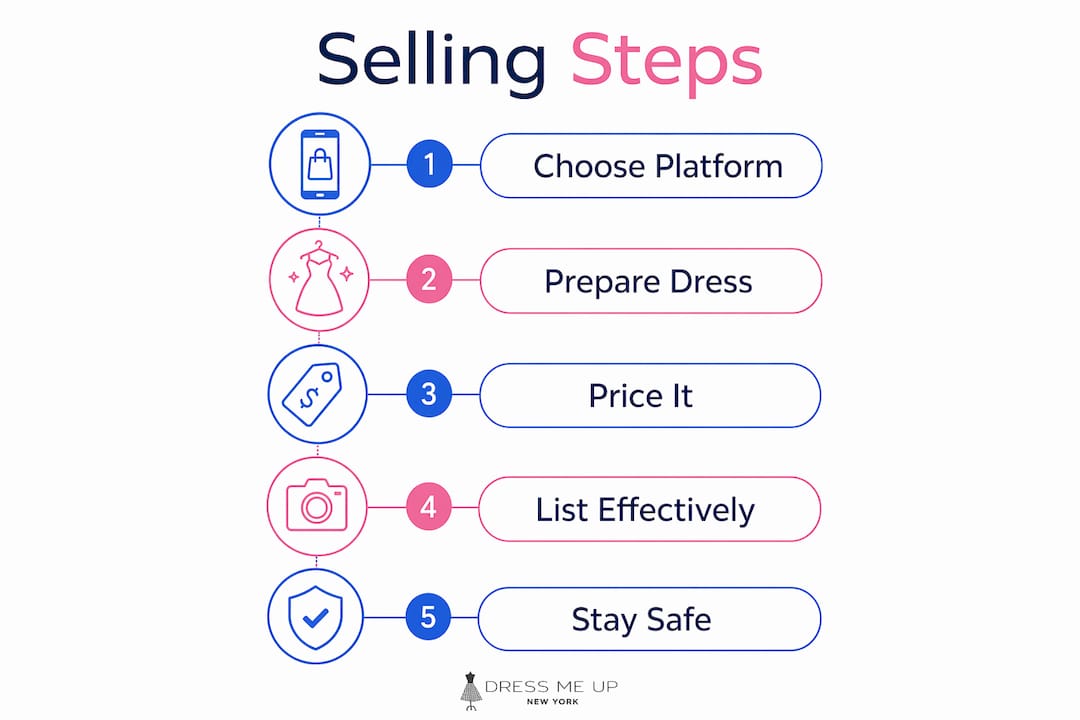
Selling a prom dress successfully means choosing the right platform, preparing the dress to professional standards, and pricing it to match real market demand. The resale market for formalwear is active year-round, with platforms like Depop, Poshmark, and Facebook Marketplace giving individual sellers direct access to thousands of buyers. Whether you wore the dress once or you’re building a small resale business, the steps to sell prom dress listings that actually convert are the same. This guide covers every stage, from platform selection to listing strategy, so you walk away with money in your pocket and no dress collecting dust in your closet.
How to sell a prom dress: choosing the right platform
The platform you choose determines your fees, your audience, and how fast your dress sells. Each channel attracts a different type of buyer, and matching your dress to the right one is the first decision you need to make.
| Platform | Best For | Seller Fee | Audience |
|---|---|---|---|
| Poshmark | Designer and mid-range dresses | 20% on sales over $15 | Fashion-focused buyers |
| Depop | Trendy, vintage, and unique styles | ~10% transaction fee | Younger, style-conscious shoppers |
| eBay | All price ranges, fast auctions | ~13% final value fee | Broad, price-sensitive buyers |
| Facebook Marketplace | Local, quick, cash sales | 0% for in-person; ~10% online | Local community buyers |
| Consignment shops | Hands-off selling | Pay out 40%–70% of sale price | High-end and boutique shoppers |
Online marketplaces vs. consignment serve different buyer audiences. High-end buyers tend to prefer consignment stores, while budget-conscious shoppers gravitate toward eBay and similar platforms. That distinction matters when you’re deciding where to list a Sherri Hill or Jovani gown versus a no-name dress you bought on sale.
Consignment shops pay sellers 40%–70% of the final sale price, with fees ranging from 20% to 95% depending on the store and agreement. The trade-off is convenience. You drop off the dress and wait. Online marketplaces let you keep more of the sale price, but you handle photos, messaging, and shipping yourself.
Facebook Marketplace is ideal for local, quick sales with zero fees for in-person transactions. Nearly 40% of Facebook’s monthly users buy on Marketplace, which makes it one of the most underrated channels for formalwear resale.
- Poshmark works best for dresses with recognizable brand names and clear style appeal.
- Depop performs well for unique silhouettes, bold colors, and anything with a fashion-forward edge.
- eBay suits sellers who want auction-style pricing or need to move inventory fast.
- Consignment is the right call if you want zero effort and own a dress from a premium label.
Pro Tip: Use a cross-listing tool like Vendoo to post the same dress on Poshmark, Depop, and eBay simultaneously. Cross-listing broadens your reach beyond any single marketplace audience and measurably speeds up the sale.
How to prepare your dress to maximize resale value
Preparation is where most sellers leave money on the table. A dress that looks and smells fresh, fits the photos well, and comes with accurate measurements sells faster and at a higher price than one listed carelessly.

Cleaning and storage
Take the dress to a professional dry cleaner before listing it. Sweat, deodorant residue, and light staining are invisible in photos but obvious to buyers when the dress arrives. A clean dress also photographs better and commands a higher asking price. For beaded gowns, store flat or by interior loops, not by shoulder straps. Hanging a heavy beaded gown by its straps for weeks distorts the bodice and permanently affects fit. That kind of damage shows up in photos and kills buyer confidence.
Photography
Professional photography correlates directly with higher buyer confidence and fewer returns. You don’t need a studio. Natural light near a window, a clean white or neutral background, and a full-length mirror or dress form are enough. Shoot the front, back, side, and any detail shots of beading, embroidery, or fabric texture. Include a close-up of the label and any minor flaws. Hiding flaws costs you more in returns and negative reviews than disclosing them upfront.
Listing details
- Include exact measurements: bust, waist, hips, and length from shoulder to hem.
- State the brand, original retail price, and size on the tag.
- Describe the fabric. Heavyweight satin and reinforced sequins hold up better than chiffon overlays, and buyers know it.
- Note whether the dress has lock-stitched beading. Lock-stitching means each bead is individually knotted, so a single broken thread doesn’t unravel an entire row. That detail signals quality and justifies a higher price.
- Check the designer tag and brand carefully. Labels like Sherri Hill and Jovani command significantly more on the resale market than generic brands.
Pro Tip: Photograph the dress on a body or dress form rather than flat on a floor. Buyers need to visualize fit. A dress on a form consistently outperforms flat-lay photos in click-through rates on Poshmark and Depop.
How to price a prom dress for a faster sale
Pricing is the single variable that controls how fast your dress sells. Price too high and it sits. Price too low and you leave real money behind.
The standard resale range for used clothing is 25%–50% of the original retail price, adjusted for condition, brand, and current demand. A $400 Sherri Hill gown worn once and professionally cleaned can realistically list at $150–$220. A $150 off-brand dress in average condition might move at $40–$60.
Factors that adjust your price up or down:
- Brand name. Sherri Hill, Jovani, and Mac Duggal hold resale value far better than generic labels. Designer brand equity is one of the top drivers of resale ROI in formalwear.
- Condition. “Worn once” is not the same as “like new.” Be honest. Buyers who receive a dress that doesn’t match the listing description leave negative feedback and request refunds.
- Fabric quality. Heavyweight satins and reinforced sequins photograph better and last longer. Fragile fabrics like unlined chiffon depreciate faster.
- Timing. Listing during peak buying season from december through february yields better returns. Listing in july, when the market is flooded with post-prom dresses, drives prices down due to oversupply.
- Platform fees. Factor in what the platform takes before setting your asking price. If Poshmark takes 20% and you want $120 in hand, list at $150.
Research comparable listings before you set a price. Search your exact dress or a similar style on Poshmark and filter by “Sold” listings. That shows you what buyers actually paid, not just what sellers hoped for.
Tips for selling your prom dress faster and more safely
Speed and safety come down to a few consistent habits. Sellers who treat their listings like a small business, not a one-time transaction, close sales faster and avoid the most common pitfalls.
Timing your listing
The best time to list is during the december to february buying season, when buyers are actively searching before boutiques restock. Avoid listing in july. The market is oversupplied with post-prom inventory, and prices drop accordingly. If you missed the buying window, hold the dress and relist in late november.
Visibility and communication
- Cross-list on at least two platforms. Vendoo automates this and prevents double-selling by delisting automatically once one platform records a sale.
- Respond to buyer questions within a few hours. Slow responses lose sales to other listings.
- Write descriptions that answer the questions buyers always ask: Does it run small? Is the color accurate in photos? Does it have a built-in bra? Answering these upfront reduces back-and-forth and builds trust.
- Use keywords in your title that buyers actually search. “Sherri Hill red ball gown size 4” outperforms “beautiful red dress” every time.
Safety for in-person sales
Meet in a public place, preferably during daylight hours. A coffee shop or a mall entrance works well. Accept cash or a payment app like Venmo or Zelle before handing over the dress. Never ship a dress before payment clears, and be cautious of buyers who ask you to accept payment through unusual methods. Overpayment scams are common in secondhand clothing sales.
Pro Tip: Add your listing timing strategy to a simple calendar reminder. Set an alert for november 15 each year to pull your unsold dresses and relist them for the buying season.
Key takeaways
Selling a prom dress successfully requires the right platform, a professionally prepared listing, competitive pricing, and strategic timing during the december to february buying season.
| Point | Details |
|---|---|
| Choose the right platform | Match your dress to the right channel: consignment for hands-off selling, Poshmark or Depop for higher returns. |
| Prepare the dress properly | Clean professionally, store flat or by interior loops, and photograph in natural light with a dress form. |
| Price based on real data | Set prices at 25%–50% of retail, adjusted for brand, condition, and platform fees. |
| Time your listing strategically | List december through february for the best prices; avoid july when supply peaks and prices fall. |
| Cross-list for faster sales | Use Vendoo or manual cross-listing on multiple platforms to reach more buyers and sell faster. |
What I’ve learned from watching thousands of prom dresses sell and sit
Most sellers underestimate how much storytelling matters in a listing. A dress described as “worn once to prom, dry cleaned, stored flat” tells a buyer exactly what they need to know. A listing that just says “beautiful dress, great condition” tells them nothing. Buyers are spending real money on a dress they can’t try on. The more specific and honest your description, the more confident they feel clicking “buy.”
The sellers I’ve seen succeed consistently do one thing differently. They treat the resale like a small business transaction, not a favor. They invest in a $20 dry clean, spend 30 minutes on photos, and write a description that answers every obvious question. That approach routinely produces sales at the top of the market range.
One thing the broader resale community still overlooks is the value of emerging prom trends in your listing copy. If your dress matches a current trend, say so. “Corset-back silhouette, trending for 2026 prom season” is a search term and a selling point at the same time.
My honest advice on negotiation: set your price 10%–15% above your actual floor. Buyers on Poshmark and Depop almost always make an offer below asking. If you price at exactly what you want, you’ll either reject offers or sell below your target. Build the negotiation room in from the start.
— Dressmeup
Ready to find your next prom dress or list the one you have?
Dressmeupny is one of the most trusted names in women’s formalwear, with an extensive catalog of prom dresses and evening gowns across every style, size, and price range. Whether you’re a seller researching what your dress is worth or a buyer looking for the perfect gown, Dressmeupny gives you the context to make a smart decision.
Browse the full collection at Dressmeupny to see current retail prices for Sherri Hill, Jovani, and other top designers. Knowing what a dress sells for new is the fastest way to set a competitive resale price. The site also publishes expert guides on formalwear trends, sizing, and styling, giving sellers and buyers the information they need to act with confidence.
FAQ
What is the best platform to sell a prom dress?
Poshmark and Depop are the top choices for most individual sellers, offering large audiences and manageable fees. Facebook Marketplace works best for local, cash-based sales with no shipping required.
How much should I price my used prom dress?
Set your price at 25%–50% of the original retail value, adjusted for brand, condition, and current demand. Designer labels like Sherri Hill and Jovani can support prices at the higher end of that range.
When is the best time to list a prom dress for sale?
The best time to list is december through february, during the peak buying season before boutiques restock. Listing in july results in lower prices due to post-prom oversupply.
Do consignment shops pay well for prom dresses?
Consignment shops pay 40%–70% of the final sale price, which is competitive for hands-off selling. The trade-off is that you give up control over pricing and timing.
How do I make my prom dress listing stand out?
Use natural light photography, a dress form or body, and a description that includes exact measurements, brand, fabric type, and any flaws. Detailed and accurate listings directly increase buyer confidence and reduce the chance of returns.
Recommended
- After Prom Dresses: Your 2026 Style Guide - DressMeUpNY
- Planning a Prom Outfit: Your 2026 Style Guide - DressMeUpNY
- How to Choose Prom Dress: Top Tips for 2025 Events - DressMeUpNY
- How to Buy Online Dresses for Proms, Weddings, and Special Events 2025 - DressMeUpNY