
Under $100 Plus Size Formal Dresses, DressMeUpNY's Fit & Fabric Picks
Under $100 Plus Size Formal Dresses, DressMeUpNY’s Fit & Fabric Picks
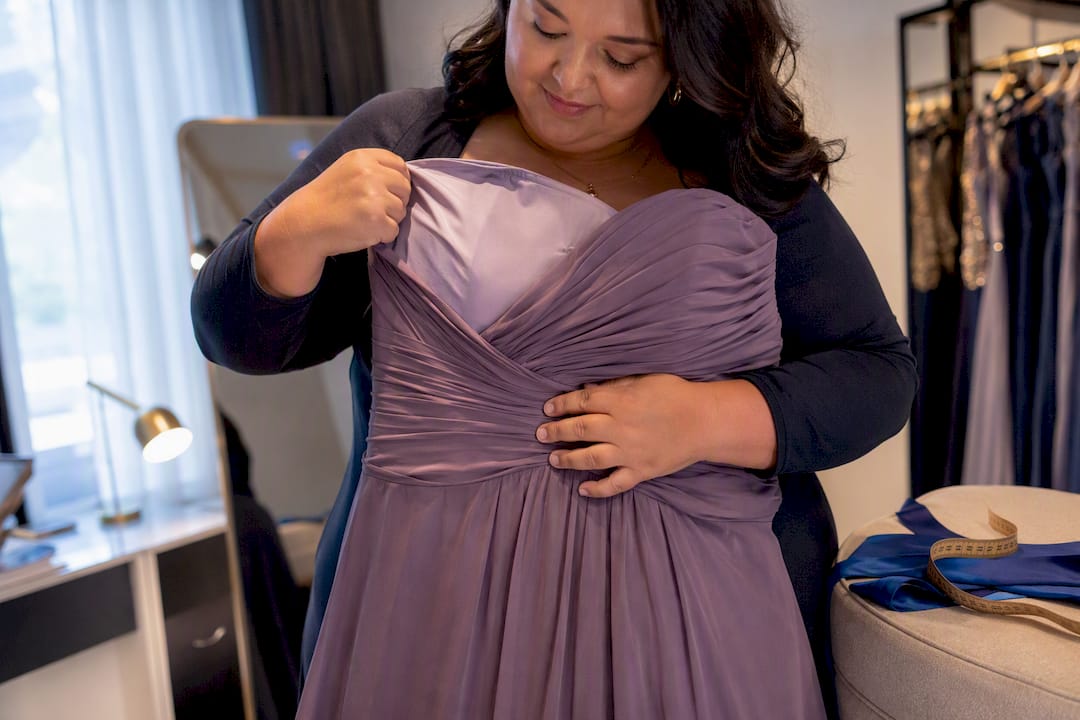
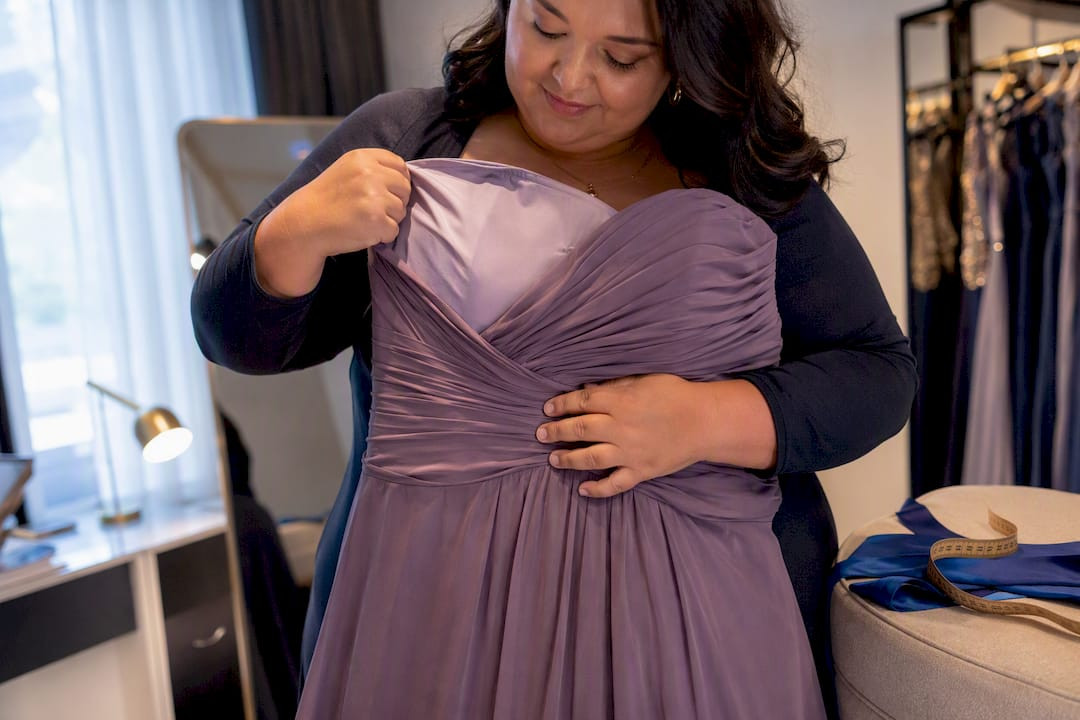
If you want a flattering plus-size formal dress that looks expensive without the price tag, start with Dressmeupny’s sale and “under $100” collections and favor A-line, wrap, or ruched stretch styles. Expect solid options under $60 for cocktail-length pieces, real gown selection between $100 and $200, and the best value in A-line and wrap silhouettes because they use less fabric and forgive fit variance. You don’t need to compromise on looking good to stay on budget.
TL;DR:
- Dresses under $60 mainly include cocktail-length and stretch-knit styles suitable for semi-formal events and often feature polyester blends or jersey fabrics.
- The $100 to $200 price range offers better construction, with options like full ball gowns, structured bodices, and high-quality satin for more formal occasions such as weddings and galas.
- Shopping with specific filters, setting clear price limits, and checking sale collections can help find good dresses quickly and prevent overspending.
- Fabrics such as lined chiffon, poly charmeuse, and stretch jersey can look luxurious at low prices, especially if combined with details like lining and princess seams.
- Basic alterations like hemming and strap adjustments at local tailors typically cost under $30, significantly improving the fit of budget dresses.
Table of Contents
- What are the best budget-friendly plus-size formal dress price bands?
- How to shop for inexpensive plus-size formal dresses (filters, searches, timing)
- Which fabrics and details make a cheap dress look expensive?
- How do you get the right fit without spending on major tailoring?
- How can you save even more on plus-size formal dresses?
- Which dresses work best for weddings, proms, and black-tie events?
- What accessories work well with a budget formal dress?
- How do you pair an affordable dress with affordable shoes and a bag?
- What quality should you expect at each price point?
- What are the most common fixes for a budget formal dress?
- DressMeUpNY editorial perspective: making budget shopping practical
- Ready to shop budget plus-size formal dresses?
- Sources
What are the best budget-friendly plus-size formal dress price bands?
Shopping by price band saves you from scrolling through hundreds of dresses that don’t match your budget or your event. Here’s what to expect at each level, and which silhouettes give you the most for your money.
Under $60: cocktail and semi-formal territory. At this price, you’re mostly looking at cocktail-length dresses, simple sheath styles, and stretch-knit wrap dresses. Fabric tends toward polyester blends and jersey knits rather than silk or heavy satin. This band works well for cocktail parties, casual wedding-guest looks, or a backup dress you keep in your closet for last-minute invites. A wrap dress in a solid jewel tone photographs beautifully and rarely looks “cheap,” even when it was.
Under $100: where real gown shopping happens. This is the sweet spot for most formal occasions. You’ll find A-line and fit-and-flare gowns, chiffon dresses with proper lining, and ruched styles that flatter through the midsection. Major retailers stock deep inventory here. Macy’s plus-size formal category alone lists a large number of dresses under $100, many marked down 40 to 60 percent off original pricing, which tells you this price point isn’t a compromise, it’s simply where the volume lives.
$100 to $200: ball gowns and special-occasion statement pieces. Once you cross into this range, you start seeing fuller ball gown silhouettes, structured bodices, and higher-quality satin blends. This is the band to shop for a wedding you’re in, a formal gala, or a prom you want to remember. You’ll also see better construction: real boning in bodices, sturdier zippers, and linings that hold their shape through a full night of dancing.
Quick picks by band:
- Under $60: wrap dresses and stretch-knit sheaths for cocktail events or a flexible “just in case” gown.
- Under $100: A-line and ruched styles in chiffon or lined jersey for weddings, semi-formal galas, and most prom needs.
- $100 to $200: fuller ball gowns and structured fit-and-flare styles for black-tie events or a wedding where you’re part of the bridal party.
Dressmeupny organizes its catalog with these price tiers in mind, so filtering by budget rather than browsing everything at once saves real time.
How to shop for inexpensive plus-size formal dresses (filters, searches, timing)
Random browsing wastes your time and usually ends with you paying more than you planned. A targeted search process gets you to the right dress faster and keeps your budget intact.
- Set your price slider first, every time. Before you look at a single dress, cap your price range. This one habit stops “just look at everything” scrolling that leads to impulse buys outside your budget.
- Use specific search terms, not vague ones. Instead of typing “plus size dress,” search “plus size formal dress under $100,” “ruched wrap gown plus size,” or “A-line chiffon plus size.” Specific terms surface inventory that generic searches bury.
- Filter by size category, not just by size number. Many retailers have a dedicated “plus size” category with its own inventory and pricing tiers, and browsing within that category (rather than filtering a general catalog down to your size) often surfaces styles actually designed for curves.
- Check the clearance or sale collection separately. Don’t rely on the main catalog to show you every discount. Clearance sections rotate inventory fast, so bookmark them and check weekly if your event is more than a month out.
- Set a wishlist or price alert if the retailer offers one. Many sites will notify you when a saved item drops in price, which means you can spot a dress you love and wait for it to hit your number instead of buying at full price out of urgency.
- Shop off-season when you can. Formal dress prices often drop right after major event seasons (post-prom in late spring, post-holiday in January). If your event isn’t urgent, buying six months ahead can save you real money.
Before you check out, scan every product page for three things: the garment measurements (not just the size label), the model’s height and size for reference, and the return window. A dress that runs small in the bust but fits everywhere else is a common plus-size complaint, and knowing the return policy before you buy protects you from being stuck with something that doesn’t work.
Pro Tip: Search “plus size” combined with the fabric name, like “plus size satin gown” or “plus size chiffon dress,” instead of the style name. Fabric-based searches often surface budget dresses that style-based searches miss entirely.
Which fabrics and details make a cheap dress look expensive?
The fabric and construction matter more than the price tag when it comes to how a dress actually reads in photos and in person. Some budget materials mimic luxury convincingly. Others give away the price instantly.
Fabrics that punch above their price:
- Poly charmeuse mimics silk satin’s drape and sheen at a fraction of the cost, and under formal lighting, almost nobody can tell the difference.
- Lined chiffon moves beautifully and hides more than unlined chiffon, which tends to cling or show through. PrettyLittleThing’s plus-size formal category leans heavily on lined chiffon and satin styles for exactly this reason: it delivers movement without the price of real silk.
- Stretch jersey holds its shape through a full evening of sitting, standing, and dancing, and it’s forgiving if your measurements shift slightly between ordering and wearing.
Construction details that add real value:
- Lining. A fully lined bodice or skirt reads as higher quality instantly, and it prevents the see-through issue that makes cheap dresses look cheap.
- Princess seams. These vertical seams create shape and support without needing boning or structure, and they’re one of the biggest quality signals you can look for on a budget dress.
- Ruching. Strategic gathering at the waist or hip does double duty: it adds visual interest and camouflages fit inconsistencies in one move.
What to skip: heavy beading and dense embellishment usually signal a lower-quality base fabric trying to distract from itself, and it often doesn’t hold up after one dry cleaning. A clean silhouette in a good fabric will outlast and outshine a heavily decorated dress that started out cheaper.
For silhouettes, A-line, wrap, and empire waist styles consistently show up at lower prices because they require simpler patterns and less fabric than structured ball gowns, and they happen to flatter a wide range of plus-size bodies.
How do you get the right fit without spending on major tailoring?
Getting your measurements right before you order is the single biggest thing you can do to avoid a return, and it costs you nothing but five minutes with a tape measure.
Measure your bust at the fullest point, your waist at your natural waistline (usually just above your belly button), and your high hip about eight inches below your waist. If you’re shopping a torso-heavy style like an empire waist or a wrap dress, prioritize your bust and under-bust measurement. If you’re leaning toward a fit-and-flare or sheath, your high hip measurement matters more than your waist.
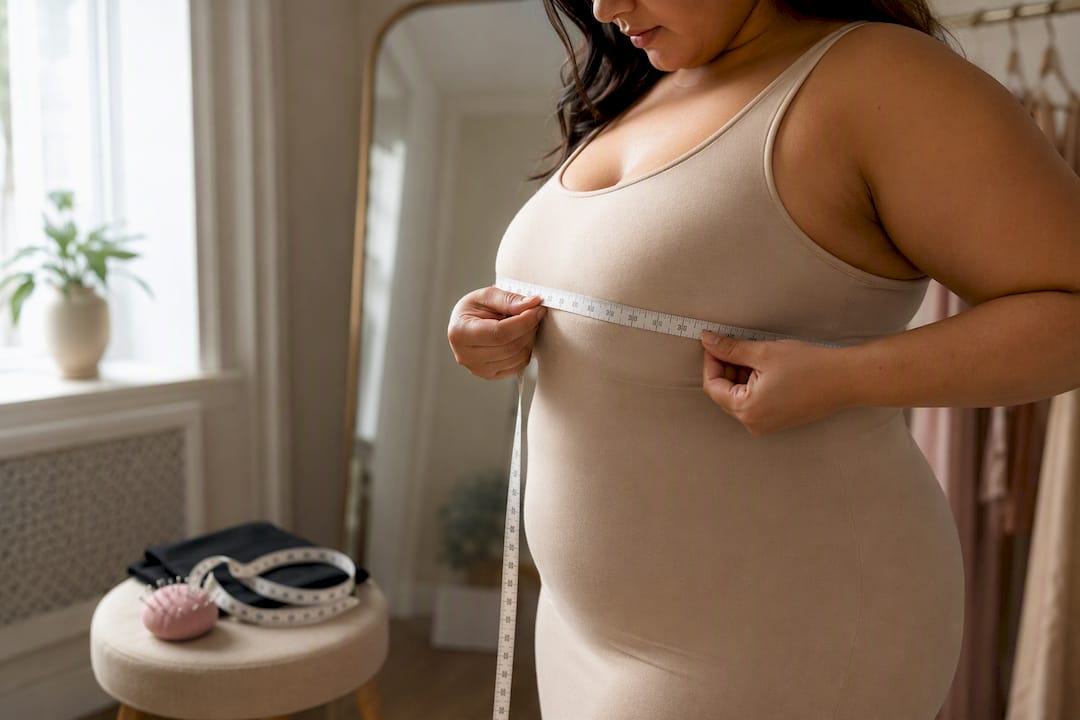
On sizing strategy: size up when a dress is made of stretch jersey or has a wrap closure, since these styles are forgiving and a size up gives you room to move. Size to your largest measurement (not your average) when a dress has a fixed zipper or structured bodice with no give, because that fabric won’t stretch to meet you halfway.
Common low-cost fixes if a dress isn’t quite right out of the box:
- Hemming for length, typically $15 to $30 at a local tailor.
- Minor side-seam takes-in, usually $10 to $25 per seam, if the dress is slightly loose through the waist.
- Strap swaps or strap shortening, often $10 to $20, if straps sit too low or uneven.
A useful fit rule: if a dress fits well through the shoulders and bust but needs adjusting through the waist or hem, that’s a cheap, fast tailor visit. If it doesn’t fit through the shoulders or bust, no amount of tailoring will fix it affordably, so send it back instead.
Prioritizing seaming and lined bodices when you shop gives you the best shot at a dress that needs zero alterations at all.
How can you save even more on plus-size formal dresses?
Finding the dress is half the job. Paying the least for it is the other half, and a little strategy goes a long way.
Sale and clearance sections move fast, so check them on a schedule rather than once. Use the price slider to jump straight to markdowns, and look specifically for a “clearance” or “final sale” collection, since these often carry the deepest discounts on formal styles that didn’t sell through the main season. Retailers like Macy’s regularly tag plus-size formal dresses with percentage-off pricing right on the category page, which makes comparison shopping fast.
Promo codes stack more often than shoppers realize:
- Email signup codes typically knock 10 to 20% off your first order.
- Seasonal sales (holiday weekends, end-of-season clearance) often stack on top of an existing promo code.
- Free shipping thresholds can effectively lower your total cost if you’re buying a dress plus accessories in one order.
If your event is more than six weeks out, wait for a seasonal sale before buying. If it’s inside two weeks, buy now at the best current price rather than gambling on a discount that might not arrive in time.
Pro Tip: Add your dress to a wishlist or cart and walk away for 24 hours. Many retailers send a follow-up discount code to shoppers who don’t check out immediately.
Which dresses work best for weddings, proms, and black-tie events?
Different occasions call for different levels of formality, and matching your dress to the event keeps you from over or underdressing.
Weddings as a guest call for something below the bride’s formality but still polished. A midi or maxi A-line dress in a fabric that isn’t white or ivory hits the mark, and floral or jewel-toned chiffon works for most wedding aesthetics.
Prom gives you the most room to have fun with color and shape. Ruched sheath dresses and fitted mermaid styles are popular because they photograph well, and this is the category where budget shopping shines since so much inventory exists specifically for this market.
Cocktail parties are the easiest to dress affordably for. A knee-length or tea-length dress in a fun print or solid color, paired with simple accessories, fits the bill without needing a full-length gown.
Black-tie events require the most formal silhouette: a full-length gown, ideally with some structure through the bodice. This is where it’s worth stretching into the $100 to $200 band if you can, since black-tie dress codes tend to be less forgiving of overly casual fabric choices. A structured satin or charmeuse gown in this price range reads formal without needing designer pricing.
What accessories work well with a budget formal dress?
The right accessories can make a $50 dress look like it cost twice that, and the wrong ones can undercut an expensive dress just as easily.
Keep jewelry simple if your dress has ruching, beading, or a bold print. One statement piece, like a pair of drop earrings or a cuff bracelet, does more work than layering multiple pieces that compete with the dress. If your dress is a solid color and simple silhouette, that’s your opportunity to go bigger with a statement necklace or a metallic clutch.
A well-fitted shapewear piece underneath a budget dress often does more for your silhouette than a pricier dress would on its own, especially with stretch jersey or wrap styles that rely on structure from underneath rather than built-in boning.
For hair and makeup, matching your accessory metal tone (gold, silver, rose gold) across your jewelry and shoes creates a cohesive look that reads intentional rather than thrown together, even when every piece was budget-priced.
How do you pair an affordable dress with affordable shoes and a bag?
Your dress doesn’t need matching designer shoes and a bag to look put-together. It needs a coordinated color story and a couple of fit basics.
Choose a shoe in a neutral tone, black, nude, or metallic, and it’ll pair with more than one dress in your closet, which stretches your budget across multiple events. Block heels or a low wedge give you the height of a formal shoe without the discomfort (or the price) of a delicate stiletto, and they hold up better through a night of standing and dancing.
For bags, a small clutch in a metallic or neutral tone works across weddings, proms, and cocktail parties alike. Skip trying to match your bag exactly to your dress color. A near-match or complementary neutral looks more intentional than an exact match, which can read as trying too hard.
What quality should you expect at each price point?
Setting the right expectations before you buy prevents disappointment and helps you know when a dress is actually a good deal versus a poor one dressed up with a discount tag.
At under $60, expect simple construction: single-layer fabric, basic seaming, and minimal lining. These dresses are fine for one or two wears and casual formal events, but don’t expect them to hold up to years of repeat use.
At under $100, quality usually steps up noticeably. Look for lined bodices, princess seams, and sturdier zippers. This is the price point where most shoppers find their best value because construction quality rises faster than price does.
At $100 to $200, expect real structural elements: boning, higher-denier fabrics, and finishing details like covered buttons or hand-stitched hems. Reviews at this price point tend to mention durability and rewear more often than reviews on sub-$60 dresses.
What are the most common fixes for a budget formal dress?
Most inexpensive formal dresses need one small adjustment, not a full overhaul, and knowing which fixes are common helps you budget for them before you buy.
Hemming tops the list, since most dresses are cut for an average height and plus-size formal dresses are no exception. Strap adjustments come next, especially on dresses with adjustable or removable straps that don’t sit right out of the box. Taking in side seams slightly is common on wrap or stretch styles that run generous through the waist.
Less common but worth knowing: adding a hook-and-eye closure at the top of a zipper for extra security, and swapping thin spaghetti straps for a wider strap if you need more support. Both fixes run under $20 at most local tailors and make a noticeable difference in how confident you feel wearing the dress.
DressMeUpNY editorial perspective: making budget shopping practical
We built our plus-size formal category around the same price bands covered throughout this guide, because that’s genuinely how shoppers browse: with a number in mind before a style. Our blog post on affordable plus-size evening gowns walks through specific fit and fabric choices that hold up at lower price points, and it’s written from the same principle guiding this whole guide: cheap doesn’t have to mean flimsy if you know what to look for.
Our promotional structure works the way most budget shoppers actually shop. Email signup discounts apply to first orders, free shipping thresholds reward buying a dress and accessories together, and our sale and clearance collections rotate regularly enough that checking every week or two turns up new markdowns. None of that requires guesswork. It just requires knowing where to look, which is the entire point of a category filter.
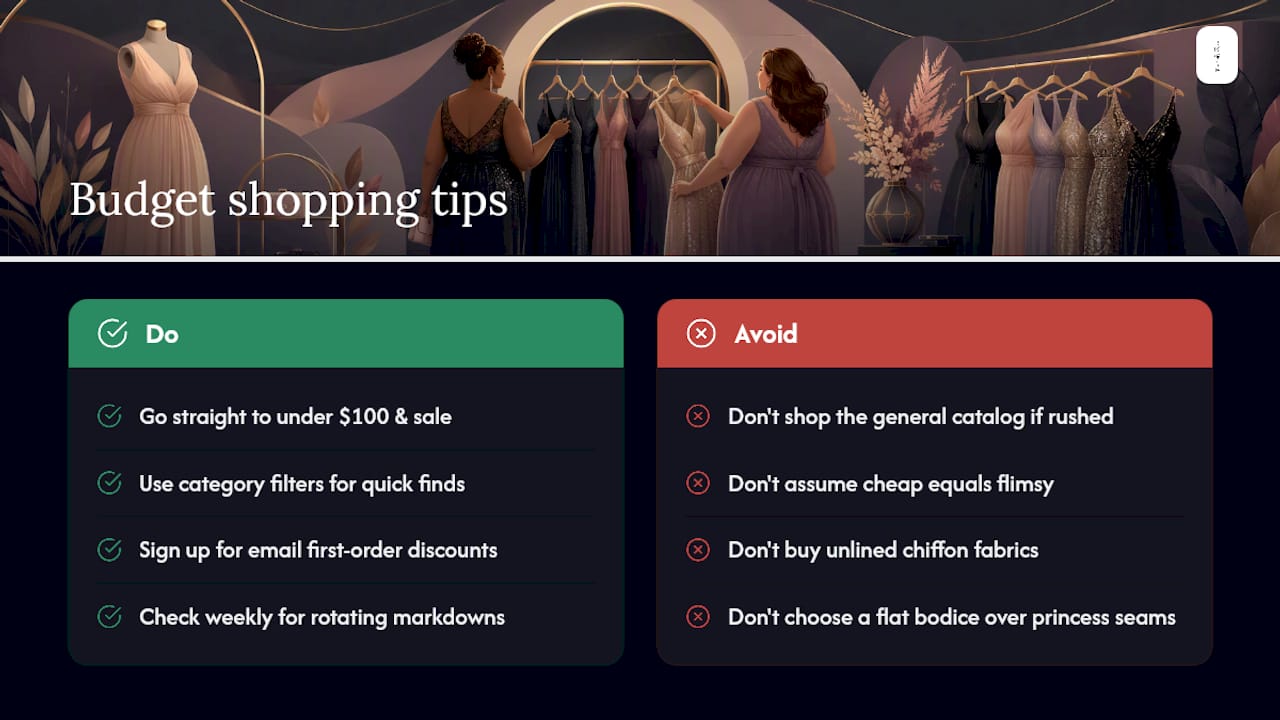
If you’re trying to move fast, skip the general catalog and go straight to our “under $100” and sale-tagged collections. That’s where the volume lives, and it’s where most of our own customers land first. We also keep styling and fit guidance linked from the category pages themselves, so you’re never more than a click away from sizing help while you’re actually browsing.
The bigger point we’d make to anyone nervous about buying formal wear on a budget: the fabric and construction advice in this guide isn’t a workaround for cheap shopping, it’s just how smart shopping works at any price. Knowing to look for lined chiffon over unlined, or princess seams over a flat bodice, serves you whether you’re spending $50 or $500.
— Dressmeup
Ready to shop budget plus-size formal dresses?
Dressmeupny gives you what the rest of this guide just walked you through: real price bands, real fabric choices, and a catalog organized so you can filter straight to what fits your budget instead of scrolling through everything in your size. That’s the actual advantage here. You’re not choosing between cheap and flattering. You’re shopping a catalog built around both from the start.
Head to our plus-size formal dress collections and filter by price to land in the under $100 or sale-tagged sections first. If you want fit guidance before you commit, our event-specific styling tips walk you through choosing between a wedding-guest look, a prom silhouette, or a black-tie gown. And if you’re planning any alterations after your dress arrives, a quick trip to a local fabric shop like Beautiful Windows Elgin’s fabric collection can help with matching thread or trim for minor fixes. Start browsing now, set your price filter, and get your dress ordered with enough time to spare for hemming or a strap adjustment before your event.
Recommended
- Under $100 Formal Gowns That Look High End, Curated by DressMeUpNY
- Women’s Plus Formal Dresses: Style & Fit Guide 2026
- Evening Dresses Under $100 That Look Expensive