
Mastering the Art of Wardrobe: Best Practices for Curating a Versatile Dress Collection

Introduction
Imagine opening your closet to a thoughtfully curated collection of dresses that effortlessly transition from business meetings to weekend brunches to evening galas. A wardrobe like this doesn’t just simplify your daily outfit choices—it empowers you to express confidence, style, and practicality, no matter the occasion. In today’s fast-paced world, mastering how to build a versatile dress collection is not just a luxury—it’s smart, sustainable, and empowering.
To begin this journey, think about iconic styles that function as wardrobe workhorses. The wrap dress, known for its universally flattering fit and adjustable silhouette, remains a standout staple for smart casual as well as formal wear mytrendboutique.com. Likewise, the little black dress (LBD) proves its enduring versatility every time you can switch from daytime casual to evening chic with nothing more than a change of accessories mytrendboutique.com.
A strategic capsule wardrobe typically revolves around a manageable number of pieces—about 25–35 total items (including clothing, shoes, and accessories), with only a handful being dresses nellyworld.blog. This streamlined approach encourages intentionality: each garment is chosen for its ability to mix, match, and cover multiple use-cases, helping to reduce wardrobe clutter while heightening outfit flexibility.
It’s not just about quantity—it’s also about cohesion. Experts recommend building around a core palette of neutral tones like black, navy, beige, and white, then incorporating a few accent pieces that still harmonize with the collection uccessories.com. When done well, this method organizes your options and ensures that almost any dress in your lineup can pair smoothly with other wardrobe elements.
By learning best practices for curating a versatile dress collection?—a process that balances fit, style, material, and visual harmony—you’ll create a wardrobe that feels thoughtfully composed rather than rushed or repetitive. In the sections that follow, we’ll explore this approach in detail, drawing on real-world examples, proven strategies, and actionable tips to help you craft a dress collection that truly works for you.
Building a Thoughtful Foundation
Transitioning from the idea of a composed wardrobe, it’s essential to start with a strong foundation that anchors your collection in versatility and intentional style. First, conduct a thorough wardrobe audit: pull everything out and honestly assess what you actually wear versus what merely occupies space. Research shows that most people wear just 20% of their clothing 80% of the time, highlighting the importance of curating pieces you’ll reach for regularly MoldStud Research.
Choose Quality Over Quantity
Rather than chasing fleeting trends, focus on investing in well-made dresses and staples. Quality garments—crafted from fabrics like silk, wool blends, or durable cotton—outlast fast-fashion pieces and maintain their structure and appeal over time. According to the Fashion Institute of Technology, higher-quality items can preserve their condition for up to five years longer than cheaper alternatives MoldStud Research. This approach aligns with the best practices for curating a versatile dress collection? by ensuring each dress provides long-lasting wear and styling potential.
Create a Cohesive Color Palette
Establishing a color scheme simplifies outfit combinations and ensures cohesion across your collection. Start with a base of neutral tones—black, navy, gray, beige—and layer in a few accent hues such as olive, rust, or pastel shades to refresh your palette each season. This method, recommended by fashion experts, enhances mix-and-match potential without introducing chaos to your closet The Librarian Chic.
Anchor with Timeless Silhouettes
Essential dresses—like a well-fitting wrap dress, a sleek midi, or a classic sheath—serve as versatile anchors. These silhouettes adapt for office days, evening outings, or casual weekends with the right accessories. The capsule wardrobe concept, popularized in the 1970s and exemplified by Donna Karan’s “7 Easy Pieces,” reinforces the power of a small set of interchangeable garments to create endless looks Wikipedia. Including such adaptable staples positions your collection to work smarter, not harder.
By starting with quality, a refined palette, and timeless shapes, you lay the groundwork for a dress collection that feels cohesive, practical, and effortlessly stylish. These practices not only streamline daily styling but also align closely with sought-after best practices for curating a versatile dress collection?—creating a wardrobe that feels curated, intentional, and ready for any occasion.
Focus on Quality Over Quantity
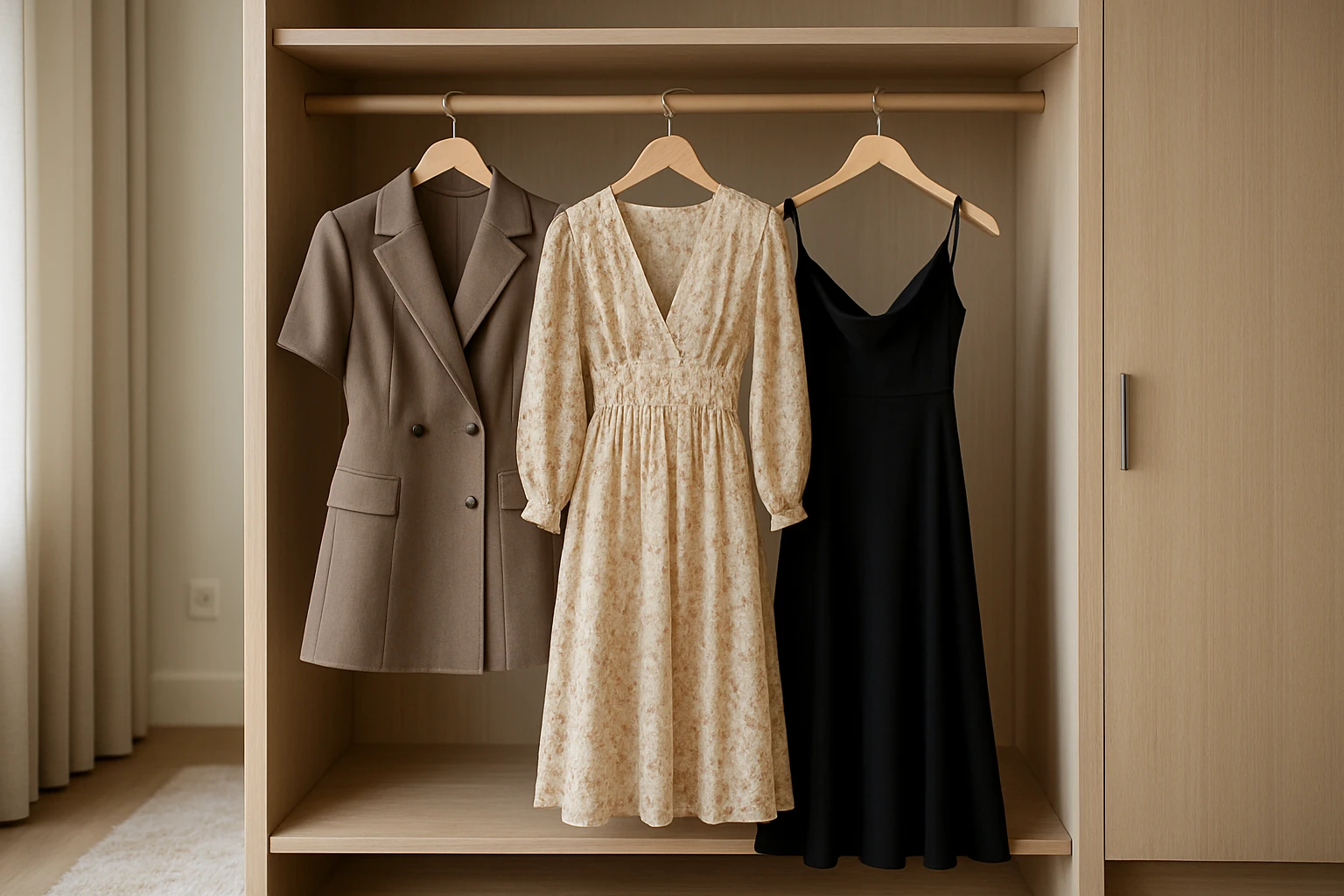
When considering the best practices for curating a versatile dress collection, one must prioritize quality over sheer quantity. While it might be tempting to fill your wardrobe quickly, investing in high-quality pieces ensures longevity and satisfaction. Look for dresses made from durable materials like silk, cotton, and high-grade synthetics that withstand regular wear. According to Good Housekeeping, dresses with French seams or hidden inserts tend to last longer and offer a timeless appeal.
Incorporate Classic Pieces
Classic dresses are the backbone of a versatile wardrobe. Designs such as the little black dress, a well-fitted shift dress, and a wrap dress transcend seasonal trends and can be easily accessorized for different occasions. Vogue describes the little black dress as “eternally modern” because it seamlessly blends with various styles and settings. By choosing such staples, you ensure that your wardrobe remains functional and adaptable throughout changing fashion trends.
Explore Bold Patterns and Colors
While classics form the foundation, bold patterns and vibrant colors bring personal flair to your collection. Experiment with seasonal prints or standout hues to add dynamism and personality. According to Cosmopolitan's fashion guide, incorporating bright colors like fuchsia or turquoise, which often appear in annual fashion forecasts, can elevate your wardrobe. Balance these pieces with neutral accessories or shoes to maintain versatility.
Sustainability and Ethical Considerations
As the fashion industry evolves, sustainability becomes crucial. Choose ethically produced dresses to support eco-friendly practices. Brands focusing on sustainable fashion offer certifications like Fair Trade and organic materials, ensuring they're not just trendy choices but also contribute positively to the environment. According to Sustainable Fashion Alliance, garments produced ethically not only last longer but also reduce your carbon footprint—a necessary consideration for the conscious consumer.
Balancing quality, classic styles, and bold patterns while considering sustainability encompasses the essence of best practices for curating a versatile dress collection. This holistic approach guarantees a wardrobe that is both practical and stylish, reflecting personal taste while meeting broader ethical standards.
Integrating Seasonal Versatility
To truly master the best practices for curating a versatile dress collection, it's essential to focus on seasonal versatility. A well-rounded collection should be adaptable across different weather patterns and occasions, ensuring fashion flexibility throughout the year. Understanding current trends and balancing them with timeless pieces can significantly enhance your collection's adaptability.
Selecting Lightweight Fabrics for Warm Seasons
Incorporating lightweight fabrics such as cotton, linen, and chiffon is key for the summer months. These materials are breathable and allow for comfort in warmer climates. Dresses in pastel shades or vibrant prints add a refreshing look suitable for sunny days. For example, a classic chambray dress can be an excellent addition, as it pairs well with both sandals and sneakers, easily transitioning from casual outings to semi-formal events.
Choosing Layer-Friendly Styles for Cold Months
During cooler seasons, layering becomes vital. Consider dresses made from wool, knit, or heavier cotton, which offer warmth while maintaining style. Long-sleeved or turtleneck dresses, when paired with tights or leggings, provide elegance and comfort. An example of layering versatility is the A-line dress, which complements cardigans, jackets, and scarves, creating an array of stylish looks for fall and winter.
Accessorizing for Enhanced Flexibility
The right accessories can transform a dress from simple to spectacular, adding an additional layer of versatility. For instance, belts can redefine a dress's silhouette, while jewelry brings sophistication and color. It's crucial to maintain a collection of accessories that harmonizes with multiple dresses, maximizing outfit combinations. According to a fashion survey by FashionUnited, investing in timeless pieces like a black clutch or pearl earrings can significantly extend your wardrobe's functionality.
Footwear Considerations
Footwear plays a pivotal role in curating a versatile dress collection. A selection that includes heels, flats, and boots in neutral tones will complement a wide array of dress styles. For instance, pairing an elegant shift dress with ankle boots creates a chic autumn look, whereas the same dress with flats or pumps can be appropriate for spring.
By focusing on these seasonally versatile options and accentuating with appropriate accessories, one can greatly enhance their dress collection's adaptability. This thoughtful approach aligns seamlessly with best practices for curating a versatile dress collection, ensuring readiness for any occasion and season.
Conclusion
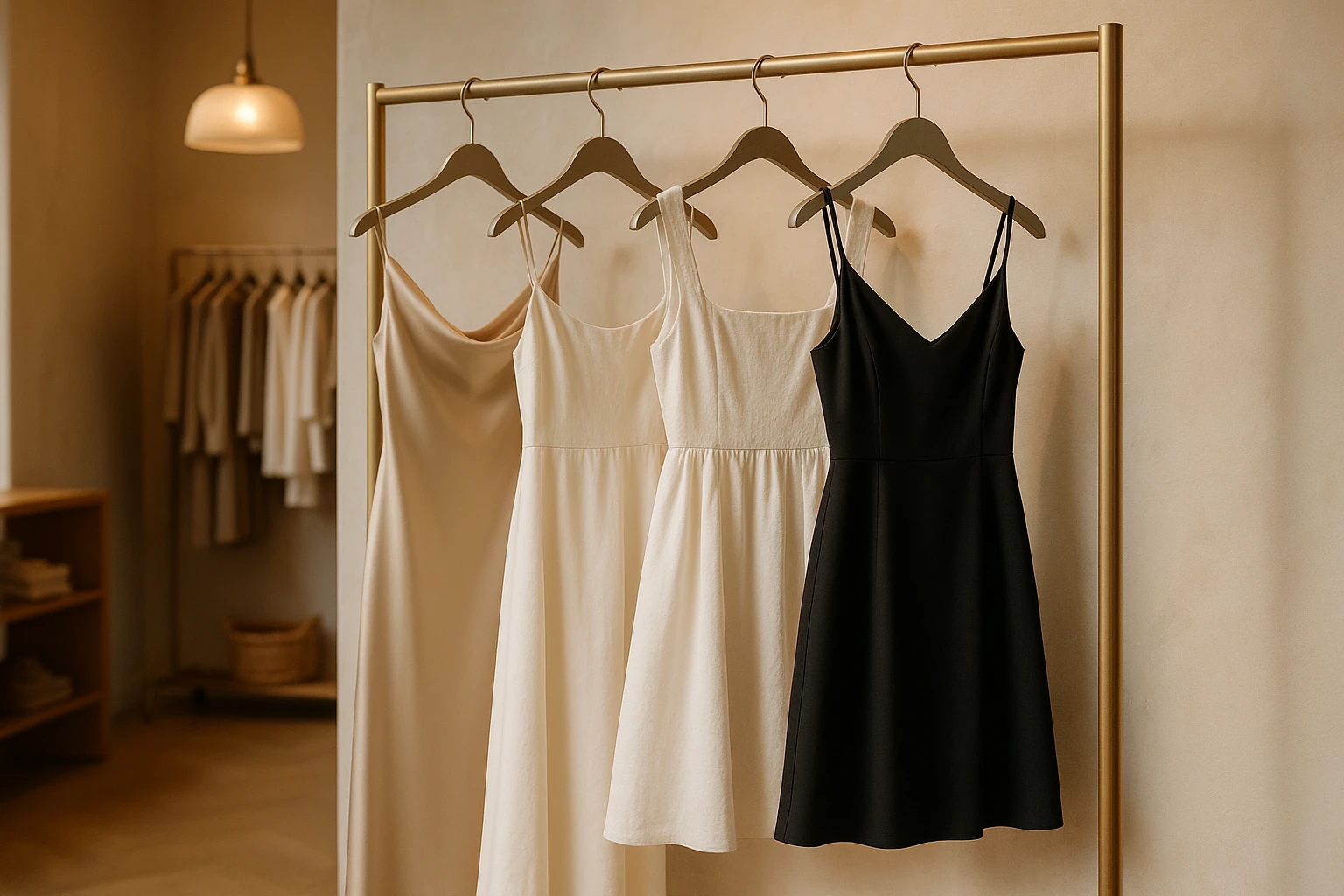
Curating a versatile dress collection is both an art and a science, requiring thoughtful consideration of personal style, practical needs, and current trends. By applying the best practices outlined in this article, including acknowledging your unique preferences and integrating key pieces like a classic black dress or a bold-patterned gown, you can create a wardrobe that caters to every occasion. Consider renowned fashion houses, such as Chanel and Dior, whose timeless collections often inspire the pursuit of versatile beauty.
One effective approach is always keeping an eye on the evolving fashion landscape. According to a recent study by McKinsey & Company, staying attuned to global fashion trends can significantly enhance your ability to choose timeless pieces that retain their appeal across seasons source. This insight can help guide your selections as you strive to build a collection that remains both fresh and relevant.
In addition to trend awareness, understanding the importance of material choice cannot be underestimated. Opting for high-quality fabrics such as silk or organic cotton not only extends the longevity of each dress but also contributes to sustainability efforts within the fashion industry. This commitment to quality and eco-friendliness is echoed in the practices of brands like Eileen Fisher, which emphasizes the use of sustainable materials source.
By focusing on staples and seasonal updates, you can keep your collection adaptable and exciting. Incorporating these best practices for curating a versatile dress collection ensures that your wardrobe remains cohesive and expressive. The key is a balance between classic and trendy, quality and quantity, ultimately allowing for a collection that feels truly personalized.
Take action today by evaluating your current wardrobe and identifying gaps that need filling or pieces that can be updated. Consider exploring thrift shops and ethical brands for unique finds that perfectly complement your existing collection. Remember, the goal is not just a closet full of dresses, but a collection that tells a story and adapts to any event.
Start your journey towards the perfect dress collection now, and enjoy the confidence and creativity that comes with a well-curated wardrobe. Embrace the continuous evolution of fashion, and let your personal style shine through every choice you make.
Article Generated by Soogle