
Plus Size Formal Dresses That Fit, Dress Me Up NY, Sizes 14+ Validated
Plus Size Formal Dresses That Fit, Dress Me Up NY, Sizes 14+ Validated
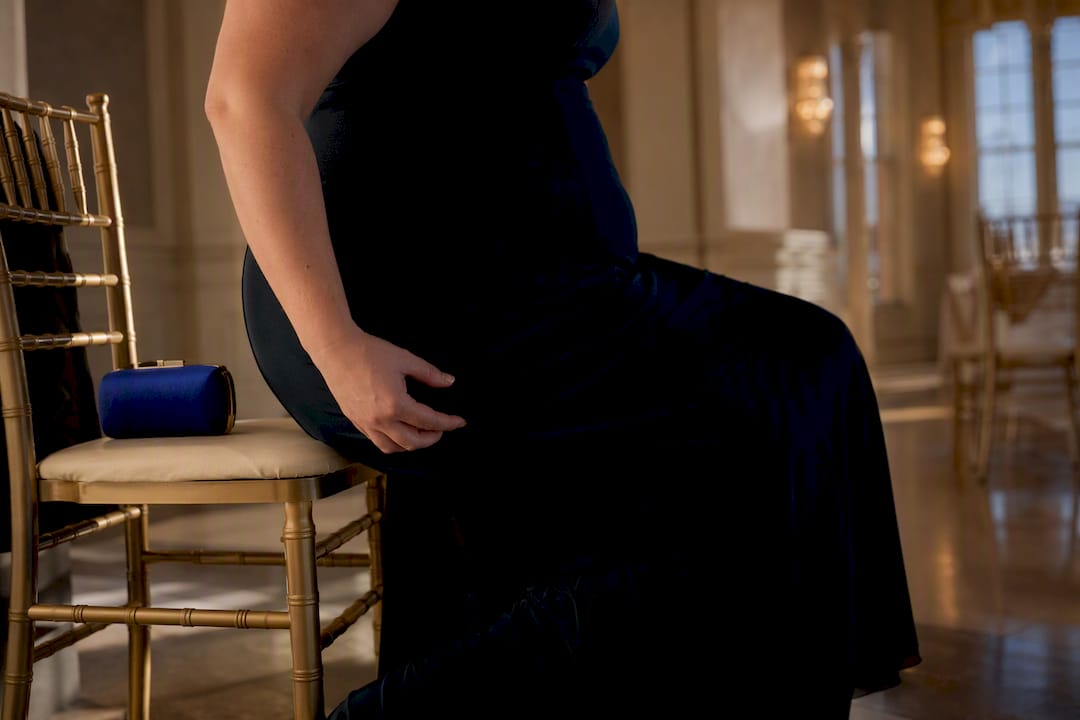
For plus-size formal occasions, choose an occasion-appropriate silhouette from a fit-first, inclusive collection like Dress Me Up NY’s, and verify garment measurements against your own before you buy. Get those two things right and everything else, from styling to alterations, falls into place. The sections ahead cover silhouettes, occasion picks, sizing math, and fabric choices so you can shop with confidence.
TL;DR:
- Choosing the right silhouette depends on your body shape and activity level, with options like A-line, empire waist, wrap, mermaid, and jumpsuits suiting different needs.
- Accurate measurements of bust, waist, hips, and hem length are essential, and sizing up 1-2 inches is often recommended for comfort and fit in plus-size formal dresses.
- Fabrics with stretch and lined construction improve comfort and shape retention, while specific details like internal waistbands and reinforced seams enhance fit during long events.
- Ordering at least 6 to 8 weeks in advance allows time for shipping, fittings, and alterations, especially around prom and wedding season when styles sell out quickly.
- Prioritizing real measurements and proper fit over trends results in better confidence and comfort, with curated collections like Dress Me Up NY emphasizing size-validated options and fit guidance.
Table of Contents
- Which Plus Size Formal Dress Silhouette Works Best for You?
- What Should You Wear to Each Formal Event?
- How Do You Measure Yourself for a Plus Size Formal Dress?
- What Fabric and Construction Details Matter Most?
- What Should You Check Before Buying a Plus Size Formal Dress?
- How Dress Me Up NY Supports Fit-First Shopping
- What Does Plus Size Formal Attire Actually Cost?
- How Far in Advance Should You Order a Formal Dress?
- Why Fit-First Shopping Beats Trend-Chasing
- Ready to Shop Plus Size Formal Dresses That Actually Fit?
Which Plus Size Formal Dress Silhouette Works Best for You?
Not every silhouette is built the same way, and that’s actually good news. It means there’s a shape designed for how your body moves, not the other way around.
A-line dresses skim over the midsection and flare gently from the waist or empire seam, which makes them one of the most reliable choices for formal events where you’ll be standing, dancing, and sitting in the same outfit all night. Empire waist styles sit just under the bust and flow from there, so they’re a smart pick if you want to minimize focus on the midsection while keeping movement easy. Wrap dresses cross at the front and cinch naturally, giving you built-in waist definition without a stiff structure. Mermaid or trumpet gowns hug through the hip and flare below the knee, best suited to readers who want a dramatic, fitted silhouette for black tie events and don’t mind a more controlled range of motion. Jumpsuits have become a legitimate formal option, especially for wedding guest and cocktail events, offering coverage and comfort without sacrificing polish.
A few styling notes worth remembering:
- Surplice (V-wrap) necklines tend to elongate the upper body and work across nearly every silhouette listed above.
- Three-quarter or bell sleeves add balance for fuller arms without hiding your shape entirely.
- Hem length should match the formality: floor-length for black tie, tea-length or midi for cocktail and wedding guest events.
Kiyonna’s product listings for its plus-size sequin lace formal gown show how common it’s become to pair A-line construction with surplice necklines and stretch fabric, which is exactly the combination that tends to flatter the widest range of plus figures.
What Should You Wear to Each Formal Event?
The silhouette conversation only gets useful once you match it to the actual event. Here’s how to narrow things down by occasion.
- Black tie or gala: Go floor-length in a luxe fabric like satin, crepe, or velvet. Keep prints minimal since busy patterns can compete with a formal setting’s lighting and photography.
- Prom: This is where trend-forward choices earn their keep. Two-piece sets, statement sleeves, and thigh-high slits are all having a moment, and plus-size collections have caught up with plenty of options in extended sizes.
- Wedding guest: Skip white, ivory, and anything that could be mistaken for bridal. Match the venue’s formality, an outdoor garden wedding calls for lighter fabric and color than a ballroom reception, and embellishment should feel celebratory, not competing with the bride.
- Cocktail or semi-formal parties: Sequins, metallics, and shorter cocktail hems all work here. Pair with a structured clutch and a heel height you can actually stand in for a few hours.
Retailers that organize plus-size formalwear by event category do it for a reason. When you already know the event, matching by occasion cuts decision time dramatically compared to browsing by silhouette alone.
How Do You Measure Yourself for a Plus Size Formal Dress?
This is the step most shoppers rush, and it’s the one that determines whether your dress actually fits when it arrives. Take ten minutes and do it properly.
- Bust: Measure around the fullest part, keeping the tape parallel to the floor.
- Waist: Measure at your natural waistline, usually just above the belly button.
- Hips: Measure around the widest part, typically 7 to 9 inches below the waist.
- High point shoulder to hem: Measure from the top of your shoulder down to where you want the dress to end, which tells you whether a “floor-length” listing will actually hit the floor on your frame.
Once you have those numbers, compare them against the product’s garment measurements, not just the size label. Many plus-size formal pieces are measured unstretched, so shoppers are often advised to size up 1 to 2 inches beyond their body measurements to account for that. Plus by Design’s evening gown listings reflect this standard directly in their sizing notes.
Size up when comfort and range of motion matter more than a snug line, for example when dancing at a reception. Size closer to your body measurements when you plan to have the dress tailored anyway, since it’s easier for a seamstress to take in fabric than to add it.
Pro Tip: Cross-reference the brand’s product photos on real models with your own measurements. A dress that reads “true to size” on a 5’4" model will hang differently on a 5’9" frame, especially at the hemline.
What Fabric and Construction Details Matter Most?
Fabric choice affects how a dress fits three hours into an event, not just how it looks in a photo. Stretch blends with spandex or elastane content move with your body and smooth over the areas where cling and gaping tend to happen. Fully lined gowns add another layer of structure and comfort against the skin, which matters more in formalwear than in everyday clothing.
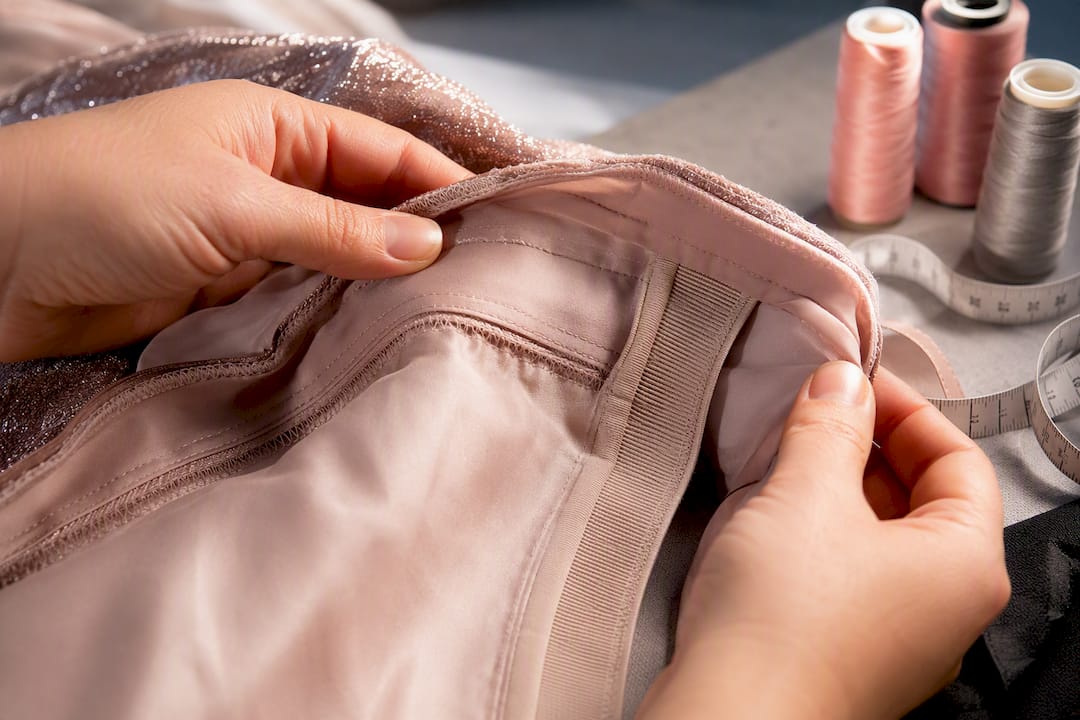
Lightweight fabrics like chiffon and georgette suit dresses built for movement, prom and dancing especially, while heavier crepe and satin give the structure needed for a more sculpted, black tie silhouette.
A few construction details worth checking before you buy:
- Internal waistbands and boning add shape retention through a long event.
- Stable, reinforced seams matter more on fitted styles like mermaid gowns than on flowing A-line cuts.
- Kiyonna’s gown pages regularly list linings and stretch content as standard features, a good benchmark for what quality construction should include.
- Dry-clean-only care is common for embellished pieces; hand-washable fabrics give you more flexibility for repeat wear.
Care instructions aren’t just fine print. A sequined gown that gets machine washed once will lose its shape and shine long before the fabric itself wears out.
What Should You Check Before Buying a Plus Size Formal Dress?
Run through this checklist while you’re still browsing, before the item hits your cart.
- Exact garment measurements, not just the size label, listed in inches for bust, waist, hips, and length.
- Fabric content percentages, so you know whether you’re getting stretch, structure, or both.
- Model size and fit notes, which tell you how the sample size was styled and whether it runs true, tight, or loose.
- Closure type, since zippers, hidden hooks, and corset backs all affect how much adjustability you have.
When you contact customer service, ask directly about the return policy timeline, whether they recommend tailoring for your measurements, and if they can share additional fit photos beyond the product page.
Red flags worth walking away from: no listed garment measurements, size charts that contradict the product description, or vague return policies that don’t specify a window. Dress Me Up NY’s own tips for choosing plus-size formal gowns cover several of these checks in more detail.
Pro Tip: Budget for minor tailoring from the start rather than treating it as a backup plan. A hem adjustment or waist take-in typically costs far less than the dress itself and turns a “close enough” fit into one that actually works.
How Dress Me Up NY Supports Fit-First Shopping
Dress Me Up NY built its plus-size formal collection around the idea that inclusive sizing only works if the fit guidance is just as thorough as the styling. That shows up in practice through dedicated resources: fit and style guides that break down measurement steps, and category-specific advice for shoppers trying to match a dress to a specific event.
Size charts and fit notes appear across product and category pages, giving you a way to cross-check sizing before committing to a purchase rather than guessing and hoping for the best. That’s the same standard reflected in the measurement guidance covered earlier in this article, real numbers, not vague size labels.
The goal is straightforward: fewer returns, fewer surprises, and a shopping experience where the sizing information is treated as seriously as the styling itself.
What Does Plus Size Formal Attire Actually Cost?
Plus-size formalwear spans a wide price range, and understanding where your money goes helps you budget realistically. Entry-level formal dresses often run in the range most shoppers expect for special-occasion wear, while heavily embellished gowns with hand-applied sequins or beading sit at the higher end because of the labor involved.
Beyond the dress itself, build in a few line items you might otherwise forget. Tailoring, even minor adjustments like a hem or a waist take-in, adds to your total. Shapewear designed for formal silhouettes is worth the investment since it affects how the dress sits throughout the event. Shipping costs and return shipping (if a size doesn’t work out) can add up too, especially with heavier fabrics like satin or crepe.
If you’re shopping for a recurring event type, weddings you’ll attend as a guest multiple times a year, for example, investing in one versatile, well-constructed piece often costs less over time than buying a new budget dress for every event.
Watch for sales windows tied to prom season (typically late winter into spring) and bridal season (spring through early fall), when formal retailers tend to run their strongest promotions.
How Far in Advance Should You Order a Formal Dress?
Timing matters more in plus-size formalwear than most shoppers expect, mainly because extended sizes sell out faster and restocking takes longer. As a general rule, order at least 6 to 8 weeks before your event if you’re choosing a dress that needs any tailoring.
Here’s how that timeline typically breaks down. Ordering and shipping usually takes one to two weeks depending on the retailer and whether the style is in stock or made to order. Once the dress arrives, plan for a fitting to check exact fit against your measurements. If alterations are needed, tailoring itself commonly takes two to three weeks depending on complexity, longer if the piece has intricate beading or a lined bodice that requires careful handling.
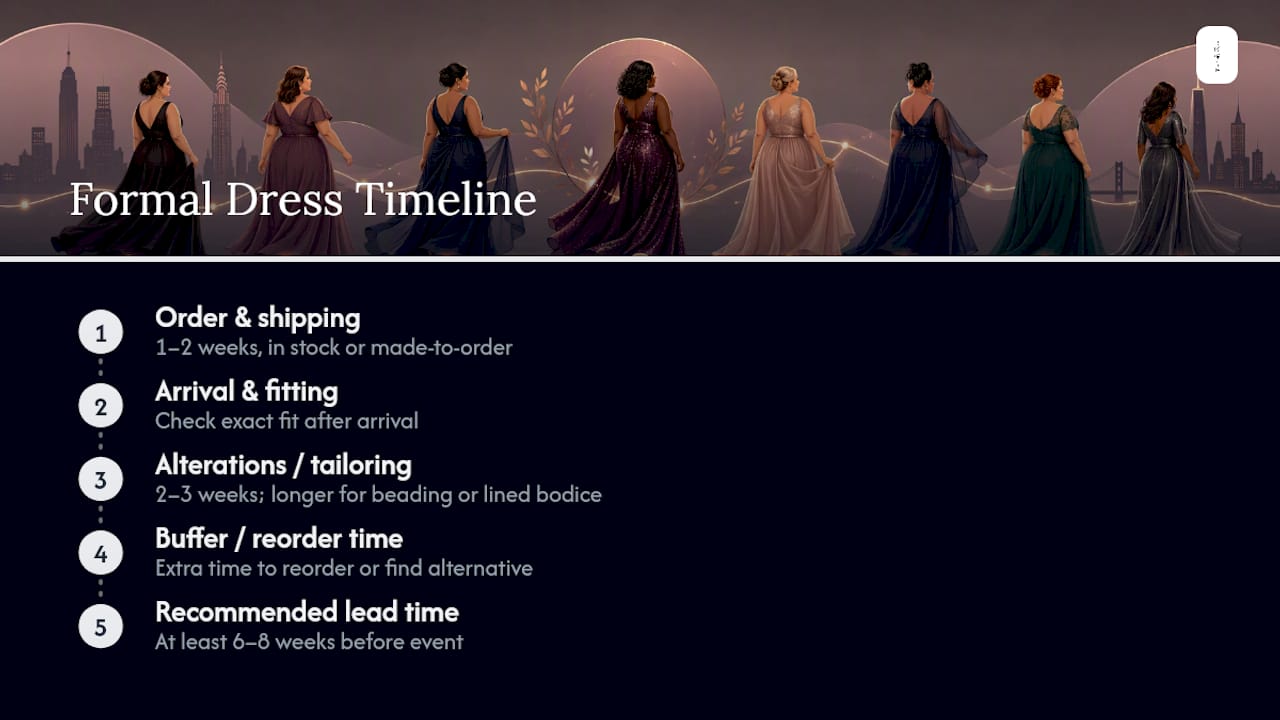
Building in a buffer matters just as much as the timeline itself. If your first choice doesn’t fit the way you expected, you’ll want enough runway to reorder or find an alternative without panic-buying the week before the event. Prom and wedding season both create demand spikes, so popular styles in extended sizes can sell out weeks before the actual event date. Ordering early isn’t just about avoiding stress, it’s about actually having options when you need them.
Why Fit-First Shopping Beats Trend-Chasing
The conventional advice on plus-size formalwear spends too much time on trends and not nearly enough on fit mechanics. Readers get told what’s “in” this season, oversized sleeves, bold color, a certain neckline, without ever being taught how to check whether a garment will actually sit right on their body. That’s backwards.
What the research behind this guide actually supports is simple: garment measurements matter more than size labels, and construction details like linings and stretch content matter more than whatever’s trending in a given season. A dress that photographs beautifully but gaps at the bust or clings in the wrong place isn’t a win, no matter how of-the-moment the silhouette is.
If you take one thing from this guide, prioritize checking real measurements against your own before anything else. Trend research is fun, but fit is what makes you feel good standing in a room full of people for four hours straight. That’s the order Dress Me Up NY’s curated, size-validated collections are built around, and it’s the order we’d recommend to any shopper starting from scratch.
— Dressmeup
Ready to Shop Plus Size Formal Dresses That Actually Fit?
Dress Me Up NY takes the guesswork out of plus-size formal shopping by pairing curated, size-validated collections with the fit resources covered throughout this guide, real measurements, fit notes, and styling advice organized by occasion instead of trend alone.
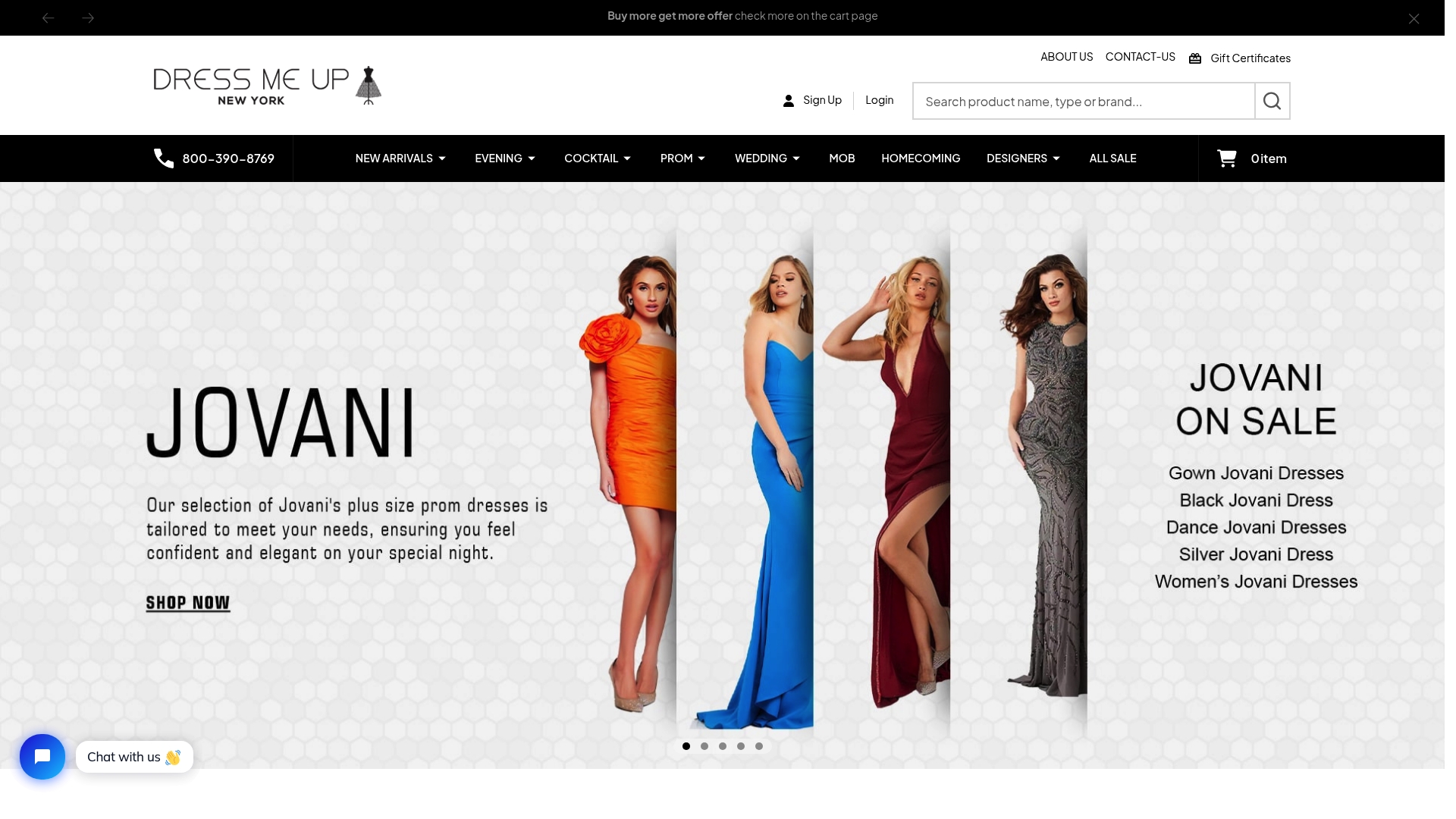
When you browse the collection, expect the same standards outlined above: detailed garment measurements, clear fabric content, and customer support ready to answer fit questions before you commit. Whether you’re shopping for a wedding this spring or a black tie gala on a tighter timeline, the goal is a dress that fits the first time, not after two rounds of returns. Browse Dress Me Up NY’s formal dress collection and start your search with fit as the first filter, not the last one.
Recommended
- Women’s Plus Formal Dresses: Style & Fit Guide 2026
- The Best Plus Size Formal Dresses: A Fit-First Style Guide
- Plus Size Formal Evening Gowns for Special Occasions
- Plus-size formal attire: find your perfect fit & style