
Plus Size Formal Dresses with Sleeves for Any Occasion
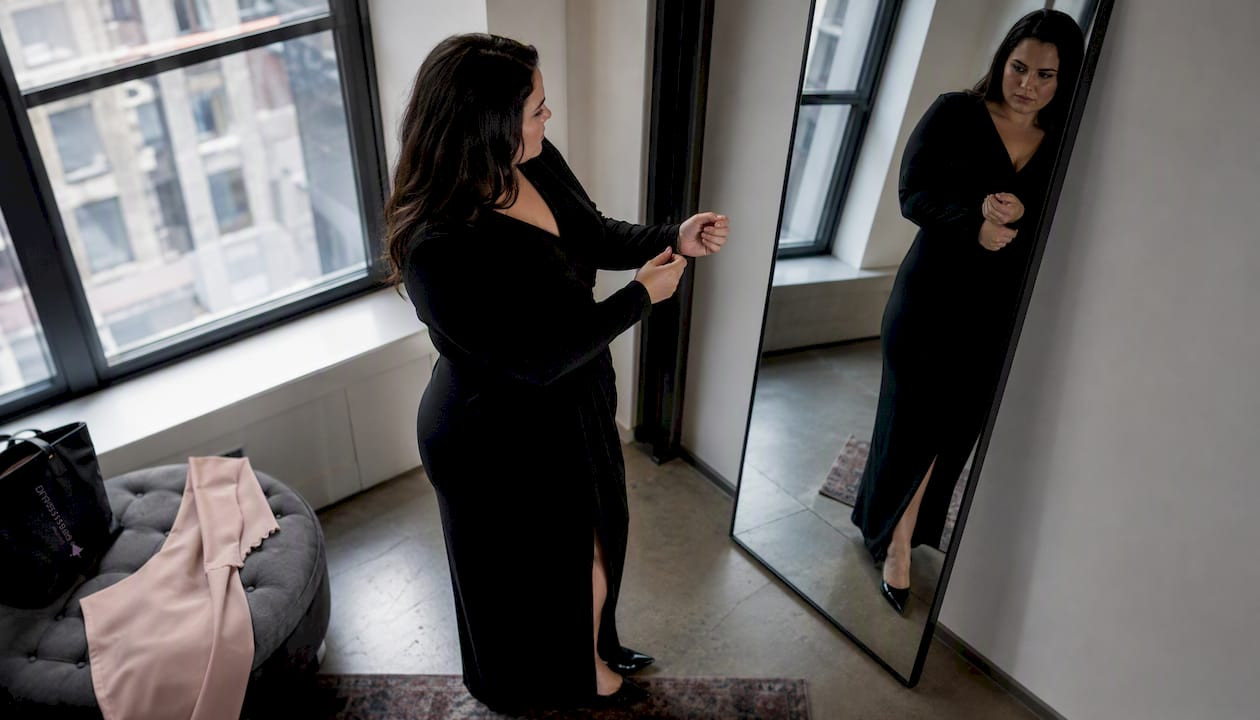
Plus Size Formal Dresses with Sleeves for Any Occasion
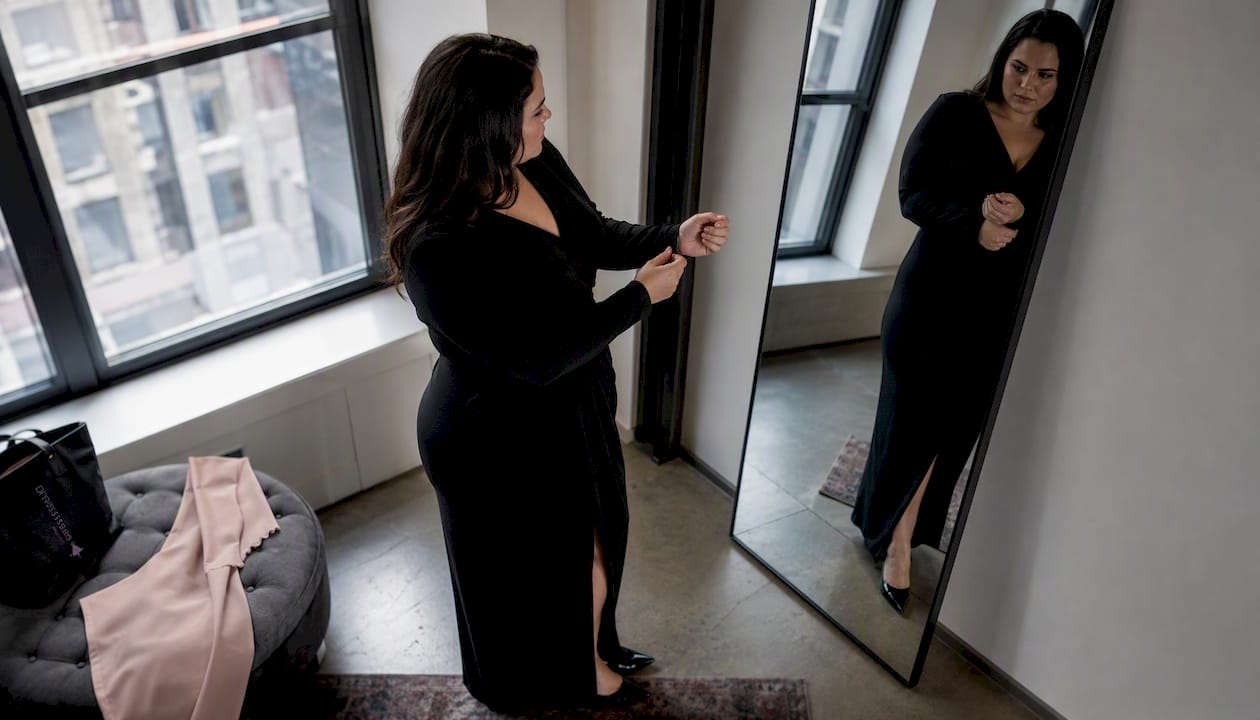
TL;DR:
- Choosing the right silhouette and sleeve style enhances fit and confidence for plus-size formal dresses.
- Proper measurement, supportive fabrics, and early planning ensure comfort and a polished appearance at events.
The safest, most flattering choices for plus-size formal dresses with sleeves are A-line and fit-and-flare silhouettes paired with long, 3/4, or illusion sleeves. These combinations balance proportions, provide coverage, and work across weddings, proms, and black-tie events. Here is how to get started right now:
- Measure first. Grab a soft tape and record your bust, waist, and hips before you look at a single product page. Accurate numbers are the only way to read a size chart correctly.
- Choose your silhouette by body shape. A-line for pear shapes, fit-and-flare for hourglass figures, empire waist for apple shapes. Silhouette does more for your look than any other single decision.
- Search Dressmeupny’s sleeved plus-size collection using your measurements and event type as filters. If you need personalized fit help, the site’s contact line is there for exactly that.
Table of Contents
- What sleeve styles work best for plus-size formal dresses?
- Which silhouettes flatter plus-size figures for formal events?
- What fabrics and construction details should you look for?
- How do you measure and read a size chart for plus-size formal dresses?
- What sleeve and silhouette pairings work for each occasion?
- What should you budget for, and how do you plan for shipping and alterations?
- Why Dressmeupny is a strong choice for sleeved plus-size formal dresses
- Key Takeaways
- The fit conversation nobody wants to skip
- Shop Dressmeupny’s sleeved plus-size formal collection
- Useful sources
What sleeve styles work best for plus-size formal dresses?
The five sleeve types that consistently deliver for plus-size formalwear are long sleeves, 3/4 sleeves, illusion sleeves, flutter sleeves, and cap sleeves. Each one does something different for your silhouette, and knowing which to reach for saves a lot of second-guessing on the product page.
Long sleeves are the go-to for full coverage and a clean, elongating line. They work especially well in stretch crepe or lace, which moves with you rather than pulling. For black-tie events, a fitted long sleeve reads polished and intentional.
3/4 sleeves hit just below the elbow, which is a flattering cut point for most arm shapes. They offer coverage without the warmth of a full sleeve, making them a practical pick for spring and fall weddings or indoor galas.
Illusion sleeves use sheer mesh or lace to create the visual impression of a sleeve while keeping the dress feeling light. They add formal detail without bulk, which is why they show up so often on mother-of-the-bride and black-tie styles. The sheer panel also lets you show a little skin without sacrificing coverage.
Flutter sleeves are soft and romantic. They skim over the upper arm rather than hugging it, which many shoppers find more comfortable than a fitted sleeve. They photograph beautifully at weddings and outdoor events.
Cap sleeves are the most minimal option. They cover the shoulder and just a sliver of the upper arm, adding a polished finish to strapless-style bodices without committing to a full sleeve. They work best when the bodice has structure, since the sleeve itself provides very little support.
One principle ties all of these together: a sleeve that cuts at the widest point of your upper arm will always feel tighter and look shorter than one that ends above or below it. When in doubt, go one sleeve length longer. You can always have a sleeve shortened; you cannot add fabric that was never there. Dressmeupny’s sleeve and fit guide shows each sleeve type on plus-size models so you can see the proportions before you buy.
Pro Tip: Before ordering, bend your arm at the elbow and check whether the sleeve measurement allows at least two fingers of ease at the bicep. A sleeve that fits flat on a hanger can feel restrictive the moment you reach for a dinner roll.
Which silhouettes flatter plus-size figures for formal events?
Silhouette choice matters more than numeric size when it comes to how a formal gown fits and feels. Here is a quick breakdown of the main options:
- A-line: Fitted through the bodice and flares gradually from the waist. Balances wider hips, creates a longer torso line, and works for almost every body shape. Best for wedding guests, mother-of-the-bride, and outdoor events where you need to move freely.
- Empire waist: The seam sits just below the bust, and the skirt flows straight down. Skims over the abdomen and hips with minimal structure. Great for apple shapes and anyone who wants comfort over contouring. Works well for garden weddings and semi-formal events.
- Fit-and-flare: Hugs through the hips and thighs, then flares at the knee. Defines an hourglass shape and photographs with a lot of drama. Best for proms and black-tie events where you want impact. Note: the fitted hip section requires accurate hip measurement.
- Sheath/column: Straight from shoulder to hem with minimal flare. Looks sharp and modern, especially in heavier fabrics like ponte or structured crepe. Works for black-tie and cocktail events. Requires the most precise sizing since there is nowhere for extra fabric to go.
- Wrap: A draped V-neckline and adjustable tie at the waist. Naturally accommodates size variation and is forgiving across bust and hip differences. Suits cocktail events and semi-formal weddings.
How sleeves interact with silhouette is worth thinking about before you commit. A structured long sleeve paired with a sheath skirt reads very polished and formal. A drapey flutter sleeve over an A-line skirt creates something softer and more romantic. Mixing a heavy structured sleeve with a voluminous ballgown skirt can overwhelm the frame, so keep one element bold and let the other play a supporting role.
What fabrics and construction details should you look for?
The fabric and what is built into the dress determine whether you feel supported and comfortable for a five-hour event or are tugging at the bodice by hour two.
Stretch crepe is the most reliable all-around fabric for plus-size formalwear. It has enough body to hold a silhouette, enough stretch to move with you, and it does not cling to every curve the way thinner fabrics do. Ponte is similar and slightly firmer, which makes it excellent for sheath styles that need structure.
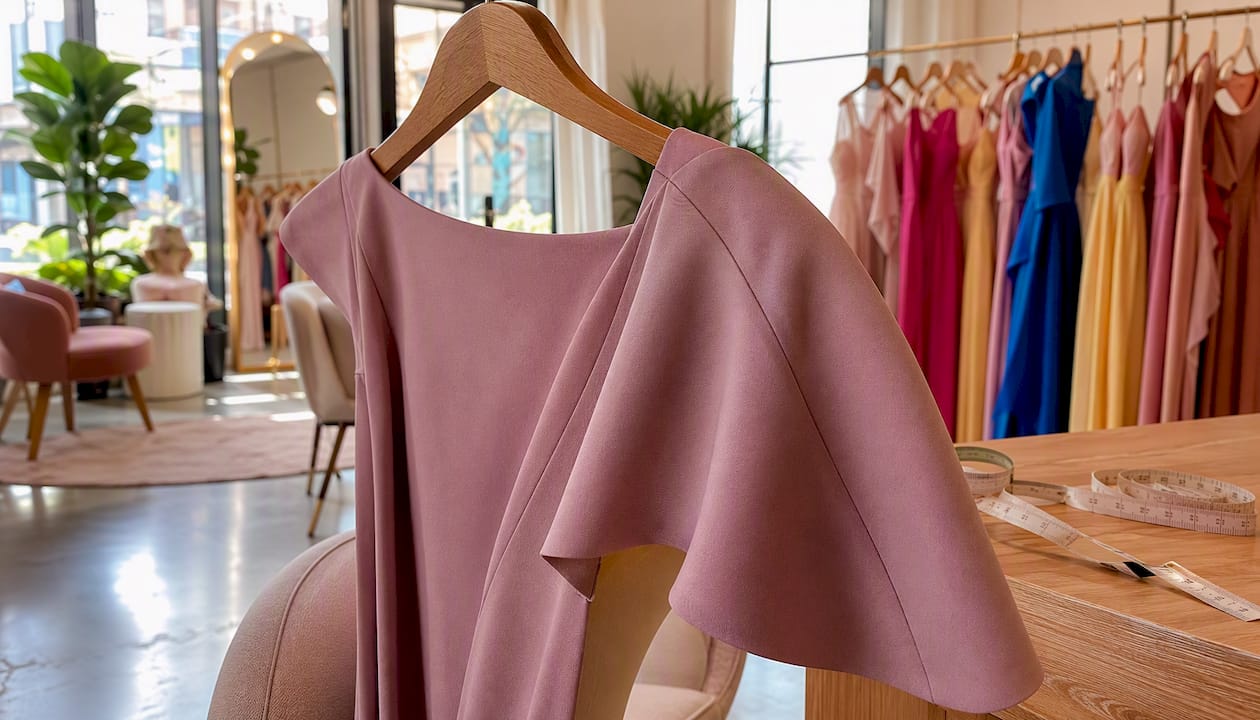
Charmeuse drapes beautifully but needs a full lining to prevent transparency and to give the dress shape. Without lining, charmeuse can look shapeless on a plus-size figure. Always check the product description for “fully lined” before buying.
Lace with a stretch backing gives you the formal texture of lace without the stiffness. The stretch backing also means the lace layer moves with the body instead of pulling at the seams. This is the construction to look for in long-sleeve lace gowns.
Tulle with a structured lining works for ballgown and A-line styles. The tulle layer creates volume and drama; the lining underneath does the actual work of supporting the silhouette and protecting your skin from scratchy fabric.
For construction details, the Dressmeupny style and fit guide specifically calls out lining, stretch panels, and built-in support as the features that make gowns wearable for plus-size shoppers. Look for these on any product page:
Beyond the bodice, check for a stable waistband or waist seam, side-seam pockets (a practical bonus), and stretch panels at the hips or back. A plus-size lace wireless bra with front closure worn under a dress without built-in support can also solve the undergarment problem cleanly, especially for open-back or low-back styles.
How do you measure and read a size chart for plus-size formal dresses?
Size labels are almost meaningless for formalwear. What matters is comparing your body measurements to the garment’s unstretched measurements, then adding ease. Here is the process:
- Bust: Measure around the fullest part of your chest, keeping the tape parallel to the floor.
- High bust: Measure just under your arms and above the fullest part of the chest. Use this number if you are between sizes and the dress has a structured bodice.
- Waist: Measure around your natural waist, the narrowest point of your torso.
- Low waist/abdomen: Measure about 3 inches below your natural waist. Many plus-size gowns are cut to this point rather than the natural waist.
- Hips: Measure around the fullest part of your hips and seat, usually 7–9 inches below the natural waist.
- Torso length: For full-length gowns, measure from your shoulder to the floor. This tells you whether you will need a hem alteration.
Standard plus-size garment charts show unstretched garment measurements, so you should choose a size that is 1–2 inches larger than your actual body measurements to allow for ease and comfortable movement. When your measurements fall between sizes, size up and plan for a minor alteration rather than squeezing into the smaller size.
Here is an example of how unstretched garment bust measurements map to sizes:
| Size | Garment Bust (unstretched) | Garment Waist | Garment Hip |
|---|---|---|---|
| 1X | 48" | — | 50" |
| 2X | — | — | 54" |
| 3X | — | 48" | — |
Source: example unstretched garment measurements from PlusbyDesign.com
Size priority rule: Match the largest of your three measurements first, then check whether the other two fall within the same size’s range. If your hips measure 54" and your bust measures 48", size to the hip (2X) and plan to have the bodice taken in slightly. That alteration is far simpler than letting out a seam that has no extra fabric.
If your bust and hips fall into very different sizes, a two-piece formal dress is worth considering. You can size the top and skirt independently, which often eliminates the need for any alteration at all.
What sleeve and silhouette pairings work for each occasion?
Wedding guest
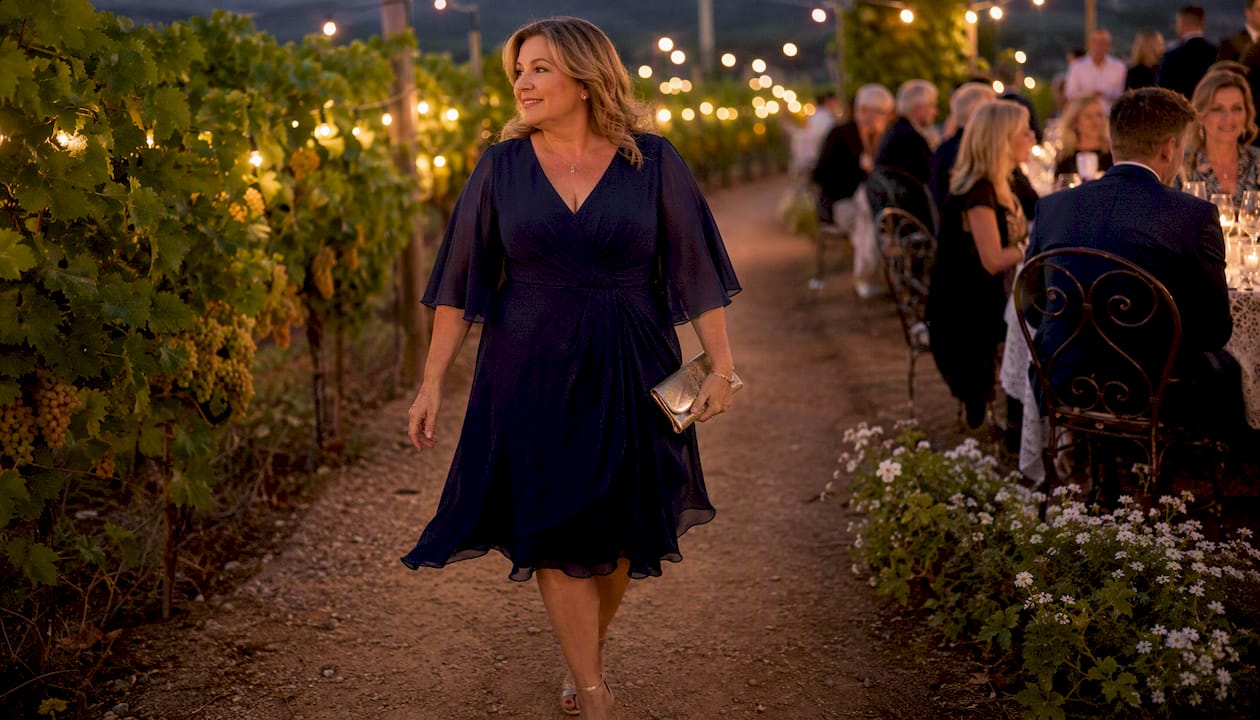
For a wedding, you want to look polished without upstaging the couple, and you need to be able to sit, stand, and dance for hours. An A-line or wrap silhouette in a 3/4 or illusion sleeve hits all of those marks. The 3/4 sleeve keeps you comfortable across temperature changes (ceremony to reception), and the A-line skirt gives you full range of motion. For outdoor or garden weddings, flutter sleeves in a soft chiffon or charmeuse add a romantic feel that suits the setting.
Prom
Prom calls for a little more drama. A fit-and-flare silhouette with a statement long sleeve or an embellished illusion sleeve photographs beautifully and creates a memorable entrance. Sequined or beaded long-sleeve gowns in A-line or fit-and-flare cuts are consistently strong choices. Make sure the sleeve has enough stretch to allow you to raise your arms for photos without pulling at the shoulder seam.
Black-tie and formal galas
Black-tie events reward structure and weight. A sheath or column gown in stretch crepe with a fitted long sleeve reads genuinely formal. Heavier fabrics like velvet or structured lace with long sleeves add the gravitas the occasion calls for. Keep the silhouette clean and elongating, and let the fabric do the talking.
Styling quick tips
- Jewelry: With long or illusion sleeves, keep bracelets minimal or skip them entirely. Statement earrings or a bold necklace work better.
- Shawls and wraps: If you want an extra layer, choose a wrap in the same fabric weight as the dress. A heavy brocade wrap over a light chiffon dress looks mismatched.
- Footwear: A pointed-toe heel lengthens the leg under a full-length gown. A block heel gives you stability for long events without sacrificing height.
- Neckline and sleeve balance: A high neckline with a long sleeve is a strong, covered look. Balance it with a lower back or a sheer panel somewhere to keep the dress from reading too heavy.
What should you budget for, and how do you plan for shipping and alterations?
Typical price ranges
- Budget ($50–$150): Polyester-blend fabrics, minimal lining, basic construction. Fine for one-time wear but may need more alterations to fit well.
- Mid-range ($150–$400): Better fabric quality, more likely to include lining and built-in support. This is where most shoppers find the best value for formal events.
- Designer/specialty ($400 and up): Premium fabrics, full construction, and often extended size ranges with more detailed fit notes.
Shipping and event planning timeline
- Order at least 6–8 weeks before your event. Standard US shipping typically takes 5–10 business days, but you need time for try-on and any alterations.
- Check the return window before you buy. Online retailers typically provide a return or exchange window that should be confirmed to cover your event date.
- Schedule your first alteration appointment 4–5 weeks out. Tailors book up quickly around prom and wedding season.
- Allow 2–3 weeks for tailoring before your event, as advised in Dressmeupny’s complete formal wear guide. Rush alterations cost more and leave less room for a second fitting.
Common alterations and what they involve
- Hem: The most common alteration for tall or petite shoppers. Budget $30–$80 depending on fabric and layers.
- Side seam take-in: Straightforward for most fabrics, more complex for lace or beaded gowns.
- Sleeve shortening: Simple on plain fabric, more involved if the sleeve has a finished cuff or lace edge.
- Built-in support addition: A tailor can add boning or a bra cup to a dress that lacks internal support.
Pro Tip: Book your alteration appointment the same day you order the dress. You can always cancel if the dress fits perfectly, but you cannot create a tailor’s availability from scratch two weeks before prom.
Why Dressmeupny is a strong choice for sleeved plus-size formal dresses
Dressmeupny specializes in women’s formal and special occasion dresses, with a catalog that includes elegant plus-size dresses with sleeves across evening gowns, prom styles, and wedding guest options. The site is built around making the shopping process feel manageable, not overwhelming, which matters a lot when you are trying to find a dress that actually fits.
Here is what you will find on the site that directly supports your shopping process:
- Clear US size charts with unstretched garment measurements, so you can compare your numbers directly to the dress dimensions.
- Model fit notes that tell you the model’s size and measurements, giving you a real-world reference point beyond the flat size chart.
- Customer photos and reviews that show how dresses look on actual bodies, not just runway samples.
- Live fit help and contact support for personalized sizing questions before you buy.
- Transparent shipping and return policy so you know exactly what your timeline looks like.
Before ordering, always check the model’s listed measurements against your own. If the model is a 1X and you are a 2X, look at how the dress fits across the shoulder and hip in the photo, then use that as a guide for whether to size up. Dressmeupny’s 7 key tips guide walks through this process in detail, including how to prioritize measurements and when to reach out for fit help.
Key Takeaways
Silhouette and sleeve choice, not dress size, determine how well a plus-size formal dress fits and flatters.
| Point | Details |
|---|---|
| Measure before you shop | Record bust, waist, and hips; compare to unstretched garment measurements and add 1–2 inches for ease. |
| Silhouette over size | A-line suits pear shapes, fit-and-flare suits hourglass figures; match silhouette to body geometry first. |
| Prioritize supportive construction | Look for full lining, built-in bra or boning, and stretch panels on any formal dress you consider. |
| Plan your alteration timeline | Order 6–8 weeks before your event and book a tailor immediately; allow 2–3 weeks for alterations. |
| Use Dressmeupny’s fit resources | Check model fit notes, US size charts, and customer photos on Dressmeupny before finalizing your size. |
The fit conversation nobody wants to skip
There is a tendency in formal dress shopping to treat size as the finish line. You find a dress you love, you pick your usual size, and you hope for the best. The truth is that size is just the starting point, especially for sleeved styles, where the sleeve length, bicep ease, and shoulder width all need to align with your specific proportions.
What we have seen, time and again, is that the shoppers who feel most confident at their events are the ones who took twenty minutes to measure carefully, matched those numbers to the garment chart, and then gave themselves enough time to get one small alteration done. A dress that fits your shoulders and skims your hips correctly does something no amount of styling can replicate. It lets you stop thinking about the dress and just be present at the event.
One stylist note worth keeping: when you are wearing a long or illusion sleeve, your jewelry and hair do more visual work than they would with a strapless gown. A simple updo or half-up style draws attention to your face and neckline, which is exactly where you want it. Let the sleeve be the quiet, polished detail it is meant to be.
Shop Dressmeupny’s sleeved plus-size formal collection
Dressmeupny’s sleeved plus-size formal collection gives you a curated starting point instead of a scroll through thousands of options. Every listing includes US size charts, model fit notes, and customer photos so you can shop with real information rather than guesswork.
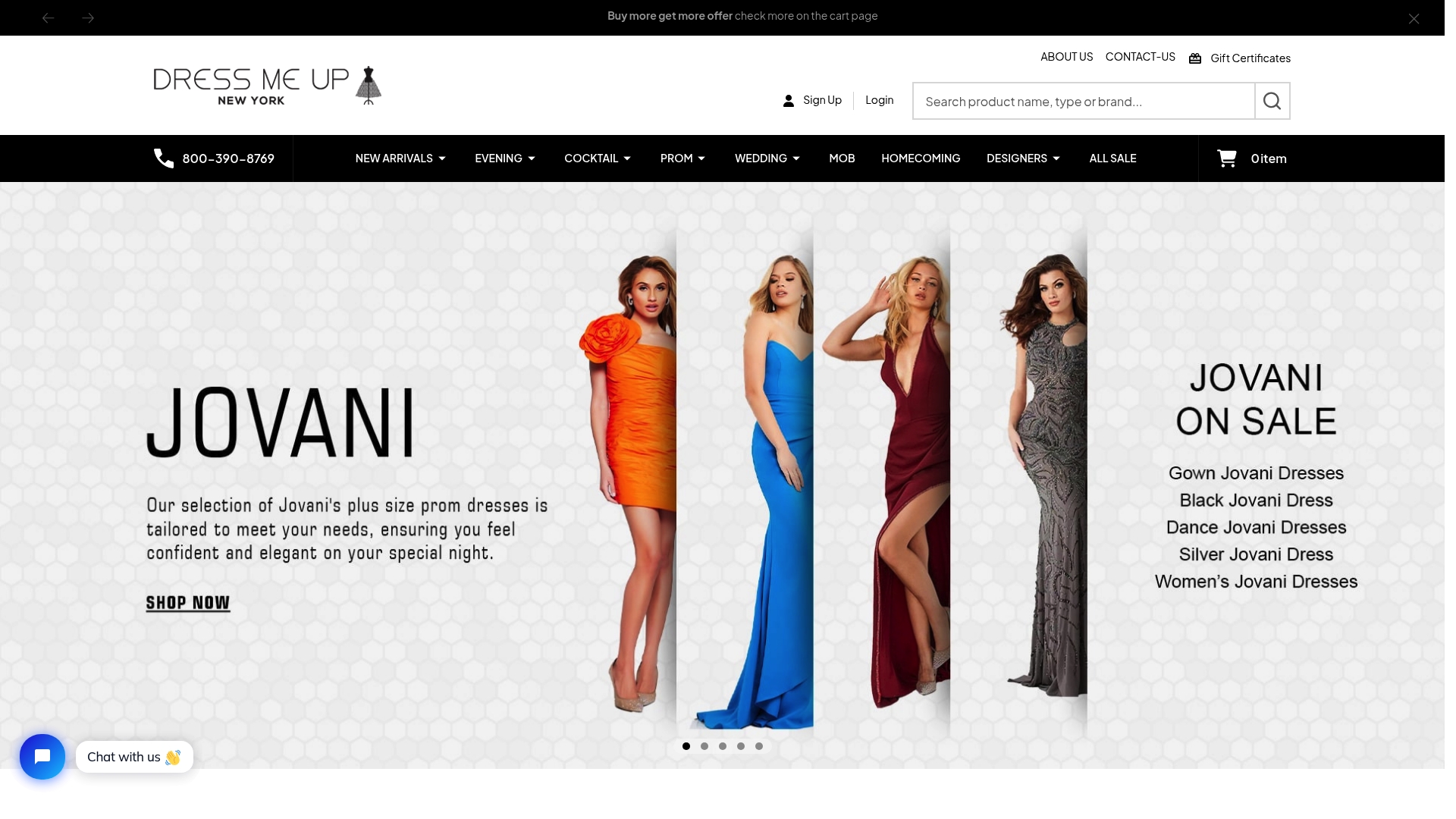
Here is how to find your dress in three steps:
- Go to the plus-size sleeved formal dresses collection page and filter by sleeve type (long, 3/4, illusion) and occasion (wedding guest, prom, black-tie).
- Open each product page and check the model’s measurements against your own. Read the fit notes and customer reviews for comments on sizing accuracy.
- Contact Dressmeupny’s fit team if you are between sizes or have questions about a specific style. The team can point you to the right size or suggest an alternative silhouette.
Shipping is available across the US, and the return policy gives you a window to try the dress at home before committing. Check the current policy on the site for exact timelines, since windows can vary by style. Order early, measure carefully, and you will walk into your event feeling exactly the way you planned.
Useful sources
These resources were used to build the recommendations in this guide. Each one covers a specific aspect of plus-size formalwear shopping:
- Plus Size Special Occasion Dresses with Sleeves That Flatter — Dressmeupny’s focused guide on sleeve types for plus-size formalwear, with product galleries and fit notes for each sleeve style.
- Women’s Plus Formal Dresses: Style & Fit Guide 2026 — Covers fabric recommendations, construction features to look for, and how to read model fit notes.
- 7 Key Tips for Choosing Plus Size Formal Gowns — Practical numbered tips for selecting gowns, reading size charts, and planning alterations.
- Complete Guide to Plus Size Formal Wear — Broad guide covering shopping timelines, alteration expectations, and formal dress categories.
- Two Piece Formal Dresses Plus Size: 2026 Style Guide — Explains when two-piece options reduce the need for major alterations and how to style separates.
Recommended
- Plus Size Special Occasion Dresses with Sleeves That Flatter - DressMeUpNY
- Understanding Plus Size Formal Dress Advice for Every Occasion - DressMeUpNY
- Plus Size Formal Dress Tips for Elegant Event Style - DressMeUpNY
- Plus Size Homecoming Dress with Sleeves: Style Guide - DressMeUpNY