
The Best Plus Size Formal Outfits for Every Occasion
The Best Plus Size Formal Outfits for Every Occasion
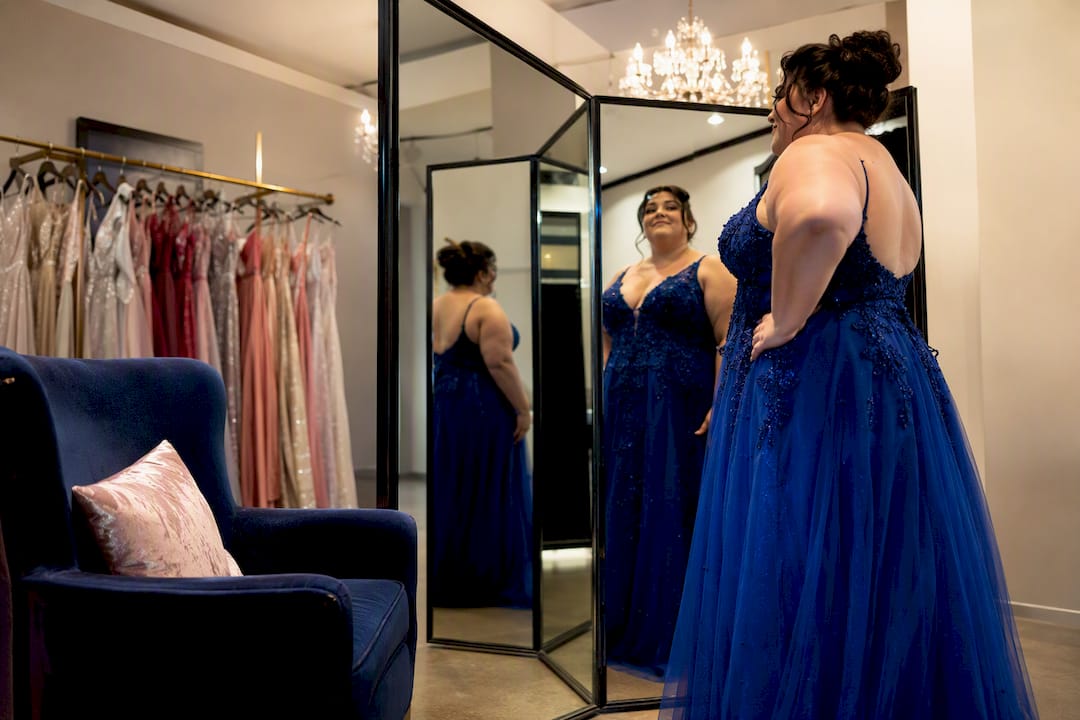
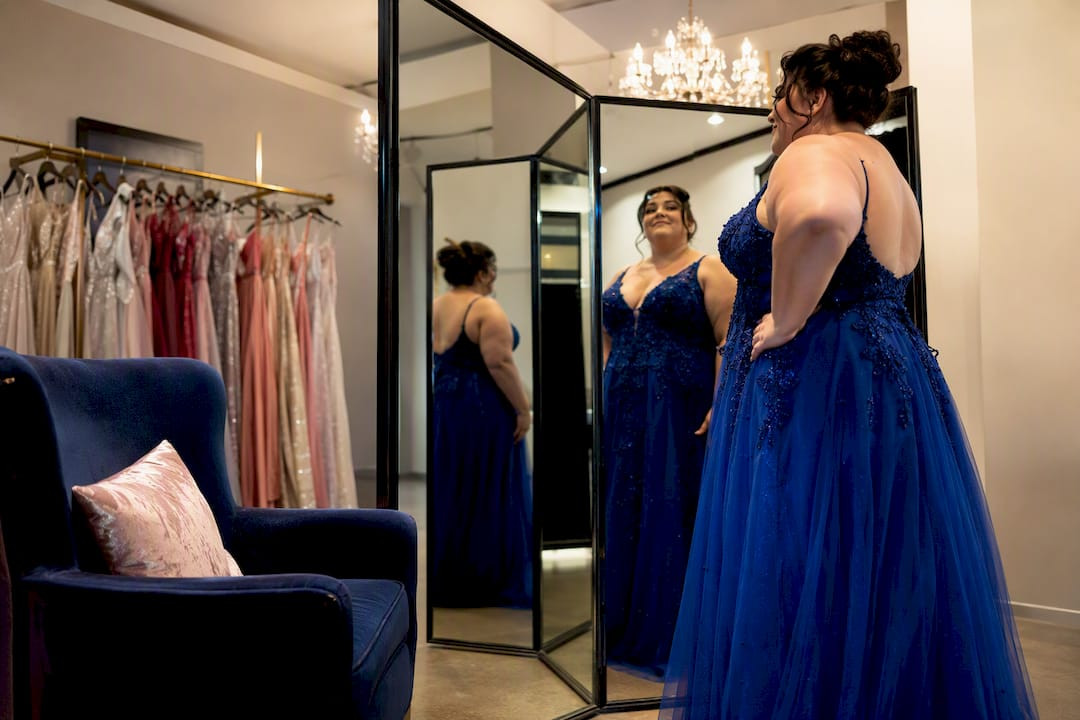
For most plus-size formal events, A-line, wrap/surplice, and empire silhouettes deliver the most flattering balance of fit and comfort. These three shapes define the waist, skim the hips, and move well whether you’re standing for photos or dancing all night. Mermaid and column gowns work beautifully too, but they ask more of your undergarments and your alteration budget.
Here’s your next move: check the event’s dress code first, since black tie calls for a different length and formality than a cocktail-hour wedding. Then get measured, because plus-size sizing varies more between brands than almost any other clothing category. Finally, build in time for tailoring. At Dressmeupny, we’ve built our whole catalog around this idea: fit comes first, style comes second, and the two should never fight each other.
- Check the dress code before you shop, not after.
- Measure your bust, waist, and high hip within the last month.
- Allow sufficient time for alterations once you’ve found the dress.
- Shop with a retailer that lists construction details, not just a size chart.
Key Takeaways
The most flattering plus-size formal outfits combine a body-matched silhouette, breathable structured fabric, and alterations booked at least three weeks in advance.
| Point | Details |
|---|---|
| Pick silhouette by event | A-line and wrap suit weddings and cocktail events; ball gowns and column suit black tie and prom. |
| Prioritize built-in support | Power mesh panels and built-in cups reduce the need for heavy separate shapewear. |
| Size up, then tailor | Sizing up and taking a dress in is easier than letting one out for a proper fit. |
| Book alterations early | Allow at least three weeks for alterations, and three to six months for major events. |
| Shop with Dressmeupny | Dressmeupny lists construction details and size charts on every formal dress in its catalog. |
Table of Contents
- Plus Size Formal Outfits: Silhouettes That Actually Flatter
- How to Choose the Right Formal Outfit for Your Body and the Event
- Fabrics and Construction Details That Flatter and Feel Comfortable
- Fit, Sizing, and Alterations: What to Expect and the Timeline
- Styling: Sleeves, Coverage, and Accessories That Finish the Look
- Where to Buy and How to Evaluate Online Retailers
- Color Choices and Patterns That Enhance Plus-Size Formalwear
- Footwear and Undergarments to Complement Your Formal Outfit
- Dressmeup Perspective: Fit and Confidence Matter More Than Trend
- Shop Dressmeupny: Curated Plus-Size Formal Dresses Made Simple
- Sources
Plus Size Formal Outfits: Silhouettes That Actually Flatter
Not every silhouette is created equal when it comes to curvier figures, and the difference usually comes down to where the fabric grabs your body versus where it skims past it. A-line and wrap styles get recommended again and again in plus-size formalwear guides, and for good reason: both define the waist while giving your hips room to move.
- A-line. The bodice fits close through the torso, then flares gently from the waist. It hides hip width without adding volume, and it works for nearly every formal occasion from prom to a courthouse wedding.
- Empire waist. The seam sits just under the bust, so the fabric skims everything below it. This is the most forgiving cut for anyone self-conscious about the midsection, and it pairs well with a higher neckline for coverage.
- Wrap or surplice. The V-neckline and crossover bodice create a diagonal line that elongates the torso. It’s flattering on nearly every body type and tends to photograph well from any angle.
- Fit-and-flare or mermaid. This shape hugs through the bust, waist, and hip before flaring at or below the knee. It shows off curves dramatically, but it demands more structure underneath and less wiggle room in the hem.
- Column or sheath. A straight vertical line from shoulder to floor. This works best with some structure built into the bodice since it offers less natural waist definition than an A-line.
- Ball gown. Full skirt, fitted bodice, maximum drama. This is the go-to for black-tie galas and prom, and the volume below the waist actually balances a fuller bust or midsection.
- Jumpsuit or two-piece set. A wide-leg jumpsuit with a fitted top gives you the formality of a gown with none of the skirt-management stress. It’s a smart pick for a semi-formal event or a rehearsal dinner.
Necklines matter as much as the overall shape. A V-neck or sweetheart draws the eye upward and elongates the neck, while a straight-across neckline can shorten it. Three-quarter or cap sleeves tend to flatter more arms than a fully sleeveless cut, though a wrap style with a strategic sleeve can do double duty as both coverage and shape.
Pro Tip: Stand in front of a mirror and turn sideways before you commit to a silhouette. Most formal photos are taken at an angle, not straight on, so the profile view matters more than you’d think.
For a wedding guest look or bridesmaid dress, A-line and wrap styles read as polished without upstaging the bride. Prom favors fit-and-flare or ball gown for the drama factor. Black tie almost always calls for floor length, whether that’s a column gown or a full ball skirt.
How to Choose the Right Formal Outfit for Your Body and the Event
Start with the dress code, because it does more work than most shoppers realize. Black tie means floor length, richer fabrics, and more formal embellishment. Cocktail attire shortens the hem and loosens the rules on sparkle. Semi-formal sits somewhere in between, giving you room to choose a midi length or a dressy jumpsuit.
Once you know the dress code, match the silhouette to your body’s proportions rather than a size number.
- Full bust: Look for a V-neck or wrap bodice with a supportive built-in structure, so the weight is carried by the dress and not just your straps.
- Defined waist: Almost any silhouette works, but a fitted waistband will show it off best.
- Fuller midsection: Empire waist, ruching, or a peplum detail can visually smooth this area without heavy compression underneath.
- Fuller hips: A-line or wrap styles balance hip width better than a column cut, which tends to highlight it.
Before you buy anything, run a mini test in the dress if you can. Sit down. Walk a few steps. Raise your arms above your head like you’re waving at someone across the room. A gown that binds across the shoulders or gaps at the bust in any of these positions will only get more uncomfortable over a six-hour event.
Pro Tip: If you’re shopping online, order the dress a few weeks before your event so a test-fit routine like this is still possible before your final alteration appointment.
Five questions worth asking before you commit to a formal dress:
- What is the actual dress code, and does this length match it?
- Does the bodice have built-in support, or will I need separate shapewear?
- Can I sit, walk, and raise my arms comfortably in this?
- How much fabric is there to let out or take in if alterations are needed?
- Does the color and pattern work under the venue’s lighting (indoor reception vs. outdoor ceremony)?
Fabrics and Construction Details That Flatter and Feel Comfortable
The fabric decides whether a dress skims your body or clings to it, and that single choice can make or break how confident you feel by hour three of a wedding reception. Chiffon and stretch crepe move with you and drape rather than grip. Mikado and satin hold structure well for a more sculpted silhouette, which works nicely in a ball gown or column cut. Jersey stretches for comfort but needs to be lined well, or it will show every seam underneath.
- Chiffon: Lightweight, floaty, forgiving on the midsection.
- Mikado: Structured with body, ideal for a clean A-line or ball gown.
- Stretch crepe: Drapes cleanly without clinging, good for column silhouettes.
- Satin: Polished and reflective, best paired with light shapewear underneath since it can highlight lines.
- Jersey: Comfortable and stretchy, best in a lined design so it doesn’t cling.
Construction details matter as much as the fabric itself. Quality plus-size evening designers build in steel boning, cups, and power mesh panels to shape and support the bodice without the discomfort of heavy compression garments underneath. Look for wider straps and reinforced seams at the bust and underarm, since these are the stress points that fail first on a long night out. Skip anything with thin, unlined satin through the midsection. It clings, and it tends to distort in photos taken with flash.
Fit, Sizing, and Alterations: What to Expect and the Timeline
Measure three points before you shop: bust, waist, and high hip (about an inch below your belly button). Do this within the last month, since weight and proportions shift, and compare your numbers against each brand’s specific size chart rather than guessing from your regular clothing size. Plus-size formalwear sizing varies more between labels than everyday clothing does.
- Size up when in doubt. It’s almost always easier for a tailor to take a dress in than to let it out, especially in structured fabrics like mikado or satin.
- Book your tailor early. Plan on at least three weeks for alterations on a floor-length gown, and give yourself three to six months from start to finish if the event is a wedding or major gala.
- Expect these common fixes. Hemming for your specific heel height, waist take-ins, bust adjustments, and strap shortening are the most requested alterations on formal gowns.
- Bring the right gear to your fitting. Wear the actual shoes and undergarments you plan to wear on the event day, since heel height changes hem length and shapewear changes how the bodice sits.
Pro Tip: Take a photo of your dress from the front, side, and back at each fitting. It’s much easier to spot a pull or a gap in a photo than in a mirror where you’re moving to check yourself.
Communicate clearly with your tailor about the event itself, not just the fit. Mention if you’ll be sitting for a long ceremony, dancing, or giving a speech, since those movements affect where a dress needs breathing room. A good tailor treats alterations as a normal part of the process, not a sign the dress didn’t fit right off the rack.
Styling: Sleeves, Coverage, and Accessories That Finish the Look
Sleeves and coverage pieces aren’t just about modesty. They’re proportion tools. A three-quarter sleeve balances a fuller upper arm, and a structured bolero or shawl adds polish while covering the shoulders for a religious ceremony or a cooler outdoor venue.
- Sleeves and boleros: Add these for coverage without hiding your waistline underneath.
- Structured jacket: A cropped blazer over a sleeveless gown reads formal and modern at once.
- Shawls: Best for temperature control rather than heavy coverage, and easy to remove once you’re inside.
On the shapewear question, built-in support inside the dress is often more comfortable than a separate compression layer, since power mesh panels and wider straps do the shaping work without squeezing your midsection all night. If your gown lacks that structure, choose a lighter shapewear layer over a heavy one. Comfort matters more at hour five than it does when you first zip up the dress.
Save accessory shopping for last, once the dress is finalized, and match jewelry scale to the silhouette. A column gown can handle a bold statement necklace, while a busy lace bodice needs something simpler. Pick a heel height you can actually stand in for hours, and choose a clutch over a shoulder bag for anything black tie.
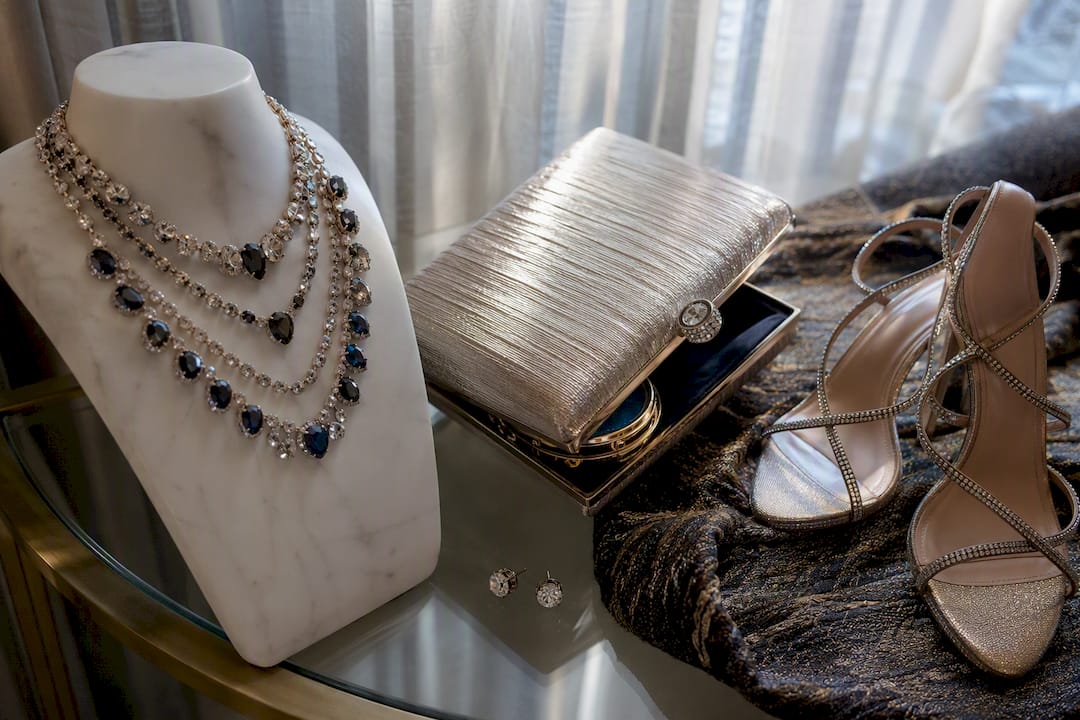
Pro Tip: If your dress has pockets, use them for your phone and lipstick instead of carrying a clutch all night. It’s a small detail, but it makes dancing a lot easier.
Where to Buy and How to Evaluate Online Retailers
A trustworthy product page tells you almost everything before you click “add to cart.” Look for a detailed size chart with actual measurements, not just S/M/L labels, along with the model’s height and size worn so you can judge fit realistically. Multiple photos, including back and detail shots, along with clear fabric and care information, all reduce the chance of an unpleasant surprise when the dress arrives.
- Full size chart with measurements, not just letter sizes
- Model height and size worn listed on the product page
- Multiple angles including back view and fabric close-ups
- Clear fabric content and care instructions
- Return policy that accommodates alterations already in progress
Watch for red flags too: vague fabric descriptions, only one product photo, or a return window too short to allow for a fitting. Dressmeupny lists these details on every formal dress in its catalog, alongside curated collections for galas and everyday formal occasions, so you can compare options without guessing at fit specifics.
Color Choices and Patterns That Enhance Plus-Size Formalwear
Deep, saturated colors like emerald, sapphire, burgundy, and black tend to read as more formal and create a smooth visual line that flatters most figures. Jewel tones photograph beautifully under both daylight and reception lighting, which matters more than people expect when half your event happens on camera.
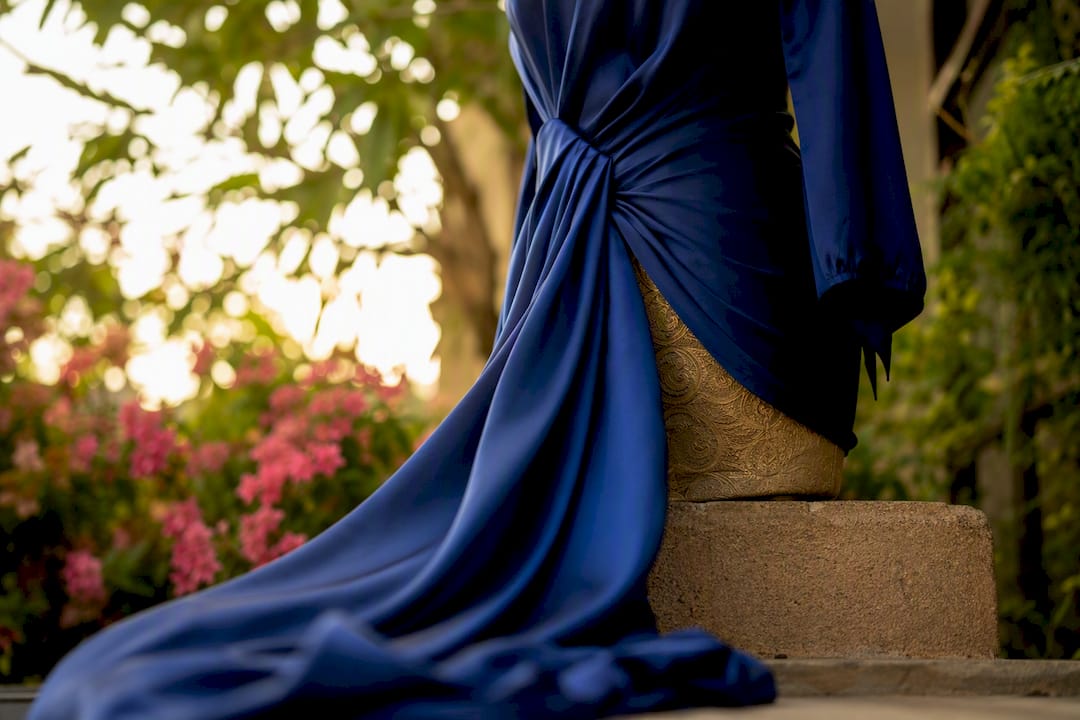
Pastels and lighter shades aren’t off-limits, but they work best in structured fabrics like mikado rather than clingy jersey, since lighter colors show every seam and pull more than a dark shade would. If you love a pastel for a spring wedding, pair it with a fabric that holds its shape.
Patterns can absolutely work for plus-size formalwear, but scale matters more than the pattern itself. A large-scale floral or an ombré effect tends to flatter better than tiny, busy prints, which can visually shrink the overall silhouette from a distance. A diagonal or asymmetrical pattern placement, like an ombré fade or a strategically placed lace overlay, draws the eye in a flattering direction rather than adding bulk.
Metallics and sequins deserve a mention for black-tie events, since a strategically placed shimmer, like an embellished bodice with a solid skirt, adds formality without overwhelming the whole look. Full sequin gowns can work beautifully too, just be mindful that heavier sequin fabric holds less stretch, so sizing up slightly is often the safer call.
If you’re drawn to a less structured maxi silhouette for a garden wedding or a beach ceremony, styles like this strapless patchwork maxi dress show how a relaxed, asymmetrical cut can still read as intentional and dressy rather than casual.
Footwear and Undergarments to Complement Your Formal Outfit
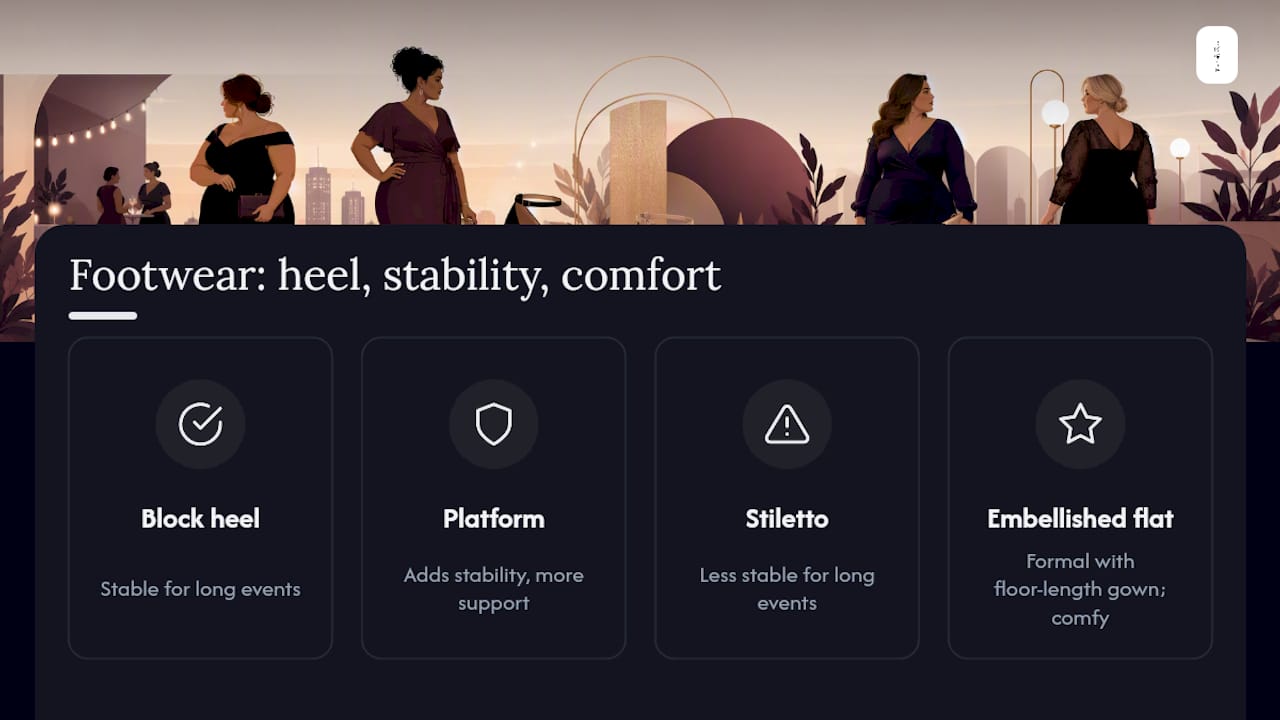
Your shoes affect your hemline more than almost any other decision you’ll make, which is exactly why bringing them to your alteration appointment matters so much. A block heel or platform offers more stability for a long event than a thin stiletto, especially if you’re standing through a ceremony or dancing for hours. If comfort is a real concern, a dressy block-heel sandal or an embellished flat can look just as formal as a heel when paired with a floor-length gown that skims the floor.
Undergarments deserve just as much planning as the dress itself. A well-fitted bra, ideally strapless or convertible depending on the neckline, changes how the entire bodice sits. If your gown has built-in cups or a corseted bodice, you may not need a bra at all. Check the construction before assuming you need to layer one underneath.
For shapewear, go lighter than you think you need if the dress already has built-in support like power mesh panels. A high-waisted brief or a light-compression slip works well under most silhouettes, while a full-body shaper can be overkill and genuinely uncomfortable for a multi-hour event. The goal is smoothing, not squeezing, since restrictive shapewear tends to create its own visible lines under fitted satin or crepe.
Dressmeup Perspective: Fit and Confidence Matter More Than Trend
Trends come and go, but a gown that fits your body on the day you wear it never goes out of style. We’ve watched countless shoppers fall in love with a dress online, only to discover the real transformation happens at the tailor. A well-placed take-in at the waist or a shortened strap can turn an off-the-rack gown into something that feels custom-made. Prioritize construction and fit first. The style will follow.
— Dressmeup
Shop Dressmeupny: Curated Plus-Size Formal Dresses Made Simple
Dressmeupny built its catalog specifically around the fit challenges this guide covers, so you’re not stuck reading between the lines of a vague product description. Every formal dress on the site lists construction details, size charts with real measurements, and fabric information upfront, and the return policy is built to accommodate the reality that alterations sometimes happen before you’re fully sure of a fit.
Whether you need a wrap gown for a wedding, a ball gown for prom, or something structured for a black-tie gala, Dressmeupny’s evening gown collection covers the silhouettes this guide walks through, and the sleeve and coverage guide goes deeper into styling options if you’re still deciding on coverage. Browse the current formal collection now and check sizing details on any dress before it sells out ahead of prom and wedding season.
Recommended
- Understanding Plus Size Formal Dress Advice for Every Occasion - DressMeUpNY
- Elegant Plus Size Clothes for Every Formal Occasion - DressMeUpNY
- Plus Size Formal Dress Tips for Elegant Event Style - DressMeUpNY
- Find stylish plus-size formal dresses that boost confidence - DressMeUpNY