
10–14 Weeks to the Right Plus Size Gown for Prom, Wedding, Black Tie
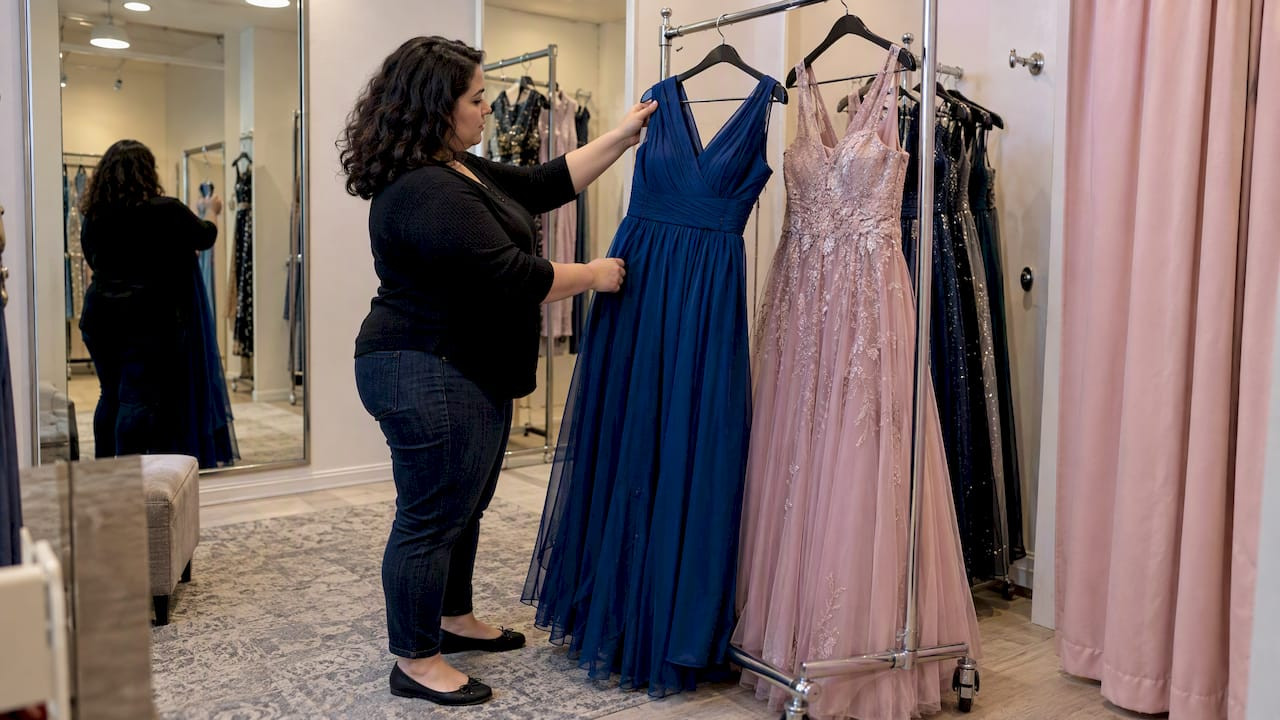
10–14 Weeks to the Right Plus Size Gown for Prom, Wedding, Black Tie

The easiest way to find a flattering plus size gown is to pick the right silhouette and shop with brands that draft patterns for curves, then check your measurements and seam allowance before you order. A-line, fit-and-flare, empire, and ball gown silhouettes tend to work beautifully across body types, and floor-length is the classic choice for black tie. Before you click buy, measure your bust, waist, and hips, confirm the brand’s size chart, and look for adjustable closures.
TL;DR:
- Choosing an A-line or empire waist silhouette generally offers the most flattering fit for a variety of plus size body types and occasions.
- Measure your high bust, full bust, waist, and low hip accurately and compare them to the brand’s size chart to ensure the best fit.
- Fabrics that drape and move, like crepe, jersey, and chiffon, flatter curves more effectively than stiff or heavily embellished materials.
- Alterations should start 10 to 14 weeks before the event to allow for fittings and precise adjustments, especially for complex changes like bust reshaping or corset construction.
- Shopping from brands that draft patterning specifically for curves and offer detailed fit and fabric information reduces the risk of fit issues and extensive post-purchase alterations.
Table of Contents
- Most flattering plus-size gown silhouettes and when to pick them
- How to choose the right silhouette and size for your proportions
- Fabrics, colors, and embellishments that flatter plus-size figures
- Fit, alterations, and timeline: what to expect when buying a plus-size gown
- Where to shop plus-size gown dresses online and how to filter effectively
- Styling and accessorizing plus-size gowns for formal occasions
- Common style mistakes to avoid in plus-size gown dresses
- Trend forecasting: current plus-size gown fashion trends
- Care and maintenance of plus-size gowns
- Dress Me Up NY perspective and fit expertise
- How Dress Me Up NY can help you find the right gown
- Sources
- FAQ
Most flattering plus-size gown silhouettes and when to pick them
Picking a silhouette is really about picking the shape that already agrees with your body, not fighting it into submission. A-line gowns nip in at the waist and flow out gently, which is why they flatter almost everyone. Empire waists sit just under the bust and skim past the belly, a relief if you want comfort without sacrificing polish. Fit-and-flare hugs through the waist and hip before kicking out near the knee, giving you curves and drama at once. Mermaid gowns go further still, tracing the body closely until a dramatic flare near the ankle, best suited to an hourglass shape confident with close fit. Ball gowns use a fitted bodice and a full skirt to balance a fuller bust or midsection, and sheath dresses skip structure altogether for a straight, slimming line that works best on straighter frames.
Your proportions point you toward your best match:
- Fuller bust: empire or A-line to avoid pulling at the bodice.
- Full hips: A-line or fit-and-flare to balance the waist and skirt.
- Apple shape: empire waist to skim the midsection.
- Hourglass: fit-and-flare or mermaid to follow your natural curve.
- Pear shape: ball gown or A-line to add volume above the hip.
Occasion matters too. Prom tends to welcome fit-and-flare or mermaid styles with more personality, while bridal and bridesmaid looks often lean A-line or ball gown for timeless photos. For black tie events, a floor-length gown in a luxe fabric is the safest bet, though a tailored jumpsuit or dressy midi can work at a less formal gala.
How to choose the right silhouette and size for your proportions
Four measurements do most of the heavy lifting when you shop plus size gown dresses online: high bust, full bust, waist, and low hip. High bust tells you how a bodice will sit on your frame, full bust determines cup fit, waist anchors where a seam should actually hit, and low hip decides how a skirt will fall over your widest point. Skipping any one of these is how gowns end up gaping at the chest or riding up at the hip.
Here’s a simple way to work through it:
- Measure yourself in well-fitted underwear, standing straight, using a soft tape.
- Compare your numbers to the brand’s own size chart, not a generic one.
- Look for language like “curve-specific” or “drafted for curves” in the product description.
- Study product photos and video for how the fabric moves across the hip and bust.
- Order by your largest measurement once the gown arrives, and plan ahead for alterations.
Brands that draft patterns specifically for curves, rather than simply scaling up a straight-size pattern, consistently reduce fit problems like bust gaping and misplaced waistlines. That single detail in a product description can save you weeks of alteration headaches.
Pro Tip: If your bust and hip measurements fall into two different chart sizes, order the larger size. It is always easier for a tailor to take fabric in than to add it.
Fabrics, colors, and embellishments that flatter plus-size figures

The right fabric does more shaping than most people expect. Crepe, drapey jersey, stretch satin, and chiffon overlays flatter plus size figures because they move with the body and create long vertical lines instead of adding bulk around the midsection. Heavier materials like dense sequins or stiff organza can look stunning but tend to add visual weight, so they work best paired with a structured bodice that keeps everything anchored.
A few rules of thumb when you’re comparing options:
- Choose solid jewel tones (emerald, sapphire, wine) for a slimming, elegant effect.
- Use tonal beading or lace rather than high-contrast patterns to avoid drawing the eye outward.
- Look for vertical embellishment lines, like a beaded center panel, to elongate the torso.
- Save heavier sequins or stiff fabrics for a fitted bodice paired with a flowing skirt.
Waist-defining details, like a beaded belt or a seamed bodice, do a lot of work on a curvy frame. Keep embellishment concentrated near the waist and neckline rather than scattered evenly across the gown, which tends to flatten the shape rather than define it.
Fit, alterations, and timeline: what to expect when buying a plus-size gown
Almost every formal gown benefits from alterations, and plus size gowns especially so, since bodies rarely match a standard grading pattern exactly. Here’s what typically needs adjusting and when to start:
- Taking in the waist and side seams for a closer, more tailored fit.
- Restructuring the bust or adding modesty panels if the neckline gapes.
- Adding a corset back or reinforced boning for support through a long event.
- Hemming and adjusting straps once your final shoes are chosen.
Common plus-size alterations like waist shaping, bust restructuring, corset backs, and hemming are best started 10 to 14 weeks before the event, according to bridal alteration specialists, with multiple fittings scheduled along the way. That timeline matters because bridal sizing often runs smaller than ready-to-wear, so ordering by your largest measurement and budgeting time for adjustments removes most surprises.
Cost varies widely depending on complexity. Moderate changes like hemming or seam adjustments sit at the lower end, while significant work such as bust restructuring or adding a corset back climbs higher, since it involves more fabric, more labor, and sometimes a second fitting just to check the new structure. If you’re weighing a modesty or lace panel addition, a partner guide on modest garment customization walks through how those additions typically get built into a bodice.
Once alterations are done, don’t just check the mirror standing still. A quick movement test, sitting down, walking a few steps, and climbing stairs in your actual event shoes, reveals tightness or hem issues that a static fitting simply will not show.

Where to shop plus-size gown dresses online and how to filter effectively
Shopping online for a plus size gown goes faster when you know exactly what to filter for. Start with the size range itself, then look for a linked measurement chart specific to that gown, not a generic brand-wide chart. Language like “curve-specific patterning” or mention of adjustable closures is a good sign the brand thought about fit beyond simple grading.
Watch for these red flags before you add anything to your cart:
- No measurement chart linked anywhere on the product page.
- No mention of seam allowance or how much fabric is available for alterations.
- A plain “plus size” label with no fit notes or model sizing details.
- Vague or missing return policy for formalwear.
Formal gowns often carry different return rules than everyday clothing, especially once beading, embellishment, or dry-clean-only fabric is involved, so read the return window carefully before you buy. Before checkout, confirm your measurements against the chart, get a rough sense of what alterations might cost, and look for customer photos if the listing includes them.
Styling and accessorizing plus-size gowns for formal occasions
The right gown deserves the right foundation. Structured shapewear or an internal corset works well under a fitted mermaid or fit-and-flare style, while a lighter smoothing piece is often enough under an A-line or empire waist that already skims the body.
A few more styling choices worth thinking through:
- Pair a short bolero or wrap with a strapless gown for coverage without hiding the waistline.
- Choose a long tailored jacket over a sheath gown for a sleeker, elongated line.
- Match jewelry to the neckline: a statement necklace with a sweetheart neckline, drop earrings with a halter.
- Pick a heel height and hem length you can actually walk and stand in for hours.
Pro Tip: Try your shapewear and shoes during your final fitting, not the morning of the event. Both change how the gown hangs.
For more outfit-building ideas across prom, wedding guest, and gala events, Dress Me Up NY’s guide to plus size formal outfits walks through complete looks piece by piece.
Common style mistakes to avoid in plus-size gown dresses
A few habits quietly undercut an otherwise great gown. The first is sizing down out of habit or hope. Formal gowns are not meant to be squeezed into, and a too-small size strains seams and distorts the silhouette far more than a properly fitted larger size ever would.
The second is over-accessorizing an already embellished gown. If the dress has beading, sequins, or a dramatic neckline, let it lead and keep jewelry minimal. The third is choosing a trendy silhouette because it photographs well on someone with a different body type, rather than picking what actually flatters your own proportions.
Another common slip is skipping the alterations budget entirely. Even a gown that fits well off the rack usually needs a hem or strap adjustment, and treating alterations as optional often means wearing something that is almost right instead of exactly right. Finally, many shoppers forget to test movement before the event. A gown that looks perfect standing still can restrict your stride or ride up when you sit, which is why a walk-through fitting matters as much as the mirror check.
Trend forecasting: current plus-size gown fashion trends
Plus size formalwear has shifted noticeably toward fabrics and cuts that were once reserved for straight sizes. Drapey jersey and crepe gowns with minimal structure are showing up more often at prom and evening events, prized for how they move rather than how heavily they’re built. Corset-style bodices, often with visible boning as a design feature rather than a hidden support, are pairing with fuller skirts for a dramatic but wearable silhouette.
Jewel tones remain dominant for evening and black tie, while softer, tonal beading has largely replaced heavy, high-contrast embellishment. Separates, a fitted top paired with a flowing skirt, are gaining ground for brides and bridesmaids who want a custom-feeling silhouette without a full custom build. Sleeves are also having a moment: long sleeves and dramatic bishop sleeves are appearing on gowns that once would have defaulted to strapless, giving curvy shoppers more coverage options without sacrificing formality.
Care and maintenance of plus-size gowns
A gown with more fabric, more embellishment, or a structured bodice needs a bit more care after the event. Most beaded or sequined gowns are dry-clean only, so check the garment label before attempting any at-home cleaning, and flag beading or delicate lace specifically for the cleaner so they handle it with the right process.
Store your gown on a padded hanger rather than a wire one, which helps prevent the shoulders or bodice from losing shape over time. A breathable garment bag protects against dust while still letting fabric air out, which matters more for structured or boned pieces than for simple jersey styles. If your gown includes a corset back or internal boning, avoid folding it tightly in storage, since creases near the boning can be difficult to steam out later. For gowns you plan to rewear or pass down, a light steam before storage and a yearly check for discoloration keeps the fabric in its best shape for years.
Dress Me Up NY perspective and fit expertise
We built our plus size catalog around one idea: fit should never be an afterthought. Every gown we carry is chosen with curve-specific patterning in mind, and our style and fit guide walks through sizing, silhouette, and alteration questions in more depth than a product page ever could.
Fit questions are important to consider before ordering to reduce returns. If you’re weighing a gala look specifically, our gala attire guide breaks down silhouette and fabric choices for that setting.
— Dressmeup
How Dress Me Up NY can help you find the right gown
A catalog organized by event and designer can help filter options to find gowns suited to your body and occasion, with support available for fit questions.
For readers planning a wedding season, our wedding category covers bridesmaid and wedding guest dresses sized with curves in mind, and our cocktail and party category covers jumpsuits and minis for less formal events.
| Occasion | Recommended category | Where to start |
|---|---|---|
| Prom or evening gala | Formal Gowns | Formal Gowns |
| Wedding guest or bridesmaid | Wedding Guest Dresses | Wedding |
| Quinceañera | Quinceañera Dresses | Quinceañera Dresses |
| Cocktail party | Cocktail Dresses | Cocktail and Party |
Browse our Evening Dresses collection to see the full range of plus size gowns sized and styled with your event in mind.
Sources
Fit guidance in this guide draws on Bloomsbury’s patternmaking research, black tie attire standards, and bridal alteration timelines. For deeper fit help, see Dress Me Up NY’s formal gown styling tips.
- Plus-Size Patternmaking for Womenswear (Bloomsbury)
- Theperfectwedding
- Altering a Plus Size Wedding Dress: What Every Bride Needs to Know - FittingMastery
FAQ
What silhouette is most flattering for a plus size gown?
A-line and empire waist silhouettes tend to flatter the widest range of body types because they skim the midsection while defining the waist. Fit-and-flare and mermaid styles work well if you want a closer fit through the hip and are comfortable with more structure.
How far in advance should I start alterations on a plus-size gown?
Most bridal alteration specialists recommend starting 10 to 14 weeks before the event, with several fittings scheduled along the way. This gives time for waist shaping, bust adjustments, or a corset back without rushing the final fit.
Should I order a plus size gown based on my bust or hip measurement?
Order by whichever measurement is largest on the brand’s size chart, since it’s far easier for a tailor to take a gown in than to add fabric. Bridal sizing commonly runs smaller than ready-to-wear, so this approach avoids most fit surprises.
What fabrics work best for plus-size formal gowns?
Crepe, stretch satin, drapey jersey, and chiffon overlays tend to flatter curves because they drape and move rather than add bulk. Heavier fabrics like dense sequins or stiff organza can still look beautiful when paired with a structured, fitted bodice.
Does Dress Me Up NY carry plus size gowns for weddings and galas?
Yes, Dress Me Up NY’s Formal Gowns and Wedding categories include plus size options for black tie, prom, and wedding guest occasions. Each product page includes sizing details to help you choose the right fit before you order.
Recommended
- Order 4–6 Weeks Early: Fit First Shopping for Plus Size Gala Gowns
- Order 4 to 6 Weeks Early: Two Piece Prom Dresses That Fit, Dress Me Up NY
- 5 Navy Two Piece Prom Styles and a 4 to 6 Week Buying Checklist
- 7 Tips for Choosing Flattering Plus Size Prom Dresses