
Stay Formal Without Overheating: Summer Formal Dress Code
Stay Formal Without Overheating: Summer Formal Dress Code
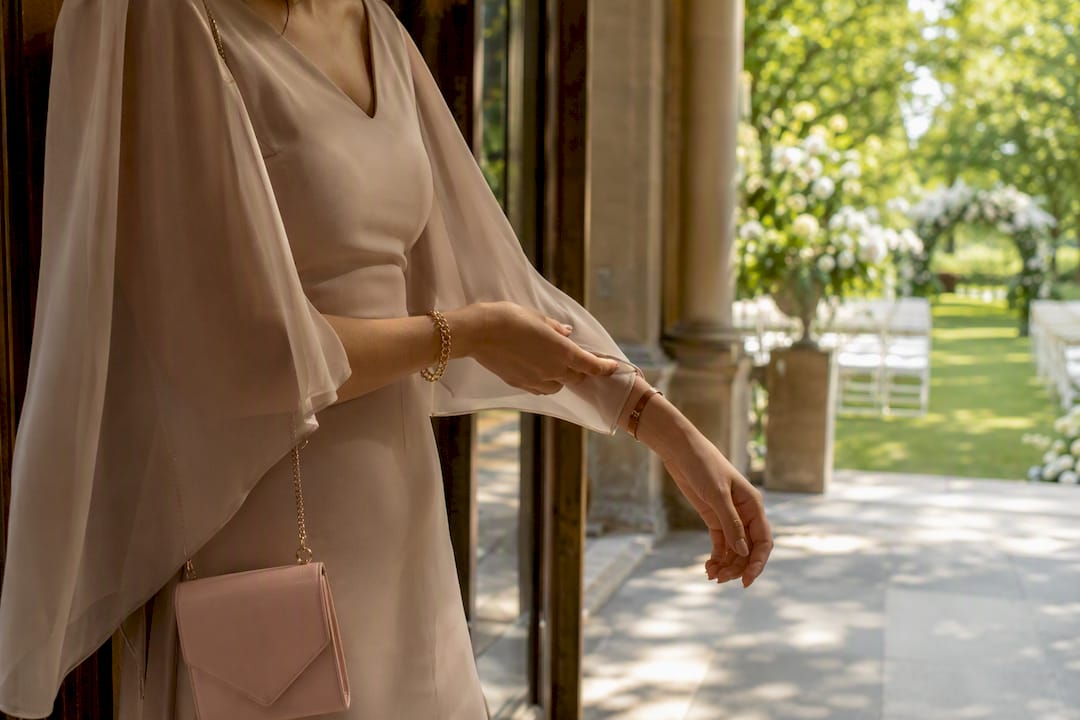
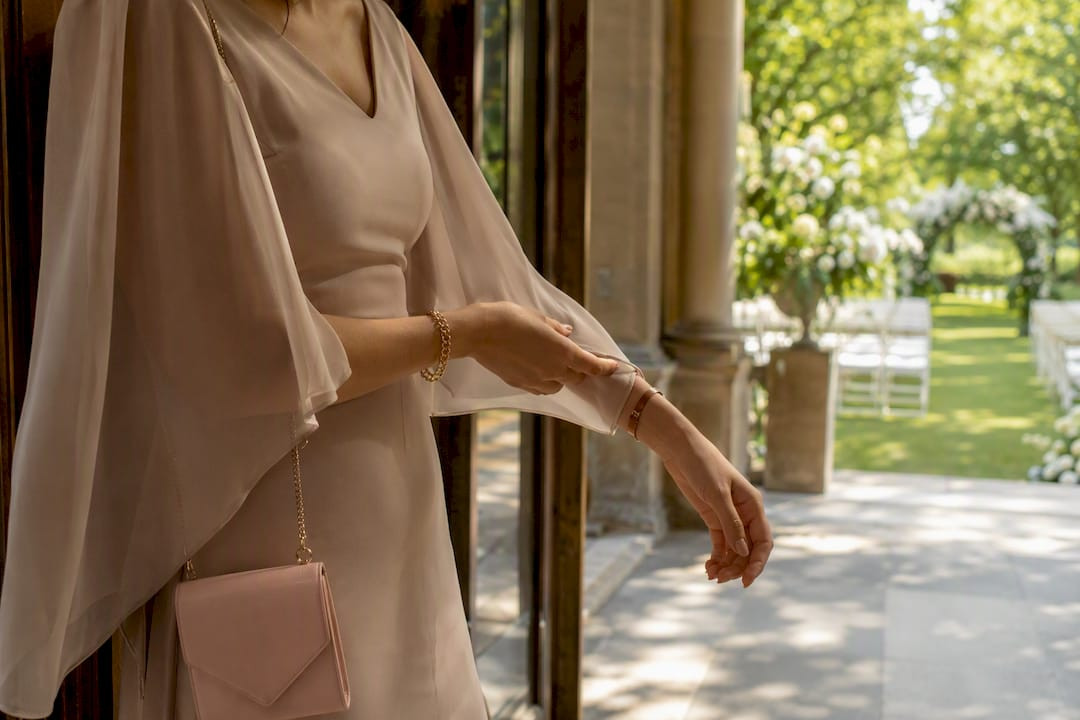
Summer formal means the same elegance level as classic formal, floor length gowns or tailored tuxedos, just built from lighter materials. The single biggest adjustment: swap heavy, lined fabrics for breathable ones like chiffon, silk, organza, or tropical wool, and pick shoes that can survive grass, sand, or a sun-baked patio. Get those two things right and everything else falls into place.
TL;DR:
- Lighter fabrics such as chiffon, silk, and organza are essential for staying cool while maintaining a formal appearance in summer weather.
- When the invitation says “formal,” women should opt for floor-length or midi dresses in breathable fabrics, and men should consider lightweight suits or tropical wool options.
- Footwear choices depend heavily on the venue, with block heels, wedges, or flats preferred for outdoor surfaces to prevent sinking or discomfort.
- Selecting colors and fabrics that suit the event timing—pastels and lighter shades for day, darker hues for night—helps balance formality and comfort.
- Avoid heavy embellishments, synthetic materials, or casual clothing like denim and athletic shoes to maintain appropriate dress etiquette and style standards.
Table of Contents
- What “Summer Formal” Means and How to Read the Invitation
- Women’s Options: Silhouettes, Fabrics, and Accessories That Keep You Formal and Cool
- Men’s Options: Tuxedos, Suits, and Tailoring Choices for Summer Formal
- Fabrics, Colors, and Prints That Look Formal but Breathe in Summer
- Footwear and Venue Logistics: Choosing Shoes That Stay Formal and Functional
- Adapting Formalwear for Heat and Evening Chill: A Practical Packing List
- Common Mistakes and Etiquette for Summer Formal Events
- Shopping Checklist: What to Check Before You Buy
- How Dress Me Up NY Helps You Shop for Summer Formal
- A Stylist’s Quick Checklist for Summer Formal Dressing
- Shop the Summer Formal Collection at Dressmeupny
- Sources
What “Summer Formal” Means and How to Read the Invitation
“Formal” on an invitation is not a suggestion. It’s essentially black-tie optional, which means floor-length gowns, a sophisticated cocktail dress, or a dressy pantsuit for women, and a tuxedo or a tailored dark suit for men. Where summer changes the equation isn’t the formality level. It’s the material and the palette.
Compare the tiers so you’re not guessing. White tie is the strictest: tailcoats and full-length ball gowns, rarely used outside galas. Black tie calls for tuxedos and long or tea-length gowns. Black-tie optional (often just called “formal”) gives men the choice between a tux and a dark suit, and gives women room to choose a gown or an elevated cocktail dress. Cocktail attire sits a notch below that: knee-length dresses, dressy separates, no gown required.
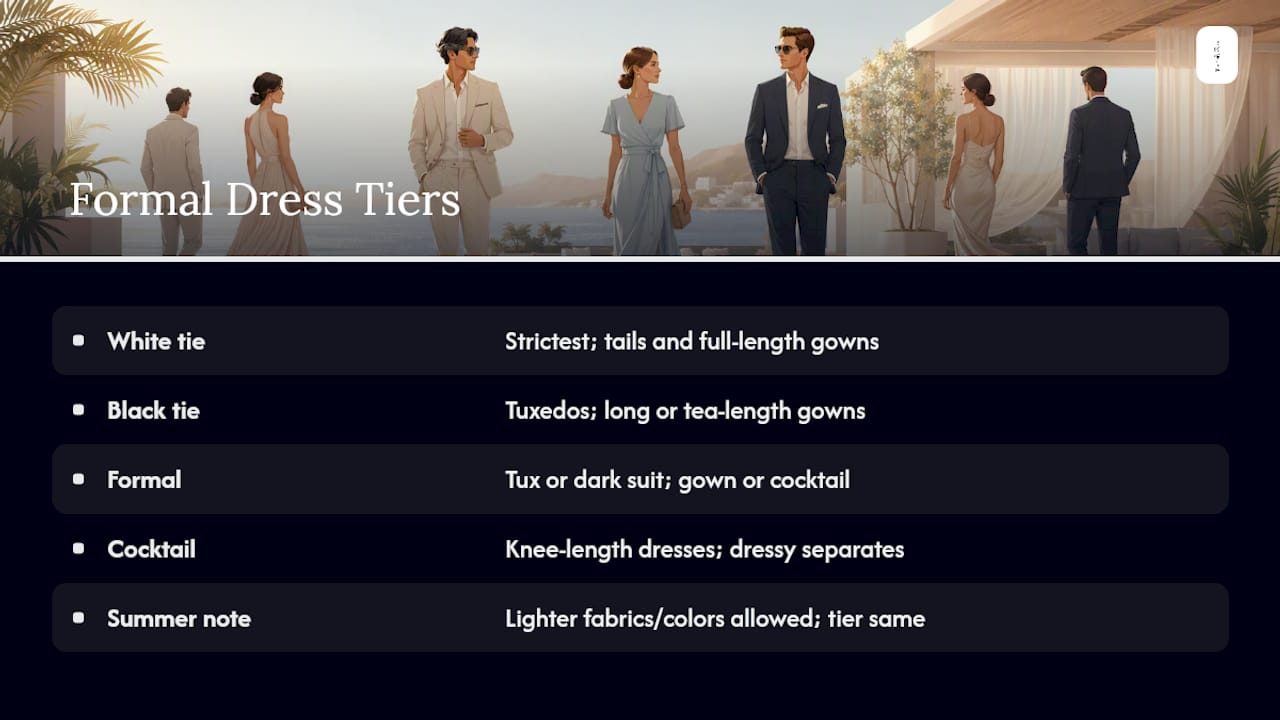
Seasonality genuinely shifts what a host expects. In summer, even a strict black-tie invitation often gets some flexibility, lighter fabrics and colors become acceptable, and hosts sometimes relax the code slightly if the venue is outdoors or the ceremony is in direct afternoon heat. Daytime formal events tolerate pastels and lighter tones more readily than evening ones, which still lean toward richer, deeper colors once the sun goes down.
The rule of thumb: if the invitation says “formal” and gives no other hints, default to a floor-length or elegant midi dress for women and a tuxedo or dark tailored suit for men, then adjust color and fabric weight based on whether it’s a 2 PM garden ceremony or an 8 PM ballroom reception. When the wording is vague, understanding what different dress codes actually require saves you from showing up in the wrong tier entirely.
Women’s Options: Silhouettes, Fabrics, and Accessories That Keep You Formal and Cool
You have more room to move than you might think, and all three main silhouettes can work depending on the event.
Floor-length gowns remain the safest choice for anything labeled formal or black-tie optional, especially for evening events. A gown in silk or chiffon reads just as elegant as a heavier satin version, minus the sweat.
Formal midis work well for daytime ceremonies or garden events where a full gown feels like overkill. A midi in organza or a structured but lightweight fabric hits the formality mark without the extra yardage trapping heat against your legs.
Dressy pantsuits have earned a permanent seat at formal events. A well-tailored, wide-leg suit in linen blend or lightweight crepe is not a compromise. It’s a legitimate alternative, particularly for outdoor venues where a long hem might drag through grass or sand.
Fabric does more work than silhouette when it comes to comfort. Chiffon, silk, and organza all move air instead of trapping it, and unlined pieces with natural drape outperform heavily structured, fully lined dresses every time in high heat. Breathable synthetic blends have improved enough that they’re worth considering too, especially in budget-friendly options where natural fibers alone would push the price up.
A few quick guidelines on cut:
- Halter and one-shoulder necklines keep coverage formal while exposing more skin to airflow than a high, structured neckline.
- Thin straps or a fitted bodice with a flowing skirt balance polish with breathability better than a fully boned corset top.
- Avoid heavy embellishment across the whole bodice. It adds weight and traps heat exactly where you need airflow most.
- Look for adjustable or removable straps if the dress will be worn through a hot ceremony and a cooler evening reception.
Accessories should follow the same logic: light, not loaded. A delicate metal clutch, simple drop earrings, and a silk wrap you can drape or shed as needed all pull more weight than a heavy statement necklace that just adds warmth to your neck and shoulders.
Pro Tip: Choose a block heel or wedge over a stiletto if there’s any chance the event includes a lawn, garden path, or sand. You’ll thank yourself the moment you step off the paved entryway.
If you’re still deciding between lengths, reviewing the different formal dress silhouettes side by side makes the choice a lot faster than scrolling endlessly through search results.
Men’s Options: Tuxedos, Suits, and Tailoring Choices for Summer Formal
A tuxedo is expected when the invitation says black tie or white tie, full stop. But when it says “formal” or “black-tie optional,” a well-tailored dark suit is genuinely acceptable, and in summer heat, it’s often the more comfortable choice without sacrificing the formality the event calls for.
Fabric and construction matter more than most men realize. Tropical wool and linen-wool blends hold their shape and drape like a classic suit fabric but weigh noticeably less and breathe far better than standard wool or polyester blends. An unlined or half-lined jacket makes an even bigger comfort difference than switching fabric categories entirely. A well-cut, unlined tropical wool jacket will keep you cooler than a fully lined jacket made from a cheaper natural fiber.
What to prioritize when building the outfit:
- Choose tropical wool or a linen-wool blend over pure linen alone if you want the suit to hold its shape through a long reception.
- Pick unlined or half-lined jackets whenever the venue is outdoors or the event runs through peak afternoon heat.
- Wear cotton undergarments instead of synthetic ones. Moisture management makes a bigger comfort difference than most people expect.
- Skip the vest if the dress code allows it. One less layer means noticeably less heat retention.
- Choose a lightweight dress shirt in cotton or a cotton blend, and avoid heavy poplin if you can find a lighter weave.
Footwear stays classic no matter the season: leather oxfords or derbies in black or dark brown. Suede loafers can work for slightly more relaxed formal events, but avoid anything with a rubber sole or an athletic silhouette, even if it’s technically dressy sneakers. Accessories should stay minimal: a leather belt matching your shoes, a simple watch, and a pocket square if you want a bit of color without overdoing it.
Fabrics, Colors, and Prints That Look Formal but Breathe in Summer
Not every fabric that photographs well in a gown or suit actually performs in July heat. The best-performing formal fabrics share one trait: they let air move.
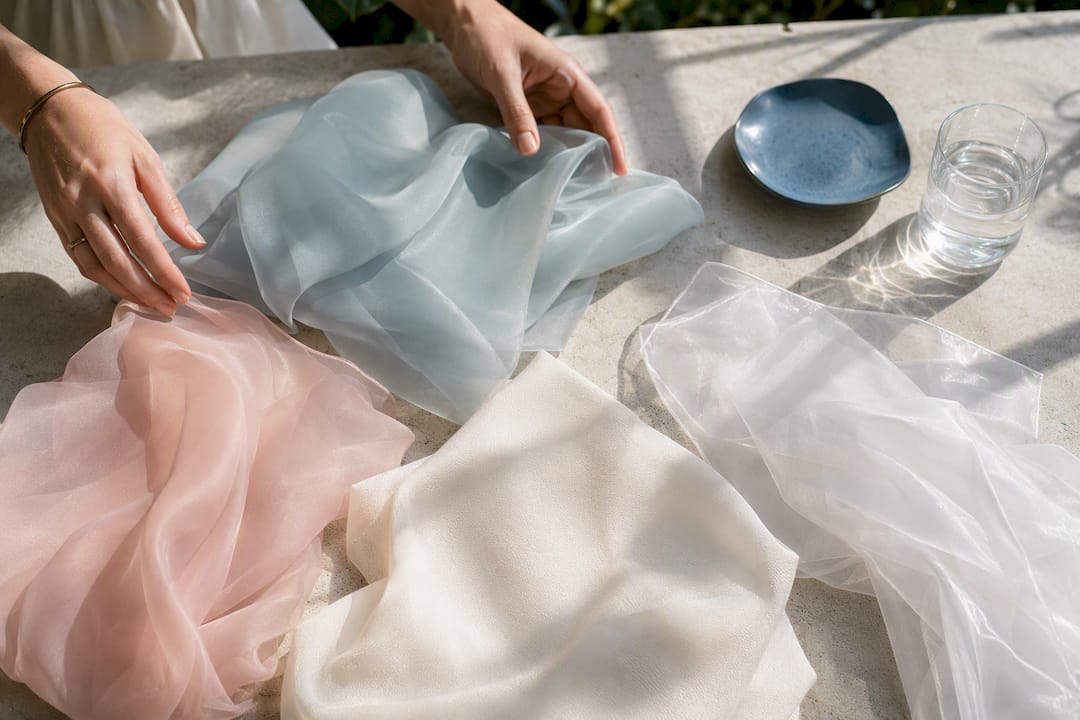
Best choices for summer formal: chiffon, silk, organza, linen blends for suiting, and lightweight wool for tailored pieces. Each one drapes or tailors cleanly while allowing airflow that heavier materials simply block.
Fabrics to avoid: velvet, heavy satin, cotton jersey, and denim all trap heat, wrinkle badly in humidity, or read as too casual for a formal dress code. Velvet in particular has no place at a summer event regardless of how elegant the color looks on the hanger.
What Style Editors Recommend: Fabric experts consistently point to chiffon, silk, organza, and linen blends as the standout performers for summer formal wear, pairing recommended colors like navy and black with seasonal pastels including sage, dusty blue, champagne, blush, and soft yellow.
Color follows a similar seasonal logic. Pastels and muted florals tend to work best for daytime formal events, while darker, richer palettes suit evening formality better once the sun goes down and the lighting shifts. Sage, dusty blue, champagne, and soft lavender all read as elevated without feeling heavy, and they photograph beautifully against outdoor summer backdrops. Navy and black remain safe, versatile choices for any time of day, particularly for evening receptions where a lighter color might feel underdressed once the formal dinner starts.
Quick reference for picking fabric and color together:
- Daytime garden or beach ceremony: pastel chiffon or organza, lightweight construction, minimal lining.
- Evening ballroom reception: navy or black silk, structured but not heavy, some embellishment is fine.
- Outdoor summer wedding with a cocktail hour that runs into dusk: a mid-tone color like dusty blue or champagne bridges both settings without looking out of place at either end.
If you want to see how this season’s palettes are actually showing up on the racks, browsing current formal trend picks gives you a faster read than guessing from a swatch card.
Footwear and Venue Logistics: Choosing Shoes That Stay Formal and Functional
Shoes fail more summer formal outfits than any other single choice, mostly because people pick for the dress and forget to check the ground.
- Ballroom or indoor venue: stilettos and thin heels work fine here. Hardwood, tile, or carpet won’t punish a narrow heel the way outdoor surfaces will.
- Garden or lawn ceremony: switch to a block heel or wedge. Thin stilettos sink into grass almost immediately, and there’s no elegant way to recover from that mid-ceremony.
- Beach or sand venue: go even wider at the base, or consider a dressy flat sandal. Heel protectors help but rarely solve the problem completely once sand gets involved.
- Cobblestone or uneven outdoor paths: a low block heel or a structured flat sandal beats any thin heel, no exceptions.
If your dress calls for a delicate heel and you can’t avoid soft ground, pack heel protectors or a backup pair of dressy flats in your bag. A well-made pair of embellished flat sandals can look just as formal as a heel when paired with the right gown length, and nobody at the reception is going to notice you swapped shoes halfway through the night.
Adapting Formalwear for Heat and Evening Chill: A Practical Packing List
Full formal doesn’t mean fully lined, structured, and layered like a winter gala. Unlined or half-lined jackets, breathable cotton or silk underlayers, and a removable outer piece let you dress the part without overheating before the ceremony even starts.
For evening chill once the temperature drops, pack a lightweight silk shawl or a linen blazer you can add without disrupting the formality of the outfit. Coastal and garden venues in particular can cool off fast after sunset, even during peak summer.
A short list worth packing regardless of venue:
- Blotting papers, useful for touch-ups before photos without redoing makeup.
- Heel protectors, especially if your shoes have a narrow base and the venue includes any grass or gravel.
- A small handheld or battery-powered fan, more useful than it sounds during an outdoor ceremony.
- Travel-size deodorant or antiperspirant for a midday refresh before the reception.
- A compact sewing kit for minor repairs, hems especially.
Pro Tip: Do a comfort run before the event. Wear the full outfit at home for about an hour in similar temperatures to your event to catch sweating, chafing, or creasing before it becomes a problem on the actual day.
Common Mistakes and Etiquette for Summer Formal Events
A few missteps show up again and again, and most of them are easy to avoid once you know to watch for them.
- Never wear white or ivory to someone else’s wedding, no matter how well it fits the summer palette. That color belongs to the bride.
- Skip denim, cotton jersey, athletic shoes, and neon colors entirely. They read as casual no matter how you dress them up, and they’ll stand out for the wrong reasons in every photo.
- Avoid anything overly flashy or attention-grabbing in cut or color. A formal event isn’t the place to pull focus from the couple or the host.
- When the dress code is genuinely unclear, ask the host directly rather than guessing. It’s a completely normal question, and hosts would rather clarify than have a guest show up mismatched.
- If you’re stuck between two options, lean slightly overdressed rather than underdressed. A formal dress code rewards a bit of extra polish far more than it forgives casual choices.
Understanding wedding guest etiquette in more depth helps if you’re attending multiple events this season with different hosts and different comfort levels around dress codes.
Shopping Checklist: What to Check Before You Buy
A few minutes of checking product details now saves you from a return, or worse, a last-minute alteration scramble the week of the event.
- Fabric composition: confirm it’s chiffon, silk, organza, or a breathable blend rather than polyester dressed up to look like something lighter.
- Lining details: unlined or partially lined pieces run cooler; fully lined gowns and suits trap more heat.
- Return and alteration policy: formalwear often needs hemming or minor adjustments, so know the window before you order.
- Model measurements: compare your own measurements against the listed model size rather than relying on the size label alone.
- Shipping windows: order early enough to allow for alterations, especially for floor-length gowns that almost always need hemming.
Use site filters for fabric type, lining, and formal length to narrow results fast instead of scrolling category by category, and check the plus-size sections directly if standard sizing runs don’t fit, most formal retailers keep those pieces in a dedicated collection rather than mixed into the main catalog.
How Dress Me Up NY Helps You Shop for Summer Formal
Finding the right piece gets a lot faster when a site is built around fabric and fit decisions instead of just trend photos. Many online retailers organize evening gowns, wedding guest dresses, and designer collections by category and length, enabling you to filter toward floor-length or midi options without browsing the entire catalog.
Blogs that provide fabric guidance and formal dress categories can work alongside the shopping catalog, allowing customers to learn about what chiffon or organza actually feels like to wear before committing to a purchase. That pairing, information plus a browsable catalog, cuts down on guesswork and returns.
A Stylist’s Quick Checklist for Summer Formal Dressing
When I’m helping someone plan an outfit for a summer formal event, I run through the same short checklist every time. I always choose a breathable fabric first, chiffon or silk over anything heavy or synthetic. I pack a lightweight layer for evening chill, even when the forecast says it’ll stay warm. And I always check the venue surface before locking in a heel height.
Here’s how that played out for a garden evening wedding I helped plan for recently: the invitation said formal, the ceremony was on grass at 6 PM, and the reception moved indoors after sunset. The pick was a champagne silk midi with a block heel sandal for the lawn ceremony, and a slim silk wrap tucked into the bag for the air-conditioned reception later. Nobody had to think twice about comfort, and the outfit read as formal from start to finish.
— Dressmeup
Shop the Summer Formal Collection at Dressmeupny
Many online retailers offer filtering options by fabric, length, and formal category, so instead of scrolling through every gown on the market, customers can find breathable, floor-length, and midi options suitable for warm-weather events.

Catalogs typically include evening gowns, wedding guest dresses, and designer collections, often with sizing details and fabric composition listed on product pages to help customers make informed purchases. If you’ve got a summer formal event on the calendar, start browsing the current collection at Dressmeupny and filter down to the fabric and length that fits your venue before availability on your size runs out.
Sources
- What to Wear to a Summer Wedding, According to Style Editors and Experts
- Your Complete Guide to Summer Wedding Guest Etiquette
- Decoding Wedding Dress Codes for the Modern Guest
- Every wedding guest dress code, explained
Recommended
- Master the formal chic dress code for special occasions
- Formal Evening Wear for Ladies: Style Rules That Matter
- Formal event attire 2026: 50% find trendy dresses under $150