
Teen public speaking: 7 confidence tips that work
Teen public speaking: 7 confidence tips that work
TL;DR:
- Most teens fear public speaking, but confidence builds through practice and audience focus.
- Structured programs and gradual exposure effectively develop communication skills and reduce nerves.
- Preparation, mindset shifts, and dressing for confidence enhance performance at events like prom and school presentations.
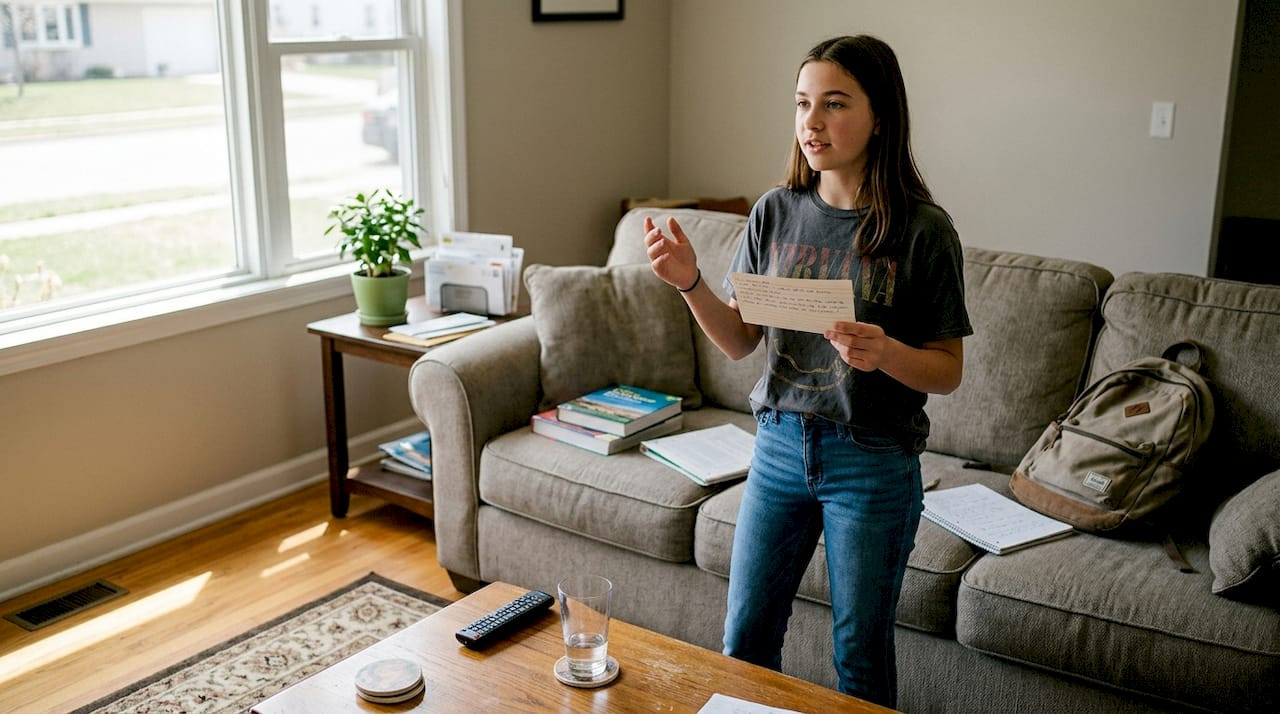
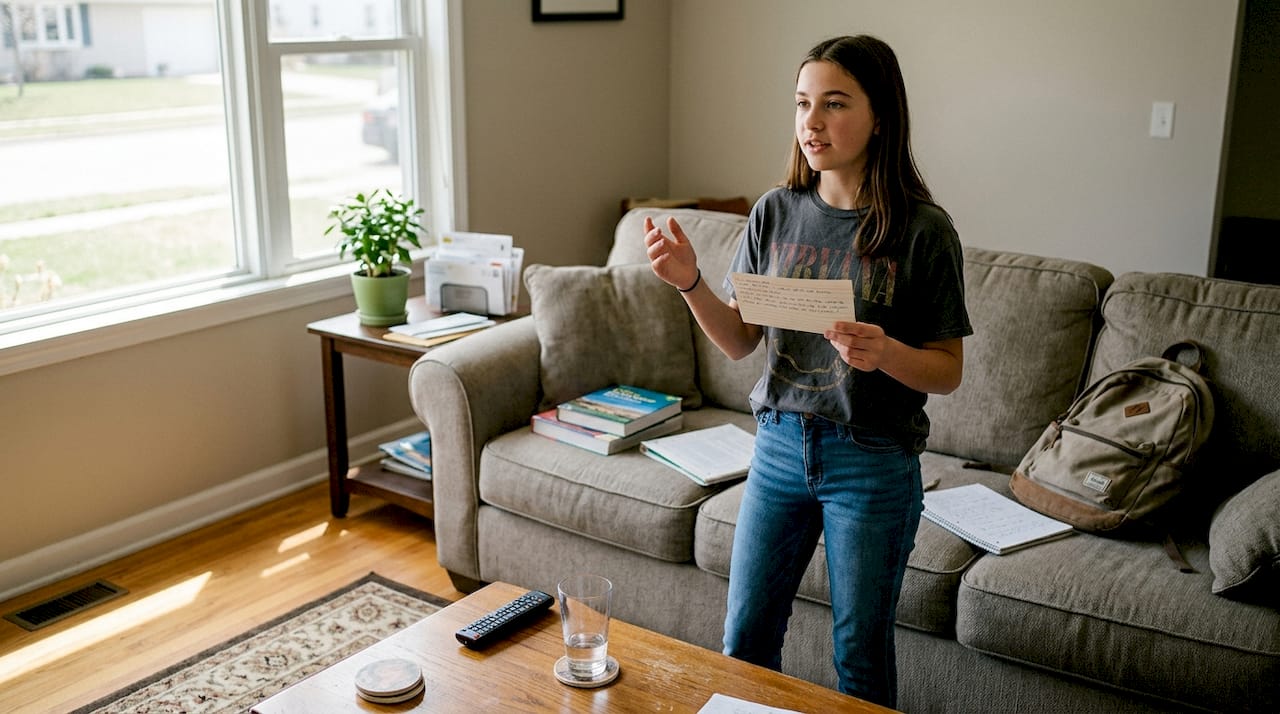
About 85% of teens fear public speaking, yet every year millions of students walk up to a microphone for prom speeches, class presentations, and graduation ceremonies. The good news? Confident speakers are not born that way. They practice, they learn, and they shift how they think about the whole experience. Whether you have a school presentation next week or a prom speech coming up, this guide gives you evidence-based, practical strategies to move from shaky nerves to genuine confidence. No fluff, no vague advice. Just real techniques that work.
Table of Contents
- Understanding public speaking fears and myths
- Proven techniques for building confidence
- Structured programs and skill-building environments
- Application: Preparing for prom speeches and school presentations
- What most guides miss about teen public speaking
- Take your event preparation a step further
- Frequently asked questions
Key Takeaways
| Point | Details |
|---|---|
| Overcome nervousness | Most teens fear public speaking, but anxiety can be managed with evidence-based methods. |
| Build confidence gradually | Start small—mirror practice, friends, then presentations—and seek feedback for improvement. |
| Structured support works | Youth programs like Toastmasters YLP and 4-H accelerate skill gains and self-efficacy. |
| Focus on your audience | The most powerful speeches serve audience needs and connect through empathy and relatability. |
| Preparation is key | Clear structure, storytelling, and smart attire prepare teens to shine at prom and school events. |
Understanding public speaking fears and myths
Building on that opening reality check, let’s get into why public speaking feels so terrifying and how you can start shifting your mindset today.
First, know that you are not alone. 85% of teens fear public speaking, and researchers confirm that reframing anxiety as excitement is one of the most effective early steps. Your racing heart and sweaty palms are not signs of weakness. They are your body preparing you to perform. The trick is learning to use that energy instead of fighting it.
There are also some stubborn myths that make this harder than it needs to be:
- Only extroverts can be great speakers. False. Many of the world’s most compelling communicators are introverts who learned to channel their thoughtfulness into powerful delivery.
- One mistake ruins your whole speech. Also false. Audiences barely notice small slip-ups. What they remember is your energy and your message.
- You either have it or you don’t. Wrong again. Public speaking is a skill, not a talent. Skills are built through practice.
- Confidence must come before you speak. Confidence actually builds through speaking, not before it.
One of the most powerful tools for managing speaking anxiety is gradual exposure. That means starting small, maybe practicing in your bedroom, then moving to a friend, then a small group, and eventually a full audience. Each step makes the next one feel less scary.
Cognitive behavioral therapy, or CBT, is a structured approach that helps people challenge and change unhelpful thought patterns. Research shows that CBT increases gaze toward audience faces in socially anxious teens, which is a real sign of growing comfort and connection with the room. You do not need a therapist to borrow from CBT principles. Simply catching yourself thinking “everyone will laugh at me” and replacing it with “most people want me to succeed” is a CBT move.
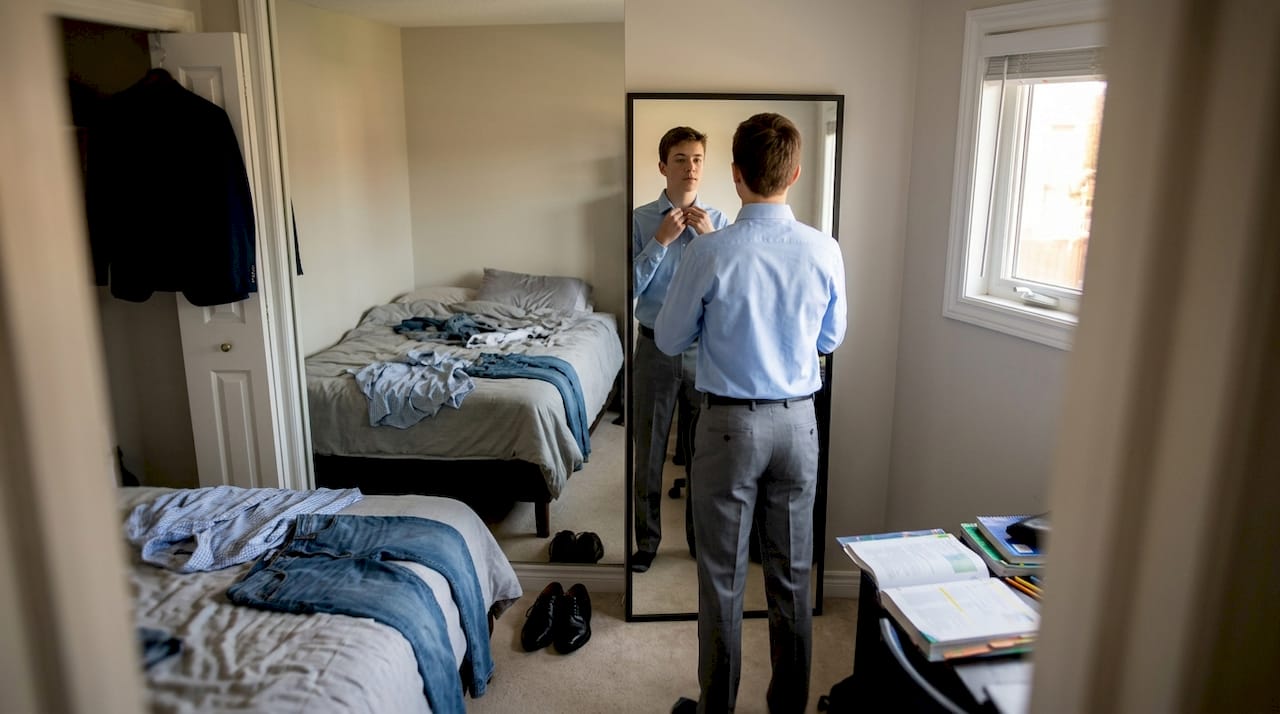
Another underrated factor is how you feel in your own skin before you even open your mouth. Research on dressing for confidence shows that what you wear genuinely affects how you carry yourself. When you feel put together, you stand taller and project more authority. That matters, especially for high-stakes moments like prom.
Proven techniques for building confidence
Now that you understand the roots of anxiety, let’s turn to practical methods you can start using right away to build your confidence.
Here is a step-by-step approach that actually works, backed by research:
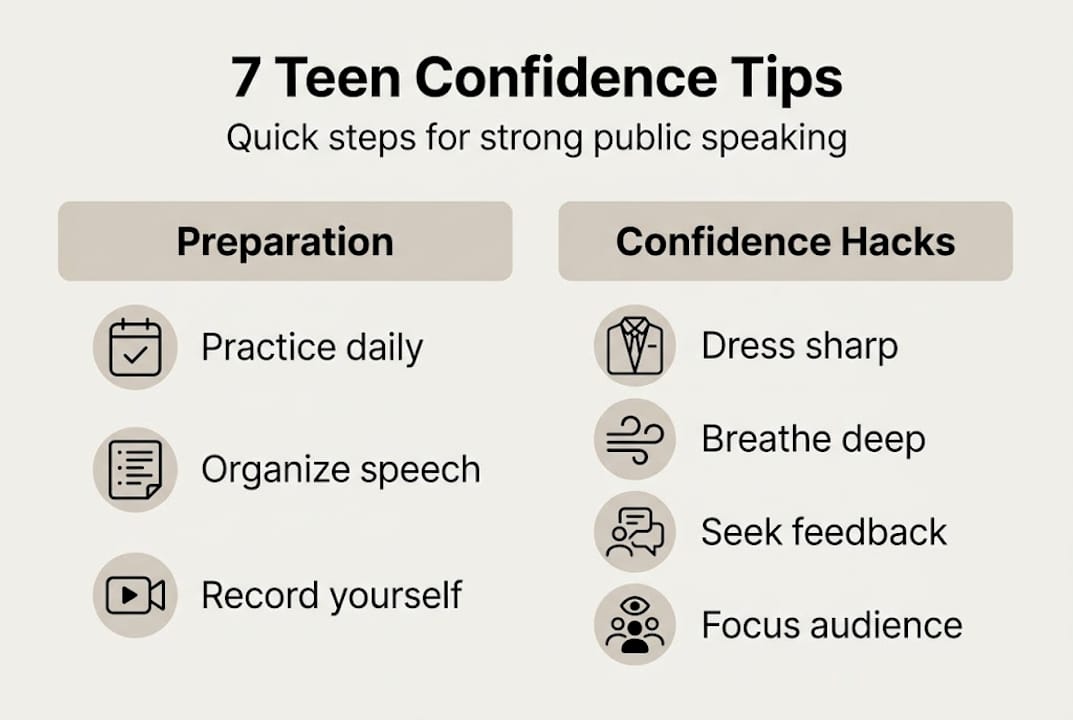
- Practice alone first. Stand in front of a mirror and deliver your speech out loud. Watch your facial expressions. Notice your posture. Mirror rehearsal, open body language, and deep breathing are among the most effective techniques for student speakers.
- Add an audience gradually. Once you feel okay alone, practice in front of a sibling, a parent, or a close friend. Ask them to listen without interrupting.
- Get specific feedback. Vague encouragement like “that was great” does not help you improve. Ask your listener: “Was my opening clear? Did I speak too fast?” Peer feedback improves self-efficacy in 80% of students, which means structured feedback is not optional. It is essential.
- Use power poses before you speak. Stand with your feet shoulder-width apart, hands on hips, chin up. Hold it for two minutes before you go on. It sounds simple, but it genuinely shifts how confident you feel.
- Smile on purpose. Smiling signals safety to your brain and warmth to your audience. Even a small smile at the start of your speech changes the whole tone.
“Preparation is the single biggest predictor of speaking success. The more you rehearse, the less your brain has to improvise under pressure.”
Pro Tip: Record yourself on your phone during practice. Watching the playback is uncomfortable at first, but it shows you exactly what your audience sees. You will catch filler words, rushed pacing, and nervous habits faster than any coach could point them out.
For teens who want to look the part while building their speaking skills, checking out formal dress style tips can help you feel polished and ready before you even say a word. And if prom is your big moment, a solid prom shopping guide can take one more stressor off your plate.
Structured programs and skill-building environments
With proven confidence-building techniques in hand, let’s explore how formal programs make skill development easier and more effective.
Practicing on your own is valuable, but structured programs take your growth to a different level. Here is a quick comparison:
| Feature | DIY practice | Structured program |
|---|---|---|
| Feedback quality | Varies | Consistent and expert |
| Accountability | Low | High |
| Skill progression | Random | Planned and measured |
| Peer learning | Limited | Built-in |
| Confidence gains | Slow | Faster with milestones |
Two programs stand out for teens:
- Toastmasters Youth Leadership Program (YLP): This program walks teens through overcoming nervousness, delivering impromptu speeches, and giving structured evaluations. You practice in a safe, supportive environment with peers who are all working toward the same goal.
- 4-H Public Speaking: 4-H teaches teens how to introduce themselves, structure different types of speeches, and engage an audience. It is practical, hands-on, and widely available across the country.
The data backs this up. 4-H participation increases communication competency significantly between the ages of 8 to 13 and 14 to 19, showing that structured guidance produces real, measurable skill gains over time.
What makes these programs work is not magic. It is repetition plus feedback in a low-stakes environment. You get to make mistakes, hear what went wrong, fix it, and try again. That cycle is what builds lasting skill.
For teens who want to show up to these events looking their best, exploring affordable formal attire options can help you feel event-ready without breaking your budget.
Application: Preparing for prom speeches and school presentations
Having learned how programs and feedback accelerate skill gains, let’s see how you can put everything together for high-pressure events.
Real events like prom speeches and school presentations have one thing in common: the stakes feel enormous. Here is how to prepare so that feeling fades fast.
Structure your speech clearly. Every strong speech has three parts: a beginning that hooks the audience, a middle that delivers your main points, and an end that lands with purpose. Clear structure, storytelling, and power poses all improve speech outcomes. Start with a short story or a surprising fact. It pulls people in immediately.
Here is a simple prep timeline you can follow:
| Days before event | What to do |
|---|---|
| 14 days out | Write your speech draft |
| 10 days out | Practice alone, record yourself |
| 7 days out | Practice with one trusted person |
| 4 days out | Get feedback and revise |
| 1 day out | Light review, prepare your outfit |
| Day of event | Power pose, breathe, smile |
A few more delivery tips that make a real difference:
- Lighthouse focus: Instead of staring at one spot or looking at the floor, slowly sweep your gaze across the room like a lighthouse beam. It makes the whole audience feel included.
- Pause on purpose. Silence feels longer to you than to your audience. A two-second pause after a key point makes it land harder.
- Speak to serve. Serving the audience with relatable information matters more than projecting confidence. When you focus on giving something useful to the people in the room, your nerves shrink.
Pro Tip: Your outfit is part of your preparation. When you feel great in what you are wearing, you walk differently. Check out tips on accessorizing for prom to complete your look and feel fully ready.
What most guides miss about teen public speaking
Most public speaking advice tells you to “just be more confident.” That is not only unhelpful, it is backwards. Confidence is not a switch you flip. It is a side effect of preparation and audience focus.
Here is the uncomfortable truth: the teens who give the most memorable speeches are not the ones who feel the most confident. They are the ones who stop thinking about themselves and start thinking about the people in front of them. Serving the audience is more important than confidence or perfection. That shift changes everything.
When you obsess over how you look or sound, you are stuck in spotlight mode. Every stumble feels catastrophic. But when you shift from spotlight to lighthouse thinking, your attention moves outward. You notice that people are nodding. You see a smile. You realize they are rooting for you.
Mistakes also connect you to your audience in ways that polished perfection never can. A small stumble, handled with grace and a laugh, makes you human. And humans connect with humans. For teens heading into big moments like prom, reading up on prom safety essentials is another way to show up fully prepared and present for the night.
Take your event preparation a step further
You have learned how to speak confidently. Now see how prepping your look can help you stand out for prom or presentations.

Feeling confident starts before you open your mouth. The right dress, the right accessories, and the right mindset all work together. At Dress Me Up NY, you can explore teen event attire designed to make you feel powerful and polished for any big occasion. Whether you need a showstopping prom look or something elegant for a school event, our collections have you covered. Pair your speaking prep with confidence-boosting dress tips and browse our full guide to formalwear for teens to find the perfect fit for your moment.
Frequently asked questions
How can teens manage nerves before a speech?
Gradually practicing in low-pressure settings, using deep breathing and gradual exposure, and focusing on serving the audience are the most effective ways to reduce pre-speech nerves.
What is the most effective way to prepare for a school presentation?
Organize your ideas with a clear beginning, middle, and end, rehearse out loud multiple times, and get feedback from friends or family. Peer feedback improves self-efficacy in 80% of students, so do not skip that step.
Is it possible to become a confident speaker if I’m shy?
Absolutely. Gradual exposure and structured feedback help shy teens build real communication skills over time. 4-H participation increases competency measurably between early and late teen years.
Should I focus on confidence or audience engagement?
Focus on audience engagement. Shifting from spotlight to lighthouse thinking reduces nerves and creates a stronger connection with your audience than chasing confidence ever will.
Are there programs designed for teen public speaking improvement?
Yes. Programs like Toastmasters Youth Leadership Program and 4-H Public Speaking offer structured environments with consistent feedback and proven skill-building methods for teens at every level.
Recommended
- Dressing for Confidence: Stand Out at Every Special Event - DressMeUpNY
- How to Network at Events: Build Connections Effectively - DressMeUpNY
- 7 Essential Tips for Choosing Ball Gowns for Teens - DressMeUpNY
- 7 Best Fashion Podcasts 2025 for Style Savvy Listeners - DressMeUpNY