
The Ultimate Guide to Satin Gowns: Elegance and Style

Introduction to the Allure of Satin Gowns
Few fabrics command attention like satin, its lustrous sheen and fluid drape making it a perennial favorite for designers and wearers alike. In bridal and formalwear markets, satin stands out—not merely for aesthetic charm, but for market dominance. For instance, in 2025, satin gowns accounted for approximately 46.2% of the global wedding gown market, underscoring a clear preference among brides for its luxurious texture and structural versatility (Global Market Insights report).
Beyond weddings, satin surged across fashion runways in 2025 as a key trend, embraced by houses like Givenchy, Miu Miu, and Fendi for their spring collections. Whether in lace-trimmed slips or belted gathering gowns, the fabric’s innate ability to evoke both romance and modernity has cemented its place in contemporary style narratives (Who What Wear).
Moreover, the appeal of satin transcends its shine. Its weave structure—characterized by long floating threads—yields a silky, low-friction surface that translates into exceptional comfort. As a result, satin is widely praised in both fashion and beauty circles for reducing hair breakage and minimizing skin irritation, making it desirable not only for gowns but also for pillowcases, lingerie, and bedding (textile science insights).
When crafted into gowns, this fabric bridges elegance with functionality: a satin gown not only drapes with graceful movement but also conveys refined poise. For designers, satin offers both adaptability across silhouettes and the capacity to hold intricate detailing, making it ideal for styles ranging from sleek sheath dresses to voluminous ball gowns. These qualities exemplify why using satin gowns strategically in fashion offerings can elevate brand perception and consumer satisfaction.
In the sections that follow, we will unpack how sashaying in a satin gown can amplify both visual allure and user experience, explore fabrication types and market demand dynamics, and share actionable insights for content creators, retailers, and stylists aiming to capitalize on satin’s enduring prestige. This opening glimpse into satin’s value sets the stage for a deeper exploration of tailoring, trends, and positioning that we’ll cover next.
The Elegant Craftsmanship Behind Satin Gowns
The allure of satin gowns lies not only in their lustrous aesthetic but also in the meticulous craftsmanship that underpins their creation. Satin, known for its smooth and glossy surface, requires skilled tailoring to bring out its full potential. The fabric's unique interlaced structure demands precision in handling and sewing, making it a favorite among experienced designers who appreciate the challenges and rewards it presents.
Understanding Satin Fabrication
Satin is produced through a weave that places high emphasis on creating a smooth, luxurious finish. This involves floating warp yarns over weft yarns, which results in fewer interlacings and gives satin its characteristic sheen. Different types of satin, such as charmeuse, duchess, and antique, offer varied textures and weights, providing designers with choices to suit different gown styles from sleek evening gowns to structured bridal dresses. Each type brings distinct advantages; for instance, charmeuse satin's lightweight nature makes it ideal for fluid designs that drape elegantly.
The Role of Technology in Satin Tailoring
Modern technology has significantly influenced the tailoring of satin gowns. Innovations in cutting and sewing techniques enable precise, intricate designs that were previously challenging. Computer-aided design (CAD) software allows designers to visualize fabrics and compositions in 3D, optimizing the use of satin's unique qualities. The integration of laser-cutting technology ensures precision in pattern making, allowing for unique, elaborate designs that enhance the fabric’s inherent beauty.
Moreover, the employment of advanced stitching machines equipped with microcontrollers helps in achieving more consistent and durable seams, a critical aspect when working with a delicate fabric like satin. These technological advancements not only enhance the aesthetic and structural quality of satin gowns but also increase production efficiency—benefiting designers and consumers alike.
Case Study: Satin Gowns in High Fashion
The prestigious designs crafted by haute couture houses demonstrate the pinnacle of satin gown artistry. For example, renowned fashion designers such as Elie Saab and Marchesa frequently use satin in their collections, where the fabric's elegant drape and sheen are utilized to create stunning silhouettes. According to Vogue's fashion insights, satin gowns have consistently been a staple on the runways, highlighting their timeless appeal in high fashion.
The seamless adaptation of vintage styles with modern interpretations exemplifies the innovative possibilities when traditional tailoring meets contemporary techniques. As the demand for sustainable and ethically crafted fashion grows, many designers are now focusing on eco-friendly satin alternatives, further expanding the scope and relevance of satin gowns in the modern fashion landscape.
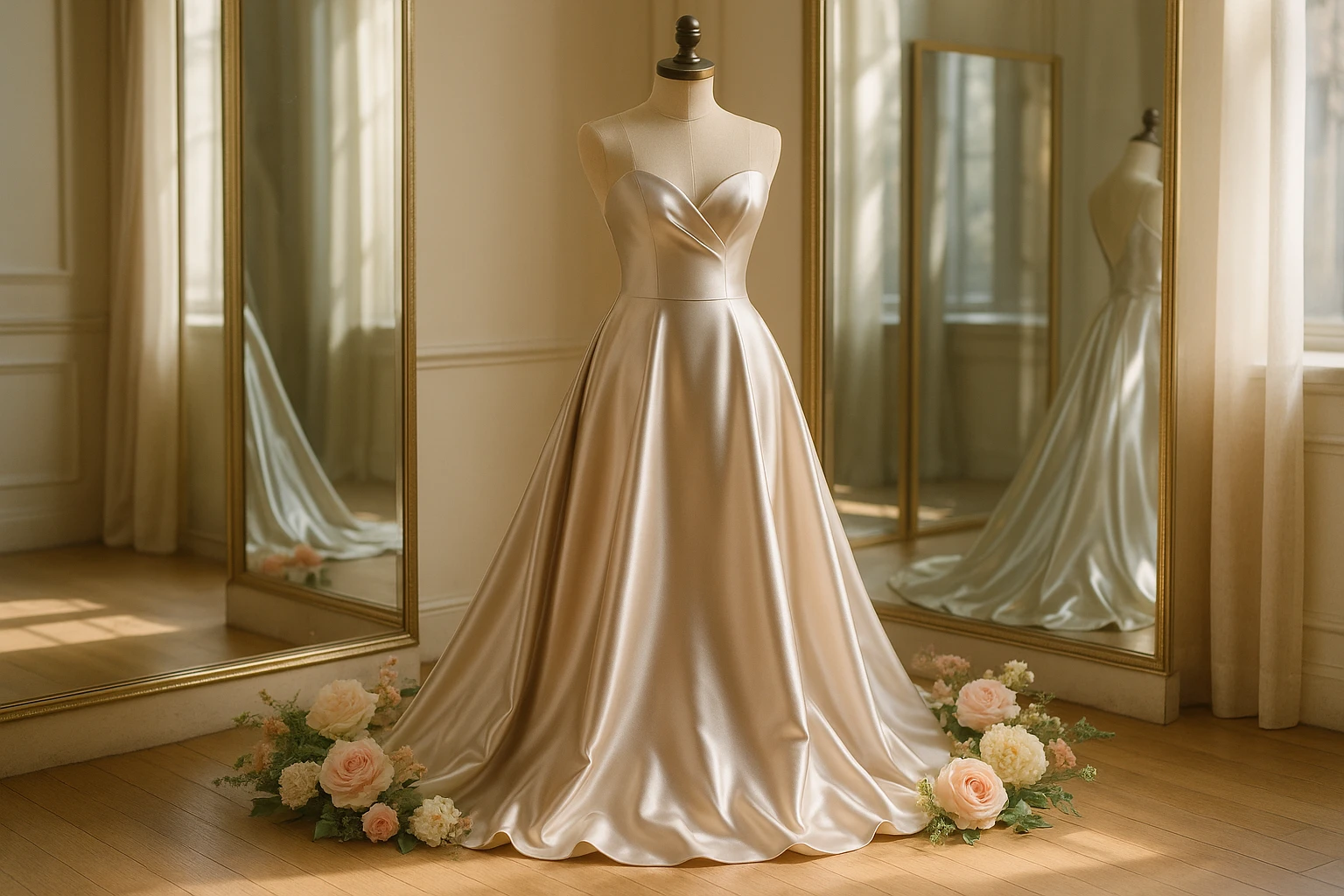
The Allure of Satin Gowns in Contemporary Fashion
The timeless elegance of satin gowns continues to captivate designers and fashion enthusiasts worldwide. Their glossy finish and smooth drape make them a perennial favorite for evening wear and haute couture. Satin's unique texture enhances the silhouette, often turning simple designs into something extraordinary.
Popular Occasions for Satin Gowns
Satin gowns are a staple in the wardrobes of discerning fashionistas, often chosen for weddings, red carpet events, and formal parties. The fabric's lustrous appeal is ideal for evening wear, where lighting can accentuate its sheen. For example, celebrities frequently opt for satin gowns at high-profile events. At the 2021 Oscars, actress Zendaya stunned the audience in a vibrant yellow satin gown that captured both the spotlight and the cameras according to Vogue. This reflects how satin continues to be a popular choice for memorable occasions.
Choosing the Right Satin Gown
Selecting the perfect satin gown requires considering several factors, such as body type, event theme, and color preferences. Designers often recommend rich jewel tones or classic monochromes like black and white for an elegant look. Additionally, dressmeupny offers a curated collection of satin gowns that cater to various tastes and budgets, ensuring that every customer finds something fitting for their special occasion.
Caring for Satin Gowns
Maintaining the pristine condition of satin gowns involves specific care techniques. Dry cleaning is typically recommended due to the delicate nature of the fabric. However, if washing at home, it is crucial to use mild detergents and cold water. Ironing should be done inside out on a low setting to prevent any unsightly marks or damage to the fabric.
The allure of satin gowns lies not only in their aesthetic appeal but also in their versatility and adaptability across different fashion landscapes. As designers continue to innovate with cuts and styles, satin remains a cherished choice for both classic and contemporary tastes.
Care and Maintenance: Preserving the Elegance of Satin Gowns
After appreciating the timeless charm and design innovations of your satin gowns, ensuring their enduring beauty requires thoughtful care. Proper handling not only maintains the luxurious sheen but also prevents damage that can diminish the fabric’s appeal. Here are reliable, industry-approved strategies to keep your gowns in pristine condition.
Gentle Techniques to Remove Wrinkles
One effective and gentle method to smooth creases involves steaming. Handheld steamers, used with a cover like a clean white sock, allow the steam to relax fibers without direct heat contact, minimizing the risk of damage to delicate folds or embellishments. Begin steaming from the bottom and work your way up in slow, fluid motions, then let the gown air-dry fully to set the fabric naturally photo-space.live. In a pinch, hanging the gown in the bathroom while running a hot shower can create a humid environment that works similarly, though steamers remain the safer, repeatable option ever-pretty.com.
Ironing and Spot Treatments
Ironing satin requires extreme caution. Always turn the garment inside out and use a pressing cloth between the iron and fabric. Set the iron to the lowest heat—preferably “silk” or “satin” setting—to avoid scorch marks or shine loss ever-pretty.com. For small areas, a hairdryer can be used: lightly mist the fabric, then apply warm air from about 12–18 inches away, finishing with cool air to “set” the fiber and avoid heat concentration brides.com.
Washing and Drying Safely
When it comes to cleaning, hand-washing is the gold standard. Use cool water and a mild, silk-friendly detergent, gently swishing—never wringing or twisting. After rinsing, press out excess water by rolling the gown in a clean towel, then air-dry flat or on a padded hanger in a well-ventilated, shaded area. Avoid tumble dryers altogether to preserve the fabric’s structure and prevent shrinkage or dulling fashiontrendyshop.com. For heavily embellished, delicate, or vintage pieces, professional dry cleaning—specifically using methods tailored for satin weaves—is the safest choice nca-i.com.
Storage Tips for Longevity
Proper storage minimizes wrinkles and protects the fabric from environmental damage. Always hang satin gowns on padded or cloth-covered hangers to distribute weight evenly and avoid shoulder distortion. Use breathable garment bags rather than plastic, which can trap moisture and lead to mildew or fiber weakening lezhougarment.com. Keep the storage area cool, dry, and shielded from direct sunlight, which can both fade color and degrade the material over time lezhougarment.com.
Handling and Routine Care
Limit exposure to potentially harmful elements by applying perfume, hairspray, or makeup before dressing, ensuring they’re fully dry before the gown is worn lezhougarment.com. When handling, make sure hands are clean and dry to prevent stains or watermarks. If traveling, wrap the gown in a dry-cleaning bag or acid-free tissue to reduce friction and potential snags lezhougarment.com.
By integrating these carefully researched, expert-backed care strategies into your routine, your elegant pieces will stay radiant and refined over many occasions. Thoughtful preservation ensures that each gown retains its original luster—just as intended by its designer.
Conclusion
In the world of fashion, satin gowns epitomize elegance and timeless sophistication. As we wrap up our in-depth exploration of these luxurious garments, it's essential to consider how they can be integrated into various aspects of life, from formal events to artistic expressions. The versatility and stunning aesthetic of satin make it a staple for those who appreciate elegance and craftsmanship.
Key Takeaways
The allure of satin gowns lies in their lush texture and elegant drape, which make them a popular choice for formal occasions. Satin's unique ability to catch and reflect light adds an exquisite dimension to any setting. When choosing a satin gown, consider factors such as fit, color, and occasion to ensure the perfect match. For those involved in design and fashion curation, understanding the nuances of satin fabric can greatly enhance creative projects and client satisfaction.
Actionable Insights
- Personal Styling: Incorporate satin gowns into your wardrobe for occasions that call for a touch of elegance and luxury. Pair them with understated accessories to allow the gown's natural beauty to shine.
- Business and Retail: Fashion retailers should consider stocking a range of satin gowns to cater to the growing demand for luxury occasion wear. Understanding market trends and consumer preferences will be crucial in selecting the right designs.
- Creative Projects: Artists and designers can use satin as a medium to explore bold visual statements, elevating their work through the fabric’s natural sheen and fluidity.
Final Thoughts
Satin gowns offer more than just beautiful attire; they represent an intersection of fashion, art, and personal expression. Whether you're attending a grand event or looking to add a touch of luxury to your everyday life, satin gowns provide endless possibilities. According to fashion experts, the appeal of satin continues to grow, reflecting a timeless elegance that few other materials can match.
For those ready to explore the thrilling world of satin gowns, consider visiting dressmeupny. This resource offers a wide selection of expertly curated gowns that can help you make a statement at any event. Explore their collection to find the ideal satin gown that resonates with your unique sense of style.