
Top Features of a User-Friendly Dress Shopping Experience

Introduction
Imagine browsing a dress collection so intuitive that it feels less like shopping and more like discovery. In today’s fast-paced digital world, consumers expect an online fashion experience that anticipates their needs, offers seamless interaction, and builds confidence at every step. This article explores in depth what are the top features of a user-friendly dress shopping experience?, guiding brands to elevate engagement, foster loyalty, and increase conversions.
As shoppers become more discerning, credible data underscores the importance of tailored experiences. According to ZIPDO’s 2025 customer experience report, 80% of consumers consider the overall interaction with a clothing brand to be as important as the product itself, while 73% cite a positive experience as a key influencer of brand loyalty. Shockingly, 52% of shoppers abandon their carts due to poor online experiences, highlighting the crucial role seamless design plays in conversion optimization. Simultaneously, 45% of shoppers are more likely to purchase again when they receive personalized product recommendations, and 45% also indicate interest in augmented reality features to virtually try on clothing. These statistics illustrate that beyond product quality, intuitive features directly impact customer satisfaction and retention ZIPDO Education Report 2025.
Concrete industry examples further illuminate these concepts. Platforms like Adobe Commerce report that 72% of users who receive personalized recommendations end up buying more than they initially intended. Their survey also shows that 82% of consumers value flexibility in payment options—from credit cards to PayPal and digital wallets—reinforcing the importance of frictionless checkout experiences Adobe Commerce study.
Drawing from these insights, this piece will dive deeper into the features that define an outstanding dress-shopping journey. You’ll find actionable strategies—from mobile-first navigation to immersive virtual try-on tools—that reflect real data and marketplace innovation. With expert-backed evidence, each subsection will offer practical advice for designing a shopping experience that customers trust, enjoy, and return to again and again.
Intuitive Navigation and Design
In the realm of online shopping, intuitive navigation stands as a cornerstone of a user-friendly dress shopping experience. A website's design should allow customers to effortlessly find what they are looking for without unnecessary clicks or confusion. A clear, logical layout enhances usability, making the shopping experience smooth and enjoyable for both seasoned and first-time shoppers.
A prime example of effective navigation is the implementation of a clean interface with well-organized categories. For instance, dress types might be segmented based on occasion, style, or season, providing a direct path to the desired product. According to Shopify’s insights, websites that have streamlined navigation systems can see an increase in customer conversion rates as users spend less time searching and more time selecting.
Search Functionality
Strong search functionality further supports an intuitive shopping journey, enabling users to quickly locate specific items. Advanced search features, such as filters and predictive text, refine results to suit individual preferences. Consider adding filters for size, color, price, and brand, which can significantly reduce browsing frustration and improve satisfaction. As described by Smashing Magazine, websites incorporating smart search capabilities can enhance user engagement and retention.
Mobile-First Approach
A mobile-first design is crucial in today’s digital marketplace, particularly in dress shopping, where decisions might be impulsive and immediate. Designing with mobile users in mind includes responsive design elements that ensure functionality across devices. Given that mobile commerce is expected to account for nearly 54% of total e-commerce sales according to Forbes, businesses must prioritize a seamless and adaptable mobile shopping experience. Fluid navigation across smartphones and tablets assures that users can explore collections as easily as they can on larger screens.
Combining these strategies, from enhancing navigation to optimizing mobile interfaces, provides a comprehensive answer to what are the top features of a user-friendly dress shopping experience. By focusing on user experience through thoughtful design and innovative technology, businesses position themselves to capture and retain a satisfied customer base.
Personalized Customer Interactions
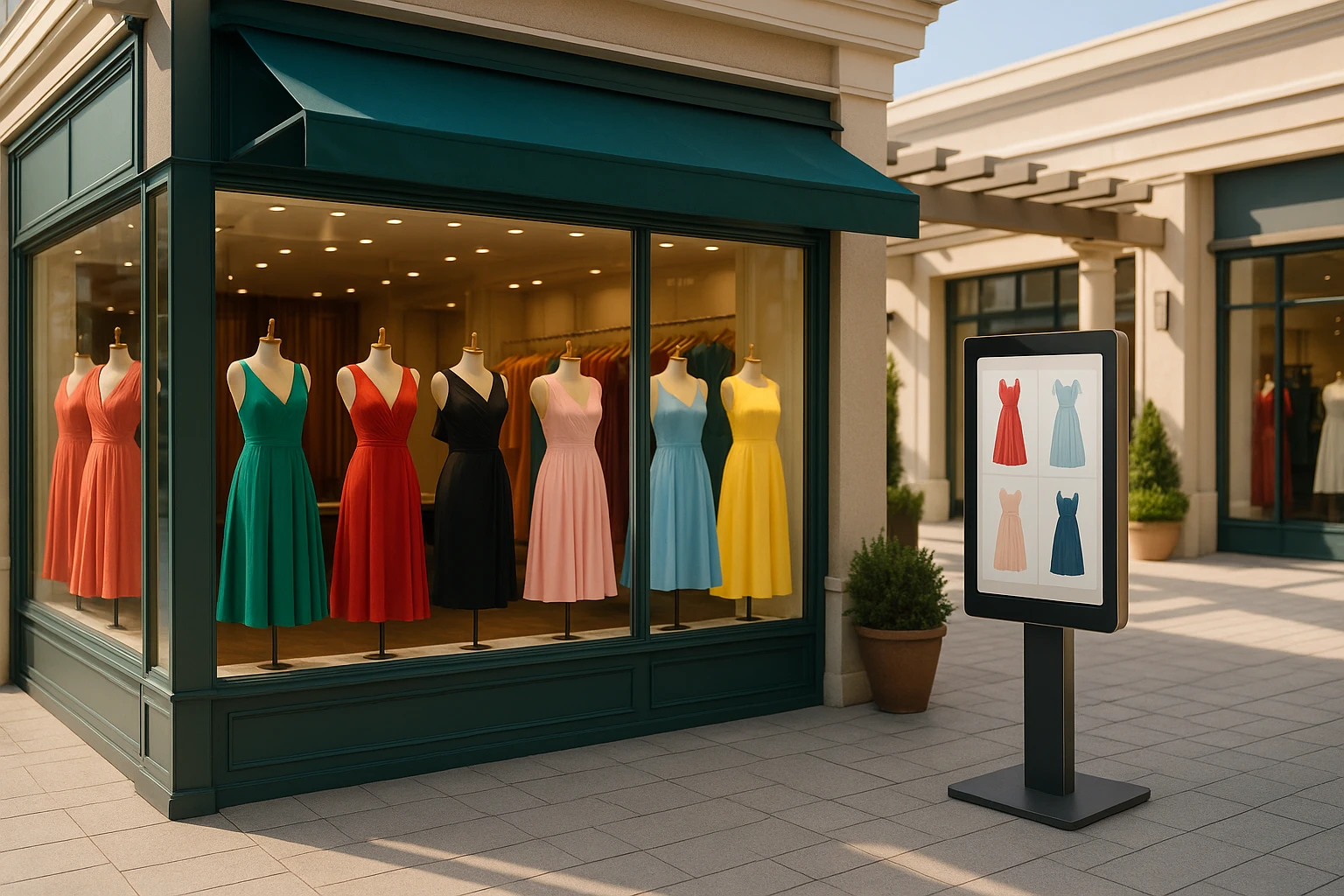
For a user-friendly dress shopping experience, personalized customer interactions stand out as a critical feature. In today's digital age, customers expect more tailored services that cater to their individual preferences and needs. A personalized approach not only enhances satisfaction but also builds loyalty. For instance, utilizing customer data to offer personalized recommendations can greatly improve the shopping experience. According to a study by Epsilon, 80% of consumers are more likely to make a purchase when brands offer personalized experiences (Forbes).
An excellent example of personalization in action is the use of integrated AI systems that analyze customer interactions, purchase history, and browsing patterns to recommend products. These smart systems transform the experience from browsing to buying, making it more engaging and efficient. Imagine entering a store and having a digital assistant that suggests outfits based on your past purchases and present interests, significantly reducing decision fatigue and enhancing satisfaction.
Moreover, platforms like dressmeupny leverage advanced personalization methods, using user data to tailor offerings and promotions. This ensures that customers encounter dresses that resonate with their unique style and preferences. By focusing on what are the top features of a user-friendly dress shopping experience, proprietors can craft approaches that not only meet but exceed consumer expectations, driving engagement and conversion rates.
Real-time Assistance and Support
Providing real-time assistance is another essential feature of a user-friendly dress shopping experience. Shoppers often require immediate information or assistance, whether online or in physical stores. Implementing live chat support or having knowledgeable staff available aids in answering queries instantly, thereby minimizing frustration and enhancing customer satisfaction. Research reveals that 79% of consumers prefer live chat options because they offer instant responses (SuperOffice).
Incorporating virtual assistants and chatbots that simulate a human-like conversational experience can streamline customer interactions online. By offering 24/7 support, retailers ensure that shoppers receive help whenever needed, creating a seamless experience regardless of the time of day. Additionally, these tools can guide users through various stages of their shopping journey, providing valuable insights and assistance without the wait.
In conclusion, personalized interactions and real-time assistance are pivotal in what are the top features of a user-friendly dress shopping experience. By integrating these elements into their operations, businesses can not only enhance customer satisfaction but also achieve higher levels of engagement and loyalty.
Intuitive Navigation and Advanced Filtering
Continuing the progression from personalized interactions and real‑time assistance, a truly seamless dress shopping experience hinges on how effortlessly users can explore and find the items they want. Intuitive navigation is foundational: when menu layouts and category labels (for example, “Dresses,” “Occasions,” “New Arrivals”) clearly guide shoppers, it not only reduces frustration but also encourages exploration and higher dwell time olitt.com. Additionally, integrating a prominent search bar with autocomplete and typo correction ensures users who know exactly what they’re looking for can get there swiftly blog.magestore.com.
Smart, Visual Filters That Streamline Discovery
As collections grow more extensive, shoppers benefit tremendously from smart filtering systems. Filters for size, color, price, fabric, and occasion should be easy to access—and where possible, use visual cues: color swatches, icons for fit, or thumbnails for patterns improve scanning speed and reduce cognitive load milople.com. For example, size filters appear on 95% of major fashion sites and can boost conversion rates by 15–20% because they help avoid frustration over availability bestcolorfulsocks.com. Equally, clear “clear all filters” controls and multi-select options give shoppers flexibility and control during exploration dev.to.
Seamless Transition from Browsing to Buying
Effective navigation and filtering also smooth the journey from interest to purchase. When users can refine a catalog to see all available dresses in their size or preferred color in real time, the browsing-to-buying journey becomes rapid and intuitive. For instance, displaying filter results dynamically without page reloads keeps users engaged and focused milople.com. This approach supports better flow in the user experience and fosters the confidence to proceed to the next steps.
All these navigation- and filter-driven strategies directly contribute to crafting a more engaging and efficient user journey—an essential dimension in understanding what are the top features of a user‑friendly dress shopping experience? By combining clarity, visual guidance, and responsive functionality, retailers make it easier for customers not just to browse, but truly to fall in love with the perfect dress.
Conclusion: Crafting a User-Friendly Dress Shopping Experience
In today's competitive retail landscape, understanding what are the top features of a user-friendly dress shopping experience is vital for success. Each element, from personalized customer service to seamless online integration, contributes to creating an environment where customers feel valued and understood. Offering a variety of styles caters to diverse tastes, while accessible and intuitive store layouts enhance the shopping journey.
Actionable insights emerge from appreciating these key aspects. First, integrating technology, such as augmented reality fitting rooms and AI-driven style assistants, can significantly uplift the shopping experience. For instance, Zara's use of AR allows customers to see outfits in 3D without trying them on, improving engagement and satisfaction (BBC).
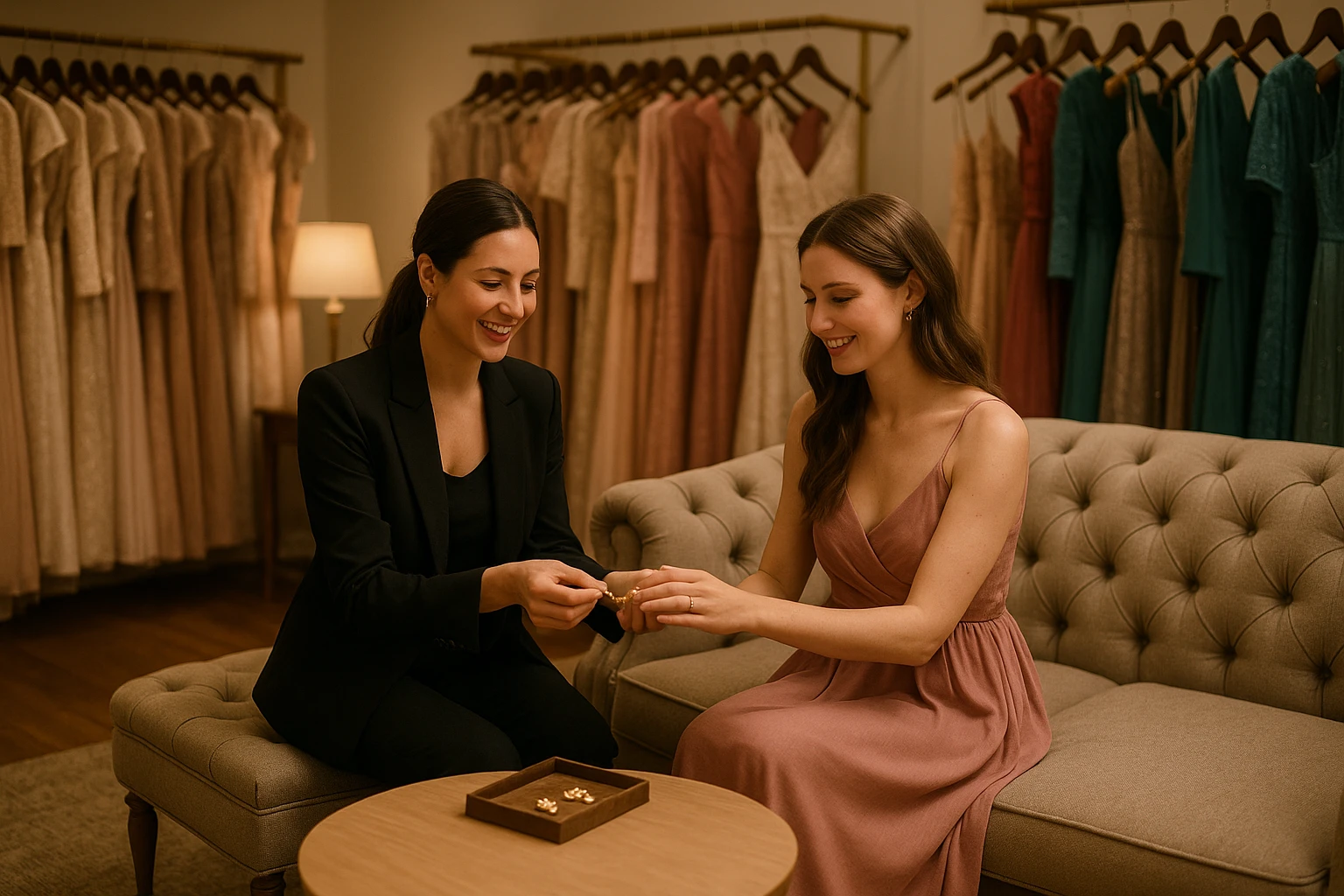
Moreover, nurturing a welcoming atmosphere with attentive staff ensures customers feel supported. According to Forbes, retailers who blend personal touch with technological advancements see higher customer retention and satisfaction. Implement physical ambiance enhancements like soft lighting and strategic music choices to set the right mood.
Incorporating feedback mechanisms and listening actively to customer needs can lead to continuous improvement. Encourage customer reviews and act upon them to refine offerings and operations. This responsiveness builds trust and loyalty, paving the way for repeat business and word-of-mouth promotion.
For those seeking to implement these strategies effectively, leveraging professional platforms can be a game-changer. Consider consulting with experts like dressmeupny. They offer tailored solutions to enhance retail experiences and drive business growth. By aligning with seasoned professionals, retailers can transform their approach, staying ahead in the competitive fashion landscape.
Ultimately, the key to thriving in dress shopping is continual adaptation and focused innovation. By prioritizing customer-centric approaches and integrating proven methods, businesses can provide memorable shopping experiences that resonate with their audience. This goes beyond a transaction—it's about building lasting relationships through exceptional service and thoughtful design.